ToolMage
Sign in

Best 3 Habit Formation AI tools for Productivity

Popular Habit Formation AI tools in Productivity include OpenSynaps, Mouthbreather, and DermaProtect, helping you work more efficiently.

Mouthbreather
Free

Mouthbreather

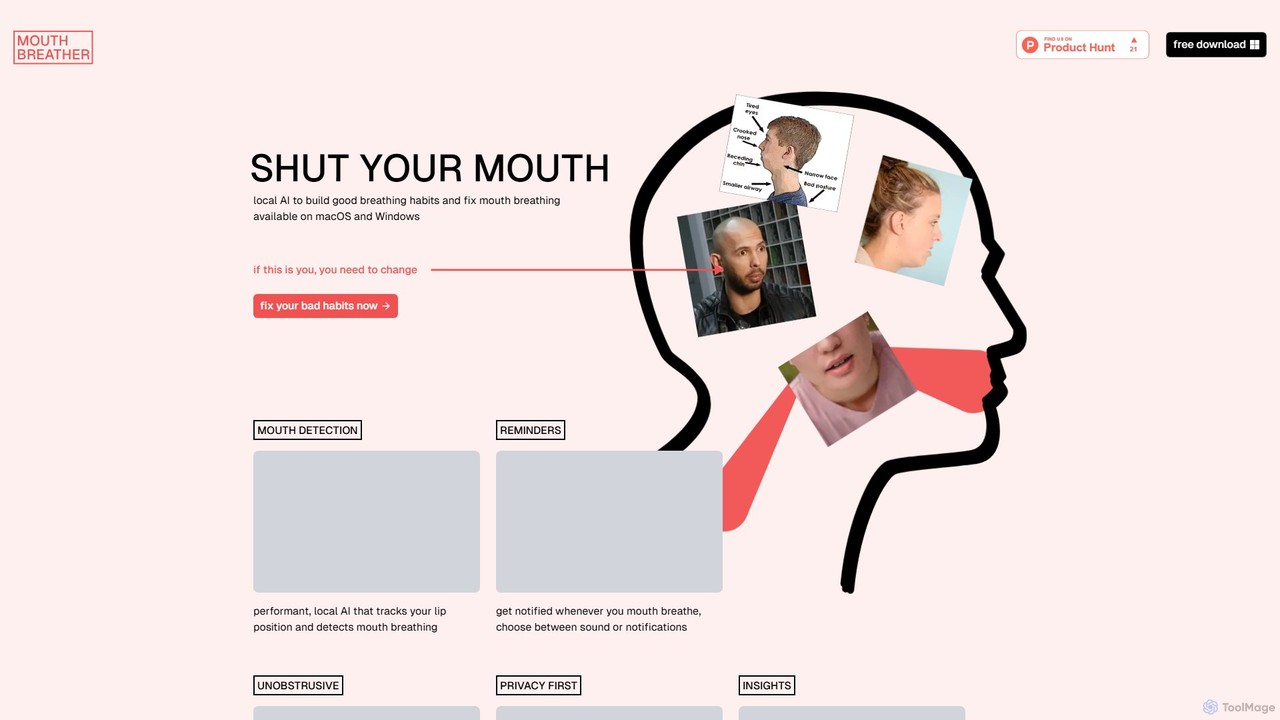
Mouthbreather is a free desktop app for macOS and Windows that uses local AI to detect mouth breathing via your webcam. It helps you build healthy nasal breathing habits by sending gentle reminders whenever your mouth is open. The app is privacy-focused, running entirely on your device, and provides insights to track your progress.

3D
Visits 5.6KFavorites 159Likes 146
OpenSynaps
Freemium

OpenSynaps

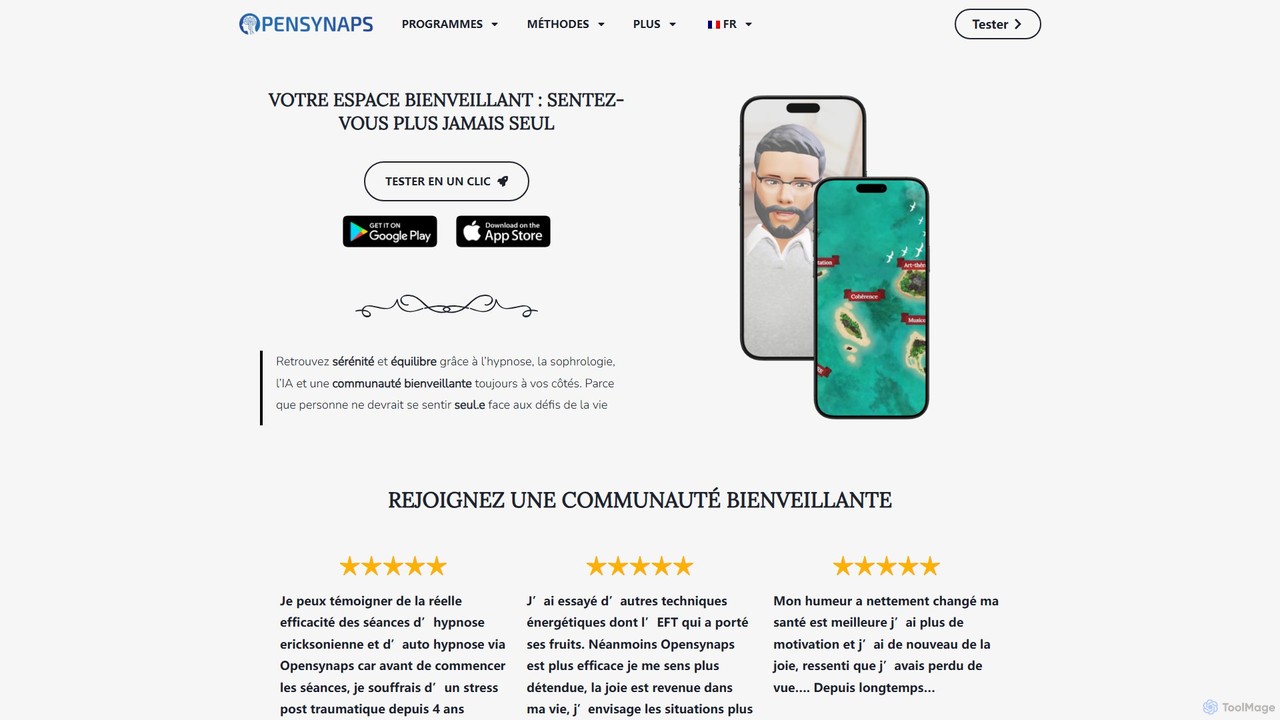
OpenSynaps is an AI-powered digital wellness platform offering personalized programs to combat stress, anxiety, phobias, and addictions. It combines hypnosis, sophrology, meditation, and a supportive community to help users achieve serenity and balance. The AI adapts programs to individual needs for a truly personal therapeutic experience.

Mental Health
Visits 15KFavorites 147Likes 145
DermaProtect
Paid

DermaProtect

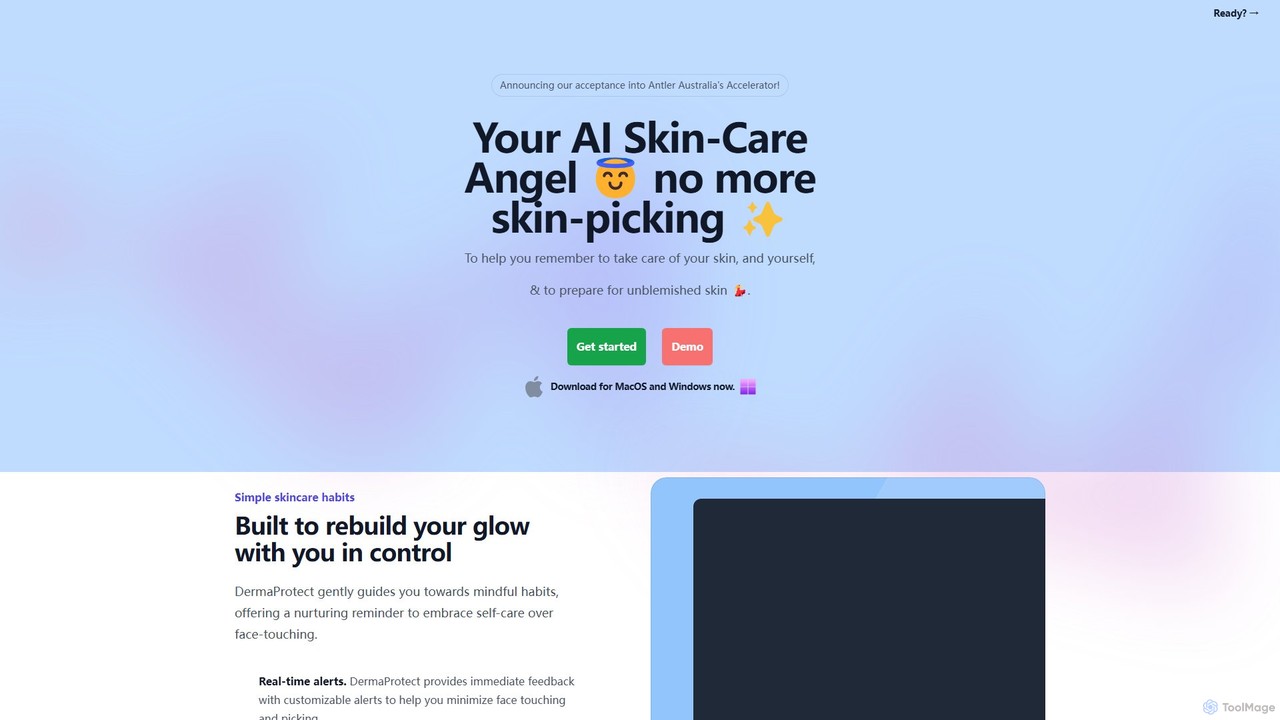
DermaProtect is an AI-powered web application designed to help individuals manage dermatillomania (compulsive skin picking). Using your device's webcam, it employs computer vision to detect face-touching behaviors in real-time and provides customizable alerts to help you break the habit. The tool is informed by dermatological research, including studies backed by CSIRO, offering a scientifically-validated approach to support your skin journey.

Computer Vision
Visits 5.5KFavorites 131Likes 145

About Habit Formation

Habit Formation tools are AI-powered applications designed to help users build and maintain positive routines consistently. They leverage principles from behavioral science, such as tracking streaks, setting intelligent reminders, and offering positive reinforcement to make new behaviors stick. These tools are ideal for individuals seeking to improve personal health, enhance productivity, or learn new skills through structured, daily actions. AI capabilities often personalize the experience by analyzing progress patterns and providing motivational insights to prevent users from breaking their momentum.

Core Features

  • Streak Tracking: Visually represents consecutive days a habit is completed to build motivation.
  • Smart Reminders: Delivers adaptive, context-aware notifications based on user schedules and location.
  • Progress Analytics: Provides detailed reports and visualizations on consistency, completion rates, and trends over time.
  • Gamification Elements: Incorporates points, badges, and levels to make the process more engaging and rewarding.
  • Guided Journeys: Offers structured programs or challenges for specific goals like meditation or fitness.

Use Cases

These tools are widely used for personal development, professional growth, and health management. For example, a professional might use one to build a daily habit of learning a new language for 15 minutes, while someone focused on wellness could track daily exercise, water intake, and meditation sessions. They provide the necessary structure and accountability for long-term behavioral change.

How to Choose

When selecting a Habit Formation tool, consider the flexibility of its tracking system (daily, weekly, specific days), the intelligence of its reminder engine, and the depth of its analytics. Also, evaluate the motivational features—whether you prefer gamification, community support, or simple data visualization. Finally, check for integrations with other apps like calendars or health trackers to create a seamless workflow.

Habit Formation use cases

1

Establishing a Daily Fitness Routine

A user aiming to improve their physical health decides to exercise for 30 minutes every morning. They use a Habit Formation tool to log each workout session. The app visually tracks their streak, showing a chain of consecutive successful days, which provides a powerful psychological boost. AI-powered smart reminders prompt them at their optimal workout time, and weekly progress reports highlight improvements in consistency, motivating them to continue and turn the activity into a lasting habit.

2

Learning a New Language Daily

A professional wants to learn Spanish for career advancement and commits to studying for 20 minutes every day. They use a habit app to set a recurring daily goal. The tool allows them to check off each study session and tracks their consistency. Gamification features, such as earning points for a 7-day streak or unlocking badges for 30 consecutive days, provide extra motivation. This structured approach helps integrate language learning into their busy schedule, ensuring steady progress over time.

3

Cultivating a Daily Meditation Practice

An individual seeking to reduce stress uses a Habit Formation tool to build a consistent meditation practice. They set a goal to meditate for 10 minutes after waking up. The app provides a simple timer and logs the session automatically. Over time, the analytics feature shows them their longest streak and total meditation time, reinforcing their commitment. Gentle, intelligent reminders help them stay on track on days they might forget, transforming a desired behavior into a natural part of their morning routine.

4

Improving Hydration by Tracking Water Intake

A health-conscious user wants to ensure they drink at least 2 liters of water daily. They use a habit tracker to log each glass of water. The app provides a simple interface to quickly add intake and visually displays their progress toward the daily goal. The tool sends periodic, non-intrusive reminders throughout the day. By consistently tracking, the user becomes more mindful of their hydration levels, and the act of drinking enough water transitions from a chore to an automatic, healthy habit.

5

Building a Consistent Reading Habit

A student wants to read more non-fiction books to broaden their knowledge. They set a goal in their habit app to read for 25 minutes before bed each night. The app integrates with their e-reader to automatically log reading sessions, or they can manually check it off. The visual satisfaction of seeing a calendar fill up with completed days encourages them to avoid breaking the chain. This system transforms the abstract goal of 'reading more' into a concrete, trackable, and achievable daily action.

6

Practicing a Musical Instrument Daily

An aspiring musician commits to practicing guitar for 45 minutes every day. They use a habit formation app to schedule their practice sessions and track their adherence. The app's analytics show them their average practice duration and their most consistent days of the week, providing insights to optimize their schedule. Sharing their progress with an online community feature within the app adds a layer of accountability, helping them stay motivated on challenging days and celebrate milestones together.

Habit Formation FAQ

What are AI Habit Formation tools?

AI Habit Formation tools are applications designed to help users build and maintain positive habits using principles of behavioral science and artificial intelligence. Unlike simple reminders, they focus on building consistency through features like streak tracking, progress analytics, and gamification. AI enhances these tools by providing smart, adaptive reminders based on your schedule, analyzing your performance to offer personalized insights, and motivating you when you're at risk of breaking a streak.

How to choose the right Habit Formation app?

When choosing a Habit Formation app, consider these factors:

  • Tracking Flexibility: Can it track daily, weekly, or custom-frequency habits? Does it support tracking quantities (e.g., glasses of water) or just completion?
  • Motivational Features: Do you prefer gamification (points, badges), social accountability (sharing with friends), or data-driven reports to stay motivated?
  • Reminder System: Does it offer basic timed reminders, or does it have smart, location-based, or AI-adaptive notifications?
  • Analytics and Insights: How well does it visualize your progress? Does it provide meaningful insights into your consistency and performance?
  • User Interface: Is the app easy and quick to use? A complicated interface can become a barrier to tracking your habits consistently.
What's the difference between a Habit Formation tool and a To-Do List app?

The primary difference lies in their purpose. A To-Do List app is designed for managing discrete, often one-time tasks (e.g., 'buy groceries,' 'email John'). Its focus is on task completion. In contrast, a Habit Formation tool is designed for building consistent, long-term behaviors (e.g., 'exercise daily,' 'meditate for 10 minutes'). Its focus is on consistency and repetition, using features like streaks, calendars, and progress charts to reinforce the behavior over time, rather than just checking off a task.

How can AI enhance habit building?

AI significantly enhances habit building by adding a layer of intelligence and personalization. It can:

  • Provide Smart Reminders: Instead of fixed times, AI can learn your schedule and prompt you at the most effective moments.
  • Analyze Performance: AI can identify patterns in your behavior, such as which days you are most likely to skip a habit, and offer proactive encouragement or suggestions.
  • Personalize Motivation: By understanding what motivates you (e.g., data, social proof, or rewards), an AI can tailor its feedback and rewards to be more effective for you.
  • Adapt Goals: If you are consistently struggling, an AI might suggest adjusting the habit to be smaller and more manageable, increasing the likelihood of success.
Who can benefit from using Habit Formation tools?

A wide range of individuals can benefit from these tools. This includes:

  • Students: For building consistent study habits, managing assignments, and learning new skills.
  • Professionals: For professional development, such as daily learning, networking, or focusing on deep work.
  • Health & Wellness Enthusiasts: For tracking fitness routines, nutrition, water intake, meditation, and sleep schedules.
  • Creatives: For committing to daily creative practices like writing, drawing, or playing an instrument.
  • Anyone Seeking Self-Improvement: Individuals who want to quit bad habits or build positive ones to improve their overall quality of life.