ToolMage
Sign in

Best 1 Health AI tools for Productivity

Popular Health AI tools in Productivity include VPT.FIT, helping you work more efficiently.

VPT.FIT
Freemium

VPT.FIT

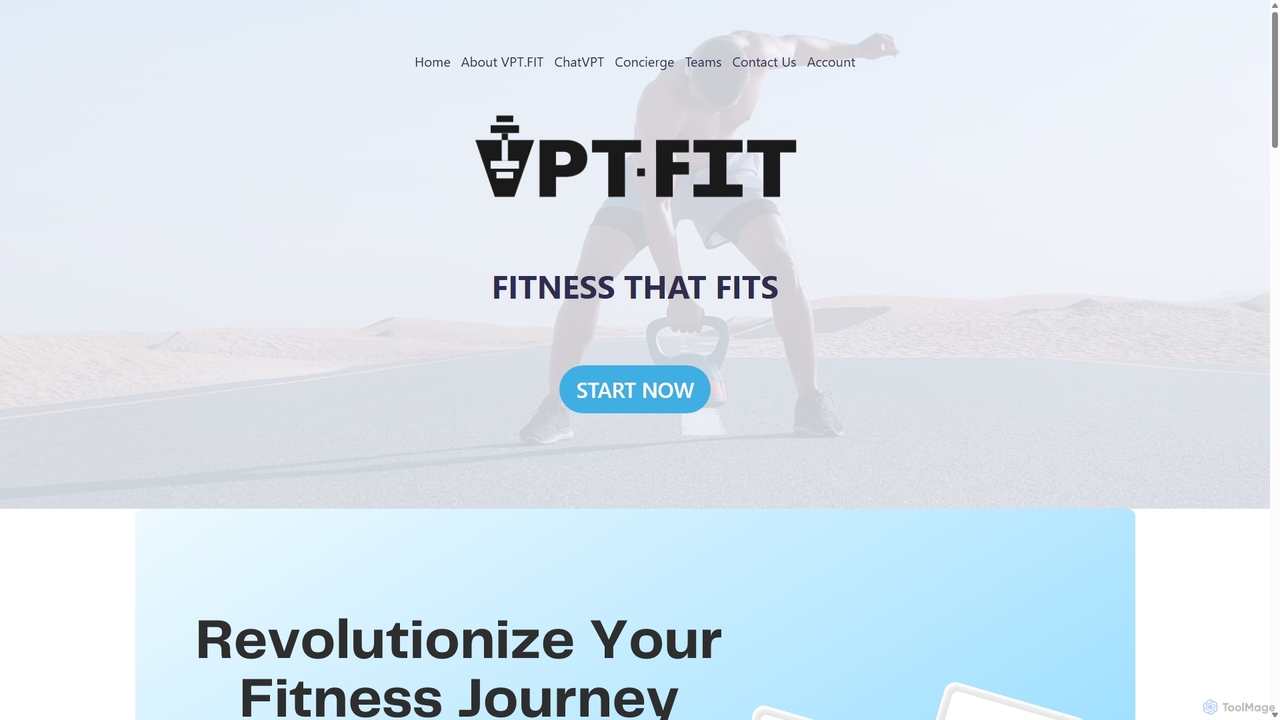
VPT.FIT is an AI-powered fitness platform that delivers customized workout and nutrition plans. It combines artificial intelligence with expert human coaching to create unique fitness experiences for individuals and corporate teams, adaptable to any location like home, gym, or hotel.

Wellness Programs
Visits 8KFavorites 123Likes 113

About Health

AI Health tools are applications that leverage artificial intelligence to analyze personal health data, offer personalized insights, and support well-being management. These tools use machine learning algorithms to process information from wearables, user-inputted symptoms, and lifestyle logs to provide predictive analysis and actionable recommendations. They empower individuals to proactively monitor physical and mental health, optimize fitness routines, and gain a preliminary understanding of their health status. By streamlining personal health management, these tools contribute to overall productivity by fostering better well-being and reducing time spent on health-related uncertainties.

Core Features

  • Symptom Analysis: Provides potential causes for symptoms based on user input, guiding decisions on seeking medical care.
  • Personalized Plans: Generates custom fitness, nutrition, or mental wellness plans based on individual goals and data.
  • Health Data Tracking: Automatically logs and visualizes metrics like sleep patterns, heart rate, and activity levels from connected devices.
  • Mental Wellness Support: Offers tools like AI-powered chatbots, guided meditations, and mood tracking to manage stress and anxiety.
  • Predictive Health Insights: Analyzes trends in user data to forecast potential health risks or identify patterns affecting well-being.

Use Cases

These tools are widely used by fitness enthusiasts optimizing their training, individuals managing chronic conditions like diabetes, and people seeking accessible mental health support. They are also valuable for anyone wanting to adopt a healthier lifestyle by tracking nutrition, sleep, and daily activity to make informed decisions.

How to Choose

When selecting an AI Health tool, prioritize data privacy and security policies. Evaluate the accuracy and scientific backing of its recommendations, especially for medical-related advice. Consider its compatibility with your existing devices (e.g., smartwatches), and choose an application with a clear, intuitive user interface that makes tracking and understanding your health data straightforward.

Health use cases

1

Personalized Workout and Nutrition Planning

A fitness enthusiast wants to prepare for a marathon while building muscle. They input their goal, current fitness level, dietary preferences, and available equipment into an AI Health tool. The AI analyzes this data to generate a dynamic, periodized training schedule that balances running endurance with strength training. It also creates a corresponding meal plan to ensure proper caloric intake and macronutrient balance for peak performance and recovery. The plan adapts weekly based on tracked workout performance and biometric data from their smartwatch, ensuring continuous optimization.

2

AI-Powered Mental Wellness Support

A university student feeling overwhelmed by academic pressure uses an AI Health app for mental wellness. They engage in daily conversations with an AI chatbot that uses principles of Cognitive Behavioral Therapy (CBT) to help them identify negative thought patterns. The app also provides guided breathing exercises to manage acute anxiety before exams and offers personalized mood-boosting activities based on their tracked emotional state. By tracking their mood over time, the student and their therapist can identify triggers and measure the effectiveness of coping strategies, leading to better long-term mental resilience.

3

Preliminary Symptom Analysis and Guidance

A parent is concerned about their child's persistent cough and mild fever. Instead of immediately rushing to an emergency room, they use a trusted AI Health tool. They input the child's symptoms, age, and relevant medical history. The AI asks a series of dynamic, intelligent follow-up questions, mimicking a triage nurse's assessment. Based on the responses, the tool analyzes the pattern of symptoms against a vast medical database and suggests that the symptoms are consistent with a common cold but advises monitoring for specific warning signs. It provides guidance on home care and suggests booking a non-urgent appointment with their pediatrician, helping the parent make a more informed and less anxious decision.

4

Chronic Disease Management and Trend Analysis

A person newly diagnosed with Type 2 diabetes uses an AI Health app to manage their condition. They log their daily blood glucose readings, meals, and physical activity. The AI tool visualizes this data in easy-to-understand charts and identifies correlations, such as how a specific meal impacts their glucose levels hours later. It sends intelligent reminders for medication and glucose checks. Over time, the AI provides predictive insights, warning the user of potential blood sugar spikes based on their logged plans for the day, empowering them to make proactive adjustments in consultation with their healthcare provider.

5

Sleep Quality Analysis and Improvement

An office worker struggling with daytime fatigue uses an AI Health app connected to their smartwatch to analyze their sleep. The app tracks sleep stages (light, deep, REM), duration, and interruptions like restlessness or waking moments. The AI algorithm analyzes this data against their daily logged activities, such as caffeine intake and exercise times. It identifies patterns, for example, that late-afternoon coffee is correlated with reduced deep sleep. Based on this, the app provides personalized, actionable advice, such as suggesting an earlier cutoff time for caffeine and recommending a relaxing pre-sleep routine, to help improve overall sleep quality and energy levels.

6

Medication Adherence and Smart Reminders

An elderly individual living alone needs to manage multiple medications with a complex schedule. Their caregiver sets up an AI Health app on their smartphone. The app creates an intelligent reminder system that goes beyond simple alarms. It can ask the user to confirm they've taken the medication and use the phone's camera to verify the correct pill. If a dose is missed, the app sends an alert to both the user and their designated caregiver. This system provides peace of mind for the family and significantly improves medication adherence, which is crucial for effective treatment and preventing complications.

Health FAQ

What are AI Health tools?

AI Health tools are software applications that use artificial intelligence, particularly machine learning, to analyze health-related data. Their primary goal is to provide users with personalized insights, guidance, and support for managing their physical and mental well-being. They often function as symptom checkers, fitness and nutrition planners, sleep trackers, or mental health companions. These tools process data from user inputs or connected devices to identify patterns and offer actionable recommendations.

How do I choose a reliable AI Health tool?

Choosing a reliable AI Health tool requires careful consideration of several factors. Prioritize tools that are transparent about their data privacy and security measures. For tools offering medical advice, check if their information is reviewed by medical professionals or based on reputable scientific sources. Look at user reviews for insights into accuracy and user experience. Finally, ensure it's compatible with any devices you use, like a smartwatch, and that its interface is easy for you to navigate and understand.

Are AI Health tools a substitute for a doctor?

No, absolutely not. AI Health tools are designed to be informational and supportive aids, not replacements for professional medical advice, diagnosis, or treatment. They can help you organize your health data, understand potential causes of symptoms, and motivate healthy habits. However, you should always consult a qualified healthcare provider for any medical concerns. Using these tools can help you have a more informed conversation with your doctor, but they cannot replace their expertise and clinical judgment.

What kind of data do AI Health tools use?

AI Health tools use a variety of data sources to function effectively. This typically includes:

  • User-Provided Data: Information you manually enter, such as symptoms, dietary logs, mood ratings, and personal health goals.
  • Sensor Data: Information collected automatically from connected devices like smartwatches or fitness trackers, including heart rate, sleep patterns, steps taken, and activity levels.
  • Contextual Data: Some apps may use location or calendar data (with permission) to understand environmental or scheduling factors that might affect your health.
The combination of this data allows the AI to build a holistic view of your health and provide more accurate, personalized insights.

How do AI Health tools relate to Productivity?

AI Health tools are a key component of personal productivity because good health is the foundation of high performance. By automating health tracking, providing proactive insights, and simplifying complex health information, these tools reduce the mental load and time spent managing one's well-being. This frees up cognitive resources and energy that can be directed towards work, learning, and personal goals. Proactively managing health with AI support can lead to fewer sick days, better focus, and higher overall energy levels, directly boosting an individual's productivity.