
ToolMage
Sign in

Best 2 Human Resources AI tools for Productivity

Popular Human Resources AI tools in Productivity include AcademyOcean and WorkConnect360, helping you work more efficiently.

WorkConnect360
Freemium

WorkConnect360

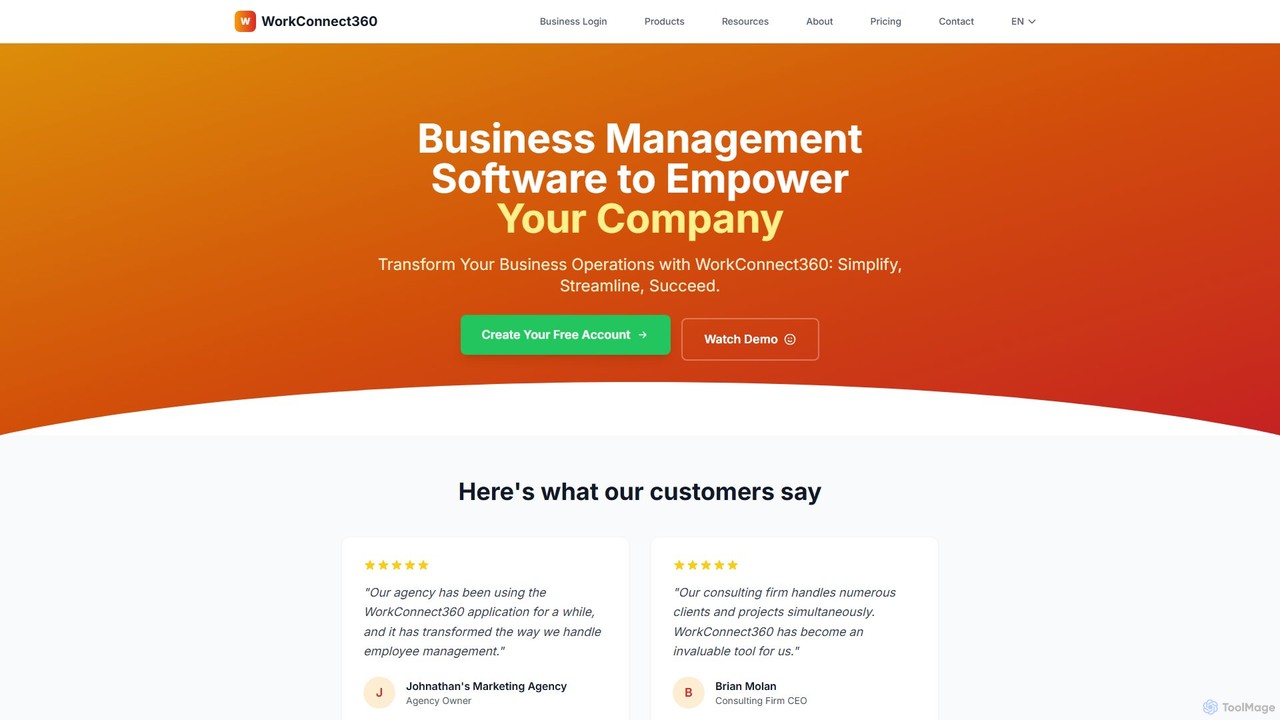
WorkConnect360 is an all-in-one business management software designed to streamline and automate workforce operations. It provides a comprehensive suite of tools for time tracking, payroll, leave management, employee onboarding, and compliance. The platform helps businesses enhance efficiency, ensure accuracy, and make data-driven decisions, empowering them to focus on growth and success.

Management
Visits 6.5KFavorites 167Likes 154
AcademyOcean
Paid

AcademyOcean

AcademyOcean is an AI-powered Learning Management System (LMS) designed to accelerate employee onboarding and corporate training. It leverages AI to automate course creation, generate quizzes, provide instant learner support via an AI copilot, and deliver actionable analytics, helping HR and L&D teams save time and improve learning outcomes.

Learning Management System
Visits 230.8KFavorites 138Likes 142

About Human Resources

Human Resources AI tools are a category of productivity solutions that leverage artificial intelligence to automate, optimize, and enhance various HR functions. These tools utilize machine learning, natural language processing, and predictive analytics to streamline processes from recruitment to employee development. They empower HR professionals to make data-driven decisions, improve efficiency, and foster a more engaging employee experience within the broader productivity landscape.

Core Features

  • Automated Candidate Screening: AI analyzes resumes and applications to identify top candidates based on predefined criteria, significantly reducing manual review time.
  • Predictive Workforce Analytics: Tools forecast talent needs, identify flight risks, and analyze performance trends to inform strategic HR planning.
  • Personalized Employee Experience: AI-driven platforms offer tailored learning paths, onboarding experiences, and support through intelligent chatbots.
  • Bias Reduction in Hiring: Algorithms help identify and mitigate unconscious bias in job descriptions, resume screening, and interview processes.

Applicable Scenarios

HR departments in large enterprises use these tools for global talent acquisition, efficiently sifting through thousands of applications. Small to medium-sized businesses leverage AI for automated payroll processing and employee self-service portals. Additionally, learning and development teams utilize AI to personalize training programs and track skill development across the organization.

How to Choose

When selecting Human Resources AI tools, consider the specific HR functions you aim to automate or enhance, such as recruitment, performance management, or analytics. Evaluate the tool's integration capabilities with existing HRIS (Human Resources Information Systems) and payroll software. Assess the vendor's commitment to data security and compliance with privacy regulations like GDPR. Finally, review the user interface and ensure it offers an intuitive experience for both HR staff and employees.

Human Resources use cases

1

Automated Candidate Sourcing & Screening

Recruiters and talent acquisition specialists use AI tools to automatically scan vast databases and job boards for qualified candidates. The AI then screens resumes against job requirements, ranking applicants and highlighting best matches, drastically reducing the time spent on initial candidate review and allowing recruiters to focus on engagement.

2

Personalized Employee Onboarding

New hires benefit from AI-powered onboarding platforms that deliver personalized information, training modules, and task lists based on their role and department. This ensures a smooth, efficient, and engaging start, reducing administrative burden on HR and improving new employee retention rates.

3

Predictive Workforce Planning

HR strategists and business leaders utilize AI analytics to predict future talent needs, identify potential skill gaps, and forecast employee turnover. This enables proactive workforce planning, ensuring the organization has the right talent in place to meet future business objectives and mitigate risks.

4

AI-Powered Performance Feedback & Coaching

Managers and employees leverage AI tools to facilitate continuous performance management. AI can analyze communication patterns, project outcomes, and feedback data to provide objective insights and personalized coaching suggestions, fostering growth and improving overall team performance.

5

Employee Engagement & Sentiment Analysis

HR teams deploy AI platforms to analyze employee feedback from surveys, internal communications, and reviews to gauge sentiment and identify engagement trends. This allows organizations to proactively address concerns, improve workplace culture, and enhance employee satisfaction and retention.

6

Automated HR Helpdesk & Query Resolution

Employees can interact with AI-powered chatbots for instant answers to common HR questions regarding policies, benefits, or payroll. This frees up HR staff from repetitive queries, providing employees with 24/7 support and improving the overall efficiency of HR service delivery.

Human Resources FAQ

What are AI Human Resources tools?

AI Human Resources tools are software solutions that apply artificial intelligence technologies like machine learning and natural language processing to automate, streamline, and enhance various HR processes. They aim to improve efficiency, reduce manual tasks, and provide data-driven insights across functions such as recruitment, performance management, and employee engagement.

How do AI tools benefit HR departments?

AI tools offer significant benefits to HR departments by automating repetitive tasks, which frees up HR staff for more strategic work. They enhance decision-making through predictive analytics, reduce unconscious bias in hiring, personalize employee experiences, and improve overall operational efficiency, leading to better talent outcomes and cost savings.

What are the key considerations when implementing AI in HR?

Key considerations include defining clear objectives for AI implementation, ensuring data privacy and security, and addressing ethical concerns like algorithmic bias. It's also crucial to assess integration capabilities with existing HR systems, plan for change management, and provide adequate training for HR staff to effectively utilize the new tools.

Can AI help reduce bias in hiring?

Yes, AI can significantly help reduce bias in hiring. By analyzing job descriptions for biased language, anonymizing candidate information during initial screening, and using objective criteria for resume evaluation, AI algorithms can help create a more fair and equitable hiring process, focusing on skills and qualifications rather than demographics.

How do AI HR tools integrate with existing HR systems?

Most AI HR tools are designed to integrate seamlessly with existing Human Resources Information Systems (HRIS), payroll software, and applicant tracking systems (ATS) through APIs (Application Programming Interfaces). This allows for data synchronization, ensuring a unified view of employee data and a smooth workflow across different HR platforms without manual data entry.