ToolMage
Sign in

Best 6 Information Management AI tools for Productivity

Popular Information Management AI tools in Productivity include Ancher, Brief, Pidgeon, Rkt, HackTheNews, and Charlie, helping you work more efficiently.

HackTheNews
Free

HackTheNews

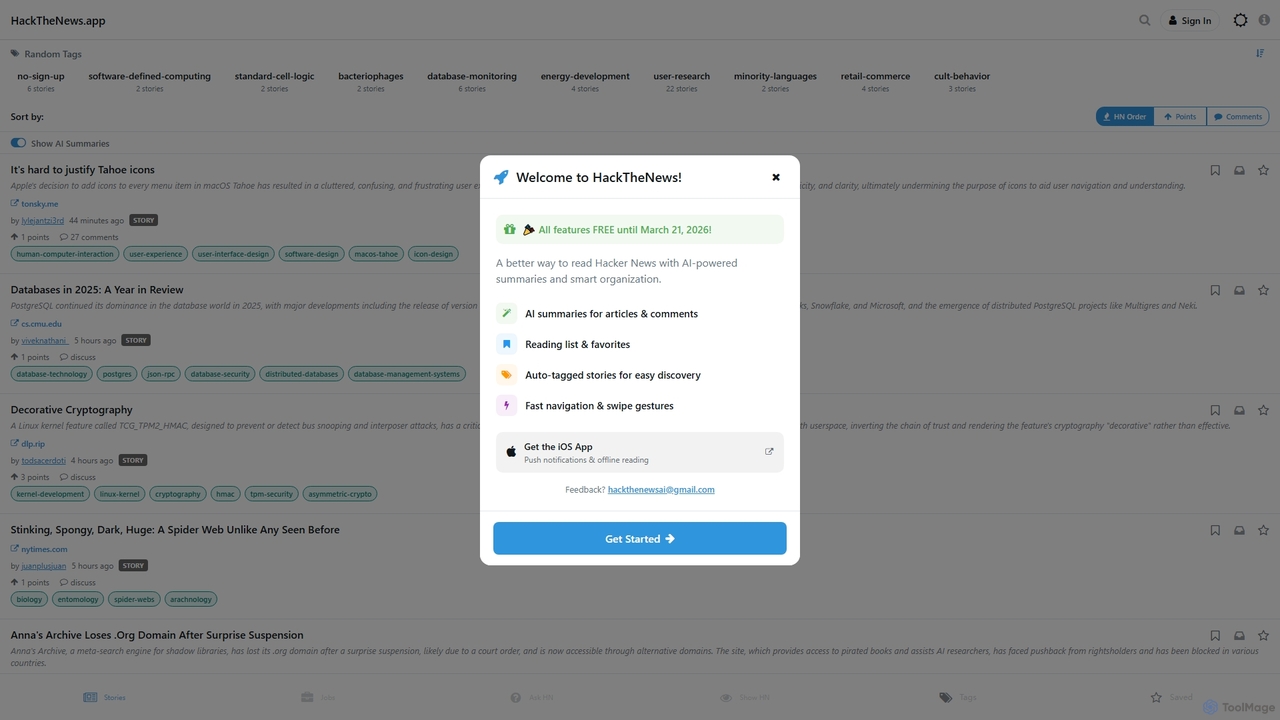
HackTheNews is an AI-powered news aggregation platform designed for technology enthusiasts and professionals. It curates a wide range of tech, software, and AI-related stories, discussions, and projects, offering a unique "AI Summaries" feature to quickly grasp key information. Users can explore trending topics, engage in discussions, and discover new innovations in the tech world.

3D
Visits 5.4KFavorites 41Likes 42
Rkt

Rkt

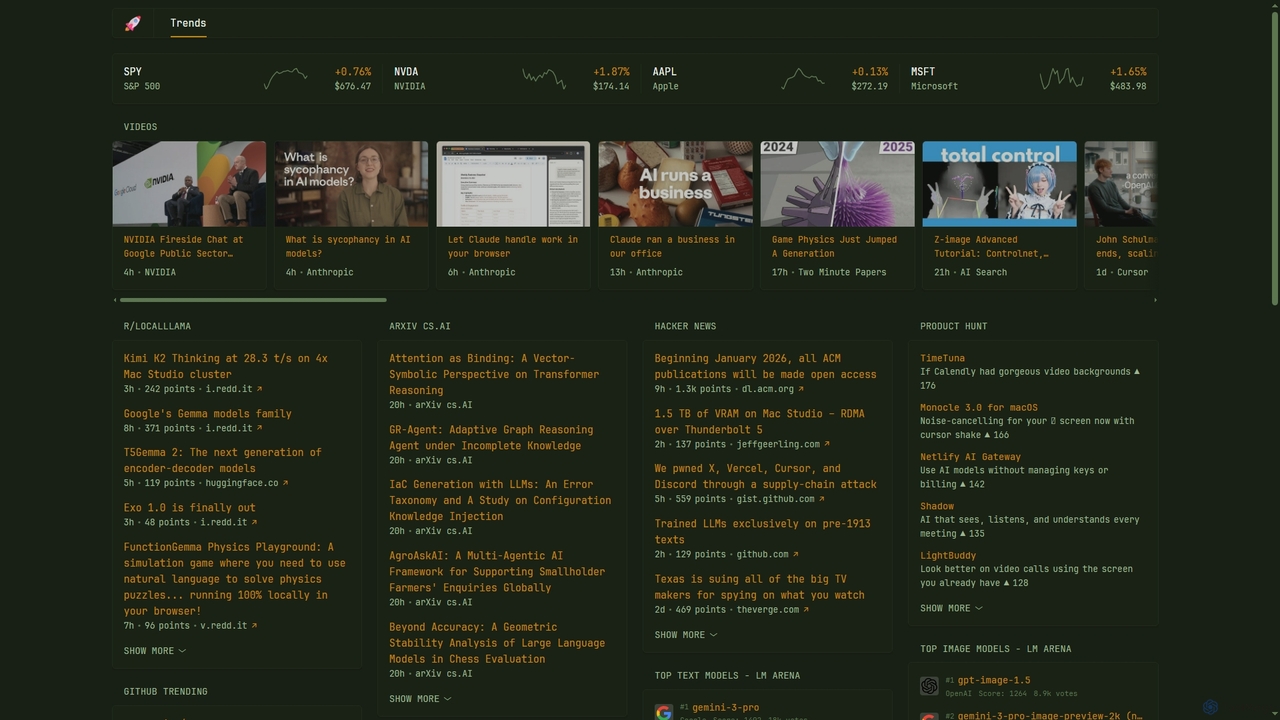
Rkt is a dynamic platform that curates and displays the latest trends, news, models, and discussions across the artificial intelligence ecosystem. It provides a real-time, aggregated overview of significant developments in AI research, open-source projects, market movements, and industry insights.

News & Trends
Visits 6.2KFavorites 64Likes 54
Ancher
Paid

Ancher

Ancher is an AI-powered information chief of staff designed to combat information overload. It delivers a hyper-personalized content feed (Signal Radar), organizes key insights in a personal knowledge base (Anchor Vault), and transforms reading into actionable tasks (Do Mode).

Personalized Feeds
Visits 9.4KFavorites 135Likes 118
Pidgeon
Freemium

Pidgeon

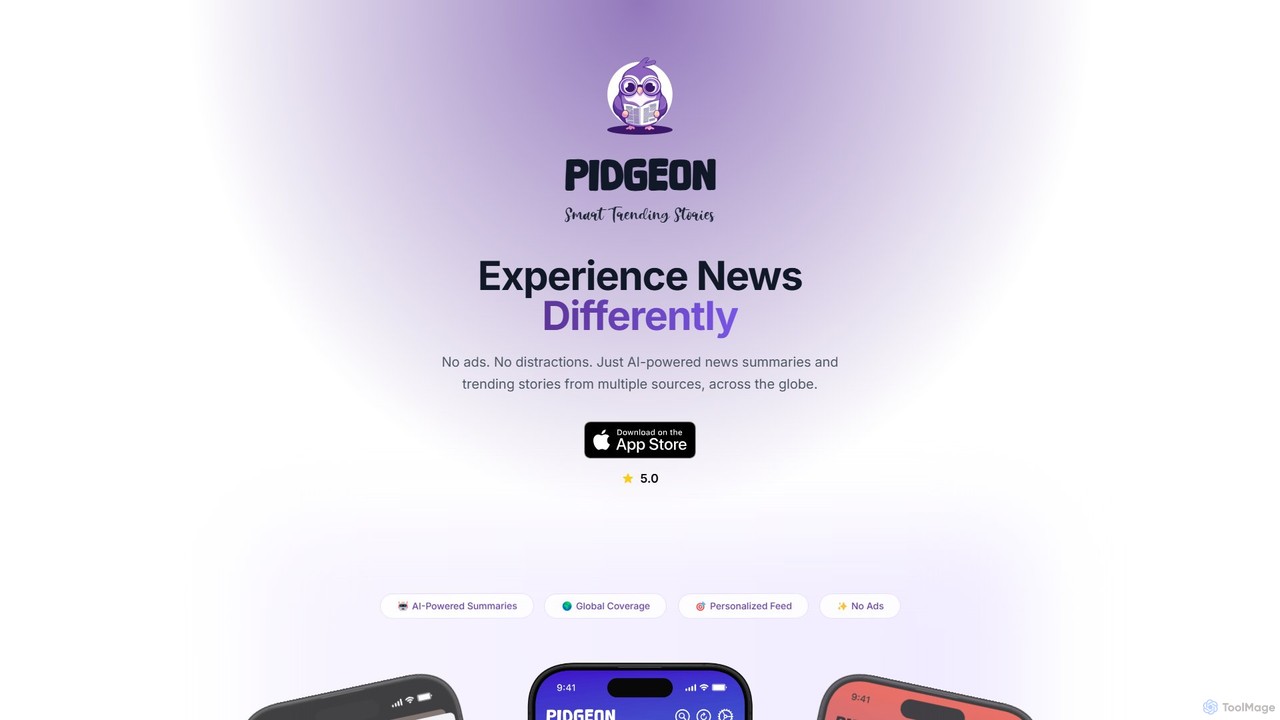
Pidgeon is an AI-powered news aggregator app that delivers concise, ad-free summaries of trending stories from global sources. It offers a personalized news feed, daily digests, and a distraction-free reader mode, helping you stay informed efficiently without information overload. It's designed for users who value time and a clean reading experience.

Summarizer
Visits 7KFavorites 112Likes 120
Charlie
Freemium

Charlie

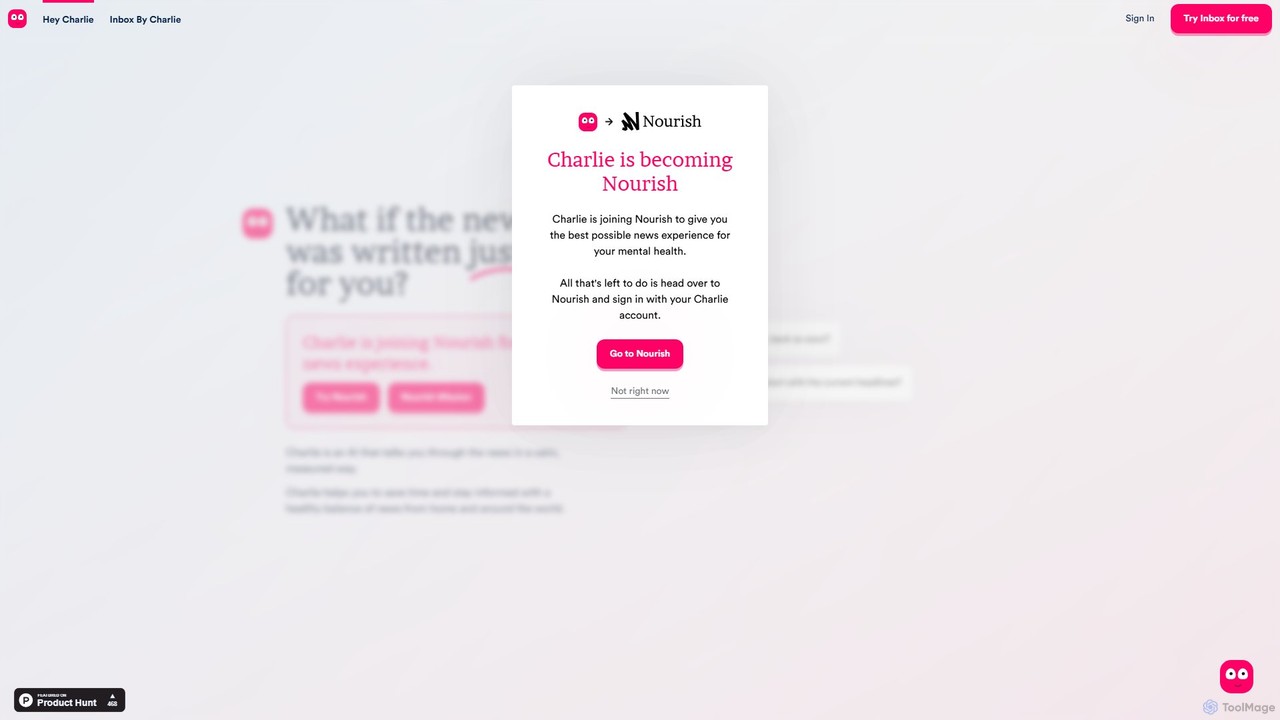
Charlie is your personal AI journalist, designed to deliver news in a calm, conversational, and balanced way. It helps you stay informed without the anxiety of the traditional news cycle, focusing on a healthy information diet and mental well-being. It has now merged with Nourish to enhance this experience.

Mental Wellness
Visits 5.4KFavorites 93Likes 101
Brief
Free

Brief

Brief is an AI-powered news platform that delivers personalized daily news briefings via email. Select your topics of interest, and Brief's AI will curate and summarize thousands of articles from diverse sources, providing you with a concise and relevant news digest every morning.

Summarizer
Visits 7.2KFavorites 135Likes 118

About Information Management

Information Management tools are AI-powered solutions designed to efficiently organize, store, retrieve, and analyze vast amounts of digital data. As a vital component of productivity, these tools leverage advanced artificial intelligence to transform raw information into structured, accessible, and actionable knowledge. They streamline complex data workflows, reduce manual effort, and significantly enhance decision-making across various professional domains.

Core Features

  • AI-Powered Classification: Automatically categorizes documents, emails, and other digital assets based on content, context, and metadata.
  • Intelligent Search & Retrieval: Enables natural language queries and semantic search, quickly locating relevant information even within unstructured data.
  • Automated Summarization: Generates concise summaries of long documents, articles, or reports, saving time and highlighting key insights.
  • Knowledge Graph Creation: Builds interconnected networks of information, mapping relationships between entities, concepts, and data points.
  • Data Deduplication & Cleansing: Identifies and removes redundant or inconsistent data, ensuring data quality and reducing storage overhead.

Applicable Scenarios

These tools are indispensable for professionals dealing with large volumes of information, such as researchers, legal professionals, content creators, and project managers. They are used in scenarios requiring rapid access to specific data, comprehensive knowledge synthesis, or the efficient organization of diverse digital assets.

How to Choose

When selecting an AI Information Management tool, consider the volume and type of data you handle, the required level of integration with existing systems, the sophistication of its search and summarization capabilities, and the flexibility for customization. Data security and compliance features are also crucial, especially for sensitive information.

Information Management use cases

1

Organizing Research Papers

Researchers use AI information management tools to automatically classify, tag, and summarize thousands of academic papers. This allows them to quickly find relevant studies, identify key methodologies, and synthesize findings for literature reviews, significantly accelerating the research process.

2

Managing Legal Documents

Legal professionals leverage these tools to process and organize vast repositories of contracts, case files, and legal precedents. AI can extract key clauses, identify relevant parties, and flag critical dates, enabling faster document review, e-discovery, and more efficient case preparation.

3

Automating Content Curation

Content creators and marketers utilize AI tools to discover, categorize, and summarize industry news, articles, and trends. This automates the curation of relevant content for newsletters, social media posts, and blog topics, ensuring a consistent flow of fresh and engaging material.

4

Streamlining Project Knowledge Bases

Project teams employ AI information management to build and maintain comprehensive knowledge bases. The tools automatically index meeting notes, project documents, and communication logs, making it easy for team members to find project history, decisions, and resources, fostering better collaboration.

5

Personal Knowledge Management

Individuals use these tools to organize personal notes, articles, web clippings, and digital assets across various platforms. AI helps in creating connections between disparate pieces of information, enabling more effective learning, idea generation, and personal productivity.

6

Competitive Intelligence Gathering

Business analysts and strategists deploy AI information management to monitor competitor activities, market trends, and industry reports. The tools automatically collect, classify, and summarize data from public sources, providing timely insights for strategic planning and market positioning.

Information Management FAQ

What are AI Information Management tools?

AI Information Management tools are software solutions that use artificial intelligence, such as natural language processing and machine learning, to automate and enhance the organization, storage, retrieval, and analysis of digital information. They transform unstructured data into structured, searchable knowledge, making information more accessible and actionable.

How do AI Information Management tools differ from traditional document management systems?

Traditional document management systems primarily focus on storage, version control, and basic indexing. AI Information Management tools go further by intelligently understanding content, automatically classifying documents, extracting entities, summarizing text, and enabling semantic search. They actively process and derive insights from data, rather than just storing it.

What are the key benefits of using AI for information management?

The primary benefits include significant time savings through automation of tasks like classification and summarization, improved data accessibility via intelligent search, enhanced decision-making with actionable insights from analyzed data, and better data quality through deduplication and cleansing. These tools also reduce human error and operational costs.

How can I choose the best AI Information Management tool for my needs?

To choose the best tool, assess your specific data volume and types, integration needs with existing software, and the required depth of AI capabilities (e.g., advanced summarization, knowledge graph creation). Consider scalability, security features, user-friendliness, and the vendor's support and pricing model. A trial period can also be very helpful.

Who can benefit most from AI Information Management tools?

Professionals and organizations that deal with large, complex, or rapidly growing volumes of digital information stand to benefit most. This includes researchers, legal firms, content agencies, project management offices, corporate knowledge workers, and any business seeking to improve data accessibility, streamline workflows, and make data-driven decisions more efficiently.