Productivity Best in category 3 results Language AI Tool

Popular AI tools in the Language field of Productivity include Huiyi AI、LangGPT、ZipZap.AI, etc., helping you quickly improve efficiency.

ZipZap.AI

ZipZap.AI

ZipZap.AI is an AI-powered browser extension that offers immersive, real-time translation. By simply hovering over text on any …

6.5K
Huiyi AI

Huiyi AI

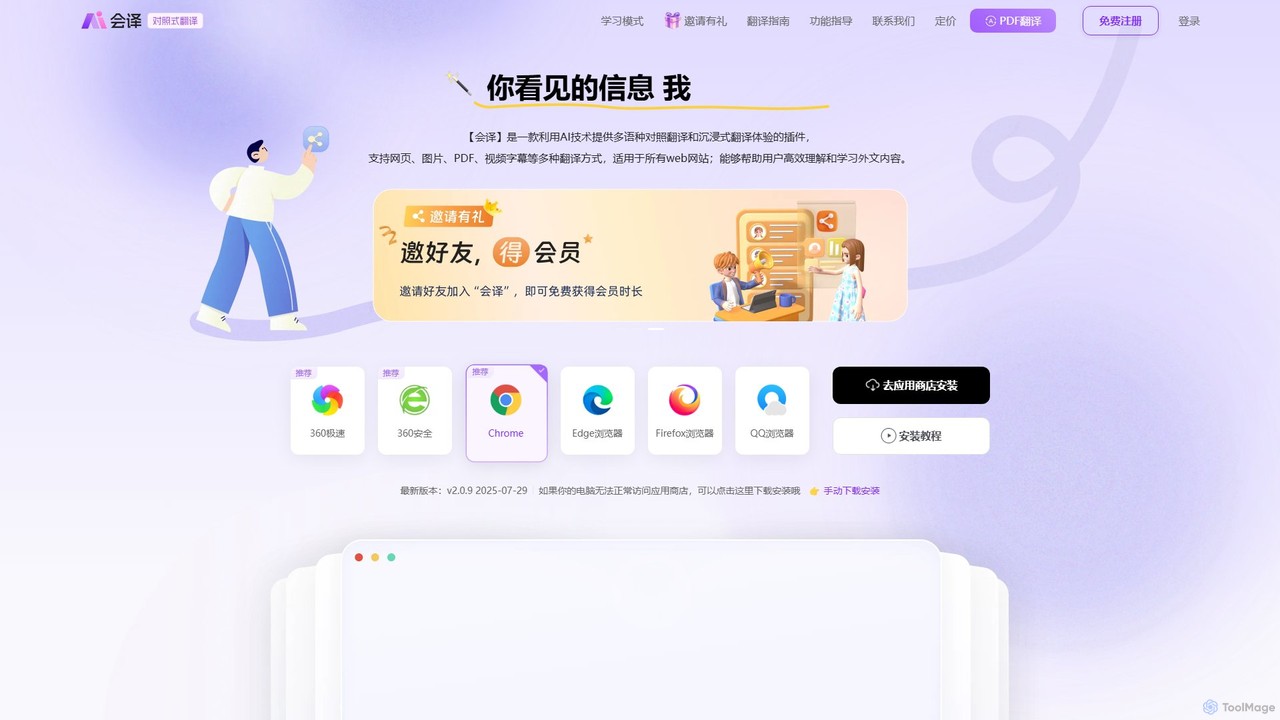
Huiyi AI is a powerful AI-powered browser extension for immersive, bilingual translation. It offers real-time, side-by-side translation for …

76.0K
Free
LangGPT

LangGPT

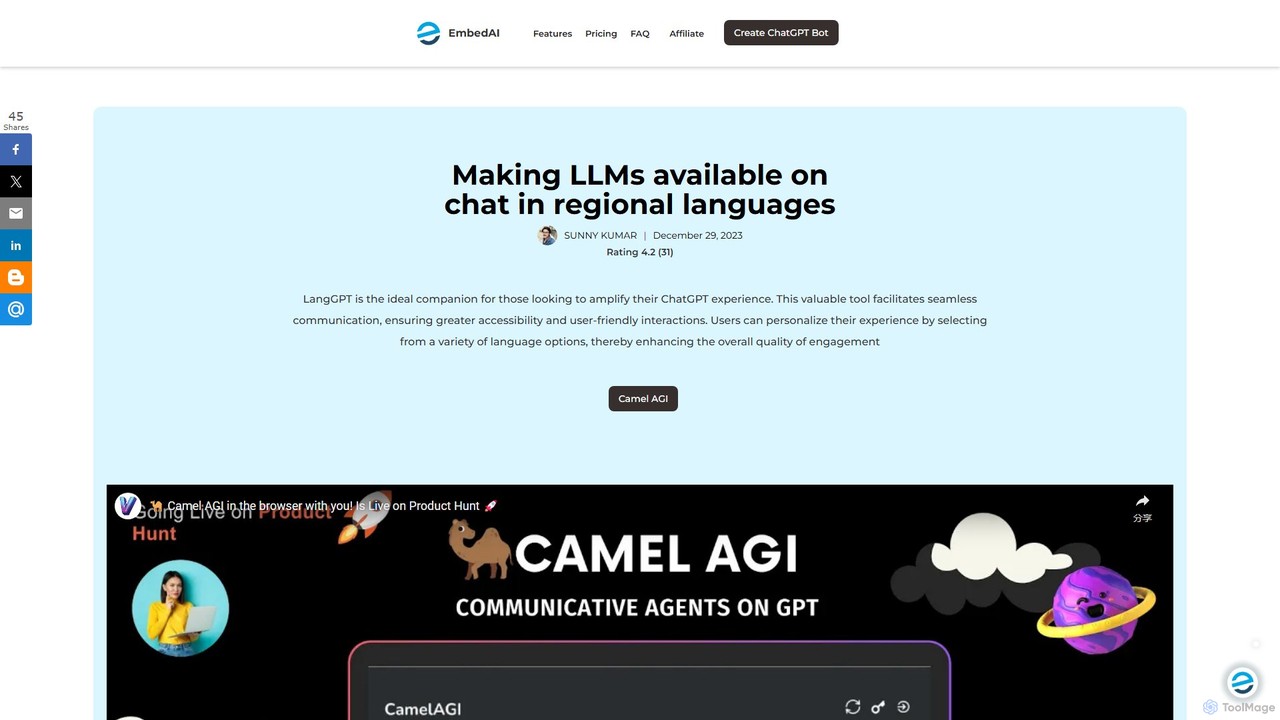
LangGPT is a free AI tool that enhances the ChatGPT experience by enabling seamless communication in over 10 …

33.6K

About Language

AI Language tools are a specialized category of productivity software that use natural language processing (NLP) to analyze, translate, and refine human communication. These tools go beyond basic spell-checking to understand context, grammar, tone, and style. They enhance clarity and break down communication barriers in multilingual environments, directly boosting efficiency. Their core value lies in automating complex linguistic tasks, from real-time translation to sophisticated document proofreading.

Core Features

  • Multilingual Translation: Instantly translate text, documents, and even real-time conversations between dozens of languages.
  • Advanced Proofreading: Correct complex grammatical errors, improve sentence structure, and suggest stylistic enhancements for tone and clarity.
  • Text Summarization: Condense long articles, reports, or emails into concise summaries, highlighting key points.
  • Speech-to-Text Transcription: Accurately convert spoken words from audio or video files into written text, often with speaker identification.

Use Cases

These tools are widely used in international business for cross-team collaboration and customer support. Academics and researchers rely on them for proofreading papers and translating source materials. Content creators and marketers use them to refine copy and ensure consistent messaging across different languages and platforms.

How to Choose

When selecting an AI Language tool, consider the accuracy and nuance of its core function (e.g., translation or grammar correction). Evaluate the number and quality of supported languages. Check for essential integrations with your existing workflow, such as browser extensions or word processor add-ins. Finally, assess the user interface and whether it offers specialized modes for different writing styles (e.g., formal, casual, academic).

LanguageUse Cases

1

Facilitating Global Team Collaboration

A project manager leading a distributed team across Japan, Germany, and Brazil uses an AI language tool integrated into their team chat platform. When a team member from Brazil posts an update in Portuguese, the tool instantly translates it into Japanese and German for the other members. This eliminates communication delays and misunderstandings caused by language barriers. The manager can ensure everyone is aligned on project goals and deadlines, fostering a more inclusive and efficient global work environment without needing manual translation services.

2

Refining Academic Papers for Publication

A non-native English-speaking researcher has completed a manuscript for an international scientific journal. They use an advanced AI proofreading tool to check the entire document. The tool identifies and corrects subtle grammatical errors, suggests more appropriate academic phrasing, and ensures consistency in terminology. It also flags sentences that are too long or complex, helping the researcher improve clarity and readability. This process significantly enhances the quality of the paper, increasing its chances of being accepted for publication by meeting the high linguistic standards of top-tier journals.

3

Summarizing Market Research for Quick Insights

A business analyst needs to quickly understand trends from a dozen lengthy market research reports. Instead of spending days reading, they upload the documents to an AI summarization tool. Within minutes, the tool generates a concise, bullet-point summary for each report, highlighting key statistics, consumer behavior patterns, and market forecasts. The analyst can then quickly compare insights across all reports, identify overarching themes, and prepare a presentation for stakeholders in a fraction of the time it would normally take.

4

Transcribing Interviews for Content Creation

A journalist conducts a one-hour audio interview with an industry expert. After the interview, they upload the audio file to an AI transcription service. The service processes the file in under 10 minutes, providing a full text transcript with timestamps and speaker labels (e.g., 'Interviewer', 'Expert'). The journalist can then easily search the text for key quotes, copy-paste sections into their article, and verify information without having to manually replay and transcribe the audio. This saves several hours of tedious work, allowing them to publish their content faster.

5

Providing Multilingual Customer Support

A customer support agent for an e-commerce company receives a support ticket in Spanish, a language they don't speak. Using an AI language tool integrated into their helpdesk software, the agent can instantly read the translated ticket in English. They can then type their response in English, and the tool automatically translates it back into fluent, natural-sounding Spanish before sending. This allows a single agent to handle inquiries from customers worldwide, reducing response times and improving customer satisfaction without the need for a large, multilingual support team.

6

Accelerating Language Learning with AI Tutors

A student learning French uses an AI-powered language app to practice their conversational skills. They can speak to an AI tutor that understands their speech, corrects their pronunciation in real-time, and provides feedback on grammar. The app also generates personalized exercises based on their common mistakes. This provides an immersive, on-demand learning experience that is less intimidating than speaking with a native speaker, allowing the student to build confidence and fluency at their own pace, anytime and anywhere.

LanguageFrequently Asked Questions