Productivity Best in category 3 results Learning Tools AI Tool

Popular AI tools in the Learning Tools field of Productivity include Migaku、Metkagram、Fluentsubs, etc., helping you quickly improve efficiency.

Metkagram

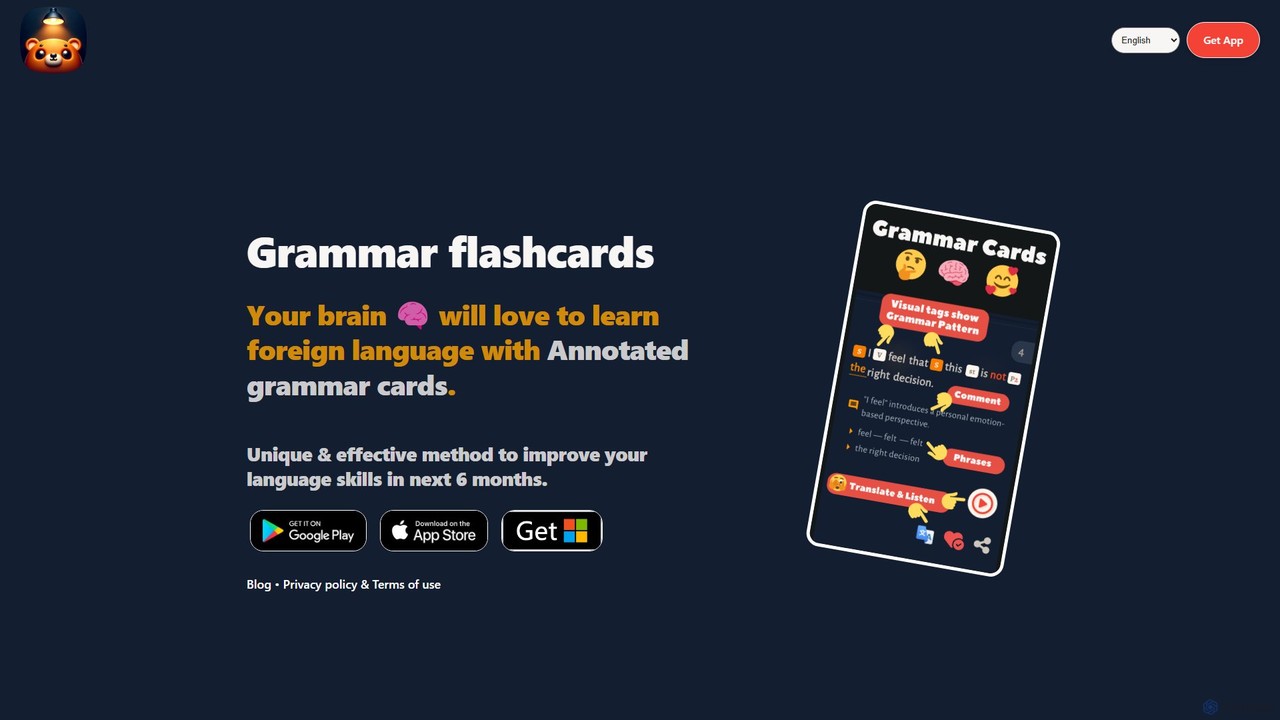
Metkagram

Metkagram is an AI-powered language learning app that uses unique, annotated grammar flashcards to help you master English …

2.2K
Fluentsubs

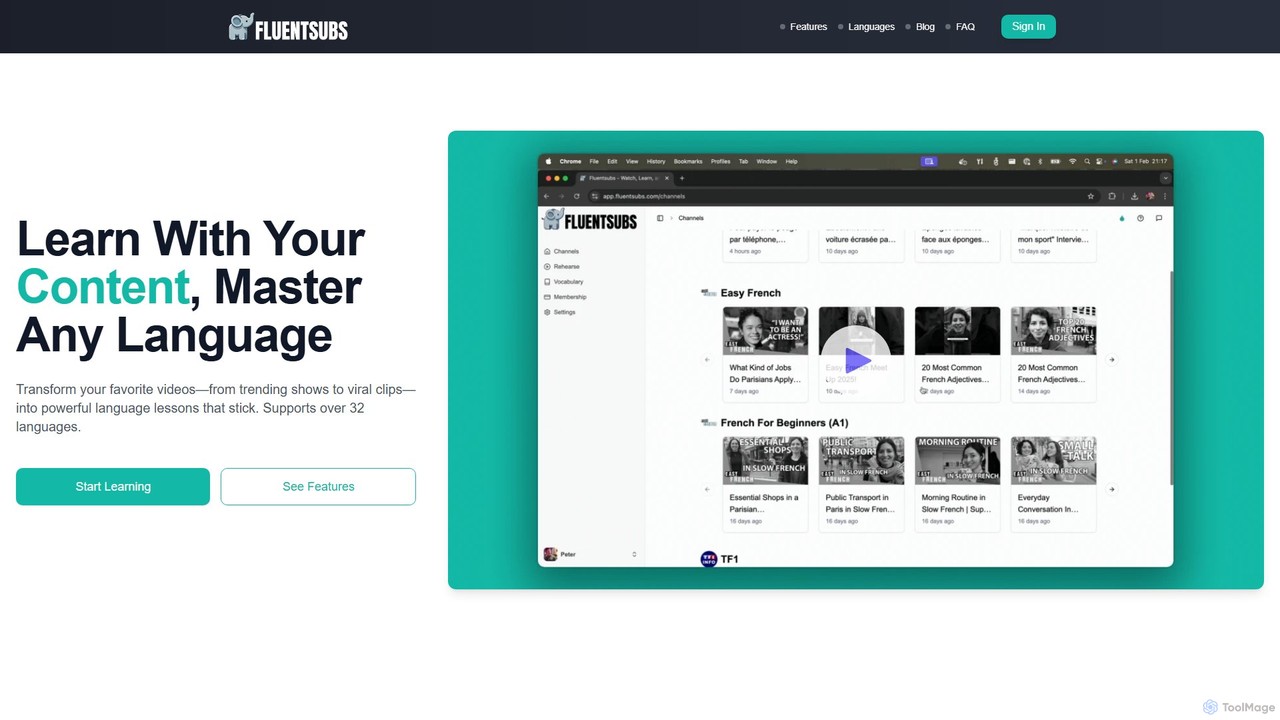
Fluentsubs

Fluentsubs transforms YouTube videos into personalized language lessons. Using AI, it generates accurate, interactive dual-language subtitles. Build your …

2.2K
Migaku

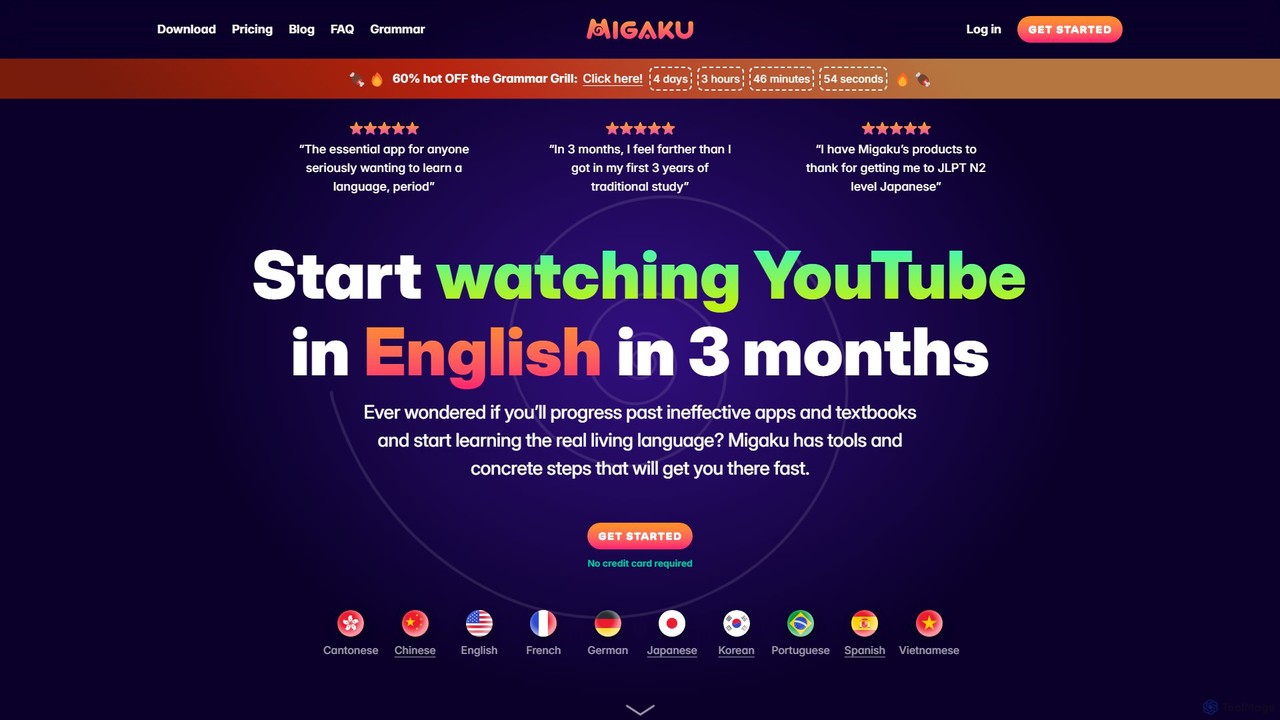
Migaku

Migaku is a powerful language learning ecosystem that transforms your favorite online content, like Netflix and YouTube, into …

866.5K

About Learning Tools

AI Learning Tools are specialized applications designed to personalize and accelerate the educational process. They leverage artificial intelligence, particularly natural language processing (NLP) and machine learning, to understand complex subjects and adapt to an individual's learning style. These tools transform passive study materials into interactive experiences, offering instant feedback, generating summaries, and creating customized study plans. As a key component of the Productivity suite, they focus specifically on enhancing cognitive efficiency and knowledge retention, making learning faster and more effective.

Core Features

  • Personalized Tutoring: Provides 24/7 assistance by answering questions, explaining complex concepts, and offering step-by-step guidance.
  • Content Summarization: Automatically condenses long articles, research papers, or videos into concise summaries and key takeaways.
  • Automated Quiz Generation: Creates practice tests, flashcards, and questions from uploaded notes or documents to reinforce learning.
  • Adaptive Learning Paths: Adjusts the difficulty and content of lessons based on the user's performance and knowledge gaps.
  • Instant Feedback & Analysis: Offers real-time corrections on exercises, essays, or even code, highlighting areas for improvement.

Use Cases

These tools are widely used by students preparing for exams, professionals seeking to upskill or learn new technologies, and lifelong learners exploring new subjects. In corporate settings, they are used for employee onboarding and training. Language learners also utilize them for pronunciation practice and grammar correction.

How to Choose

When selecting an AI Learning Tool, consider the specific subjects or skills it covers. Evaluate the quality of its feedback and personalization features. Check for integrations with your existing platforms like note-taking apps or cloud storage. Finally, assess the user interface and pricing model to ensure it aligns with your learning habits and budget.

Learning ToolsUse Cases

1

Accelerate Exam Preparation for Students

A university student studying for a final exam in biology uploads weeks of lecture notes, textbook chapters, and presentation slides into an AI learning tool. The tool automatically generates a concise summary of key concepts, creates interactive flashcards for important terminology, and designs a series of practice quizzes. By focusing on areas where the AI identifies knowledge gaps, the student can optimize their study time, improve retention of complex information, and approach the exam with greater confidence, reducing preparation time by an estimated 40%.

2

Efficient Upskilling for Professionals

A marketing professional wants to learn data analysis using Python. Instead of watching generic video tutorials, they use an AI tutor. The tool assesses their current knowledge and creates a personalized learning path, starting with the basics and progressing to advanced topics like data visualization. It provides interactive coding exercises with instant feedback, explains complex functions in simple terms, and answers specific questions like "How do I use pandas to clean this dataset?" This targeted approach allows the professional to acquire practical skills much faster than traditional methods.

3

Interactive Language Learning Practice

Someone learning Spanish uses an AI language tool to practice conversation. They can speak to an AI avatar that engages in realistic dialogues, from ordering food at a restaurant to discussing current events. The AI provides real-time feedback on their pronunciation, correcting misplaced stress on syllables and suggesting more natural phrasing. It also identifies recurring grammatical errors, such as incorrect verb conjugations, and generates targeted exercises to help the learner master those specific points. This provides a safe, on-demand environment to build conversational fluency.

4

Automate Corporate Training and Onboarding

An HR department uses an AI learning platform to onboard new sales representatives. The platform delivers personalized modules covering product knowledge, sales methodology, and CRM usage. It simulates client interactions and provides feedback on the reps' responses. The AI tracks each new hire's progress, identifying those who are struggling with specific concepts and automatically assigning them remedial materials. This automates a significant portion of the training process, ensures consistent knowledge delivery, and allows HR managers to focus on higher-level coaching and mentorship.

5

Streamline Academic Research and Literature Review

A postgraduate researcher working on their thesis uploads dozens of academic papers into an AI learning tool. The tool helps them by extracting key hypotheses, methodologies, and conclusions from each paper. It can then compare and contrast findings across multiple sources, identify research gaps, and generate a structured literature review draft. The researcher can ask specific questions like, "Which papers used a quantitative approach to this problem?" This drastically reduces the time spent on manual reading and synthesis, allowing the researcher to focus on analysis and original contribution.

6

Create Personalized Study Aids from Any Content

A lifelong learner watches a documentary on YouTube about ancient history. Using a browser extension connected to an AI learning tool, they capture the video's transcript with one click. The tool then processes the text, identifies key figures, dates, and events, and automatically generates a set of flashcards and a mind map. This transforms a passive viewing experience into an active learning session, creating durable study materials that can be reviewed later using spaced repetition to ensure long-term retention of the new knowledge.

Learning ToolsFrequently Asked Questions