Productivity Best in category 2 results Low Code AI Tool

Popular AI tools in the Low Code field of Productivity include SaaSykit、Shipixen, etc., helping you quickly improve efficiency.

Shipixen

Shipixen

Shipixen is an AI-powered application that generates custom, high-performance Next.js website boilerplates in minutes. It creates landing pages, …

23.9K
SaaSykit

SaaSykit

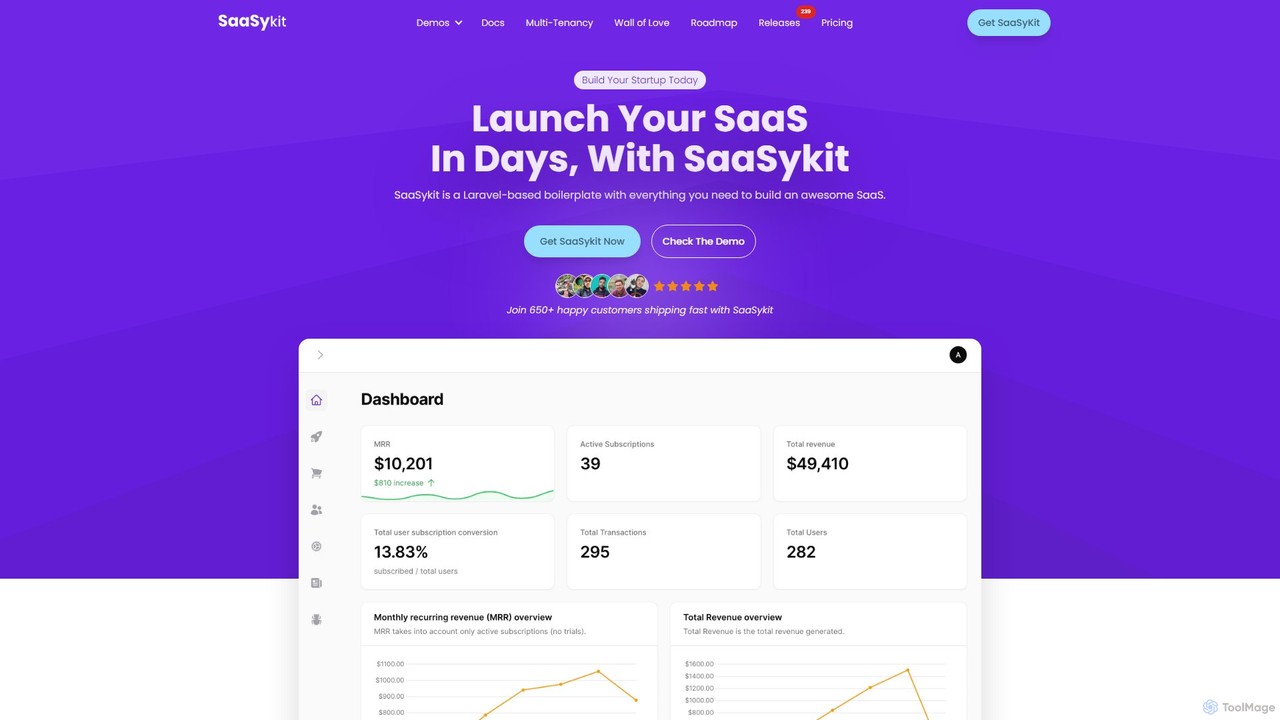
SaaSykit is a comprehensive Laravel-based SaaS starter kit designed to help developers launch their applications in days. Built …

39.2K

About Low Code

Low Code platforms are a category of productivity tools that empower users to build applications and automate processes with minimal manual coding. These platforms leverage visual development environments, drag-and-drop interfaces, and pre-built components to accelerate software creation. By simplifying complex development tasks, Low Code tools enable both professional developers and citizen developers to rapidly deploy solutions, often integrating AI capabilities without extensive programming expertise, thereby significantly boosting productivity.

Core Features

  • Visual Development Interface: Provides a graphical environment for designing application logic and user interfaces.
  • Drag-and-Drop Components: Allows users to assemble applications quickly using pre-built modules and UI elements.
  • Pre-built Templates & Connectors: Offers ready-to-use templates and integrations for common business systems and AI services.
  • AI/ML Model Integration: Facilitates the easy incorporation of machine learning models and AI services into applications.
  • Workflow Automation: Enables the design and automation of complex business processes with minimal code.

Applicable Scenarios

Low Code tools are ideal for businesses seeking to accelerate digital transformation, develop custom internal tools, or automate specific departmental workflows. They are widely adopted by IT departments for rapid prototyping, by business analysts for creating tailored solutions, and by citizen developers for addressing immediate operational needs across various industries.

How to Choose

When selecting a Low Code platform, consider its ease of use for your team's skill level, the breadth of its pre-built components and connectors (especially for AI services), its scalability to handle future growth, and its integration capabilities with your existing IT ecosystem. Evaluate the platform's security features, vendor support, and pricing model to ensure it aligns with your long-term strategic goals and budget.

Low CodeUse Cases

1

Automating Customer Service Workflows

Customer service managers can use Low Code platforms to build custom applications that integrate AI-powered chatbots, automatically route support tickets based on sentiment analysis, and generate personalized responses. This streamlines operations, reduces response times, and frees up agents for more complex inquiries, significantly enhancing customer satisfaction.

2

Rapid Development of Internal Business Applications

Business analysts or departmental leads can quickly design and deploy bespoke internal tools, such as project management dashboards, inventory tracking systems, or employee onboarding portals. Low Code platforms allow for rapid iteration and deployment, ensuring that internal processes are supported by tailored applications without extensive IT backlog.

3

Creating AI-Powered Data Analysis Dashboards

Data scientists or business intelligence teams can leverage Low Code tools to construct interactive dashboards that pull data from disparate sources, apply machine learning models for predictive analytics, and visualize insights. This enables non-technical users to access and interpret complex data, driving data-driven decision-making across the organization.

4

Personalized Marketing Campaign Automation

Marketing teams can build sophisticated automation workflows that segment customer bases using AI, personalize content delivery across multiple channels, and track campaign performance in real-time. Low Code platforms allow for agile adjustments to marketing strategies, optimizing engagement and conversion rates without heavy coding dependencies.

5

Streamlining Supply Chain and Logistics Management

Operations managers can develop custom applications to monitor inventory levels, optimize routing for deliveries, or predict potential supply chain disruptions by integrating AI models. These tools provide real-time visibility and predictive capabilities, leading to more efficient resource allocation and reduced operational costs.

6

Developing Regulatory Compliance and Reporting Tools

Compliance officers can utilize Low Code platforms to create tailored applications that automate data collection for regulatory audits, generate compliance reports, and ensure adherence to industry standards. This reduces manual effort, minimizes human error, and provides a robust framework for maintaining regulatory integrity.

Low CodeFrequently Asked Questions