ToolMage
Sign in

Best 2 Newsletter AI tools for Productivity

Popular Newsletter AI tools in Productivity include How Do I Use A.I.? and weeklygithub.xyz, helping you work more efficiently.

How Do I Use A.I.?
Free

How Do I Use A.I.?

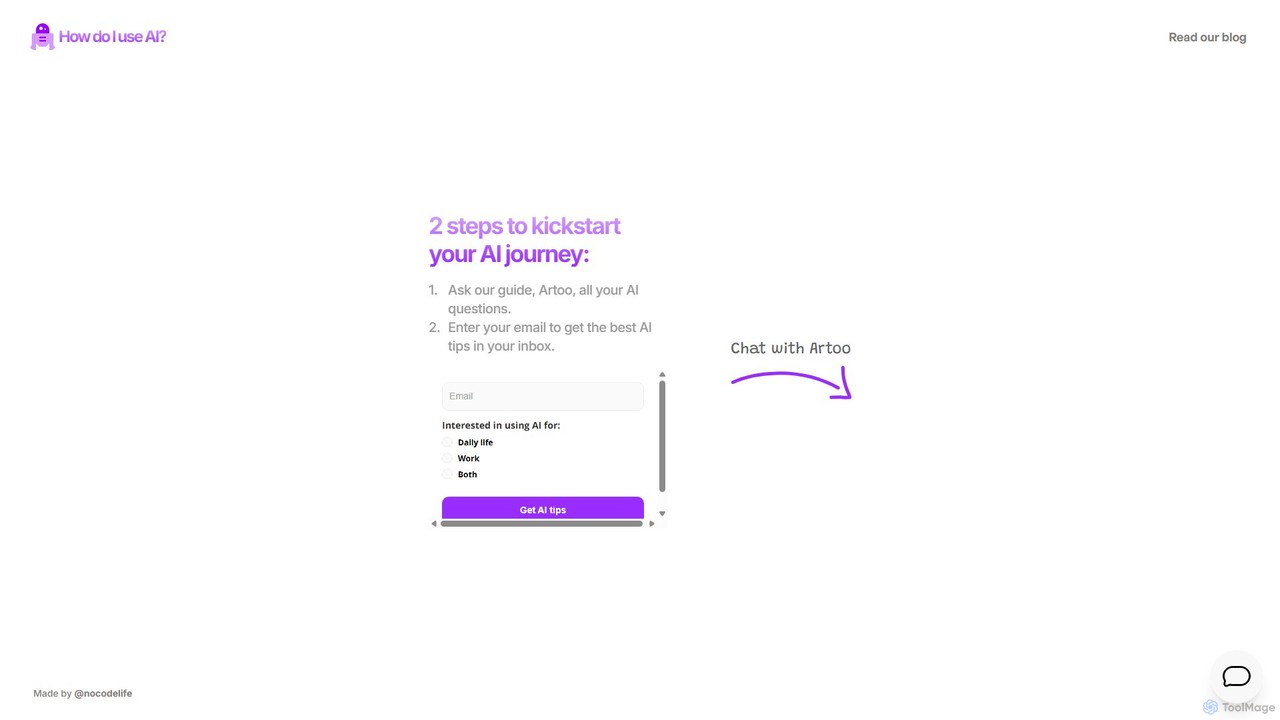
An educational platform designed to demystify artificial intelligence for everyone. It provides an interactive AI guide, a weekly newsletter with actionable tips, and a blog with curated AI tool lists and tutorials to help users integrate AI into their daily life and work.

Learning Platform
Visits 18.8KFavorites 131Likes 132
weeklygithub.xyz
Freemium

weeklygithub.xyz

weeklygithub.xyz is an AI-powered newsletter and discovery platform that curates and summarizes the most interesting and trending open-source projects from GitHub every week. It helps developers, researchers, and tech enthusiasts stay updated with the latest advancements in the software world, saving them hours of manual searching. The service uses AI to analyze repositories, identify significant projects, and generate concise, easy-to-digest summaries, delivering a personalized feed of innovation directly to your inbox.

Code Discovery
Visits 5.8KFavorites 130Likes 153

About Newsletter

AI Newsletter tools are specialized applications that use artificial intelligence to automate and enhance the creation, personalization, and distribution of email newsletters. These tools leverage large language models (LLMs) to generate written content, curate relevant articles, and optimize subject lines for higher engagement. Their primary value lies in dramatically reducing the time and effort required to produce high-quality, consistent newsletters, allowing creators and marketers to focus on strategy while improving audience connection. They represent a significant productivity leap from traditional email marketing platforms.

Core Features

  • AI Content Generation: Automatically drafts articles, summaries, and promotional text from simple prompts or source materials.
  • Automated Content Curation: Scans predefined sources to find and suggest relevant links, news, and articles to include in the newsletter.
  • Predictive Optimization: Uses AI to analyze and suggest high-performing subject lines, sending times, and content layouts to maximize open and click-through rates.
  • Dynamic Personalization: Tailors content sections or product recommendations for individual subscribers based on their past behavior, interests, and data.
  • Intelligent Analytics: Provides actionable insights from campaign data, identifying what content resonates with the audience and suggesting future improvements.

Applicable Scenarios

These tools are ideal for content creators, solo entrepreneurs, marketing teams, and e-commerce businesses. They are particularly effective for individuals or teams who need to maintain a regular publishing schedule but lack the time for extensive content writing. Common use cases include automating weekly industry digests, personalizing promotional emails with product recommendations, and repurposing existing blog content into engaging newsletter formats.

Selection Criteria

When choosing an AI Newsletter tool, evaluate the quality and coherence of its AI-generated text. Assess the depth of its personalization and automation capabilities. Consider its integration options with your existing platforms, such as CRMs or e-commerce sites. Finally, examine the clarity of its analytics and the pricing model to ensure it aligns with your subscriber base and sending frequency.

Newsletter use cases

1

Automating a Weekly Digest for a Solo Creator

A technology blogger needs to send a weekly newsletter summarizing their latest articles and relevant industry news. Using an AI newsletter tool, they connect it to their blog's RSS feed and several tech news sites. Each week, the AI automatically drafts a summary of their new post, curates the top three industry stories with brief summaries, and generates five subject line options. The blogger spends 15 minutes reviewing and editing the draft instead of the 3-4 hours it previously took to write from scratch, allowing them to publish consistently and grow their audience.

2

Personalizing E-commerce Promotional Campaigns

An online fashion store wants to increase sales from its email list. By integrating their e-commerce platform with an AI newsletter tool, they can create dynamic content blocks. When sending a promotional email, the AI automatically populates these blocks with products related to each subscriber's past purchases and browsing history. For example, a customer who bought running shoes sees new athletic apparel, while another who viewed dresses sees the latest collection. This level of personalization leads to a higher click-through rate and conversion rate compared to generic, one-size-fits-all email blasts.

3

Repurposing Long-Form Content for Engagement

A B2B consulting firm publishes in-depth whitepapers and hosts hour-long webinars. To maximize the reach of this content, their marketing team uses an AI newsletter tool. They upload a whitepaper PDF or a webinar transcript, and the AI generates a multi-part email series. The series might include a concise summary, a list of key takeaways, a Q&A section based on the content, and a call-to-action to download the full resource. This automated repurposing saves the team dozens of hours and ensures their high-value content is consumed by a wider audience through an easily digestible format.

4

Optimizing Subject Lines for Higher Open Rates

A non-profit organization struggles with low open rates for their monthly donor updates. They adopt an AI newsletter tool with predictive optimization features. Before sending their next campaign, they input their draft content. The AI analyzes the text and generates ten different subject lines, each with a predicted performance score based on historical data from millions of emails. They choose the top three suggestions and run an A/B/C test on a small segment of their list. The winning subject line achieves a 40% higher open rate, which they then use for the main send, significantly increasing the number of donors who see their update.

5

Generating a Multi-Language Newsletter for a Global Audience

A SaaS company has customers in North America, Europe, and Japan. Their marketing manager uses an AI newsletter tool with built-in translation capabilities. They write the primary newsletter in English, announcing a new feature. With one click, the AI translates the content into German, French, and Japanese, adapting cultural nuances and formatting. The manager quickly reviews the translations, makes minor adjustments, and schedules each version to be sent at an optimal time for its respective time zone. This process allows a small team to communicate effectively with a global audience without hiring multiple translators or agencies.

6

Analyzing Campaign Performance for Strategic Insights

After sending several monthly newsletters, a marketing agency wants to understand what resonates with their audience. They use the intelligent analytics dashboard of their AI newsletter tool. The AI goes beyond simple open and click rates, identifying that articles about 'social media strategy' consistently receive 50% more engagement than those about 'email marketing'. It also highlights that links presented as bullet points perform better than those in paragraph form. Based on these AI-driven insights, the agency adjusts its content strategy to focus more on social media topics and refines its template, leading to a sustained increase in reader engagement.

Newsletter FAQ

What are AI Newsletter tools?

AI Newsletter tools are software applications that use artificial intelligence, particularly large language models (LLMs), to streamline the process of creating and managing email newsletters. They go beyond traditional email platforms by automating tasks like content generation, article curation, and subject line writing. Key features often include drafting entire articles from a prompt, summarizing existing content, personalizing messages for different audience segments, and providing predictive analytics to improve engagement. They are designed to save time and enhance the quality and relevance of newsletter content.

How do AI Newsletter tools differ from traditional email marketing platforms?

The primary difference lies in content creation and intelligence. Traditional platforms (like Mailchimp or Constant Contact) provide the infrastructure for sending emails: list management, templates, and delivery analytics. AI Newsletter tools build on this by adding an intelligent layer for content itself.

  • Content: Traditional tools require you to write all content manually. AI tools can generate drafts, summarize articles, and curate content automatically.
  • Optimization: AI tools often use predictive models to suggest the best subject lines or send times, whereas traditional tools rely on manual A/B testing.
  • Personalization: While traditional tools can use simple tags (like a first name), AI tools can enable dynamic content personalization based on complex user behavior.

In essence, traditional platforms are the 'delivery truck', while AI newsletter tools are the 'automated factory and delivery truck' combined, streamlining the entire process from idea to inbox.

How do I choose the right AI Newsletter tool?

Choosing the right tool depends on your specific needs. Consider these factors:

  • Content Generation Quality: Does the AI produce coherent, well-written text in your desired tone and style? Test it with prompts relevant to your industry.
  • Curation and Repurposing: If you rely on existing content, check how well the tool can import from URLs, summarize articles, or transform long-form content.
  • Personalization Features: Evaluate its ability to create dynamic content based on subscriber data. Does it integrate with your CRM or e-commerce platform to pull this data?
  • Ease of Use: Is the interface intuitive? A powerful tool is ineffective if it's too complex to use regularly.
  • Analytics and Insights: Look for tools that provide actionable insights beyond basic metrics, helping you understand *why* certain content performs better.
  • Pricing Model: Compare pricing based on your number of subscribers, sending volume, and the specific AI features you need.
Can AI completely replace a human in writing newsletters?

AI is best viewed as a powerful assistant or co-pilot, not a complete replacement. While AI can generate high-quality drafts, summarize information, and suggest ideas with incredible speed, human oversight remains crucial. A human editor is needed to ensure factual accuracy, inject unique brand personality, refine the tone, and make strategic decisions about content direction. The most effective workflow involves using AI for the heavy lifting—like drafting and data analysis—while a human provides the final polish, strategic thinking, and authentic voice that builds a true connection with the audience.

Who can benefit most from using AI Newsletter tools?

While many can benefit, certain groups see the most significant productivity gains:

  • Solo Creators and Entrepreneurs: Individuals who handle all aspects of their business, from product to marketing. AI tools drastically cut down on the time spent on content creation, allowing them to focus on core business activities.
  • Small Marketing Teams: Teams with limited resources can use AI to scale their content output and personalization efforts without increasing headcount.
  • Content Marketers: Professionals who need to consistently repurpose long-form content (like blogs or podcasts) into different formats. AI excels at summarizing and reformatting.
  • E-commerce Businesses: Stores that want to implement sophisticated, behavior-based email personalization to drive sales but lack a large data science team.