
ToolMage
Sign in

Best 1 Paraphraser AI tools for Productivity

Popular Paraphraser AI tools in Productivity include Qianbi Writing, helping you work more efficiently.

Qianbi Writing
Paid

Qianbi Writing

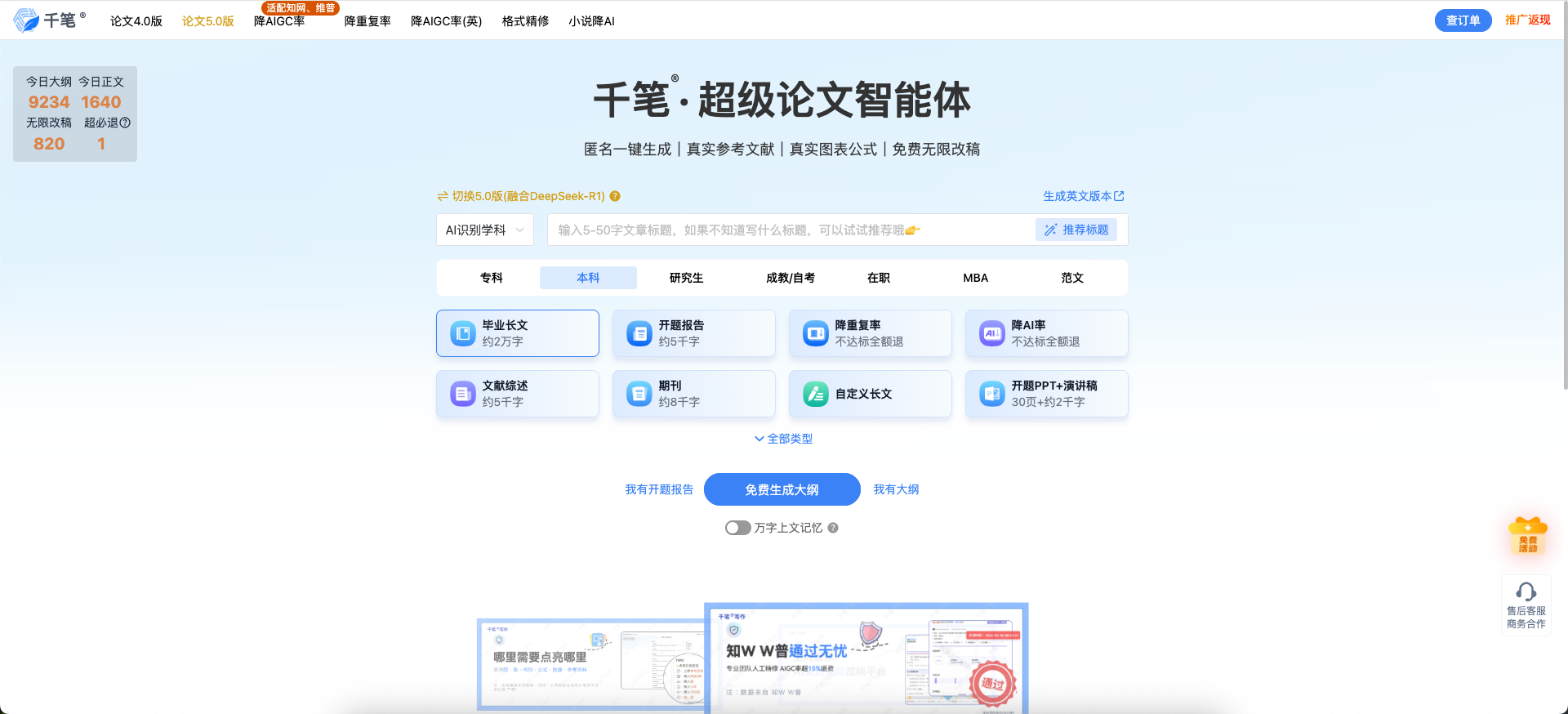
Qianbi Writing is an AI-powered academic writing platform designed to assist students and researchers. It specializes in rapidly generating high-quality theses and papers, while also offering advanced tools to reduce AI-generated content scores and plagiarism rates to pass strict academic detectors.

Academic
Visits 144.1KFavorites 146Likes 111

About Paraphraser

Paraphraser tools are AI-powered applications designed to rewrite existing text while preserving its original meaning. Leveraging advanced natural language processing (NLP) and generation (NLG) techniques, they can rephrase sentences, replace synonyms, and adjust sentence structures. These tools are invaluable for enhancing clarity, avoiding plagiarism, and adapting content for different audiences or tones, significantly boosting productivity in writing tasks.

Core Features

  • Text Rewriting: Rephrases sentences and paragraphs to create fresh, unique versions of the original content.
  • Synonym Replacement: Automatically suggests and applies alternative words to enrich vocabulary and vary expression.
  • Style & Tone Adjustment: Modifies text to be more formal, casual, academic, creative, or concise based on user needs.
  • Plagiarism Avoidance: Helps users generate original content by rephrasing source material, reducing the risk of unintentional plagiarism.
  • Grammar & Clarity Enhancement: Improves readability and corrects grammatical errors or awkward phrasing during the rephrasing process.

Applicable Scenarios

Content creators use paraphrasers to quickly generate variations of articles or social media posts. Students and academics utilize them to rephrase research material for essays and papers, ensuring originality while correctly citing sources. Professionals leverage these tools to refine emails, reports, and presentations for improved clarity and impact.

How to Choose

When selecting a paraphraser, consider the quality and naturalness of its output, ensuring it maintains the original meaning without sounding robotic. Evaluate its language support, available style and tone options, and the flexibility to customize rephrasing intensity. Also, check for integration capabilities with other writing tools and its pricing model to match your budget and usage frequency.

Paraphraser use cases

1

Enhancing Academic Papers for Originality

Students and researchers utilize paraphraser tools to rephrase source material for essays, theses, and research papers. This helps them integrate information smoothly, articulate complex ideas in their own words, and ensure their writing is original, thereby avoiding unintentional plagiarism while correctly citing sources. It significantly reduces the time spent on manual rephrasing.

2

Adapting Marketing Copy for Different Channels

Marketing specialists use paraphrasers to quickly generate multiple variations of ad copy, social media posts, or email subject lines. By adjusting tone and style, they can tailor messages for platforms like LinkedIn (formal) versus Instagram (casual), maximizing engagement across diverse audiences without extensive manual rewrites, saving significant time in content localization.

3

Improving Clarity and Conciseness in Professional Communication

Business professionals leverage paraphraser tools to refine emails, reports, and presentations. By rephrasing verbose or complex sentences, they can enhance clarity, make their communication more concise, and ensure their message is easily understood by colleagues, clients, or stakeholders. This leads to more effective and efficient professional interactions.

4

Generating Unique Content for SEO and Blogging

Content creators and SEO specialists use paraphrasers to generate unique versions of existing articles or product descriptions. This helps them avoid duplicate content penalties from search engines, create fresh perspectives on popular topics, and quickly produce a high volume of diverse content for blogs, websites, and e-commerce platforms, improving search engine rankings.

5

Facilitating Language Learning and Vocabulary Expansion

Language learners can use paraphraser tools to understand different ways of expressing the same idea. By inputting a sentence and seeing various rephrased outputs, they can grasp nuances in vocabulary, sentence structure, and idiomatic expressions. This practical application aids in vocabulary expansion and improves overall language comprehension and production skills.

6

Rewriting Content for Accessibility and Readability

Content creators and educators can use paraphrasers to simplify complex texts, making them more accessible for audiences with varying reading levels or for those who are not native speakers. By generating simpler versions, these tools ensure that information is easily digestible and understood, improving overall readability and inclusivity of content.

Paraphraser FAQ

What are Paraphraser tools?

Paraphraser tools are AI-powered applications that rewrite text while preserving its original meaning. They analyze the input text and generate new versions using different vocabulary, sentence structures, and phrasing. Their core purpose is to help users rephrase content for clarity, originality, or to adapt it for specific contexts, making writing tasks more efficient.

How do Paraphraser tools work?

Paraphraser tools typically employ advanced natural language processing (NLP) and natural language generation (NLG) models. They first analyze the semantic meaning of the input text, breaking it down into its core components. Then, using large language models trained on vast datasets, they generate alternative wordings, synonyms, and sentence structures that convey the same meaning but with different phrasing. Some tools also allow users to specify desired tones or styles.

Is using a Paraphraser considered plagiarism?

Using a paraphraser tool itself is not inherently plagiarism, but it depends on how it's used. If you use it to rephrase someone else's work without proper attribution, it is still plagiarism. However, when used ethically—to improve your own writing, understand complex texts, or generate unique content from your own ideas—and with correct citation for any borrowed concepts, it can be a valuable writing aid that helps avoid *unintentional* plagiarism.

How do Paraphrasers differ from AI summarizers?

Paraphrasers and AI summarizers serve distinct purposes. A paraphraser rewrites text to present the same information in different words, maintaining the original length and detail, focusing on rephrasing. An AI summarizer, on the other hand, condenses lengthy text into a shorter, more concise version, extracting only the main points. While both use AI, their core function—rewriting versus condensing—is fundamentally different.

What should I look for when choosing a Paraphraser tool?

When selecting a paraphraser, prioritize output quality and naturalness; the rewritten text should flow well and accurately convey the original meaning. Consider the range of style and tone options (e.g., formal, creative, academic) and language support. Look for features like plagiarism checking, grammar correction, and ease of use. Finally, evaluate its integration capabilities with other writing tools and its pricing structure to ensure it meets your specific needs and budget.