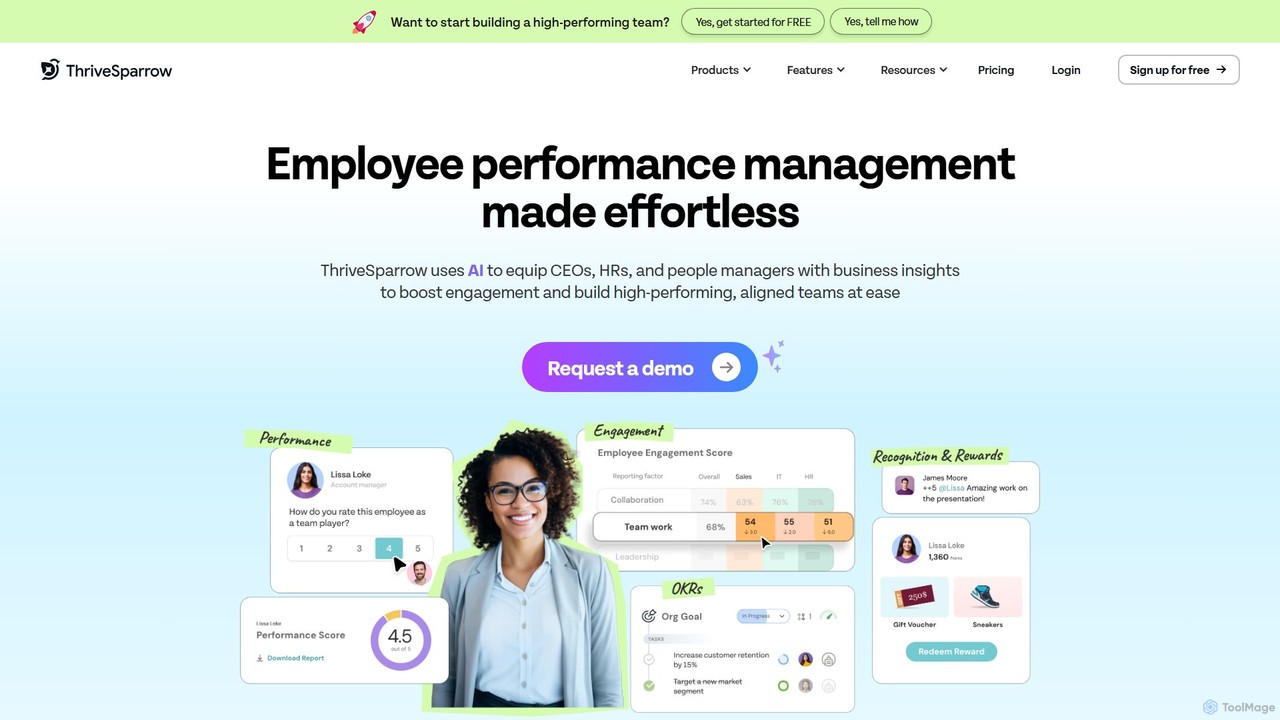
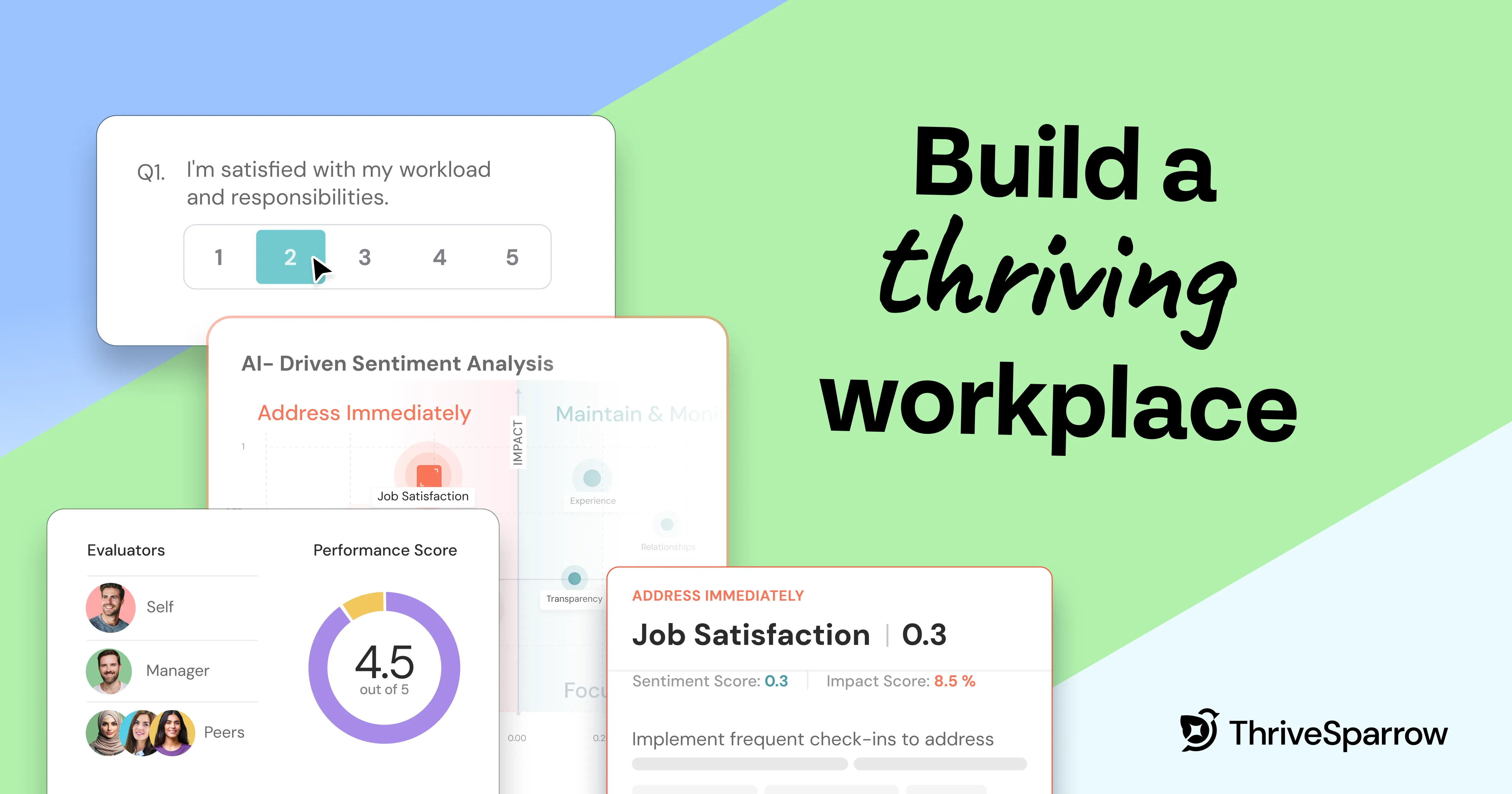
Performance Management AI tools are a specialized category within productivity solutions, designed to optimize individual and team performance through intelligent automation and data analysis. These tools leverage AI algorithms to streamline processes like goal setting, feedback collection, skill development, and performance reviews. They provide actionable insights, foster continuous growth, and ensure fair, objective evaluations, ultimately enhancing overall organizational effectiveness.
Core Features
- Automated Goal Setting & Tracking: AI assists in defining SMART goals and continuously monitors progress against key performance indicators (KPIs).
- Continuous Feedback & Coaching: Facilitates real-time, constructive feedback loops and suggests personalized coaching opportunities based on performance data.
- Skill Gap Analysis & Development: Identifies individual and organizational skill deficiencies and recommends tailored learning paths or training modules.
- Bias-Free Performance Reviews: Utilizes data-driven insights to minimize human bias in appraisals, ensuring objective and equitable evaluations.
- Predictive Analytics for Talent Management: Forecasts potential performance issues, identifies high-potential employees, and predicts retention risks.
Applicable Scenarios
Performance Management AI tools are invaluable for HR departments seeking to modernize talent strategies, team leaders aiming to boost team cohesion and output, and individual employees striving for professional growth. They are particularly useful in dynamic environments requiring agile goal adjustments and continuous feedback. Companies looking to move beyond annual reviews to a more fluid, data-driven performance culture benefit greatly.
How to Choose
When selecting a Performance Management AI tool, consider its integration capabilities with existing HRIS or payroll systems to ensure seamless data flow. Evaluate the level of customization offered for goal frameworks, feedback forms, and reporting dashboards to match your organizational culture. Prioritize solutions with robust data security and compliance features, especially concerning sensitive employee information. Finally, assess the user experience and ease of adoption for both managers and employees to maximize engagement and utilization.