ToolMage
Sign in

Best 2 Personal Management AI tools for Productivity

Popular Personal Management AI tools in Productivity include Empathy and SnapCal, helping you work more efficiently.

SnapCal
Freemium

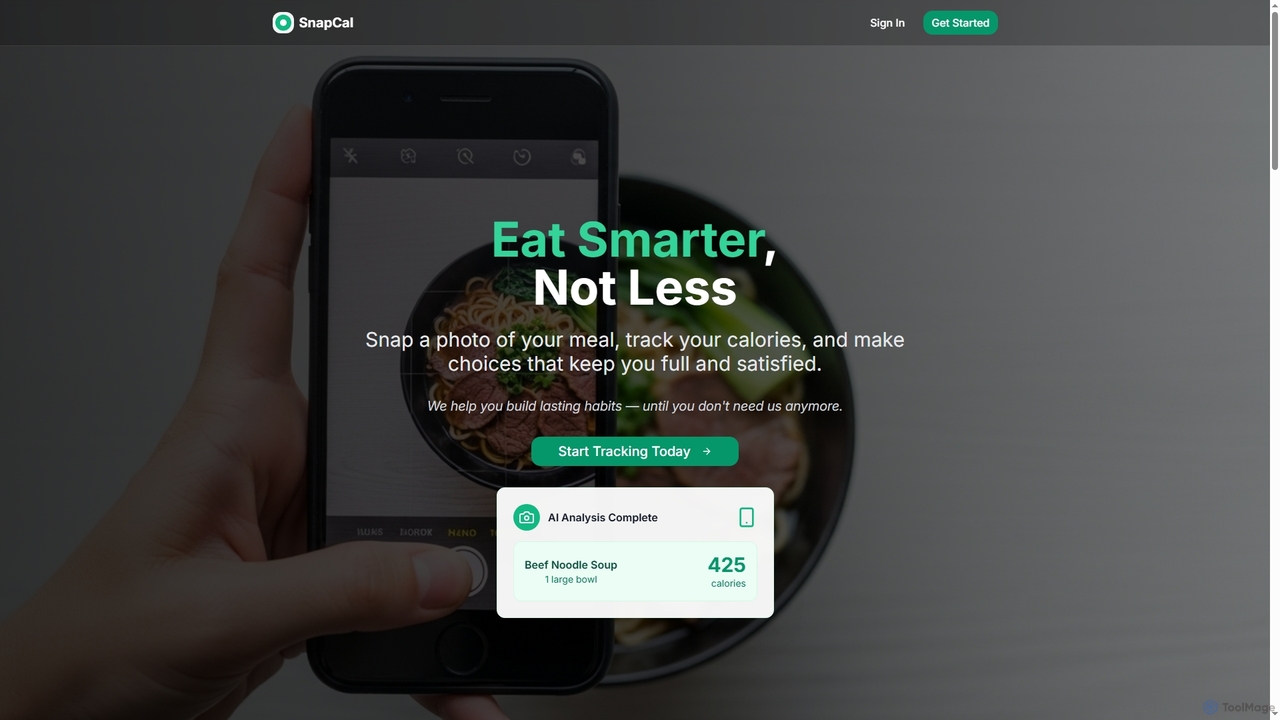
SnapCal

SnapCal is an AI-powered food tracker that helps you eat smarter, not less. By simply taking a photo of your meal, its advanced AI instantly analyzes the food, calculates calories, and provides insights to help you build lasting healthy eating habits. It simplifies calorie tracking, making it effortless to understand your diet and make informed food choices.

Image Analysis
Visits 5.6KFavorites 174Likes 177
Empathy
Paid

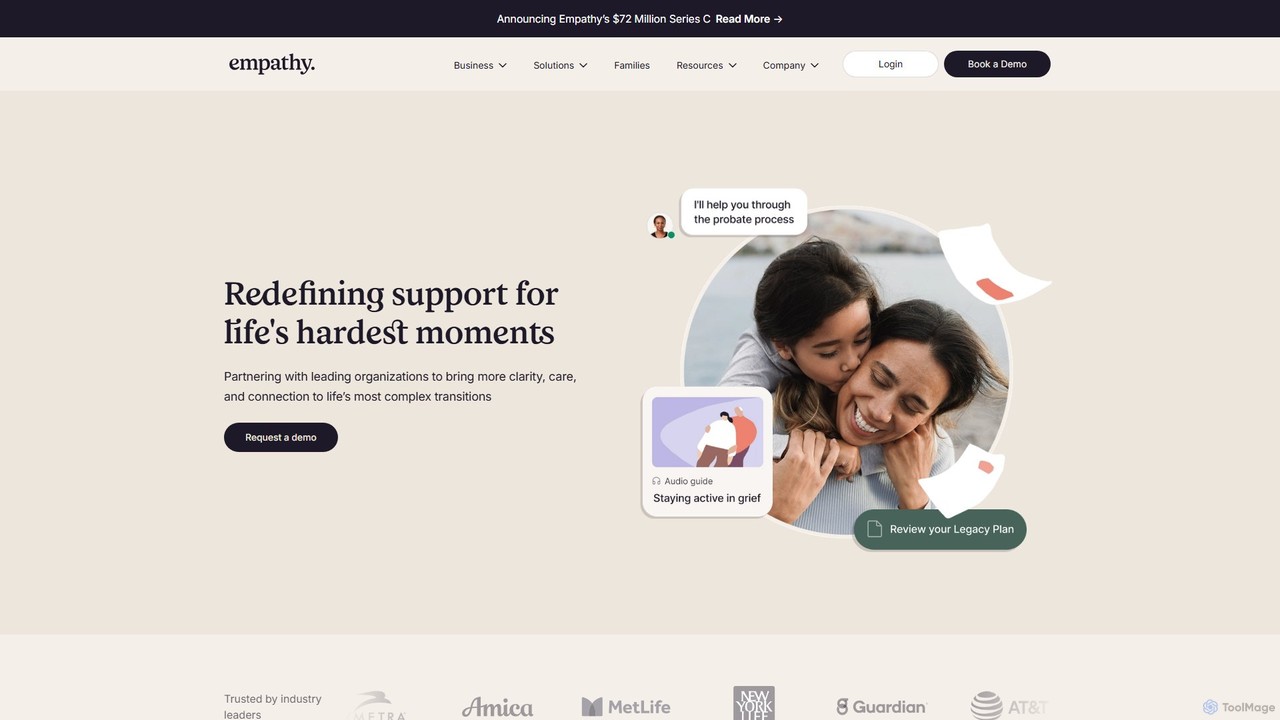
Empathy

Empathy is a comprehensive support platform designed to help families navigate the emotional and logistical challenges of loss. Combining technology with human care, it offers personalized guidance for tasks like funeral planning, estate settlement, and grief support, primarily as a benefit offered by employers and insurance companies.

Insurance
Visits 77.4KFavorites 120Likes 132

About Personal Management

AI Personal Management tools are applications that leverage artificial intelligence to help individuals organize, automate, and optimize their personal tasks, schedules, and goals. These tools go beyond traditional to-do lists by using machine learning to understand user behavior, predict needs, and proactively suggest actions. They function as an intelligent assistant, helping users prioritize effectively, build better habits, and reduce the mental load of daily organization. As a key part of the Productivity category, they focus specifically on individual self-improvement and workflow automation.

Core Features

  • Intelligent Task Prioritization: Automatically sorts and ranks tasks based on urgency, importance, and user-defined goals.
  • Automated Scheduling: Finds and books open slots in a calendar for tasks, meetings, and personal appointments.
  • Habit Tracking & Formation: Analyzes patterns and provides personalized reminders and motivation to build consistent routines.
  • AI-Powered Goal Setting: Helps break down large ambitions into manageable steps and tracks progress with data-driven insights.
  • Focus Assistance: Integrates time management techniques and blocks distractions to enhance concentration during work sessions.

Use Cases

These tools are ideal for busy professionals, freelancers, students, and anyone seeking to improve self-discipline and personal effectiveness. They are commonly used for managing complex personal project timelines, systematically balancing work and personal life, and creating structured plans for long-term ambitions like learning a new skill or improving fitness.

How to Choose

When selecting an AI Personal Management tool, consider its integration capabilities with your existing calendar and apps (e.g., Google Calendar, Slack). Evaluate the level of automation it offers—from simple reminders to fully autonomous scheduling. Also, assess the user interface for ease of use and the platform's data privacy policies to ensure your information is secure.

Personal Management use cases

1

Automating a Freelancer's Weekly Schedule

A freelance designer juggles multiple client projects and administrative tasks. They use an AI Personal Management tool to automate their weekly planning. By connecting their calendar and project management app, the AI automatically blocks out deep work sessions for high-priority projects, schedules client meetings in available slots, and sets reminders for sending invoices. This process saves them 3-4 hours of manual planning each week and prevents double-booking, allowing them to focus entirely on creative work.

2

Building a Consistent Morning Routine

A user wants to establish a habit of meditating and exercising before work. They use an AI tool to create and maintain this routine. The AI analyzes their sleep data (via integration) and suggests the optimal wake-up time. It then sends smart, adaptive reminders for meditation and exercise, adjusting the timing based on the user's calendar. The tool visualizes their progress with streaks and achievements, providing positive reinforcement that helps solidify the new habits over several weeks.

3

Managing a Student's Study and Exam Plan

A university student inputs their course syllabi and exam dates into an AI personal management app. The AI automatically generates a detailed study schedule, breaking down large topics into daily, manageable tasks. It allocates more time to subjects the student has marked as difficult and schedules revision sessions leading up to exams. As the student completes tasks, the AI adjusts the future schedule, ensuring they stay on track to cover all material without last-minute cramming.

4

Balancing Work and Personal Life for a Manager

A team manager finds their calendar constantly filled with work meetings, leaving no time for personal commitments. They use an AI tool to enforce work-life balance. The tool intelligently blocks out personal time (e.g., gym, family dinner) and defends it from incoming meeting requests by suggesting alternative times to colleagues. It also analyzes their schedule to identify patterns of overwork and suggests a "no-meeting day" each week to allow for focused, uninterrupted work, thereby reducing stress and preventing burnout.

5

Planning and Tracking a Long-Term Personal Goal

An individual sets a goal to run a marathon in six months. They use an AI personal management tool to create a structured plan. The AI breaks the goal down into a progressive training schedule: weekly mileage targets, strength training sessions, and rest days. It integrates with their fitness tracker to monitor progress and automatically adjusts the following week's plan based on performance. This AI-driven approach keeps them motivated and ensures they are adequately prepared without overtraining.

6

Reducing Decision Fatigue with Smart Prioritization

An entrepreneur faces a long and varied to-do list each morning, leading to decision fatigue. They use an AI personal management app that automatically prioritizes their tasks. The AI analyzes deadlines from their project management tool, meeting times from their calendar, and user-defined priorities (e.g., 'growth activities'). Each morning, it presents a clear, ranked list of the 'Top 3' most impactful tasks to tackle first. This eliminates the guesswork and mental energy spent on planning, allowing them to start their day with immediate, focused action.

Personal Management FAQ

What are AI Personal Management tools?

AI Personal Management tools are software applications designed to help individuals organize their tasks, schedules, and goals using artificial intelligence. Unlike passive tools like standard calendars or to-do lists, they actively learn from your behavior to automate scheduling, prioritize tasks intelligently, and provide personalized recommendations. Their main purpose is to reduce the mental effort of planning and help users focus on execution and self-improvement.

How do AI Personal Management tools differ from standard to-do list apps?

The key difference lies in automation and intelligence. A standard to-do list app is a passive repository; you must manually add, organize, and prioritize every task. An AI Personal Management tool is proactive. It can automatically:

  • Prioritize tasks based on deadlines, importance, and your work patterns.
  • Schedule tasks by finding open slots in your calendar.
  • Adapt and learn from your habits to offer smarter suggestions over time.
  • Break down goals into actionable steps for you.

In essence, a to-do list app is a digital notebook, while an AI tool is a smart assistant.

How to choose the right AI Personal Management tool?

Choosing the right tool depends on your specific needs. Consider these factors:

  • Integration: Does it connect seamlessly with your essential apps like Google Calendar, Outlook, Slack, or project management software?
  • Level of Automation: Do you need simple task prioritization, or do you want a tool that can fully manage and schedule your entire day?
  • User Interface (UI): Is the interface intuitive and easy to use? A complicated tool can add to your workload rather than reduce it.
  • Specific Features: Look for features that match your goals, such as advanced habit tracking, goal setting frameworks, or focus timers.
  • Privacy Policy: Since these tools handle personal data, ensure the company has a strong and transparent privacy policy.
Who can benefit most from using AI Personal Management tools?

While anyone can benefit, these tools are particularly useful for:

  • Busy Professionals & Entrepreneurs: To automate scheduling, prioritize high-impact tasks, and protect time for deep work.
  • Freelancers: To manage multiple projects and clients simultaneously without getting overwhelmed.
  • Students: To create adaptive study plans, manage deadlines, and balance coursework with personal life.
  • Individuals Focused on Self-Improvement: To build consistent habits, track progress towards long-term goals (like fitness or learning), and maintain motivation.

Essentially, they are for anyone who feels they have too much to manage and not enough time, and who wants an intelligent system to help organize their life.

Are AI Personal Management tools secure?

Security is a critical consideration for these tools, as they often handle sensitive personal and professional data, including calendar events, tasks, and goals. Reputable providers use industry-standard security measures like end-to-end encryption to protect your data both in transit and at rest. When choosing a tool, it is essential to review its privacy policy to understand how your data is collected, used, and protected. Opt for tools from established companies that are transparent about their security practices.