ToolMage
Sign in

Best 2 Proposal Management AI tools for Productivity

Popular Proposal Management AI tools in Productivity include Workorb and Neudesk, helping you work more efficiently.

Neudesk

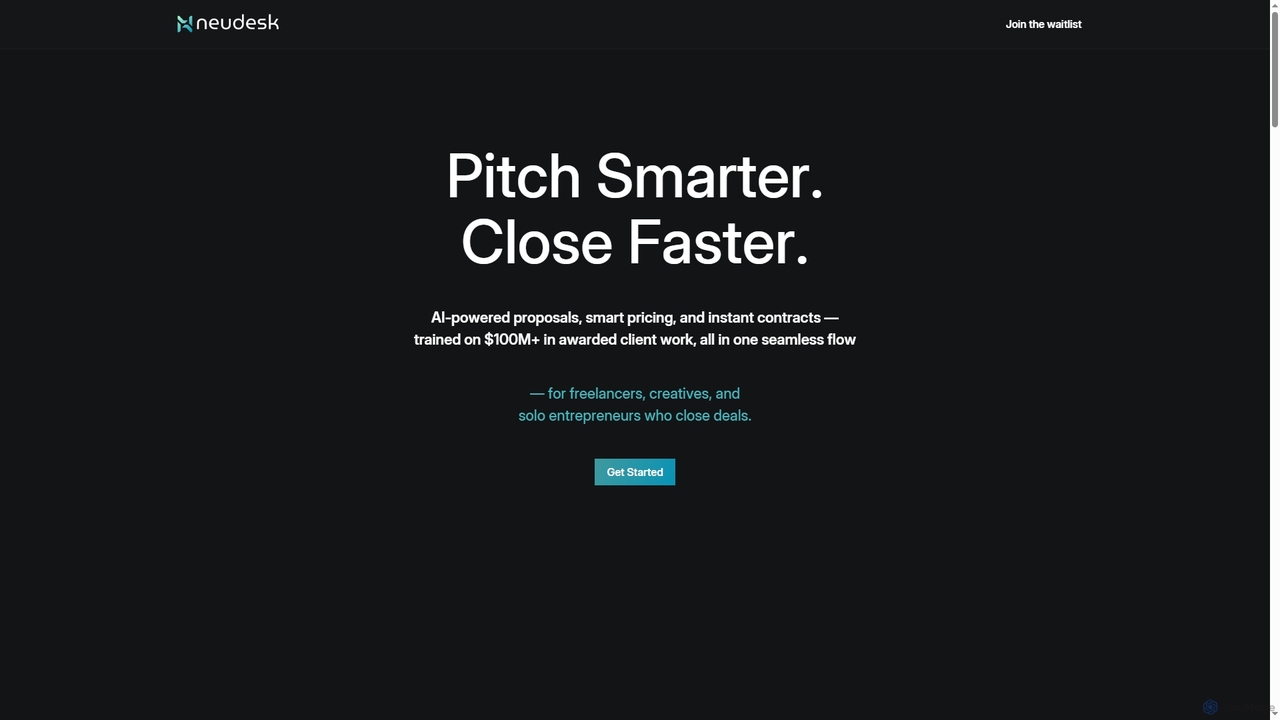
Neudesk

Neudesk is an AI-powered platform designed for freelancers, creatives, and solo entrepreneurs. It streamlines the entire sales process by generating persuasive proposals, providing smart pricing guidance based on market data, and instantly creating legally sound contracts, all within a single, seamless workflow.

Client Management
Visits 4.9KFavorites 101Likes 86
Workorb
Paid

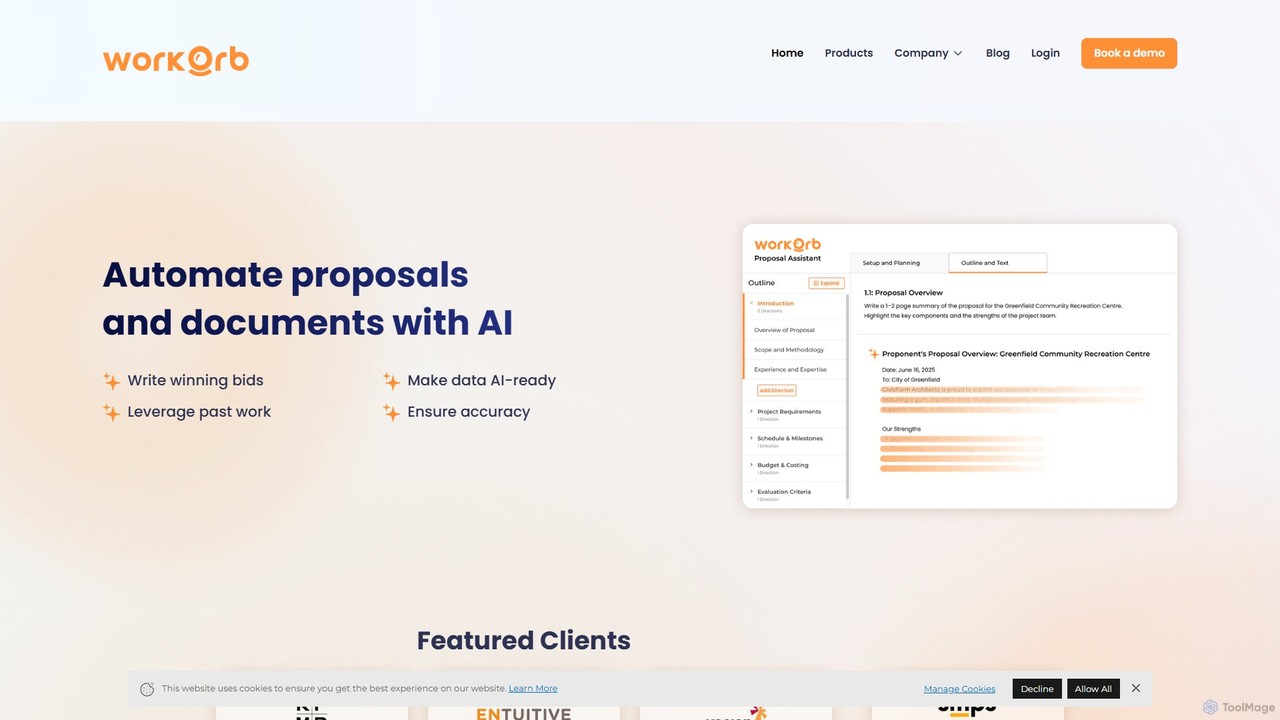
Workorb

Workorb is an AI platform designed for the Architecture, Engineering, and Construction (AEC) industry to automate proposal generation and business development. It creates a centralized Knowledge Hub by automatically cleaning and organizing your firm's data, enabling you to draft winning bids, summarize RFPs, and ensure compliance with minimal manual effort.

Sales
Visits 7.4KFavorites 158Likes 153

About Proposal Management

Proposal Management software is a specialized category of productivity tools that uses AI to automate and enhance the entire lifecycle of creating, sending, and tracking business proposals. These platforms leverage artificial intelligence to generate personalized content, suggest relevant information from a central library, and ensure brand consistency across all documents. The primary value lies in significantly reducing the time spent on proposal creation while increasing win rates through data-driven insights and professional presentation. They often integrate directly with CRM systems to streamline sales workflows.

Core Features

  • AI Content Generation: Automatically drafts compelling copy, executive summaries, and personalized sections based on client data.
  • Centralized Content Library: Stores, manages, and suggests pre-approved content blocks like case studies, testimonials, and pricing tables.
  • Engagement Tracking & Analytics: Monitors when a proposal is opened, which sections are viewed most, and for how long, providing valuable follow-up insights.
  • Template Automation: Ensures all proposals adhere to brand guidelines with locked templates and automated formatting.
  • CRM Integration: Seamlessly syncs data with platforms like Salesforce or HubSpot to auto-populate proposals and update deal stages.

Use Cases

This software is crucial for B2B sales teams, marketing agencies, consulting firms, and freelancers who need to produce high-quality, personalized proposals quickly. It's used to respond to RFPs, pitch new projects, and formalize service agreements, transforming a manual process into an efficient, data-informed workflow.

How to Choose

When selecting a Proposal Management tool, evaluate its CRM integration capabilities, the intelligence of its content library, and the depth of its analytics. Also consider the level of template customization, ease of use for your team, and a pricing model that aligns with your sales volume and team size.

Proposal Management use cases

1

Accelerate B2B Sales Proposal Creation

A sales executive in a SaaS company needs to respond to multiple RFPs daily. Using an AI Proposal Management tool integrated with their CRM, they can instantly pull client data to auto-populate fields. The AI suggests the most relevant case studies and security compliance documents from a central library. This reduces the time to create a highly personalized, 20-page proposal from four hours to under 30 minutes, allowing the team to increase their response volume and focus on strategic follow-ups.

2

Crafting Pitches for Creative Agencies

An account manager at a digital marketing agency needs to create a detailed project pitch for a potential client. The proposal tool allows them to build a visually appealing proposal using branded templates. They can easily embed portfolio items, video testimonials, and interactive pricing tables. The analytics feature notifies them the moment the client opens the proposal and shows which sections (like 'Our Team' or 'Pricing') they spend the most time on, enabling a perfectly timed and informed follow-up call.

3

Standardizing Proposals for Consulting Firms

A large consulting firm needs to ensure all client-facing proposals are consistent in branding, messaging, and legal disclaimers. A proposal management platform serves as a single source of truth, housing approved templates and content blocks for different service lines. A junior consultant can quickly assemble a complex proposal, and the system automatically includes the correct legal terms and conditions. This standardization minimizes risk, maintains brand integrity, and speeds up the review process by senior partners.

4

Streamlining Grant Applications for Non-Profits

A grant writer for a non-profit organization manages numerous applications, each with unique requirements but overlapping content about the organization's mission and impact. A proposal management tool allows them to create a library of reusable content, such as impact statistics, program descriptions, and staff bios. When a new grant opportunity arises, they can quickly pull the relevant sections and use AI to tailor the narrative to the funder's specific interests, significantly increasing the number of high-quality applications they can submit.

5

Generating Professional Quotes for Freelancers

A freelance web developer needs to send a professional-looking quote and scope of work to a new client. Instead of using a generic document, they use a proposal tool to select a clean, modern template. They can create a library of their services with standard pricing, allowing them to build a detailed quote in minutes. The tool also supports e-signatures, enabling the client to review, approve, and sign the proposal online, which secures the project faster and streamlines the onboarding process.

6

Collaborative Proposal Building for Enterprise Teams

An enterprise sales team is working on a multi-million dollar bid that requires input from sales, legal, and engineering departments. A proposal management platform provides a collaborative environment where team members can work on different sections simultaneously. The sales lead can assign tasks, leave comments, and track version history. The system ensures that everyone is working from the most current draft and that all required approvals are obtained before the proposal is sent to the client, ensuring accuracy and compliance.

Proposal Management FAQ

What is AI Proposal Management software?

AI Proposal Management software is a tool that automates and optimizes the creation, delivery, and tracking of business proposals. Unlike standard document editors, it uses artificial intelligence to perform tasks like generating persuasive text, personalizing content for specific clients, and suggesting relevant information from a content library. Key features often include engagement analytics to see how clients interact with the document and seamless integration with CRM systems to streamline the entire sales process.

How is this different from Google Docs or Microsoft Word?

While document editors like Word or Google Docs are great for general writing, Proposal Management software is a specialized platform built for sales. The key differences are:

  • Content Library: It provides a central, searchable repository for approved content, ensuring consistency and saving time.
  • Automation & Data Integration: It connects to your CRM to automatically pull client data and populate proposals.
  • Analytics: It tracks recipient engagement, providing insights on what parts of the proposal are most compelling.
  • Workflow Features: It includes features like e-signatures, approval workflows, and interactive pricing tables that standard editors lack.
Who benefits most from using Proposal Management tools?

These tools are most beneficial for any individual or team that regularly creates proposals to win business. Key users include:

  • B2B Sales Teams: To increase response speed and proposal quality, leading to higher win rates.
  • Marketing and Creative Agencies: To create visually compelling and personalized pitches for new clients.
  • Consulting Firms: To maintain brand consistency and ensure accuracy in complex service agreements.
  • Freelancers and Small Businesses: To project a professional image and streamline their sales process without a large team.
How do I choose the right Proposal Management tool?

When selecting a tool, consider these key factors:

  • Integration: Does it integrate seamlessly with your existing CRM (e.g., Salesforce, HubSpot) and other sales tools?
  • Content Management: How easy is it to create, store, and find reusable content? Does it support rich media like videos?
  • Analytics: What level of detail does it provide on recipient engagement? Can you track opens, view times per section, and downloads?
  • Customization & Branding: Can you fully customize templates to match your brand's visual identity?
  • User Experience: Is the interface intuitive for your team to adopt quickly?

Evaluate these points based on your team's specific workflow and technical needs.

Can these tools help increase proposal win rates?

Yes, they can significantly impact win rates in several ways. Firstly, by automating the creation process, they allow sales teams to respond to more opportunities faster. Secondly, AI-powered personalization and access to a library of proven content help create more compelling and relevant proposals. Finally, engagement analytics provide crucial intelligence; knowing which prospect is actively reviewing your proposal, and which sections they are focusing on, allows for timely and highly targeted follow-ups, which often makes the difference in closing a deal.