Productivity Best in category 1 results Recipe Management AI Tool

Popular AI tools in the Recipe Management field of Productivity include Al.ta Cucina, etc., helping you quickly improve efficiency.

Free
Al.ta Cucina

Al.ta Cucina

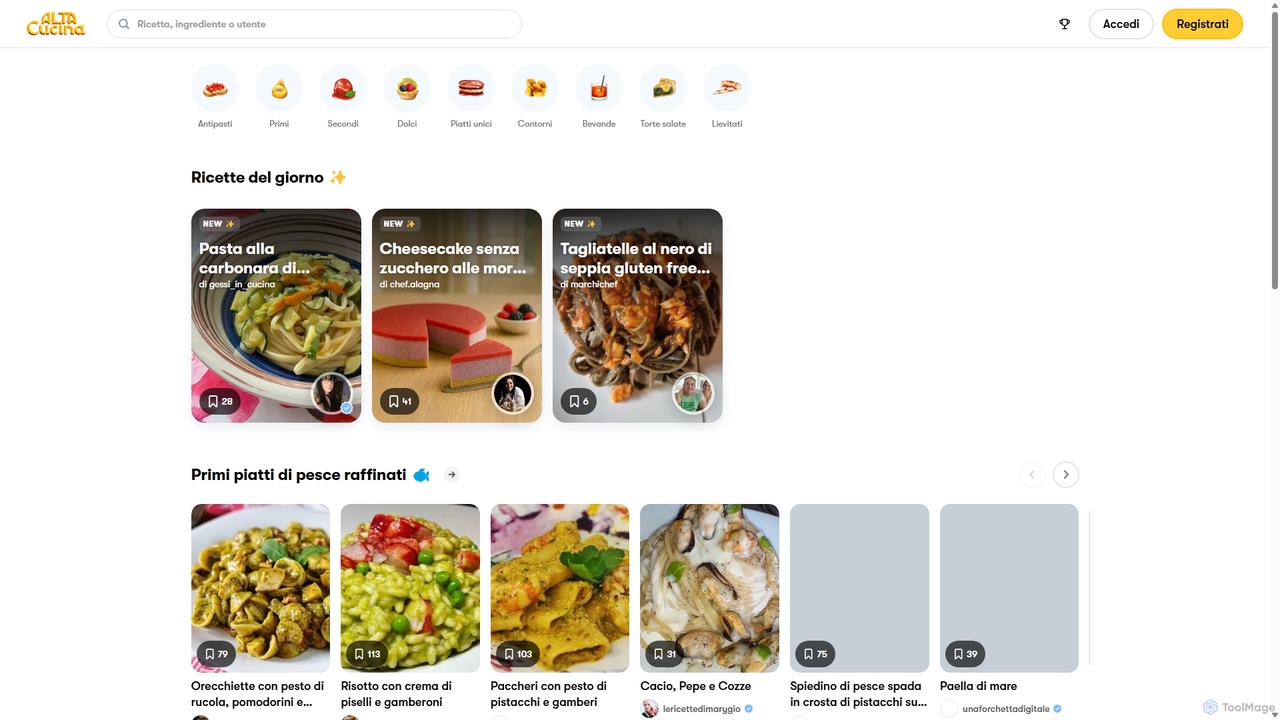
Al.ta Cucina is a vibrant social cooking platform and recipe-sharing community with over 20,000 user-generated recipes. It uses …

626.8K

About Recipe Management

AI Recipe Management tools are applications that use artificial intelligence to help users discover, organize, and adapt culinary recipes. They leverage AI to parse recipes from websites, generate meal plans based on dietary needs, and suggest ingredient substitutions. This streamlines meal planning, reduces food waste, and personalizes the cooking experience for home cooks and professionals. Unlike traditional recipe apps, these tools can intelligently analyze nutritional information and even create new recipes from scratch.

Core Features

  • AI Recipe Parsing: Automatically extracts ingredients, instructions, and nutritional data from any website or image.
  • Personalized Meal Planning: Generates weekly meal plans based on dietary restrictions, available ingredients, and taste preferences.
  • Smart Ingredient Substitution: Suggests viable alternatives for missing ingredients, considering flavor profiles and dietary needs.
  • Recipe Scaling & Adjustment: Instantly adjusts ingredient quantities for different serving sizes and provides modified instructions.
  • Nutritional Analysis: Calculates detailed nutritional information like calories, macros, and vitamins for any recipe.

Use Cases

These tools are ideal for home cooks seeking to organize their recipe collection, plan healthy meals for their families, and experiment with new dishes. They are also valuable for professional chefs, nutritionists, and food bloggers for developing, testing, and sharing recipes efficiently, often integrating with inventory and costing systems.

How to Choose

When selecting a tool, evaluate the accuracy of its recipe parser and the depth of personalization for meal planning. Consider its integration capabilities with grocery shopping apps and the quality of its ingredient substitution engine. Also, assess the user interface for ease of use, especially during cooking, and its support for importing from various sources.

Recipe ManagementUse Cases

1

Automated Meal Planning for Busy Families

A working parent uses an AI recipe manager to create a week's worth of healthy, kid-friendly meals. They input dietary restrictions like a nut allergy, preferred cuisines, and a general budget. The AI then generates a complete meal plan with a consolidated grocery list, automatically organized by aisle. This process saves hours of manual planning each week, reduces decision fatigue, and ensures the family maintains a balanced and varied diet without repetitive meals.

2

Digitizing a Handwritten Family Recipe Collection

A user wants to preserve and organize their grandmother's cherished handwritten recipe cards. They use their phone to take pictures of the cards. The AI tool's Optical Character Recognition (OCR) and recipe parsing feature automatically transcribes the ingredients and instructions into a structured, digital format. This not only preserves the recipes but also makes them searchable by ingredient, easily scalable for different serving sizes, and simple to share with other family members.

3

Adapting Recipes for Specific Dietary Needs

A nutritionist is creating a custom meal plan for a client with celiac disease and lactose intolerance. They import a standard lasagna recipe into the AI tool. Using the smart substitution feature, the AI instantly suggests gluten-free pasta alternatives and dairy-free cheese and milk options, providing brand suggestions and adjusting cooking times if necessary. This allows the nutritionist to quickly adapt a wide range of recipes while ensuring they remain nutritionally sound and palatable for the client.

4

Reducing Food Waste with 'Pantry Challenge' Recipes

A home cook wants to use up ingredients before they expire. They input the items they have in their pantry and fridge, such as chicken breast, bell peppers, and leftover rice, into the AI recipe tool. The AI analyzes these ingredients and generates several creative recipe suggestions that utilize them. This not only provides inspiration for dinner but also helps minimize food waste, saves money on groceries, and encourages the use of ingredients that might otherwise be forgotten.

5

Recipe Development and Analysis for Food Bloggers

A food blogger is developing a new vegan dessert. They use an AI recipe tool to analyze the nutritional profile of their creation, ensuring it meets specific macro targets. The AI can also suggest ingredient swaps to improve texture or flavor based on food science principles. Furthermore, the tool automatically scales the recipe for different batch sizes (e.g., for 6 cupcakes vs. 24) and generates a standardized recipe card for their blog, speeding up the content creation process significantly.

6

Professional Kitchen Menu Costing and Inventory Sync

A restaurant chef uses an advanced AI recipe management system to manage their menu. Each recipe ingredient is linked to the kitchen's live inventory and supplier pricing. The tool automatically calculates the precise cost-per-serving for each dish, allowing for strategic menu pricing. When inventory levels for an item run low, the system can suggest menu specials that utilize overstocked ingredients or alert the purchasing manager, optimizing purchasing and controlling food costs effectively.

Recipe ManagementFrequently Asked Questions