Productivity Best in category 5 results Report Generation AI Tool

Popular AI tools in the Report Generation field of Productivity include dichanai、Feasy、ReportPoint、Mergelab、iListingAI, etc., helping you quickly improve efficiency.

Mergelab

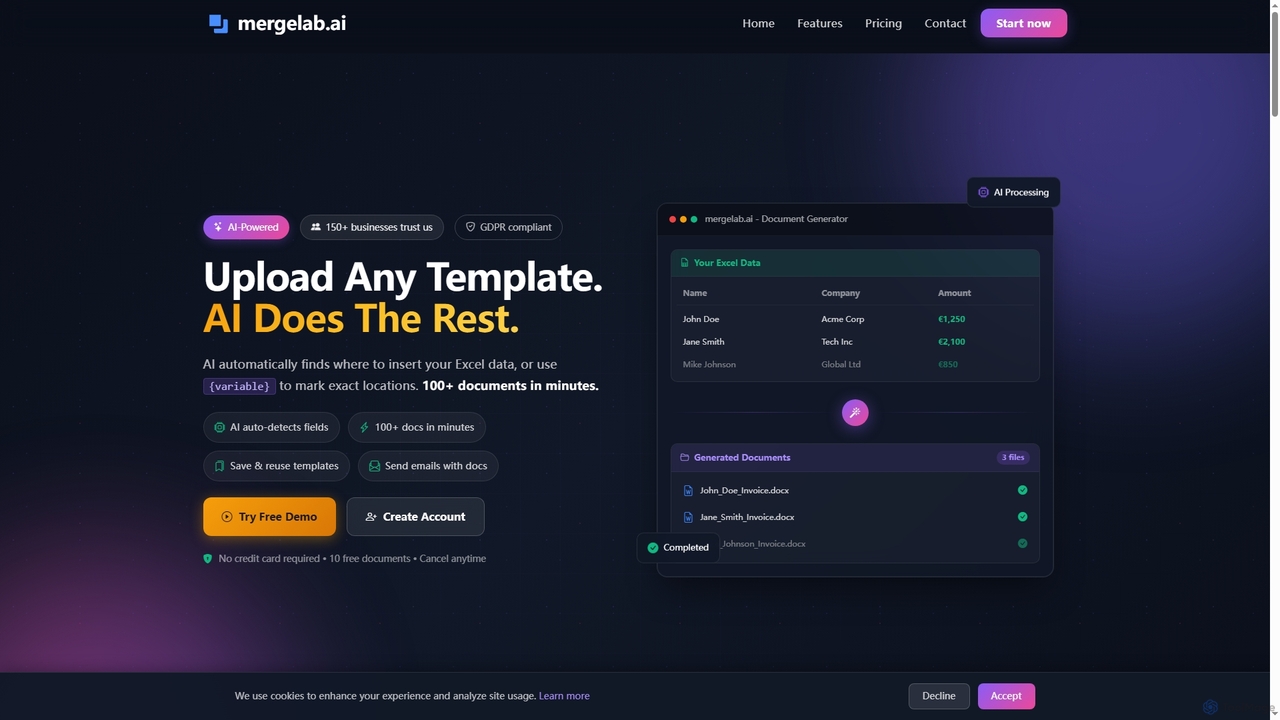
Mergelab

Mergelab is an AI-powered document generation tool that automates the creation of personalized documents from Excel data and …

2.8K
Feasy

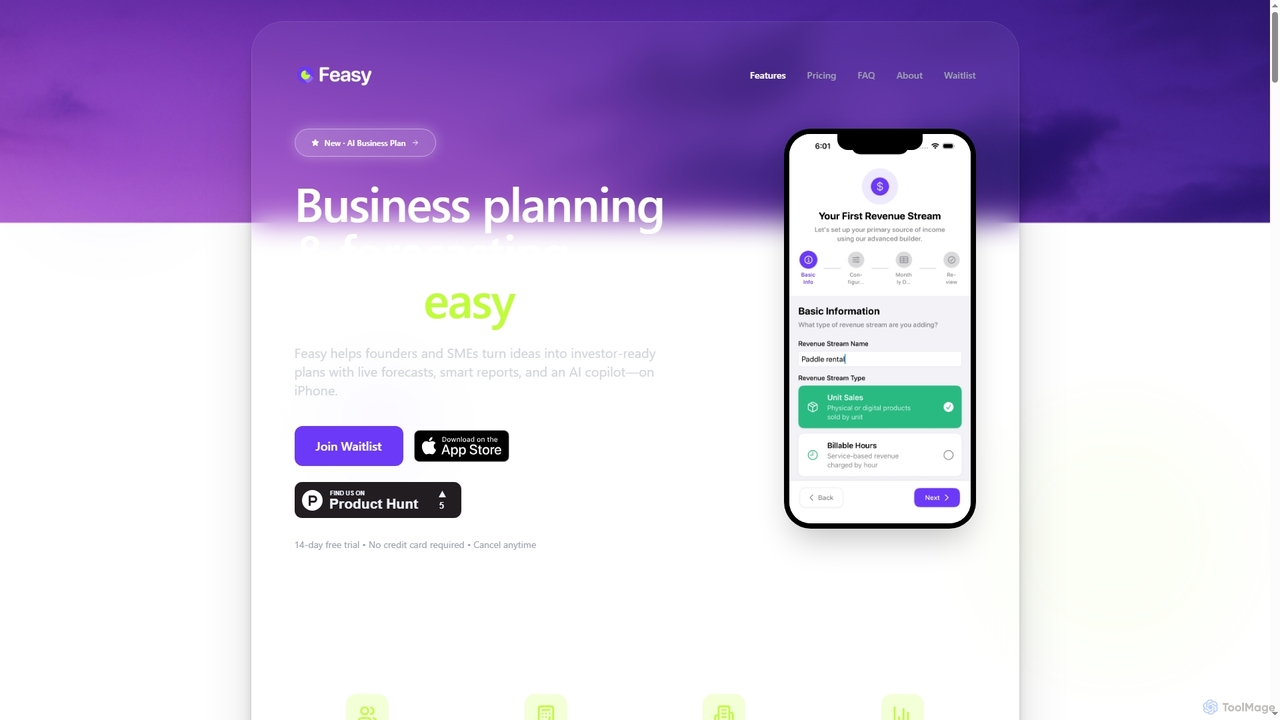
Feasy

Feasy is an AI-powered platform designed to simplify business planning and financial forecasting for founders and SMEs. It …

2.8K
ReportPoint

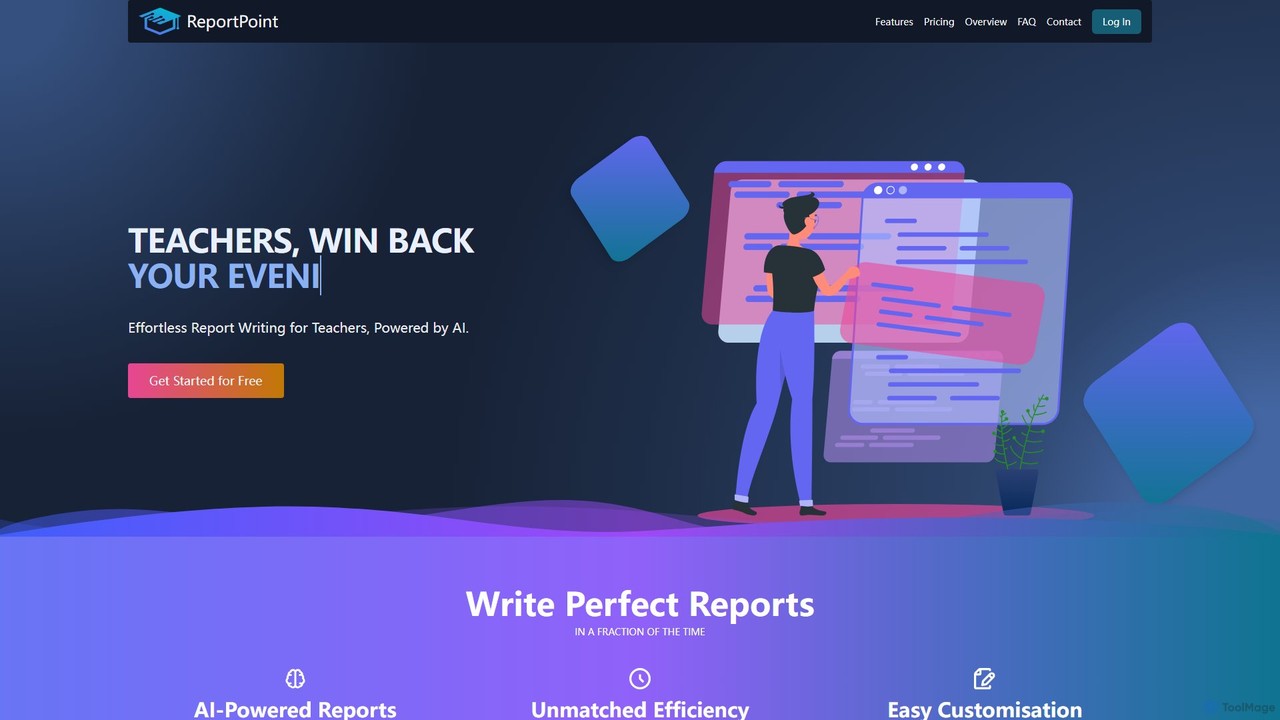
ReportPoint

An AI-powered tool designed for teachers to effortlessly generate personalized student reports. By converting simple bullet points into …

2.8K
iListingAI

iListingAI

iListingAI is an AI-powered platform designed for UK property professionals to generate detailed property inspection reports in minutes. …

2.7K
dichanai

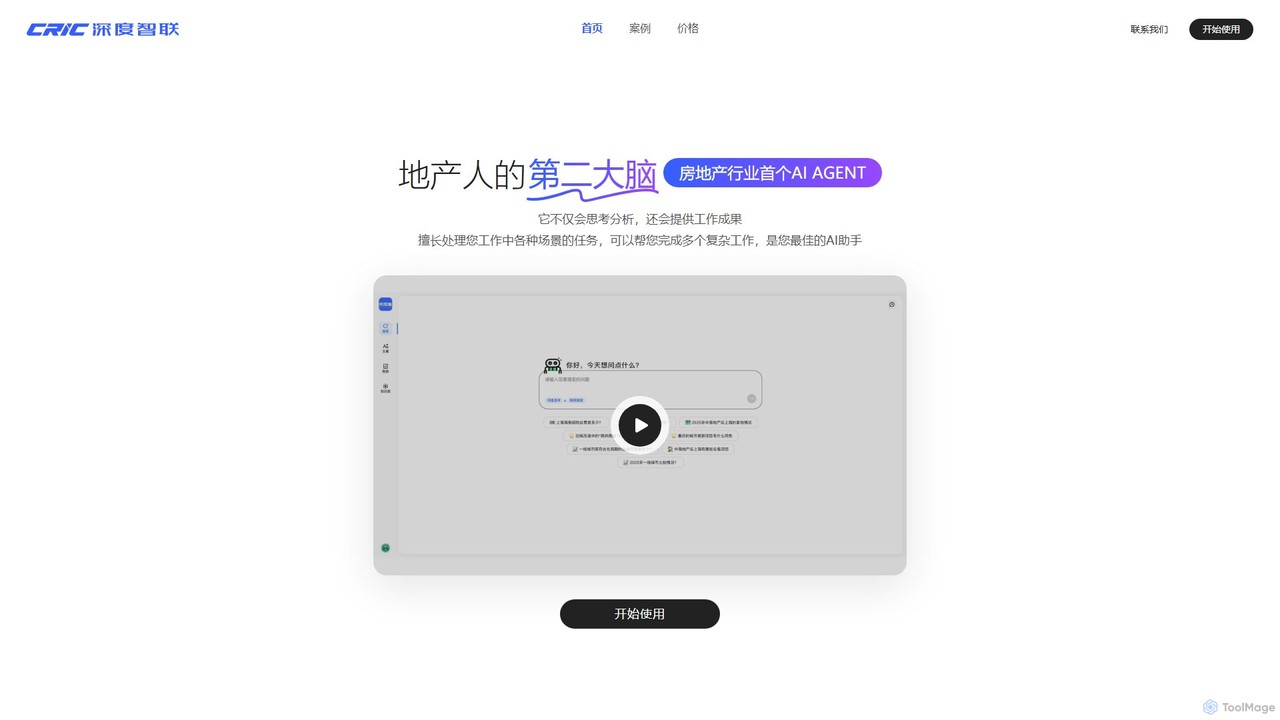
dichanai

dichanai is a pioneering AI Agent designed as a "second brain" for real estate professionals. It specializes in …

3.6K

About Report Generation

Report Generation tools are AI-powered solutions designed to automate the creation of structured documents from raw data. Leveraging natural language processing (NLP) and natural language generation (NLG), these tools interpret complex datasets and transform them into coherent, insightful narratives. They significantly streamline reporting workflows, enabling businesses and individuals to quickly produce accurate and professional reports for various purposes. This automation frees up valuable time, allowing users to focus on analysis and strategic decision-making rather than manual data compilation and writing.

Core Features

  • Automated Data Integration: Connects to diverse data sources (databases, spreadsheets, APIs) to pull relevant information efficiently.
  • Natural Language Generation (NLG): Converts numerical data and complex insights into human-readable text and concise summaries.
  • Customizable Templates: Offers pre-built or user-defined templates for different report types, branding, and formatting needs.
  • Data Visualization: Generates dynamic charts, graphs, and dashboards to visually represent key metrics and trends.
  • Scheduled Reporting: Allows users to set up automated report generation and distribution at specified intervals.

Use Cases

Businesses across sectors utilize AI Report Generation tools to transform raw data into actionable insights. For instance, marketing teams can automatically generate monthly performance reports detailing campaign ROI, website traffic, and social media engagement. Financial analysts can produce quarterly financial statements, budget vs. actuals reports, and risk assessments with minimal manual effort. Operations managers can create daily operational summaries, incident reports, and supply chain performance analyses, ensuring timely information dissemination.

How to Choose

When selecting an AI Report Generation tool, consider its data integration capabilities to ensure compatibility with your existing systems. Evaluate the flexibility of its natural language generation for narrative quality and customization options. Assess the range of report types and templates it supports, along with its data visualization features. Finally, factor in ease of use, security protocols, and scalability to meet future reporting demands.

Report GenerationUse Cases

1

Automate Monthly Marketing Performance Reports

Marketing managers can integrate data from various platforms (Google Analytics, social media, CRM) into an AI report generator. The tool automatically compiles key metrics like traffic, conversions, engagement, and ROI, generating a comprehensive narrative report with charts and actionable insights, saving hours of manual data aggregation and writing each month.

2

Generate Financial Statements and Budget Analyses

Financial analysts can feed raw transactional data, budget figures, and market trends into the AI. It then produces detailed financial statements (P&L, Balance Sheet), budget vs. actuals reports, and variance analyses, complete with explanatory text, enabling quicker financial reviews and strategic planning.

3

Create Operational Summaries for Daily Briefings

Operations supervisors can connect the tool to production systems, inventory databases, and logistics trackers. The AI automatically generates concise daily or weekly operational summaries, highlighting key performance indicators, bottlenecks, and completed tasks, facilitating efficient team briefings and proactive problem-solving.

4

Produce Personalized Sales Performance Overviews

Sales directors can use the AI to pull data from CRM systems. The tool generates individualized sales performance reports for each team member or region, detailing quotas, achievements, pipeline status, and areas for improvement, providing personalized feedback and motivating sales teams.

5

Develop Project Status Updates for Stakeholders

Project managers can input project data (task completion, resource allocation, budget spend) into the AI. It then creates clear, concise project status reports for stakeholders, summarizing progress, identifying risks, and outlining next steps, ensuring transparent communication and alignment.

6

Compile Research and Market Trend Summaries

Market researchers can feed large volumes of raw data from surveys, competitor analysis, and industry reports into the AI. The tool processes this information to generate executive summaries, trend analyses, and competitive landscape reports, providing quick insights for strategic decision-making without extensive manual synthesis.

Report GenerationFrequently Asked Questions