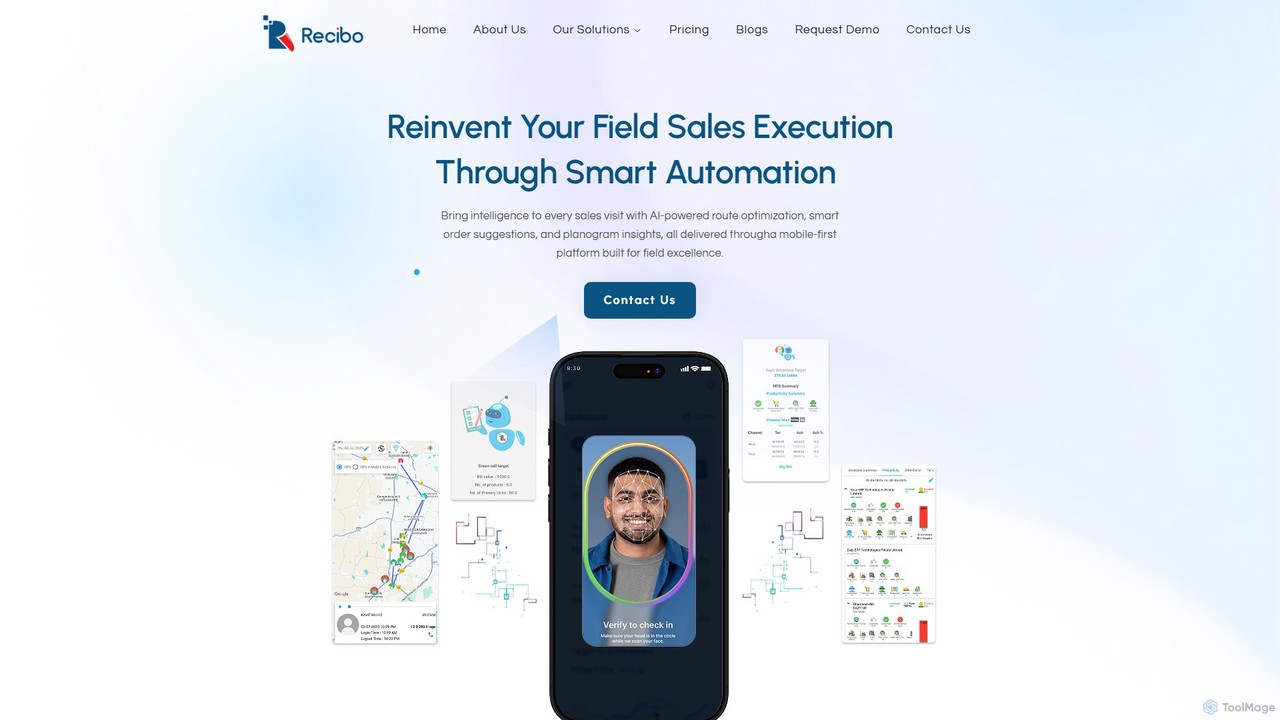
Route Planning tools are AI-powered solutions designed to optimize travel paths and schedules for vehicles, personnel, or deliveries, moving beyond traditional GPS to offer sophisticated logistical intelligence. These tools leverage advanced algorithms, real-time traffic data, and predictive analytics to calculate the most efficient routes, considering multiple constraints like time windows, vehicle capacity, driver availability, and even road restrictions. They significantly enhance operational efficiency, reduce fuel costs, minimize carbon footprint, and improve delivery times across various industries, transforming complex logistical challenges into streamlined operations.
Core Features
- Multi-Stop Optimization: Calculates the most efficient sequence for numerous destinations, minimizing travel distance and time.
- Real-time Traffic Integration: Dynamically adjusts routes based on live traffic conditions, accidents, and road closures to avoid delays.
- Vehicle Capacity Management: Optimizes loading and routing based on vehicle size, weight, volume, and specific cargo requirements.
- Time Window Scheduling: Ensures arrivals and departures adhere to specific customer or operational timeframes, improving service reliability.
- Dynamic Re-routing: Automatically updates routes in response to unforeseen events, last-minute changes, or new orders, maintaining flexibility.
- Geofencing & Territory Management: Defines operational areas and assigns routes efficiently within specific geographical boundaries.
Applicable Scenarios
AI route planning tools are indispensable for businesses managing complex logistics and field operations, from small local deliveries to large-scale international freight. They are widely used by e-commerce companies for last-mile delivery optimization, freight carriers for planning complex long-haul transportation networks, and utility providers for efficiently scheduling field service technician appointments. These tools streamline operations, ensuring timely service, maximizing resource utilization, and significantly reducing operational costs across diverse sectors.
How to Choose
When selecting an AI route planning tool, consider its scalability to effectively handle your current and future volume of stops, vehicles, and operational complexity. Evaluate its integration capabilities with your existing CRM, ERP, or fleet management systems to ensure seamless data flow. Prioritize tools with accurate real-time data sources for traffic and weather, and assess their ability to customize constraints specific to your business, such as driver skills, specific equipment needs, or customer preferences. Finally, examine its reporting and analytics features for continuous performance monitoring and optimization insights.