Productivity Best in category 1 results Sound Design AI Tool

Popular AI tools in the Sound Design field of Productivity include Vertate, etc., helping you quickly improve efficiency.

Vertate

Vertate

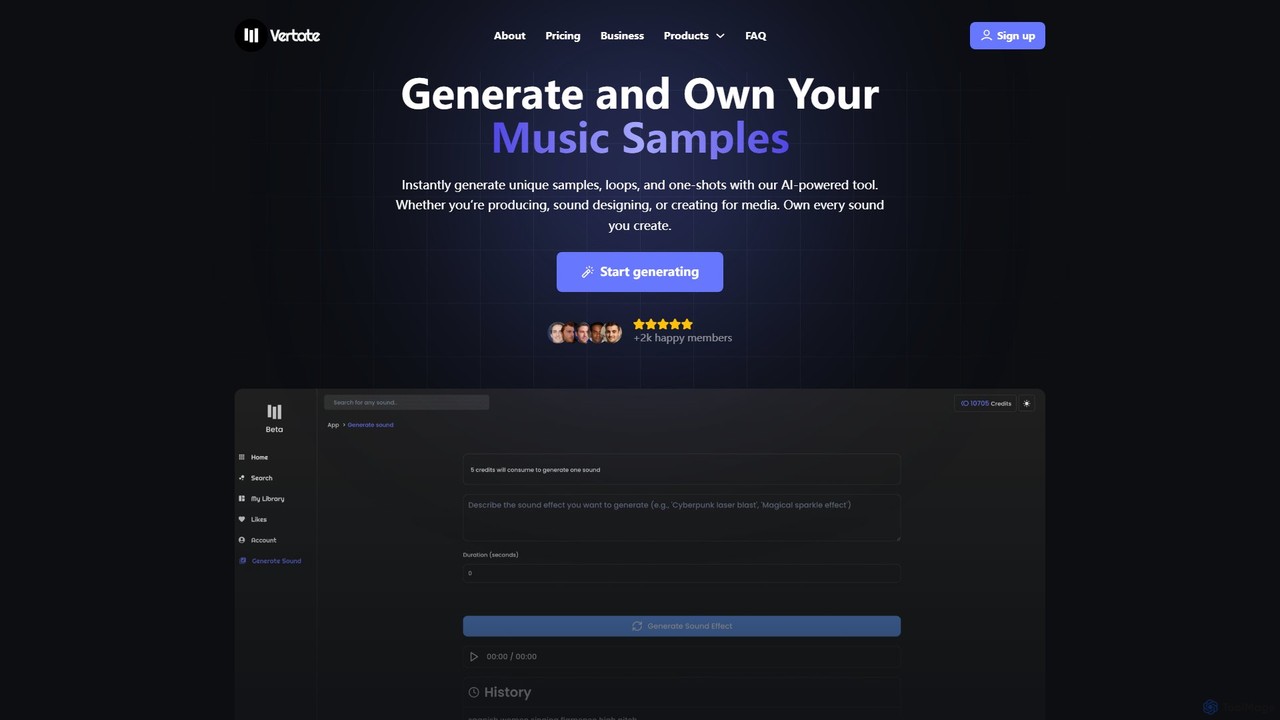
Vertate is an AI-powered sound platform for instantly generating unique, 100% royalty-free music samples, loops, and one-shots. Designed …

3.0K

About Sound Design

Sound Design tools are AI-powered applications that leverage advanced algorithms to create, manipulate, and enhance audio elements for various media. These tools utilize machine learning to generate unique soundscapes, effects, and musical components, significantly streamlining the audio production workflow. They empower creators to achieve professional-grade sound without extensive manual effort, opening new creative possibilities in film, gaming, and music production.

Core Features

  • AI-Powered Sound Generation: Automatically creates original sound effects, ambient textures, or musical motifs based on user input or context.
  • Intelligent Audio Enhancement: Applies smart noise reduction, equalization, and mastering to improve audio quality with minimal manual intervention.
  • Adaptive Audio Synthesis: Generates dynamic soundscapes and music that respond in real-time to interactive content, such as video games or virtual reality.
  • Voice Synthesis & Manipulation: Creates realistic synthetic voices or alters existing vocal tracks for various narrative and creative purposes.

Use Cases

These tools are indispensable for professionals in media production, including film, television, video games, and podcasting. They are also valuable for music producers and content creators seeking innovative ways to enhance their audio projects or automate repetitive tasks.

How to Choose

When selecting AI sound design tools, consider the sophistication of the AI model for generation and enhancement, the breadth and quality of its sound library, integration capabilities with existing digital audio workstations (DAWs), and its real-time processing performance. Evaluate the specific types of audio elements you need to create or modify, such as sound effects, music, or voice, and choose a tool that excels in those areas.

Sound DesignUse Cases

1

Generating Dynamic Game Soundtracks

Game developers utilize AI sound design tools to automatically compose adaptive background music and sound effects that respond to in-game events, player actions, or environmental changes. This allows for a more immersive and dynamic audio experience without requiring extensive manual composition for every scenario, saving hundreds of hours in development time and ensuring a cohesive auditory world.

2

Automating Podcast Audio Enhancement

Podcasters and content creators leverage AI sound design tools to automatically clean up audio, remove background noise, equalize voices, and master their episodes. This process significantly reduces post-production time, allowing creators to achieve broadcast-quality audio with minimal technical expertise, ensuring a professional listening experience for their audience and increasing content output.

3

Creating Realistic Foley Sound Effects

Filmmakers and animators use AI sound design tools to generate realistic Foley sound effects (e.g., footsteps, rustling clothes, breaking glass) that perfectly synchronize with on-screen actions. By simply describing the desired sound or providing a video clip, the AI can produce a variety of authentic audio assets, drastically cutting down the time and cost associated with traditional Foley recording sessions.

4

Composing Unique Music for Advertisements

Marketing agencies and advertisers employ AI sound design tools to quickly generate custom musical scores and jingles for commercials and promotional content. By inputting parameters like mood, genre, and desired length, the AI can produce multiple unique tracks, allowing for rapid iteration and selection of the perfect audio branding that resonates with target audiences, without the need for expensive licensing or bespoke composition.

5

Enhancing Virtual Reality Experiences

VR/AR developers utilize AI sound design to create highly immersive and responsive audio environments for virtual reality experiences. The AI can dynamically adjust spatial audio, ambient sounds, and interactive sound effects based on the user's gaze, movement, and interaction within the virtual world. This results in a more believable and engaging VR experience, enhancing the sense of presence and realism for users.

6

Prototyping Audio for Film and Animation

Film and animation pre-production teams use AI sound design tools to rapidly prototype audio for storyboards and animatics. By quickly generating placeholder sound effects, ambient tracks, and temporary scores based on visual cues or script descriptions, they can test the emotional impact and pacing of scenes early in the production pipeline. This iterative process allows for efficient feedback and refinement before committing to final audio production, saving significant resources.

Sound DesignFrequently Asked Questions