
Productivity Best in category 1 results Trip Planning AI Tool

Popular AI tools in the Trip Planning field of Productivity include ixigo, etc., helping you quickly improve efficiency.

ixigo

ixigo

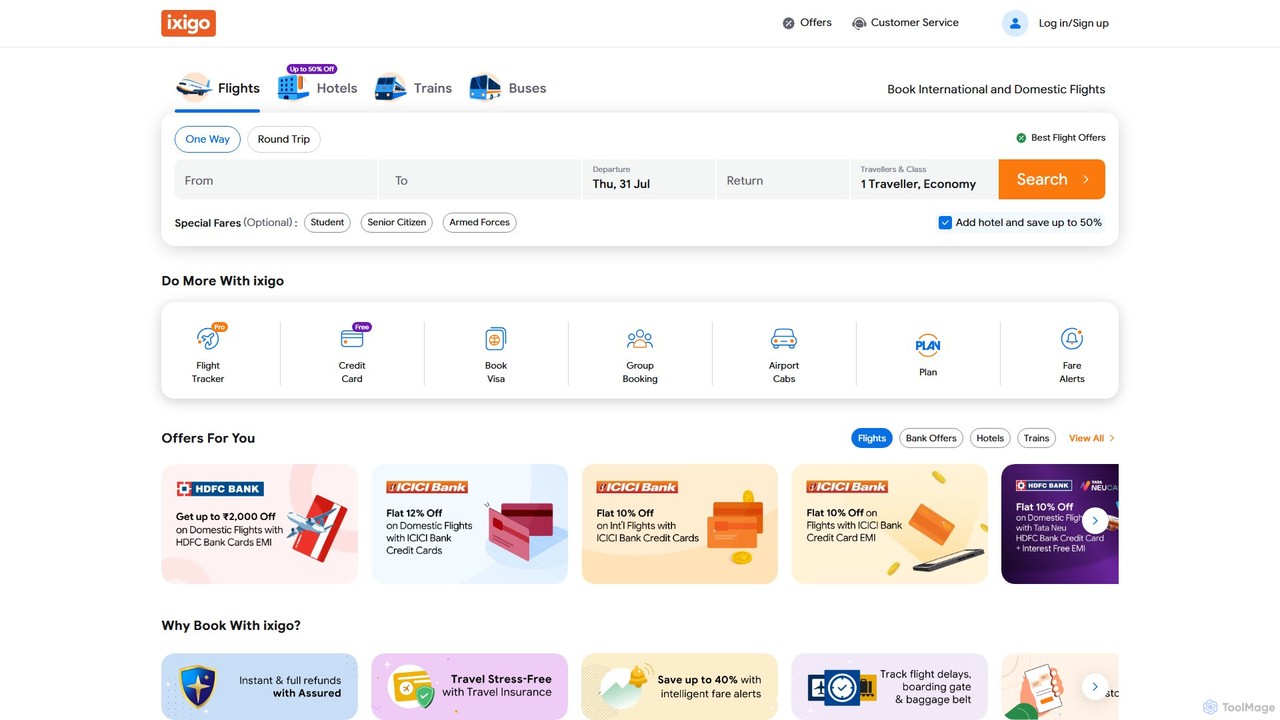
ixigo is an AI-powered travel platform from India, designed to simplify trip planning and booking. It uses artificial …

10.8M

About Trip Planning

AI Trip Planning tools are applications that use artificial intelligence to automate and optimize the creation of travel itineraries. These tools analyze user preferences, budget, and time constraints to generate personalized recommendations for destinations, activities, transportation, and lodging. This streamlines the complex research process, saving significant time while helping travelers discover experiences tailored to their interests. Many advanced planners also incorporate real-time data like weather forecasts and flight status to create dynamic and adaptable travel plans.

Core Features

  • Personalized Itinerary Generation: Creates custom daily schedules based on user interests, travel pace, and budget.
  • Logistics Optimization: Calculates the most efficient routes between points of interest, considering transport modes and opening hours.
  • Budget Management: Allows users to set a total trip budget and tracks estimated expenses for accommodation, food, and activities.
  • Collaborative Planning: Enables multiple users to suggest, edit, and comment on a shared itinerary in real-time.
  • Real-time Suggestions: Provides location-based recommendations for nearby attractions or restaurants and sends alerts for flight delays or gate changes.

Use Cases

These tools are ideal for individual travelers, families, and groups planning multi-day or multi-destination trips. Travel agents and corporate travel managers also use them to efficiently create detailed itineraries for clients and employees. They are particularly valuable for complex journeys where optimizing time and logistics is crucial, such as a multi-city European tour or a packed business trip schedule.

How to Choose

When selecting an AI Trip Planning tool, consider the level of customization and personalization it offers. Evaluate its integration capabilities with booking platforms, calendars, and mapping services. Check if it supports collaborative features for group travel and whether it provides offline access to your itinerary. Finally, assess the user interface and the quality of its recommendations to ensure it aligns with your travel style.

Trip PlanningUse Cases

1

Creating a Multi-City European Itinerary

A solo traveler planning a 14-day trip to visit five European cities on a fixed budget uses an AI trip planner. By inputting their destinations, budget, and interests in art and history, the tool generates an optimized travel sequence to minimize travel time. It suggests cost-effective train routes between cities, creates a daily schedule with pre-mapped walking routes to museums and historical sites, and even recommends highly-rated local eateries within the budget, saving days of manual research.

2

Planning a Family Vacation with Kids

A family with two young children (ages 5 and 8) wants to plan a week-long trip to a theme park destination. They use an AI planner to create a balanced itinerary. The tool schedules theme park visits during off-peak hours to avoid long queues, suggests nearby parks and playgrounds for downtime, and finds family-friendly restaurants with kids' menus. It also incorporates nap times for the younger child, ensuring the pace is manageable and enjoyable for everyone.

3

Organizing a Business Trip with Multiple Meetings

A consultant has a two-day business trip with five meetings scheduled across different parts of a large city. They use an AI trip planner that integrates with their calendar. The tool automatically imports meeting times and locations, then calculates the most efficient travel routes between them using real-time traffic data. It suggests public transport options, estimates travel times, and adds buffer periods to prevent being late. The final itinerary is a clear, time-optimized schedule that maximizes productivity.

4

Collaborative Planning for a Group Trip

A group of friends is planning a ski trip. Using a collaborative AI planner, each person adds their flight details and preferred activities. The tool consolidates everything into a master itinerary. It features a polling function for the group to vote on restaurants and evening activities. A shared expense tracker allows everyone to log costs like accommodation and ski passes, automatically calculating who owes what. This centralizes communication and simplifies the complex logistics of group travel.

5

Discovering Off-the-Beaten-Path Experiences

An adventurous traveler wants to explore a country beyond its main tourist attractions. They use an AI planner with a 'discover hidden gems' feature. The AI analyzes travel blogs, local forums, and social media data to suggest lesser-known hiking trails, authentic local markets, and unique cultural workshops. The generated itinerary balances popular sites with these unique experiences, providing a more authentic and memorable trip that aligns with the traveler's desire for exploration.

6

Budget-Conscious Backpacking Trip Planning

A backpacker is planning a month-long trip through Southeast Asia on a strict daily budget. They use an AI trip planner focused on budget travel. The tool suggests affordable hostels, local street food markets, and free attractions like parks and temples. It calculates the most economical transportation options, such as overnight buses instead of flights, and provides a daily spending forecast. This allows the backpacker to manage their finances effectively and extend their travel duration without overspending.

Trip PlanningFrequently Asked Questions