Driverbook
Driverbook is an AI-powered vehicle management platform and community for car owners. It allows you to track maintenance, …
Driverbook is an AI-powered vehicle management platform and community for car owners. It allows you to track maintenance, log expenses, set reminders, and get instant advice from an AI assistant. Connect with other drivers, share experiences, and simplify your car ownership journey with this intelligent digital logbook.
CarBeast
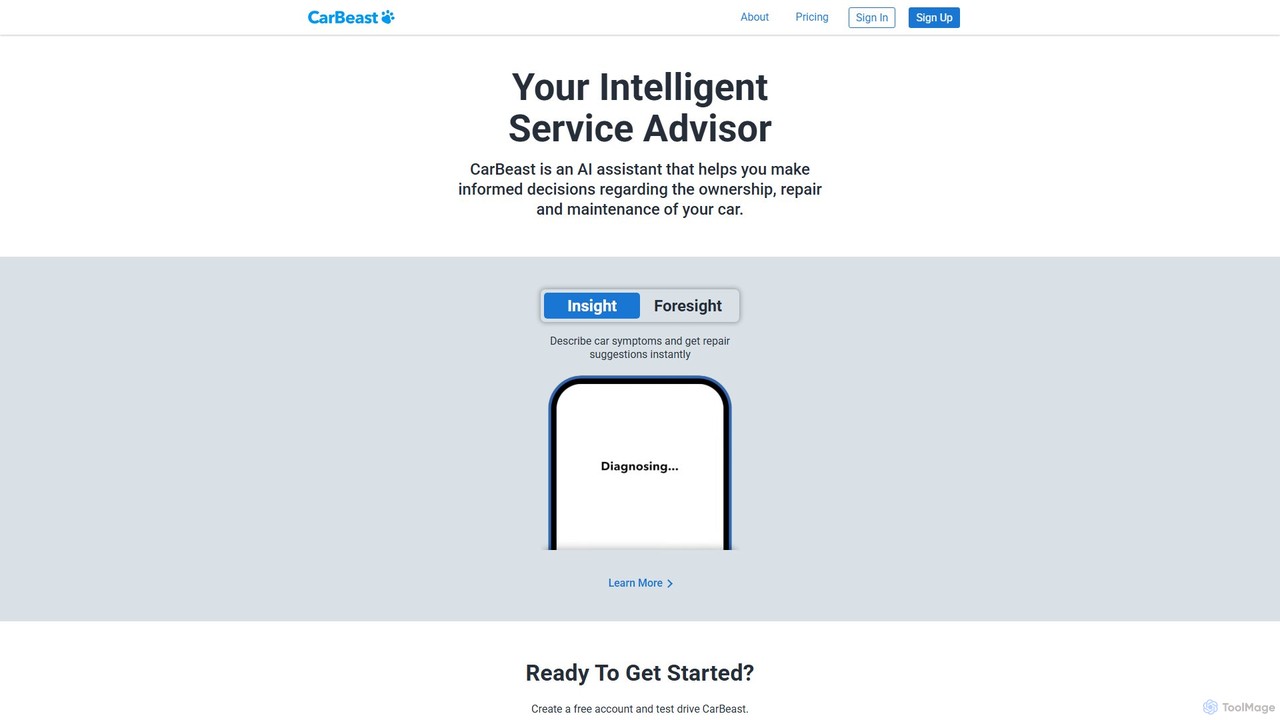
CarBeast is an AI-powered intelligent service advisor for car owners. It helps you diagnose vehicle problems, get repair …
CarBeast is an AI-powered intelligent service advisor for car owners. It helps you diagnose vehicle problems, get repair suggestions and cost estimates, and forecast future maintenance needs. By analyzing millions of repair records, CarBeast empowers you to make informed decisions about your car's health and save money on repairs.
About Vehicle Management
AI Vehicle Management tools are specialized platforms designed to optimize the operation, maintenance, and safety of vehicle fleets. These systems utilize AI algorithms, IoT data, and predictive analytics to process vast amounts of information from vehicle sensors and external sources. They provide actionable insights that help businesses in logistics, transportation, and field services reduce fuel costs, minimize downtime, and enhance driver safety. As a critical component of modern productivity, these tools transform complex fleet data into strategic operational advantages.
Core Features
- Predictive Maintenance: Analyzes vehicle diagnostics data to forecast potential failures and schedule maintenance proactively.
- Route Optimization: Uses real-time traffic, weather, and delivery constraints to calculate the most efficient routes.
- Driver Behavior Analysis: Monitors driving patterns like speeding, harsh braking, and idling to improve safety and fuel efficiency.
- Fuel Management: Tracks fuel consumption, detects anomalies, and provides insights to reduce fuel costs.
- Real-time Tracking & Geofencing: Offers live vehicle location tracking and sets virtual boundaries to monitor asset movement and prevent theft.
Use Cases
These tools are essential for industries heavily reliant on transportation. Logistics and delivery companies use them for route planning and real-time tracking. Public transportation authorities leverage them to monitor fleet health and optimize schedules. Construction and mining companies use them to track heavy machinery and ensure operational safety. Field service businesses also benefit by improving dispatch efficiency and monitoring vehicle usage.
How to Choose
When selecting an AI Vehicle Management tool, first consider your fleet size and vehicle types, as some solutions are tailored for specific scales. Evaluate the system's integration capabilities with your existing software, such as ERP or CRM systems. Assess the depth of its analytics and reporting features to ensure they meet your business intelligence needs. Finally, consider the hardware requirements (e.g., telematics devices) and the total cost of ownership, including subscription and installation fees.

Vehicle ManagementUse Cases
Predictive Maintenance for a Trucking Company
A fleet manager at a long-haul trucking company uses an AI Vehicle Management system to prevent costly breakdowns. The platform continuously analyzes data from engine sensors, transmission, and tire pressure monitors across hundreds of trucks. When the AI detects subtle anomalies that indicate a potential component failure, it automatically creates a maintenance alert for the specific vehicle and suggests the optimal time to service it at the next available depot, minimizing disruption to delivery schedules. This proactive approach reduces unexpected downtime by over 30% and extends the lifespan of critical vehicle parts.
Dynamic Route Optimization for Last-Mile Delivery
A local courier service dispatcher uses an AI tool to manage a fleet of delivery vans. Each morning, the system ingests hundreds of package destinations and creates optimized multi-stop routes for each driver. Throughout the day, the AI continuously re-optimizes these routes in real-time based on live traffic conditions, new pickup requests, and delivery time windows. This dynamic planning ensures drivers always follow the most efficient path, leading to a 20% increase in on-time deliveries and a significant reduction in fuel consumption per package delivered.
Driver Safety Monitoring for a Corporate Fleet
A safety officer for a company with a large sales fleet implements an AI vehicle management solution to reduce accidents. The system uses in-cab cameras and sensors to detect risky behaviors like distracted driving (e.g., phone use), drowsiness, harsh braking, and speeding. When an event is detected, the system can provide an in-cab audio alert to the driver and simultaneously sends a video clip to the safety officer for review. This allows for targeted coaching and training, leading to a significant decrease in accident rates and lower insurance premiums.
Fuel Consumption Analysis for a Bus Transit System
An operations analyst for a city's public transit authority uses an AI platform to optimize fuel efficiency across its bus fleet. The tool integrates data on fuel consumption, vehicle speed, engine idling time, and route topography. The AI identifies specific routes, times of day, and driving behaviors that lead to excessive fuel use. Based on these insights, the authority can adjust schedules to avoid peak congestion, provide drivers with eco-driving training, and identify buses that may require engine maintenance. This data-driven approach helps the city reduce its overall fuel budget by up to 10% annually.
Asset Tracking and Security for Construction Equipment
A site manager for a large construction project uses an AI vehicle management system to track and secure heavy machinery like excavators and bulldozers. Each piece of equipment is fitted with a GPS tracker. The manager sets up geofences around the construction site and approved storage areas. If a machine moves outside these boundaries during non-operational hours, the system sends an instant alert to the manager's phone and security personnel. This feature drastically reduces the risk of theft and unauthorized use, saving the company potentially hundreds of thousands of dollars in equipment replacement costs.
Automated Compliance and Reporting for Regulated Industries
A compliance manager in the commercial trucking industry uses an AI vehicle management tool to automate Hours of Service (HOS) logging. The system is connected to the vehicle's engine and automatically records driving time, on-duty time, and rest periods, ensuring compliance with federal regulations. The platform generates compliant electronic logging device (ELD) reports that can be easily presented during roadside inspections. This automation eliminates manual paperwork, reduces the risk of human error and costly fines, and simplifies the entire compliance process for both drivers and managers.