
Productivity Best in category 1 results Virtual Collaboration AI Tool

Popular AI tools in the Virtual Collaboration field of Productivity include Elevux, etc., helping you quickly improve efficiency.

Elevux

Elevux

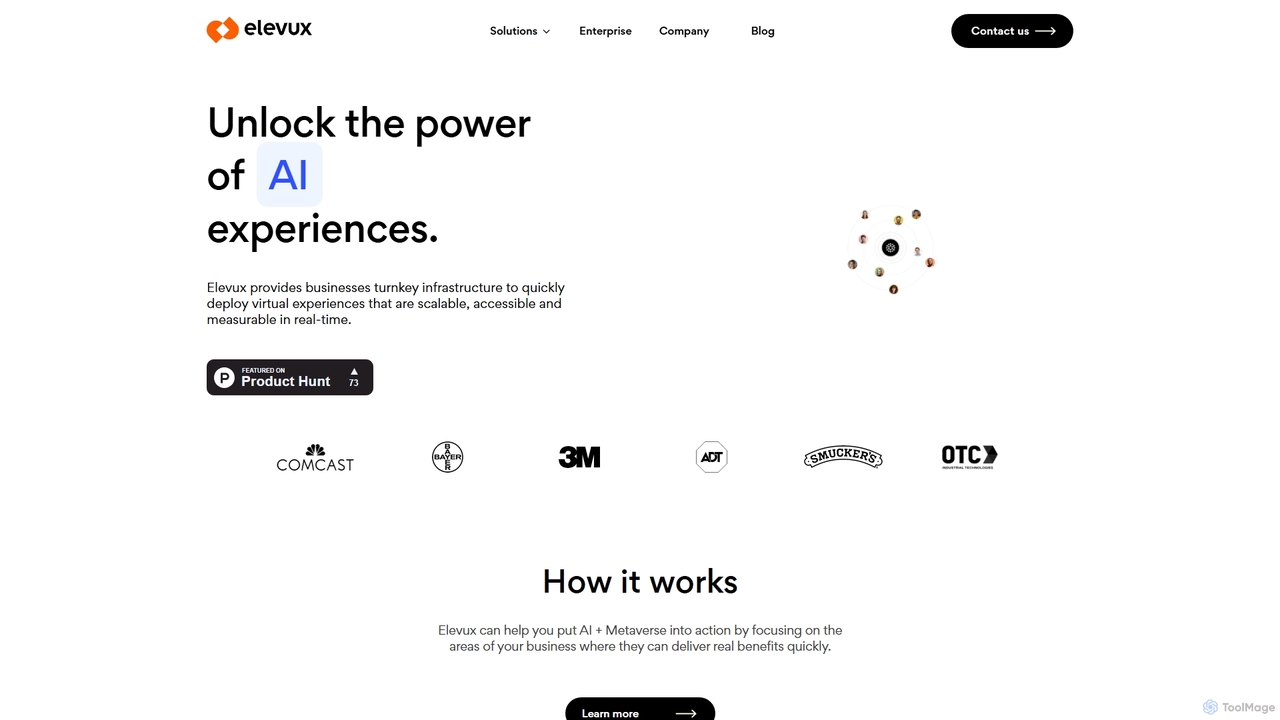
Elevux is a pioneering AI and Metaverse-powered platform for enterprise sales enablement and employee training. It provides businesses …

2.8K

About Virtual Collaboration

Virtual Collaboration tools are AI-powered solutions designed to enhance productivity and streamline interactions for distributed teams. These tools leverage artificial intelligence to facilitate seamless communication, intelligent meeting management, and efficient task coordination across different locations and time zones. They empower remote workforces to achieve higher levels of engagement and output, transforming how teams connect and create together.

Core Features

  • Intelligent Meeting Summarization: Automatically transcribes and summarizes meeting discussions, highlighting key decisions, action items, and participants.
  • Real-time Language Translation: Provides instant translation for multi-lingual teams, breaking down communication barriers during live discussions and in shared documents.
  • AI-driven Brainstorming & Idea Generation: Assists teams in generating creative ideas, organizing thoughts, and identifying patterns from discussions or inputs.
  • Automated Task Assignment & Follow-up: Integrates with project management tools to automatically assign tasks based on meeting outcomes and send reminders.
  • Sentiment Analysis for Team Engagement: Monitors communication for sentiment, providing insights into team morale and potential areas of conflict or disengagement.

Applicable Scenarios

Remote-first companies use these tools to maintain high levels of team cohesion and productivity, ensuring all team members, regardless of location, are aligned and engaged. Global project teams leverage AI for real-time translation and intelligent documentation, overcoming language barriers and time zone challenges. Hybrid work environments benefit from streamlined meeting processes and equitable participation for both in-office and remote attendees.

How to Choose

When selecting Virtual Collaboration tools, consider the specific needs of your team, such as the size and distribution of your workforce, the complexity of your projects, and your existing tech stack. Evaluate features like AI-driven summarization, language support, integration capabilities with other productivity platforms, and data security protocols. User-friendliness and scalability are also crucial for long-term adoption and effectiveness.

Virtual CollaborationUse Cases

1

Streamlining Global Team Meetings

For multinational corporations with distributed teams, AI virtual collaboration tools automatically transcribe meetings, translate discussions in real-time, and summarize key decisions. This ensures all participants, regardless of their native language or time zone, receive accurate information and action items, significantly reducing follow-up time and miscommunication.

2

Enhancing Hybrid Workshop Productivity

In hybrid work settings, facilitators use AI tools to ensure equitable participation from both in-person and remote attendees during brainstorming sessions. The AI can capture all ideas, organize them thematically, and even suggest connections, making the workshop more inclusive and productive by leveraging collective intelligence.

3

Automating Project Stand-up Summaries

Project managers in agile teams utilize virtual collaboration AI to automatically generate concise summaries of daily stand-up meetings. The AI identifies individual updates, blockers, and next steps, then distributes these summaries to the team, saving time on manual note-taking and ensuring everyone is up-to-date without needing to re-watch recordings.

4

Facilitating Cross-functional Idea Generation

Product development teams often struggle with disparate ideas from different departments. AI collaboration platforms can ingest diverse inputs, identify common themes, and suggest novel combinations or solutions, helping teams to innovate faster and more effectively by synthesizing complex information.

5

Onboarding Remote Employees Efficiently

HR departments use virtual collaboration tools to create interactive and personalized onboarding experiences for new remote hires. AI can guide new employees through training modules, answer common questions, and connect them with relevant team members or resources, ensuring a smooth and engaging integration into the company culture.

6

Improving Client Communication and Documentation

Consulting firms leverage AI collaboration tools to manage client meetings. The AI can record, transcribe, and summarize client discussions, automatically extracting action items and key agreements. This ensures accurate documentation, reduces the risk of misunderstandings, and allows consultants to focus on client engagement rather than extensive note-taking.

Virtual CollaborationFrequently Asked Questions