ToolMage
Sign in

Best 3 Visual Storytelling AI tools for Productivity

Popular Visual Storytelling AI tools in Productivity include Comicon, Swypo, and Woocoo, helping you work more efficiently.

Swypo
Free

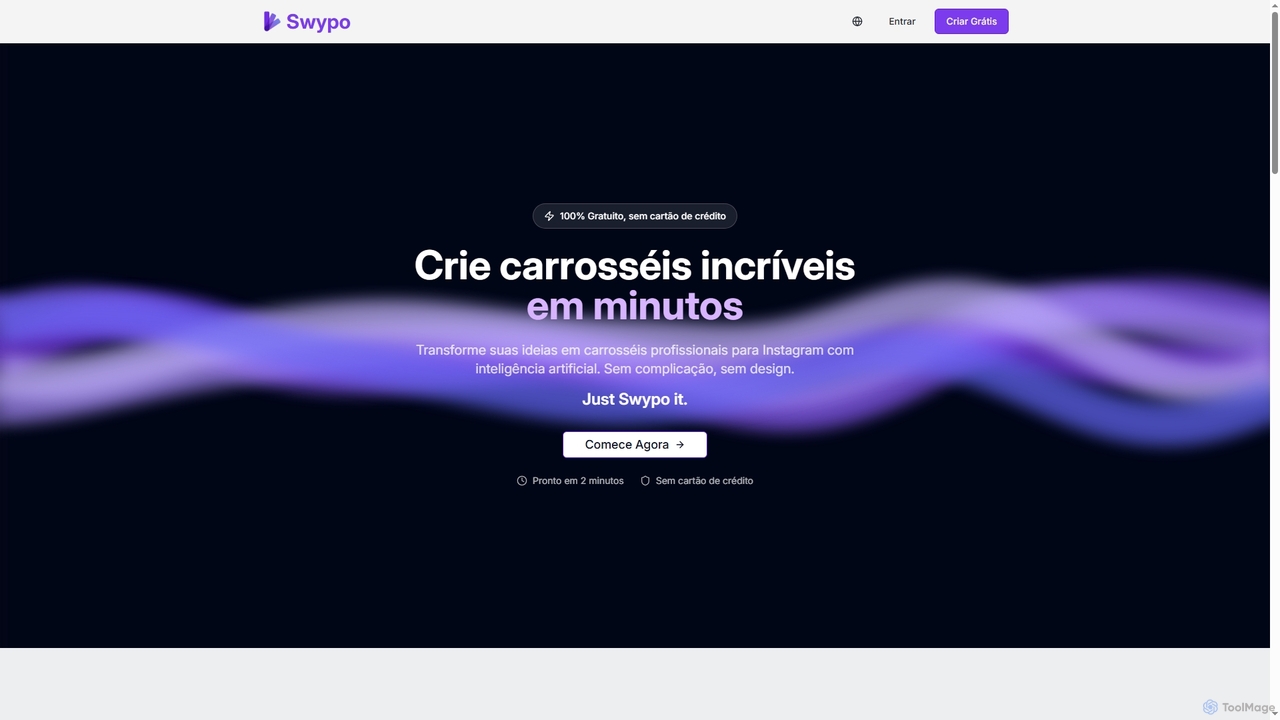
Swypo

Swypo is a free AI-powered tool that allows users to quickly create professional and engaging carousels for Instagram and other social media platforms. It simplifies content creation by transforming text ideas into visually stunning carousels in minutes, without requiring any design skills or a credit card.

Graphic Generator
Visits 5.9KFavorites 34Likes 45
Woocoo
Freemium

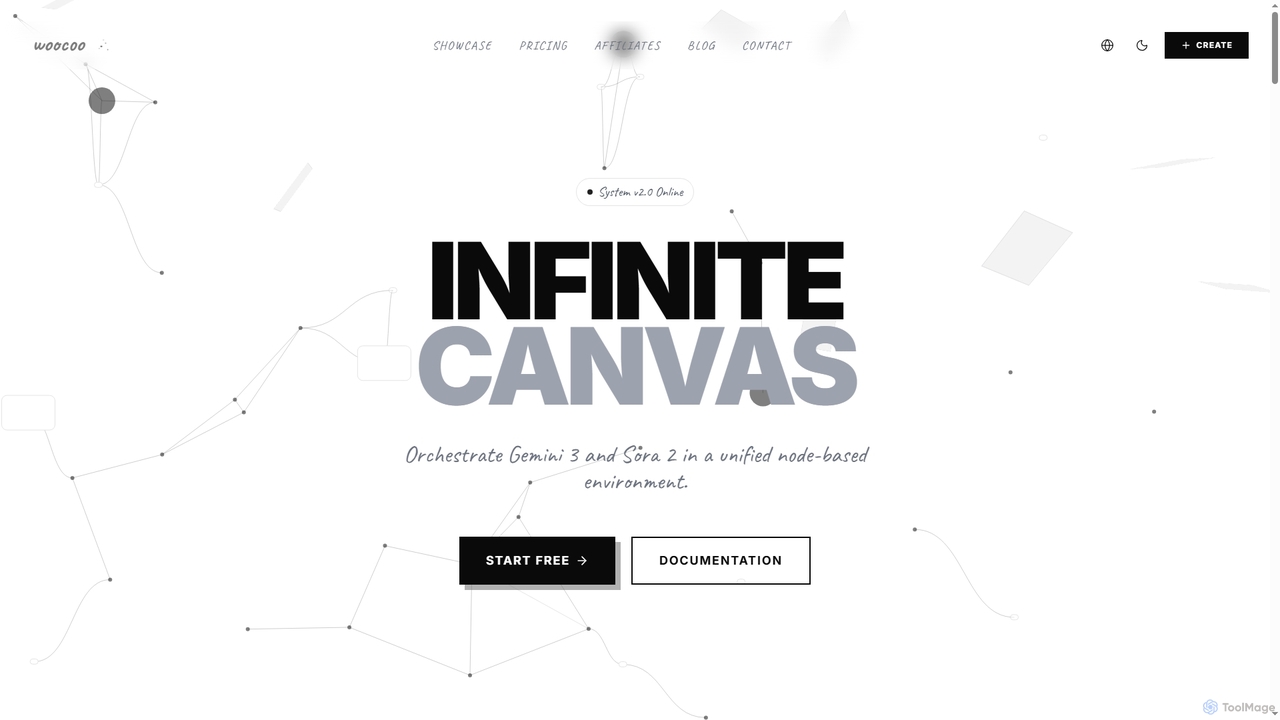
Woocoo

Woocoo is an AI canvas for orchestrating advanced AI models like Gemini 3 and Sora 2 within a unified, node-based environment. It enables users to build repeatable AI workflows for video, image generation, and automation, streamlining creative content production from idea to final cut.

Ai Image
Visits 5.7KFavorites 59Likes 65
Comicon
Freemium

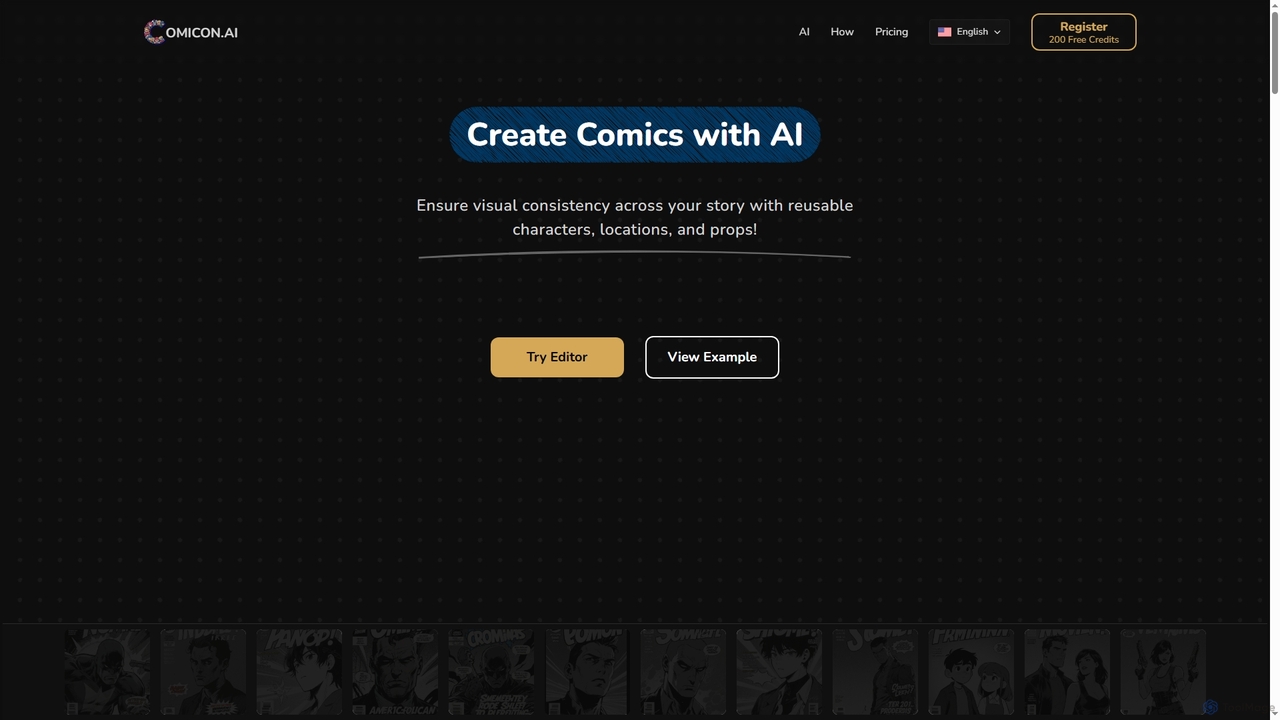
Comicon

Comicon is an AI-powered comic maker designed to ensure visual consistency across your stories. It helps create reusable characters, locations, and props, offering a creative assistant for story development, layout design, and consistent image generation.

3D
Visits 6KFavorites 116Likes 117

About Visual Storytelling

Visual Storytelling AI tools are a specialized category of AI-powered applications designed to help users craft compelling narratives through dynamic visual media. These tools leverage artificial intelligence to generate, enhance, and automate the production of images, videos, animations, and interactive content, enabling creators to convey messages more effectively and engage audiences on a deeper level. They streamline the process of transforming ideas into visually rich stories, making sophisticated content creation accessible to a wider range of users.

Core Features

  • AI-Powered Visual Generation: Automatically creates images, video clips, and animations from text prompts or data, tailored to a narrative.
  • Automated Scene Sequencing: Intelligently arranges visual assets into a coherent story flow, suggesting transitions and pacing.
  • Smart Design & Layout: Provides AI-driven recommendations for visual composition, typography, and color schemes to enhance storytelling impact.
  • Style Transfer & Enhancement: Applies consistent visual styles across different media types and improves visual quality for narrative consistency.
  • Interactive Content Creation: Facilitates the development of engaging quizzes, polls, and clickable elements within visual stories.

Use Cases

These tools are invaluable for marketing professionals creating engaging ad campaigns, educators developing animated explainer videos for complex topics, and content creators producing daily social media narratives. They also assist corporate communicators in designing impactful presentations and brands in crafting personalized customer journeys through visual sequences.

How to Choose

When selecting a Visual Storytelling AI tool, consider its output quality and stylistic versatility to match your brand's aesthetic. Evaluate the ease of use and the intuitiveness of its interface, especially for non-designers. Assess its integration capabilities with existing creative suites and content platforms, along with the level of customization options available for fine-tuning AI-generated elements. Finally, compare pricing models and scalability to ensure it meets your project demands.

Visual Storytelling use cases

1

Creating Product Explainer Videos

Marketing teams input product features and benefits, and the AI generates animated explainer videos complete with voiceovers and relevant visuals, significantly reducing production time and cost. This allows for rapid deployment of marketing campaigns and consistent brand messaging across various platforms.

2

Marketing Campaign Video Creation

Marketing teams utilize Visual Storytelling AI tools to rapidly produce short, engaging video advertisements. By inputting product descriptions and target audience details, the AI generates dynamic video clips, selects appropriate background music, and suggests compelling visual sequences, significantly reducing production time and cost while ensuring brand consistency across various platforms.

3

Automating Social Media Video Campaigns

Content creators rapidly produce short, engaging video clips for platforms like Instagram and TikTok by feeding in trending topics or marketing messages, ensuring a consistent and dynamic online presence. This capability is crucial for maintaining audience engagement in fast-paced digital environments.

4

Educational Explainer Video Production

Educators and trainers leverage these tools to transform complex academic or technical subjects into easily digestible animated explainer videos. The AI assists in visualizing abstract concepts, creating character animations, and structuring the narrative flow, making learning more engaging and accessible for students and trainees, improving comprehension and retention.

5

Social Media Narrative Development

Content creators and social media managers employ Visual Storytelling AI to consistently generate daily visual stories for platforms like Instagram, TikTok, and Facebook. The tools help maintain a cohesive brand aesthetic, suggest trending visual formats, and automate the creation of short, impactful video snippets or image carousels, boosting audience engagement and follower growth.

6

Transforming Research Data into Infographics

Researchers and analysts convert complex statistical data and findings into visually appealing and easy-to-understand infographics, making reports more accessible and impactful for diverse audiences. This streamlines the communication of insights, saving time on manual design and improving data comprehension.

7

Interactive Business Presentation Design

Business professionals use AI tools to design dynamic and interactive presentations that tell a compelling story. The AI suggests optimal layouts, generates relevant charts and infographics from data, and incorporates engaging imagery or short video clips, transforming static slides into immersive experiences that captivate audiences during pitches, reports, or training sessions.

8

Developing Interactive E-learning Modules

Educators design dynamic and interactive lessons by transforming textual course material into animated presentations with quizzes and character interactions, enhancing student engagement and comprehension. This allows for personalized learning experiences and scalable content delivery in online education.

9

Personalized Customer Journey Visuals

E-commerce businesses and service providers utilize these tools to create personalized visual narratives for customer onboarding, product tours, or loyalty programs. Based on individual user data and preferences, the AI generates tailored visual sequences that guide customers through their journey, enhancing engagement and fostering a stronger connection with the brand.

10

Designing Dynamic Business Presentations

Business professionals elevate their pitches and internal communications by automatically adding motion graphics, data visualizations, and AI-generated imagery to standard slide decks, making presentations more compelling and memorable. This helps convey complex ideas clearly and captivate audiences in corporate settings.

11

Generating Animated Storyboards for Film/Game Pre-production

Filmmakers and game designers quickly visualize scene concepts and character interactions by inputting script segments, allowing for rapid iteration and feedback before full production begins. This accelerates the pre-production phase, enabling creative teams to explore multiple narrative possibilities efficiently.

12

Game & Comic Concept Visualization

Game developers, comic artists, and writers use Visual Storytelling AI to rapidly prototype and visualize early concepts. By inputting character descriptions, plot points, and environment details, the AI generates multiple visual variations of characters, settings, and key story moments, accelerating the iterative design process and helping to solidify the narrative direction.

Visual Storytelling FAQ

What are Visual Storytelling AI tools?

Visual Storytelling AI tools are software applications that use artificial intelligence to help users create compelling visual narratives. They automate tasks like generating videos from text, animating graphics, visualizing data, and synthesizing voiceovers, enabling efficient production of engaging content across various media formats. These tools are designed to simplify complex creative processes, making high-quality visual content accessible to a broader range of users.

What are Visual Storytelling AI tools?

Visual Storytelling AI tools are advanced applications that use artificial intelligence to assist in creating and enhancing narratives through visual content. They go beyond simple image or video generation by focusing on the sequence, context, and emotional impact of visuals to convey a coherent story. These tools typically feature capabilities like automated content generation, intelligent sequencing, and style consistency across various media formats.

How do Visual Storytelling AI tools differ from general AI image/video generators?

While general AI image/video generators focus on creating standalone visual assets, Visual Storytelling AI tools prioritize the narrative aspect. They are designed to arrange and connect multiple visuals (images, videos, animations) into a cohesive sequence that tells a story, often with features for pacing, transitions, and message alignment. Their primary goal is to help users build a compelling narrative, not just individual visual elements.

How do AI visual storytelling tools enhance content creation?

These tools significantly enhance content creation by accelerating the production process, reducing the need for specialized design skills, and offering creative possibilities previously requiring extensive manual effort. They allow creators to experiment with different visual styles, generate multiple content variations quickly, and maintain brand consistency across diverse platforms, ultimately boosting productivity and engagement by automating repetitive and time-consuming tasks.

What should I consider when choosing a visual storytelling AI tool?

When selecting a tool, evaluate its core AI capabilities, such as text-to-video accuracy, animation quality, and data visualization flexibility. Consider the range of output formats, customization options for branding, and the availability of asset libraries. Also, assess its ease of use, integration with other tools, pricing model, and the level of technical support provided to ensure it aligns with your specific project needs and budget. Prioritize tools that offer scalability and a user-friendly interface.

Who can benefit most from using Visual Storytelling AI tools?

A wide range of professionals can benefit, including marketing specialists creating engaging campaigns, content creators developing social media narratives, educators producing explainer videos, and business professionals designing impactful presentations. Anyone looking to communicate complex ideas or evoke emotions through structured visual content will find these tools highly valuable for streamlining their creative process.

What's the difference between AI visual storytelling and traditional video editing software?

AI visual storytelling tools primarily focus on *generating* visual content from high-level inputs (like text or data) with minimal manual intervention, often automating entire sequences. Traditional video editing software, conversely, provides granular control for *manipulating* existing video footage, audio, and graphics frame by frame. While traditional tools offer ultimate precision, AI tools excel in speed, scalability, and accessibility for rapid content creation, making them ideal for users prioritizing efficiency and automated workflows.

What are the key considerations when choosing a Visual Storytelling AI tool?

When selecting a tool, consider the quality and versatility of its visual output, ensuring it aligns with your brand's aesthetic. Evaluate its ease of use and the level of control it offers over AI-generated elements. Look for features like automated sequencing, style consistency, and integration with other platforms. Finally, assess the pricing structure and scalability to match your project requirements and budget.

Can Visual Storytelling AI tools help with brand consistency?

Yes, absolutely. Many Visual Storytelling AI tools offer features that help maintain brand consistency across different visual assets within a narrative. This includes applying consistent color palettes, typography, visual styles, and even character designs. By automating these elements, brands can ensure that all their visual stories present a unified and recognizable identity, reinforcing brand recognition and trust.

Can AI visual storytelling tools be used for professional marketing campaigns?

Absolutely. Many professional marketing teams leverage AI visual storytelling tools to produce high-volume, personalized content for social media, digital ads, and email campaigns. These tools help maintain brand consistency, test different creative variations efficiently, and quickly adapt content for various platforms and target audiences, making them a powerful asset in modern digital marketing strategies. They enable marketers to scale their content efforts without compromising on quality or engagement.