ToolMage
Sign in

Best 4 World Building AI tools for Productivity

Popular World Building AI tools in Productivity include Kingdom, Soulkyn, Friends & Fables, and Neta, helping you work more efficiently.

Kingdom

Kingdom

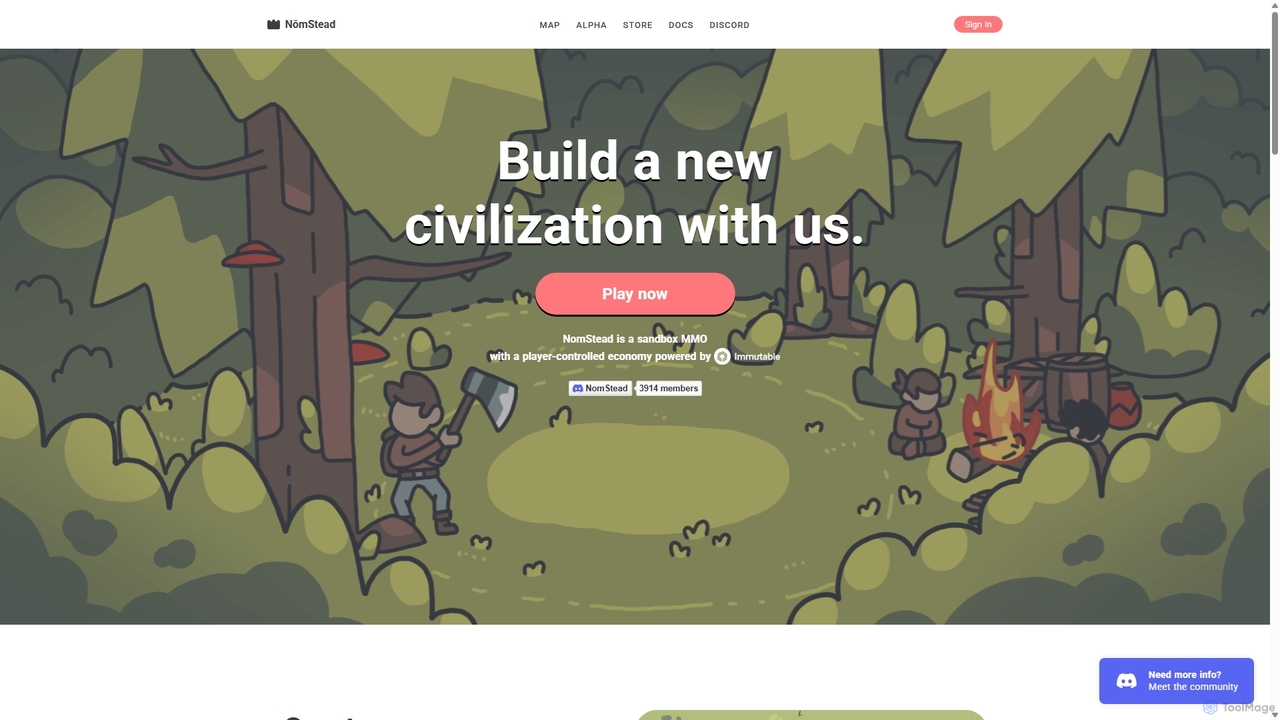
Kingdom is a development platform for creating on-chain, sandbox MMORPGs and persistent virtual worlds with player-controlled economies. It leverages blockchain technology to enable true digital ownership and community-driven game development, as showcased by its flagship game, NomStead.

Game Development
Visits 1.5MFavorites 135Likes 146
Neta
Freemium

Neta

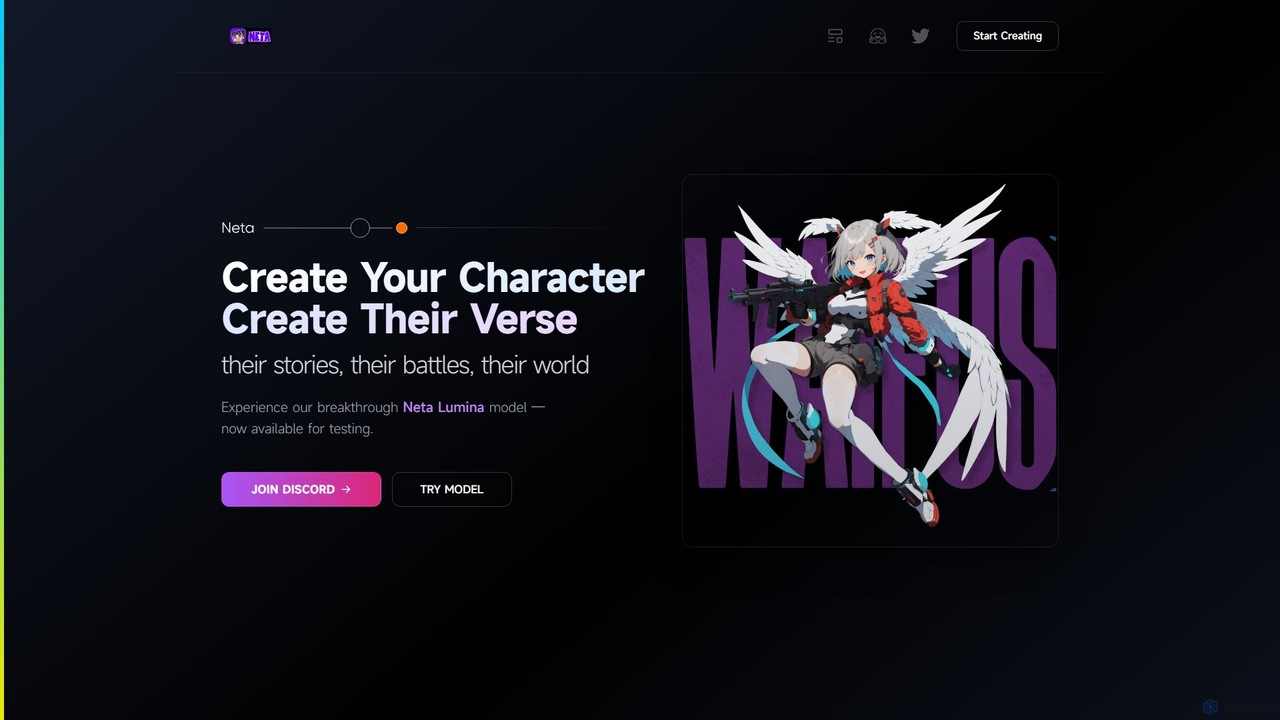
Neta is an AI-powered platform for creative world-building, enabling users to generate everything from unique characters to entire universes. Powered by the proprietary Neta Lumina model, it focuses on creating a consistent 'vibe', including stories, battles, and lore, making it ideal for writers, game developers, and artists.

Image Generation
Visits 12.1KFavorites 131Likes 130
Friends & Fables
Freemium

Friends & Fables

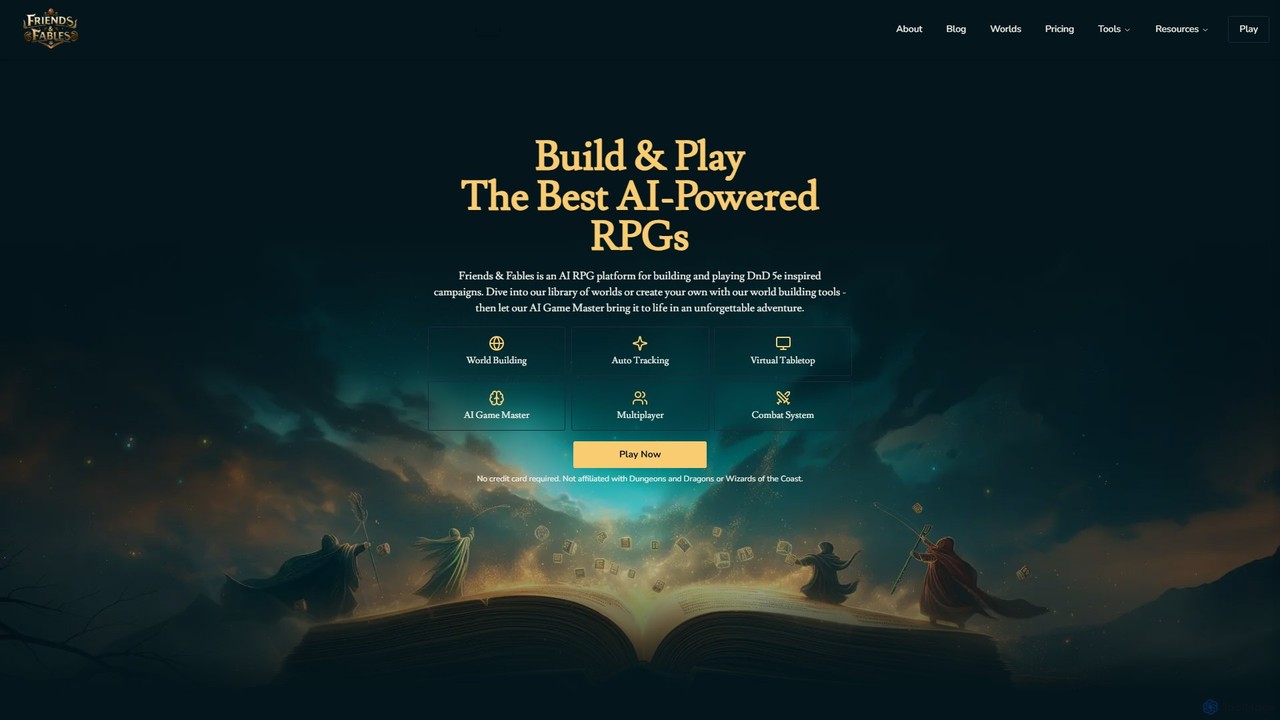
Friends & Fables is an AI-powered platform for creating and playing Dungeons & Dragons (DnD) 5e inspired text-based role-playing games. It features an intelligent AI Game Master, comprehensive world-building tools, and support for both solo and multiplayer adventures.

Role Playing
Visits 497.4KFavorites 119Likes 117
Soulkyn
Freemium

Soulkyn

Soulkyn is an advanced, uncensored AI companion platform for immersive roleplaying and character creation. It offers limitless chat, AI-generated images and voice, and deep customization. Create your ideal AI girlfriend, boyfriend, or fantasy character and engage in unique, evolving relationships and stories without filters.

Ai Companions
Visits 585.2KFavorites 124Likes 138

About World Building

AI World Building tools are specialized applications designed to assist creators in constructing detailed and consistent fictional worlds. They leverage generative AI to create core elements like maps, characters, timelines, and lore, while systematically managing the complex relationships between them. These tools are invaluable for novelists, game developers, and tabletop RPG masters, as they streamline the creative process and help maintain narrative consistency. By automating foundational tasks and providing creative prompts, they significantly boost productivity in complex narrative projects.

Core Features

  • Systematic Lore Generation: Creates interconnected backstories, cultural details, magic systems, and historical events.
  • Interactive Map Creation: Generates geographical, political, and celestial maps with editable layers and points of interest.
  • Dynamic Character & Faction Development: Develops detailed character profiles, family trees, and organizational structures with defined relationships.
  • Visual Timeline Management: Organizes key events in chronological order, tracking character arcs and historical progression.
  • Consistency Tracking: Analyzes the world's database to identify and flag potential contradictions in lore or timelines.

Use Cases

These tools are primarily used in creative industries such as publishing, video game development, and film. Novelists use them to build the foundation for a fantasy or sci-fi series. Game designers rely on them to create a rich world bible for open-world RPGs. Screenwriters and TTRPG Game Masters use them to ensure their complex settings are coherent and engaging.

How to Choose

When selecting an AI World Building tool, consider the scope of its features—whether it excels at map generation, text-based lore, or both. Evaluate its integration capabilities with writing software or game engines. For team projects, check for collaboration features. Also, assess the level of customization and control you have over the AI's output and the overall data structure.

World Building use cases

1

Crafting a Fantasy Novel Series

A fantasy author beginning a new epic series uses an AI world-building tool to establish a solid foundation. They start by generating a continent map, defining major kingdoms and geographical features. The AI then helps create distinct cultures for each kingdom, including naming conventions, social structures, and core beliefs. The author uses the timeline feature to plot out major historical events, such as ancient wars and the rise of empires, ensuring the world has a deep and consistent history. This process allows the author to quickly build a rich, interconnected world, freeing them up to focus on plot development and character arcs.

2

Designing a Video Game World

A narrative designer for an open-world RPG uses an AI tool to create a comprehensive world bible. The tool generates a detailed map populated with points of interest, such as cities, ruins, and dungeons. For each location, the AI helps draft lore, key NPCs, and potential quest hooks. The designer also creates various factions, defining their ideologies, territories, and relationships with one another. This centralized database acts as a single source of truth for the entire development team, ensuring that artists, writers, and quest designers are all working from a consistent and rich foundation, which accelerates the prototyping and production phases.

3

Building a D&D Campaign Setting

A Dungeon Master (DM) preparing a homebrew Dungeons & Dragons campaign uses an AI tool to quickly flesh out a unique setting. They generate a regional map, create a pantheon of gods with distinct domains and relationships, and design the main city where the adventure begins, complete with key locations and NPCs. The tool helps track relationships between factions, such as a thieves' guild and the city guard, providing a dynamic backdrop for player actions. This allows the DM to spend less time on foundational world-building and more time designing compelling encounters and story arcs for their players.

4

Visualizing a Sci-Fi Universe for a Screenplay

A screenwriter developing a science fiction series uses a world-building tool to manage the complexities of their universe. They create entries for different star systems, planets, and alien species, detailing their biology, culture, and technology. The tool's relationship mapping feature is used to visualize political alliances between galactic empires and rebel factions. The timeline helps track the overarching plot against major historical events in the universe's lore. This organized approach prevents continuity errors and plot holes, ensuring the complex setting remains consistent and believable throughout the screenplay.

5

Managing Lore for a Collaborative Project

A lead writer for a comic book series uses a collaborative world-building tool as a central wiki for their team. Each writer can add and edit articles for characters, locations, and magical artifacts. The tool automatically links related entries, creating a web of interconnected information. When a writer adds a new event to the timeline, it's visible to everyone, ensuring all storylines align. The system can also flag potential inconsistencies, such as a character appearing in two places at once, which helps maintain a coherent shared universe across multiple creators and story arcs.

6

Developing a Fictional Language and Culture

A hobbyist linguist, or 'conlanger', uses an AI world-building tool to structure the creation of a new language and its associated culture. They use the AI to generate phonetic inventories, grammatical rules, and core vocabulary based on specified parameters. Within the tool, they create articles detailing the culture of the language's speakers, including their social customs, mythology, and history. The tool's wiki-like structure helps organize these interconnected elements, ensuring that the developed language logically reflects the culture it originates from, resulting in a more authentic and believable creation.

World Building FAQ

What are AI World Building tools?

AI World Building tools are specialized software that help creators design, manage, and visualize fictional worlds. Unlike general productivity apps, they are specifically built to handle the interconnected data of a world, such as character relationships, timelines, geography, and lore. They use AI to generate ideas, create content like maps or character backstories, and ensure consistency across the entire project. Their primary users are novelists, game developers, and tabletop RPG masters who need to manage a large volume of complex information.

How to choose the right AI World Building tool?

Choosing the right tool depends on your specific needs. Consider the following factors:

  • Primary Focus: Do you need strong map generation, a flexible wiki-style database for lore, or powerful character and timeline management? Some tools specialize in one area.
  • AI Integration: Evaluate the quality and controllability of the AI-generated content. Can you fine-tune the output to match your vision?
  • Collaboration: If you work in a team, look for tools with real-time collaboration, version history, and user permission settings.
  • Export & Integration: Check if the tool can export data to formats compatible with your writing software (e.g., Scrivener, Word) or game engine.
  • User Interface: Choose a tool with an interface that you find intuitive and efficient for your workflow.
What's the difference between AI World Building tools and standard writing software?

The core difference lies in their purpose. Standard writing software, like Microsoft Word or Scrivener, is designed for writing and formatting a manuscript. Its focus is on the linear narrative. In contrast, AI World Building tools are non-linear databases designed to manage the *context* of your story. They function like a private wiki for your world, tracking relationships, history, and rules. While you write the story in your writing software, you use the world-building tool to ensure the world your story is set in remains consistent and deep. They are complementary tools, not replacements for each other.

Can AI World Building tools write my story for me?

Generally, no. The primary function of these tools is not to write narrative prose or generate a complete plot. They are designed to be creative assistants and organizational systems. They help you generate the foundational elements of your world (lore, characters, places) and keep track of them. While some tools may have features to generate short text snippets or story ideas, they do not replace the author's role in crafting the actual story, dialogue, and character development. Their strength is in building the stage, not writing the play.

Who can benefit from using AI World Building tools?

A wide range of creative professionals and hobbyists can benefit from these tools. Key users include:

  • Novelists and Authors: Especially those writing in genres like fantasy, science fiction, and historical fiction that require extensive world-building.
  • Game Developers and Narrative Designers: For creating the lore, characters, and environments of video games.
  • Tabletop RPG Game Masters (GMs/DMs): To design unique campaign settings, NPCs, and adventures for games like Dungeons & Dragons.
  • Screenwriters: For managing the complex settings and character relationships in film and television series.
  • Hobbyist Creators: Anyone who enjoys creating fictional worlds for personal projects, art, or fun.