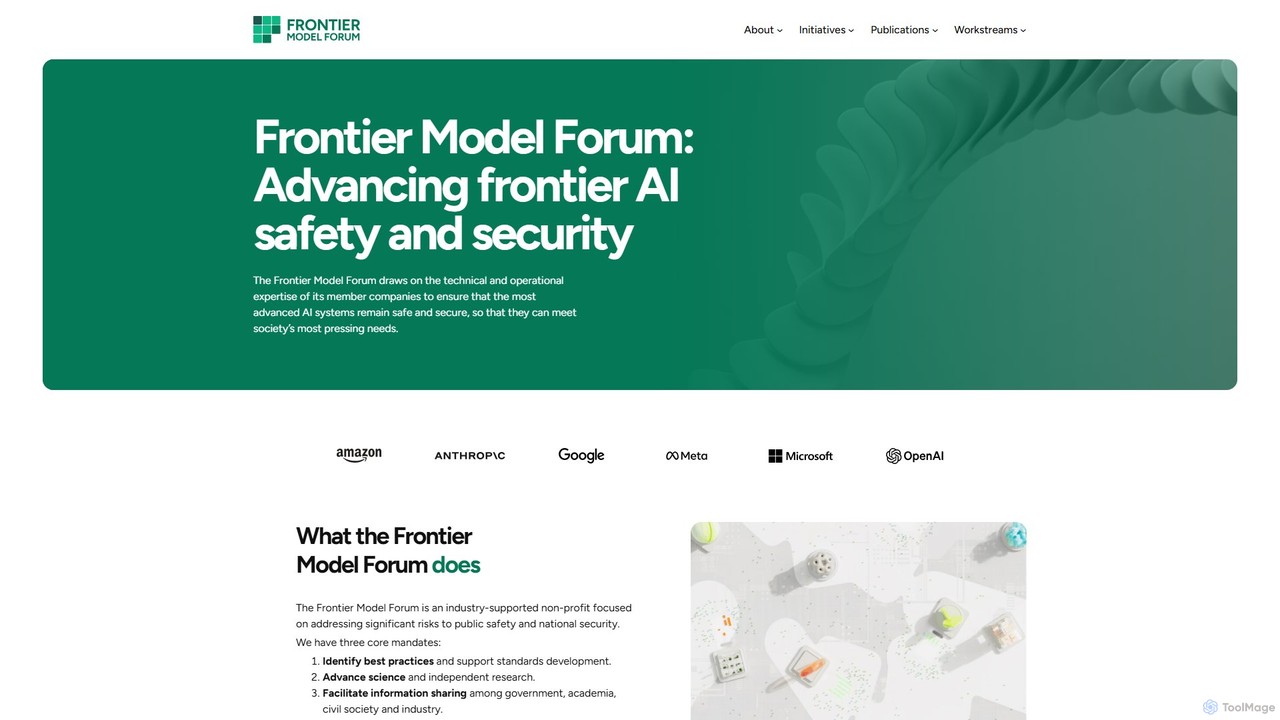
AI Safety tools are a specialized class of software designed to identify, monitor, and mitigate risks in artificial intelligence systems. These tools employ techniques like model scanning, adversarial simulation, and explainability analysis to detect vulnerabilities such as bias, toxicity, and data privacy leaks. Their primary value lies in helping developers and organizations build more robust, reliable, and trustworthy AI that aligns with human values and safety standards. This proactive approach is crucial for deploying AI responsibly in critical applications.
Core Features
- Bias and Fairness Auditing: Analyzes models and datasets to detect and quantify demographic, social, or other forms of statistical bias.
- Toxicity and Harmful Content Detection: Scans AI-generated text or images to identify and filter hate speech, violence, or inappropriate content.
- Adversarial Attack Simulation: Tests model robustness by generating and applying malicious inputs designed to deceive or break the AI system.
- Explainability (XAI) Analysis: Provides insights and visualizations to help understand why an AI model made a particular decision or prediction.
- Data Privacy Compliance: Identifies and redacts personally identifiable information (PII) in data to prevent leaks and ensure regulatory compliance.
Use Cases
AI Safety tools are essential for organizations deploying AI in high-stakes environments. This includes tech companies developing large language models (LLMs), financial institutions auditing algorithmic trading systems for fairness, healthcare providers ensuring patient data privacy in diagnostic AI, and automotive firms testing the resilience of self-driving car perception systems.
How to Choose
When selecting an AI Safety tool, consider the specific risks relevant to your application (e.g., bias in hiring AI vs. adversarial attacks on autonomous vehicles). Evaluate the tool's integration capabilities with your existing MLOps pipeline, its support for the model frameworks you use (like TensorFlow or PyTorch), and the clarity of its reporting and dashboards. Also, assess its scalability to handle your model's complexity and data volume.