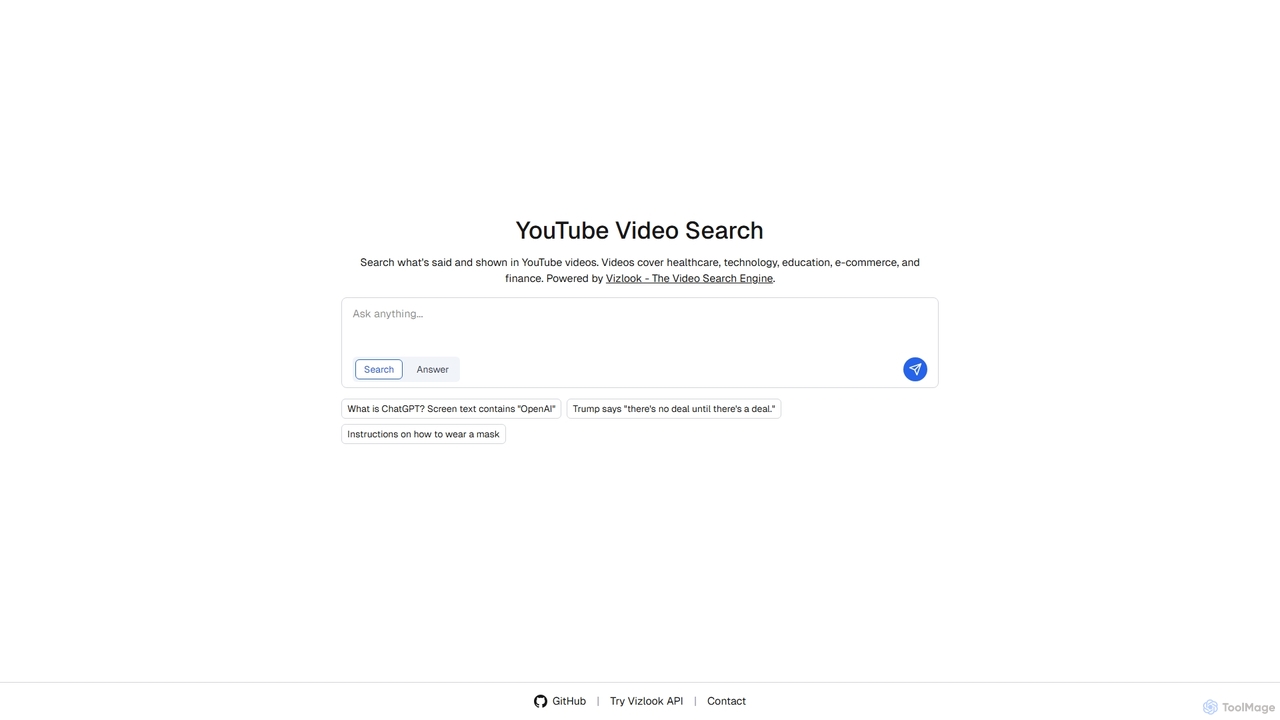
Content Analysis tools are a specialized category of research software that uses AI to automatically extract insights from large volumes of unstructured text, audio, or video. Leveraging Natural Language Processing (NLP), these tools identify themes, sentiment, keywords, and entities without manual coding. This enables organizations to quickly understand public opinion, analyze customer feedback, and monitor brand perception at scale. They transform qualitative data into quantitative metrics, providing a structured foundation for data-driven decisions.
Core Features
- Sentiment Analysis: Automatically determines the emotional tone (positive, negative, neutral) of text to gauge opinion.
- Topic Modeling & Classification: Identifies and groups recurring themes or topics within a dataset to reveal key discussion points.
- Keyword & Entity Extraction: Pinpoints important terms, people, organizations, and locations mentioned in the content.
- Trend Detection: Analyzes data over time to spot emerging patterns and shifts in conversation or sentiment.
- Multi-Source Integration: Connects to various data sources like social media, reviews, surveys, and support tickets for comprehensive analysis.
Use Cases
These tools are widely used by market researchers, brand managers, and product teams. For instance, a marketing team can analyze thousands of social media comments to gauge reaction to a new campaign. A product manager can sift through customer support tickets to identify common feature requests or bug reports, prioritizing development efforts based on real user feedback.
How to Choose
When selecting a Content Analysis tool, consider the types of data sources it supports (e.g., social media, news, internal documents). Evaluate the accuracy of its sentiment analysis and topic modeling for your specific industry. Also, assess its data visualization capabilities and how easily it integrates with your existing analytics platforms, such as BI tools or CRMs, to create a seamless workflow.