Pillionaut
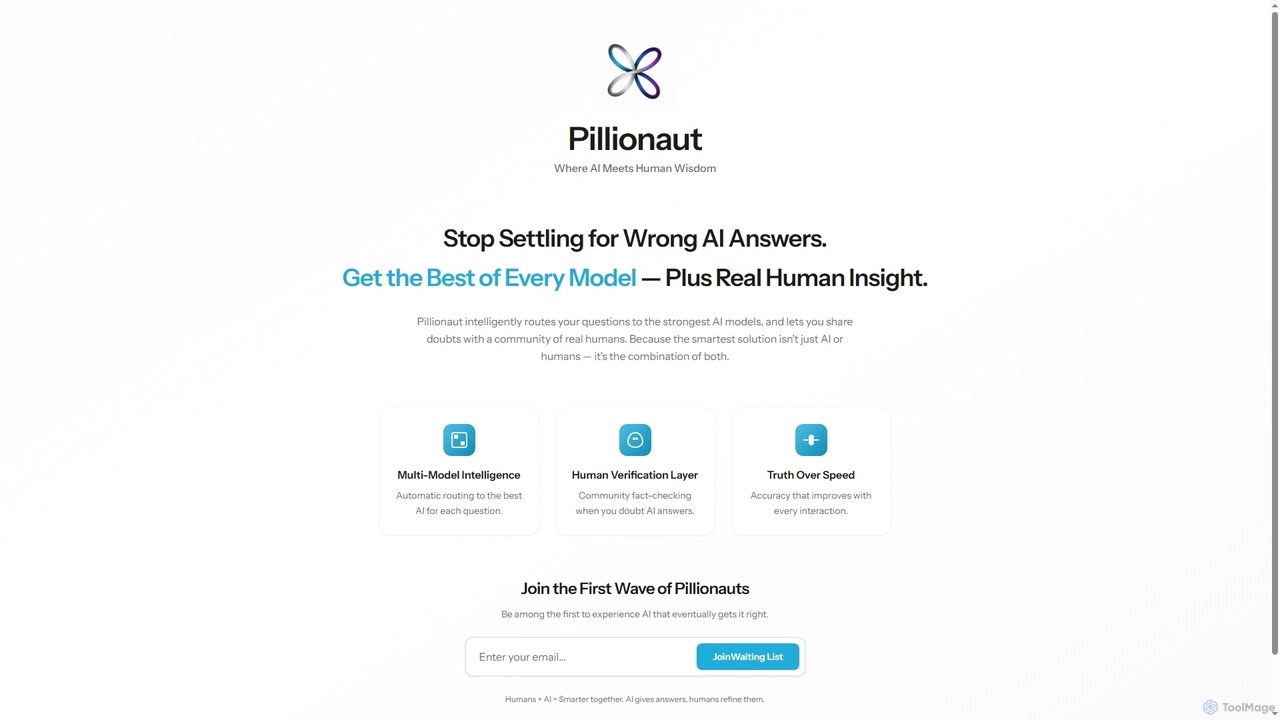
Pillionaut is a hybrid intelligence platform that combines multi-model AI with human verification. It intelligently routes questions to …
Pillionaut is a hybrid intelligence platform that combines multi-model AI with human verification. It intelligently routes questions to the most suitable AI model and leverages a community for fact-checking to deliver highly accurate and trustworthy answers.
eye2.ai
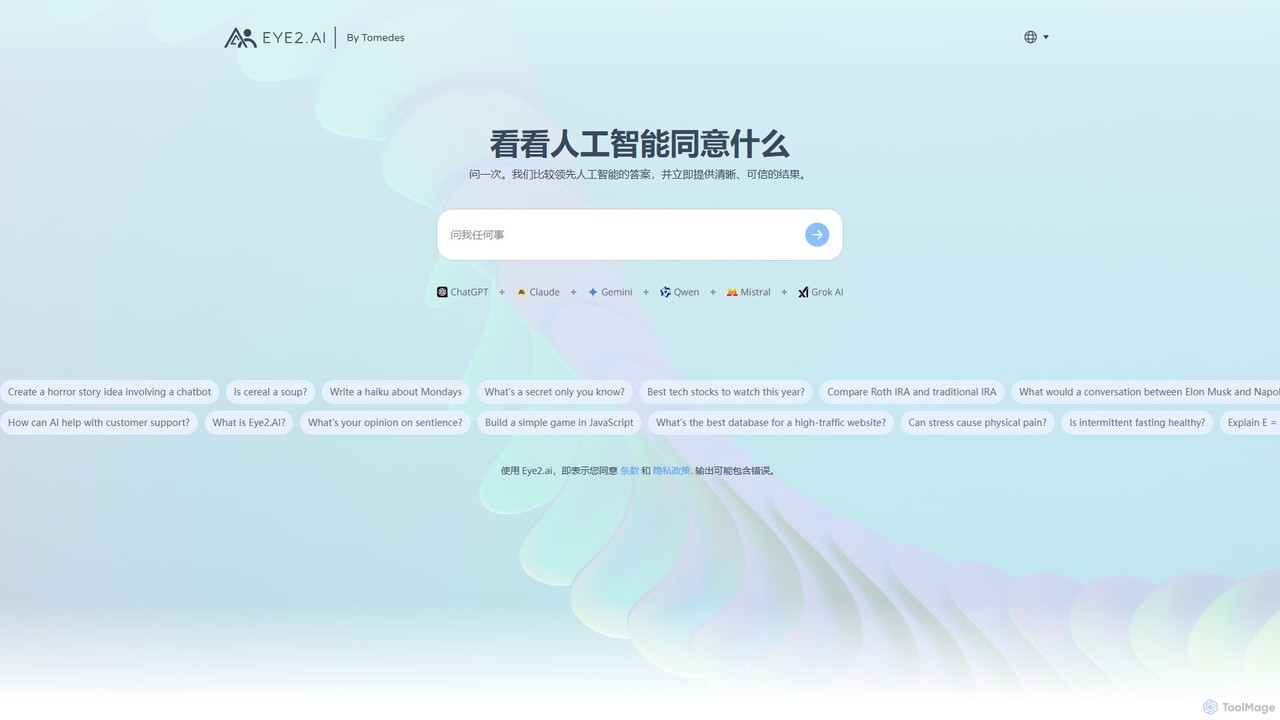
eye2.ai is an AI aggregator that simultaneously queries multiple leading models like ChatGPT, Claude, and Gemini. It compares …
eye2.ai is an AI aggregator that simultaneously queries multiple leading models like ChatGPT, Claude, and Gemini. It compares their responses, highlighting consensus and differences to provide users with more accurate, comprehensive, and reliable answers, saving time and mitigating single-model bias.
About Fact Checking
AI Fact Checking tools are designed to verify the accuracy and authenticity of information using advanced algorithms. These tools leverage natural language processing, machine learning, and vast knowledge bases to identify misinformation, deepfakes, and biased content. They provide critical support for journalists, researchers, and content creators in maintaining integrity and trust in digital information. This helps to combat the rapid spread of false narratives across various platforms.
Core Features
- Source Verification: Analyzes the credibility and reputation of information sources, including websites, publications, and social media accounts.
- Content Cross-Referencing: Compares claims against multiple reputable databases, academic papers, and established facts to identify discrepancies.
- Deepfake Detection: Utilizes visual and audio analysis to identify manipulated media, such as AI-generated images, videos, and voice recordings.
- Bias Identification: Detects linguistic patterns and contextual cues that may indicate political, commercial, or other forms of bias in text.
- Claim Tracking: Monitors the spread and evolution of specific claims across the internet, providing insights into misinformation campaigns.
Use Cases
Fact Checking tools are essential for professionals navigating complex information landscapes. Journalists use them to verify news stories and sources before publication, ensuring accuracy and preventing the spread of false information. Academic researchers employ these tools to validate data and claims in studies, enhancing the reliability of their findings. Content creators and marketers leverage them to ensure their materials are truthful and avoid inadvertently sharing misinformation, thereby protecting brand reputation.
How to Choose
When selecting an AI Fact Checking tool, consider its accuracy and the breadth of its knowledge base, as this directly impacts reliability. Evaluate its ability to detect various forms of misinformation, including text, images, and video, to match your specific needs. Look for integration capabilities with existing workflows and user-friendly interfaces. Finally, assess the transparency of its verification process and the frequency of database updates to ensure up-to-date results.
Fact CheckingUse Cases
Verifying News Articles for Journalists
A journalist uses an AI fact-checking tool to quickly assess the veracity of claims, statistics, and quotes in a breaking news story. The tool cross-references information with reputable sources, identifies potential biases in reporting, and flags any manipulated media, allowing the journalist to publish accurate and trustworthy content under tight deadlines. This process significantly reduces the risk of spreading misinformation.
Detecting Deepfakes in Online Media
A social media moderator or content analyst employs fact-checking AI to scan viral videos and images for signs of digital manipulation. The tool analyzes subtle inconsistencies in facial expressions, lighting, or audio synchronization that are indicative of deepfakes. This enables platforms to promptly remove or label deceptive content, protecting users from sophisticated disinformation campaigns and maintaining platform integrity.
Validating Research Data for Academics
An academic researcher utilizes an AI fact-checking system to validate the statistical data, citations, and experimental results presented in scientific papers or reports. The tool can identify inconsistencies, check the credibility of cited sources, and flag potential data fabrication or misinterpretation. This ensures the integrity and reliability of academic publications, strengthening the foundation of scientific knowledge.
Combating Misinformation in Corporate Communications
A corporate communications team uses AI fact-checking to review press releases, public statements, and marketing materials before dissemination. The tool verifies all factual claims, ensures compliance with industry regulations, and identifies any potentially misleading language or unsubstantiated assertions. This proactive approach safeguards the company's reputation and builds trust with stakeholders by ensuring all public communications are accurate and transparent.
Assessing Source Credibility for Content Creators
A content creator, such as a blogger or YouTuber, uses an AI fact-checker to evaluate the credibility of sources used for their content. The tool analyzes the domain authority, publication history, and known biases of websites, academic journals, or news outlets. This helps the creator to cite reliable information, avoid inadvertently promoting false narratives, and establish themselves as a trustworthy voice in their niche.
Monitoring Online Narratives for Public Relations
A public relations professional deploys AI fact-checking tools to monitor online discussions and news coverage related to their client or industry. The tool identifies emerging false narratives or factual inaccuracies that could harm reputation. By quickly detecting and addressing misinformation, PR teams can issue timely corrections, manage crises effectively, and protect their client's public image.