Research Best in category 2 results Summarizing AI Tool

Popular AI tools in the Summarizing field of Research include Cokeep、ChatInDoc, etc., helping you quickly improve efficiency.

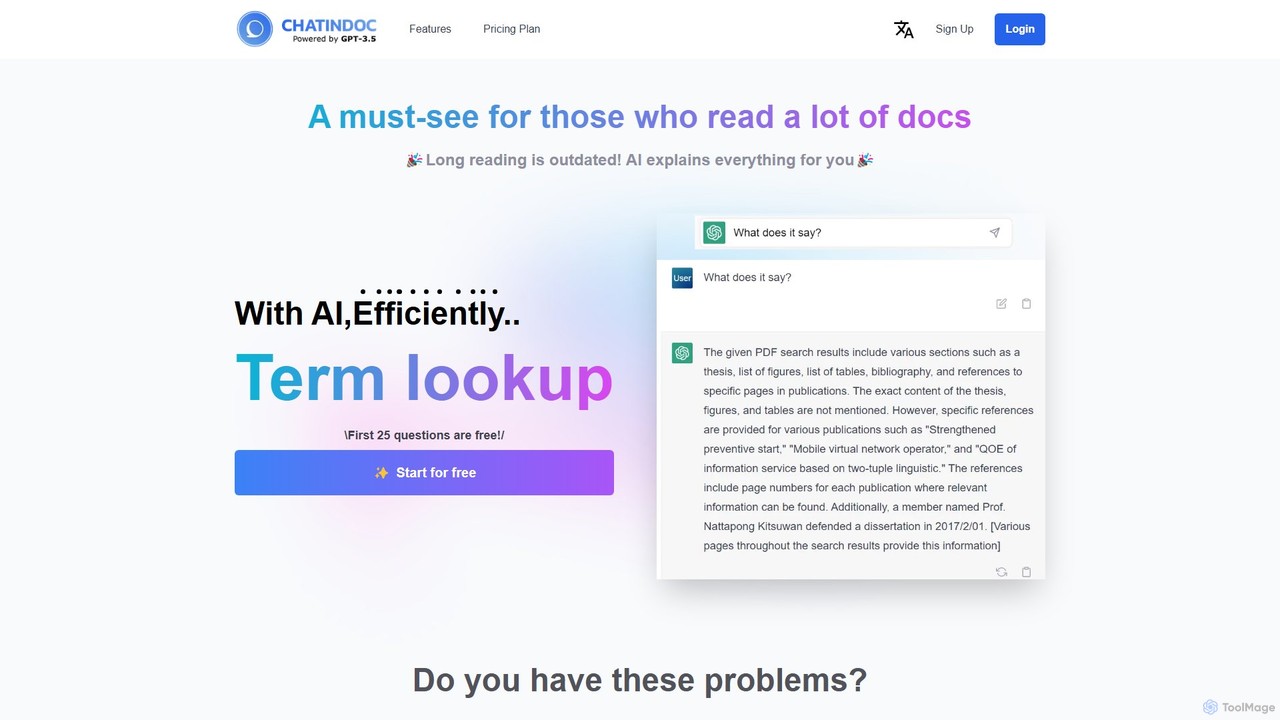
ChatInDoc

ChatInDoc

ChatInDoc is an AI-powered assistant that allows you to chat directly with your documents. Upload PDF, Word, Excel, …

2.4K
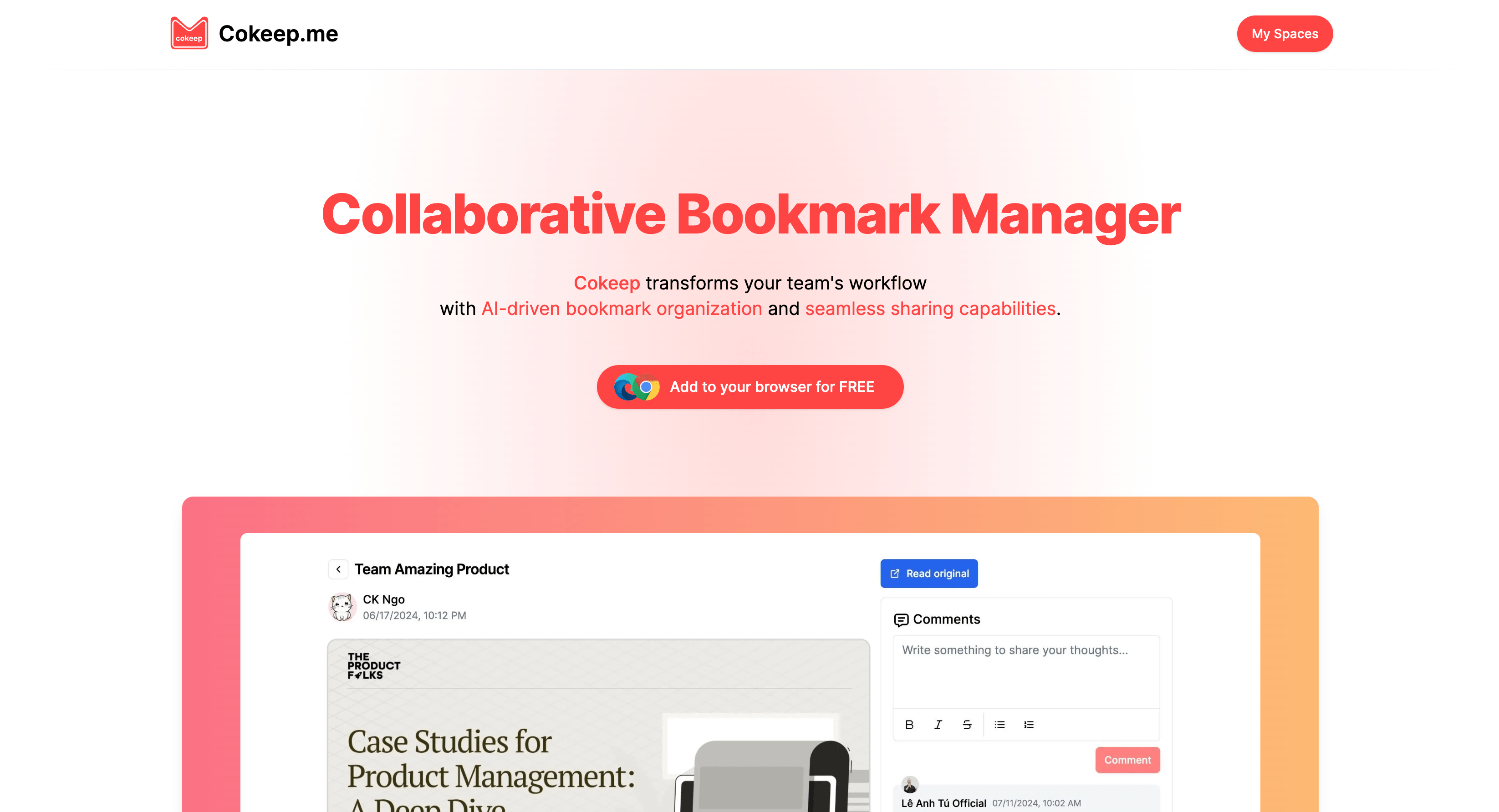
Cokeep

Cokeep

Cokeep is an AI-powered knowledge management tool designed to help you save, organize, and learn from online content …

5.1K

About Summarizing

Summarizing tools are AI-powered applications that automatically extract or generate concise versions of longer texts. These tools leverage advanced natural language processing (NLP) and machine learning algorithms to identify key information, main ideas, and critical details from various documents. They are designed to help users quickly grasp the essence of extensive content, significantly enhancing reading efficiency and facilitating faster decision-making in an information-rich environment.

Core Features

  • Key Information Extraction: Automatically identifies and highlights the most crucial sentences, phrases, or data points.
  • Content Condensation: Reduces the length of documents while preserving the core message and context.
  • Multi-document Synthesis: Can process and summarize information from multiple related texts into a single, coherent overview.
  • Customizable Length & Format: Allows users to specify the desired summary length and choose between bullet points, paragraphs, or other formats.
  • Language Versatility: Supports summarization across various languages, catering to diverse global content needs.

Use Cases

These tools are invaluable for professionals and students dealing with large volumes of text. They are widely used in academic research for literature reviews, in business for market analysis and report digestion, and by content creators for distilling information into engaging snippets. Anyone needing to quickly understand complex documents or stay updated on industry trends benefits from their ability to streamline information consumption.

How to Choose

When selecting a summarizing tool, prioritize its accuracy and coherence to ensure the summary is both correct and readable. Consider the supported input formats (e.g., PDF, URL, plain text) and output options (e.g., extractive vs. abstractive, customizable length). Evaluate its integration capabilities with existing workflows and platforms, and assess its language support if you work with multilingual content. Finally, compare pricing models and user interface for ease of use.

SummarizingUse Cases

1

Efficiently Summarize Research Papers and Articles

Academics and students can input lengthy research papers, journal articles, or textbooks into a summarizing tool. The AI quickly extracts key findings, methodologies, and conclusions, providing a concise overview. This saves hours of reading time, allowing researchers to rapidly assess relevance and build comprehensive literature reviews for their studies or dissertations, significantly boosting productivity in academic research.

2

Condense Market Reports and Competitor Analysis

Business analysts and strategists often deal with extensive market research reports, competitor analyses, and industry news. Summarizing tools can process these documents, highlighting crucial trends, competitive advantages, and emerging opportunities. This enables faster decision-making and strategic planning by providing digestible insights from vast amounts of data, potentially reducing analysis time by up to 70%.

3

Extract Key Points for Blog Posts and Social Media

Content creators and marketers can use summarizing tools to distill long-form articles, interviews, or podcasts into core messages. This helps in generating ideas for blog posts, social media updates, or video scripts. By quickly identifying the most impactful information, creators can produce engaging and concise content tailored for various platforms, saving significant drafting time and ensuring consistent messaging across channels.

4

Summarize Meeting Transcripts and Recordings

Professionals frequently need to capture the essence of long meetings or conference calls. By feeding meeting transcripts or audio recordings (after transcription) into a summarizing tool, users can obtain concise minutes that highlight decisions, action items, and key discussions. This ensures everyone is aligned post-meeting, reduces the effort required for manual note-taking and distribution, and improves overall team communication efficiency by up to 40%.

5

Create Personalized News Digests from Multiple Sources

Individuals and professionals seeking to stay informed without being overwhelmed can leverage summarizing tools. By aggregating articles from various news outlets, blogs, or industry publications, the AI can generate a personalized daily or weekly news digest. This allows users to quickly grasp the main headlines and developments across their areas of interest, optimizing information consumption and saving up to an hour daily on news reading.

6

Condense Legal Briefs and Case Documents

Legal professionals often face the challenge of reviewing voluminous legal documents, contracts, and case files. Summarizing tools can help by extracting critical clauses, arguments, and precedents from these complex texts. This significantly speeds up the review process, aids in case preparation, and ensures that lawyers can focus on strategic analysis rather than exhaustive manual reading, potentially reducing document review time by 50% or more.

SummarizingFrequently Asked Questions