ToolMage
Sign in

Best 9 Cybersecurity AI tools for Security

Popular Cybersecurity AI tools in Security include ManageEngine, CrowdStrike, Electric, Upfort, Censornet, ShieldForce, Veriom, CertyAI, and DevBlogs, helping you work more efficiently.

DevBlogs

DevBlogs

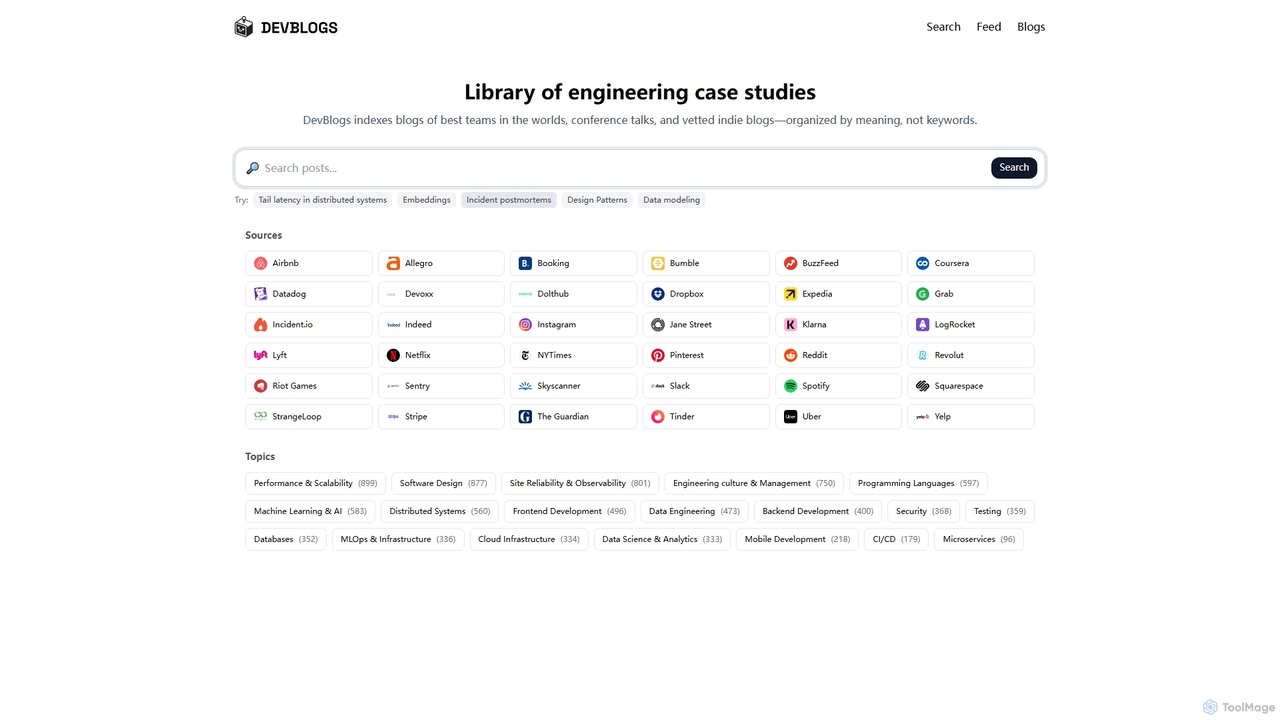
DevBlogs is a curated library indexing engineering case studies, tech blogs, and conference talks from leading global teams. It organizes content by meaning and specific technical topics, providing a valuable resource for developers and engineers to discover insights and best practices.

Infrastructure
Visits 3.3KFavorites 106Likes 116
CertyAI

CertyAI

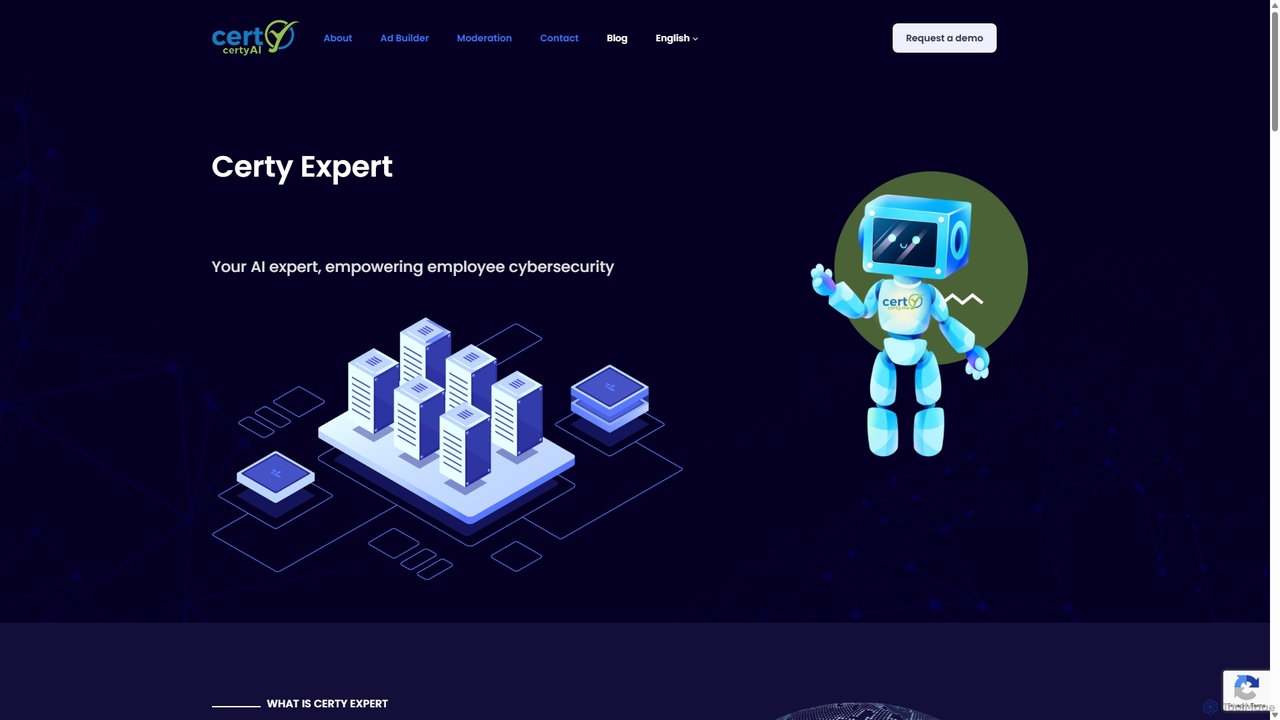
CertyAI offers a suite of AI-powered services for security and automation. It features Certy Expert for employee cybersecurity training and Certy AD Builder for automating and moderating content on online marketplaces, including ad creation, user verification, and transaction control.

Api
Visits 3.5KFavorites 106Likes 103
CrowdStrike
Freemium

CrowdStrike

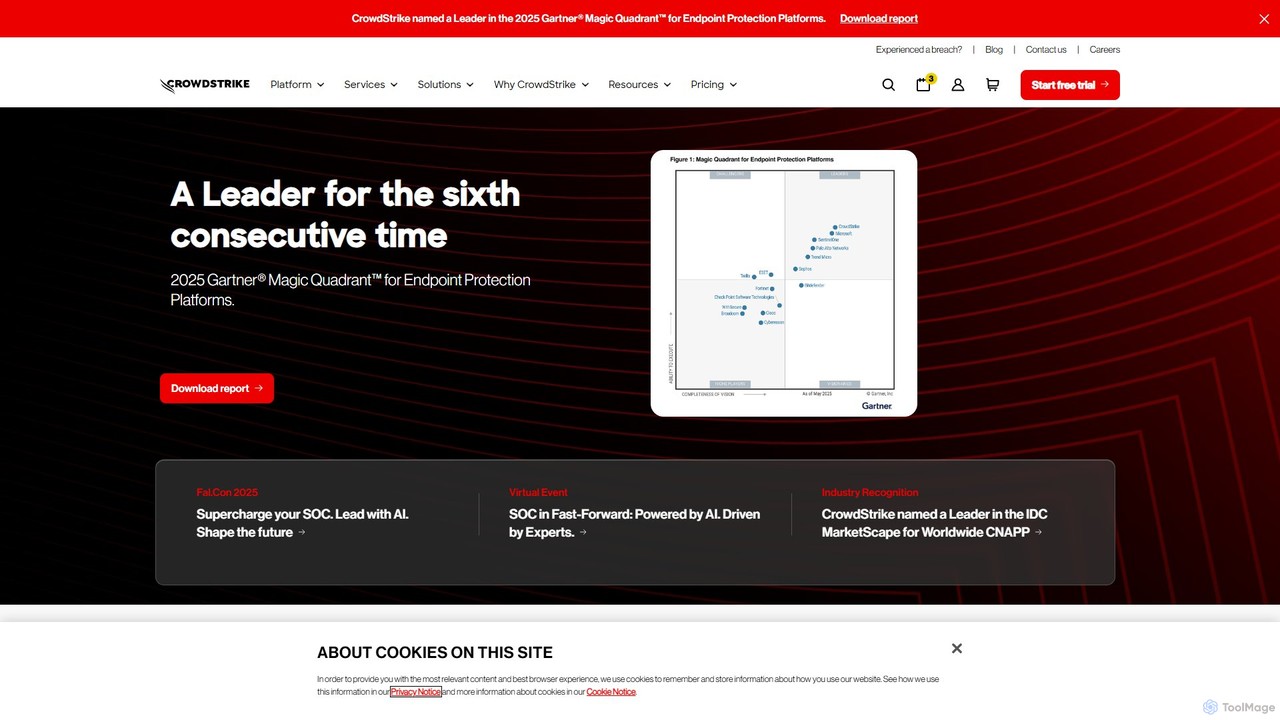
CrowdStrike is a global cybersecurity leader with its AI-native Falcon platform. It unifies endpoint security, cloud security, identity protection, and threat intelligence into a single, lightweight agent solution. By leveraging advanced AI and real-time threat data, CrowdStrike proactively stops breaches, providing comprehensive visibility and automated protection across the entire enterprise.

It Management
Visits 2.4MFavorites 87Likes 75
Veriom
Paid

Veriom

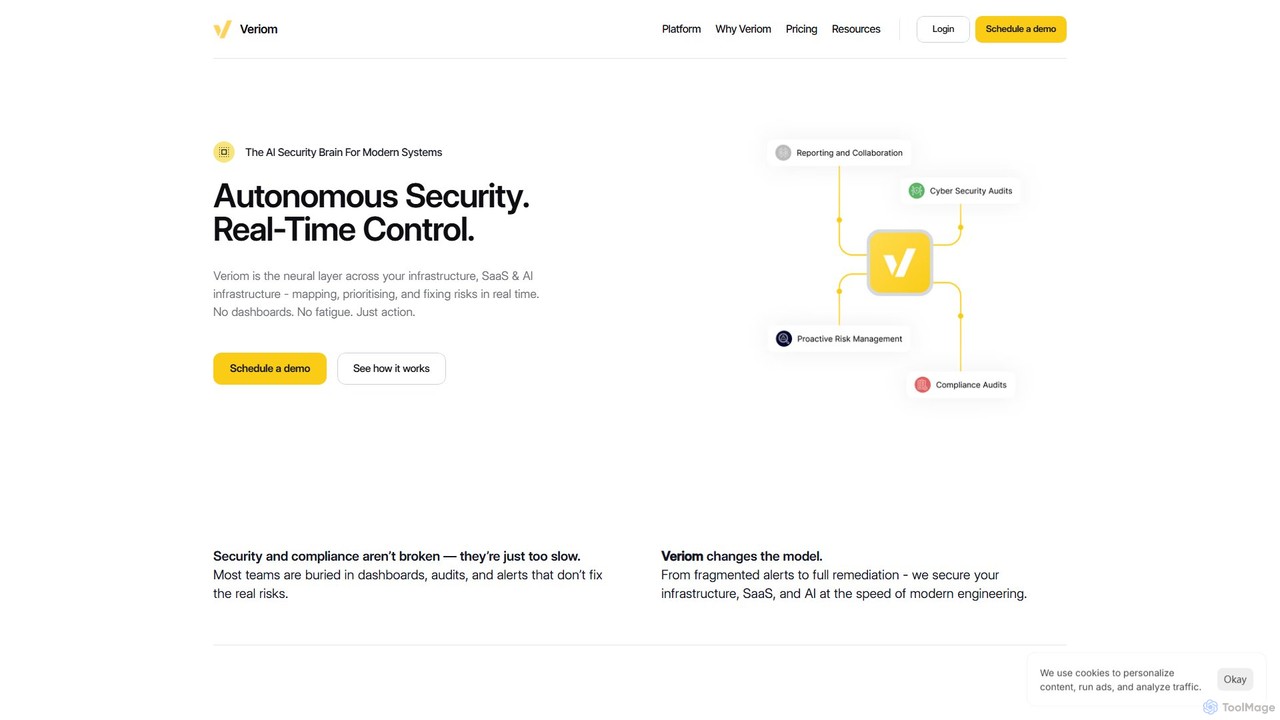
Veriom is an autonomous AI security platform that acts as a neural layer for your infrastructure, SaaS, and AI systems. It goes beyond detection by mapping, prioritizing, and automatically fixing cybersecurity and compliance risks in real-time. By eliminating alert fatigue and manual triage, Veriom provides continuous assurance and proactive risk management.

Devsecops
Visits 3.8KFavorites 113Likes 118
ManageEngine
Freemium

ManageEngine

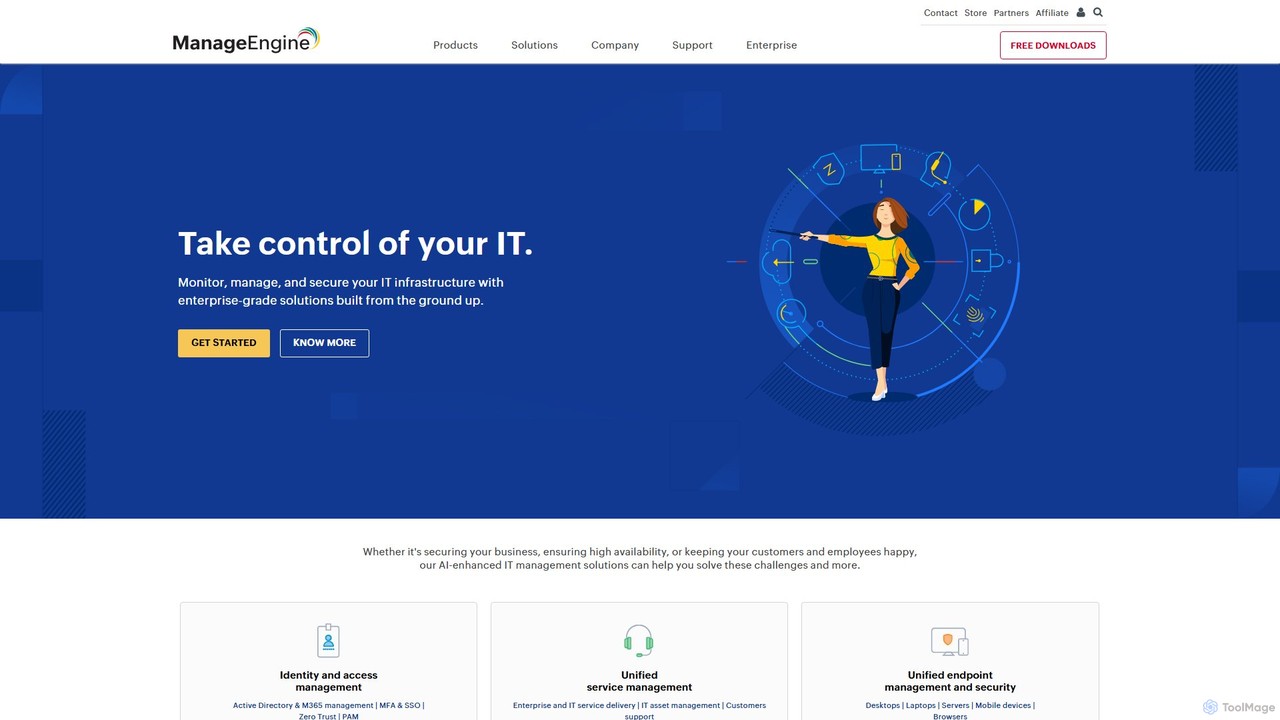
ManageEngine offers a comprehensive suite of enterprise IT management software. It integrates AI and machine learning for IT service management (ITSM), operations (ITOM), security (SIEM), and analytics, helping organizations automate tasks, enhance security, and gain predictive insights across their entire IT infrastructure.

Analytics
Visits 2.8MFavorites 85Likes 78
ShieldForce
Paid

ShieldForce

ShieldForce is an all-in-one, AI-powered cybersecurity platform designed for businesses of all sizes. It integrates an advanced threat detection engine, email security, automated disaster recovery, and continuous employee training to provide comprehensive protection. ShieldForce safeguards your digital assets against financial loss and reputational damage from evolving cyber threats like ransomware and phishing, simplifying complex security management into a single, scalable subscription service.

It Management
Visits 4.8KFavorites 96Likes 90
Upfort
Paid

Upfort

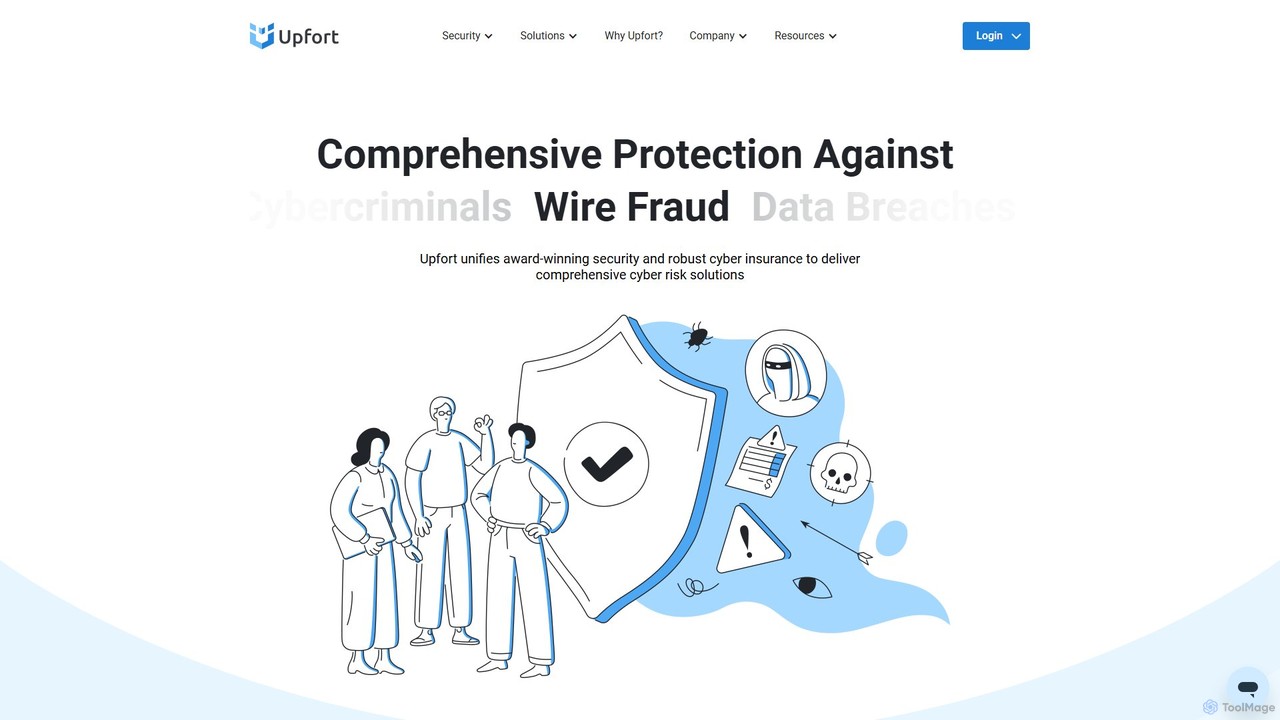
Upfort is an AI-powered platform that unifies advanced cybersecurity and robust cyber insurance. It provides comprehensive protection against ransomware, phishing, and data breaches for businesses, particularly SMBs. The platform simplifies cyber risk management through a suite of automated tools, making enterprise-grade security accessible and affordable for all.

Risk Management
Visits 8KFavorites 111Likes 127
Censornet
Paid

Censornet

Censornet is an autonomous, integrated cloud security platform that unifies Web Security, Email Security, and Cloud Application Security (CASB). Powered by AI, it provides mid-market organizations and MSPs with a single, easy-to-manage solution to protect people, apps, and data from cyber threats without the complexity of multiple point products.

Network Management
Visits 6.6KFavorites 80Likes 96
Electric
Freemium

Electric

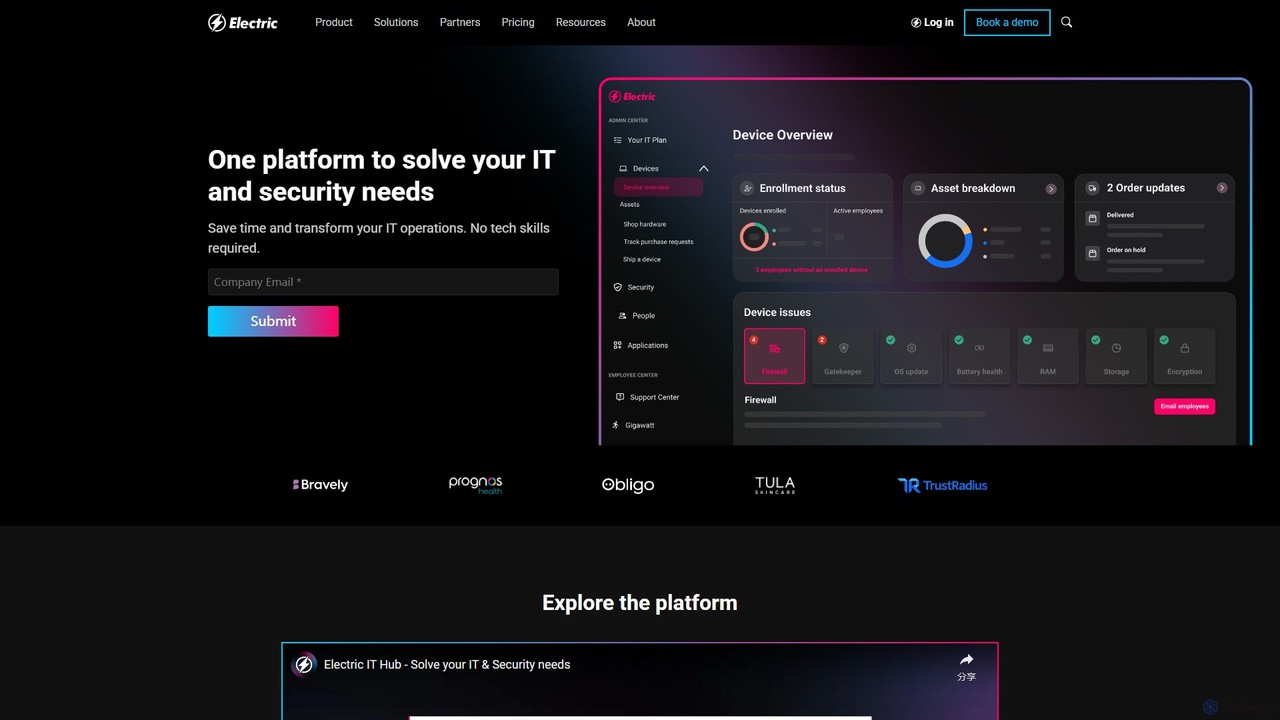
Electric is an all-in-one IT and security platform for SMBs, offering a centralized hub to manage devices, applications, and security. It automates employee onboarding/offboarding, provides proactive cybersecurity, and features an AI-powered assistant, Gigawatt, to streamline IT support. It's a modern, cost-effective alternative to traditional MSPs.

Managed Services
Visits 27.5KFavorites 121Likes 108

About Cybersecurity

AI Cybersecurity tools are a specialized class of security solutions that use machine learning and data analysis to proactively detect, predict, and respond to digital threats. These tools analyze vast amounts of data from networks, endpoints, and user activities to identify anomalous patterns that signal sophisticated attacks, such as zero-day exploits and advanced persistent threats (APTs). Their primary value lies in automating threat hunting and incident response, enabling security teams to neutralize threats faster and more accurately than with traditional, rule-based systems. This data-driven approach significantly enhances an organization's defensive posture against evolving cyber risks.

Core Features

  • Threat Detection and Prediction: Uses machine learning models to identify suspicious activities and predict potential future attack vectors based on global threat intelligence.
  • Automated Incident Response: Automatically quarantines infected devices, blocks malicious IP addresses, or terminates compromised processes upon threat detection.
  • User and Entity Behavior Analytics (UEBA): Establishes baseline behaviors for users and devices, flagging significant deviations that may indicate an insider threat or compromised account.
  • AI-Powered Vulnerability Management: Scans systems to discover weaknesses and uses AI to prioritize patching based on exploitability and potential business impact.
  • Advanced Phishing Detection: Employs Natural Language Processing (NLP) to analyze email content, sender reputation, and link destinations to identify and block sophisticated phishing attempts.

Use Cases

AI Cybersecurity tools are critical for Security Operations Centers (SOCs), financial institutions, healthcare providers, and e-commerce platforms that handle sensitive data. They are used to automate the analysis of security alerts, protect cloud infrastructure from complex threats, and secure endpoints against novel malware strains that evade traditional antivirus software.

How to Choose

When selecting an AI Cybersecurity tool, consider its detection accuracy, specifically the rates of false positives and false negatives. Evaluate its integration capabilities with your existing security stack, such as SIEM and SOAR platforms. Assess the level of automation it provides for incident response and whether it aligns with your team's workflow. Finally, consider the tool's scalability to handle your organization's data volume and its transparency in explaining its AI-driven decisions.

Featured tool rankings

Cybersecurity use cases

1

Automated Threat Hunting in a Security Operations Center (SOC)

A Security Analyst in a large enterprise's SOC is tasked with identifying advanced persistent threats (APTs) that bypass initial defenses. Instead of manually sifting through terabytes of log data from firewalls, servers, and endpoints, they use an AI Cybersecurity tool. The AI platform continuously analyzes all data streams, establishing a baseline of normal activity. It then automatically flags a series of low-level, seemingly unrelated events as a coordinated, slow-moving attack pattern consistent with a known APT group. The analyst receives a single, high-fidelity alert with correlated evidence, allowing them to investigate and neutralize the threat in hours instead of weeks, preventing a major data breach.

2

Real-time Spear-Phishing Prevention for Enterprises

An IT administrator for a multinational corporation needs to protect thousands of employees from sophisticated spear-phishing attacks. Traditional email filters often miss these targeted emails. They deploy an AI-powered email security tool that uses Natural Language Processing (NLP) to analyze the content, tone, and context of every incoming email. When an email arrives impersonating the CEO and urgently requesting a wire transfer, the AI detects anomalies such as a slight variation in the sender's address, unusual phrasing, and a sense of urgency inconsistent with past communications. The tool automatically quarantines the email and alerts both the recipient and the security team, preventing financial loss and credential theft.

3

Insider Threat Detection in a Financial Firm

A compliance officer at a bank is concerned about insider threats, where a legitimate employee might misuse their access to steal sensitive customer data. They implement a User and Entity Behavior Analytics (UEBA) tool. The AI system learns the normal data access patterns for each employee, including typical working hours, types of files accessed, and data transfer volumes. One day, a wealth manager begins downloading large volumes of client reports outside of their normal hours and from an unusual location. The UEBA system flags this as a high-risk anomaly, instantly alerting the security team. The team can then investigate and suspend the account before any data is successfully exfiltrated, protecting both the bank and its clients.

4

AI-Powered Vulnerability Prioritization for DevOps

A DevOps team manages hundreds of applications, and their traditional vulnerability scanner produces a report with thousands of potential weaknesses, making it impossible to patch everything. They integrate an AI-powered vulnerability management tool into their CI/CD pipeline. This tool not only identifies vulnerabilities but also analyzes context from multiple sources: exploit databases, dark web chatter, and the application's specific architecture. The AI then creates a prioritized list, pushing critical, actively exploited vulnerabilities in customer-facing applications to the top. This allows the team to focus their limited resources on fixing the 10-20 most significant risks first, drastically reducing the organization's attack surface without overwhelming the developers.

5

Automated DDoS Attack Mitigation for E-commerce

A network engineer for a major e-commerce site faces the constant threat of Distributed Denial-of-Service (DDoS) attacks, especially during peak shopping seasons. They deploy an AI-based DDoS mitigation service. The system continuously learns the site's normal traffic patterns, distinguishing human customers from bots. During a sudden traffic surge, the AI instantly analyzes the characteristics of the incoming requests. It identifies that the traffic originates from a botnet due to its protocol anomalies and geographic distribution. The system automatically reroutes the malicious traffic to a scrubbing center and applies dynamic filtering rules, all within seconds. This ensures the site remains available for legitimate customers, preventing revenue loss and reputational damage.

6

Accelerated Malware Analysis for Threat Researchers

A malware researcher at a cybersecurity firm receives dozens of new, unknown malware samples daily. Manually reverse-engineering each one is a time-consuming process. They use an AI-powered malware analysis platform. The researcher submits a new sample, and the AI automatically executes it in a secure sandbox environment, observing its behavior. It uses machine learning to classify the malware family, identify its command-and-control infrastructure, and extract its key capabilities (e.g., keylogging, ransomware). The AI generates a comprehensive report in minutes, highlighting the most critical indicators of compromise. This allows the researcher to quickly develop detection signatures and share threat intelligence, reducing the time-to-protection from days to hours.

Cybersecurity FAQ

What are AI Cybersecurity tools?

AI Cybersecurity tools are advanced security solutions that use machine learning (ML) and artificial intelligence to proactively identify, prevent, and respond to cyber threats. Unlike traditional security systems that rely on known signatures, AI tools analyze patterns in data to detect novel and sophisticated attacks, such as zero-day exploits and insider threats. Key functions include automated threat detection, behavioral analysis (UEBA), and intelligent incident response. They are designed to augment human security teams by handling massive data volumes and reducing response times.

How to choose the right AI Cybersecurity tool?

Choosing the right AI Cybersecurity tool requires evaluating several key factors. First, assess its detection accuracy and the rates of false positives/negatives to ensure it doesn't create unnecessary work for your team. Second, consider its integration capabilities with your existing security infrastructure (e.g., SIEM, SOAR, firewalls). Third, evaluate the level of automation it offers for tasks like incident response and reporting. Finally, look for transparency in its AI models—the ability to understand *why* the tool flagged a certain activity is crucial for trust and effective investigation. Also, ensure it can scale to handle your organization's data volume.

What's the difference between AI Cybersecurity and traditional security software?

The primary difference lies in their detection methods. Traditional security software (like legacy antivirus) is primarily reactive, relying on a database of known malware signatures and predefined rules. It is effective against known threats but struggles with new, or 'zero-day', attacks. AI Cybersecurity tools are proactive and adaptive. They use machine learning to establish a baseline of normal behavior within a network and then identify deviations from that baseline. This allows them to detect previously unseen threats, sophisticated phishing, and anomalous user behavior that signature-based tools would miss. In essence, traditional tools look for known 'bads,' while AI tools look for 'abnormal' activity.

What are the main functions of AI in cybersecurity?

AI performs several critical functions in cybersecurity, primarily focused on automation and advanced analysis. Key functions include:

  • Anomaly Detection: Identifying unusual patterns in network traffic or user behavior that could indicate a threat.
  • Threat Prediction: Analyzing global threat data to forecast potential attacks and proactively strengthen defenses.
  • Automated Response: Automatically taking action against threats, such as isolating an infected device or blocking a malicious IP, to contain damage quickly.
  • Natural Language Processing (NLP): Analyzing text-based data, like emails and support tickets, to detect sophisticated phishing and social engineering attacks.
  • Vulnerability Prioritization: Assessing vulnerabilities and prioritizing them based on the actual risk they pose to the organization, not just their severity score.
Who needs AI Cybersecurity tools?

While any organization can benefit, AI Cybersecurity tools are particularly crucial for certain types. These include large enterprises with vast and complex IT environments, as the AI can process security data at a scale humans cannot. Organizations in highly regulated industries like finance and healthcare need them to protect sensitive data and meet compliance requirements. Companies that are frequent targets of sophisticated attacks, such as technology firms and government agencies, also rely on AI to detect advanced threats. Finally, organizations with small security teams can use AI tools as a 'force multiplier,' automating routine tasks and allowing analysts to focus on the most critical incidents.