Security Best in category 10 results Threat Detection AI Tool

Popular AI tools in the Threat Detection field of Security include Splunk、Vectra AI、Observo AI、Kaba、ShieldForce、Protego、Link Shield API、safeornot、Hive Defender、Metlo, etc., helping you quickly improve efficiency.

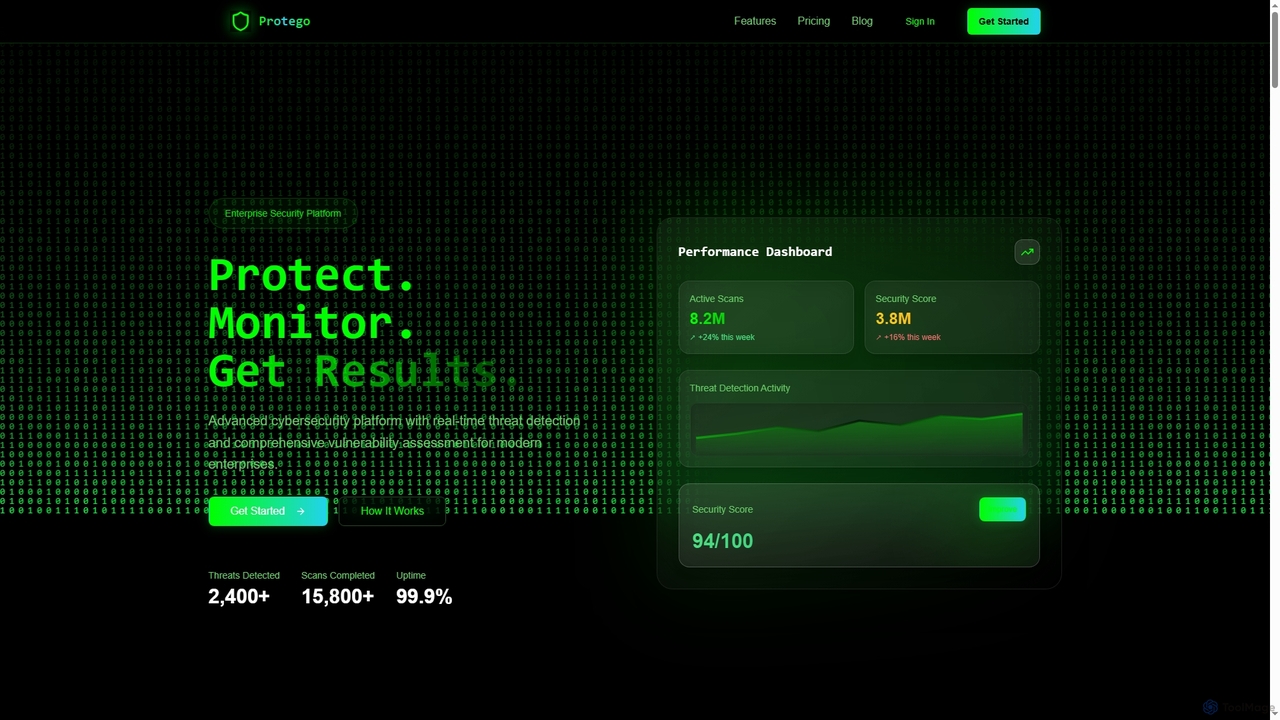
Protego

Protego

Protego is an advanced AI-powered cybersecurity platform offering real-time threat detection and comprehensive vulnerability assessment for enterprises. It …

3.6K
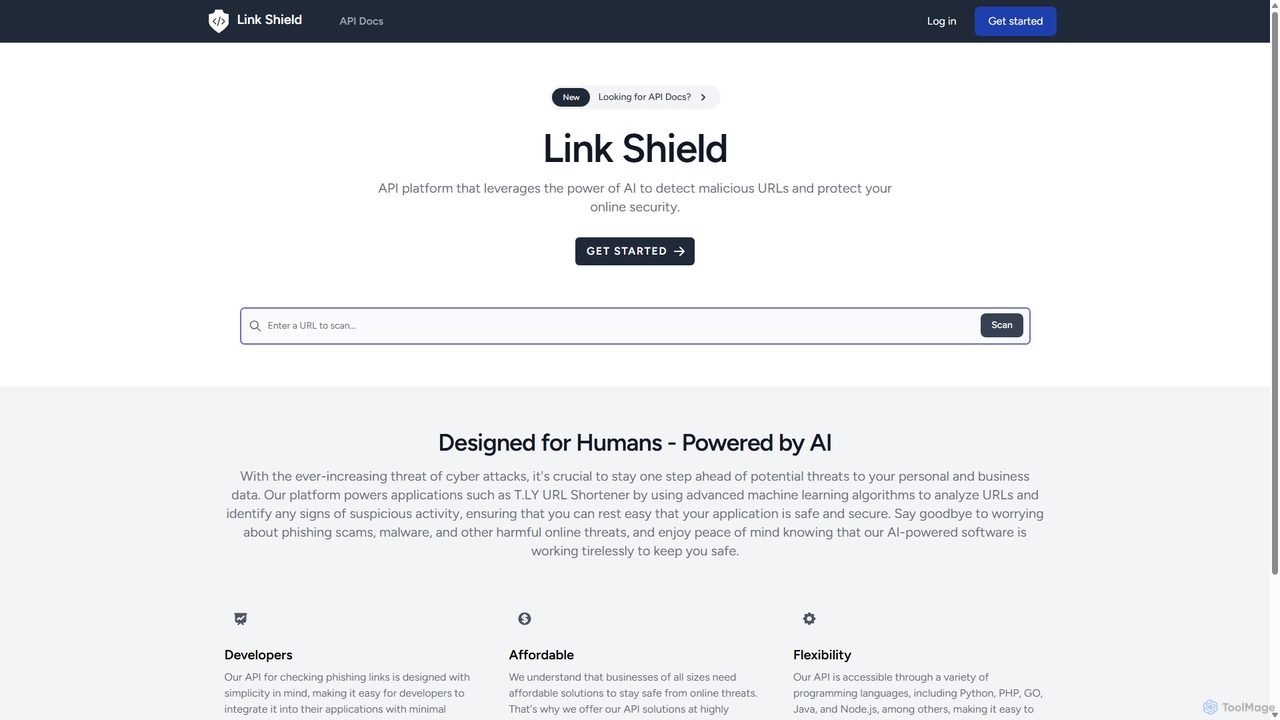
Link Shield API

Link Shield API

Link Shield API is an AI-powered platform designed for developers to detect malicious URLs in real-time. It uses …

3.3K
Splunk

Splunk

Splunk is the key to enterprise resilience, offering a unified, AI-powered platform for security and observability. It enables …

1.4M
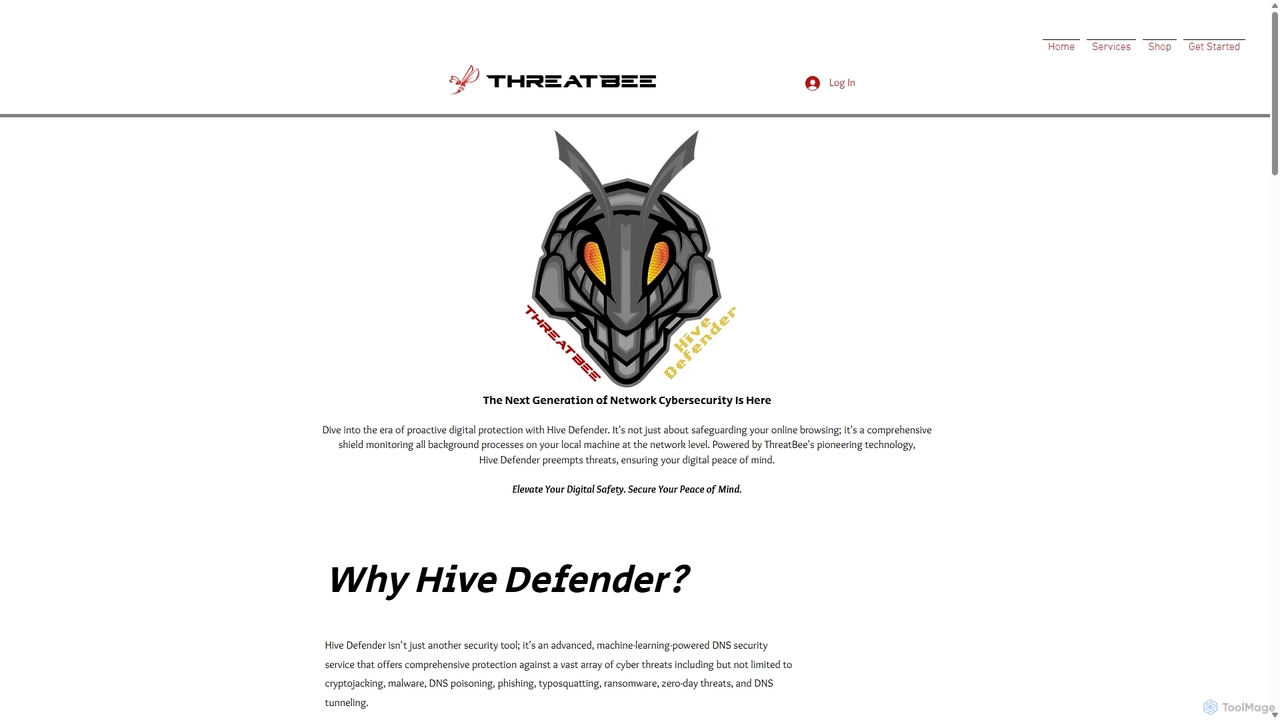
Hive Defender

Hive Defender

Hive Defender is an advanced, AI-powered DNS security service that provides comprehensive protection against a wide range of …

2.7K
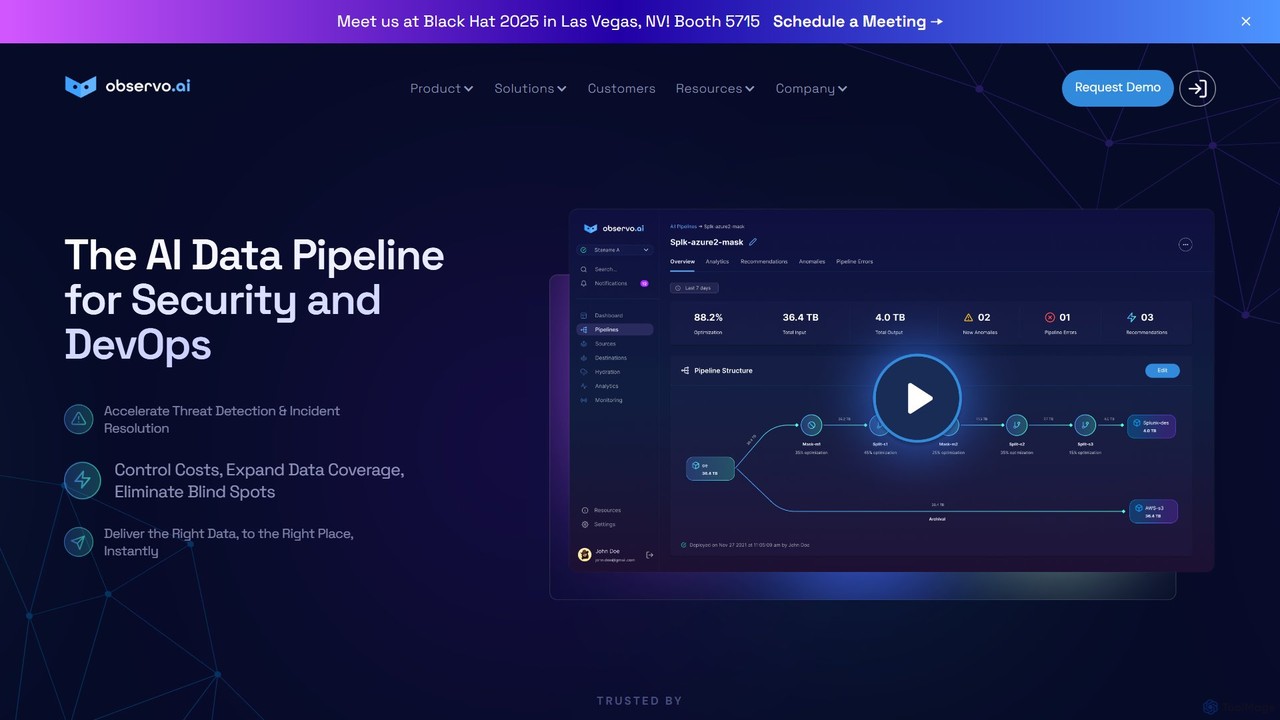
Observo AI

Observo AI

Observo AI is an intelligent data pipeline platform for Security and DevOps teams. It uses AI to optimize …

15.1K
safeornot

safeornot

safeornot is an AI-powered security scanner that instantly analyzes URLs, files, and smart contracts to detect phishing, malware, …

3.0K
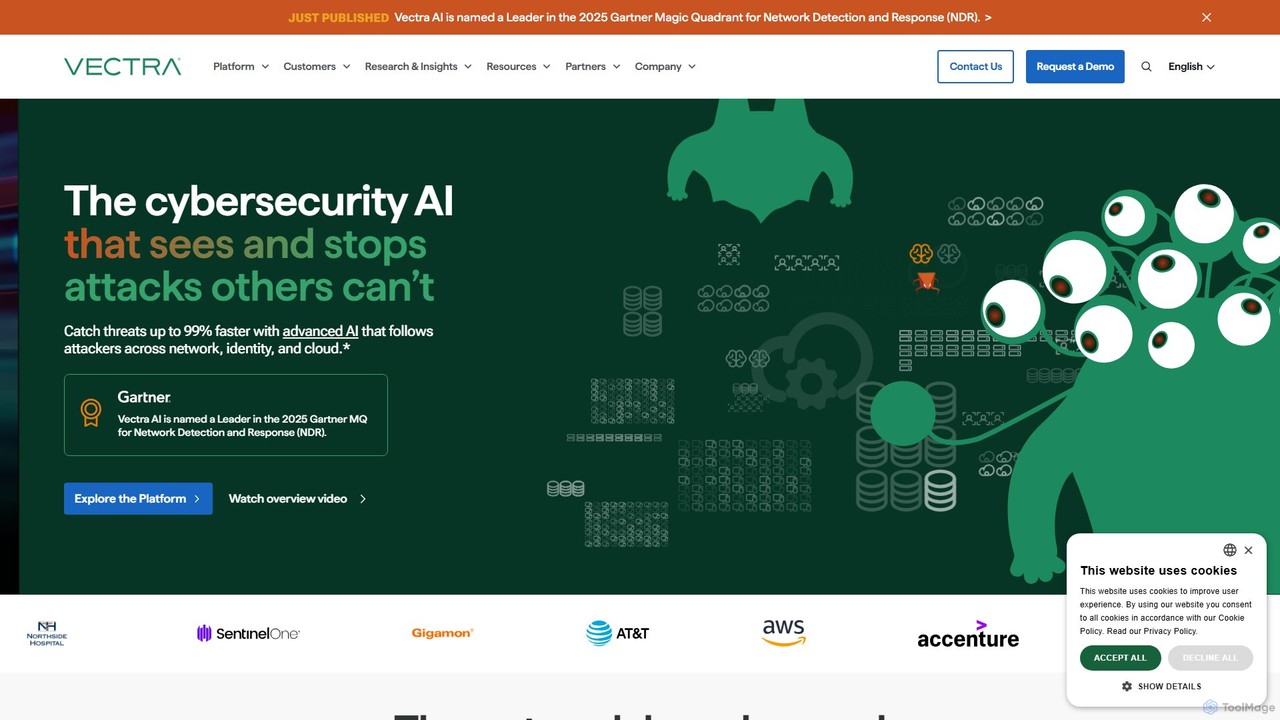
Vectra AI

Vectra AI

Vectra AI is an advanced cybersecurity platform that uses patented AI-driven Attack Signal Intelligence™ to detect and stop …

212.6K
Kaba

Kaba

Kaba is an AI-powered security intelligence platform designed for modern cloud-native environments. It empowers security teams to detect …

5.7K
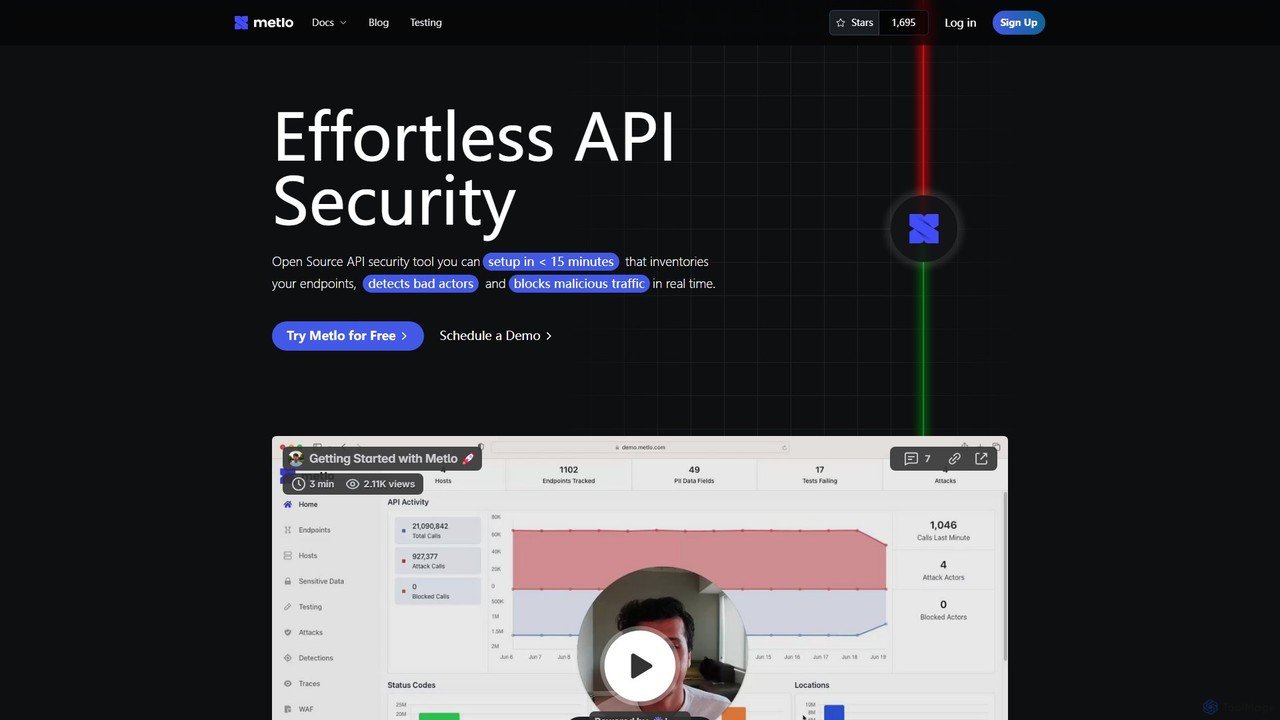
Metlo

Metlo

Metlo is an open-source API security tool that you can set up in under 15 minutes. It automatically …

2.6K
ShieldForce

ShieldForce

ShieldForce is an all-in-one, AI-powered cybersecurity platform designed for businesses of all sizes. It integrates an advanced threat …

3.9K

About Threat Detection

Threat Detection AI tools are specialized solutions that leverage artificial intelligence and machine learning to proactively identify, analyze, and mitigate cybersecurity threats. These tools go beyond traditional signature-based methods by recognizing anomalous behaviors, patterns, and indicators of compromise across networks, endpoints, and cloud environments. They enable organizations to detect sophisticated attacks, zero-day exploits, and insider threats in real-time, significantly enhancing their security posture and minimizing potential damage.

Core Features

  • Anomaly Detection: Automatically identifies deviations from normal behavior patterns to flag suspicious activities.
  • Behavioral Analysis: Monitors user and entity behavior to detect unusual access, data exfiltration, or system interactions.
  • Malware & Ransomware Identification: Utilizes machine learning to detect novel and polymorphic malware, including ransomware, that traditional antivirus might miss.
  • Vulnerability Scanning & Assessment: Proactively identifies security weaknesses and misconfigurations in systems and applications.
  • Real-time Alerting & Reporting: Provides immediate notifications and detailed reports on detected threats, enabling rapid response.

Applicable Scenarios

AI-powered threat detection is crucial for enterprises safeguarding critical infrastructure, financial institutions preventing fraud, and cloud-native businesses securing dynamic environments. It helps security operations centers (SOCs) reduce alert fatigue and prioritize genuine threats, ensuring continuous protection against evolving cyber risks.

How to Choose

When selecting an AI threat detection tool, consider its detection capabilities for various threat types, integration with your existing security stack (SIEM, EDR), scalability to handle your data volume, and the clarity of its reporting and alert mechanisms. Evaluate its ability to minimize false positives and provide actionable intelligence for effective incident response.

Threat DetectionUse Cases

1

Real-time Network Intrusion Detection

A large enterprise's security team uses AI threat detection to continuously monitor network traffic for unusual patterns, such as unauthorized port scans, data exfiltration attempts, or communication with known malicious IPs. The AI identifies subtle anomalies that human analysts might miss, triggering immediate alerts and enabling rapid isolation of compromised segments before significant damage occurs.

2

Advanced Malware and Ransomware Prevention

An IT administrator deploys AI threat detection on endpoints to protect against zero-day malware and sophisticated ransomware attacks. The AI analyzes file behavior, process interactions, and system calls in real-time, identifying malicious intent even from previously unseen variants. This proactive defense prevents encryption of critical data and stops the spread of infections across the organization.

3

Insider Threat Identification

A financial institution employs AI threat detection to monitor employee activity for potential insider threats. The system establishes baselines for normal user behavior, flagging deviations like unusual access to sensitive customer data, attempts to bypass security controls, or large data transfers outside working hours. This helps identify malicious or negligent insider actions before they lead to data breaches.

4

Cloud Workload Security Monitoring

A DevOps team uses AI threat detection to secure their dynamic cloud infrastructure, including virtual machines, containers, and serverless functions. The AI continuously monitors cloud logs, API calls, and configuration changes, detecting misconfigurations, unauthorized deployments, or suspicious activities that could indicate a compromise. This ensures compliance and protects cloud-native applications.

5

Financial Fraud Detection

An e-commerce platform integrates AI threat detection into its payment gateway to combat transaction fraud. The AI analyzes vast amounts of transaction data, user behavior, device fingerprints, and geographical information to identify fraudulent patterns in real-time. It can flag suspicious transactions for review or automatically block them, minimizing financial losses and protecting customer accounts.

6

IoT Device Anomaly Detection

A smart city operator utilizes AI threat detection to monitor its vast network of IoT devices, from traffic sensors to smart streetlights. The AI learns the normal operational behavior of each device, detecting anomalies such as unexpected data transmissions, unusual power consumption, or attempts to join botnets. This ensures the integrity and security of critical urban infrastructure.

Threat DetectionFrequently Asked Questions