
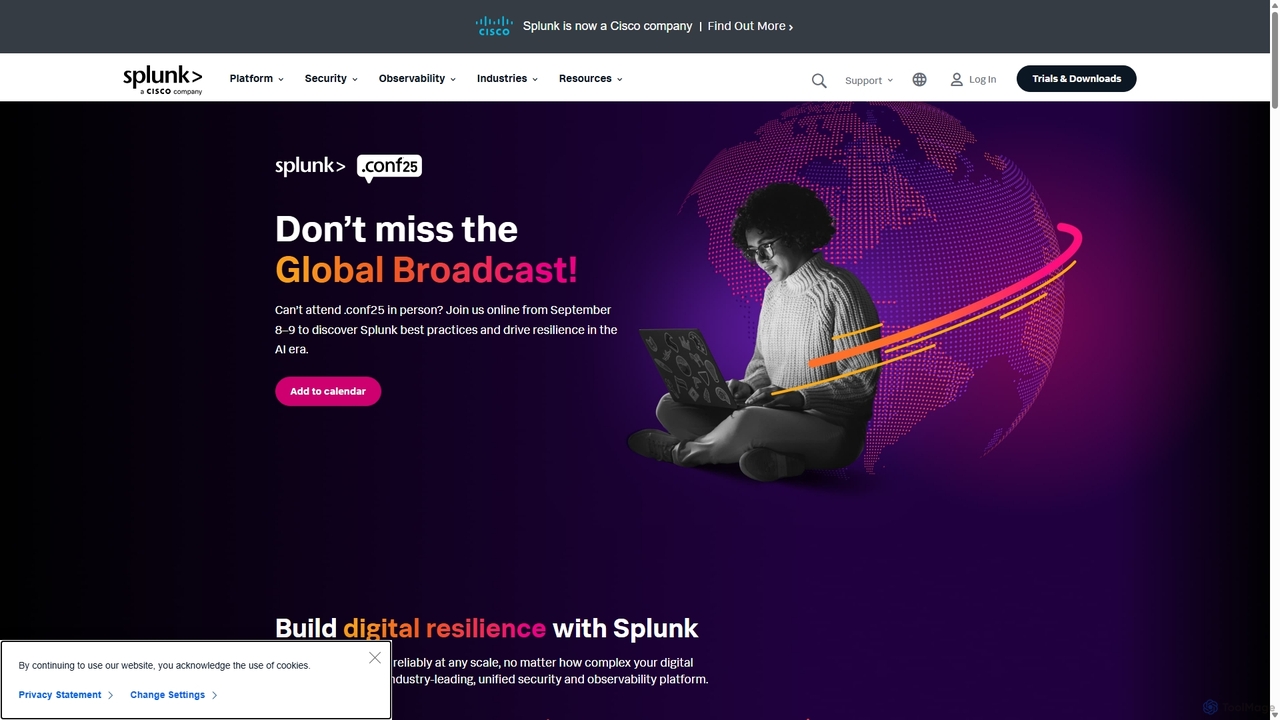
Splunk Overview
Splunk, now a Cisco company, is a market-leading data platform that provides the key to enterprise resilience. It's designed to help organizations build a safer and more resilient digital world by offering a unified platform for security and observability. Splunk empowers Security Operations (SecOps), IT Operations (ITOps), and engineering teams to proactively prevent major issues, absorb shocks, and accelerate transformation by turning vast amounts of machine data into actionable insights. Trusted by the world's leading enterprises, Splunk provides unparalleled visibility across the entire digital footprint, from on-premises infrastructure to multi-cloud environments.
How to use Splunk
Using Splunk involves a comprehensive data-to-action lifecycle that can be tailored to specific organizational needs:
- Data Ingestion: Begin by collecting data from virtually any source. Splunk can ingest logs, metrics, traces, events, and more from applications, servers, network devices, cloud services (AWS, Azure, GCP), and IoT devices. This is achieved through seamless integrations, OpenTelemetry, SDKs, or agents.
- Data Processing and Indexing: Once ingested, the Splunk platform (available as Splunk Cloud or Splunk Enterprise for on-prem/private cloud) indexes the machine data, making it searchable and ready for analysis in real-time.
- Search, Analyze, and Visualize: Users can interact with their data using Splunk's powerful Search Processing Language (SPL) or leverage the AI Assistant for natural language queries. The platform allows for creating rich visualizations, dashboards, and reports to monitor KPIs and identify trends.
- Apply AI and Machine Learning: Utilize Splunk AI to enhance operations. This includes using agentic AI to streamline workflows, deploying custom AI/ML models to predict outcomes (like outages with AIOps), and using AI-powered analytics to detect sophisticated threats.
- Automate and Respond: Set up alerts and automated actions based on specific triggers or correlations. For security, this means automating threat response workflows. For IT operations, it means proactively resolving issues before they impact users.
Core Features of Splunk
- Unified Security and Observability: A single platform that breaks down silos between security and IT teams, providing a correlated view of the entire technology stack.
- AI-Native Data Platform: Gain real-time insights from cross-domain machine data, wherever it resides. It manages the entire data lifecycle to optimize costs, powered by AI and agentic workflows.
- AI-Powered Security (SIEM): Streamlines Security Operations with unified threat detection, investigation, and response (TDIR). It correlates and enriches alerts with threat intelligence and defends against threats with AI-driven precision and speed.
- AI-Powered Observability (APM & AIOps): Monitor and troubleshoot across any environment, stack, or network. It helps optimize performance based on business impact and accelerates detection and response with agentic AI, reducing alert noise by over 90%.
- Extensive Integration Ecosystem: Features over 2,000 integrations, apps, and add-ons available on Splunkbase, allowing seamless connection to a vast array of business applications, databases, and IT services.
- Flexible Deployment: Available as a SaaS solution (Splunk Cloud Platform) or for self-managed deployments in private clouds or on-premises (Splunk Enterprise).
Use Cases for Splunk
Splunk's versatility supports a wide range of critical initiatives:
- Advanced Threat Detection: Rapidly detect advanced persistent threats (APTs), insider threats, and lateral movement by analyzing diverse data sources in real-time.
- Application Performance Monitoring (APM): Spot and troubleshoot issues in real time anywhere in the stack, from third-party APIs down to the code level, to optimize user experience.
- AIOps (AI for IT Operations): Use AI-driven predictive analytics to proactively prevent outages, reduce alert noise, and accelerate Mean Time To Resolution (MTTR).
- Fraud Prevention: Proactively monitor transactions and user behavior to quickly detect, investigate, and respond to fraudulent activities.
- Compliance and Auditing: Automate the collection and reporting of data required for various regulatory standards like PCI DSS, SOX, and HIPAA.
- Business Analytics: Leverage operational data to gain insights into customer behavior, business processes, and product usage, driving better business decisions.
Advantages of Splunk
Organizations choose Splunk for its game-changing capabilities:
- Enhanced Digital Resilience: Reduces downtime (up to 82%) and accelerates remediation times (up to 80%), minimizing the impact of outages and breaches.
- Comprehensive Visibility: Provides a single source of truth across complex hybrid and multi-cloud environments.
- AI-Driven Efficiency: Boosts analyst productivity and enables teams to detect, investigate, and respond at the speed of AI.
- Scalability and Performance: Engineered to handle petabytes of data per day, scaling to meet the needs of the largest organizations.
- Industry Leadership: Consistently recognized by Gartner as a Leader in both the Magic Quadrant for SIEM and the Magic Quadrant for Observability Platforms.
Pricing and Plans
Splunk offers flexible pricing models designed to align with business needs and data value. Specific pricing is customized and available upon request by contacting sales.
- Workload Pricing: Aligns costs with the compute resources consumed by searches, analytics, and other workloads. This model is economical for ingesting large volumes of data that are searched less frequently.
- Ingest Pricing: A predictable model based on the volume of data (in GB/day) brought into the Splunk Platform. It's ideal for expanding use cases on data once it has been ingested.
- Entity Pricing: A predictable plan for observability products, based on the number of hosts being monitored.
- Activity-Based Pricing: Connects costs directly to specific activities monitored by observability products, such as metric time series (MTS) or traces analyzed per minute.
Splunk also offers a free trial for users to explore its capabilities before committing.
Traffic
Latest traffic
Status
Monthly traffic trend
- 2025-9: 1.5M
- 2026-1: 1.3M
- 2026-2: 1.2M
- 2026-3: 1.3M
- 2026-4: 1.3M
- 2026-5: 1.2M
Geography
Top 5 countries / regions
- 🇺🇸United States60.3%
- 🇮🇳India17.4%
- 🇬🇧United Kingdom9.2%
- 🇦🇺Australia7.4%
- 🇯🇵Japan5.7%
Traffic sources
| Source type | Percentage |
|---|---|
Direct | 55.9% |
Referral | 41.1% |
Email | 3.0% |
Top keywords
| Keyword | Cost per click |
|---|---|
| numlookup | $0.95 |
| siem | $13.37 |
| splunk | $2.60 |
| splunk careers | $2.67 |
| splunk enterprise | $6.97 |
Splunk Videos on YouTube


Splunk How-To


JonathanSolvesProblems

Splunk Alternatives
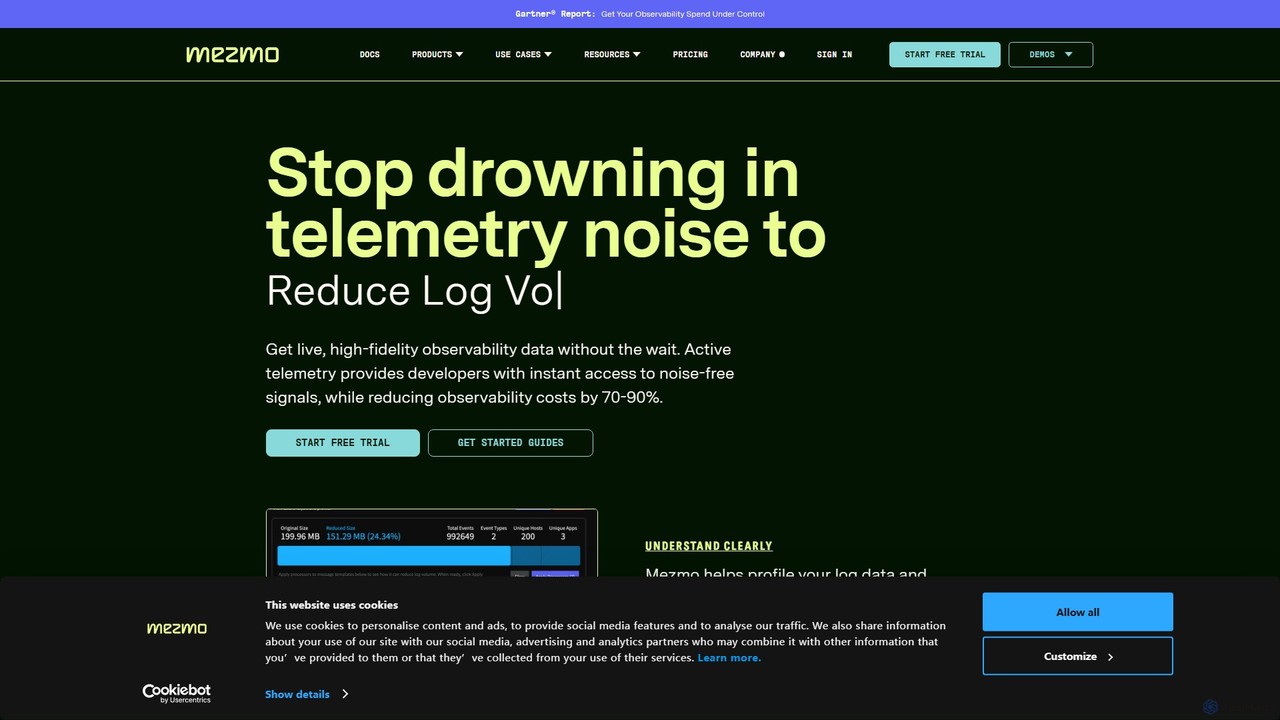
Mezmo
Mezmo is a comprehensive telemetry data pipeline platform designed for developers, DevOps, and SRE teams. It enables users to ingest, process, and analyze logs, metrics, and traces from any source. With a focus on control and cost-efficiency, Mezmo allows you to filter, transform, and route your observability data to any destination, optimizing performance and reducing expenses.
Analytics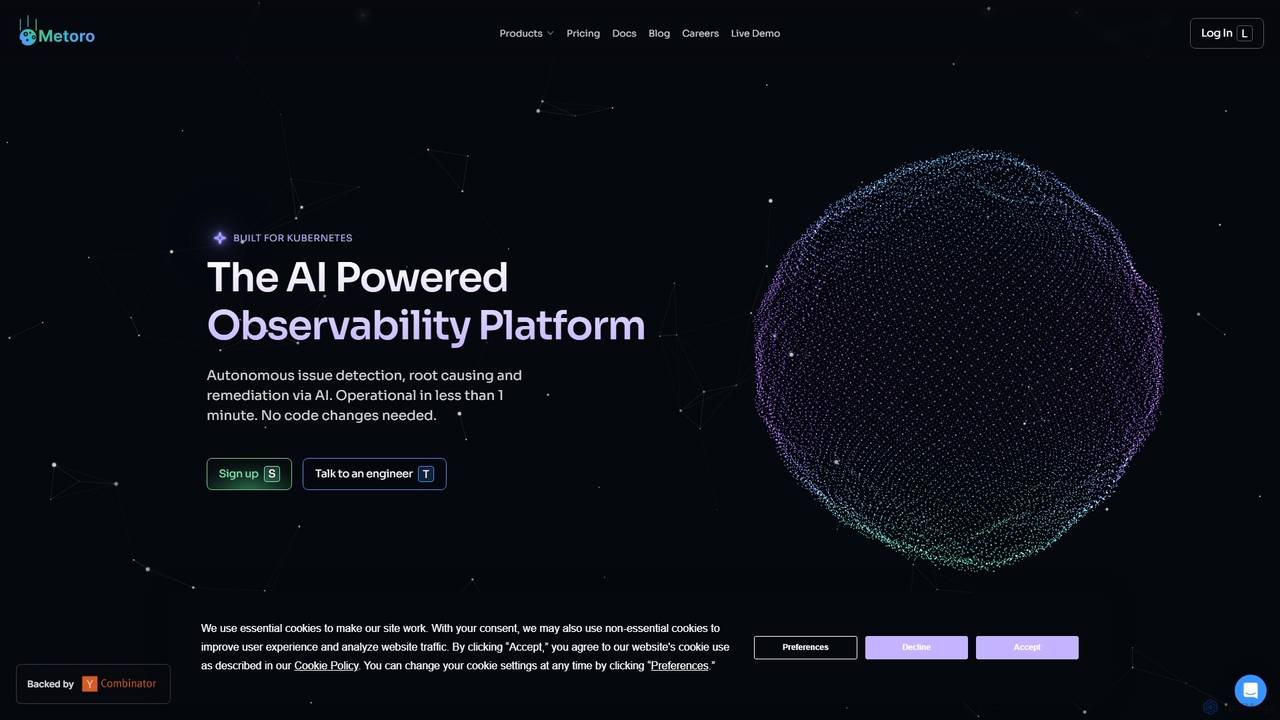
Metoro
Metoro is an AI-powered observability platform designed for Kubernetes. It uses eBPF technology for zero-instrumentation monitoring, enabling autonomous issue detection, root cause analysis, and automated code fixes via pull requests. Operational in under a minute, it offers a comprehensive and cost-effective alternative to traditional monitoring tools.
Observability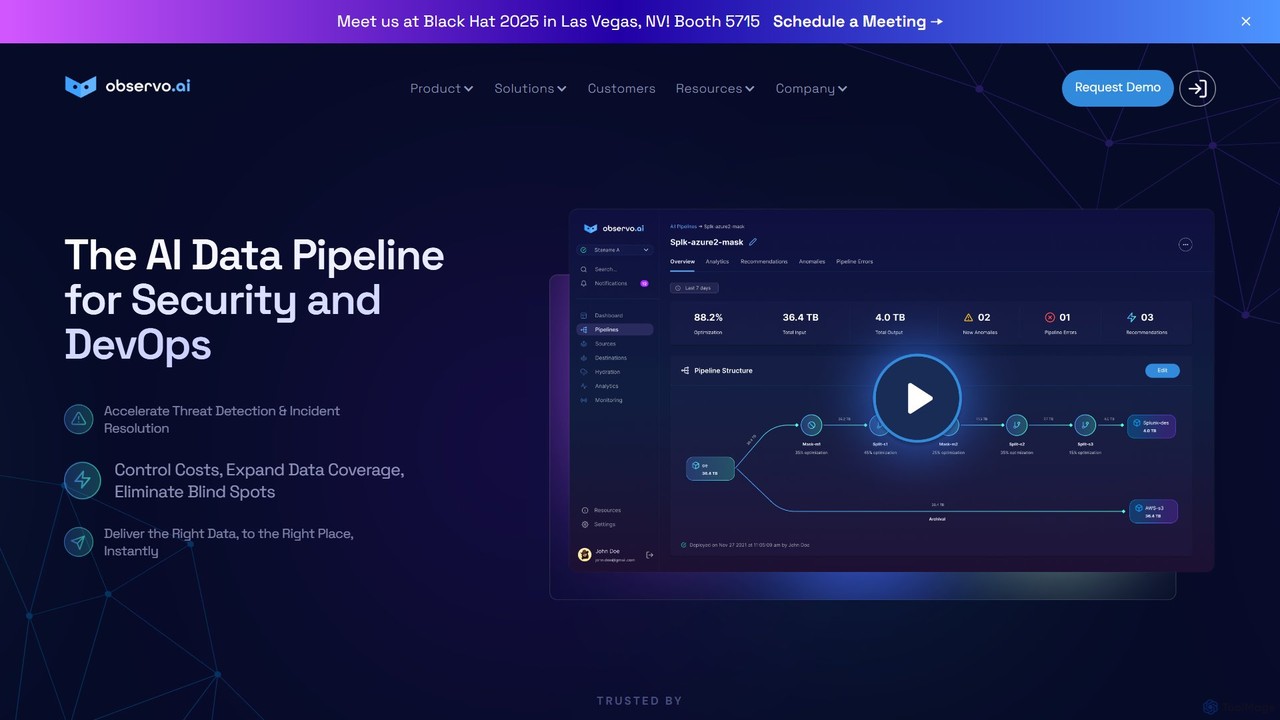
Observo AI
Observo AI is an intelligent data pipeline platform for Security and DevOps teams. It uses AI to optimize telemetry data, reducing log volumes by up to 80% and observability costs by over 50%. The platform accelerates threat detection, enriches data in real-time, and eliminates blind spots, making security and operations more efficient and cost-effective.
Data Pipeline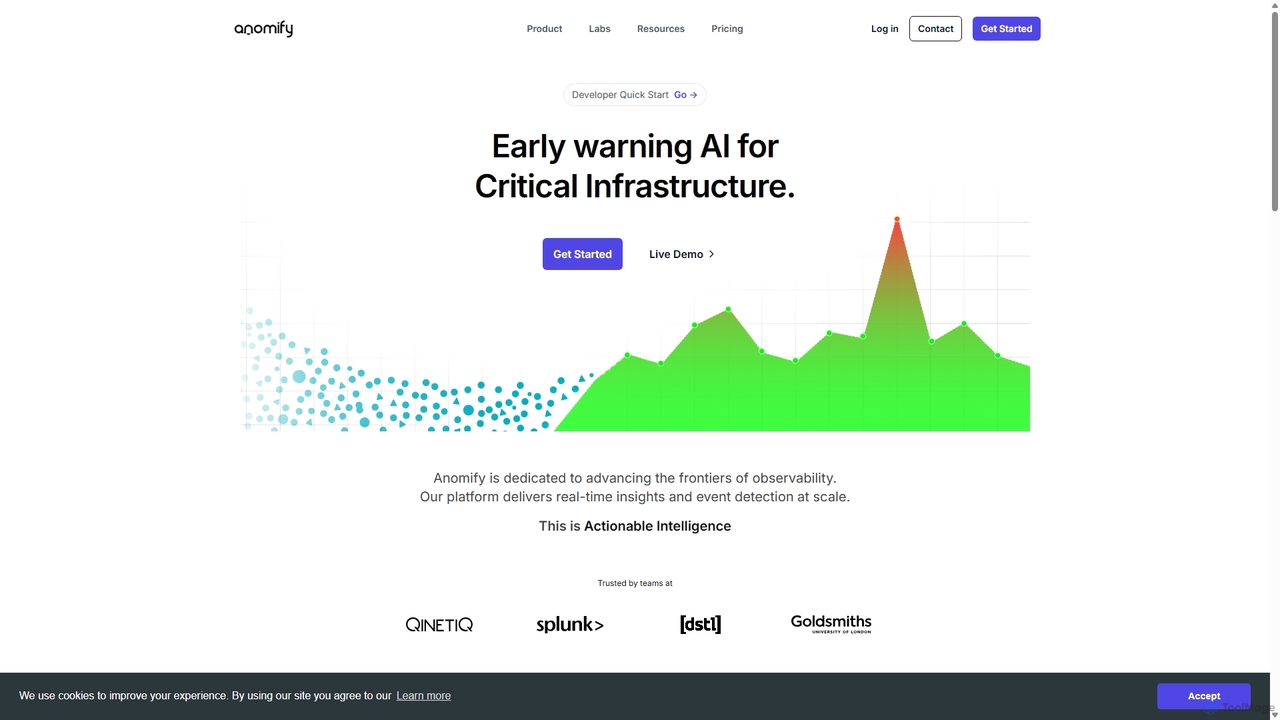
Anomify
Anomify is an AI-powered early warning platform for critical infrastructure, offering real-time anomaly detection and observability at scale. It leverages multi-stage machine learning to analyze time-series data, significantly reduce false positives, and accelerate root cause analysis. Designed for DevOps, SREs, and IT teams, Anomify transforms monitoring from reactive to proactive, ensuring system performance and reliability.
Anomaly Detection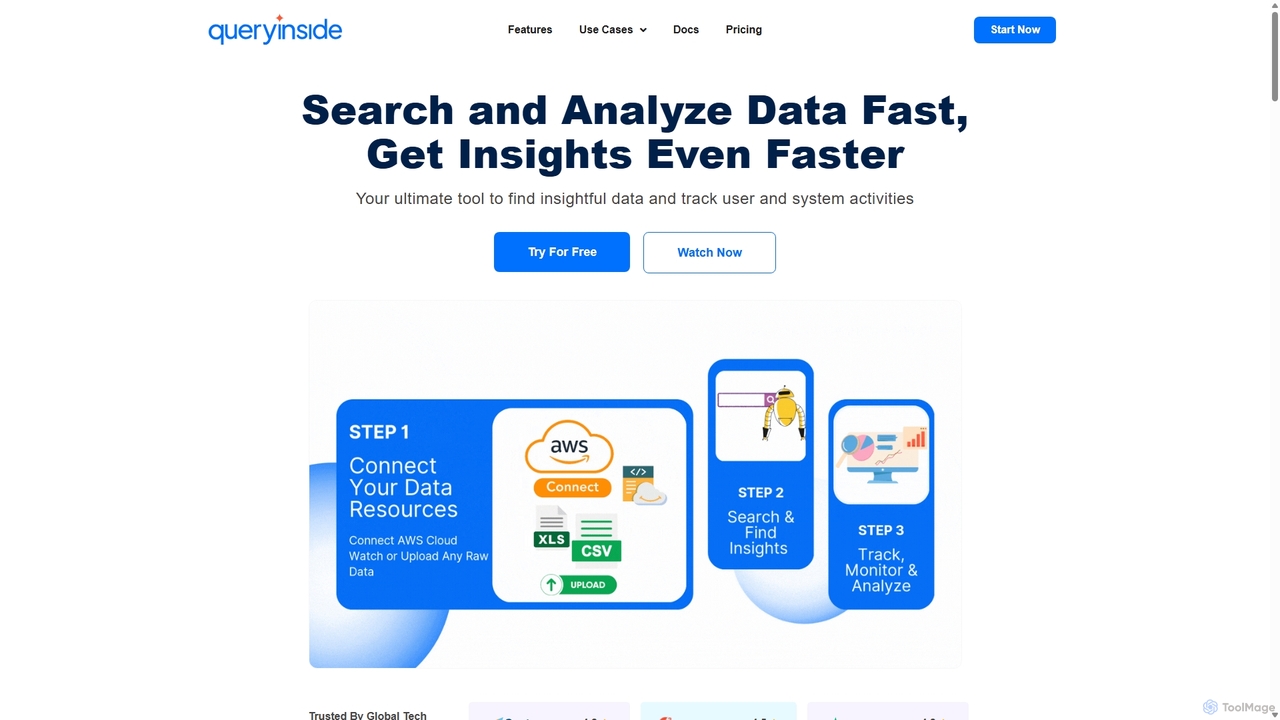
Queryinside
Queryinside is an AI-powered data search and monitoring platform that transforms chaotic log data into actionable insights. It offers advanced search (keyword, semantic, hybrid), real-time system and web analytics, and seamless integrations with cloud services like AWS, helping teams reduce log monitoring time and accelerate root cause detection.
Log ManagementSplunk Categories
Splunk Jobs
Splunk Embed Widget
Copy this embed code to place the badge on your blog, article, or product site and send readers directly to this ToolMage detail page.

Related AI tools
Queryinside
Queryinside is an AI-powered data search and monitoring platform that transforms chaotic log data into actionable insights. It offers advanced search (keyword, semantic, hybrid), real-time system and web analytics, and seamless integrations with cloud services like AWS, helping teams reduce log monitoring time and accelerate root cause detection.
Log ManagementAnomify
Anomify is an AI-powered early warning platform for critical infrastructure, offering real-time anomaly detection and observability at scale. It leverages multi-stage machine learning to analyze time-series data, significantly reduce false positives, and accelerate root cause analysis. Designed for DevOps, SREs, and IT teams, Anomify transforms monitoring from reactive to proactive, ensuring system performance and reliability.
Anomaly DetectionMetoro
Metoro is an AI-powered observability platform designed for Kubernetes. It uses eBPF technology for zero-instrumentation monitoring, enabling autonomous issue detection, root cause analysis, and automated code fixes via pull requests. Operational in under a minute, it offers a comprehensive and cost-effective alternative to traditional monitoring tools.
Observability
Neosync
Neosync is an open-source platform for data anonymization and synthetic data generation. It helps developers and data scientists create safe, privacy-compliant, and realistic datasets for testing, development, and AI model training, ensuring referential integrity across databases.
Data GenerationObservo AI
Observo AI is an intelligent data pipeline platform for Security and DevOps teams. It uses AI to optimize telemetry data, reducing log volumes by up to 80% and observability costs by over 50%. The platform accelerates threat detection, enriches data in real-time, and eliminates blind spots, making security and operations more efficient and cost-effective.
Data Pipeline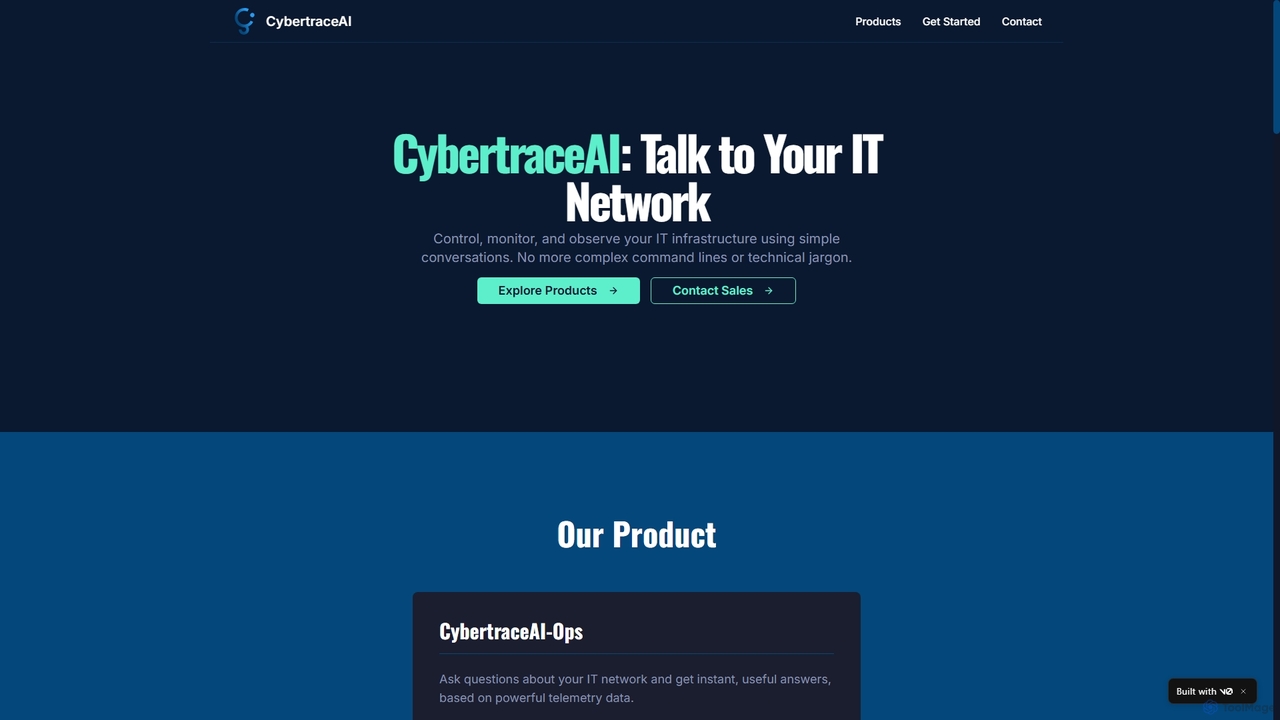
CybertraceAI
CybertraceAI is a conversational AI platform for IT network management. It enables professionals to monitor, control, and analyze their infrastructure using simple natural language queries. Replace complex command lines with intuitive conversations to get instant, verifiable answers based on real-time telemetry data, simplifying network operations and troubleshooting.
Devops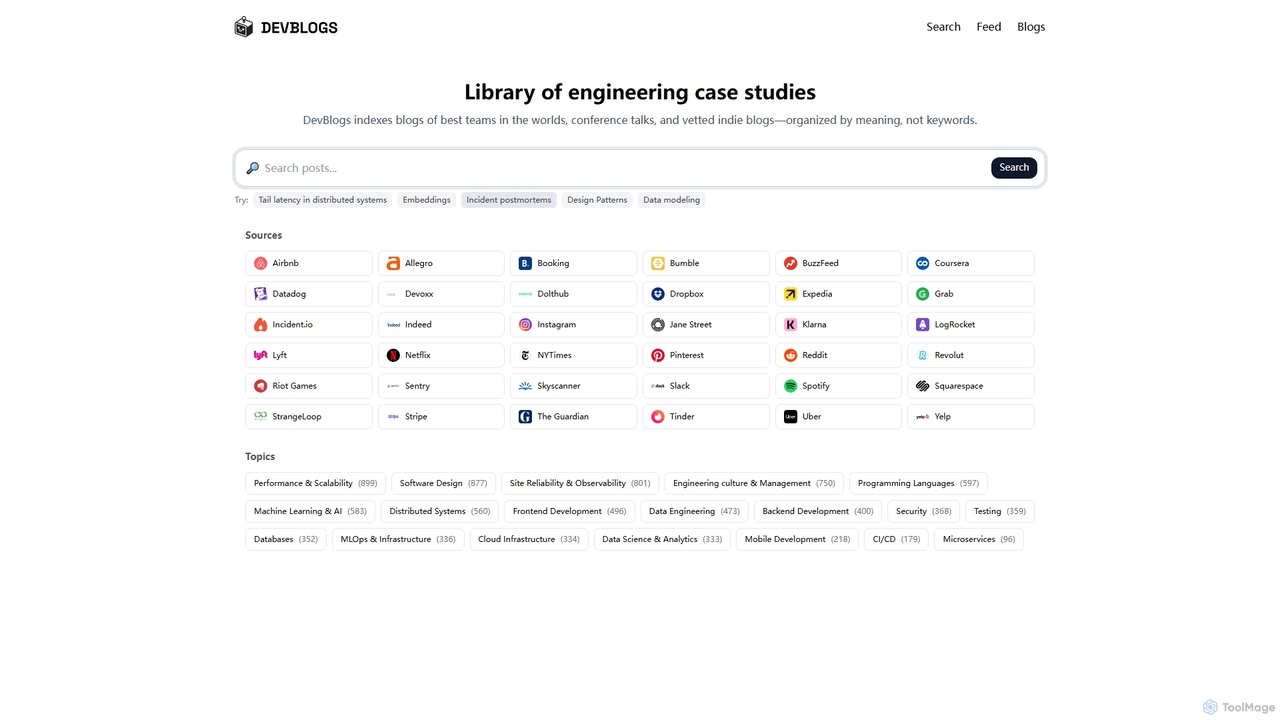
DevBlogs
DevBlogs is a curated library indexing engineering case studies, tech blogs, and conference talks from leading global teams. It organizes content by meaning and specific technical topics, providing a valuable resource for developers and engineers to discover insights and best practices.
Infrastructure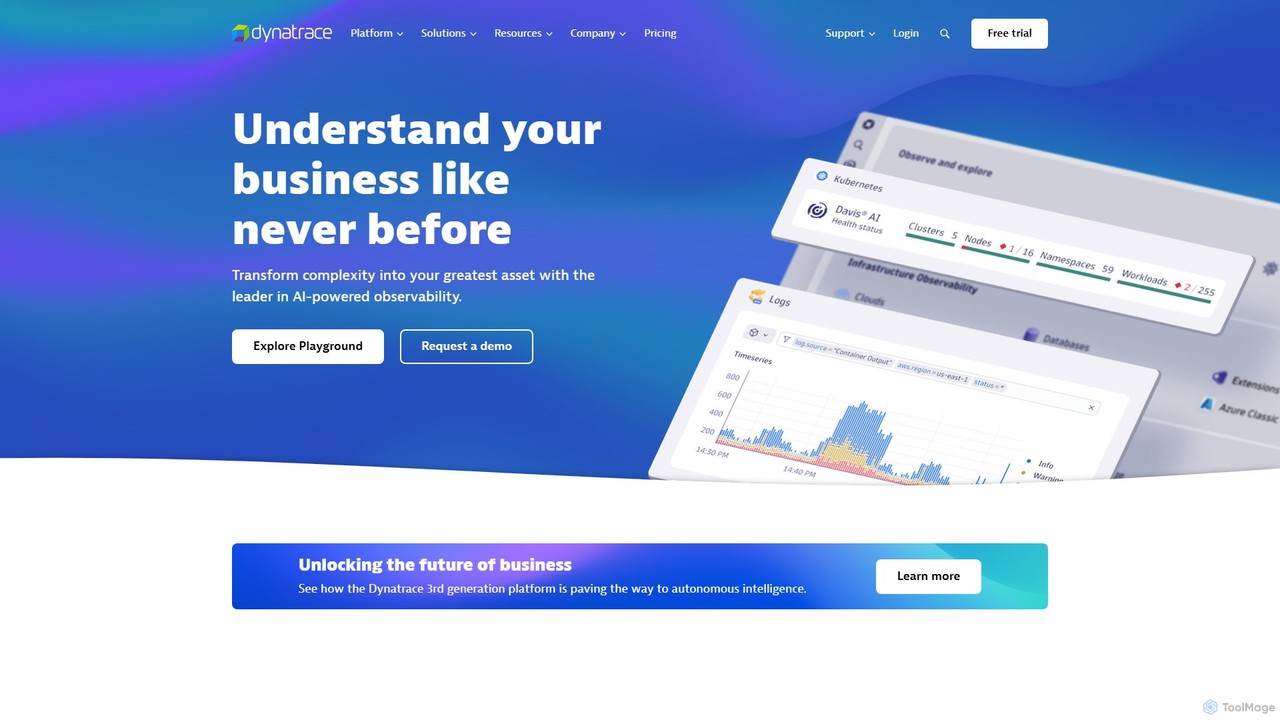
Dynatrace
Dynatrace is an all-in-one, AI-powered observability and security platform. It provides intelligent automation and precise answers about the performance of applications, the underlying infrastructure, and the experience of all users, enabling organizations to innovate faster, collaborate more efficiently, and deliver better business outcomes.
Analytics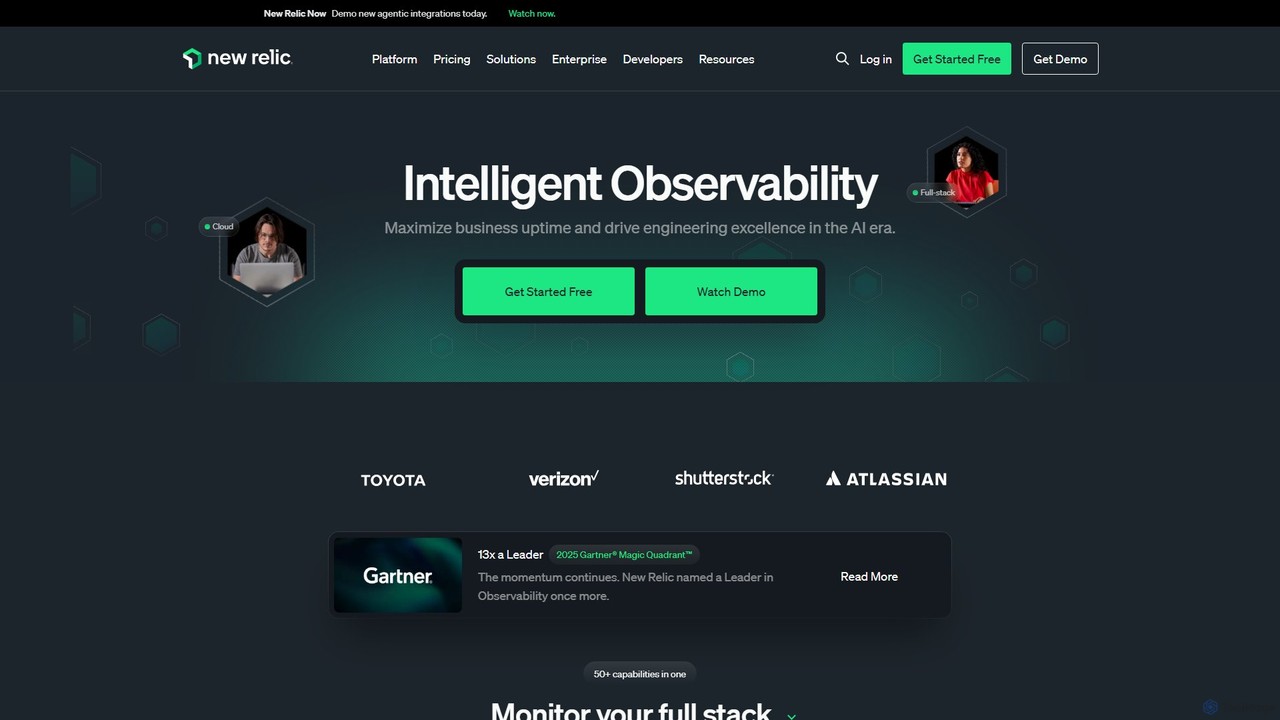
New Relic
New Relic is an AI-powered, full-stack observability platform that helps engineering teams monitor, debug, and improve their entire software stack. It provides a unified view of all telemetry data—metrics, events, logs, and traces—to enable faster problem resolution and optimized performance in the AI era.
Infrastructure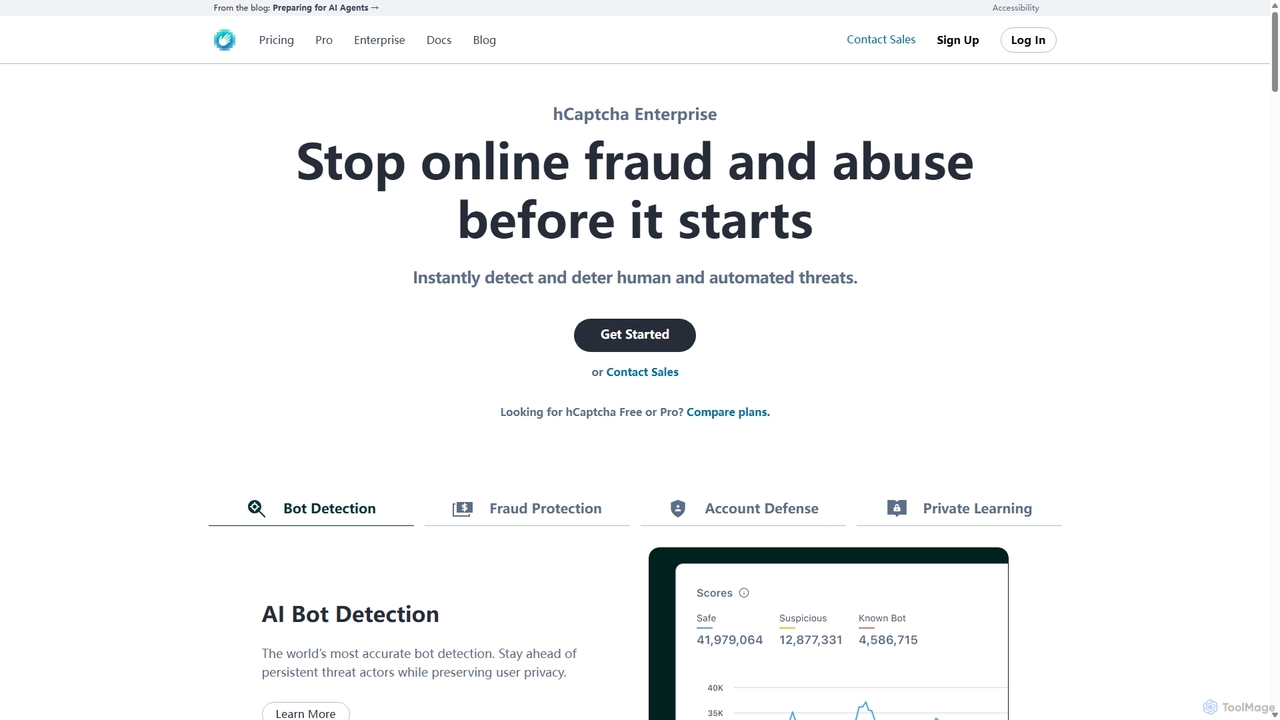
HCaptcha
hCaptcha is a leading AI-powered security solution designed to protect websites and online services from bots, fraud, and abuse. It prioritizes user privacy and data security, offering a robust, scalable, and more cost-effective alternative to reCAPTCHA. Trusted by global enterprises, hCaptcha provides advanced bot detection with minimal user friction, ensuring both security and a seamless user experience.
Website SecurityMezmo
Mezmo is a comprehensive telemetry data pipeline platform designed for developers, DevOps, and SRE teams. It enables users to ingest, process, and analyze logs, metrics, and traces from any source. With a focus on control and cost-efficiency, Mezmo allows you to filter, transform, and route your observability data to any destination, optimizing performance and reducing expenses.
Analytics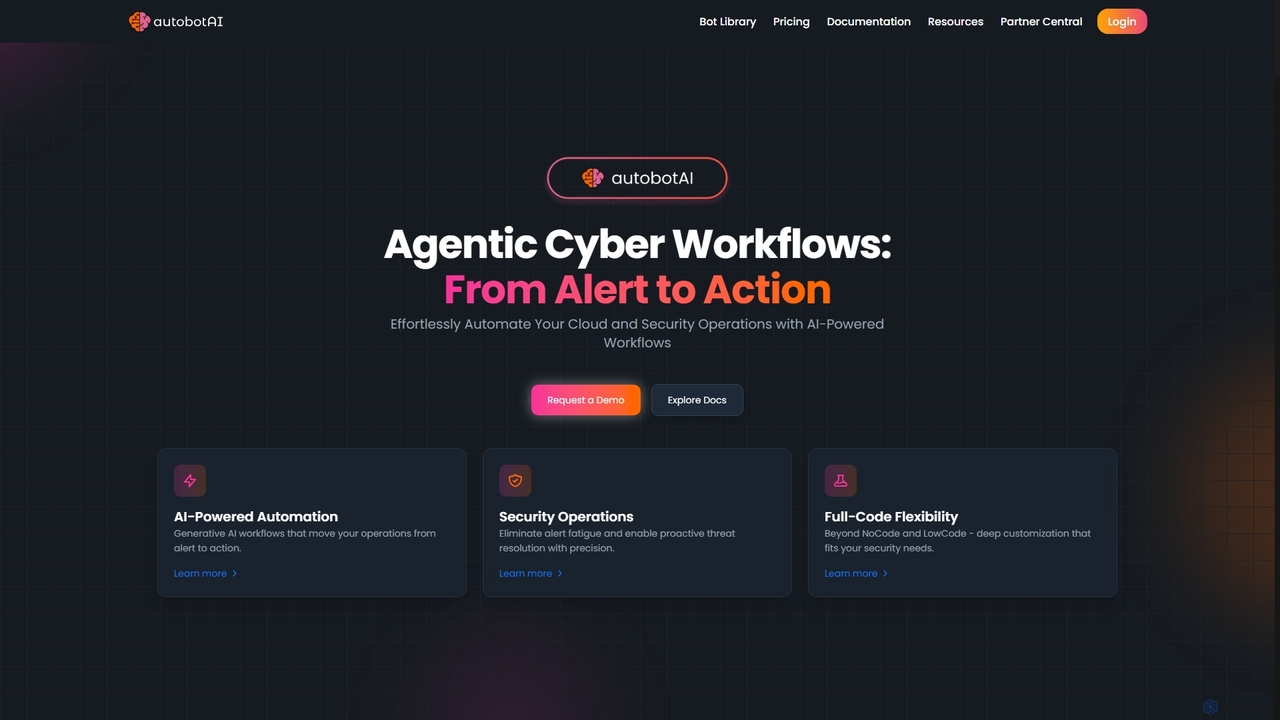
Autobot
Autobot is an AI-powered hyperautomation platform designed for cloud and security operations. It leverages generative AI and agentic workflows to transform security alerts into automated actions, significantly reducing alert fatigue and improving response times. With its full-code flexibility and universal integration capabilities, Autobot streamlines complex processes, enhances security posture, and drives operational excellence for SecOps, CloudOps, and ITOps teams.
3D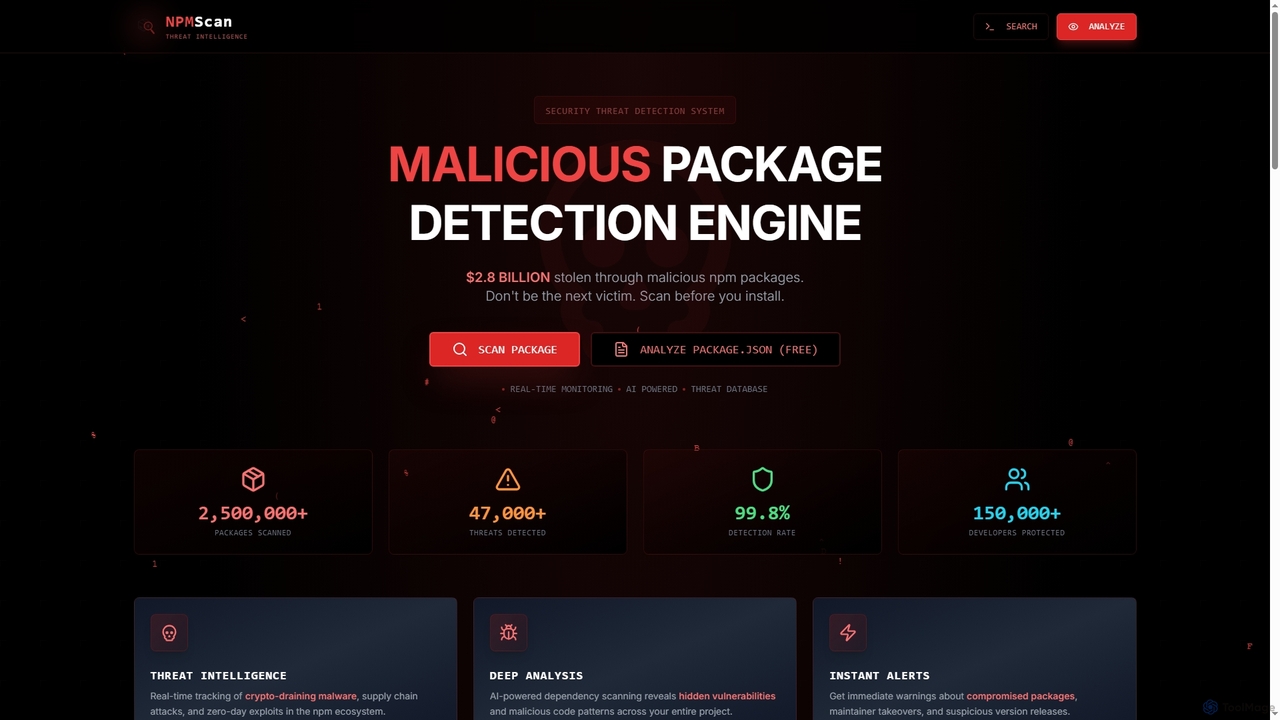
Npmscan
Npmscan is an AI-powered security scanner designed to protect developers from malicious npm packages. It provides real-time threat detection, deep dependency analysis, and instant alerts to prevent supply chain attacks, crypto-draining malware, and other vulnerabilities.
Security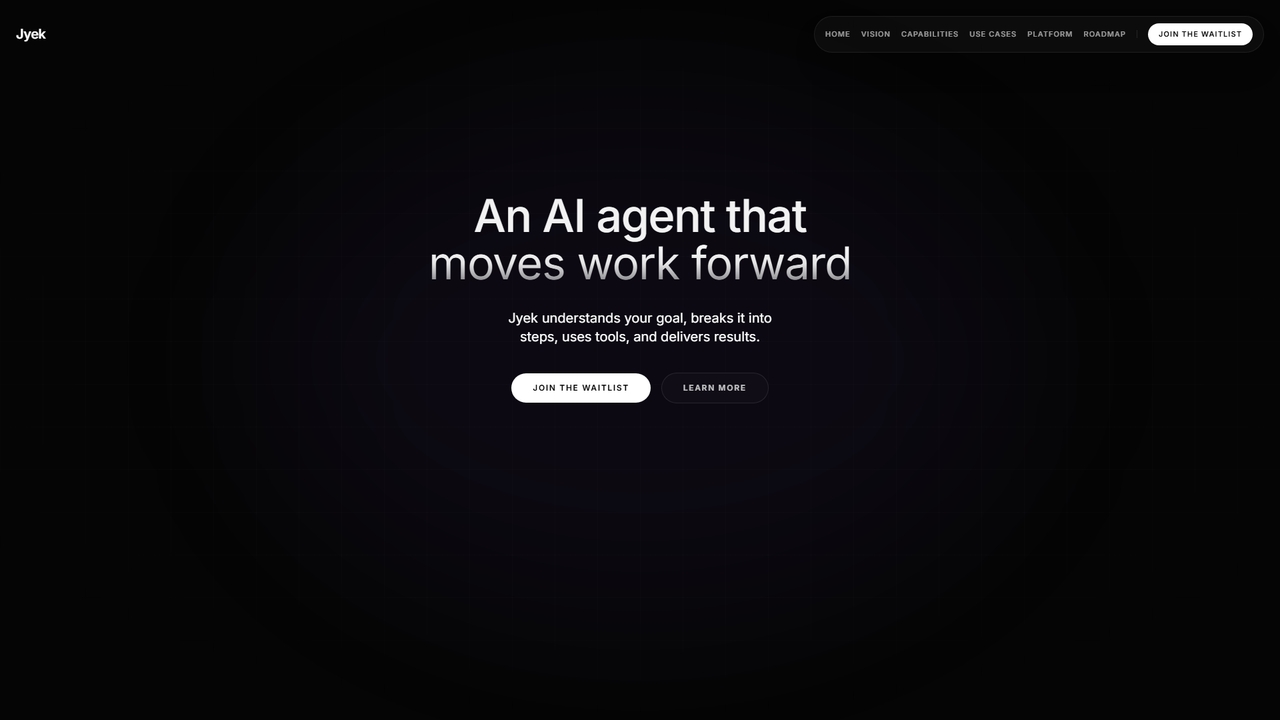
Jyek
Jyek is an AI agent platform that understands objectives, creates execution plans, uses tools, and delivers verifiable results for complex, multi-step tasks.
Automation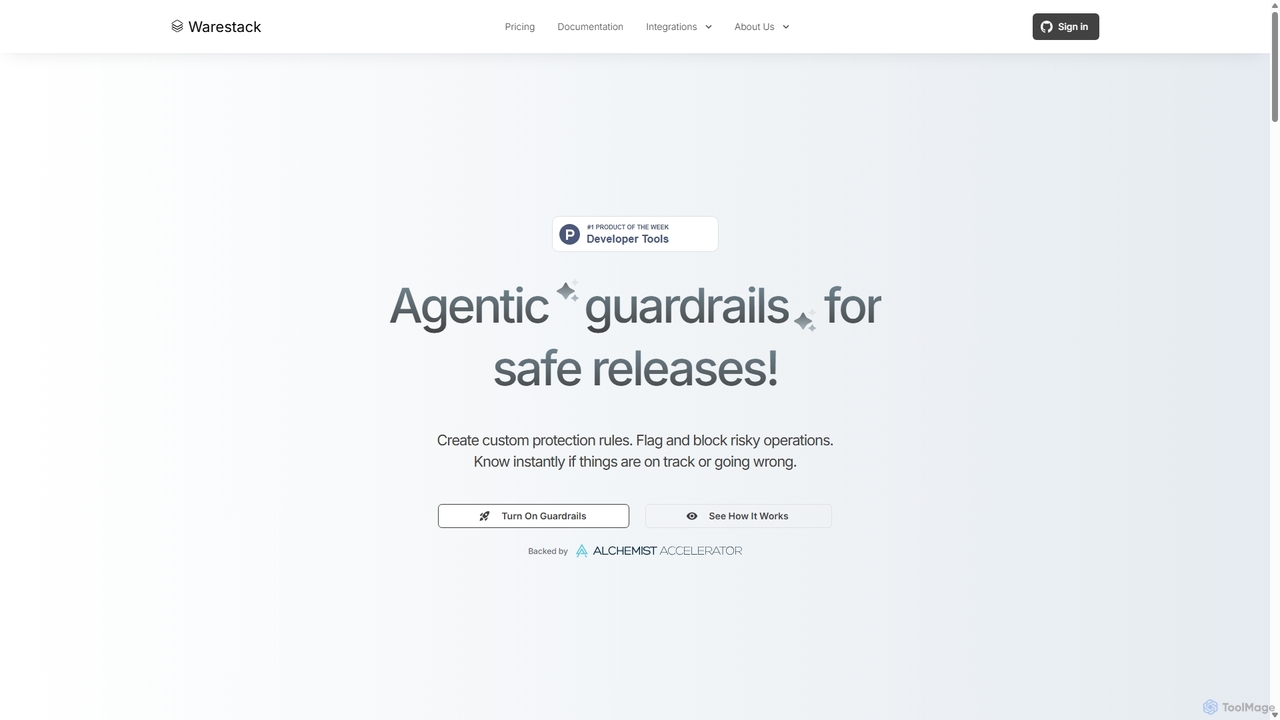
Warestack
Warestack provides agentic guardrails for software development teams, enabling safe and compliant releases. It uses context-aware, natural language rules to monitor DevOps workflows, flag risky operations, and automate protection, integrating with tools like Slack and Linear to prevent production incidents.
Code Quality
Splunk Comments (0)
Sign in to comment.
Sign inNo comments yet.