Ward
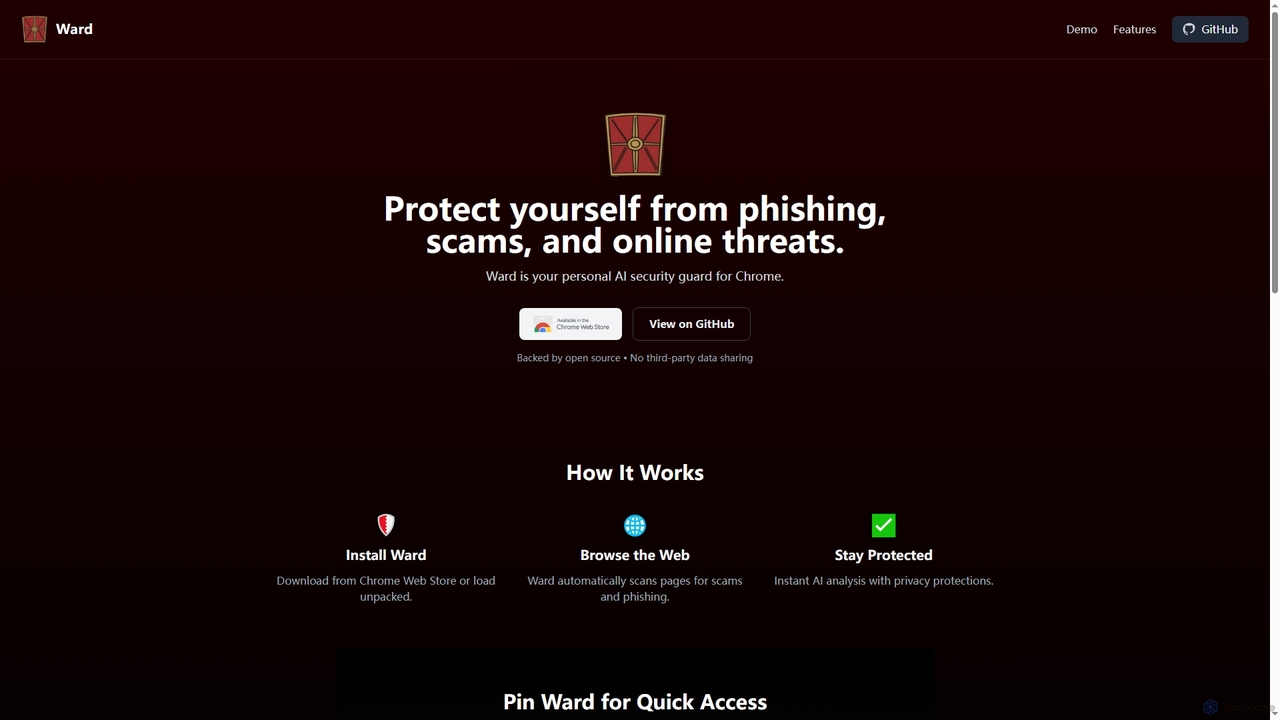
Ward is a personal AI security guard for Chrome that protects you from online threats like phishing and …
Ward is a personal AI security guard for Chrome that protects you from online threats like phishing and scams. This open-source extension provides real-time scanning, AI-powered threat detection, and visual warnings, all while ensuring your privacy with no third-party data sharing.
Privastream
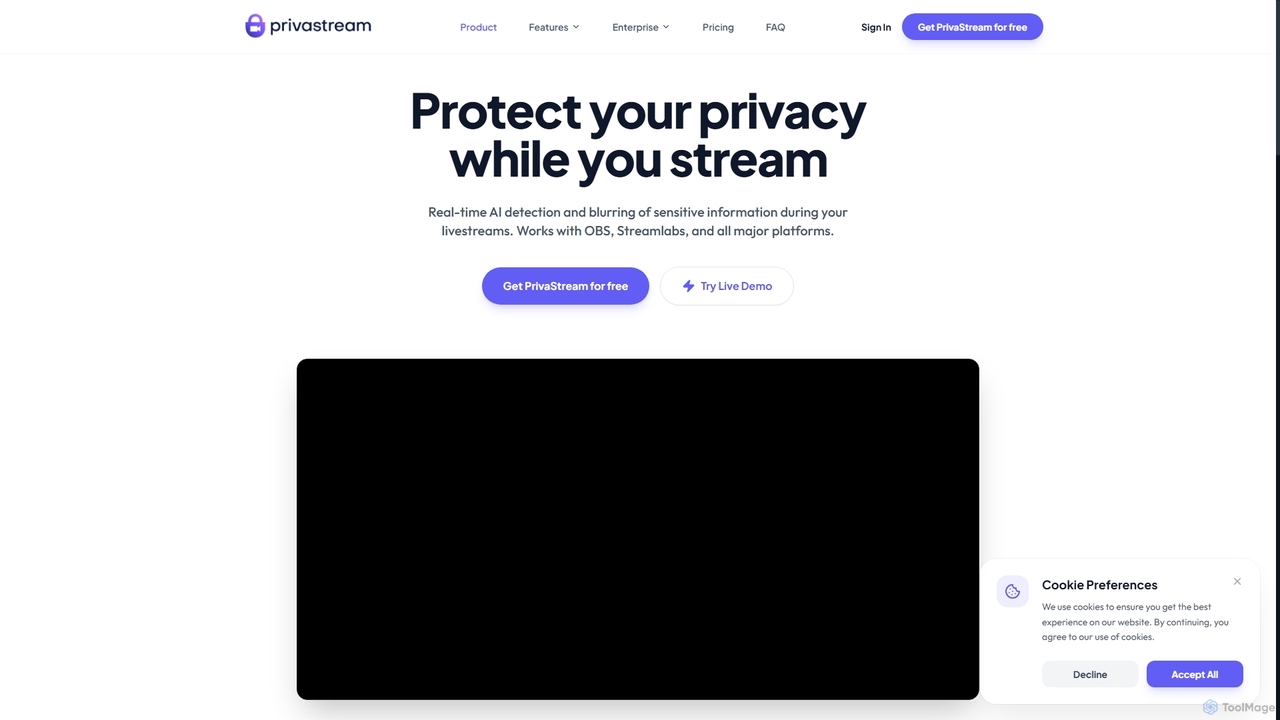
Privastream is a real-time AI toolkit designed for streamers and content creators to protect their privacy. It uses …
Privastream is a real-time AI toolkit designed for streamers and content creators to protect their privacy. It uses on-device Edge AI to automatically detect and blur sensitive information like faces and personal data during livestreams with zero latency, ensuring data never leaves your computer. It integrates seamlessly as a virtual camera with major streaming platforms like OBS, Twitch, and YouTube.
Hive Defender
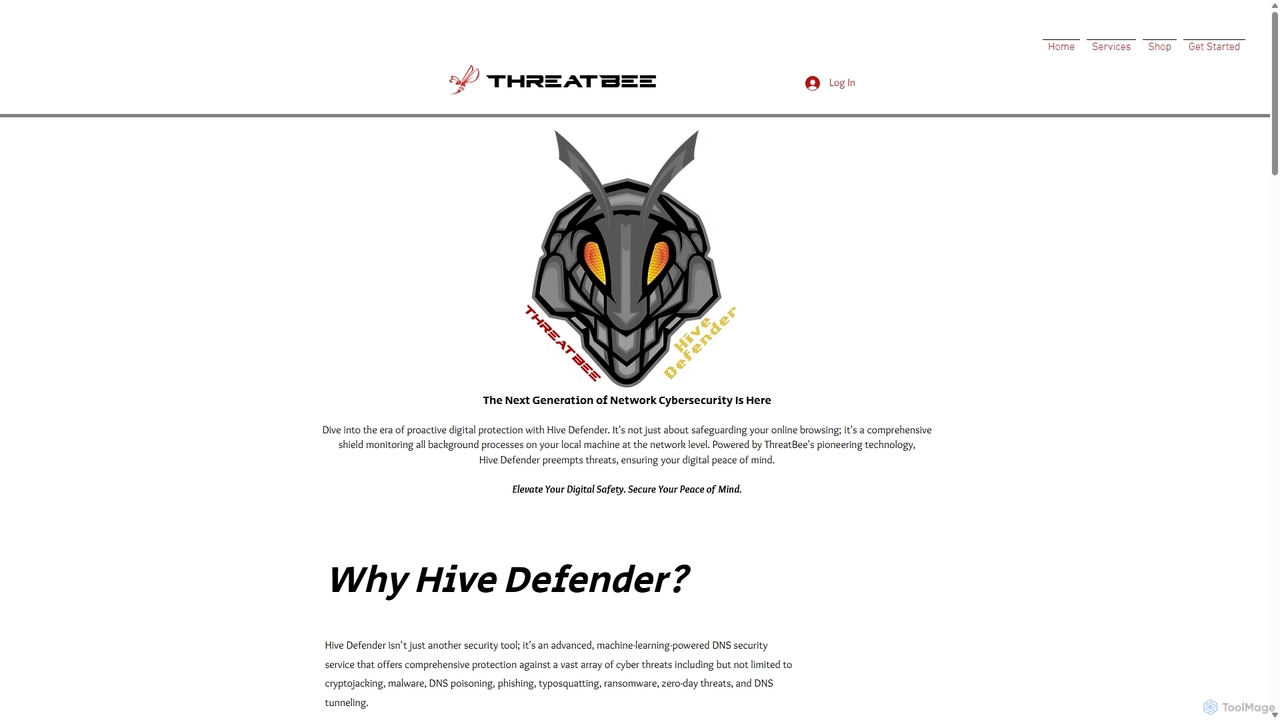
Hive Defender is an advanced, AI-powered DNS security service that provides comprehensive protection against a wide range of …
Hive Defender is an advanced, AI-powered DNS security service that provides comprehensive protection against a wide range of cyber threats. It monitors all network activity, not just browser traffic, to proactively block malware, phishing, ransomware, and zero-day threats, while also accelerating browsing speed.
Nero AI
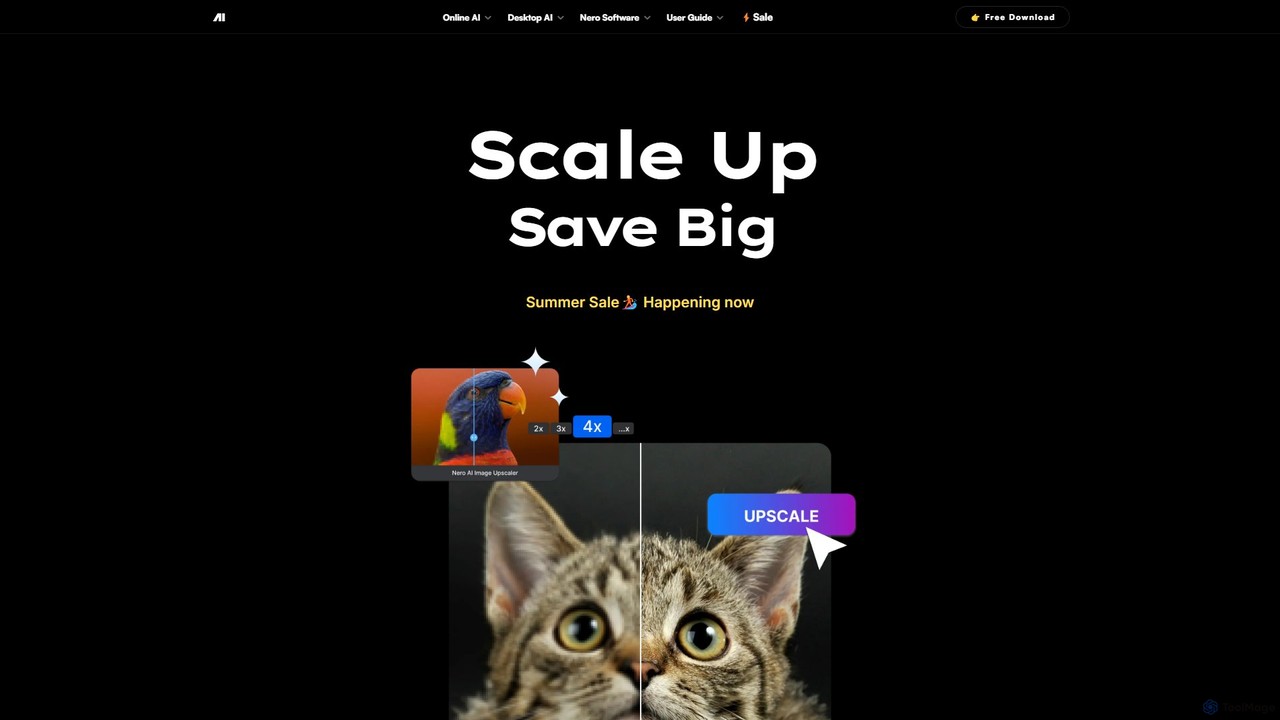
Nero AI is a professional AI-powered software suite for PC, designed to enhance, upscale, and restore photos and …
Nero AI is a professional AI-powered software suite for PC, designed to enhance, upscale, and restore photos and videos. It offers tools for 4K image and video upscaling, as well as intelligent object and face blurring for privacy.
About Privacy
AI Privacy tools are specialized applications that leverage artificial intelligence to enhance data protection, ensure compliance, and manage personal information securely. These tools utilize advanced algorithms for tasks like data anonymization, secure communication, and proactive threat detection, enabling individuals and organizations to safeguard sensitive data more effectively. By automating complex privacy management processes, they significantly contribute to overall digital security and regulatory adherence, thereby boosting productivity through secure data handling.
Core Features
- Data Anonymization: Automatically identifies and masks personally identifiable information (PII) in datasets to protect individual identities.
- Secure Communication: Employs AI-driven encryption and anomaly detection to secure digital conversations and file transfers.
- Compliance Management: Assists in automating adherence to privacy regulations like GDPR and CCPA through data mapping and consent tracking.
- Data Leakage Detection: Proactively monitors for and alerts about unauthorized exposure or transfer of sensitive data across various platforms.
Use Cases
These tools are crucial for sectors like healthcare, finance, and legal, where sensitive data handling is paramount. They help compliance officers ensure regulatory adherence, researchers anonymize datasets for ethical studies, and individuals manage their digital footprint. Businesses also use them to secure internal communications and protect customer data from breaches.
How to Choose
When selecting an AI privacy tool, consider its compliance capabilities for relevant regulations (e.g., GDPR, HIPAA), the types of data it can process, and its integration with existing systems. Evaluate its accuracy in anonymization, the robustness of its security features, and the clarity of its reporting and audit trails to ensure comprehensive data protection.

PrivacyUse Cases
Anonymizing Sensitive Data for Research
Data scientists and researchers utilize AI privacy tools to automatically identify and mask personally identifiable information (PII) within large datasets. This ensures that valuable insights can be extracted and shared for studies or analytics without compromising individual privacy, adhering to ethical guidelines and data protection regulations like GDPR. The AI streamlines a process that would otherwise be manual and prone to error, significantly reducing the time and resources required for data preparation.
Automating Privacy Policy Compliance Checks
Legal and compliance teams in enterprises employ AI privacy tools to rapidly analyze complex privacy policies, terms of service, and internal data handling guidelines. The AI can highlight potential compliance gaps, identify clauses related to data collection and usage, and summarize key privacy implications. This automation drastically reduces the manual effort involved in legal reviews, ensuring consistent adherence to evolving data protection laws and minimizing legal risks.
Securing Internal Business Communications
Organizations use AI privacy tools to enhance the security of their internal communication platforms, such as messaging apps and email. These tools leverage AI-driven encryption, detect unusual communication patterns, and flag potential data leakage attempts in real-time. This ensures that confidential business discussions and sensitive information shared among employees remain protected from unauthorized access or interception, fostering a secure collaborative environment.
Managing Personal Data Consent for Users
Individuals and businesses offering online services can use AI privacy tools to simplify the management of user consent for data collection and processing. For users, an AI assistant can track where their data is used and facilitate easy revocation of consent. For businesses, it automates the recording and auditing of consent preferences, ensuring transparency and compliance with regulations like CCPA, thereby building trust with their customer base.
Proactive Detection of Data Leakage
IT security and data protection officers deploy AI privacy tools to continuously monitor for and prevent sensitive data from being inadvertently or maliciously exposed. The AI scans network traffic, cloud storage, and public web sources for patterns indicative of data leakage, such as unencrypted PII or confidential documents appearing in unauthorized locations. This proactive approach allows for immediate intervention, minimizing potential damage from data breaches.
Streamlining Data Subject Access Requests (DSARs)
Compliance managers in organizations subject to regulations like GDPR or CCPA leverage AI privacy tools to efficiently handle Data Subject Access Requests (DSARs). The AI can quickly locate, identify, and compile all personal data related to a specific individual across various systems and databases. This automation significantly reduces the time and complexity involved in responding to DSARs, ensuring timely and accurate compliance and avoiding hefty fines.