
Best 34 Technology AI tools
Popular Technology AI tools include Google Skills, HackerNoon, Google Research, The Ankler, Praktika, Adobe Newsroom, Index Ventures, Bubio, X-ray Interpreter, and oasisaiminecraft, helping you work more efficiently.
Freemium
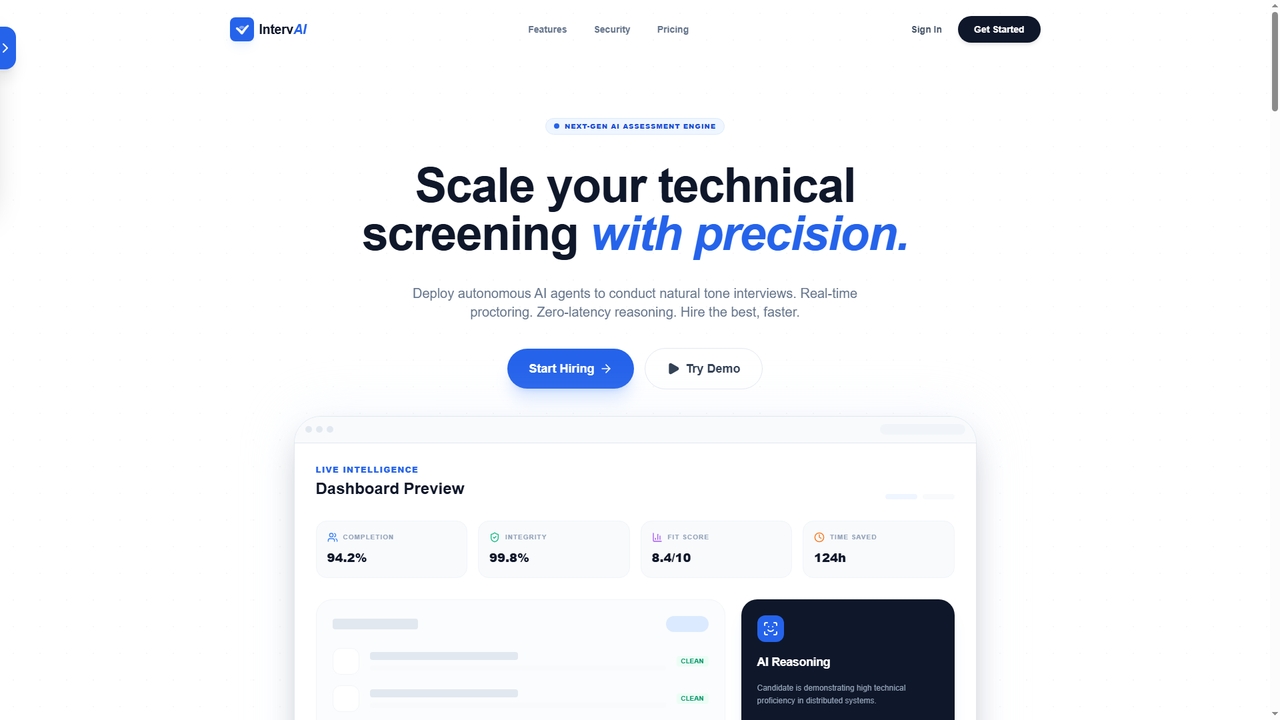
Introbuddy
Introbuddy is an enterprise-grade AI recruitment platform designed to streamline technical screening. It deploys autonomous AI agents to conduct natural, adaptive interviews with real-time proctoring and deep analytical insights, helping teams identify high-fit talent efficiently and securely.
Talent AcquisitionVisits 4.1KFavorites 17Likes 14
Freemium
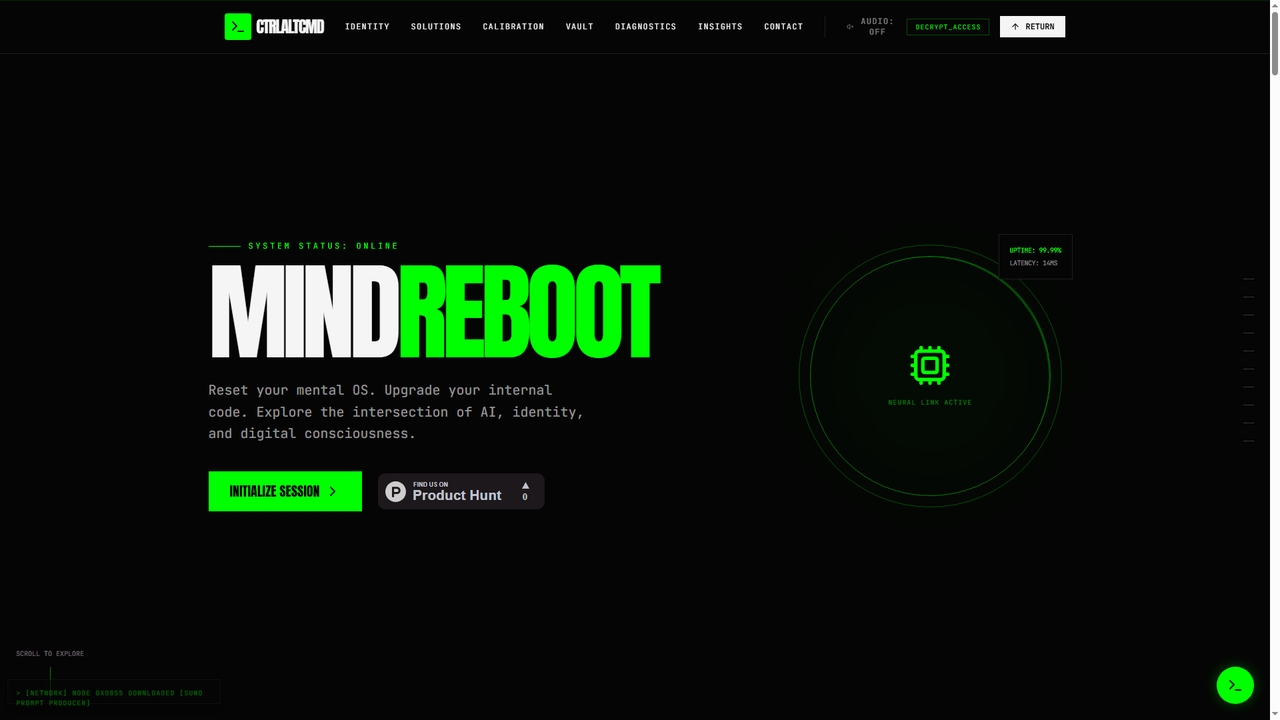
Ctrlaltcmd
Ctrlaltcmd is a digital platform and community focused on the intersection of AI, human consciousness, and digital identity. It offers tools like AI writing prompts, cognitive frameworks, visual deconstruction kits, and premium digital assets (such as the Mind OS Debug Kit) to help users reset their mental state, explore alternate identities, and optimize cognitive performance.
WritingVisits 4.2KFavorites 24Likes 24
Free
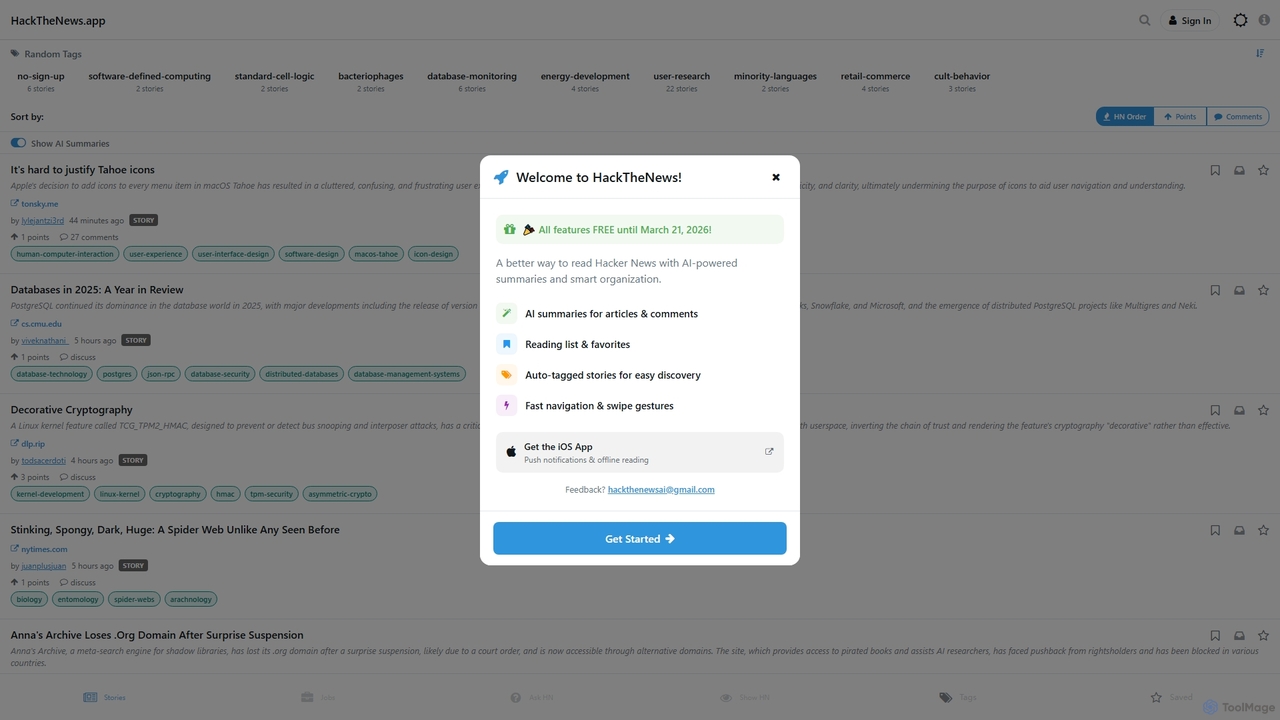
HackTheNews
HackTheNews is an AI-powered news aggregation platform designed for technology enthusiasts and professionals. It curates a wide range of tech, software, and AI-related stories, discussions, and projects, offering a unique "AI Summaries" feature to quickly grasp key information. Users can explore trending topics, engage in discussions, and discover new innovations in the tech world.
3DVisits 4.2KFavorites 25Likes 36
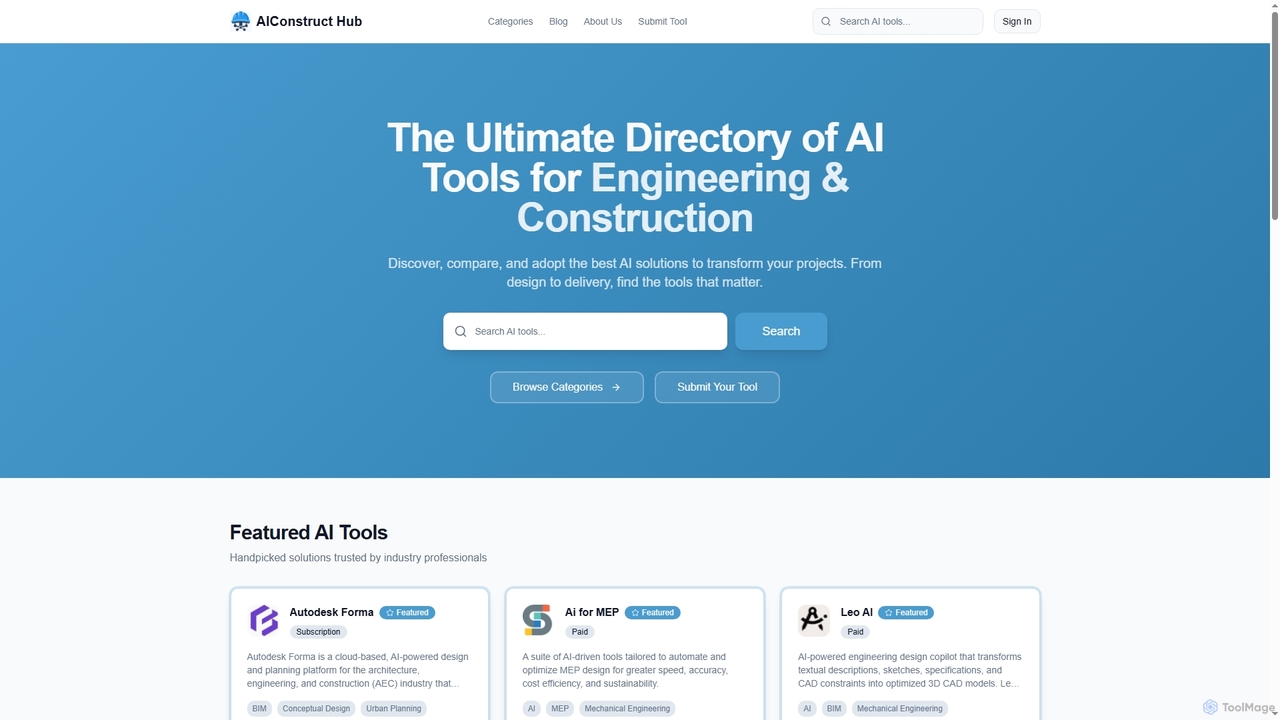
AIConstruct Hub
AIConstruct Hub is the ultimate directory for discovering, comparing, and adopting the best AI tools and platforms transforming the engineering, construction, and energy industries. It helps professionals find innovative solutions to streamline workflows and enhance project efficiency from design to delivery.
Ai SolutionsVisits 4.3KFavorites 19Likes 22
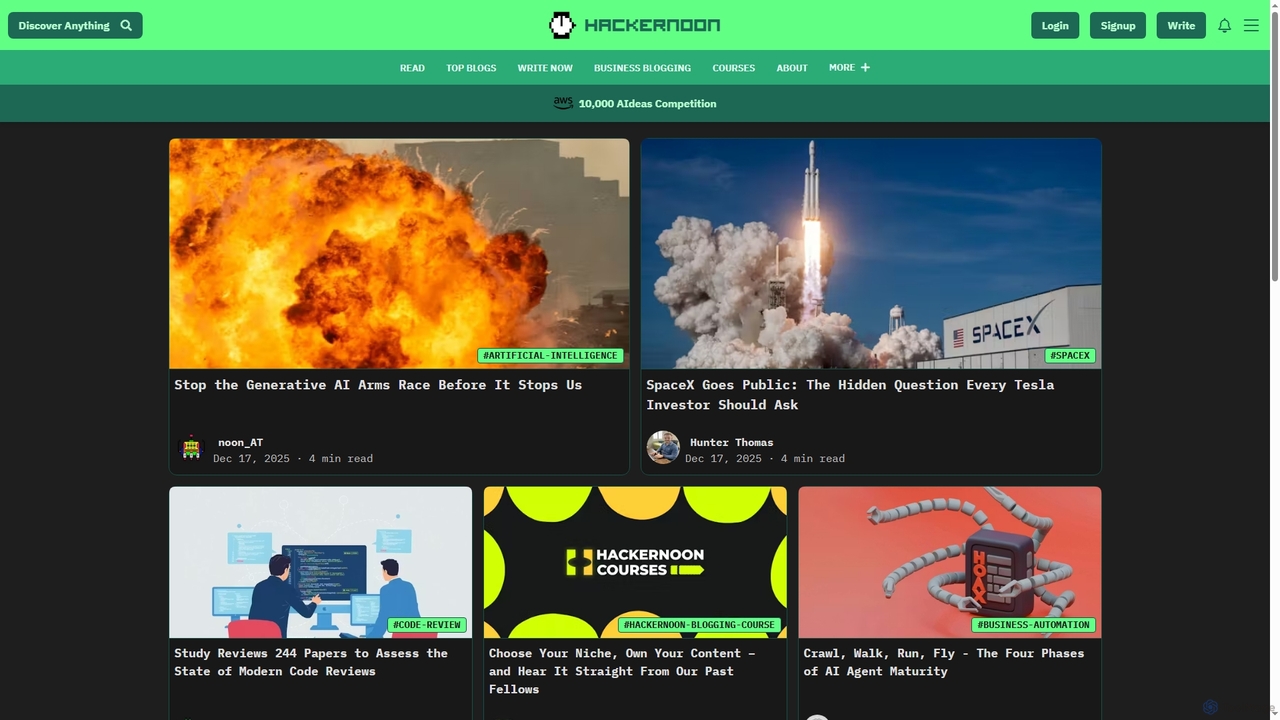
HackerNoon
HackerNoon is a leading independent technology publishing platform, serving an international community of 45,000+ contributing writers and over 4 million monthly readers. It's a premier hub for in-depth tech stories, including extensive coverage on artificial intelligence, machine learning, and software development. The platform also leverages AI for content verification, ensuring human-written quality and credibility.
Tech NewsVisits 4.1MFavorites 32Likes 37
Free
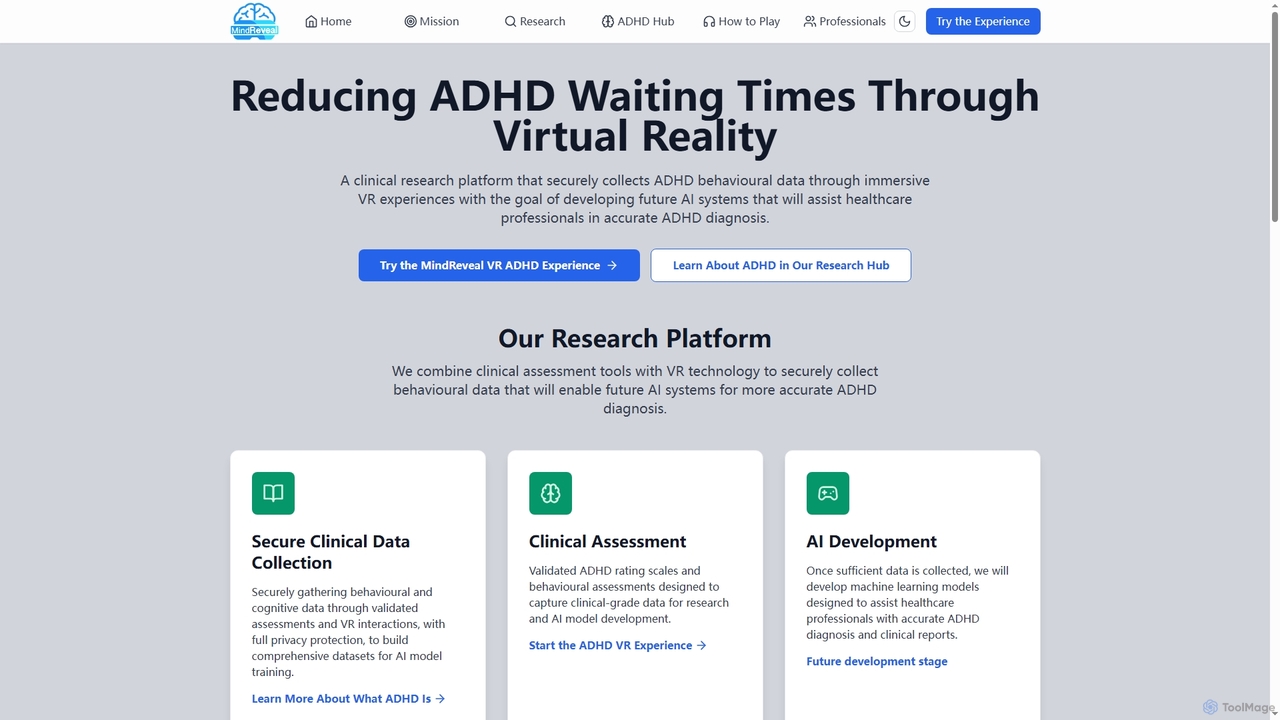
Mindreveal
A clinical research platform using immersive Virtual Reality (VR) to securely collect behavioral data for ADHD. It aims to develop future AI systems to assist healthcare professionals with accurate diagnosis, ensuring data privacy and using evidence-based assessments.
Mental HealthVisits 4.1KFavorites 80Likes 78

Ball 2
Ball 2 is an innovative sports product from Sperry Labs, described as "the ball reinvented with sensors & AI." Currently in its pre-launch phase, it promises to bring advanced technology to traditional sports equipment, offering a new dimension of interaction and performance insights for athletes and enthusiasts.
Smart DevicesVisits 5.7KFavorites 132Likes 131
Freemium
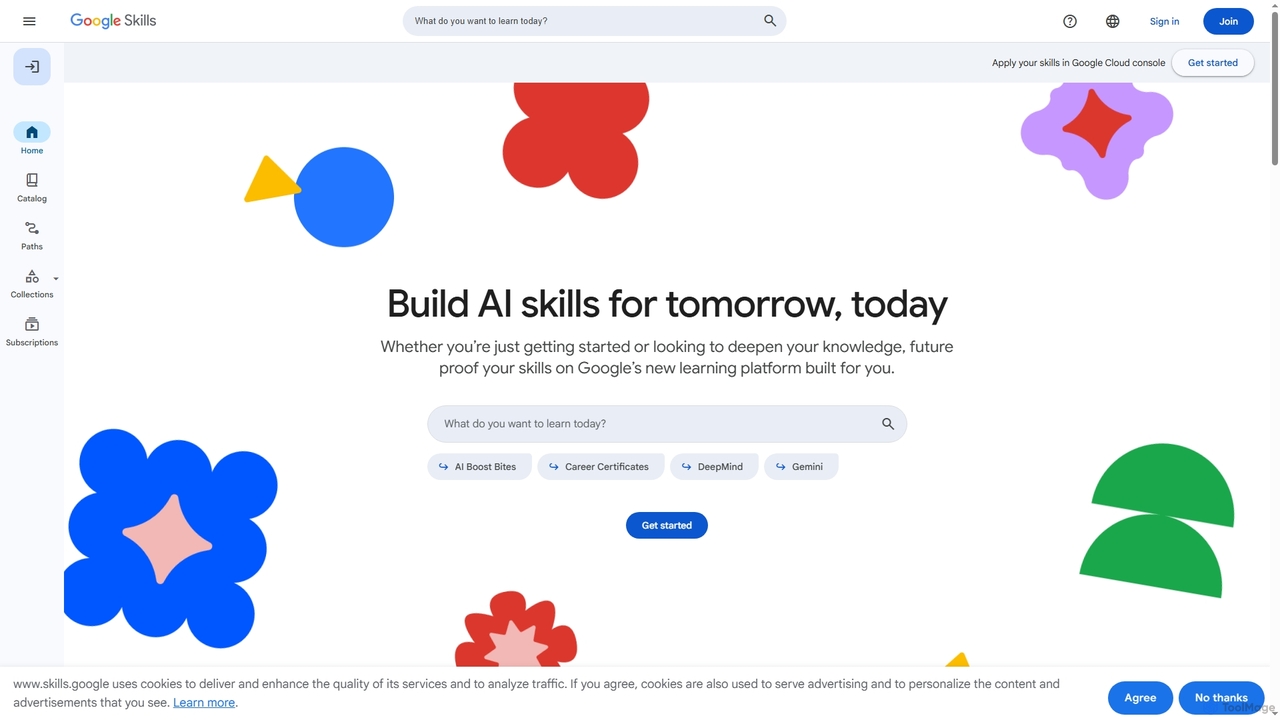
Google Skills
Google Skills is an online learning platform designed to help individuals and teams build and validate in-demand technical skills, particularly in AI and cloud technologies. It offers a range of learning paths, including hands-on labs, courses, skill badges, and industry-recognized certifications from Google experts, enabling users to future-proof their careers and enhance workforce capabilities.
Machine Learning TrainingVisits 6.9MFavorites 125Likes 124
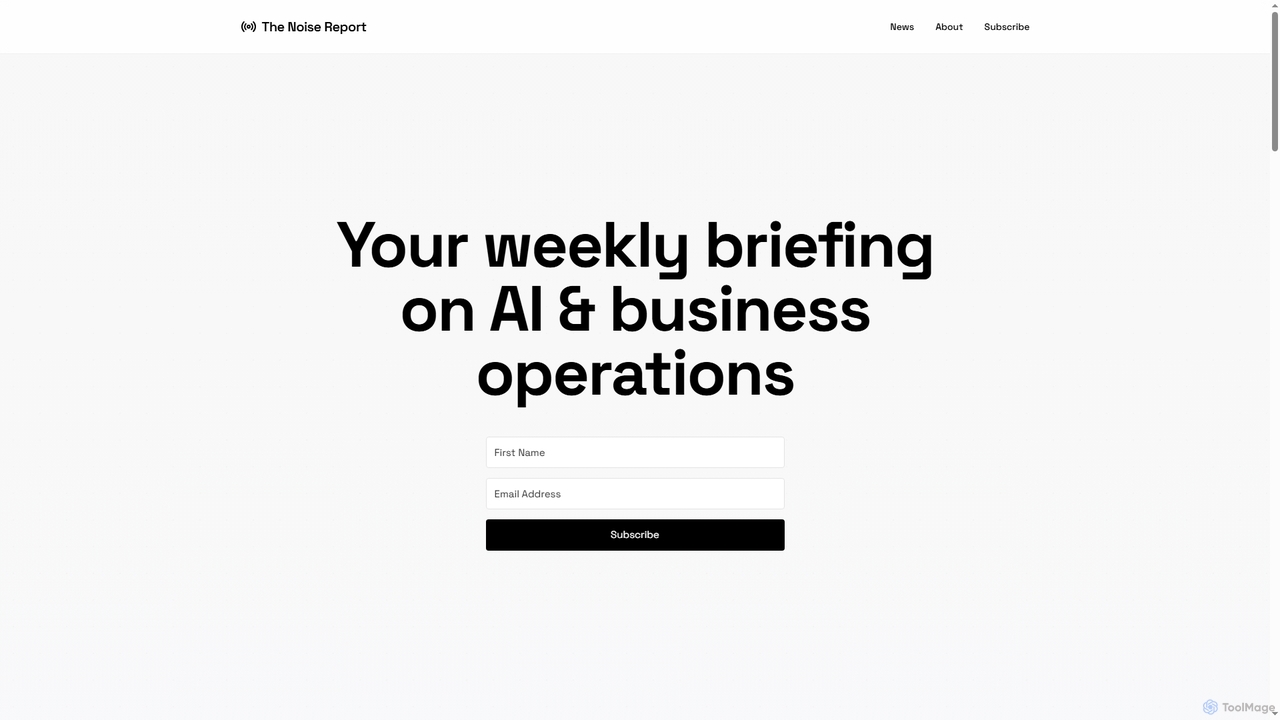
The Noise Report
The Noise Report is a weekly email briefing that distills complex updates in AI, automation, and business operations into clear, actionable insights. It helps business operators cut through the hype and focus on what truly drives leverage for their online businesses, delivered directly to their inbox.
NewsletterVisits 4.2KFavorites 121Likes 113

Bubio
Bubio is an AI tool accessible via bubio.ai, designed to offer solutions powered by artificial intelligence. Specific functionalities and detailed features are not available from the provided information.
Digital ToolsVisits 92KFavorites 125Likes 144

Free
Adobe Newsroom
Adobe Newsroom is the official source for the latest news, press releases, and media assets from Adobe. It provides in-depth information on product updates, financial performance, and technological innovations, with a strong focus on Adobe's advancements in artificial intelligence across its Creative Cloud, Document Cloud, and Experience Cloud suites. It is an essential resource for journalists, analysts, partners, and customers.
3DVisits 197.1KFavorites 116Likes 119

Free
Euacc
Euacc (European Accelerationism) is a policy advocacy platform and movement dedicated to fostering innovation and economic growth in Europe. It promotes deregulation, supports startups, and champions the adoption of advanced technologies like AI through a crowdsourced manifesto and direct political engagement.
StartupsVisits 5.4KFavorites 129Likes 145
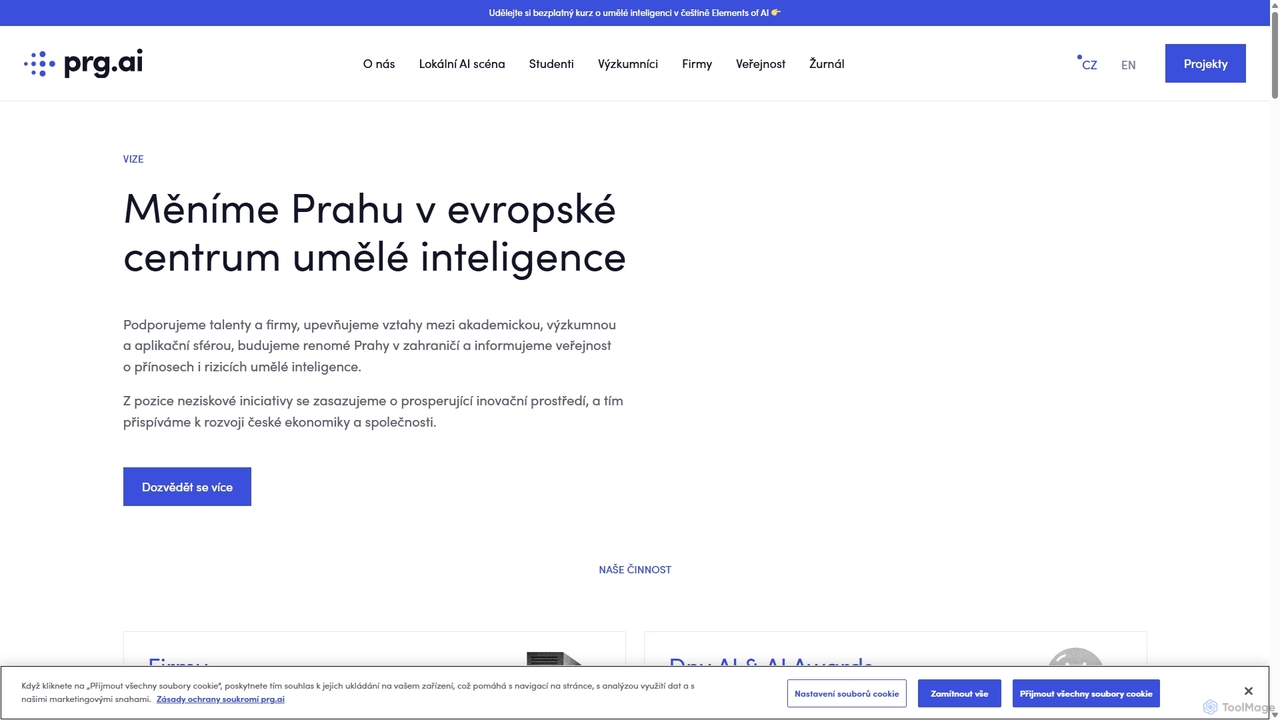
Prg.ai
Prg.ai is a non-profit initiative dedicated to transforming Prague into a world-class AI hub. It connects companies, academic institutions, and researchers to foster talent, support innovation, and build a thriving artificial intelligence ecosystem. Through educational programs, community events, and industry collaboration, Prg.ai aims to advance the Czech economy and society.
NetworkingVisits 15.7KFavorites 119Likes 111
Freemium
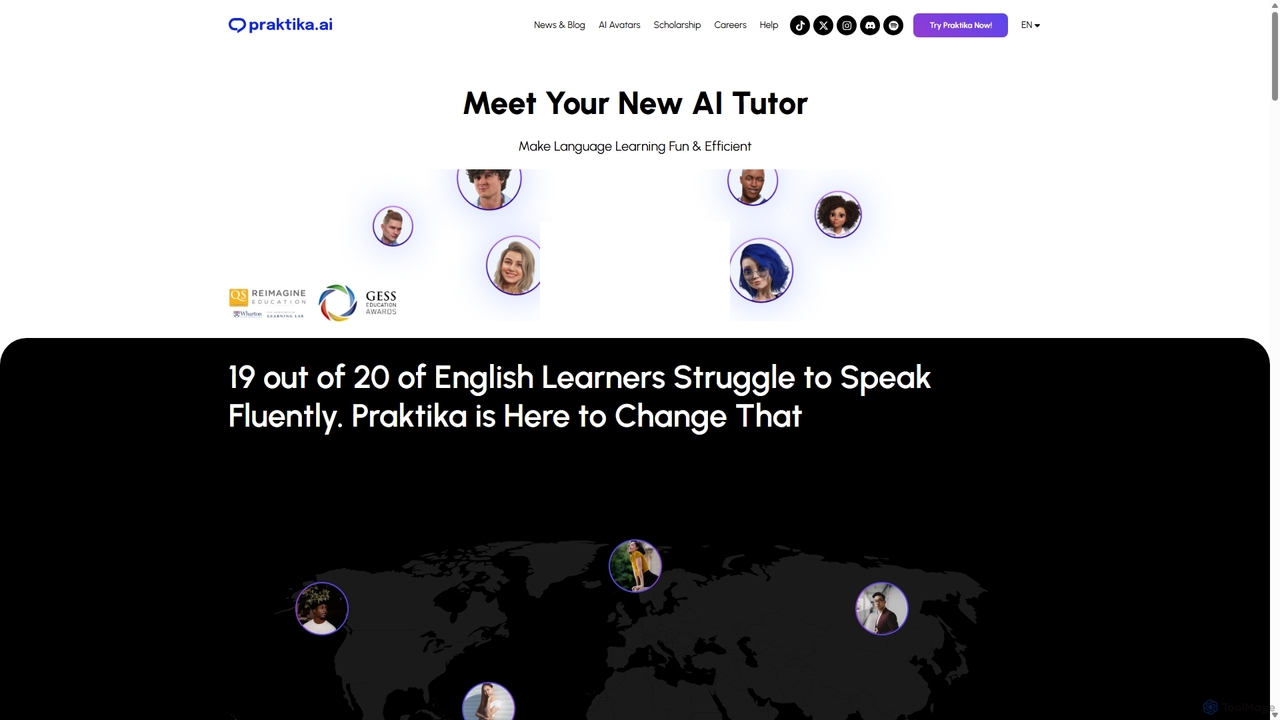
Praktika
Praktika is an AI-powered language learning app that helps you master English and other languages through conversation with ultra-realistic AI avatars. It offers personalized lessons, real-time feedback, and a pressure-free environment to improve fluency, pronunciation, and confidence 24/7.
Language LearningVisits 237KFavorites 146Likes 136
Freemium
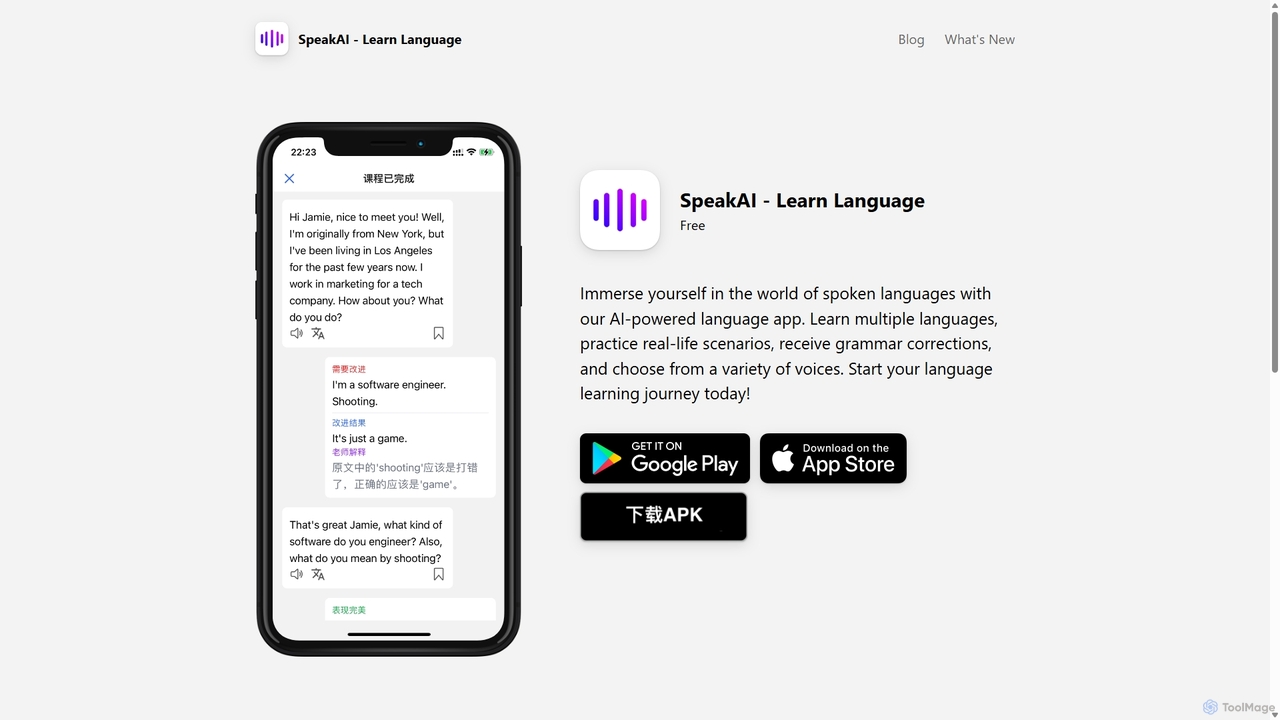
SpeakAI
SpeakAI is an AI-powered language learning app designed to improve your conversational skills. Powered by OpenAI, it offers an immersive experience with an AI tutor, real-life scenario courses, and real-time dialogue practice. Receive instant grammar corrections, choose from over 100 voices, and learn languages like Spanish, French, Chinese, and more. It's a personalized, interactive way to achieve fluency anytime, anywhere.
Language LearningVisits 4.1KFavorites 101Likes 97

Freemium
X-ray Interpreter
X-ray Interpreter is an AI-powered platform that provides instant, detailed analysis of radiological images like X-rays, CT scans, MRIs, and ultrasounds. It offers a reliable second opinion for patients, families, and medical professionals, delivering easy-to-understand reports to empower informed healthcare decisions. The service is fast, secure, and cost-effective, with a free preview option.
Medical ImagingVisits 80.5KFavorites 143Likes 150

Paid
Greyparrot
Greyparrot is an AI-powered waste intelligence platform that uses computer vision to automate waste composition analysis and sorting in recycling facilities. By deploying AI-monitoring units on conveyor belts, it provides real-time data on waste streams, helping facilities increase recycling rates, improve sorting quality, and enhance operational efficiency. This technology empowers the waste management industry to make data-driven decisions and advance the circular economy.
Data AnalyticsVisits 18.6KFavorites 129Likes 119

Freemium
Paris77
Paris77 is an AI-enhanced online entertainment platform specializing in dynamic slot gaming experiences. It utilizes artificial intelligence to provide personalized game recommendations, ensure fair play through certified algorithms, and deliver a secure, engaging, and customized user journey for gaming enthusiasts.
GamingVisits 4.1KFavorites 119Likes 104

Paid
nuraaihealthscreening
Nura provides advanced AI-powered health screening services in India. Utilizing ultra-low-dose CT scans and AI-enhanced image analysis, Nura offers comprehensive, rapid, and safe detection of early-stage cancers, heart conditions, and lifestyle diseases. The entire process, from screening to a doctor's consultation, is completed within 120 minutes, focusing on preventive care and early diagnosis with minimal radiation exposure.
Medical DiagnosticsVisits 5.1KFavorites 105Likes 106
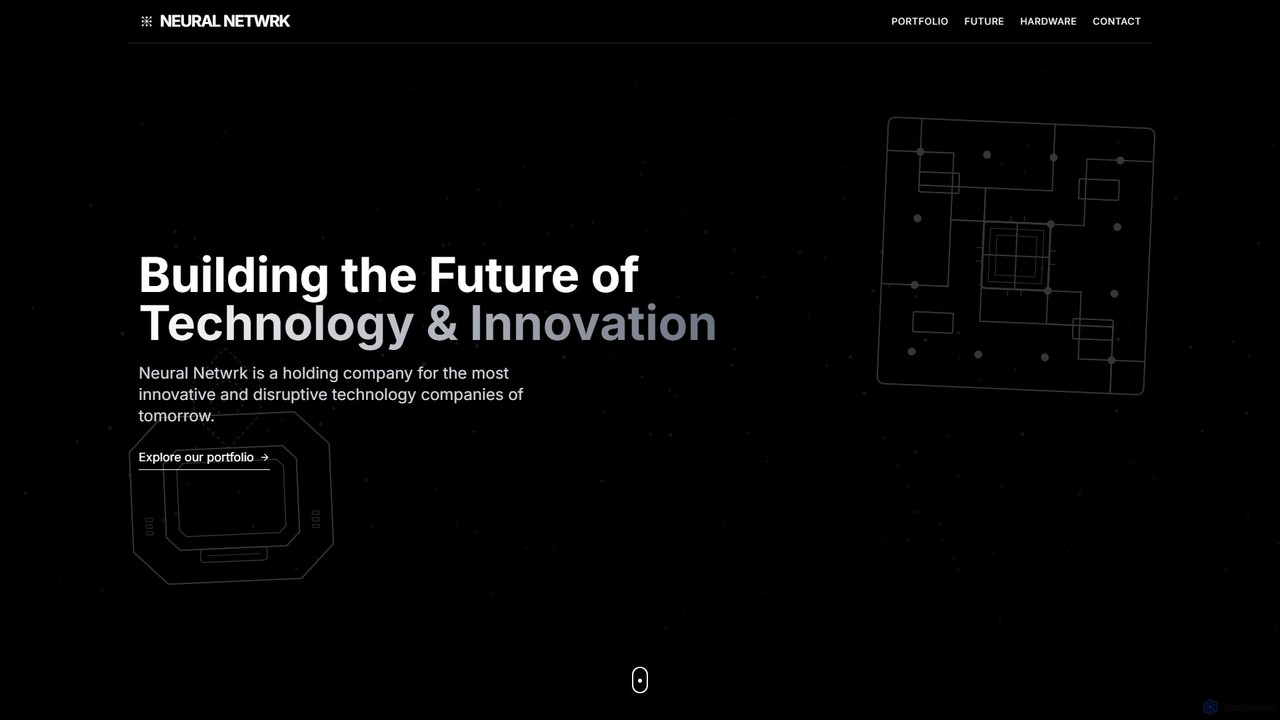
Neural Netwrk
Neural Netwrk is a technology holding company that builds and invests in a portfolio of innovative and disruptive companies. It focuses on pioneering advancements in AI, SaaS, and hardware, nurturing ventures from R&D to market launch, including AI-powered job platforms and LLM integration solutions.
Ai EcosystemVisits 4.1KFavorites 131Likes 136
Freemium
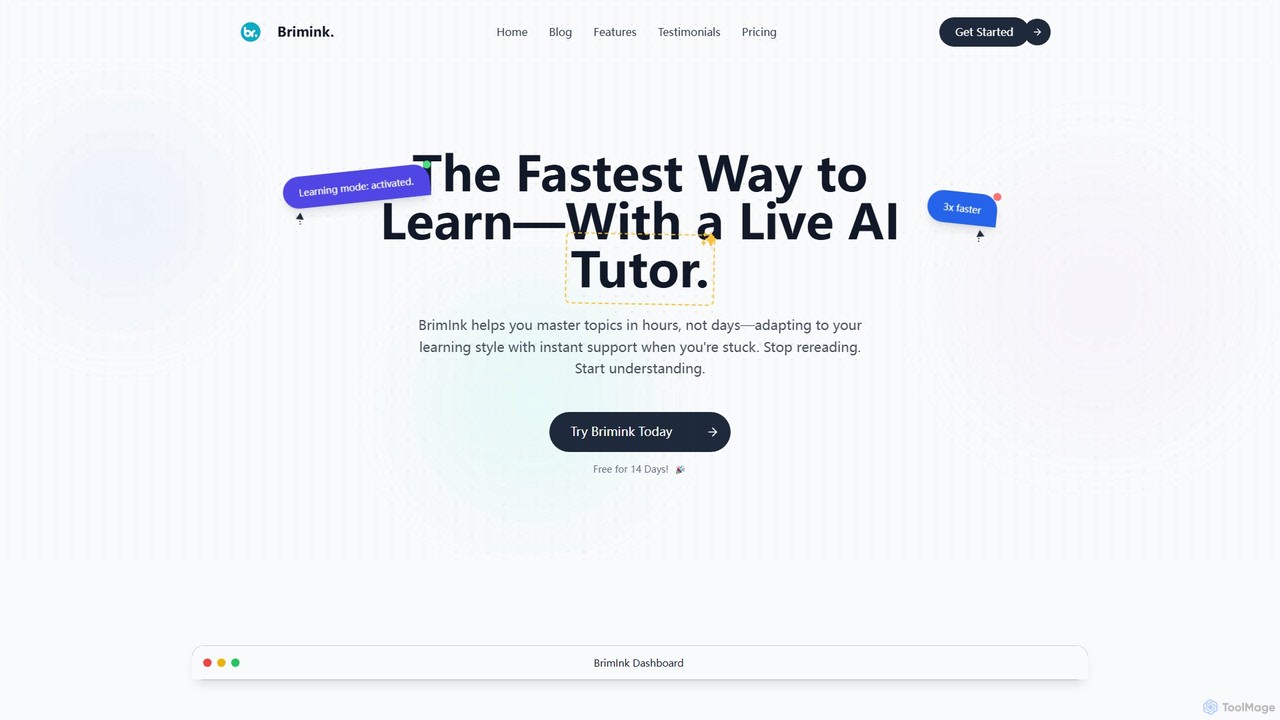
Brimink
Brimink is a personal AI tutor designed to help you master topics 3x faster. It adapts to your unique learning style, providing instant support and visual explanations to replace dense text. Ideal for students and lifelong learners seeking deeper understanding and efficiency.
TutoringVisits 4KFavorites 119Likes 117
Free
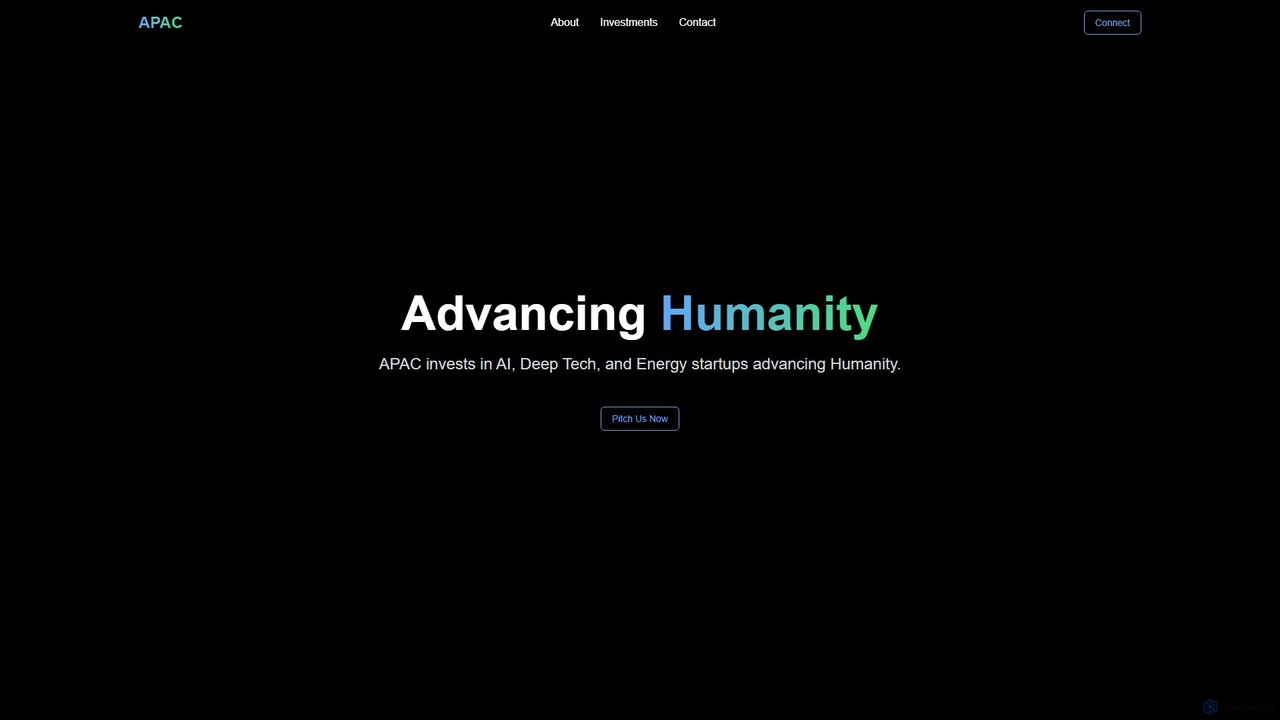
APAC
APAC is a mission-driven venture capital firm that invests in and supports early-stage startups in AI, Deep Tech, and Energy. It provides strategic funding and expert guidance to visionary entrepreneurs aiming to solve significant global challenges and advance humanity.
Startup IncubationVisits 5.4KFavorites 123Likes 134
Freemium
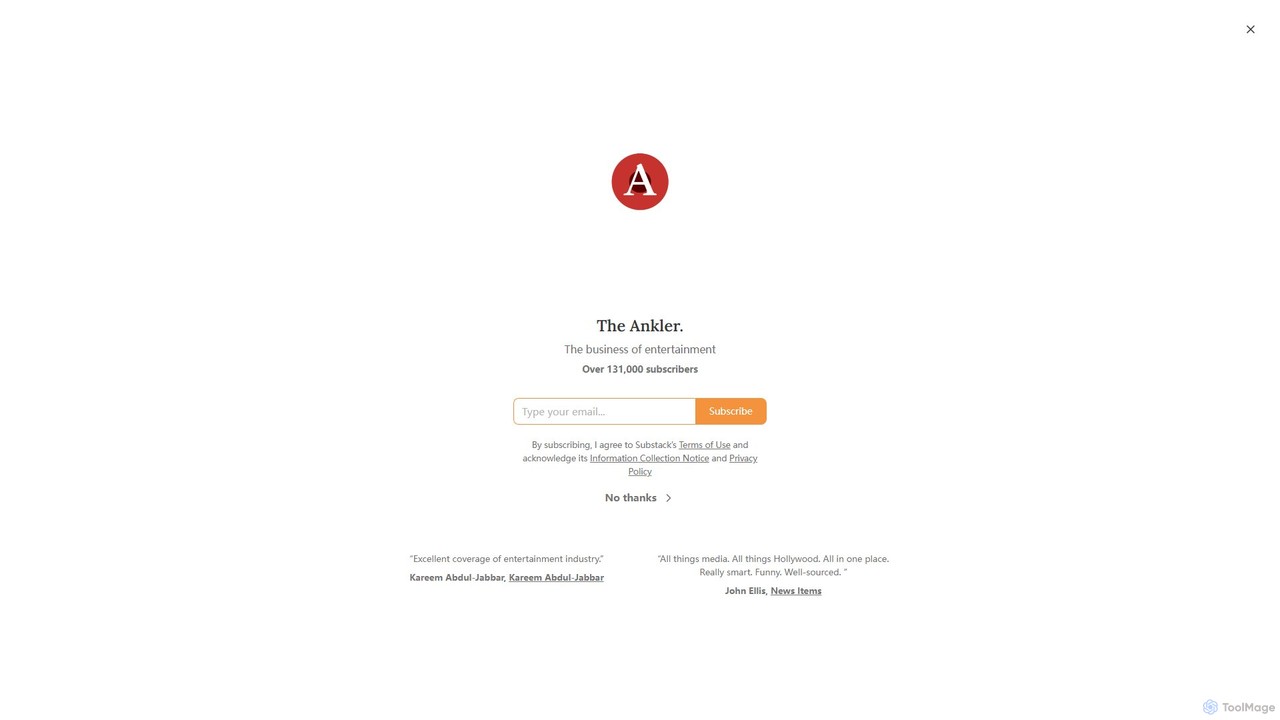
The Ankler
The Ankler is a premier media platform and newsletter offering insider analysis and sharp commentary on the Hollywood entertainment industry. It provides in-depth coverage of business deals, power dynamics, and the transformative impact of technology, with a dedicated section, 'Reel AI,' focusing on Artificial Intelligence in film and television.
Market IntelligenceVisits 247.2KFavorites 120Likes 142
About Technology
AI Technology tools are foundational platforms, models, and APIs that enable the development of artificial intelligence applications. These tools leverage core AI disciplines like machine learning, natural language processing (NLP), and computer vision to provide the building blocks for creating intelligent systems. Their primary value lies in empowering developers and businesses to integrate sophisticated AI capabilities into their own products, services, and workflows without building everything from scratch. This category represents the engine that powers a vast array of specialized AI solutions across all industries.
Core Features
- Model Access via APIs: Provides programmatic access to pre-trained models, such as large language models (LLMs) or image recognition systems, for easy integration.
- MLOps Platforms: Offers end-to-end environments for managing the machine learning lifecycle, including data preparation, model training, deployment, and monitoring.
- Data Processing & Annotation: Includes tools for cleaning, transforming, and accurately labeling large datasets, which is crucial for training effective AI models.
- AI Infrastructure: Delivers access to optimized computing resources, like GPUs and TPUs, necessary for handling intensive AI training and inference workloads.
Applicable Scenarios
These tools are primarily used by software developers building AI-powered features, data scientists training custom models for specific business problems, and large enterprises creating proprietary AI systems. For instance, a developer might use an NLP API to add a chatbot to an app, while a research team could use an MLOps platform to develop a new fraud detection algorithm.
Selection Criteria
When choosing an AI Technology tool, consider its scalability to handle your data and user load. Evaluate the availability and quality of its pre-trained models and the flexibility for customization or fine-tuning. Assess the ease of integration through APIs and SDKs with your existing technology stack. Finally, analyze the pricing model—whether it's pay-per-use for APIs or subscription-based for platforms—to align with your budget and usage patterns.
Featured tool rankings
Most popular





Most favorited



Most liked


Popular free tools



Technology use cases
1
Build a Custom Customer Service Chatbot
A startup's development team needs to create a sophisticated chatbot for their e-commerce platform. Instead of building a natural language processing model from scratch, they use a large language model (LLM) API. They provide the API with their product documentation and past customer service transcripts for context. This allows the chatbot to understand user intent accurately and provide relevant, company-specific answers. The result is a 24/7 automated support system that handles over 70% of common inquiries, freeing up human agents for more complex issues.
2
Develop a Medical Image Analysis System
A health-tech company aims to create a tool for radiologists that can detect early signs of disease in X-rays. Their data science team uses an MLOps platform to manage the entire workflow. They start by using the platform's data annotation tools to label thousands of images. Then, they train a custom computer vision model on the platform's GPU-powered infrastructure. The platform helps them track experiments, version models, and finally deploy the best-performing model as a secure API that can be integrated into hospital software, improving diagnostic accuracy.
3
Integrate Voice Commands into a Smart Home App
A mobile app developer wants to add voice control to their smart home application. They utilize a cloud-based Speech-to-Text API. When a user speaks a command like "Dim the living room lights," the app sends the audio to the API. The API transcribes the speech into text with high accuracy and low latency, and sends it back to the app. The app then parses the text to execute the corresponding action. This integration provides a hands-free, convenient user experience without the developer needing to become an expert in speech recognition technology.
4
Automate Document Processing for a Financial Firm
A financial services company processes thousands of invoices and loan applications daily, a task that is manual and error-prone. They implement an AI platform that combines Optical Character Recognition (OCR) and Natural Language Processing (NLP). Scanned documents are fed into the system. The OCR technology converts images to text, and the NLP model then extracts and categorizes key information like invoice numbers, amounts, and applicant names. This data is automatically populated into their financial software, reducing manual data entry by 90% and significantly improving data accuracy.
5
Power a Recommendation Engine for an E-commerce Site
An online retailer wants to increase sales by providing personalized product recommendations. Their data science team uses a machine learning platform to build a recommendation engine. They feed the platform with historical data, including user purchase history, browsing behavior, and product details. The platform provides tools to preprocess this data and train several recommendation models (e.g., collaborative filtering). After evaluating the models, they deploy the most effective one as an API. This API is called by their website to display a unique 'Recommended for You' section for each visitor, leading to a 15% increase in conversion rates.
6
Create a Generative AI Application
A startup founder wants to build a new application that generates marketing copy for social media. They decide to use a foundational text-generation model available via an API. Their development team builds a user interface where marketers can input a product description and target audience. This input is sent to the AI model's API, which returns several creative ad copy variations. By building on top of an existing powerful model, the startup can launch their product in a few weeks instead of years, focusing their resources on user experience and market strategy rather than core model development.
Related categories
Technology FAQ
What are AI Technology tools?
AI Technology tools are the foundational components—such as platforms, APIs, and infrastructure—that developers and data scientists use to build, deploy, and manage AI applications. Unlike end-user AI tools (like a specific chatbot app), these are the 'engines' or 'toolkits' used to create those applications. They provide access to core capabilities like machine learning models, natural language processing, and computer vision, enabling the creation of custom AI solutions without starting from scratch.
How do I choose the right AI Technology platform?
Choosing the right platform depends on your specific needs. Consider the following factors:
- Project Goal: Are you integrating a simple feature via an API (e.g., translation) or building a complex, custom model from scratch (requiring an MLOps platform)?
- Technical Expertise: Some platforms offer low-code solutions, while others require deep machine learning knowledge.
- Scalability: Ensure the platform can handle your expected data volume and user traffic.
- Cost: Compare pricing models. API calls are often pay-as-you-go, while platforms might have subscription fees. Evaluate the total cost of ownership, including compute resources.
- Ecosystem: Check for good documentation, community support, and easy integration with your existing tech stack.
What's the difference between an AI Technology platform and a specific AI application?
The key difference is between a 'toolkit' and a 'finished product'.
An AI Technology platform is the toolkit. It provides developers with the models, APIs, and infrastructure to build things. For example, an API that provides access to a large language model is a technology tool.
A specific AI application is the finished product created using that toolkit. For example, an AI writing assistant app that uses the aforementioned language model API to help users write emails is a specific application. The platform is for builders; the application is for end-users.
What are the key components of an AI Technology stack?
A typical AI technology stack includes several layers. At the bottom is the Infrastructure layer, providing computing power (GPUs, TPUs). Above that is the Data Layer, with tools for data storage, processing, and annotation. The next layer is Models & Frameworks, which includes machine learning frameworks (like TensorFlow or PyTorch) and pre-trained models. The top layer is the Application & Deployment Layer, which includes MLOps platforms for managing the model lifecycle and APIs that make the AI capabilities accessible to other software.
Who are the primary users of AI Technology tools?
The primary users are technical professionals who build or integrate AI systems. This includes:
- Software Developers: They use APIs to integrate AI features like text generation or image recognition into their applications.
- Data Scientists & Machine Learning Engineers: They use MLOps platforms and frameworks to train, test, and deploy custom machine learning models.
- Enterprise IT Teams: They leverage these platforms to build and manage proprietary AI solutions that solve specific business challenges, such as fraud detection or supply chain optimization.
- Researchers: They use the infrastructure and frameworks to experiment with and develop new AI algorithms.