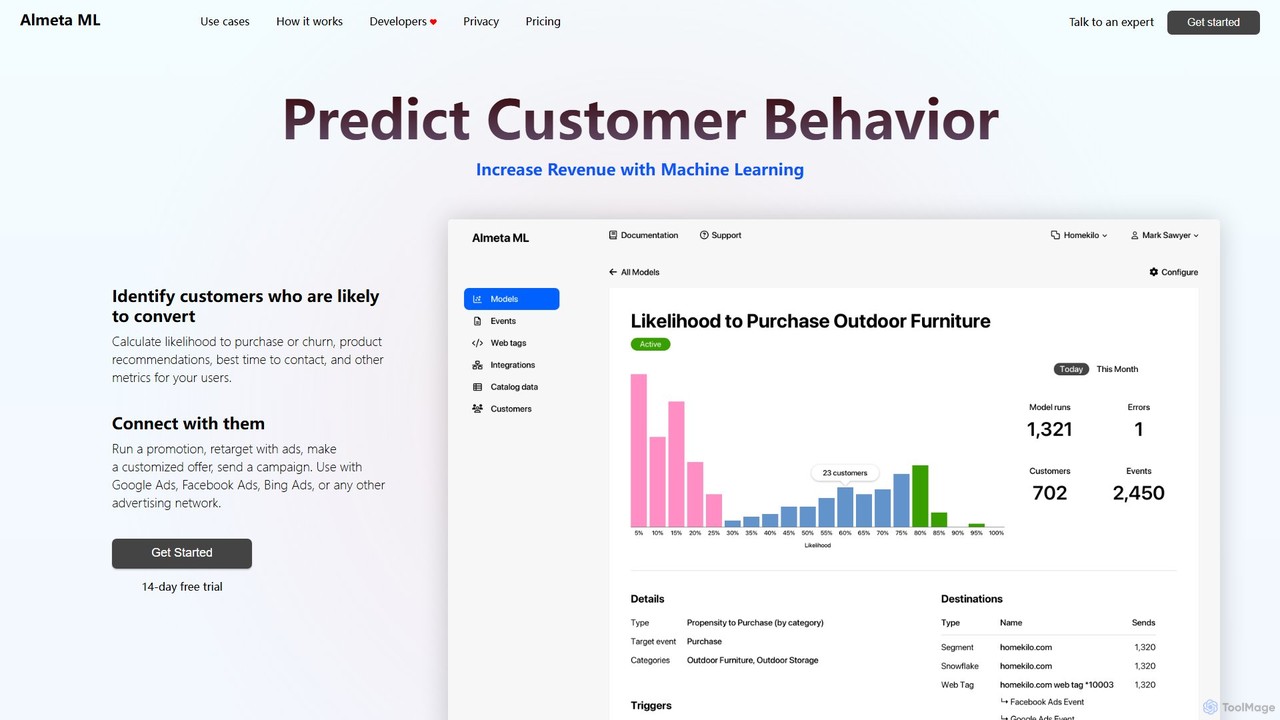
Almeta ML is a machine learning platform that predicts customer behavior on your website in real-time. It helps businesses increase revenue and ROAS by identifying users likely to convert, purchase, or churn. The tool provides actionable metrics like propensity scores, product recommendations, and optimal contact times, integrating seamlessly with advertising and marketing platforms like Google Ads, Facebook Ads, and Shopify.
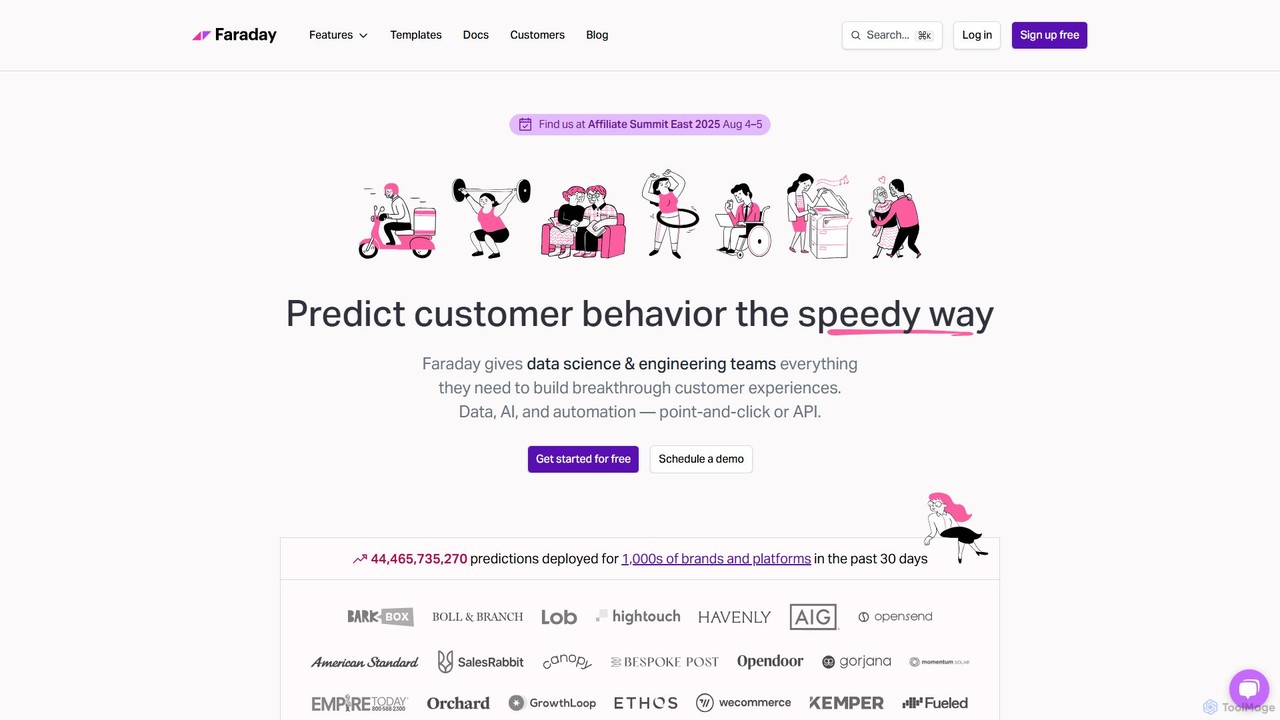
Faraday is an AI platform that predicts customer behavior, enabling brands to forecast actions like purchases, churn, and lead conversion. It uses a vast consumer data graph and machine learning via a simple API to deliver actionable scores for personalized marketing and optimized operations.
Product overview
Almeta ML Product overview
Almeta ML is a machine learning platform that predicts customer behavior on your website in real-time. It helps businesses increase revenue and ROAS by identifying users likely to convert, purchase, or churn. The tool provides actionable metrics like propensity scores, product recommendations, and optimal contact times, integrating seamlessly with advertising and marketing platforms like Google Ads, Facebook Ads, and Shopify.
Faraday Product overview
Faraday is an AI platform that predicts customer behavior, enabling brands to forecast actions like purchases, churn, and lead conversion. It uses a vast consumer data graph and machine learning via a simple API to deliver actionable scores for personalized marketing and optimized operations.
Detailed feature comparison
| Feature | Almeta ML | Faraday |
|---|---|---|
| Primary category | Customer Behavior Analysis | Customer Intelligence |
| Added | 2025-08-04 | 2025-08-17 |
| Pricing | Freemium | Freemium |
| Official website | almeta.cloud | faraday.ai |
| Product type | Website | Website |
| Performance data | ||
| User rating | Not verified | Not verified |
| Comments | 0 | 0 |
| Monthly visits | 1.2K | 13.7K |
| Monthly growth | 282.8% | 14% |
| Favorites | 102 | 136 |
| Details | View details | View details |
Almeta ML vs Faraday monthly traffic
Compare Almeta ML and Faraday by monthly reach, traffic trend, visit depth, top regions, and acquisition sources.
How to interpret the traffic data
In the Almeta ML vs Faraday monthly traffic comparison, Almeta ML currently shows 1.2K visits and Faraday shows 13.7K; Faraday has about 11.6 times the visible traffic of Almeta ML, an absolute difference of about 12.5K visits. This reflects visible reach, not feature quality or paid users.
Both tools provide verified traffic details, so monthly trends, visit depth, regions, and acquisition sources can be compared on the same basis.
Almeta ML monthly traffic:
Latest traffic
Monthly traffic trend
- 2025/8: 69 Monthly visits
- 2025/9: 309 Monthly visits
- 2026/3: 0 Monthly visits
- 2026/4: 0 Monthly visits
- 2026/5: 1.2K Monthly visits
Top regions
Top 5 countries/regions
| Country/region | Percentage | Traffic |
|---|---|---|
| 🇺🇸United States | 100% | 1.2K |
Search keywords
Faraday monthly traffic:
Latest traffic
Monthly traffic trend
- 2025/9: 11.6K Monthly visits
- 2026/1: 16.2K Monthly visits
- 2026/2: 11.2K Monthly visits
- 2026/3: 12K Monthly visits
- 2026/4: 12K Monthly visits
- 2026/5: 13.7K Monthly visits
Top regions
Top 5 countries/regions
| Country/region | Percentage | Traffic |
|---|---|---|
| 🇺🇸United States | 54.66% | 7.5K |
| 🇮🇳India | 17.62% | 2.4K |
| 🇬🇧United Kingdom | 13% | 1.8K |
| 🇧🇷Brazil | 9.05% | 1.2K |
| 🇨🇦Canada | 5.67% | 776 |
Search keywords
Usage comparison
Compare the core capabilities of Almeta ML and Faraday
Almeta ML Core features
Faraday Core features
Use cases
Almeta ML Use cases
Faraday Use cases
Almeta ML vs Faraday:In-depth comparison and selection guidance
First decide whether the products solve the same kind of need
This in-depth Almeta ML vs Faraday comparison uses only the product records, taxonomy, audience, traffic, and community signals available on this page. Almeta ML is primarily listed under “Customer Behavior Analysis”, while Faraday is primarily listed under “Customer Intelligence”, so the first decision is whether your actual task matches their recorded scope.
The structured fields currently show these decision-relevant differences: Primary category (Almeta ML: Customer Behavior Analysis; Faraday: Customer Intelligence); Monthly visits (Almeta ML: 1.2K; Faraday: 13.7K); Monthly growth (Almeta ML: 282.8%; Faraday: 14%); Favorites (Almeta ML: 102; Faraday: 136); Website (Almeta ML: almeta.cloud; Faraday: faraday.ai). These facts are more useful for selection than brand visibility alone.
What market visibility and monthly traffic mean
In the Almeta ML vs Faraday monthly traffic comparison, Almeta ML currently shows 1.2K visits and Faraday shows 13.7K; Faraday has about 11.6 times the visible traffic of Almeta ML, an absolute difference of about 12.5K visits. This reflects visible reach, not feature quality or paid users.
Both tools provide verified traffic details, so monthly trends, visit depth, regions, and acquisition sources can be compared on the same basis.
If public market visibility is an important first-pass criterion, investigate Faraday first. The final choice should still follow taxonomy, use case, and a real trial because higher traffic does not prove broader capabilities or better workflow fit.
Product positioning, use cases, and roles
Almeta ML and Faraday currently overlap in shared categories: Predictive Analytics; shared tags: lead scoring, marketing automation, and personalization. This can place both on the same shortlist, but it does not prove equal implementation, depth, or cost.
Almeta ML's unique categories/tags are Customer Behavior Analysis, Machine Learning, Lead Scoring, churn prediction, customer behavior, e-commerce, machine learning, and predictive analytics; Faraday's are Customer Intelligence, Api, churn analysis, customer intelligence, customer prediction, data enrichment, machine learning API, and predictive marketing. These unique fields are the strongest differentiators: validate the product whose recorded scope matches the task instead of following traffic alone.
What ratings, comments, and favorites can tell you
Almeta ML has no verified rating, 0 comments, 102 favorites, and 110 likes;Faraday has no verified rating, 0 comments, 136 favorites, and 141 likes。
Neither product has enough rating or comment samples for a credible reputation ranking.
Selection guidance by actual need
When to evaluate Almeta ML first
Put Almeta ML on the priority trial list when the task aligns with “Customer Behavior Analysis” and especially Customer Behavior Analysis, Machine Learning, Lead Scoring, churn prediction, customer behavior, and e-commerce. This follows recorded positioning and does not imply unlisted capabilities are absent.
Almeta ML also currently records: pricing is freemium, product type is website, 1.2K verified monthly visits, no verified user rating. Verify any hard requirement around price, platform, or reach before trial, and do not let sparse review data substitute for testing.
When to evaluate Faraday first
Put Faraday on the priority trial list when the task aligns with “Customer Intelligence” and especially Customer Intelligence, Api, churn analysis, customer intelligence, customer prediction, and data enrichment. This follows recorded positioning and does not imply unlisted capabilities are absent.
Faraday also currently records: pricing is freemium, product type is website, 13.7K verified monthly visits, no verified user rating. Verify any hard requirement around price, platform, or reach before trial, and do not let sparse review data substitute for testing.
How to validate the recommendation before deciding
The available data describes positioning, public visibility, and community signals, but it cannot prove output quality, speed, integration effort, privacy, or long-term cost in your workflow. Before deciding, run the same representative tasks in Almeta ML and Faraday, then record completion time, accuracy, manual corrections, and the real paid threshold. A like-for-like trial turns this comparison into a defensible adoption decision.
Comparison FAQ
How should I choose between Almeta ML and Faraday?
Where does this comparison data come from?
What do unknown fields mean?
Related AI tools

evogage
evogage is an AI-powered customer engagement and sales optimization platform. It uses predictive analytics and machine learning to help businesses understand customer behavior, personalize interactions, and automate sales and marketing funnels for higher conversion rates and growth.
Customer Relationship Management
Intempt
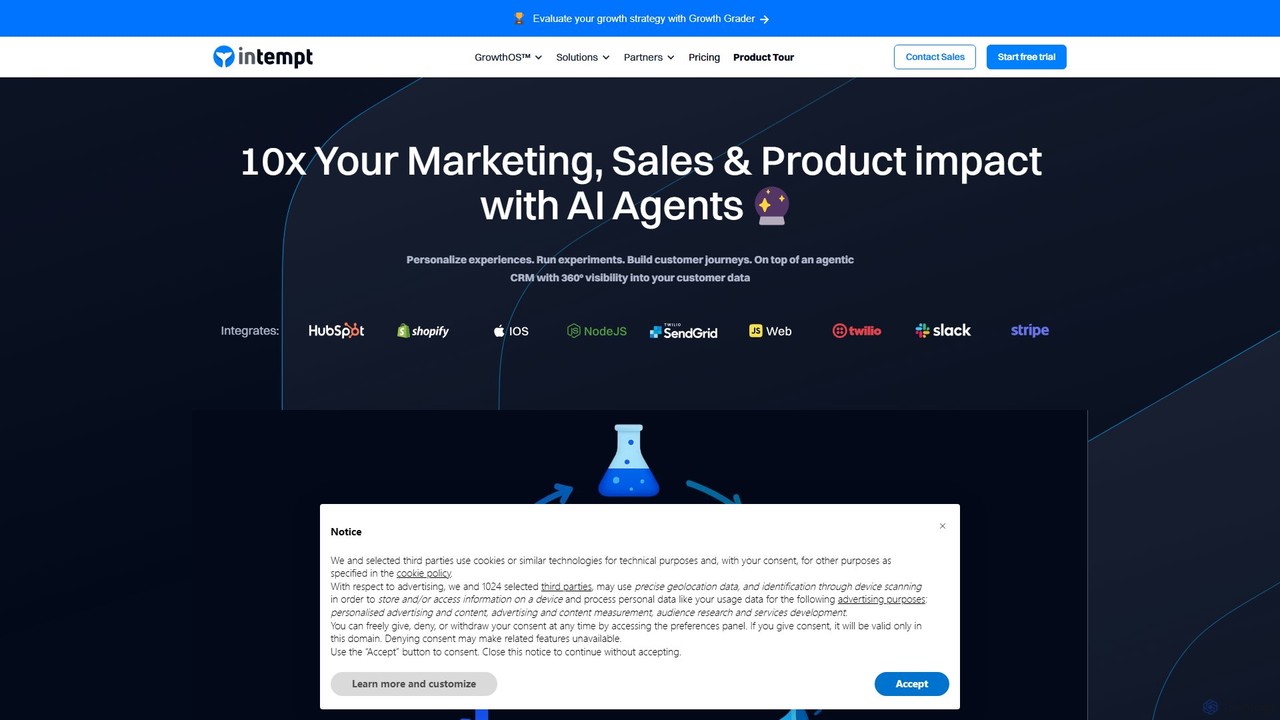
Intempt is an AI-powered growth platform, GrowthOS, designed for marketing, sales, and product teams. It unifies customer data into an agentic CRM, enabling personalized experiences, A/B testing, and automated multi-channel customer journeys to drive growth and improve ROI.
Customer Engagement
Conversion
Conversion is an AI-native B2B marketing automation platform designed for high-growth companies. It enables teams to activate customer data, build dynamic workflows, design personalized emails with a drag-and-drop editor, and track campaign performance in real-time. It seamlessly integrates with CRM and other tools to unify the entire marketing stack.
Email Marketing
Foqus
Foqus is an AI-powered behavioral intelligence platform designed for marketing teams. It provides deep customer profiling and automated segmentation to create highly targeted marketing strategies, helping businesses understand user behavior at scale to boost engagement, conversions, and retention.
Analytics
Breadcrumbs
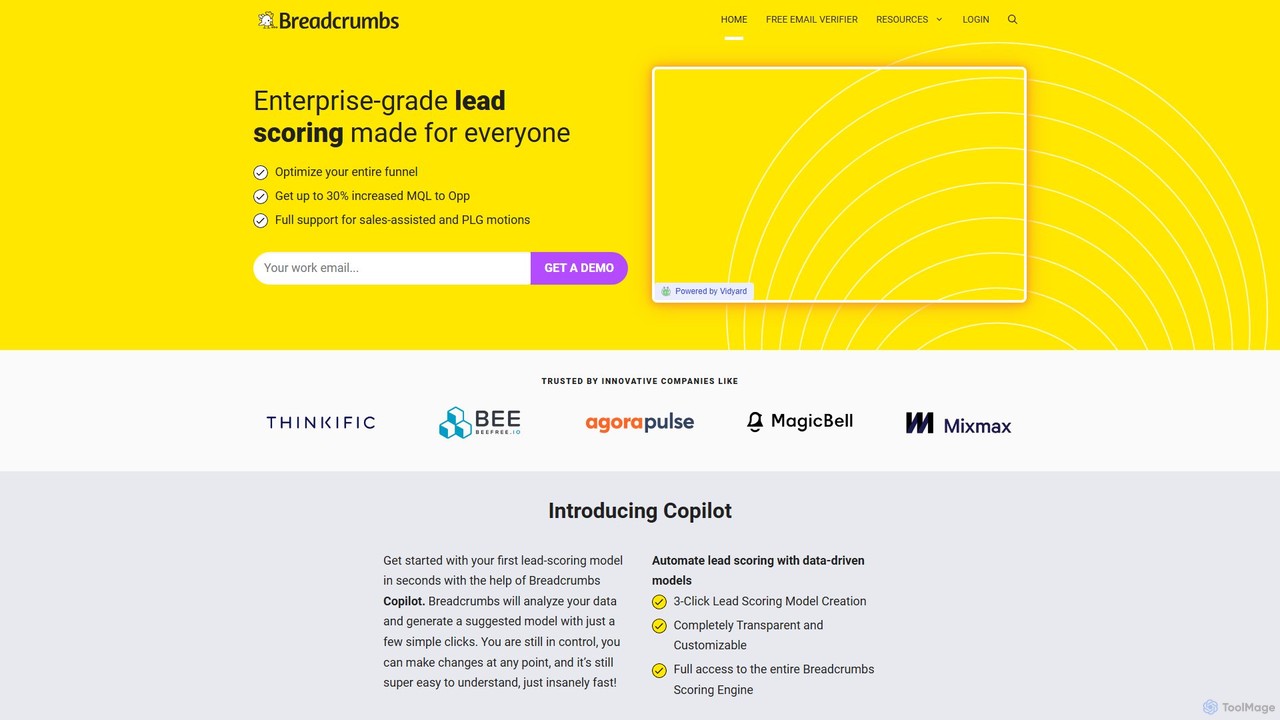
Breadcrumbs is an AI-powered revenue acceleration platform that provides enterprise-grade lead scoring. It connects to your entire tech stack to analyze customer data, helping you identify high-value leads, predict customer behavior, and align sales and marketing teams around objective, data-driven insights for any GTM strategy.
Predictive Analytics
Heyario
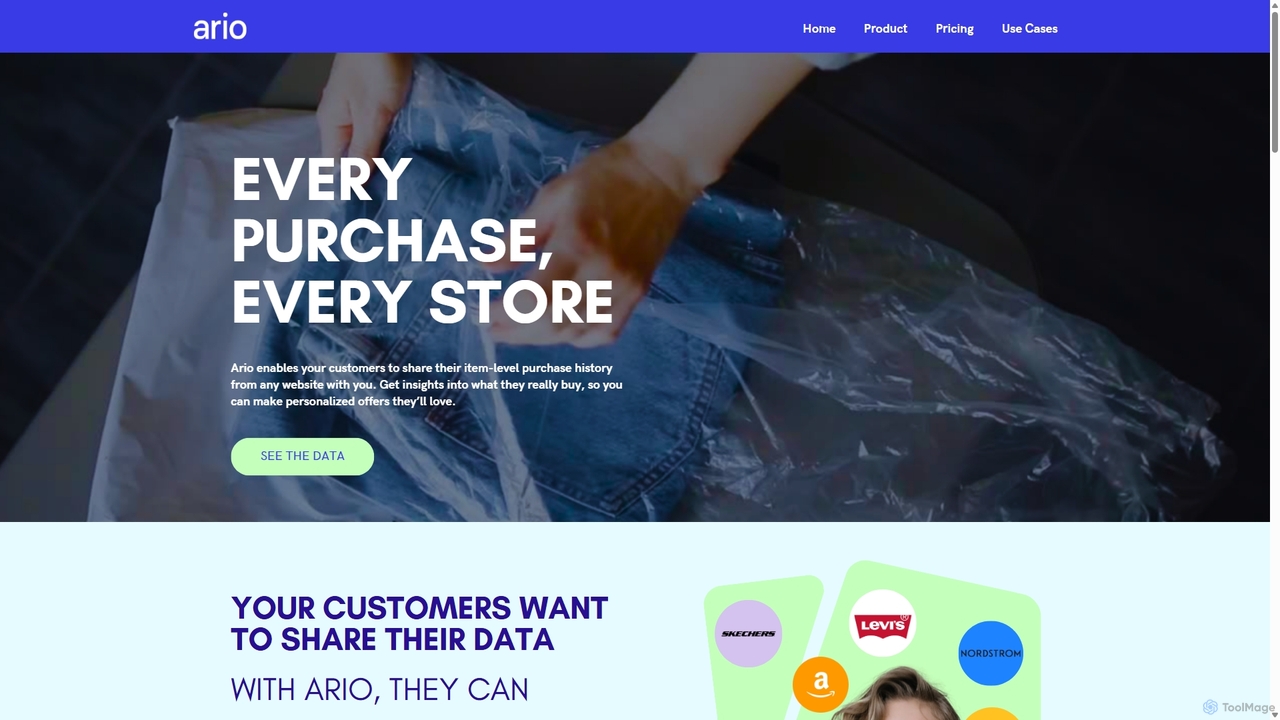
Heyario is an API that enables businesses to access customers' consented, item-level purchase history from any website. It provides deep insights into real buying behavior to power hyper-personalized marketing, reduce returns, and increase customer lifetime value.
Customer Data Platform
Infer
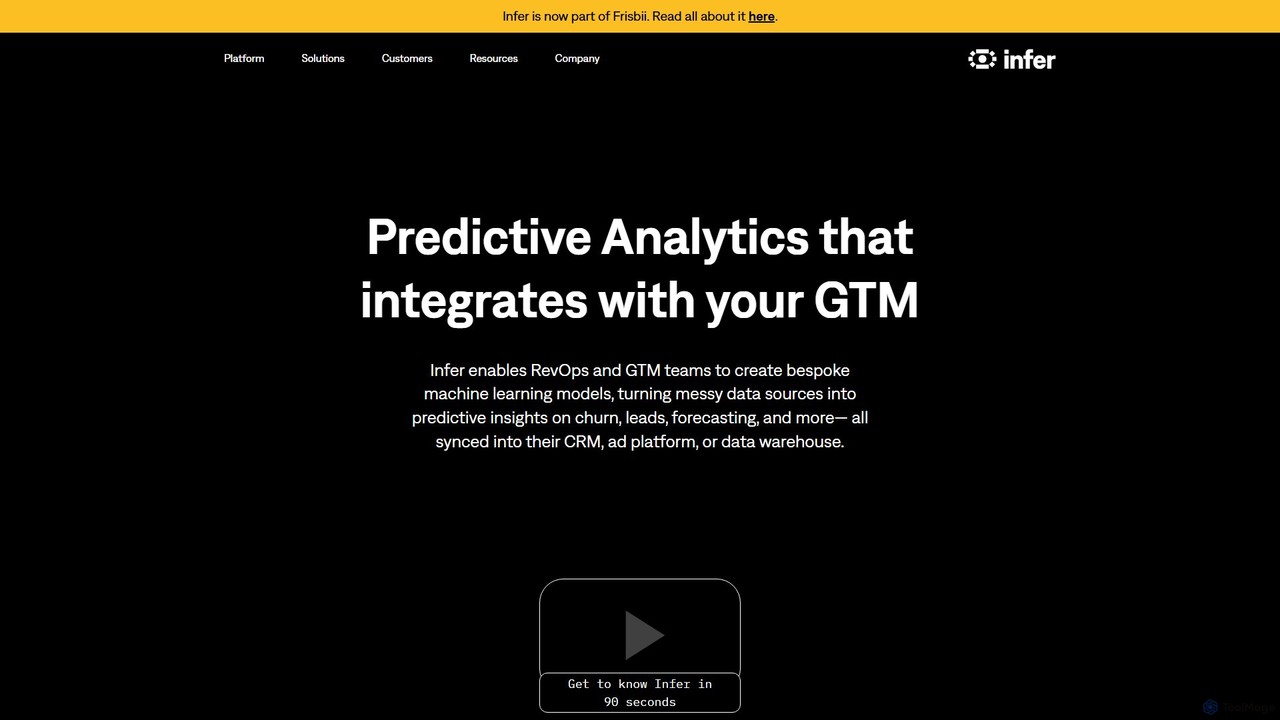
Infer is a predictive analytics platform designed for RevOps and GTM teams. It creates custom machine learning models to transform complex data into actionable insights on churn, lead scoring, and forecasting, seamlessly integrating with your existing CRM, ad platforms, and data warehouses.
Predictive Analytics
Adobe for Business
Adobe for Business is an integrated suite of AI-powered solutions for enterprises, covering digital marketing, creative content production, data analytics, and customer experience management. It empowers organizations to unify customer data, automate workflows, and deliver personalized experiences at scale, driving growth and customer loyalty.
Customer Relationship Management
mindbehind
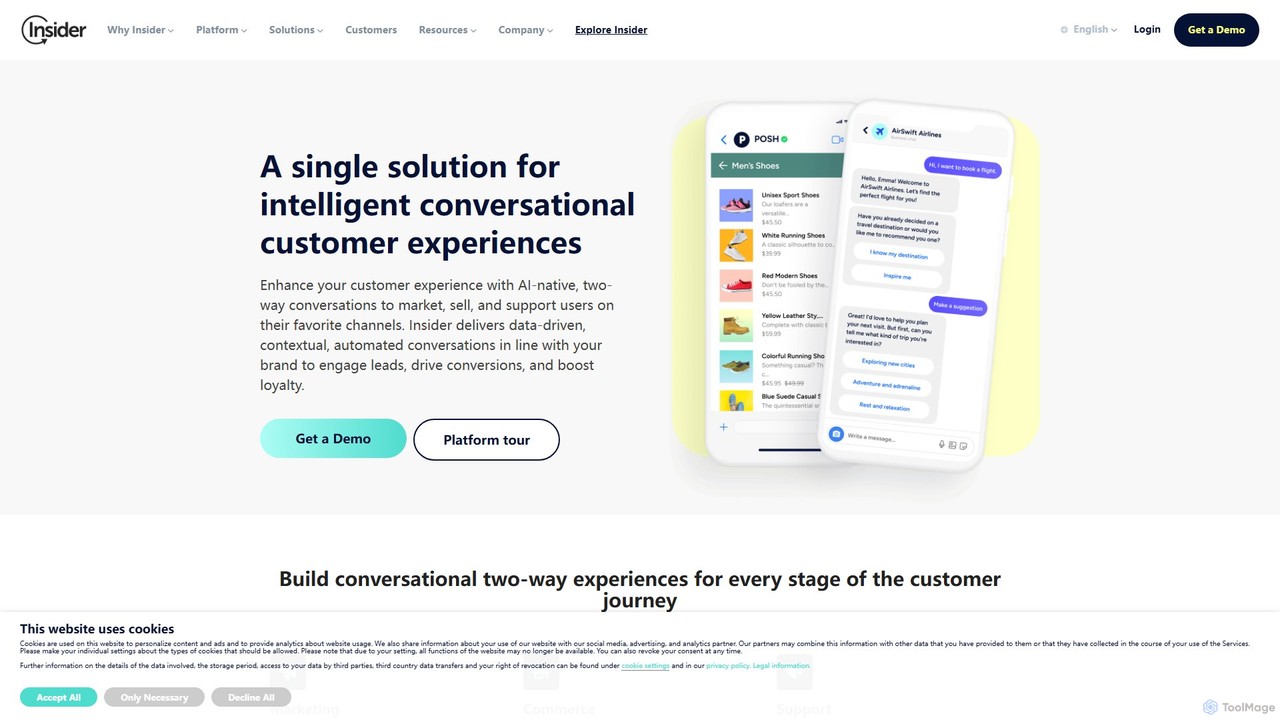
mindbehind, now part of Insider's Conversational CX platform, is an advanced AI-powered solution for creating automated, personalized, and omnichannel conversational experiences. It enables businesses to build and deploy intelligent chatbots on various channels like websites, WhatsApp, and Facebook Messenger to enhance customer support, boost sales, and automate marketing efforts.
Chatbot
Clearbit
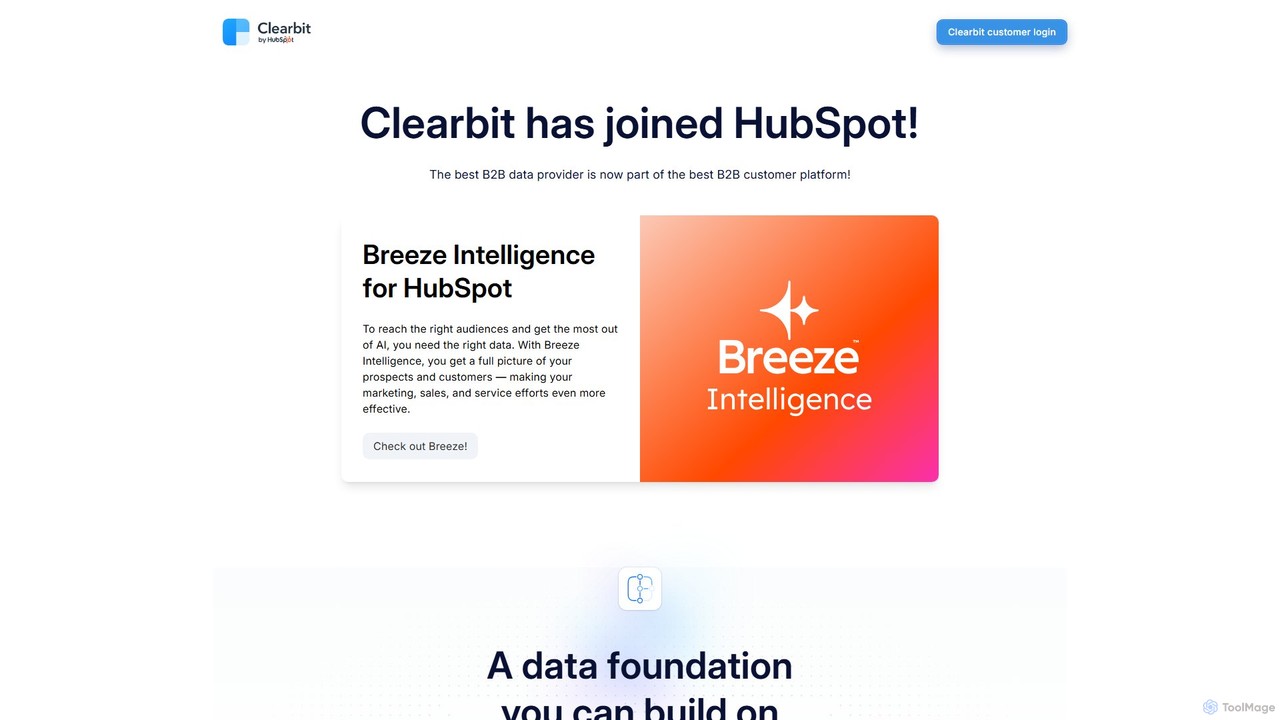
Clearbit is a B2B marketing intelligence platform, now part of HubSpot as Breeze Intelligence. It enriches customer records with comprehensive data, identifies anonymous web traffic, and scores leads in real-time. By leveraging public data, proprietary sources, and LLMs, it helps sales and marketing teams to target, engage, and convert their ideal customers more effectively.
Data Enrichment
Questera
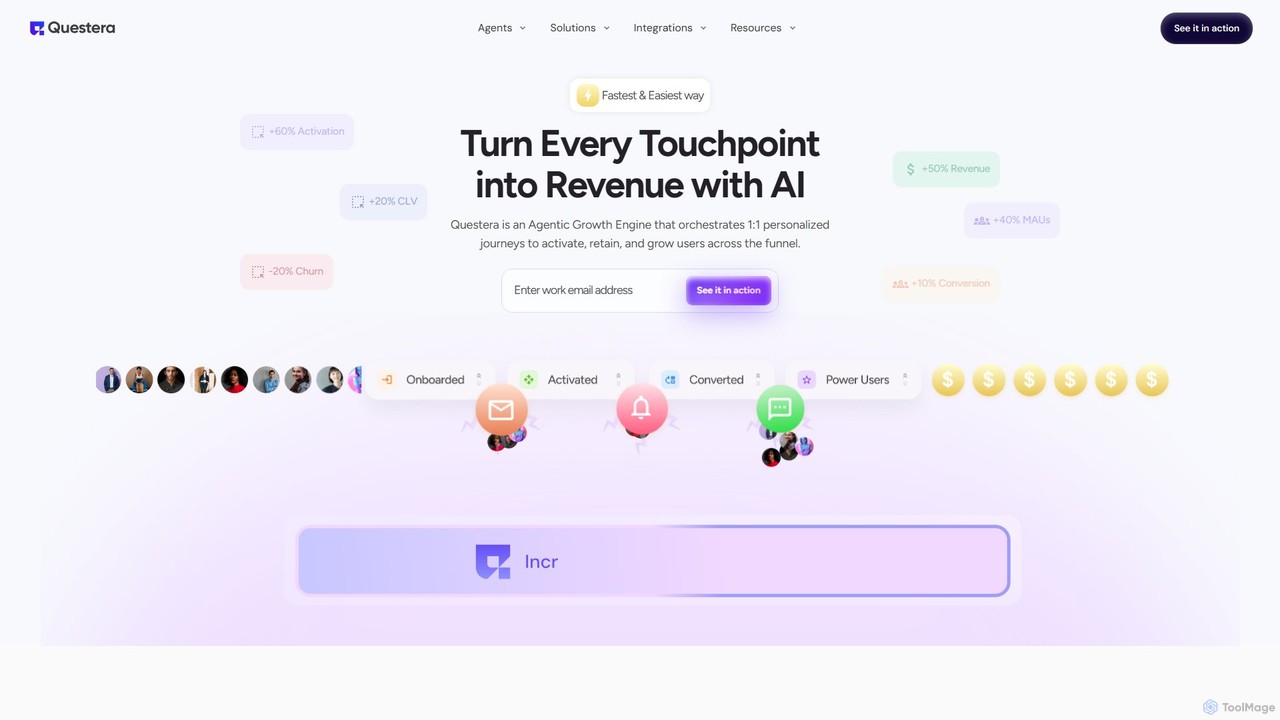
Questera is an agentic AI customer engagement platform that automates marketing, sales, and growth tasks. It utilizes a team of specialized AI agents to create personalized, multi-channel customer journeys, analyze data, segment audiences, and optimize campaigns, helping businesses increase efficiency and drive growth.
Customer Engagement
Akkio
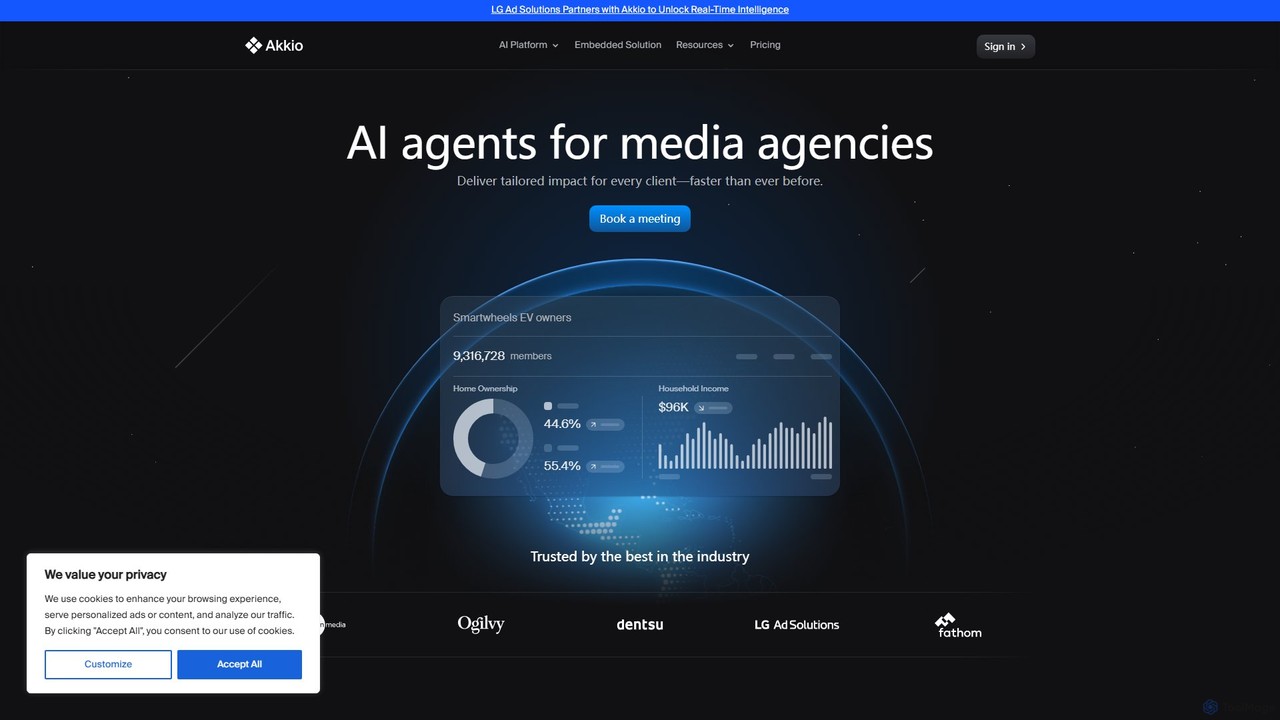
Akkio is a no-code AI platform for generative business intelligence and predictive analytics. It empowers users, especially in media and marketing agencies, to connect data, build machine learning models, and generate insights through natural language chat, without needing data science expertise.
Business Intelligence
Persana AI
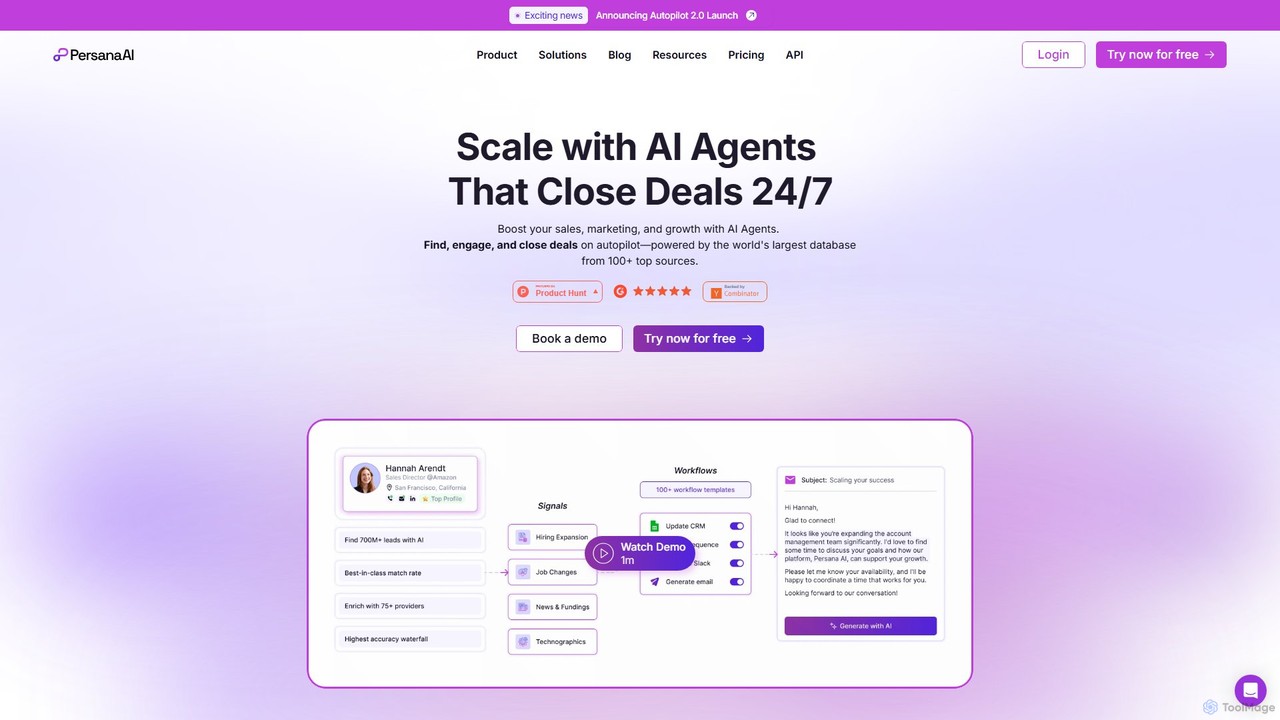
Persana AI is an all-in-one Go-To-Market (GTM) platform that leverages AI to automate sales prospecting, data enrichment, and personalized outreach. It consolidates data from over 75 sources, tracks real-time buying signals, and deploys AI agents to find, engage, and close deals 24/7, helping sales teams boost their pipeline and revenue.
Lead Generation
SwiftERM
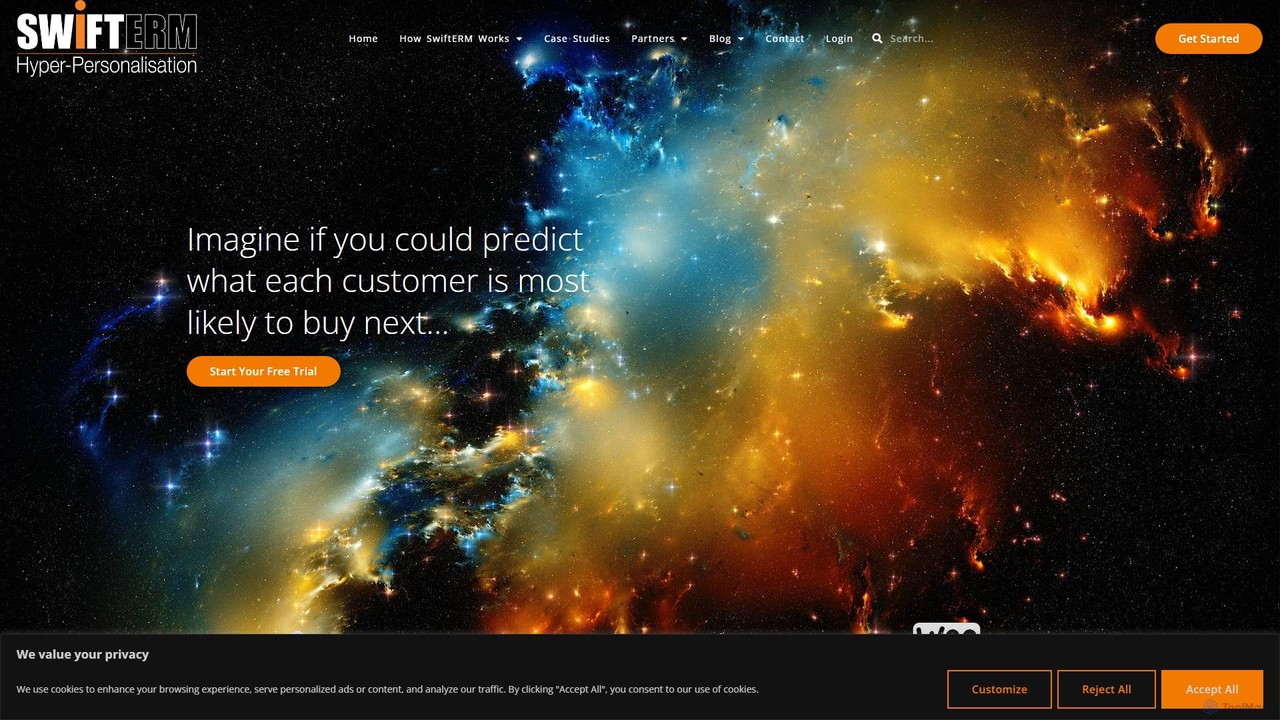
SwiftERM is an autonomous AI hyper-personalization software for e-commerce email marketing. It predicts what each customer is most likely to buy next by analyzing their browsing behavior and purchase history. The system then automatically sends a unique, personalized email at the optimal moment to drive sales. It operates without human intervention, aiming to significantly increase revenue, customer lifetime value (CLV), and return on investment (ROI) for online retailers.
Personalization
MadKudu
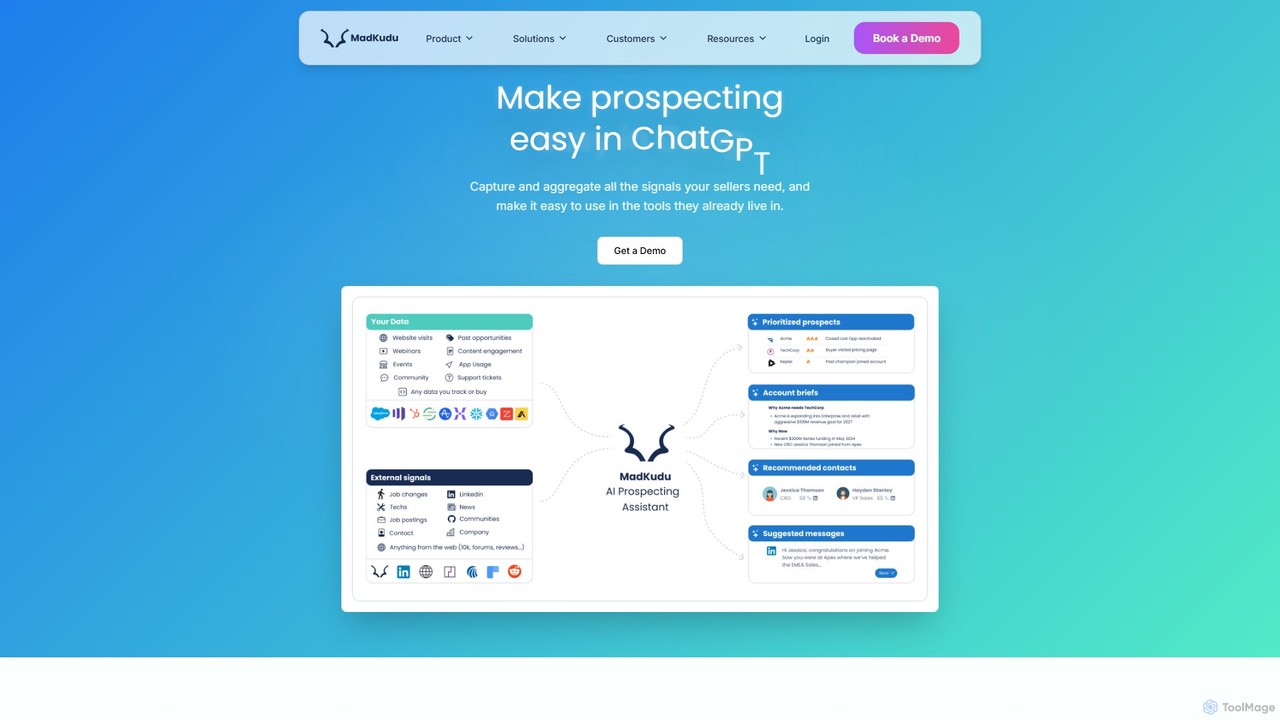
MadKudu is an AI-powered customer intelligence platform for B2B revenue teams. It aggregates data from CRM, marketing, and product usage to score leads, prioritize accounts, and provide actionable insights. By integrating with tools like Salesforce, Gong, and custom AI agents, it helps sellers automate research and personalize outreach, turning cold prospecting into targeted, signal-based engagement.
Marketing Automation