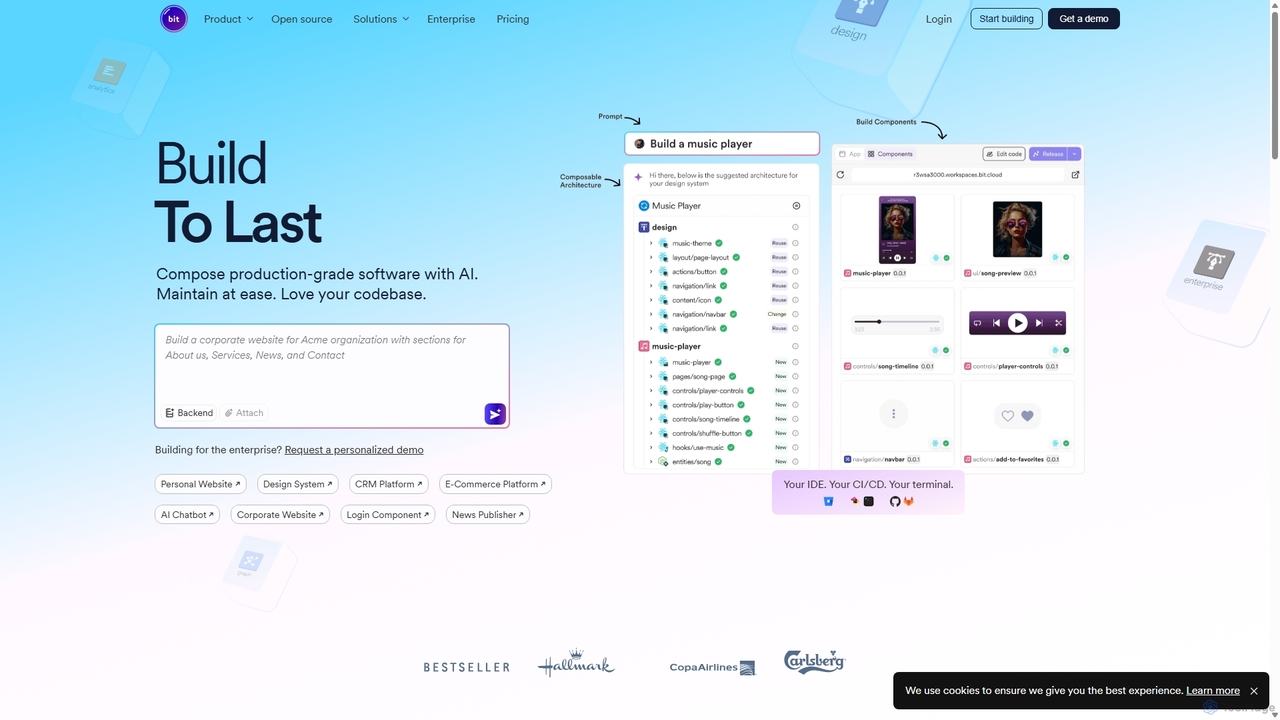
Bit is an AI-powered software composition platform that enables teams to build production-grade applications with composable components. Using its AI agent, Hope AI, developers can generate, version, and share everything from UI elements to backend services. This component-driven approach accelerates development, ensures UI/backend consistency, and simplifies maintenance, allowing teams to stop repeating code and start shipping faster.
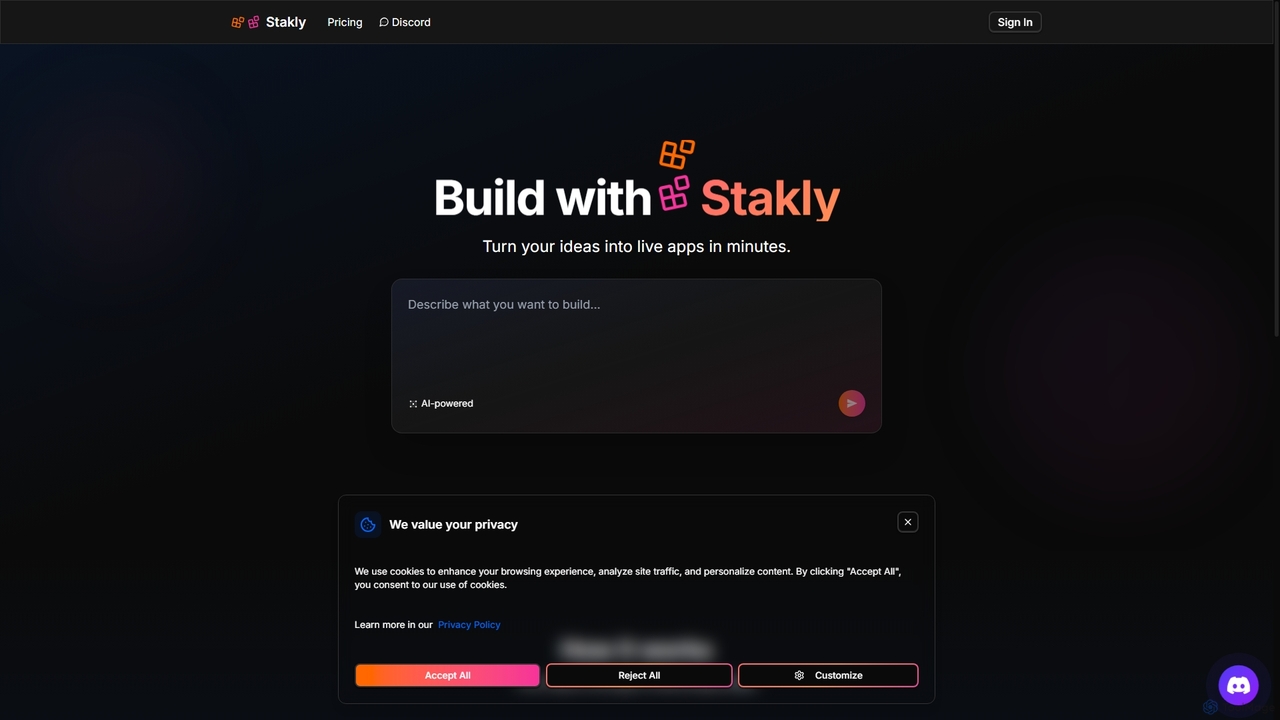
Stakly is an AI-powered development platform that transforms natural language prompts into production-ready, full-stack web applications in minutes. Describe your idea, and the AI generates clean code, which you can deploy with one click or export to own completely. It supports modern frameworks like React, Next.js, and Python, making it ideal for rapid prototyping and development.
Product overview
Bit Product overview
Bit is an AI-powered software composition platform that enables teams to build production-grade applications with composable components. Using its AI agent, Hope AI, developers can generate, version, and share everything from UI elements to backend services. This component-driven approach accelerates development, ensures UI/backend consistency, and simplifies maintenance, allowing teams to stop repeating code and start shipping faster.
Stakly Product overview
Stakly is an AI-powered development platform that transforms natural language prompts into production-ready, full-stack web applications in minutes. Describe your idea, and the AI generates clean code, which you can deploy with one click or export to own completely. It supports modern frameworks like React, Next.js, and Python, making it ideal for rapid prototyping and development.
Detailed feature comparison
| Feature | Bit | Stakly |
|---|---|---|
| Primary category | Low Code No Code | Code Assistant |
| Added | 2025-09-06 | 2025-09-11 |
| Pricing | Freemium | Freemium |
| Official website | bit.cloud | stakly.dev |
| Product type | Website | Website |
| Performance data | ||
| User rating | Not verified | Not verified |
| Comments | 0 | 0 |
| Monthly visits | 32.9K | 3.4K |
| Monthly growth | 477.2% | Not verified |
| Favorites | 81 | 126 |
| Details | View details | View details |
Bit vs Stakly monthly traffic
Compare Bit and Stakly by monthly reach, traffic trend, visit depth, top regions, and acquisition sources.
How to interpret the traffic data
In the Bit vs Stakly monthly traffic comparison, Bit currently shows 32.9K visits and Stakly shows 3.4K; Bit has about 9.7 times the visible traffic of Stakly, an absolute difference of about 29.5K visits. This reflects visible reach, not feature quality or paid users.
Only Bit has complete third-party traffic details; Stakly uses visits recorded inside ToolMage. These scopes cannot estimate market share directly, and on-site views should not be treated as the product’s total website traffic.
Bit monthly traffic:
Latest traffic
Monthly traffic trend
- 2025/9: 11.2K Monthly visits
- 2026/1: 14.3K Monthly visits
- 2026/2: 9.2K Monthly visits
- 2026/3: 12K Monthly visits
- 2026/4: 5.7K Monthly visits
- 2026/5: 32.9K Monthly visits
Top regions
Top 5 countries/regions
| Country/region | Percentage | Traffic |
|---|---|---|
| 🇺🇸United States | 44.27% | 14.6K |
| 🇩🇪Germany | 20.34% | 6.7K |
| 🇧🇷Brazil | 15.24% | 5K |
| 🇹🇷Turkey | 10.28% | 3.4K |
| 🇵🇱Poland | 9.87% | 3.2K |
Traffic sources
| Source type | Percentage | Traffic |
|---|---|---|
| Direct | 70.97% | 23.4K |
| Referral | 28.48% | 9.4K |
| 0.55% | 181 |
Search keywords
Stakly monthly traffic:
Latest traffic
Usage comparison
Compare the core capabilities of Bit and Stakly
Bit Core features
Stakly Core features
Use cases
Bit Use cases
Stakly Use cases
Best suited roles
Bit Best suited roles
Stakly Best suited roles
Bit vs Stakly:In-depth comparison and selection guidance
First decide whether the products solve the same kind of need
This in-depth Bit vs Stakly comparison uses only the product records, taxonomy, audience, traffic, and community signals available on this page. Bit is primarily listed under “Low Code No Code”, while Stakly is primarily listed under “Code Assistant”, so the first decision is whether your actual task matches their recorded scope.
The structured fields currently show these decision-relevant differences: Primary category (Bit: Low Code No Code; Stakly: Code Assistant); Monthly visits (Bit: 32.9K; Stakly: 3.4K); Favorites (Bit: 81; Stakly: 126); Website (Bit: bit.cloud; Stakly: stakly.dev); Added (Bit: 2025-09-06; Stakly: 2025-09-11). These facts are more useful for selection than brand visibility alone.
What market visibility and monthly traffic mean
In the Bit vs Stakly monthly traffic comparison, Bit currently shows 32.9K visits and Stakly shows 3.4K; Bit has about 9.7 times the visible traffic of Stakly, an absolute difference of about 29.5K visits. This reflects visible reach, not feature quality or paid users.
Only Bit has complete third-party traffic details; Stakly uses visits recorded inside ToolMage. These scopes cannot estimate market share directly, and on-site views should not be treated as the product’s total website traffic.
The current traffic scope is not sufficient for a reliable product ranking. Treat monthly visits as a market-interest signal, then decide using taxonomy, use cases, pricing, and a like-for-like trial rather than reading exposure as product capability.
Product positioning, use cases, and roles
Bit and Stakly currently overlap in shared categories: Low Code No Code; shared tags: AI code generation, full stack development, and react; shared roles: Backend Developer, Frontend Developer, Full-Stack Developer, Product Manager, Software Developer, and UI/UX Designer. This can place both on the same shortlist, but it does not prove equal implementation, depth, or cost.
Bit's unique categories/tags are Version Control, Collaboration, CI/CD, collaborative development, component-driven development, design systems, micro frontends, and node.js; Stakly's are Code Assistant, Developer Tools, developer tool, low-code, MVP builder, natural language processing, NextJS, and no-code. These unique fields are the strongest differentiators: validate the product whose recorded scope matches the task instead of following traffic alone.
What ratings, comments, and favorites can tell you
Bit has no verified rating, 0 comments, 81 favorites, and 101 likes;Stakly has no verified rating, 0 comments, 126 favorites, and 145 likes。
Neither product has enough rating or comment samples for a credible reputation ranking.
Selection guidance by actual need
When to evaluate Bit first
Put Bit on the priority trial list when the task aligns with “Low Code No Code” and especially Version Control, Collaboration, CI/CD, collaborative development, component-driven development, and design systems, or the users include DevOps Engineer and Tech Lead. This follows recorded positioning and does not imply unlisted capabilities are absent.
Bit also currently records: pricing is freemium, product type is website, 32.9K verified monthly visits, no verified user rating. Verify any hard requirement around price, platform, or reach before trial, and do not let sparse review data substitute for testing.
When to evaluate Stakly first
Put Stakly on the priority trial list when the task aligns with “Code Assistant” and especially Code Assistant, Developer Tools, developer tool, low-code, MVP builder, and natural language processing, or the users include Entrepreneur, Startup Founder, and Web Developer. This follows recorded positioning and does not imply unlisted capabilities are absent.
Stakly also currently records: pricing is freemium, product type is website, 3.4K on-site monthly views, no verified user rating. Verify any hard requirement around price, platform, or reach before trial, and do not let sparse review data substitute for testing.
How to validate the recommendation before deciding
The available data describes positioning, public visibility, and community signals, but it cannot prove output quality, speed, integration effort, privacy, or long-term cost in your workflow. Before deciding, run the same representative tasks in Bit and Stakly, then record completion time, accuracy, manual corrections, and the real paid threshold. A like-for-like trial turns this comparison into a defensible adoption decision.
Comparison FAQ
How should I choose between Bit and Stakly?
Where does this comparison data come from?
What do unknown fields mean?
Related AI tools

Buildify
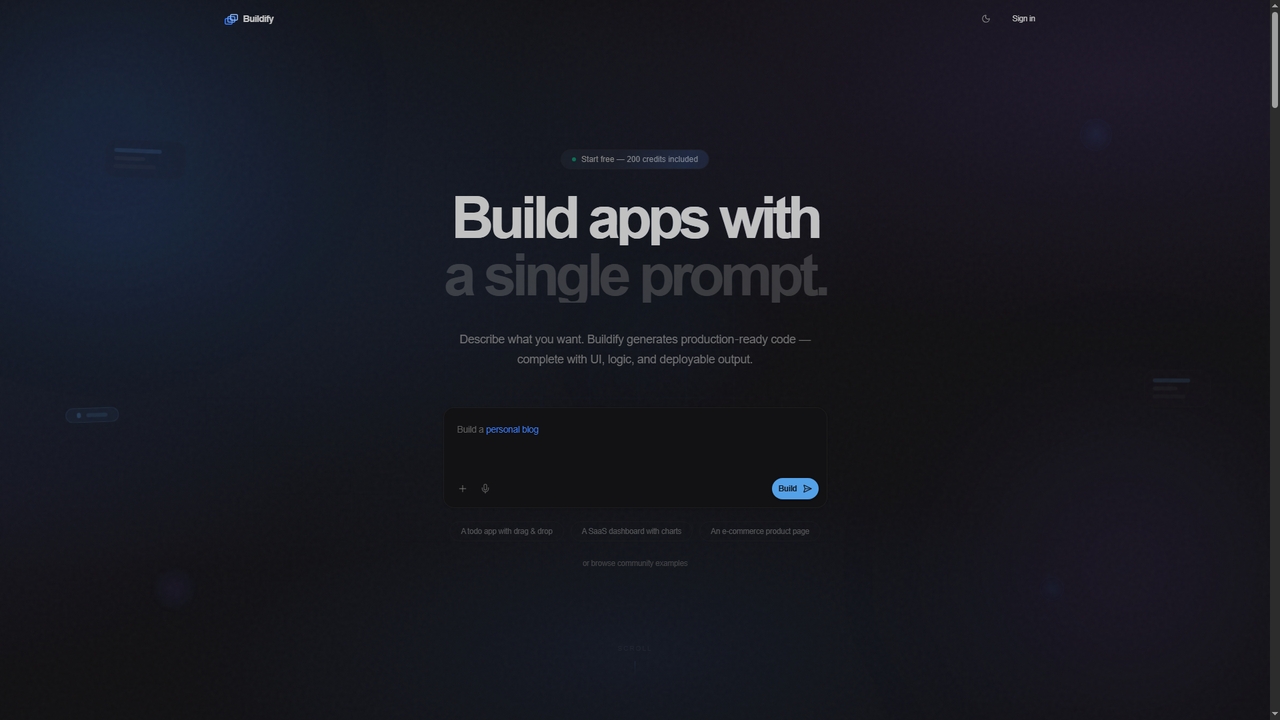
Buildify is an AI-powered app builder that translates natural language prompts into production-ready, full-stack code. It enables developers and creators to quickly generate complete applications with UI, logic, and database components, then iterate through conversation.
Ui Design
MACH-AI
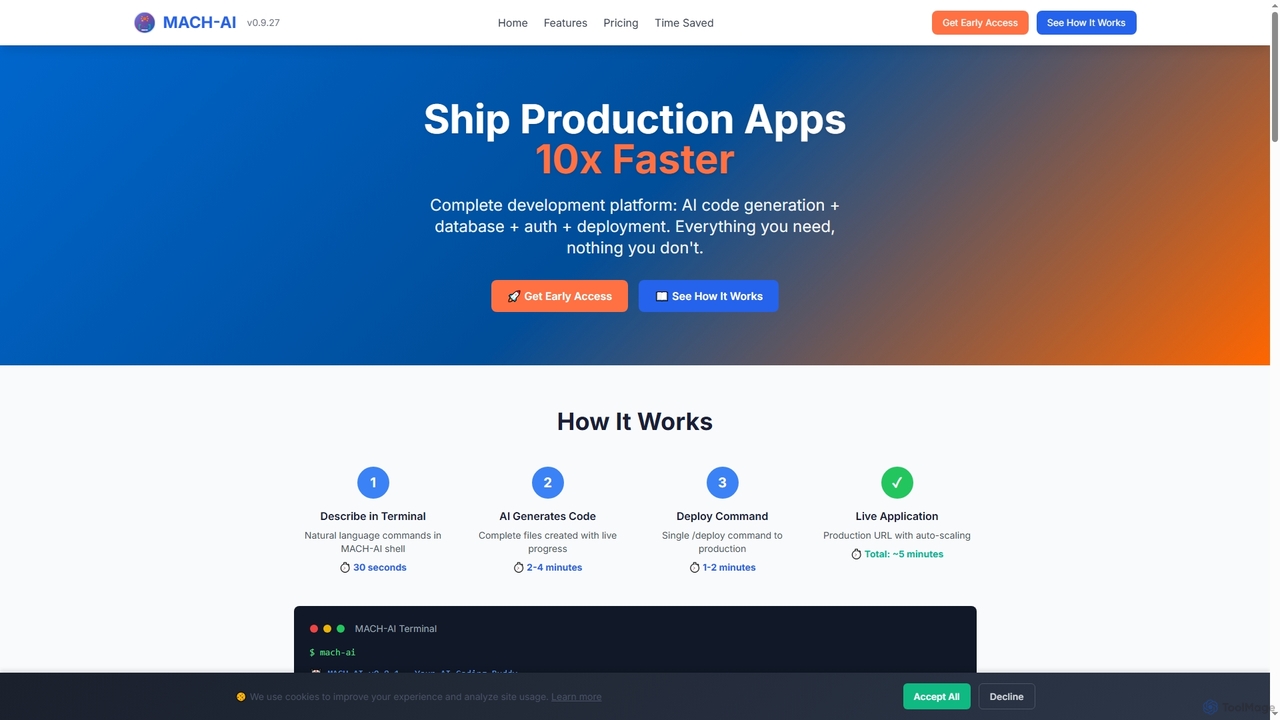
MACH-AI is an AI coding assistant and complete development platform that transforms concepts into production-ready cloud applications in minutes. It integrates AI code generation, built-in database, authentication, and one-command deployment, enabling developers to build and launch scalable web applications 10x faster across Python, JavaScript, and TypeScript.
Application Deployment
Emergent
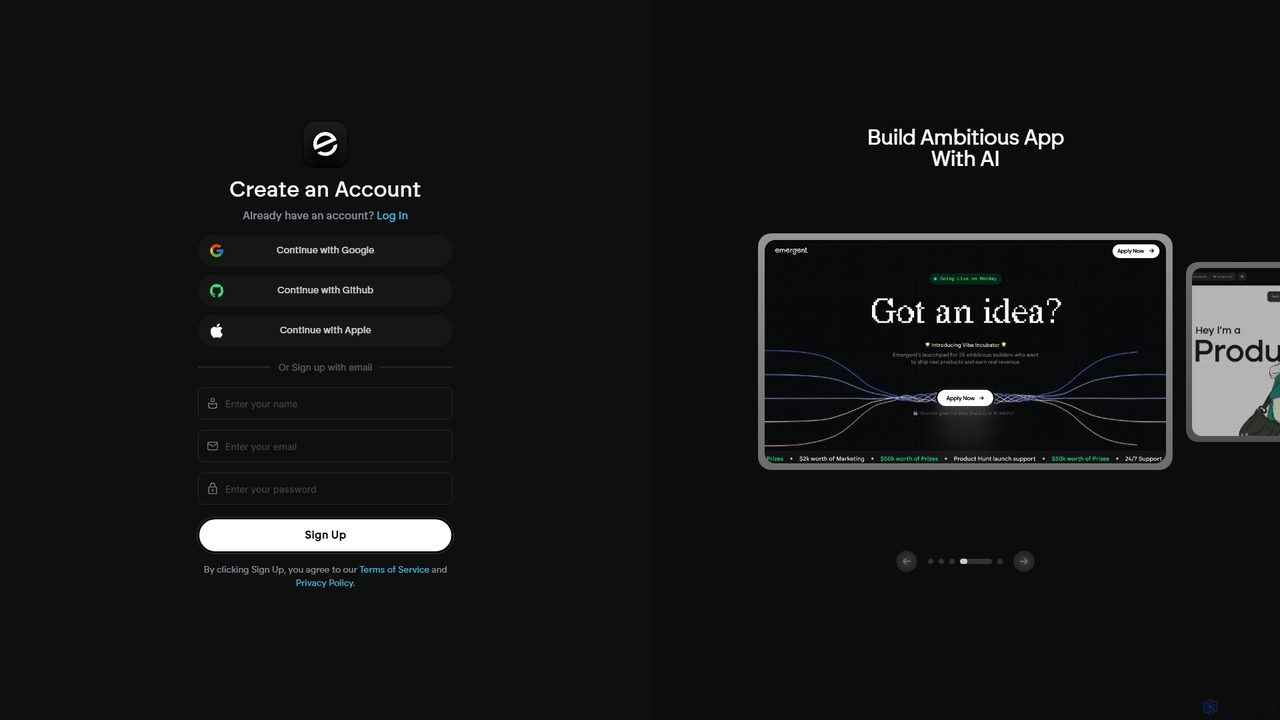
Emergent is the world's first agentic vibe-coding platform, designed to build ambitious full-stack applications using AI. It translates natural language descriptions and intent into functional code, empowering developers and teams to prototype, build, and iterate on software faster than ever before.
Development
Frozyn
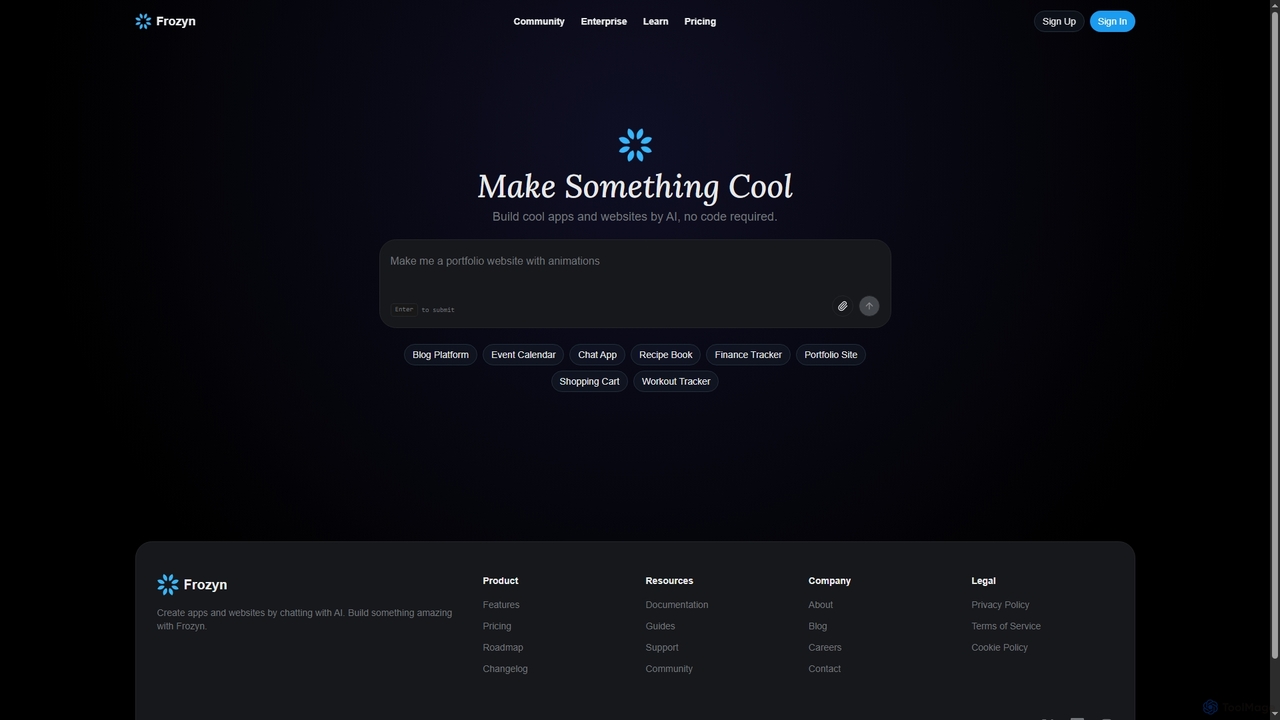
Frozyn is an AI-powered no-code platform that enables users to build cool apps and websites by simply chatting with AI. It offers real-time code suggestions, collaborative project management, and robust security features, making web development accessible to everyone.
Team Project Management
Kombai
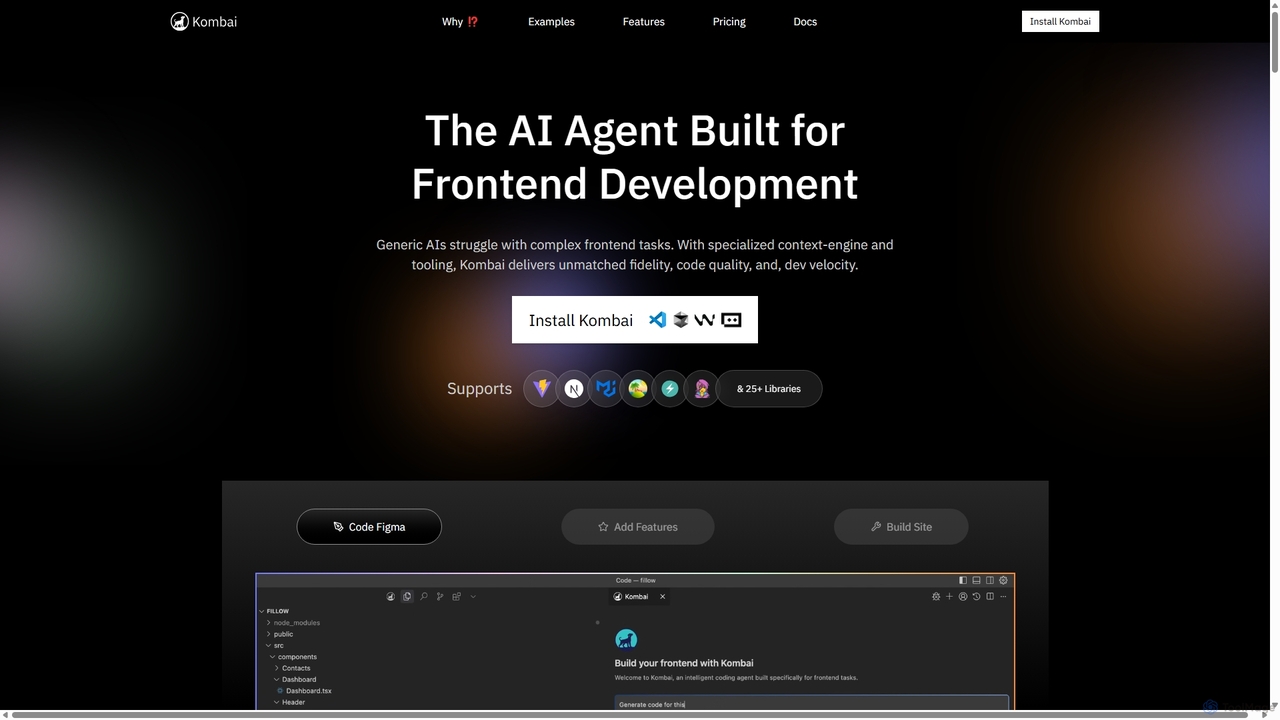
Kombai is a specialized AI agent for frontend development that transforms Figma designs, images, and text prompts into high-fidelity, production-ready code. It understands your existing codebase, supports 25+ libraries, and integrates directly into your IDE to accelerate development velocity.
Code Generation
Layrr
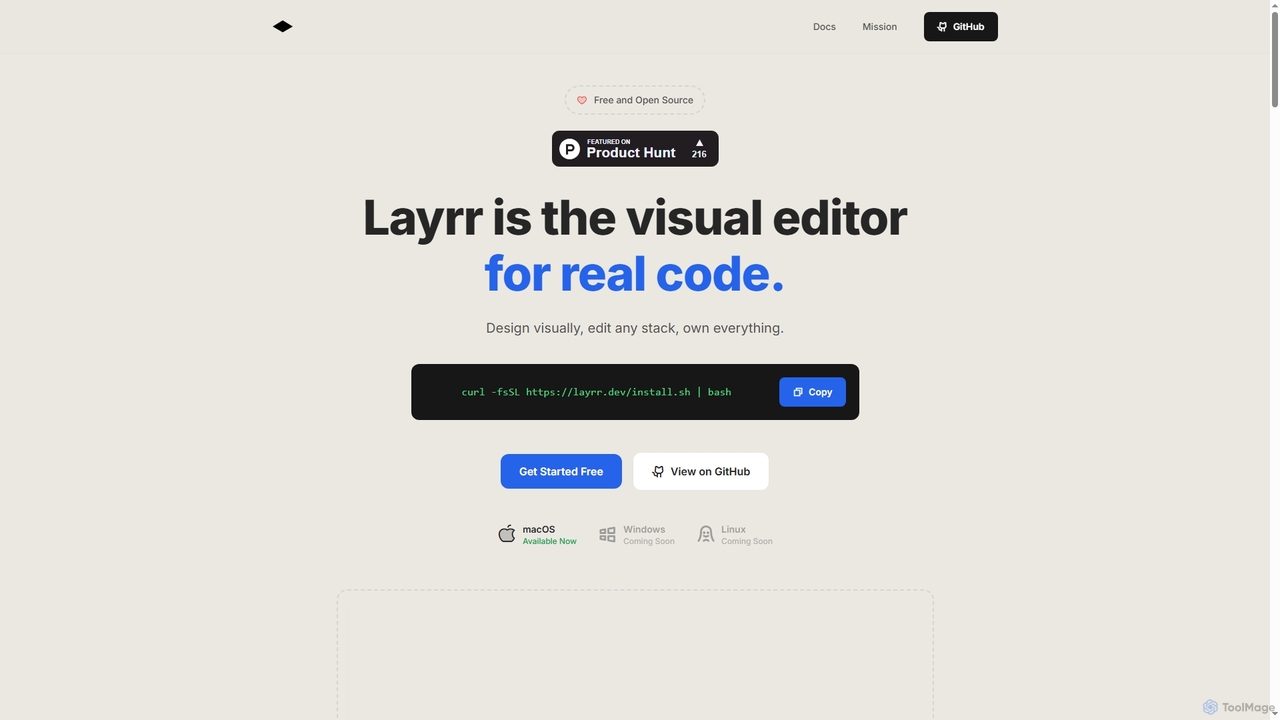
Layrr is a free and open-source visual editor that allows developers and designers to create and edit real code directly. It combines the intuitive drag-and-drop interface of design tools like Figma with the flexibility and ownership of traditional coding, supporting any tech stack and leveraging AI for design-to-code conversion and natural language interface generation.
Code Generation
Dazl
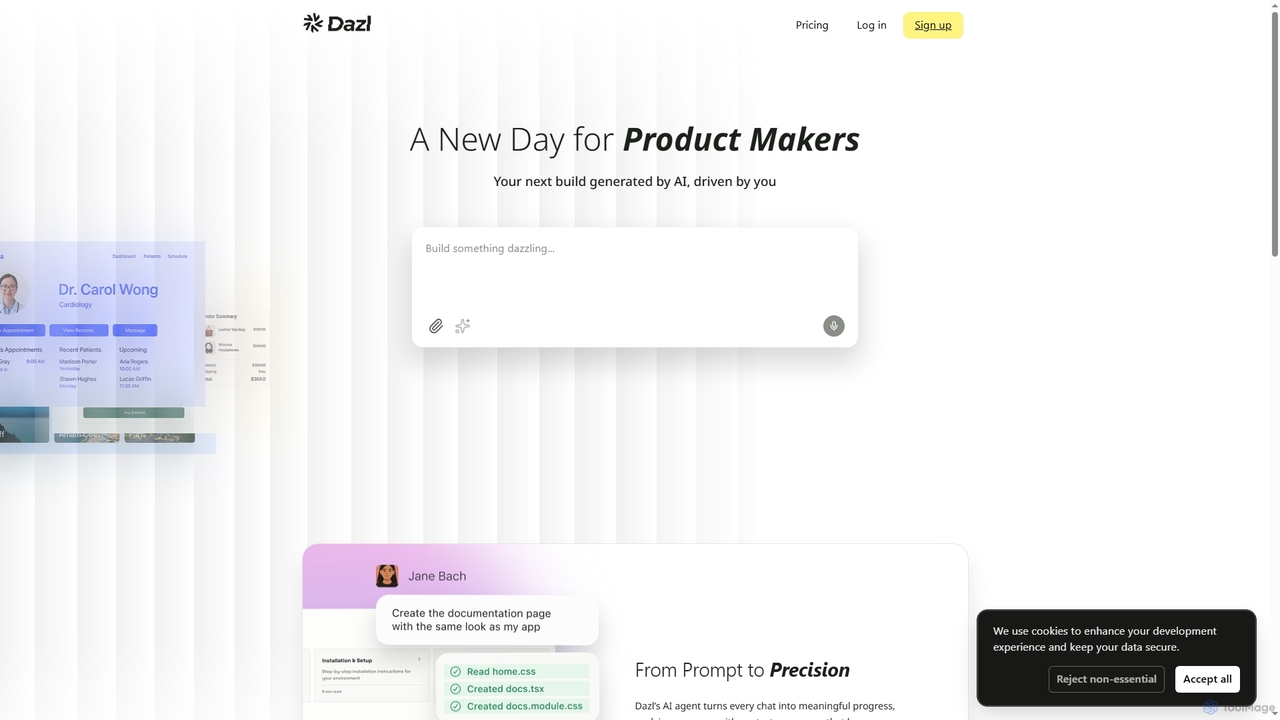
Dazl is an AI-powered development platform that transforms chat prompts into functional applications. It features a hybrid interface combining a conversational AI agent with visual panels, allowing product makers to generate, inspect, and refine code, logic, and structure with full control and transparency.
Low Code No Code
V0
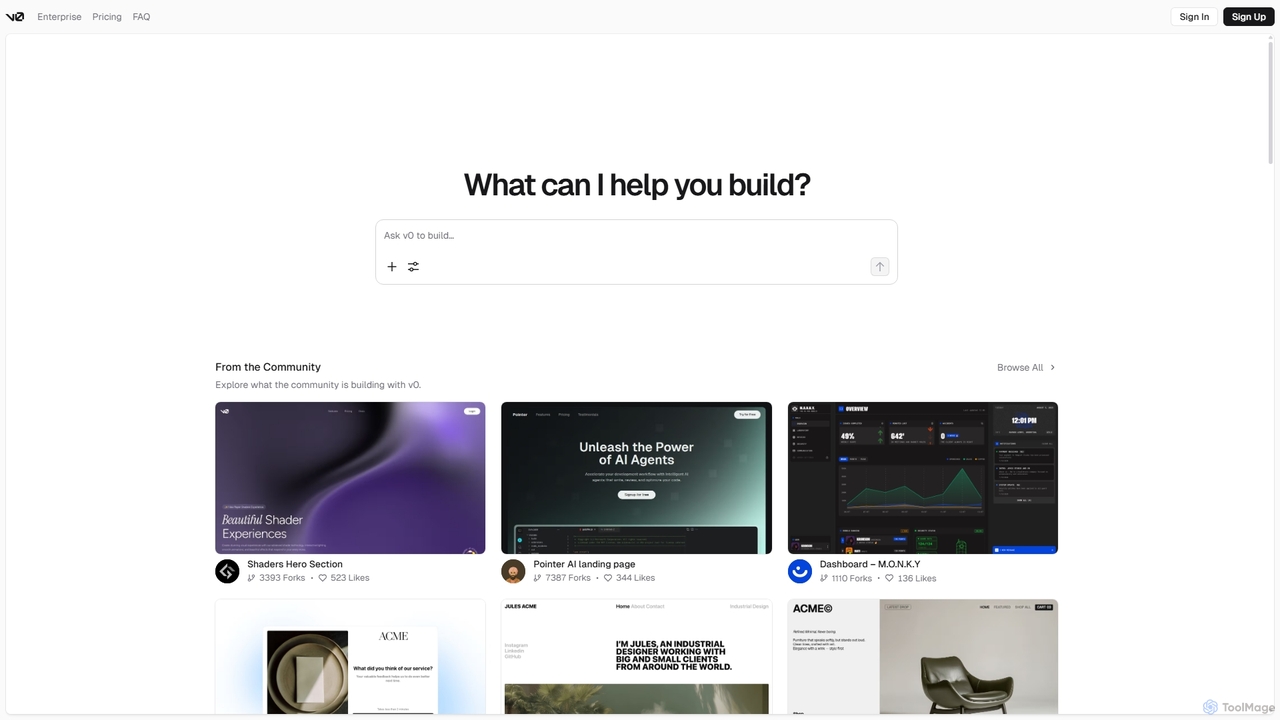
V0 by Vercel is a generative AI platform that transforms text prompts, screenshots, and Figma designs into production-ready frontend code. It acts as an AI pair-programmer, enabling users to rapidly build and iterate on UI components and full-stack applications using React, Svelte, and Vue. With its chat-based interface, it accelerates the development workflow for engineers, designers, and product managers, allowing for seamless deployment to the Vercel platform.
Ui Ux
Metatable
Metatable is an AI-first development platform that enables rapid creation and deployment of web and mobile applications. It streamlines the entire software development lifecycle, from idea to launch, by leveraging AI to generate code, manage infrastructure, and automate complex tasks, allowing users to build MVPs in minutes.
Api Development
Thesys
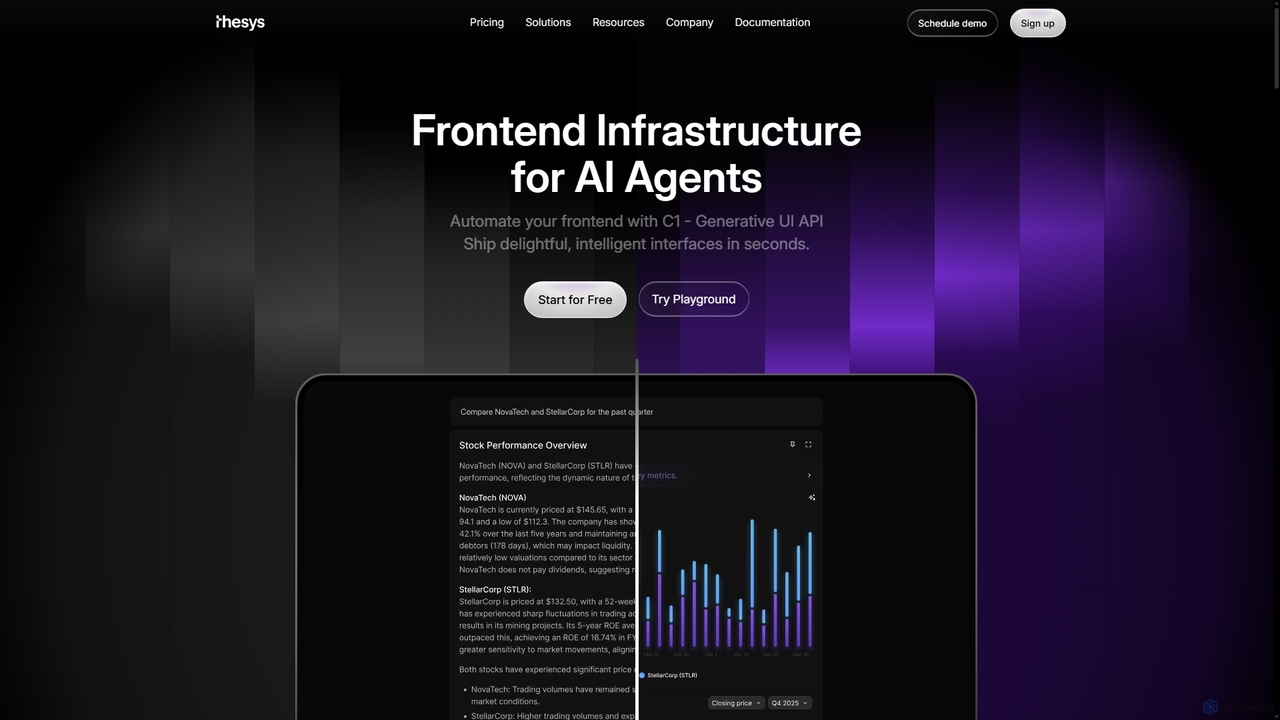
Thesys provides C1, a Generative UI API that transforms LLM responses into dynamic, interactive user interfaces in real-time. Designed for developers building AI agents and applications, it automates frontend development by converting text outputs into live UI components like forms, charts, and tables. This allows for the creation of adaptive, engaging, and intelligent interfaces without the limitations of hardcoded UI, accelerating AI product development.
Api
Craft
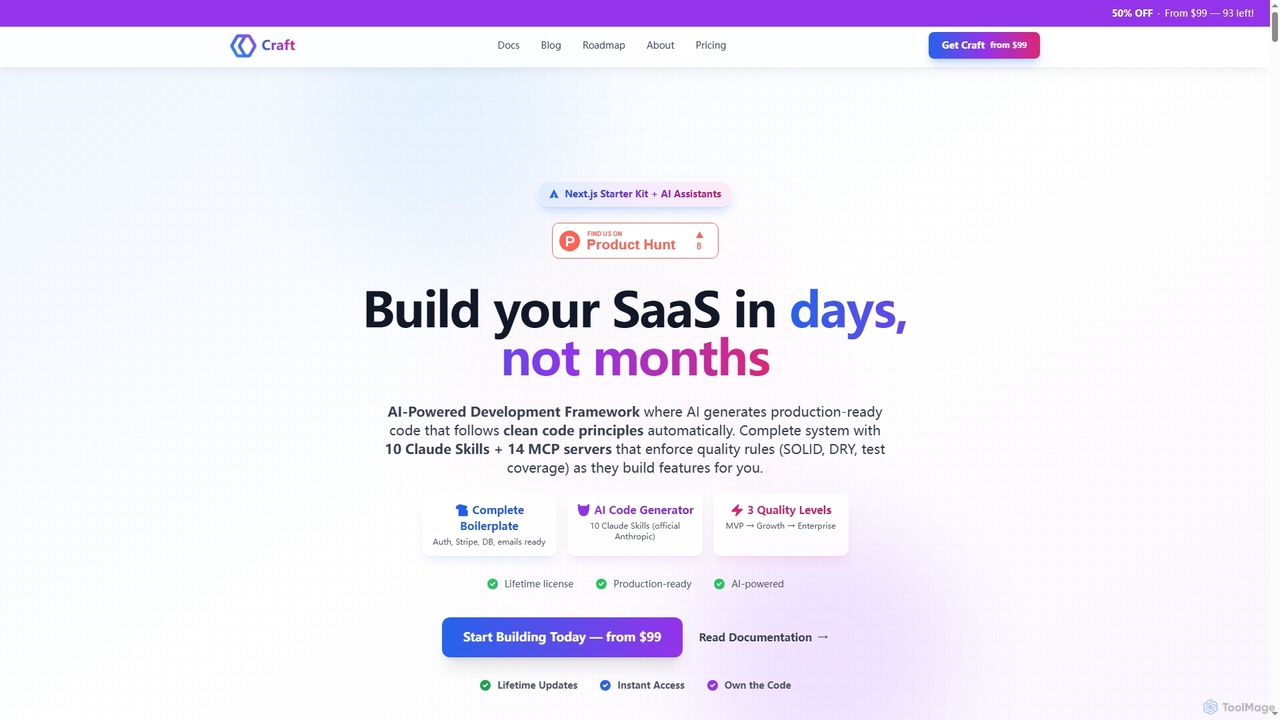
Craft is an AI-powered development framework and Next.js starter kit designed to accelerate SaaS product development. It leverages Anthropic's Claude AI with 10 specialized Skills and 14 pre-configured MCP servers to generate production-ready, clean code. Craft offers adaptive quality levels (Rapid, Balanced, Crafted) to match your product's stage, integrating essential boilerplate features like authentication, payments, and databases, enabling developers to ship features in days, not months.
Saas Development
AI SDK Agents
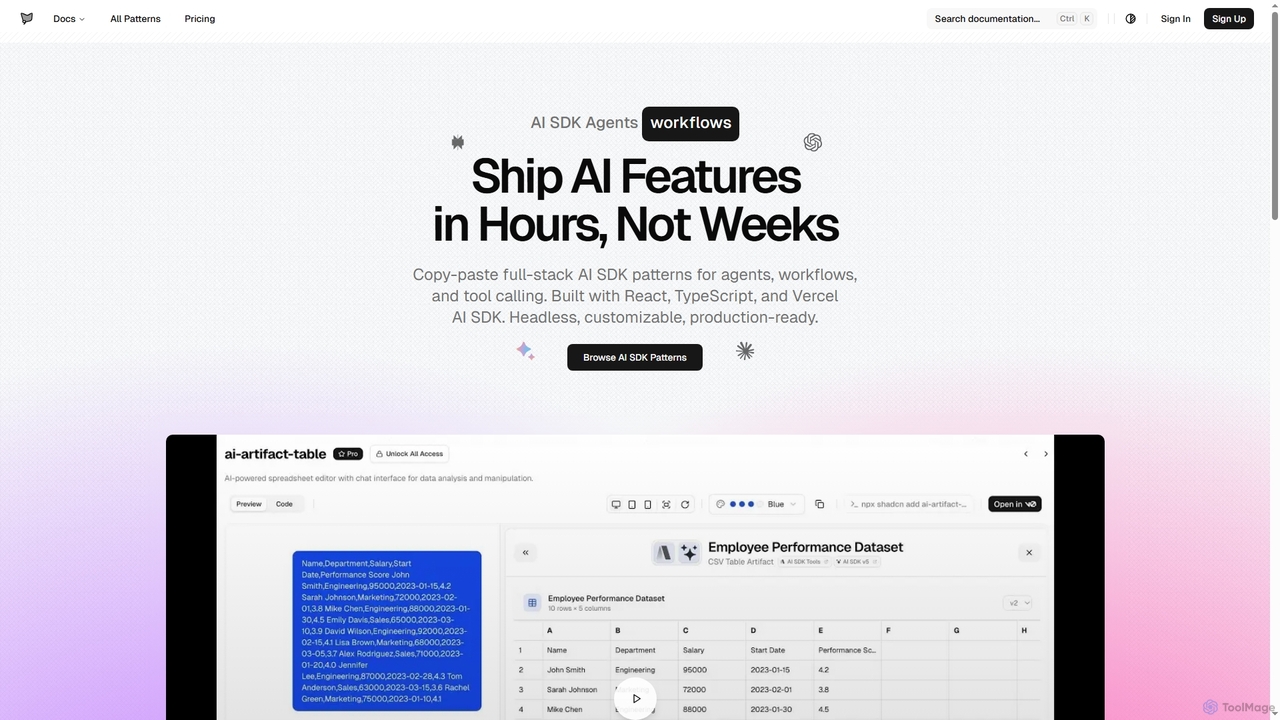
AI SDK Agents provides production-ready React components for rapidly building AI applications. Leverage copy-paste patterns for agents, workflows, tool calling, and streaming responses, built with React, TypeScript, and Vercel AI SDK. Accelerate your AI feature development from weeks to hours, ensuring customizable and headless integration into your projects.
Ui Components
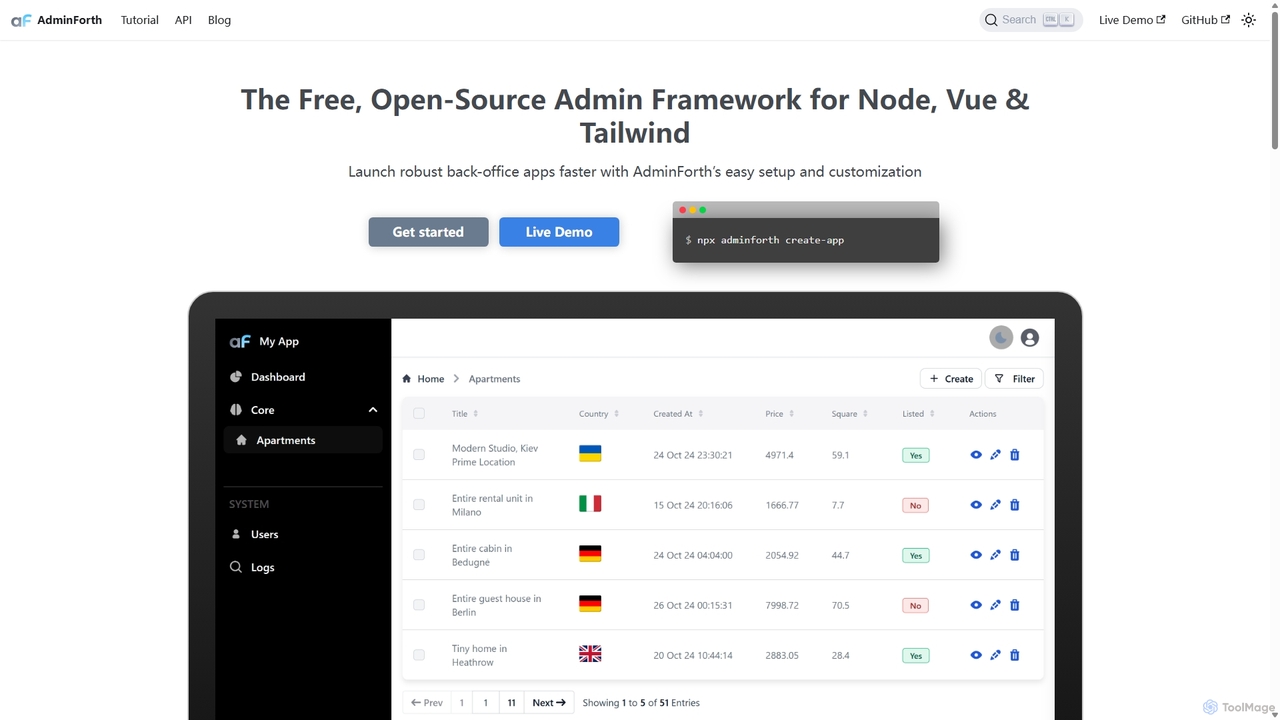
AdminForth
AdminForth is a powerful Vue & Node.js framework for rapidly building feature-rich admin panels. It accelerates development with out-of-the-box CRUD, authentication, and user management. Integrated AI plugins, powered by ChatGPT and other LLMs, provide intelligent content autocompletion and seamless multi-language translation, making it an essential tool for modern web developers.
Framework
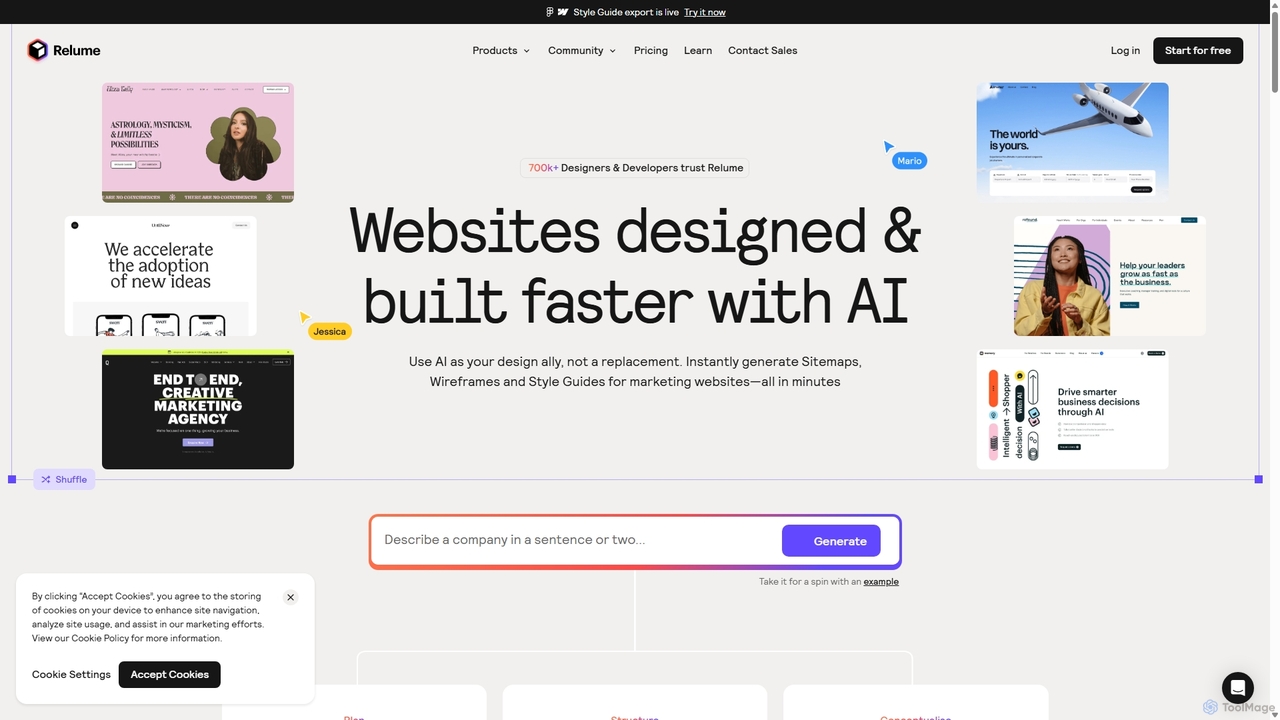
Relume
Relume is an AI-powered website builder that accelerates the design and development process. It enables users to generate sitemaps and wireframes from simple text prompts, create comprehensive style guides, and utilize a vast library of over 1000 components for Figma, Webflow, and React. It's designed to streamline workflows for designers, developers, and agencies, turning ideas into production-ready websites in a fraction of the time.
Website Builder
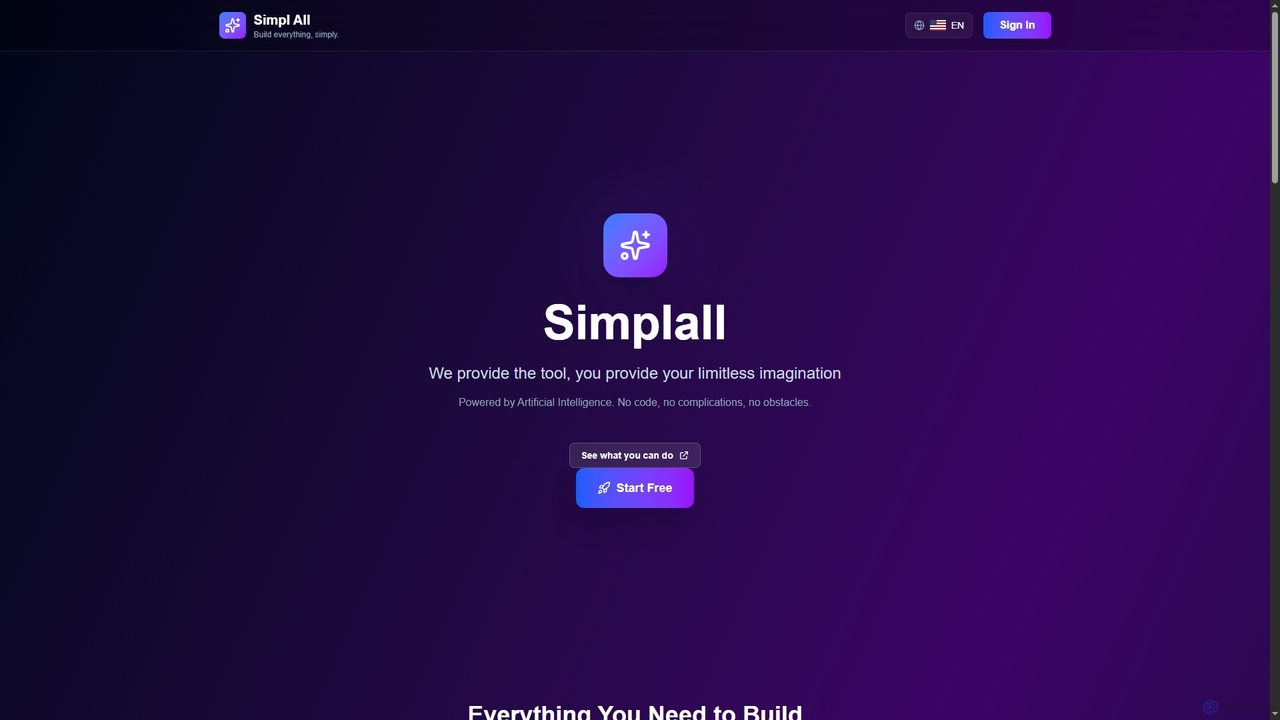
Simplall
Simplall is an AI-powered code generator that transforms natural language descriptions into functional web applications. It enables users, regardless of coding experience, to instantly create professional React apps, HTML websites, and interactive dashboards with live previews, clean code, and easy modification capabilities.
Code Generation