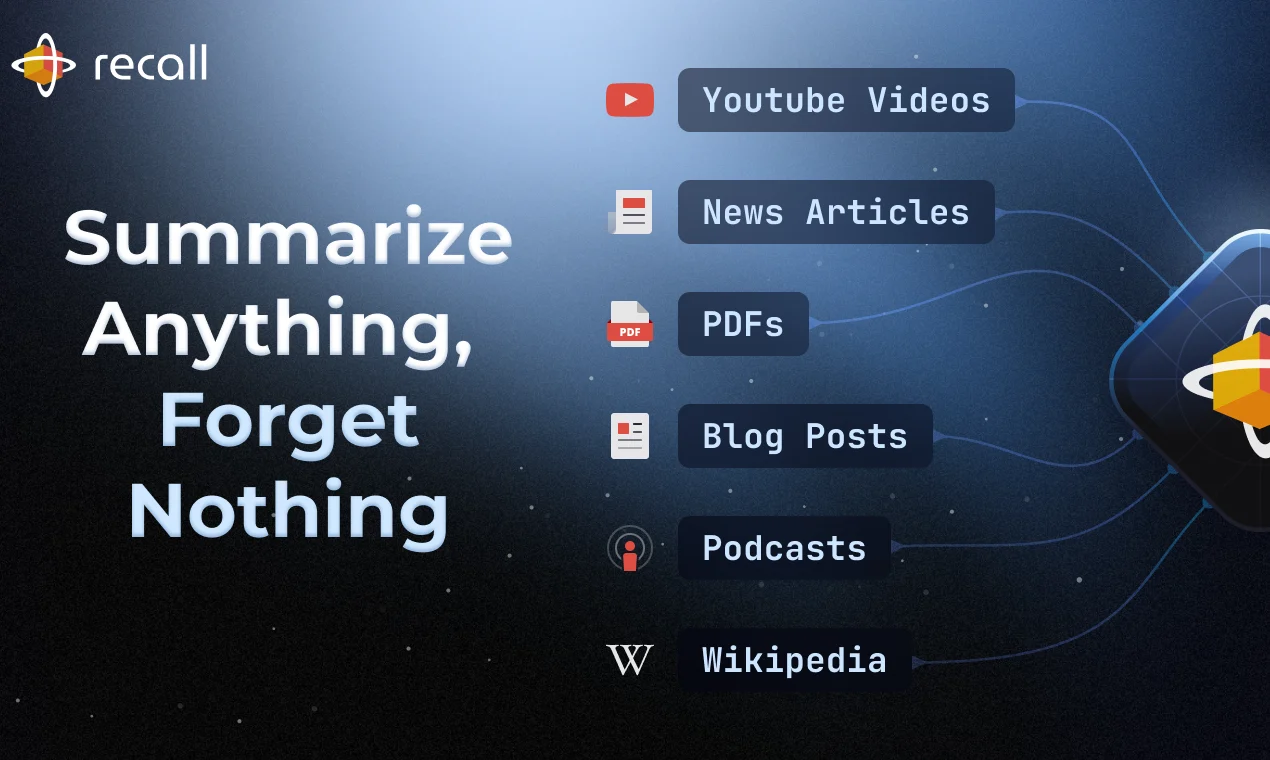
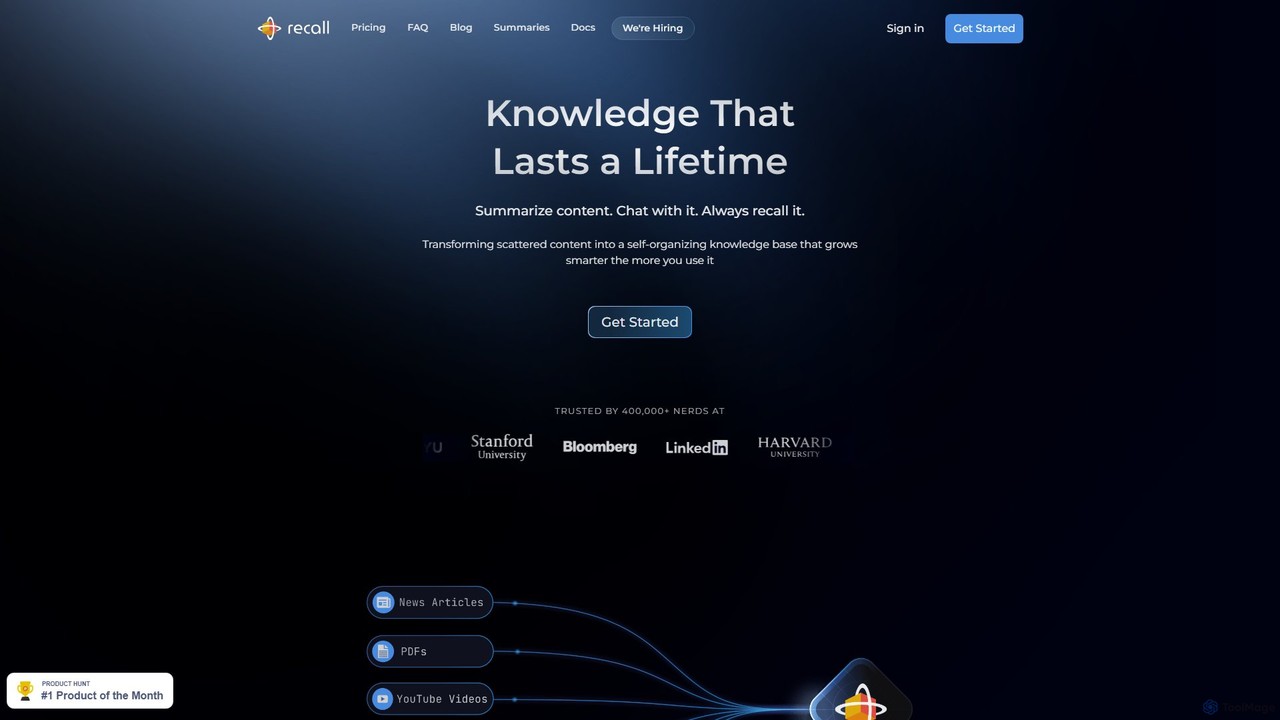
Recall is an AI-powered knowledge management tool that transforms scattered content into a self-organizing knowledge base. It summarizes articles, YouTube videos, PDFs, and more, allows you to chat with your content, and uses features like augmented browsing and spaced repetition to help you remember everything you learn.
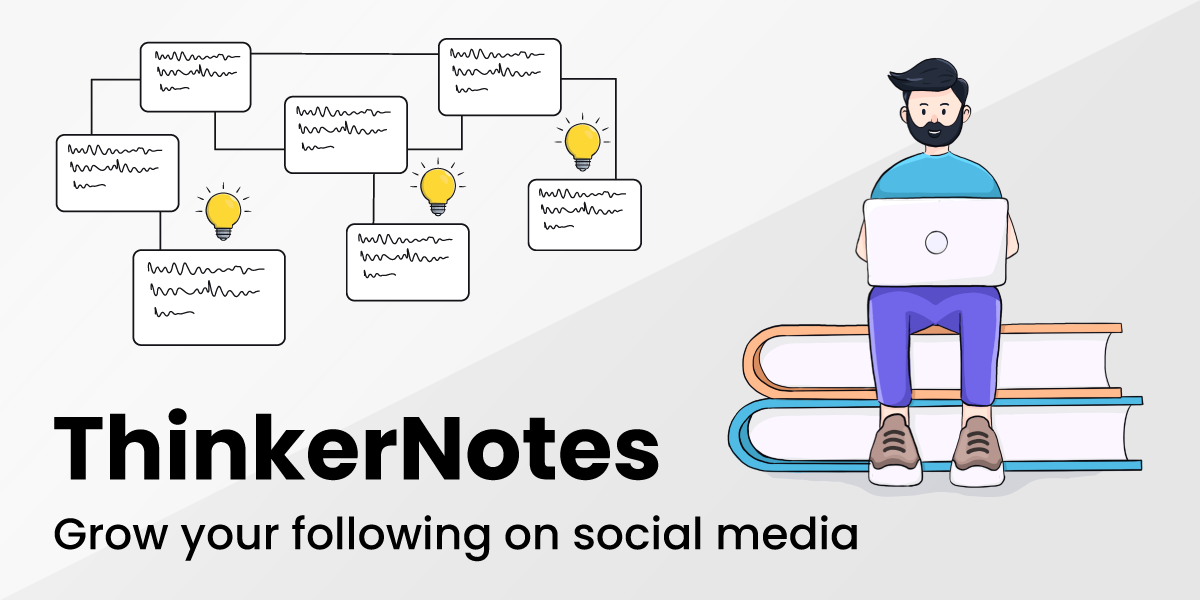
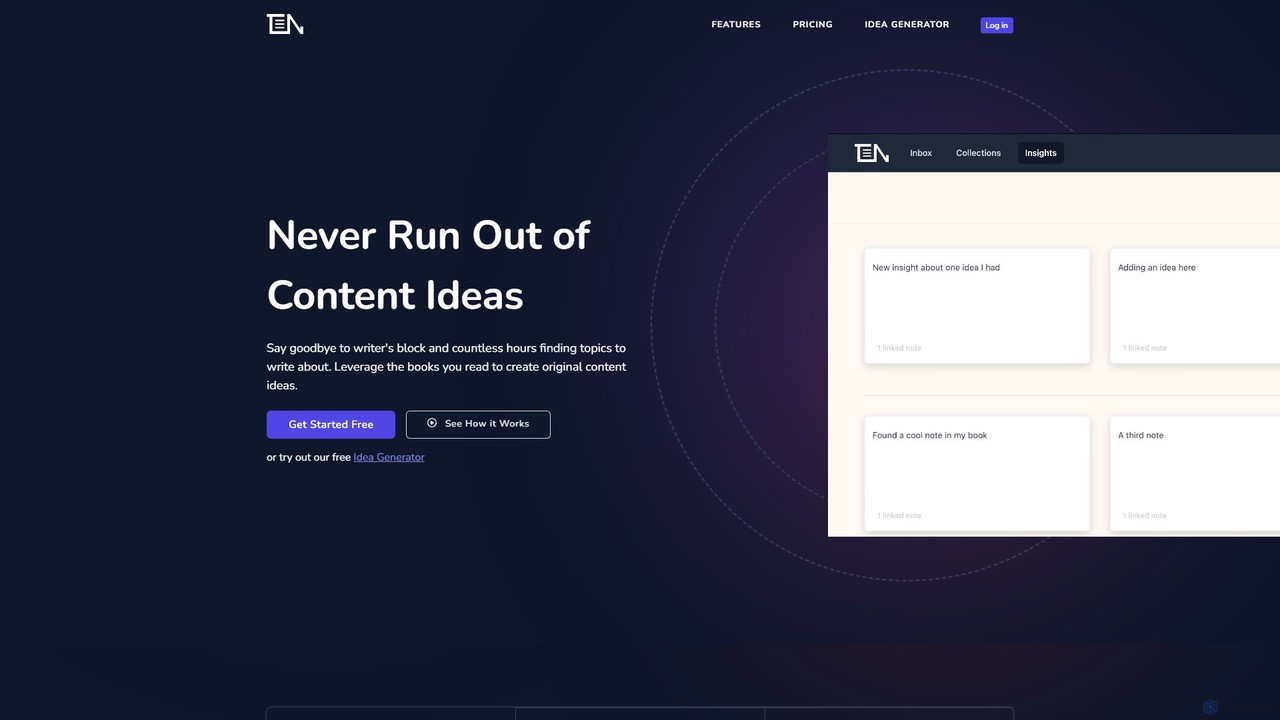
ThinkerNotes is an AI-powered knowledge management system designed to help you turn your notes into original content. It combines note-taking with bi-directional linking, tagging, and an AI idea generator to help you connect ideas, remember what you read, and create thought leadership content.
Product overview
Recall Product overview
Recall is an AI-powered knowledge management tool that transforms scattered content into a self-organizing knowledge base. It summarizes articles, YouTube videos, PDFs, and more, allows you to chat with your content, and uses features like augmented browsing and spaced repetition to help you remember everything you learn.
ThinkerNotes Product overview
ThinkerNotes is an AI-powered knowledge management system designed to help you turn your notes into original content. It combines note-taking with bi-directional linking, tagging, and an AI idea generator to help you connect ideas, remember what you read, and create thought leadership content.
Detailed feature comparison
| Feature | Recall | ThinkerNotes |
|---|---|---|
| Primary category | Research | Social Media |
| Added | 2025-08-12 | 2025-08-08 |
| Pricing | Freemium | Freemium |
| Official website | www.getrecall.ai | thinkernotes.com |
| Product type | Website | Website |
| Performance data | ||
| User rating | Not verified | Not verified |
| Comments | 0 | 0 |
| Monthly visits | 151.5K | 436 |
| Monthly growth | -57% | -66.1% |
| Favorites | 111 | 110 |
| Details | View details | View details |
Recall vs ThinkerNotes monthly traffic
Compare Recall and ThinkerNotes by monthly reach, traffic trend, visit depth, top regions, and acquisition sources.
How to interpret the traffic data
In the Recall vs ThinkerNotes monthly traffic comparison, Recall currently shows 151.5K visits and ThinkerNotes shows 436; Recall has about 347.6 times the visible traffic of ThinkerNotes, an absolute difference of about 151.1K visits. This reflects visible reach, not feature quality or paid users.
Both tools provide verified traffic details, so monthly trends, visit depth, regions, and acquisition sources can be compared on the same basis.
Recall monthly traffic:
Latest traffic
Monthly traffic trend
- 2025/9: 752.3K Monthly visits
- 2026/1: 676K Monthly visits
- 2026/2: 584.5K Monthly visits
- 2026/3: 503.3K Monthly visits
- 2026/4: 352.3K Monthly visits
- 2026/5: 151.5K Monthly visits
Top regions
Top 5 countries/regions
| Country/region | Percentage | Traffic |
|---|---|---|
| 🇺🇸United States | 60.52% | 91.7K |
| 🇦🇺Australia | 12.04% | 18.2K |
| 🇩🇪Germany | 10.42% | 15.8K |
| 🇬🇧United Kingdom | 9.54% | 14.5K |
| 🇵🇱Poland | 7.48% | 11.3K |
Traffic sources
| Source type | Percentage | Traffic |
|---|---|---|
| Direct | 78.2% | 118.5K |
| Referral | 18.71% | 28.4K |
| 3.09% | 4.7K |
Search keywords
ThinkerNotes monthly traffic:
Latest traffic
Monthly traffic trend
- 2025/9: 274 Monthly visits
- 2026/1: 688 Monthly visits
- 2026/2: 150 Monthly visits
- 2026/3: 635 Monthly visits
- 2026/4: 1.3K Monthly visits
- 2026/5: 436 Monthly visits
Top regions
Top 5 countries/regions
| Country/region | Percentage | Traffic |
|---|---|---|
| 🇻🇳Vietnam | 100% | 436 |
Usage comparison
Compare the core capabilities of Recall and ThinkerNotes
Recall Core features
ThinkerNotes Core features
Use cases
Recall Use cases
ThinkerNotes Use cases
Recall vs ThinkerNotes:In-depth comparison and selection guidance
First decide whether the products solve the same kind of need
This in-depth Recall vs ThinkerNotes comparison uses only the product records, taxonomy, audience, traffic, and community signals available on this page. Recall is primarily listed under “Research”, while ThinkerNotes is primarily listed under “Social Media”, so the first decision is whether your actual task matches their recorded scope.
The structured fields currently show these decision-relevant differences: Primary category (Recall: Research; ThinkerNotes: Social Media); Monthly visits (Recall: 151.5K; ThinkerNotes: 436); Monthly growth (Recall: -57%; ThinkerNotes: -66.1%); Favorites (Recall: 111; ThinkerNotes: 110); Website (Recall: www.getrecall.ai; ThinkerNotes: thinkernotes.com). These facts are more useful for selection than brand visibility alone.
What market visibility and monthly traffic mean
In the Recall vs ThinkerNotes monthly traffic comparison, Recall currently shows 151.5K visits and ThinkerNotes shows 436; Recall has about 347.6 times the visible traffic of ThinkerNotes, an absolute difference of about 151.1K visits. This reflects visible reach, not feature quality or paid users.
Both tools provide verified traffic details, so monthly trends, visit depth, regions, and acquisition sources can be compared on the same basis.
If public market visibility is an important first-pass criterion, investigate Recall first. The final choice should still follow taxonomy, use case, and a real trial because higher traffic does not prove broader capabilities or better workflow fit.
Product positioning, use cases, and roles
Recall and ThinkerNotes currently overlap in shared categories: Knowledge Management and Note Taking; shared tags: knowledge base, note-taking, productivity, and second brain. This can place both on the same shortlist, but it does not prove equal implementation, depth, or cost.
Recall's unique categories/tags are Research, Summarizer, PDF summarizer, read it later, research tool, spaced repetition, summarizer, and YouTube summarizer; ThinkerNotes's are Social Media, Content Creation, ai writer, content creation, idea generation, social media, two-way linking, and zettelkasten. These unique fields are the strongest differentiators: validate the product whose recorded scope matches the task instead of following traffic alone.
What ratings, comments, and favorites can tell you
Recall has no verified rating, 0 comments, 111 favorites, and 109 likes;ThinkerNotes has no verified rating, 0 comments, 110 favorites, and 86 likes。
Neither product has enough rating or comment samples for a credible reputation ranking.
Selection guidance by actual need
When to evaluate Recall first
Put Recall on the priority trial list when the task aligns with “Research” and especially Research, Summarizer, PDF summarizer, read it later, research tool, and spaced repetition. This follows recorded positioning and does not imply unlisted capabilities are absent.
Recall also currently records: pricing is freemium, product type is website, 151.5K verified monthly visits, no verified user rating. Verify any hard requirement around price, platform, or reach before trial, and do not let sparse review data substitute for testing.
When to evaluate ThinkerNotes first
Put ThinkerNotes on the priority trial list when the task aligns with “Social Media” and especially Social Media, Content Creation, ai writer, content creation, idea generation, and social media. This follows recorded positioning and does not imply unlisted capabilities are absent.
ThinkerNotes also currently records: pricing is freemium, product type is website, 436 verified monthly visits, no verified user rating. Verify any hard requirement around price, platform, or reach before trial, and do not let sparse review data substitute for testing.
How to validate the recommendation before deciding
The available data describes positioning, public visibility, and community signals, but it cannot prove output quality, speed, integration effort, privacy, or long-term cost in your workflow. Before deciding, run the same representative tasks in Recall and ThinkerNotes, then record completion time, accuracy, manual corrections, and the real paid threshold. A like-for-like trial turns this comparison into a defensible adoption decision.
Comparison FAQ
How should I choose between Recall and ThinkerNotes?
Where does this comparison data come from?
What do unknown fields mean?
Related AI tools

iki
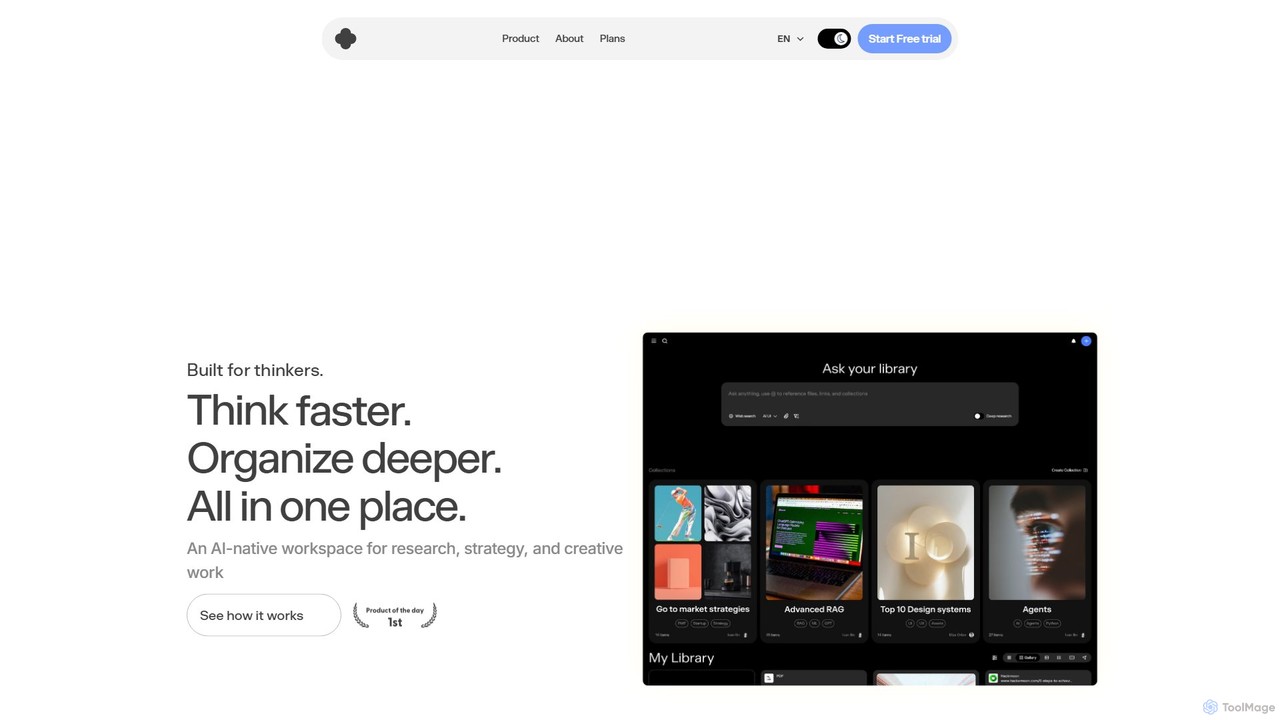
iki is an AI-native workspace designed for research, strategy, and creative work. It acts as a second brain, allowing you to capture content from any source (webpages, PDFs, videos) and uses an AI assistant to summarize, analyze, and generate insights based on your personal knowledge base, not the general internet. It supports both individual and team collaboration.
Knowledge Management
Mem
Mem is an AI-powered, self-organizing workspace designed to act as your personal knowledge base. It captures your notes, ideas, and meeting transcripts, then uses AI to connect related information, summarize content, and help you generate new insights without manual organization.
Personal
Briefy
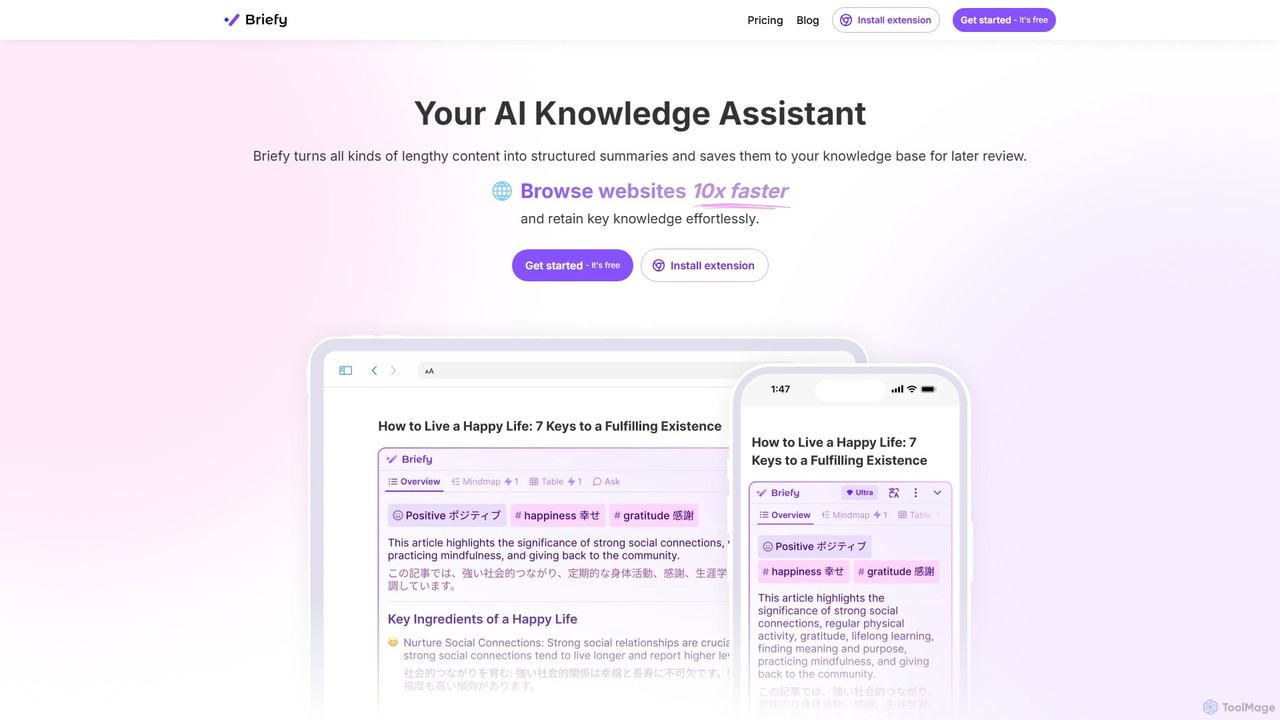
Briefy is an AI-powered knowledge assistant that transforms lengthy content like articles, videos, and PDFs into structured summaries. It helps you conduct research 10x faster, retain key knowledge, and build a personal, searchable knowledge base for later review and interaction.
Research
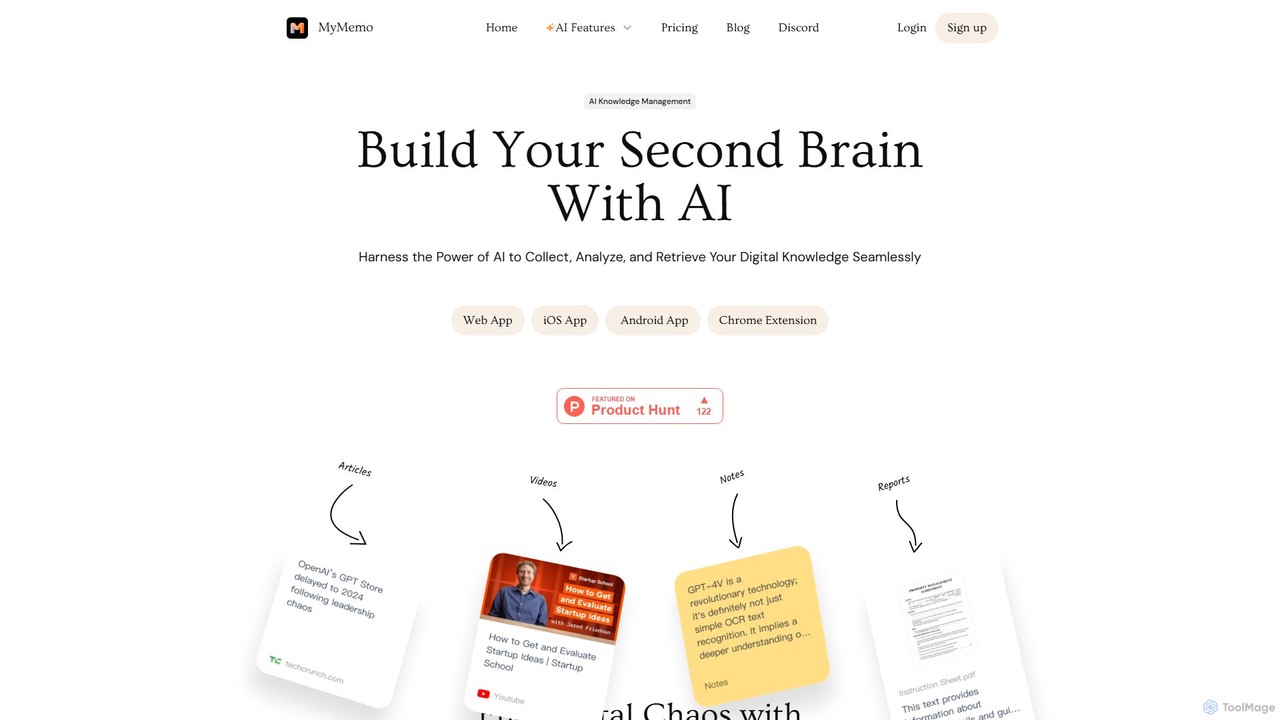
MyMemo
MyMemo is an AI-powered knowledge management tool that acts as your 'second brain'. It helps you effortlessly collect, analyze, and retrieve digital knowledge from various sources like articles, videos, and notes, transforming scattered information into an intelligent, searchable personal database.
Knowledge Management
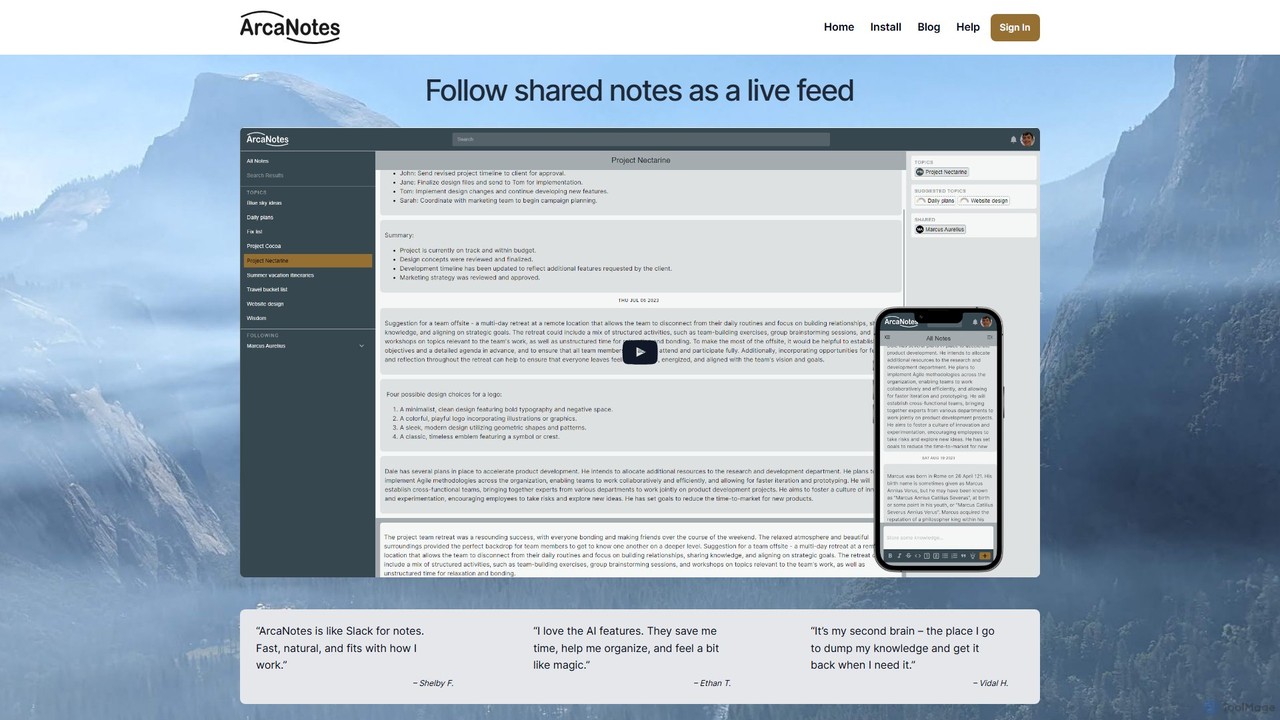
ArcaNotes
ArcaNotes is an AI-enhanced micro-note app designed for elevated productivity and knowledge management. It acts as your second brain, allowing you to quickly capture, organize, and retrieve information. With on-device AI, it offers intelligent topic suggestions, natural language Q&A with your notes, and collaborative sharing features, all while prioritizing user privacy with robust encryption.
Personal Assistant
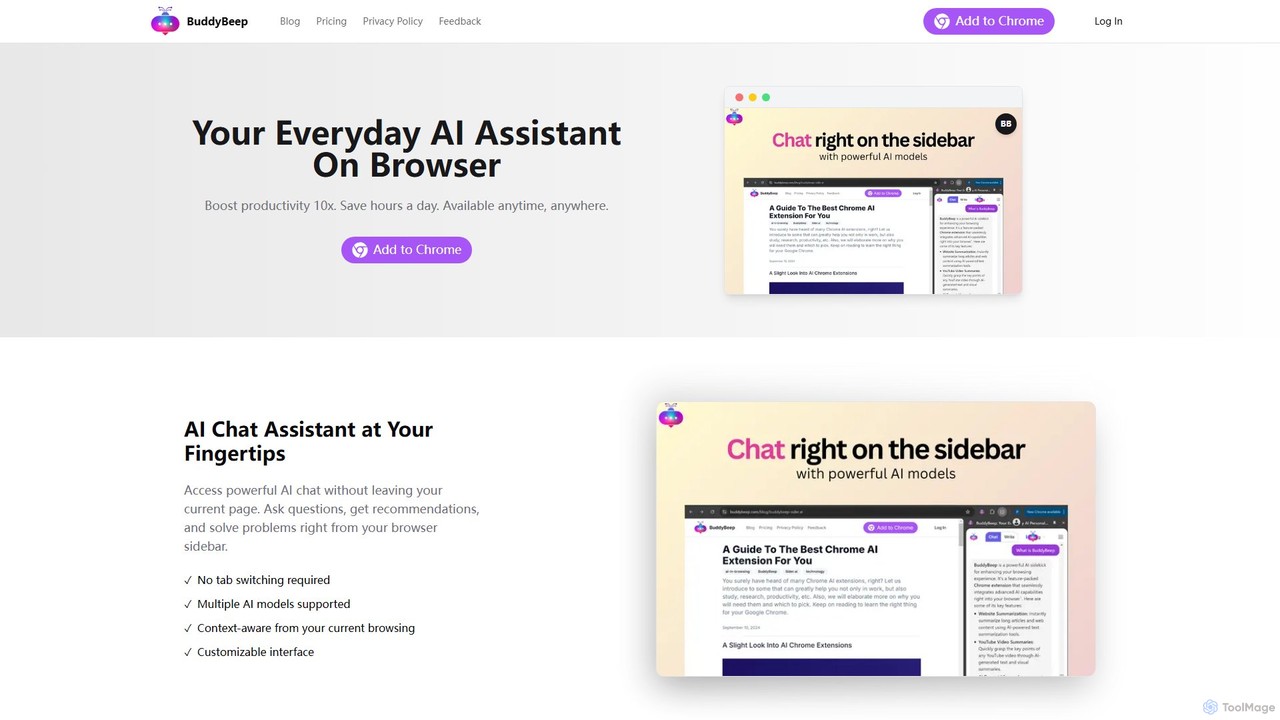
BuddyBeep
BuddyBeep is an AI-powered Chrome extension that acts as your personal browsing assistant. It boosts productivity by offering an in-page AI chat, one-click summarization for articles and YouTube videos, and a smart knowledge repository to build your "second brain". Capture, organize, and retrieve information effortlessly without switching tabs, transforming your browsing into a more efficient and insightful experience.
Browser Extension
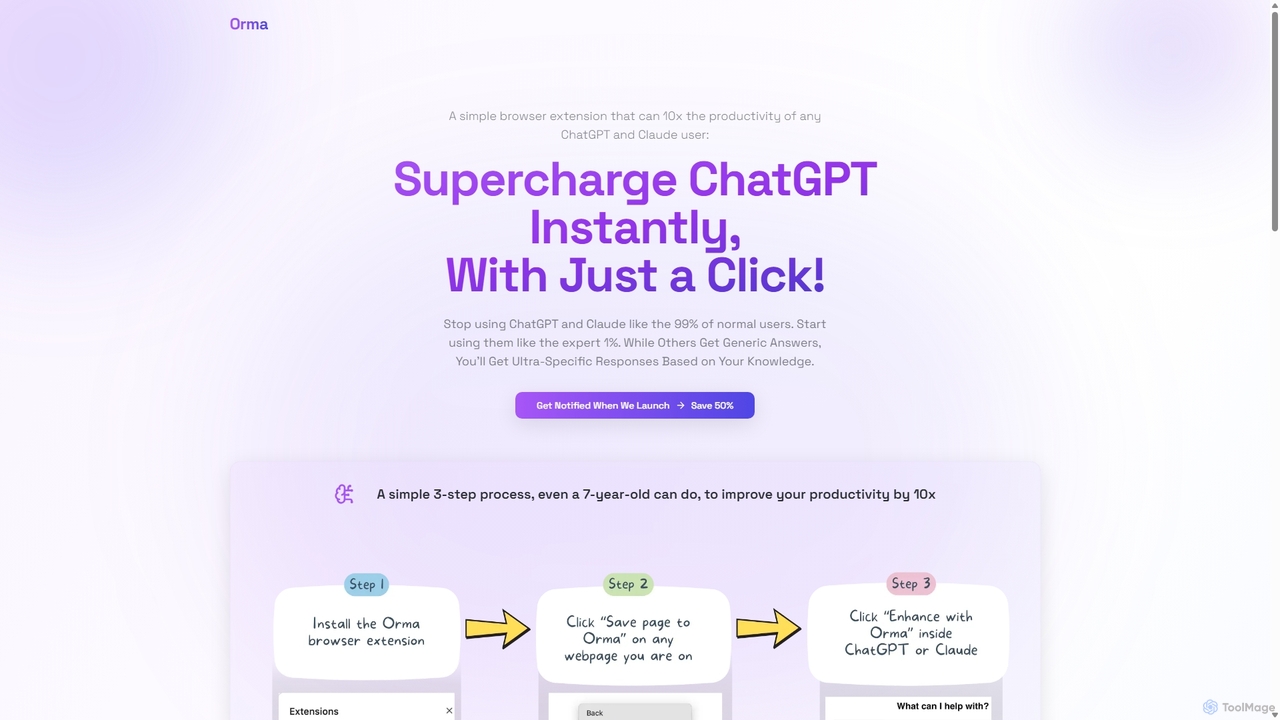
Orma
Orma is a browser extension that transforms your web browsing into a personal knowledge base, or 'digital memory layer'. It allows you to intelligently capture web content and seamlessly integrate it with AI models like ChatGPT and Claude. This turns generic AI responses into highly specific, personalized insights based on your own curated knowledge, boosting productivity by up to 10x.
Search Tools
Constella
Constella is an AI-powered second brain application that uses a visual infinite graph to help you capture, connect, and visualize your thoughts. It moves beyond traditional folders, allowing you to organize ideas non-linearly, uncover hidden patterns, and receive intelligent problem-solving recommendations. Ideal for personal knowledge management, research, and creative thinking.
Knowledge Management
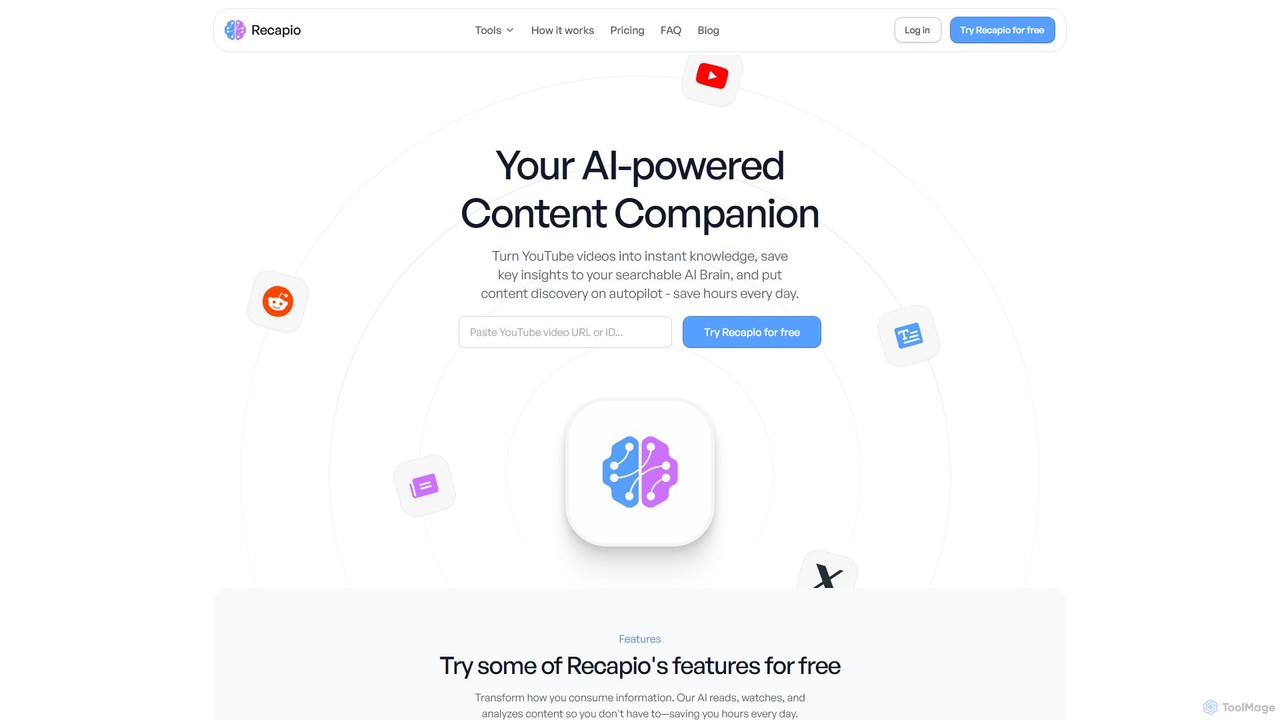
RecapioGPT
RecapioGPT is an AI-powered second brain and content summarizer that transforms YouTube videos, articles, and web posts into a searchable knowledge base. Chat with your content, get daily recaps, and organize insights to save time and learn smarter.
Research
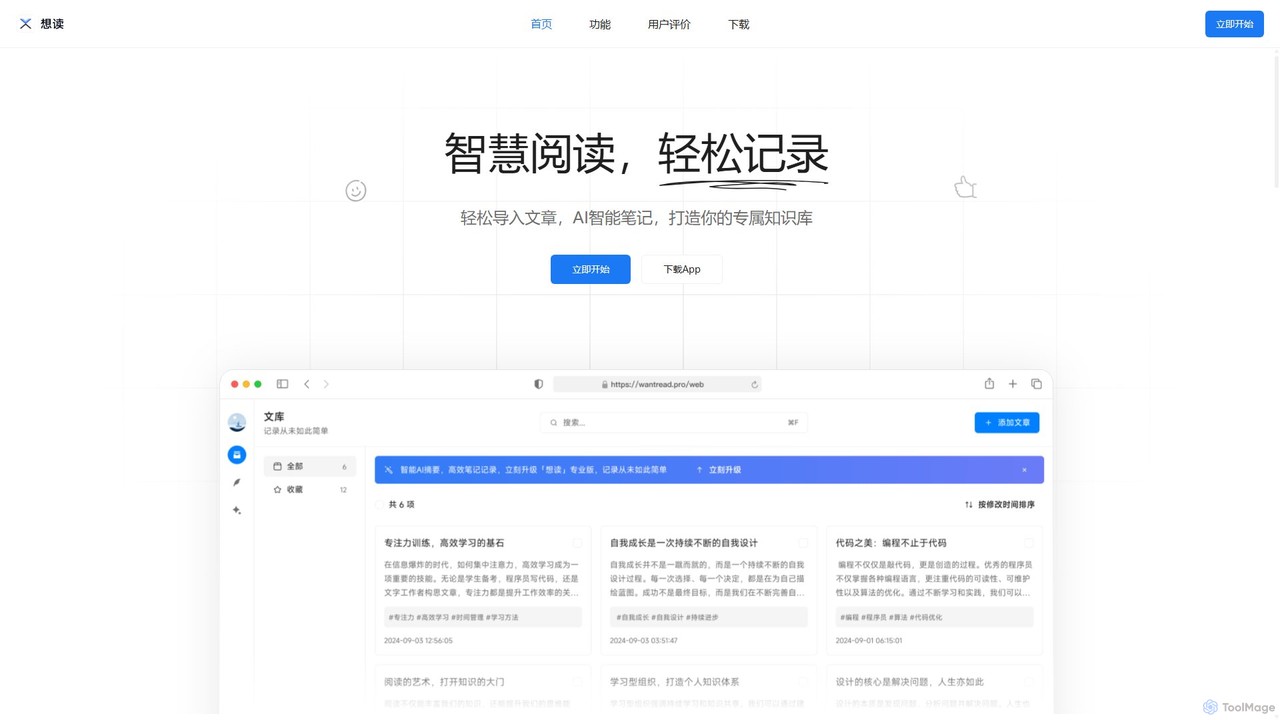
WantRead
WantRead is an AI-powered reading assistant and knowledge management tool. It helps you import articles, generate intelligent summaries, take notes seamlessly, and build a searchable personal knowledge base. Interact with your content through a specialized AI that provides precise answers based solely on your library.
Research

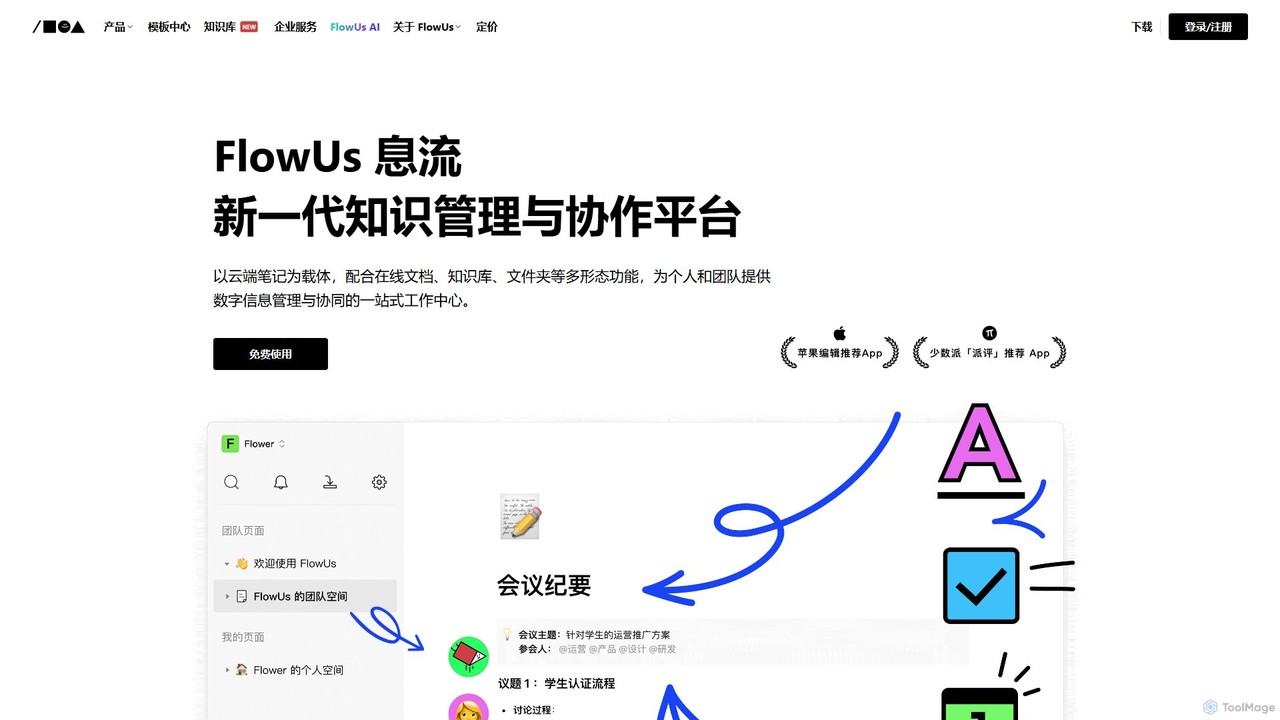
FlowUs
FlowUs is a next-generation knowledge management and collaboration platform that integrates documents, notes, databases, and project management into a unified workspace. It features a powerful, natively embedded AI assistant to streamline workflows for individuals and teams.
Writing
Capacities
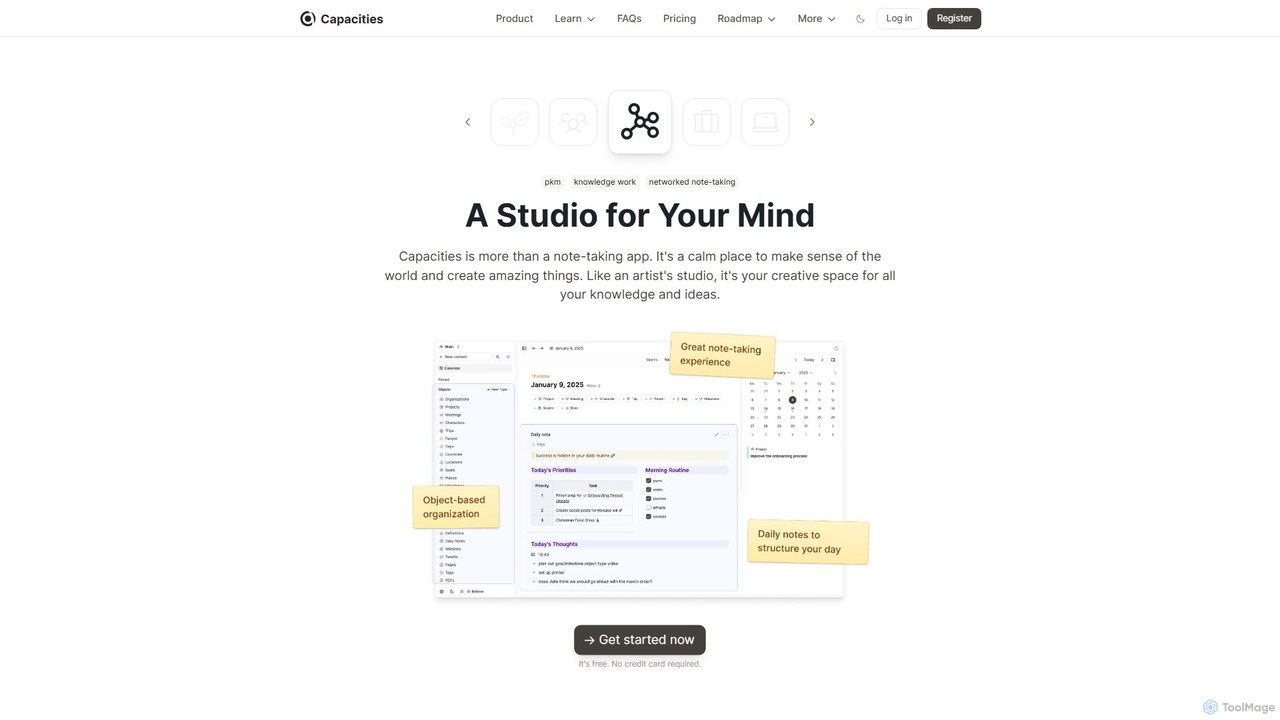
Capacities is a next-generation note-taking and knowledge management tool designed as a "studio for your mind." It replaces traditional folders with a flexible, object-based network, allowing you to connect ideas naturally. Features include an integrated AI assistant, powerful linking, custom content types, and cross-platform availability, making it ideal for building a personal knowledge base or "second brain."
Second Brain
remio
remio is a local-first AI assistant that unifies all your data—notes, files, and web content—into a single, private knowledge base. It allows you to capture information from anywhere, find answers instantly with AI-powered search, and organize your knowledge securely on your device, boosting your productivity and creativity.
Personal Assistant
Markwise
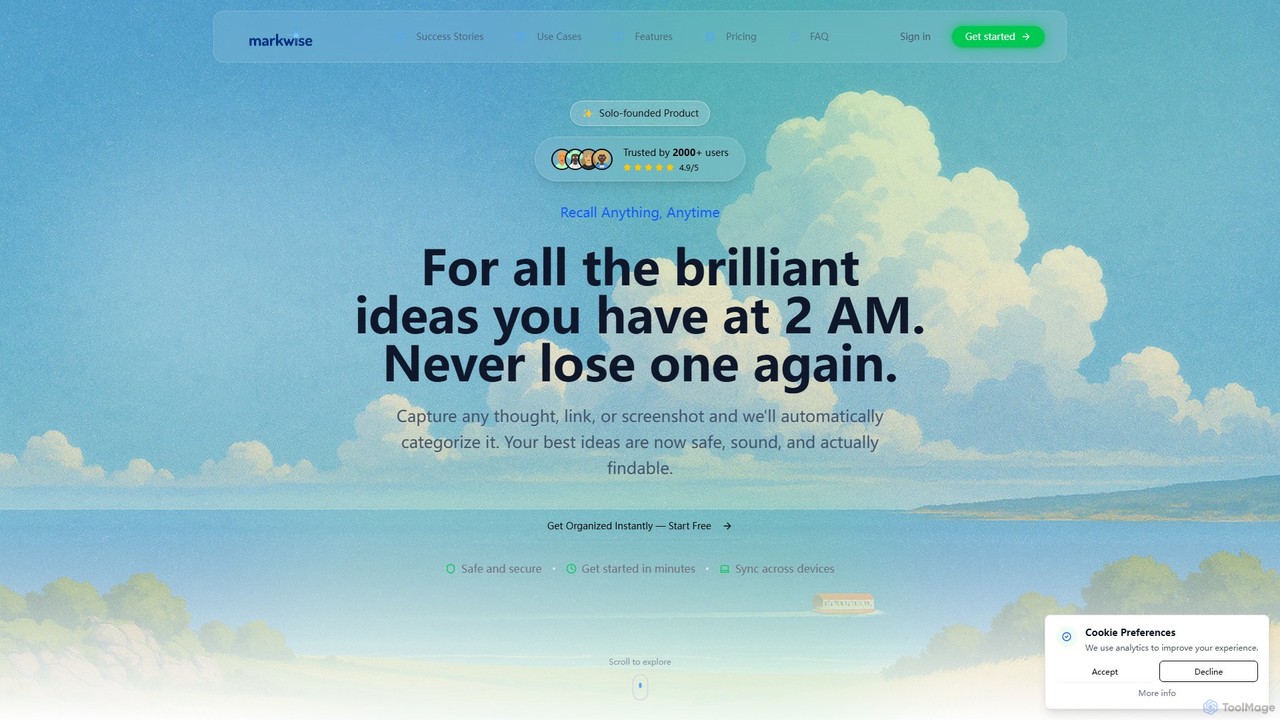
Markwise is an AI-powered knowledge manager that helps you save, organize, and recall bookmarks, notes, and ideas. It automatically categorizes and summarizes your content, allowing you to build a personal, searchable knowledge base. With features like semantic search, project-based Spaces, and a browser extension, it streamlines research and boosts productivity for professionals, students, and creatives.
Bookmarking