


Mechanix Overview
Mechanix is a robust platform designed to accelerate the development of intelligent applications by providing a suite of powerful tools through a simple, hosted API. It empowers developers to build faster and smarter AI apps by offloading complex tasks such as real-time web searching, content summarization, and secure code execution. Positioned as a hosted, enterprise-ready alternative to frameworks like LangChain Tools, Mechanix eliminates the need for developers to manage underlying infrastructure, allowing them to focus on core application logic and user experience.
The platform is built for seamless integration into both new and existing projects, whether they are powered by Large Language Models (LLMs) or are standard applications needing advanced capabilities. By offering these tools as a service, Mechanix ensures scalability, reliability, and security, making sophisticated features accessible to developers of all levels.
How to use Mechanix
Integrating Mechanix into your application is a straightforward process designed for developer convenience:
- Sign Up & Get API Key: Create an account on the Mechanix website using Google or email to access your developer dashboard. From the dashboard, you can generate and manage your unique API keys.
- Explore the Documentation: Visit the comprehensive documentation and API Reference sections to understand the available endpoints, request parameters, and response formats for each tool.
- Choose a Tool: Identify the functionality you need, such as 'Web Search' to fetch live web data, 'Summarization' to condense text, or 'Code Execution' to run scripts.
- Make an API Call: From your application's backend, make a standard HTTP request to the relevant Mechanix API endpoint. Include your API key for authentication and pass the required data, such as a search query or text to be summarized.
- Process the Response: Mechanix processes your request and returns a structured JSON response containing the results, such as a list of search snippets, a condensed summary, or the output of executed code.
- Integrate and Display: Use the data from the API response to power features within your application, such as displaying search results to a user, showing a summarized article, or presenting the outcome of a code test.
Core Features of Mechanix
- Web Search API: Provides the ability to perform real-time web searches, retrieving relevant text snippets and even images for a given query. This is essential for AI agents that need access to up-to-date information.
- Summarization API: Automatically generates concise, condensed versions of long texts or content from various sources. It can also handle visual content, providing a powerful tool for content processing and presentation.
- Code Execution API (WIP): A secure and isolated environment to run code snippets. It supports Virtual Machines with optional GPU acceleration, making it ideal for applications that need to test, demonstrate, or execute user-provided code safely.
- Hosted & Managed Infrastructure: As a fully hosted API, Mechanix handles all the backend complexity, including server maintenance, scaling, and reliability, so developers don't have to.
- Simple Integration: Designed as a RESTful API, it can be easily integrated into any application, regardless of the programming language or framework being used.
Use Cases for Mechanix
Mechanix is versatile and can be applied in numerous scenarios:
- AI Chatbots and Virtual Assistants: Enhance chatbots with the Web Search API to answer questions about current events or topics beyond their training data. Use the Summarization API to provide brief, digestible answers from long sources.
- Automated Research Tools: Build applications that can gather vast amounts of information from the web on a specific topic and use the Summarization API to create executive summaries or annotated bibliographies.
- Online Learning & Coding Platforms: Leverage the Code Execution API to create interactive coding tutorials or online IDEs where users can run and test code in a secure sandbox environment.
- Content Aggregation and News Feeds: Use the Summarization API to generate short previews for articles, helping users quickly scan through large volumes of content.
- Market Intelligence Systems: Integrate the Web Search API to monitor news, competitor websites, and social media for relevant keywords, and use the Summarization API to distill key insights.
Advantages of Mechanix
Using Mechanix offers several key benefits:
- Accelerated Development: Drastically reduces the time and effort required to build and integrate complex features.
- Focus on Core Product: Allows development teams to concentrate on their unique value proposition instead of building and maintaining backend tool infrastructure.
- Scalability on Demand: The managed service automatically scales to handle fluctuating loads, ensuring consistent performance.
- Enhanced Security: The Code Execution tool runs in isolated VMs, mitigating the risks associated with running untrusted code.
- Cost-Efficiency: Avoids the high costs of developing, deploying, and maintaining these specialized systems in-house.
Pricing and Plans
Mechanix likely operates on a freemium model to allow developers to start building and testing for free. While specific pricing details are available on the official website, a typical structure would include:
- Free Tier: A perpetual free plan with a limited number of API calls per month, ideal for hobby projects, prototyping, and evaluation.
- Paid Tiers (Usage-Based): Scaled pricing plans based on the volume of API calls and the specific tools used. These tiers would offer higher rate limits, access to premium features like GPU-enabled code execution, and dedicated support, catering to startups and enterprise-level applications.
Developers can sign in to their dashboard to monitor usage and upgrade their plan as their application's needs grow.
Mechanix Alternatives
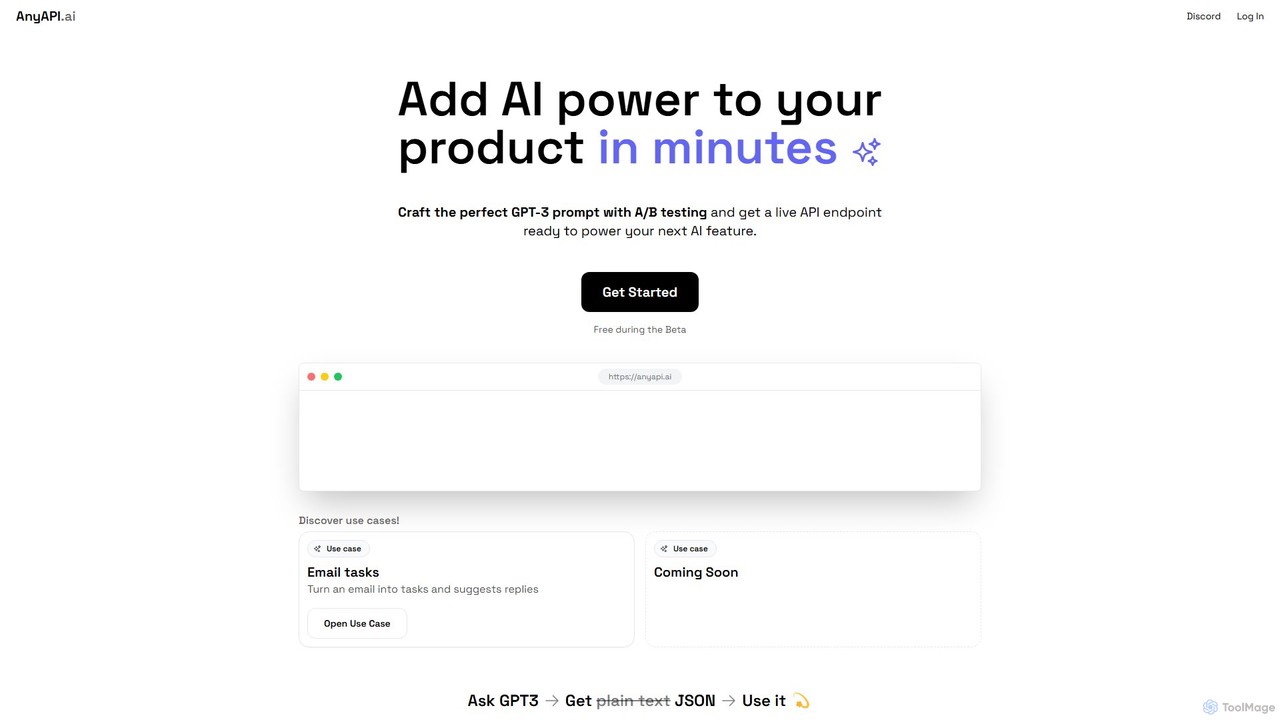
AnyAPI
AnyAPI is a developer platform that enables you to add AI features to your product in minutes. It provides tools for crafting and A/B testing GPT-3 prompts, and instantly generates a live API endpoint for seamless integration. Simplify your AI development workflow and deploy powerful features without managing complex infrastructure.
Api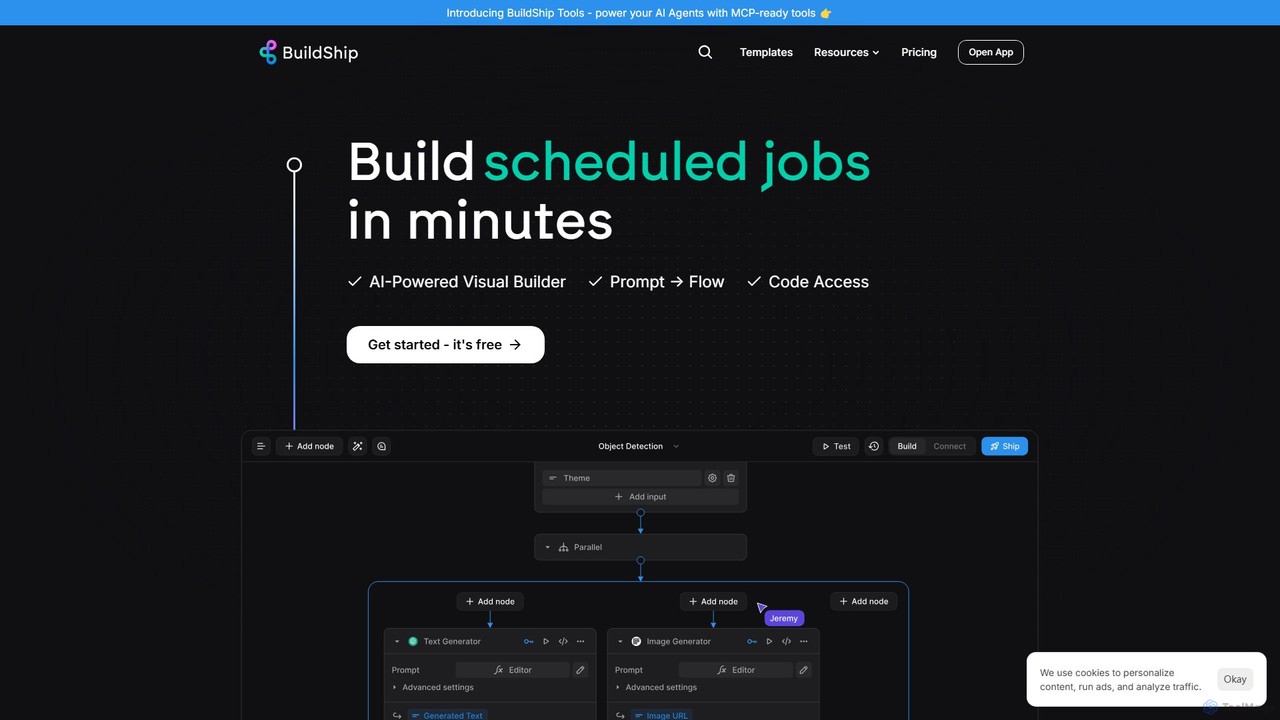
BuildShip
BuildShip is a low-code, AI-powered platform for visually building backend workflows, APIs, and scheduled jobs. Connect any AI model, database, or tool using a drag-and-drop interface or natural language prompts. Go from idea to a scalable, production-ready backend in minutes, with the flexibility to use JavaScript/TypeScript for advanced customization. Ideal for developers and creators alike.
Api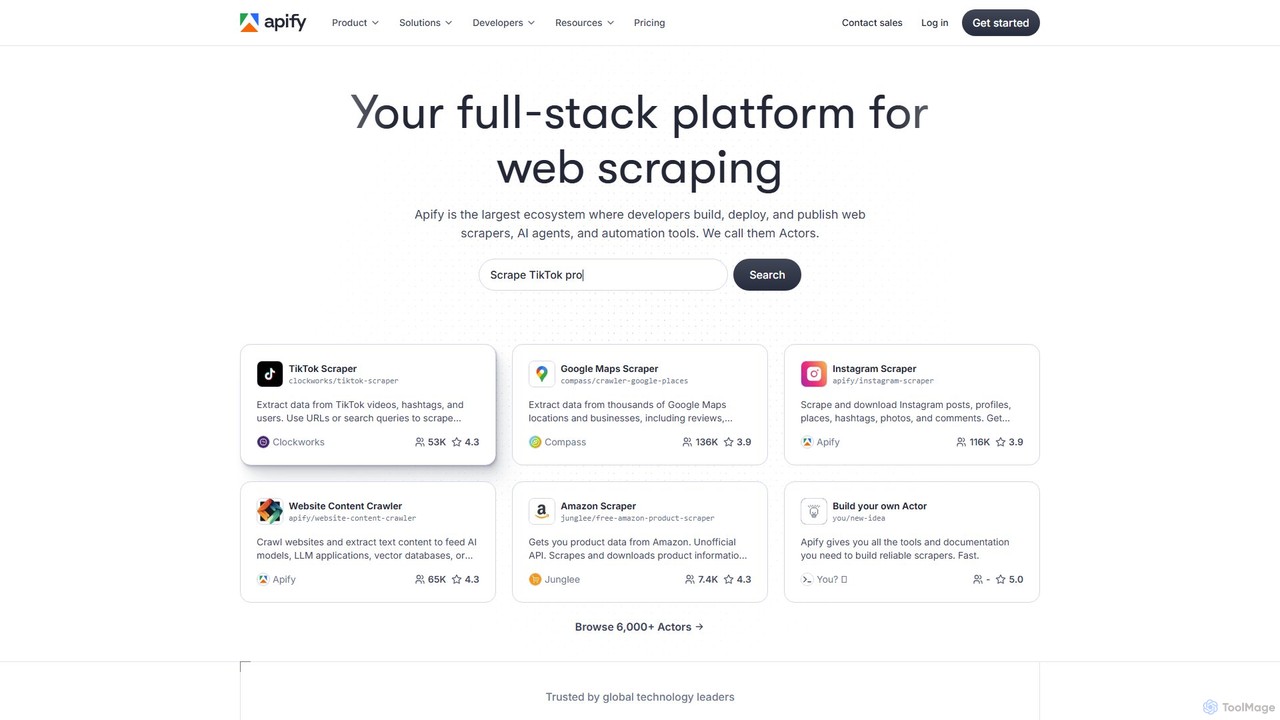
Apify
Apify is a full-stack web scraping and automation platform that enables developers to build, deploy, and publish data extraction tools, known as 'Actors'. It offers a vast marketplace of pre-built scrapers for popular websites like Google Maps, Instagram, and TikTok, alongside a robust cloud infrastructure for creating custom solutions. With support for Python and JavaScript, open-source libraries, and seamless integrations, Apify simplifies collecting web data at any scale.
Data Collection
Muapi
Muapi is a powerful API platform designed to accelerate AI image and video generation. It provides developers and creators with unified access to a diverse range of cutting-edge AI models. With Muapi, you can easily integrate functionalities like text-to-video, image-to-video, consistent character generation, and style transfer into your applications. The platform simplifies the development process, offering a single API endpoint for multiple advanced generative AI tasks, backed by a clear, pay-as-you-go pricing structure.
Api
ApyHub
ApyHub is a comprehensive developer platform offering over 150 production-ready APIs. It's designed to accelerate application development by providing a vast catalog of utility and AI-powered APIs for tasks like data extraction, file manipulation, marketing automation, and e-commerce. It enables developers, no-coders, and teams to innovate faster by integrating trusted, pre-built functionalities, reducing boilerplate code and infrastructure management.
Text GenerationMechanix Categories
Mechanix Embed Widget
Copy this embed code to place the badge on your blog, article, or product site and send readers directly to this ToolMage detail page.

Related AI tools
AnyAPI
AnyAPI is a developer platform that enables you to add AI features to your product in minutes. It provides tools for crafting and A/B testing GPT-3 prompts, and instantly generates a live API endpoint for seamless integration. Simplify your AI development workflow and deploy powerful features without managing complex infrastructure.
Api
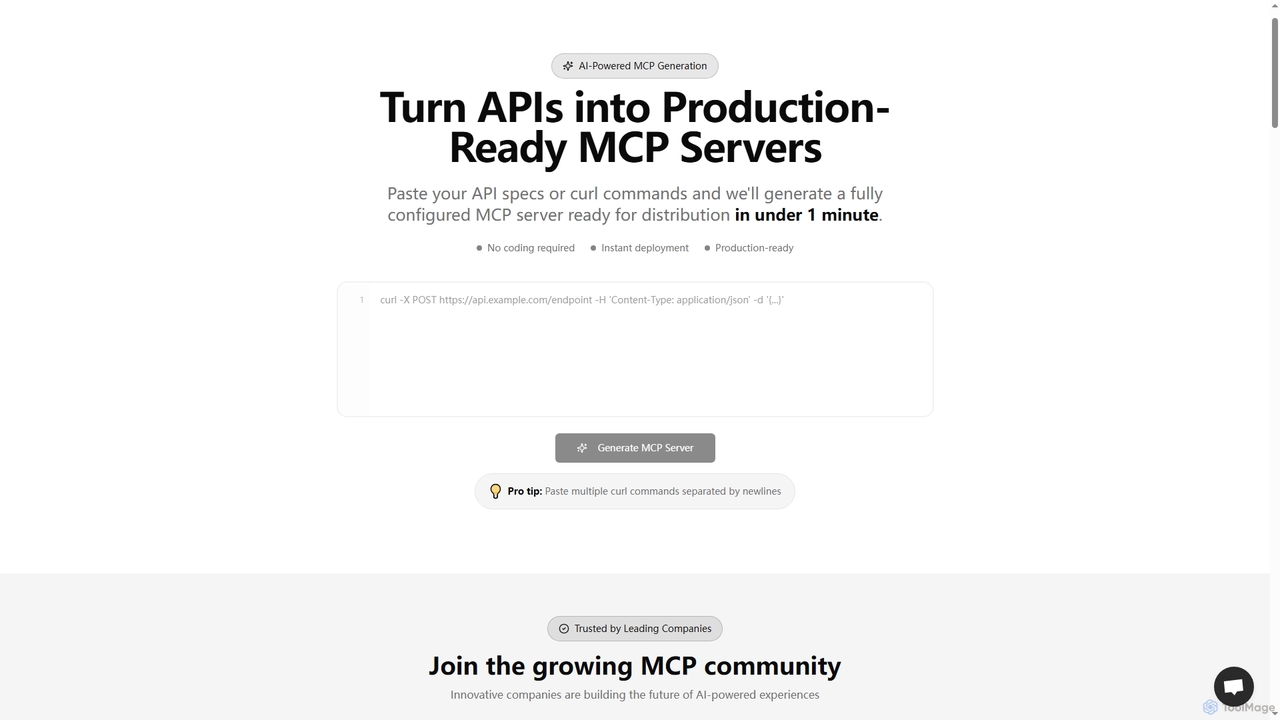
Mcpfy
An AI-powered platform that generates production-ready MCP (Model Context Protocol) servers from API specs or curl commands in under a minute. It enables businesses to securely connect their APIs and data sources with AI assistants like ChatGPT and Claude, offering instant deployment, customer analytics, and enterprise-grade security without coding.
Integration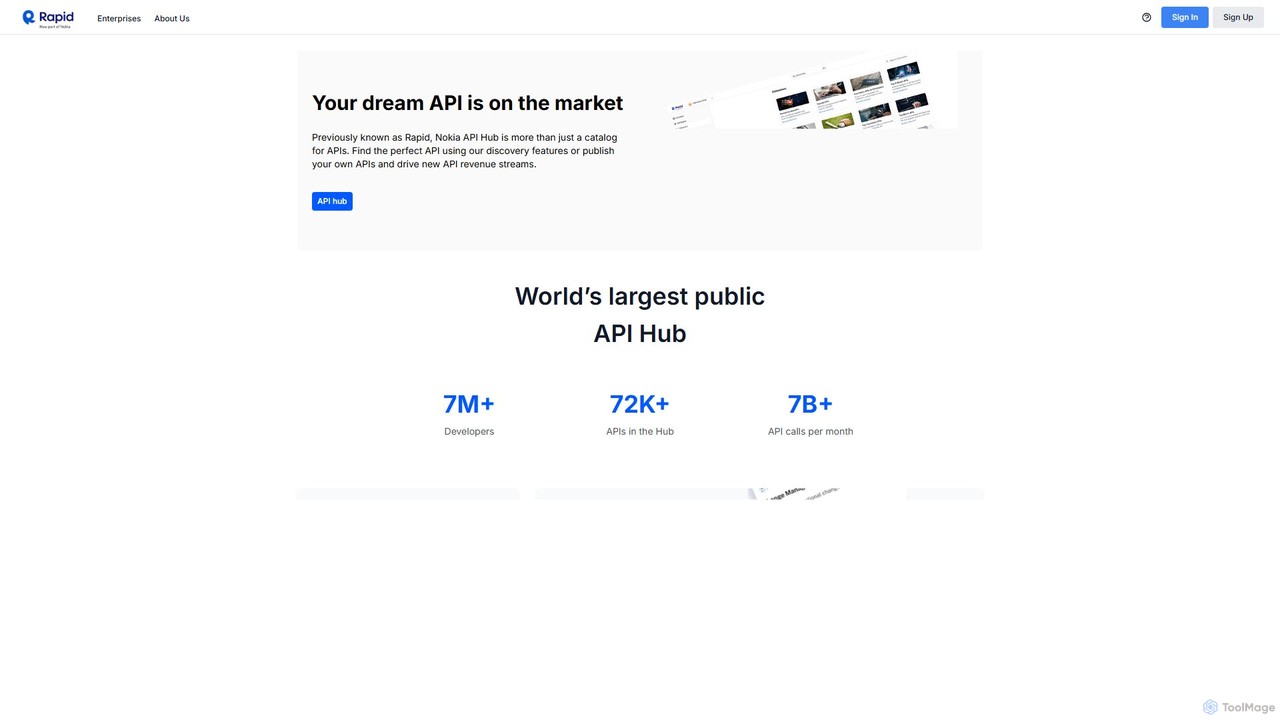
RapidAPI
RapidAPI is the world's largest API Hub where over 7 million developers find, test, and connect to tens of thousands of APIs. It provides a unified platform for discovering public APIs and managing private ones, simplifying the entire development lifecycle from integration to management and monetization.
Marketplace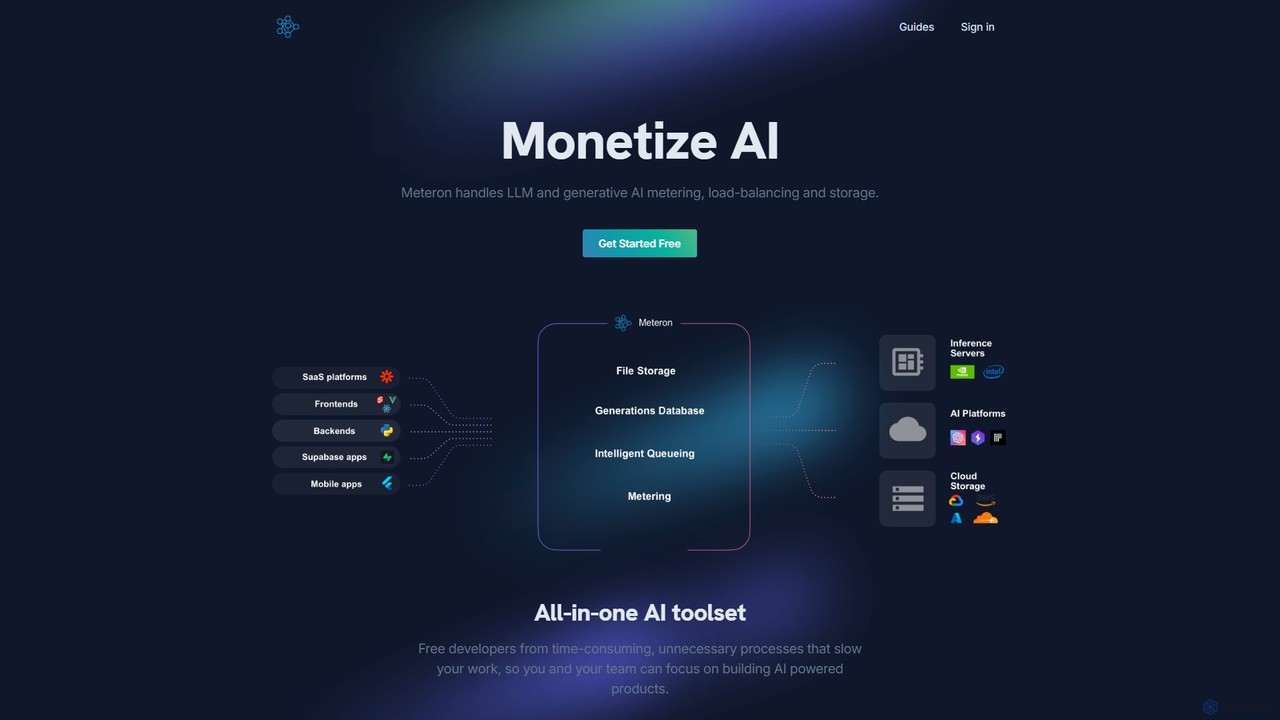
Meteron
Meteron is an all-in-one developer platform that simplifies building and scaling AI applications. It provides tools for metering, load balancing, and cloud storage, enabling developers to monetize their AI models (like LLMs and image generators) and manage infrastructure with ease. By handling complex backend processes, Meteron allows creators to launch AI-powered products faster.
MonetizationBuildShip
BuildShip is a low-code, AI-powered platform for visually building backend workflows, APIs, and scheduled jobs. Connect any AI model, database, or tool using a drag-and-drop interface or natural language prompts. Go from idea to a scalable, production-ready backend in minutes, with the flexibility to use JavaScript/TypeScript for advanced customization. Ideal for developers and creators alike.
Api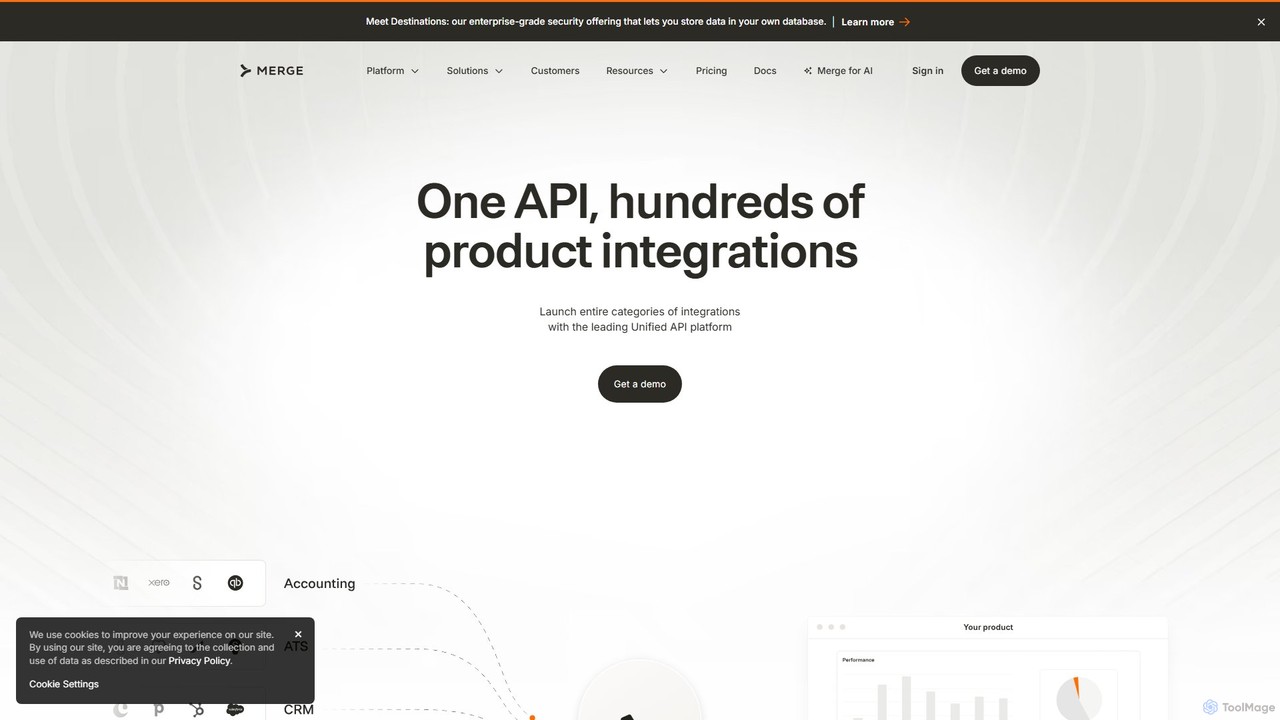
Merge
Merge is a leading Unified API platform for B2B companies, enabling them to add hundreds of customer-facing integrations for HR, Payroll, Accounting, CRM, and more. It simplifies data access and synchronization, allowing developers to build once and connect to a vast ecosystem of third-party applications, accelerating product development and reducing engineering overhead.
Integration Platform As A Service (Ipaas)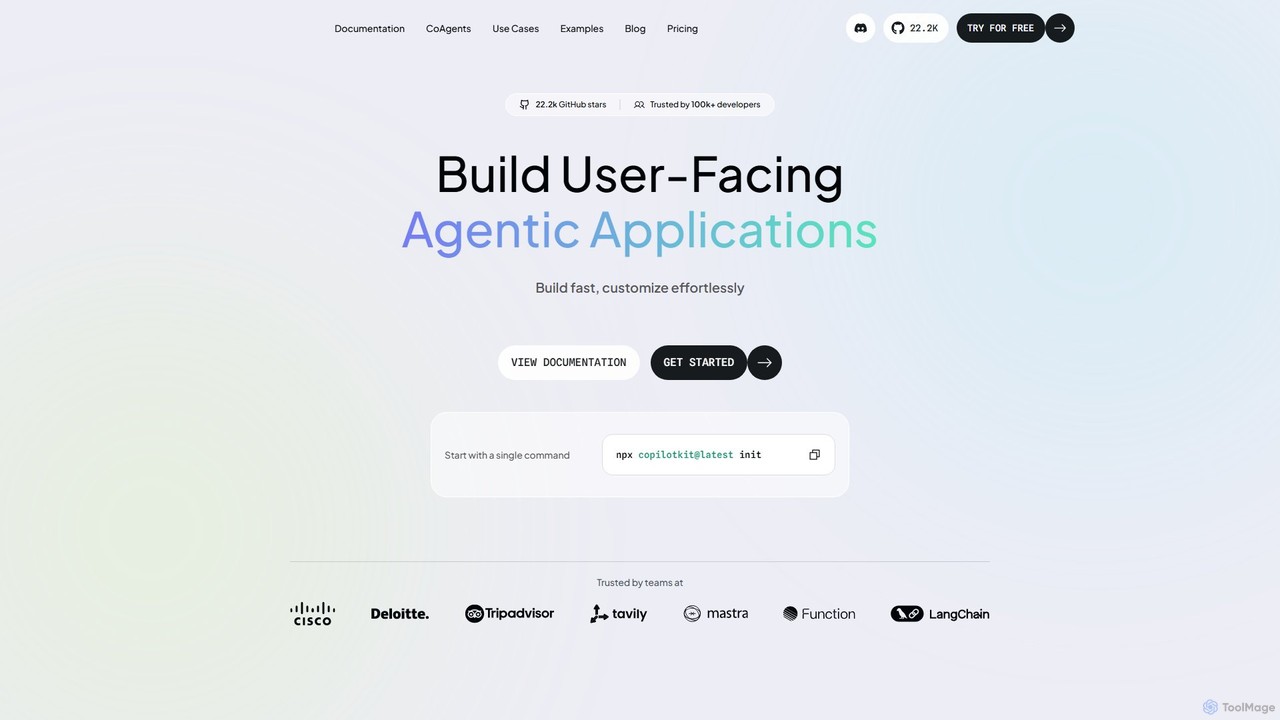
CopilotKit
CopilotKit is an open-source, full-stack framework for developers to build, deploy, and customize in-app AI copilots and agentic applications. It provides front-end components, back-end logic, and seamless integrations with any LLM or agent framework, enabling the creation of powerful, user-facing AI assistants.
Frameworks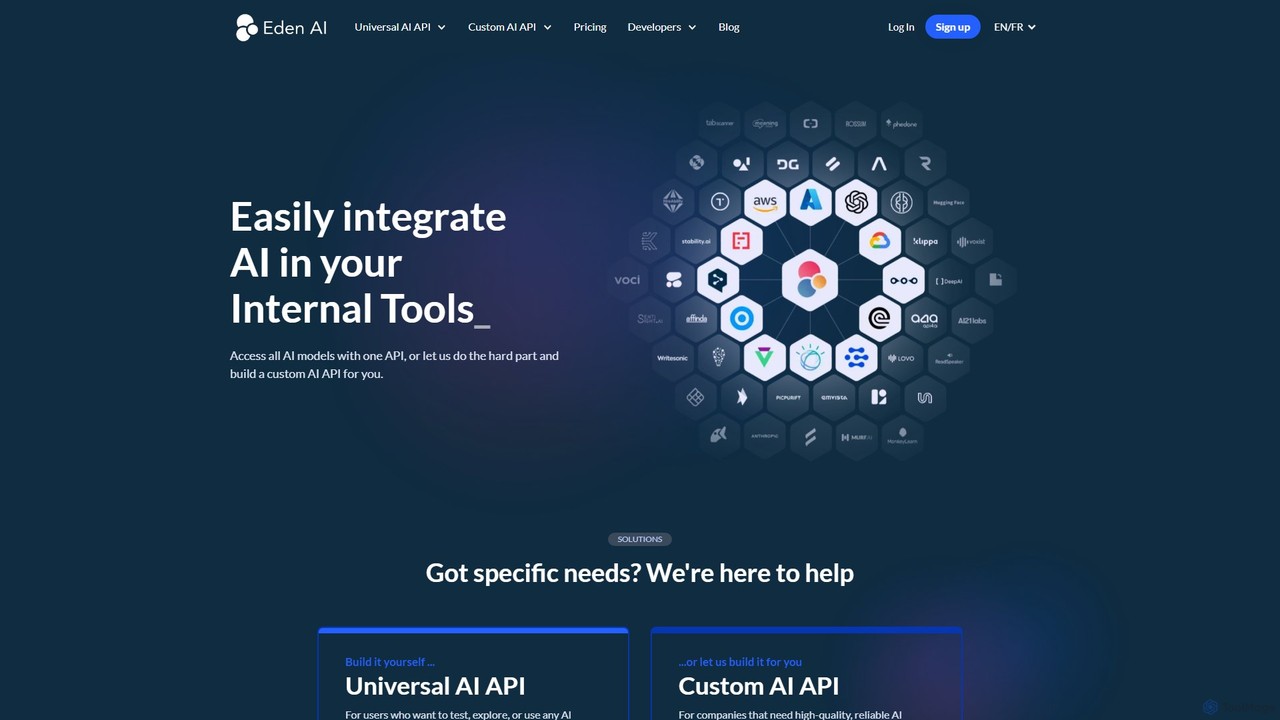
Eden AI
Eden AI is a unified API platform that allows developers to easily access and integrate the best AI models from various providers like OpenAI, Google, and AWS. It simplifies AI integration, enables performance and price benchmarking, and offers custom AI solutions for specific business needs.
Platform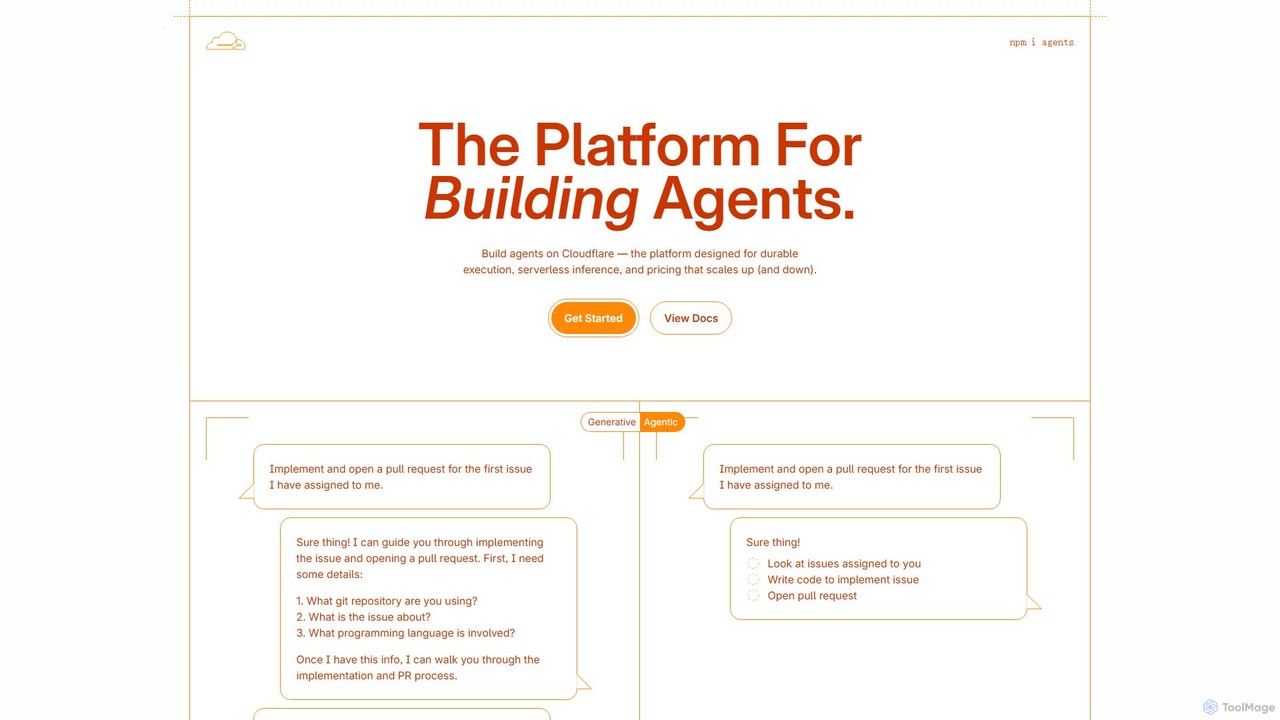
Cloudflare Agents
A comprehensive developer platform for building, deploying, and scaling autonomous AI agents. It leverages Cloudflare's serverless infrastructure for durable execution, efficient LLM inference, and a cost-effective, pay-as-you-go pricing model designed for unpredictable workloads.
Serverless
airweave
Airweave is a developer platform designed to empower AI agents with deep, contextual knowledge by seamlessly connecting them to user apps and workspaces. It provides a unified search layer, automated data syncing, and robust integration tools to accelerate the development of intelligent, data-aware agents.
Knowledge Base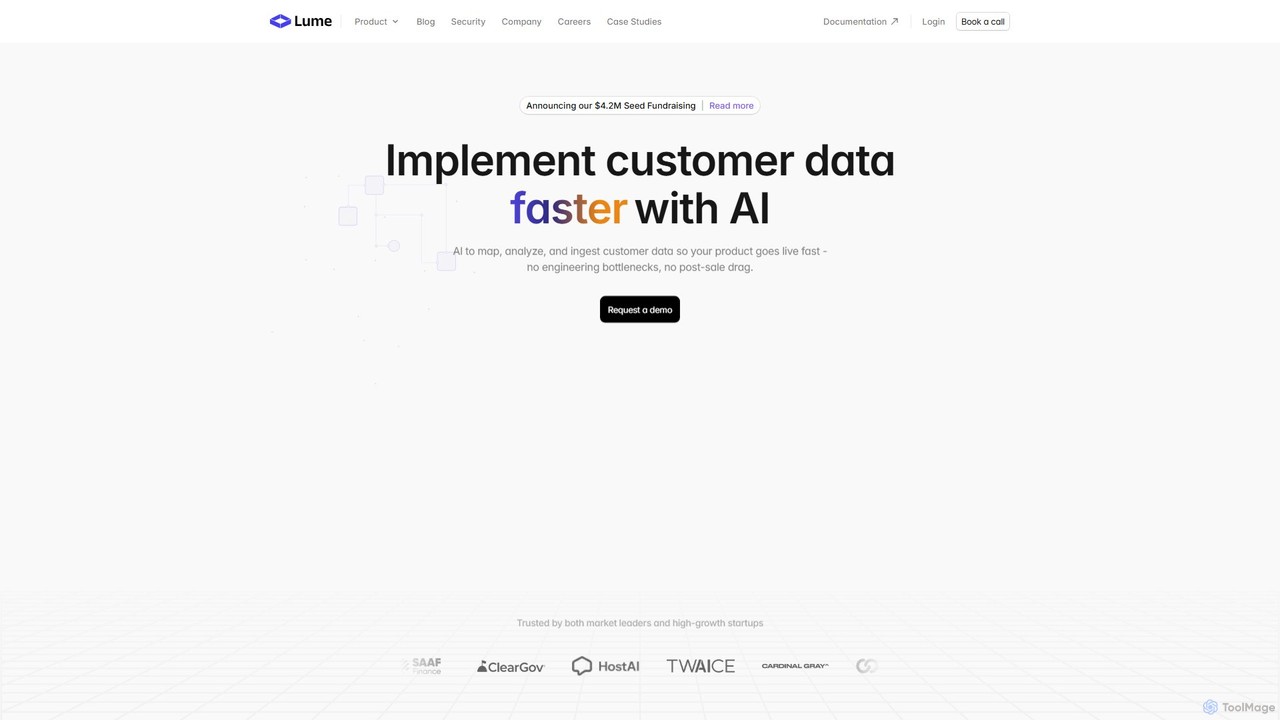
Lume AI
Lume AI is an AI-powered platform designed to automate and accelerate customer data implementation. It intelligently maps, analyzes, and ingests customer data, eliminating engineering bottlenecks and reducing onboarding time from weeks to days. By offering both a no-code interface and a flexible API, Lume AI helps businesses streamline data integration, normalize data from various sources, and manage complex data pipelines, allowing teams to focus on their core product value.
Data Management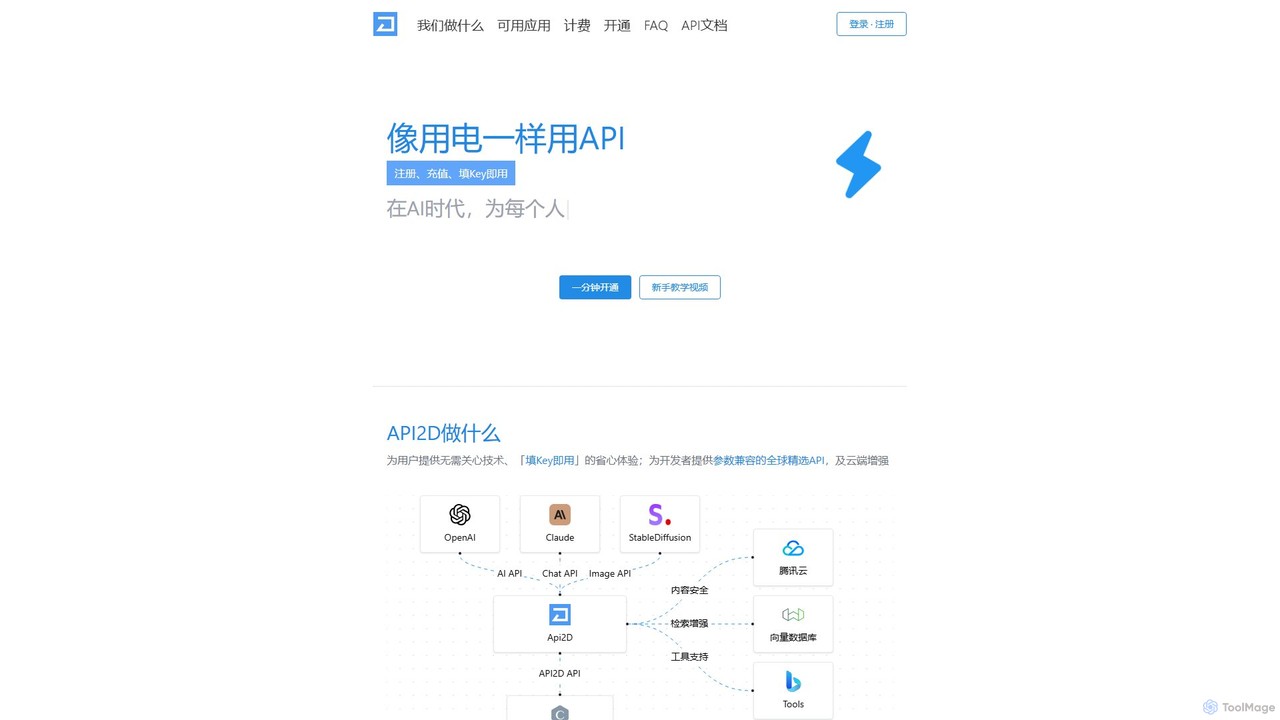
API2D
API2D is an API aggregator and proxy service that simplifies access to leading AI models like GPT-4, Claude, and Stable Diffusion. It provides a single, unified API key compatible with OpenAI standards, allowing for easy integration into hundreds of existing applications. With a pay-as-you-go pricing model and features like caching and content safety, API2D offers a convenient and cost-effective solution for developers and users to leverage powerful AI capabilities without complex setups or geographical restrictions.
Middleware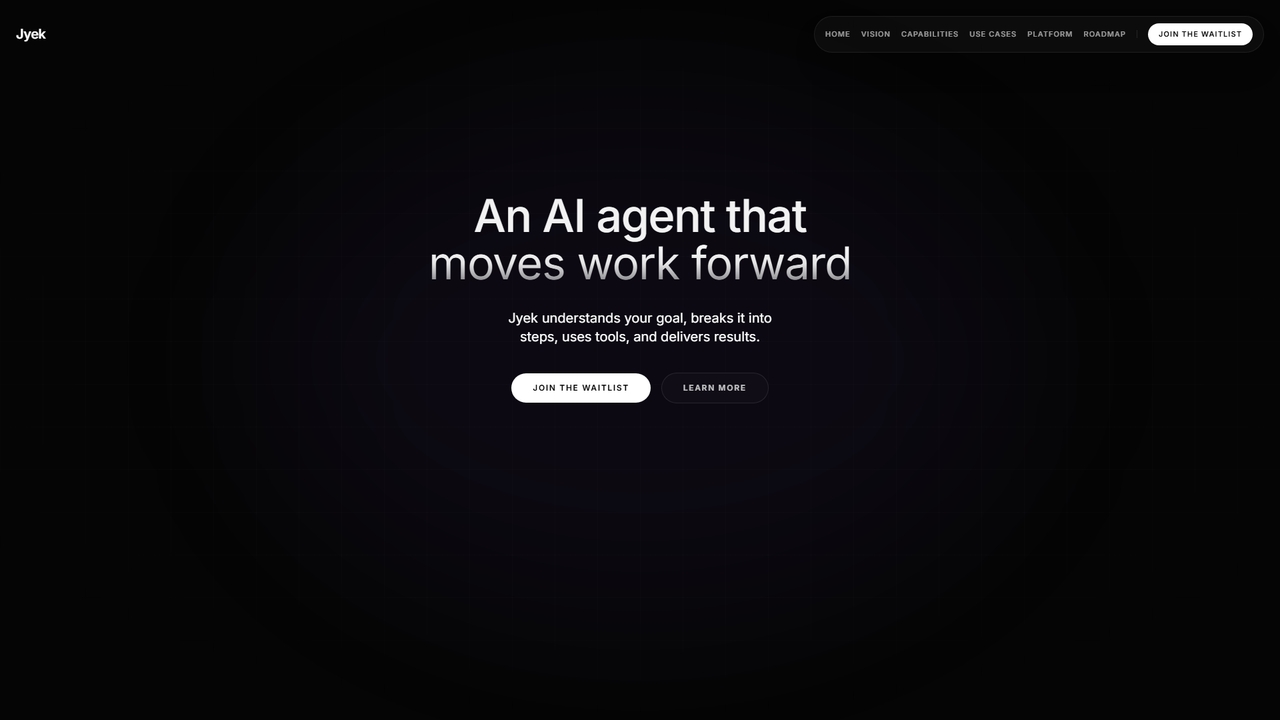
Jyek
Jyek is an AI agent platform that understands objectives, creates execution plans, uses tools, and delivers verifiable results for complex, multi-step tasks.
Automation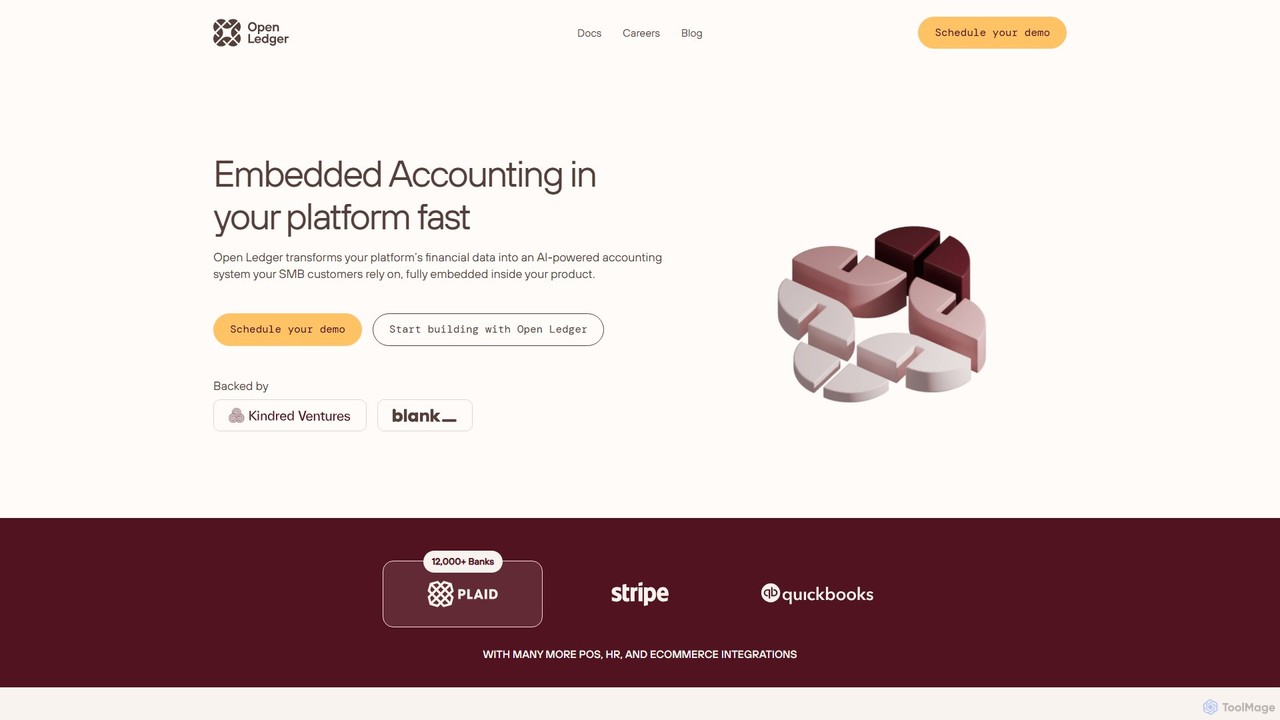
accelbooks
accelbooks (now Open Ledger) is an AI-powered embedded accounting API for SaaS platforms. It enables you to integrate a complete, white-labeled accounting system directly into your product, offering your SMB customers features like automated bookkeeping, transaction categorization, and financial reporting, all powered by advanced LLMs.
Api
Mechanix Comments (0)
Sign in to comment.
Sign inNo comments yet.