
QueryLab Overview
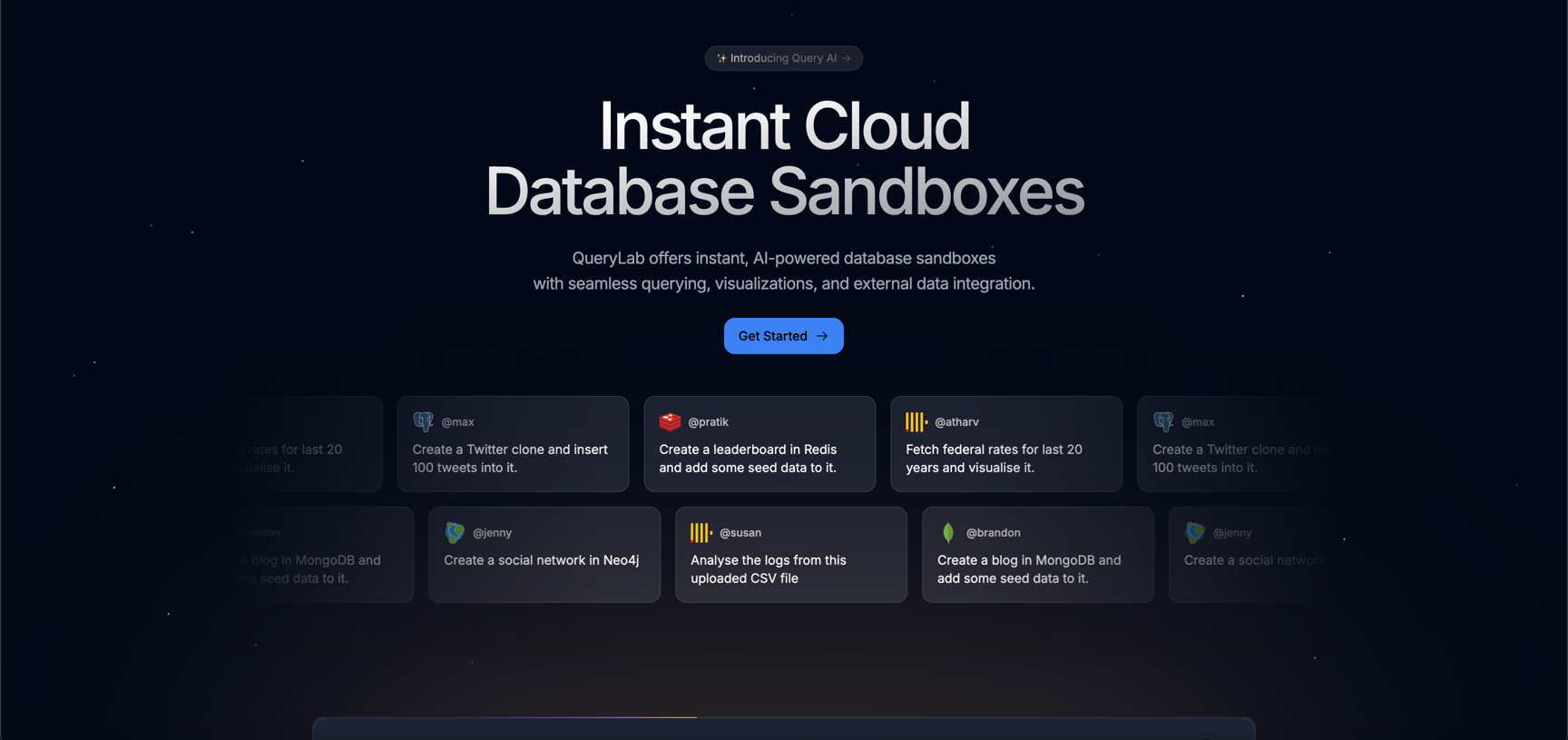
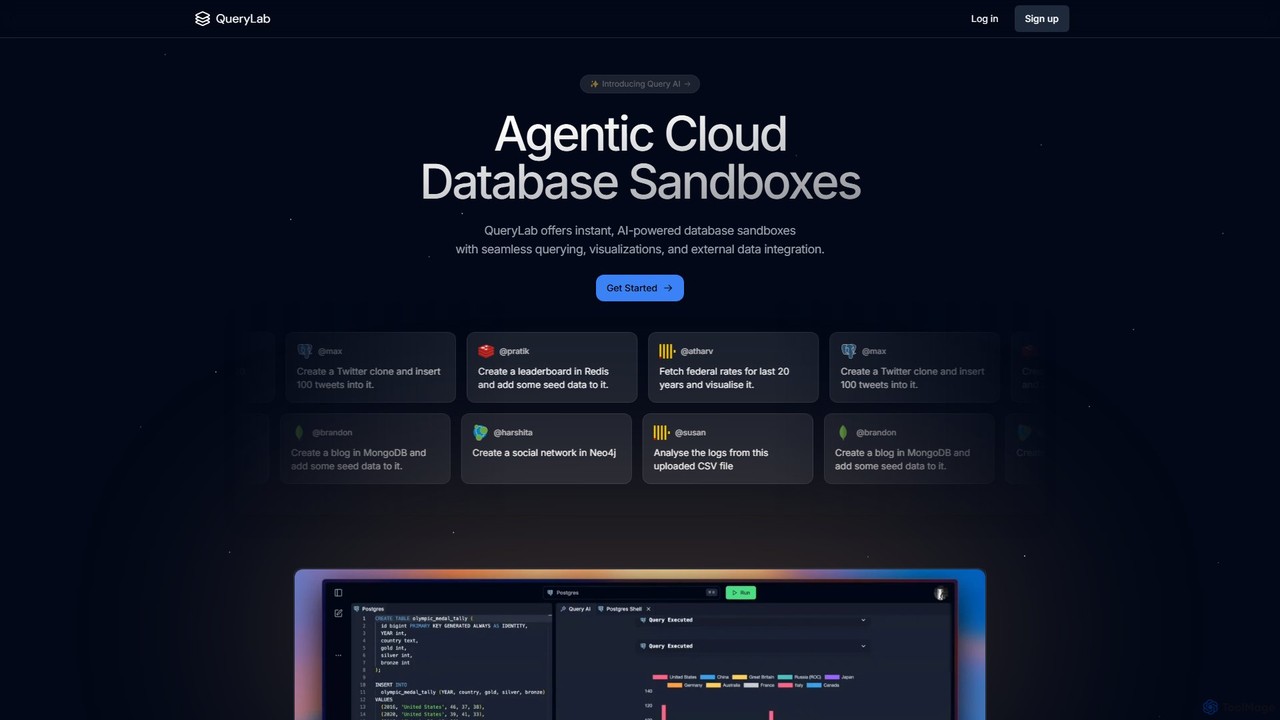
QueryLab is a revolutionary platform designed to simplify database interaction for developers, data analysts, and students. It offers AI-powered, agentic cloud database sandboxes, transforming the way users work with data. By leveraging advanced AI, QueryLab allows you to create, query, and manage databases using simple natural language prompts, eliminating the need for complex setup processes and intricate query syntax.
The platform provides instant, one-click deployment of various popular databases, including PostgreSQL, MongoDB, ClickHouse, Redis, and Neo4j. This means you can have a fully configured database environment ready for use in seconds. Whether you're prototyping a new application, analyzing a dataset, or learning database concepts, QueryLab streamlines the entire workflow from setup to insight.
How to use QueryLab
Using QueryLab is an intuitive and straightforward process designed for maximum efficiency:
- Sign Up: Get started quickly by signing up with your Google account.
- Create a Database Sandbox: With a single click, choose and deploy a database instance from a selection of popular options like PostgreSQL, MongoDB, or Redis.
- Interact with Natural Language: Instead of writing SQL or NoSQL queries, simply type your requests in plain English. For example, you can ask the AI to "Create a user table with columns for id, name, and email" or "Insert 100 sample tweets into the tweets collection."
- Import Data Effortlessly: Drag and drop a CSV file onto the platform. The AI will automatically analyze the file, create an appropriate table schema, and import the data.
- Integrate External Data: Use natural language prompts to fetch data from external sources and APIs. For instance, you could command it to "Fetch federal interest rates for the last 20 years and load them into a table."
- Visualize Insights: After running a query, ask the AI to visualize the results. It will automatically generate relevant charts and graphs, such as line charts, bar graphs, or scatter plots, helping you understand the data visually.
Core Features of QueryLab
- AI-Powered Natural Language Querying: Translates plain language prompts into complex database queries, making data access accessible to users of all skill levels.
- Instant Database Instances: One-click deployment of fully configured databases including PostgreSQL, MongoDB, ClickHouse, Redis, and Neo4j.
- Automated Data Visualization: Dynamically generates charts and graphs from query results to provide quick, intuitive data analysis.
- Seamless External Data Integration: Fetch and load data from public datasets or external APIs directly into your database sandbox using simple commands.
- Automated CSV Import & Schema Creation: An intelligent drag-and-drop feature for CSV files that automatically structures data and creates tables on the fly.
- Schema-Aware AI: The AI understands your database schema, enabling more accurate and context-aware query generation and data manipulation.
- Agentic Cloud Environment: Provides an intelligent, autonomous sandbox that can perform complex, multi-step data tasks based on high-level instructions.
Use Cases for QueryLab
QueryLab is a versatile tool suitable for a wide range of applications:
- Rapid Prototyping: Developers can instantly spin up a database to build and test new application ideas, such as creating a social network backend in Neo4j or a blog system in MongoDB.
- Data Analysis and Exploration: Data analysts can upload CSV files (e.g., log files, sales data) and use natural language to quickly query, filter, and visualize information without writing complex scripts.
- Education and Learning: Students and beginners can learn database concepts, data modeling, and querying in an interactive, low-friction environment without the steep learning curve of traditional database management.
- Proof of Concept (PoC) Development: Teams can quickly build and demonstrate a PoC by integrating external data and showcasing functionality with live, interactive visualizations.
Advantages of QueryLab
The primary advantage of QueryLab is its ability to dramatically reduce the time and complexity associated with database management. It democratizes data access, empowering both technical and non-technical users to derive insights from data. Its integrated workflow—from database creation to visualization—eliminates the need to switch between multiple tools, boosting productivity and efficiency. The support for various database types provides flexibility for different project requirements.
Pricing and Plans
While specific pricing tiers are not detailed on the website, QueryLab appears to operate on a freemium model. Users can "Get Started" for free, likely with a certain amount of usage credits or limitations on features. Paid plans would presumably offer more resources, support for larger datasets, advanced features, and team collaboration capabilities. Users are encouraged to sign up to explore the free offering.
QueryLab Alternatives
Vanna.AI
Vanna.AI is an open-source, personalized AI SQL agent that transforms natural language questions into accurate SQL queries. It uses a Retrieval-Augmented Generation (RAG) model trained on your specific database schema, documentation, and past queries to achieve high accuracy on complex datasets. It's designed for security, flexibility, and easy integration into any application, empowering both technical and non-technical users to gain insights from their data effortlessly.
Business Intelligence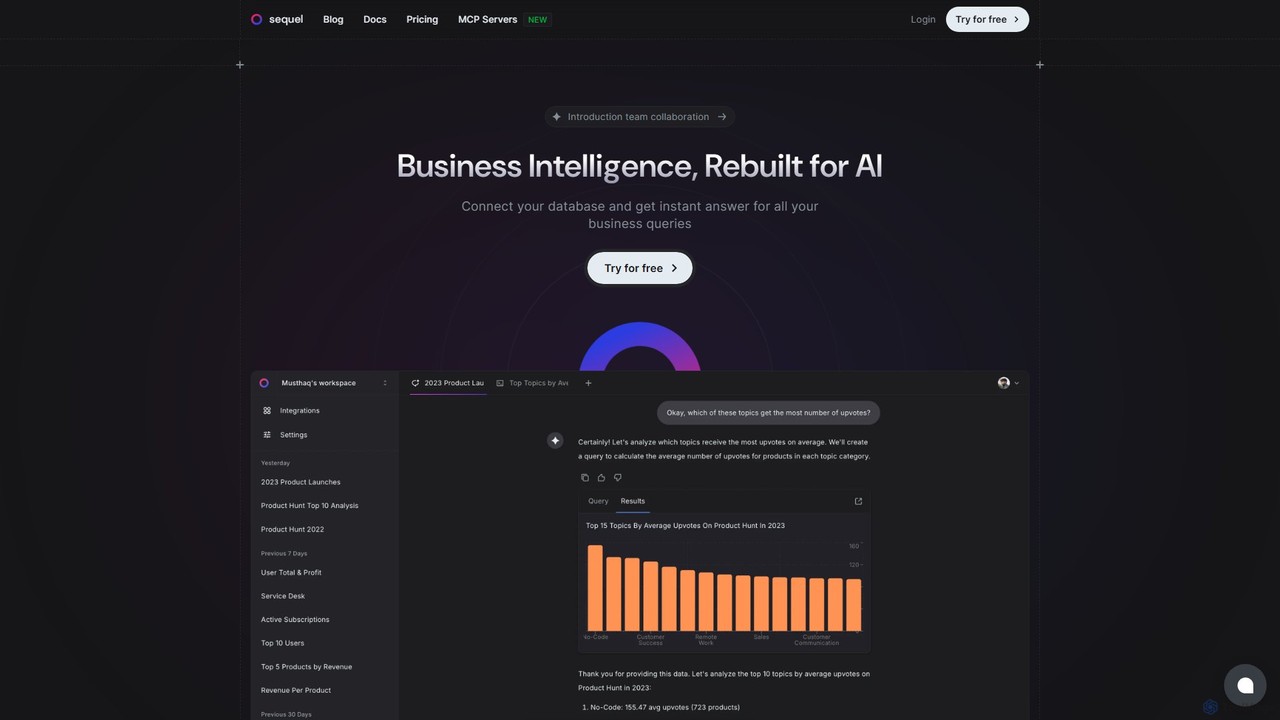
Sequel
Sequel is an AI-powered Business Intelligence platform that allows you to interact with your databases using natural language. Connect your data, ask questions in plain English, and instantly receive reports, visualizations, and insights without writing a single line of SQL.
Business Intelligence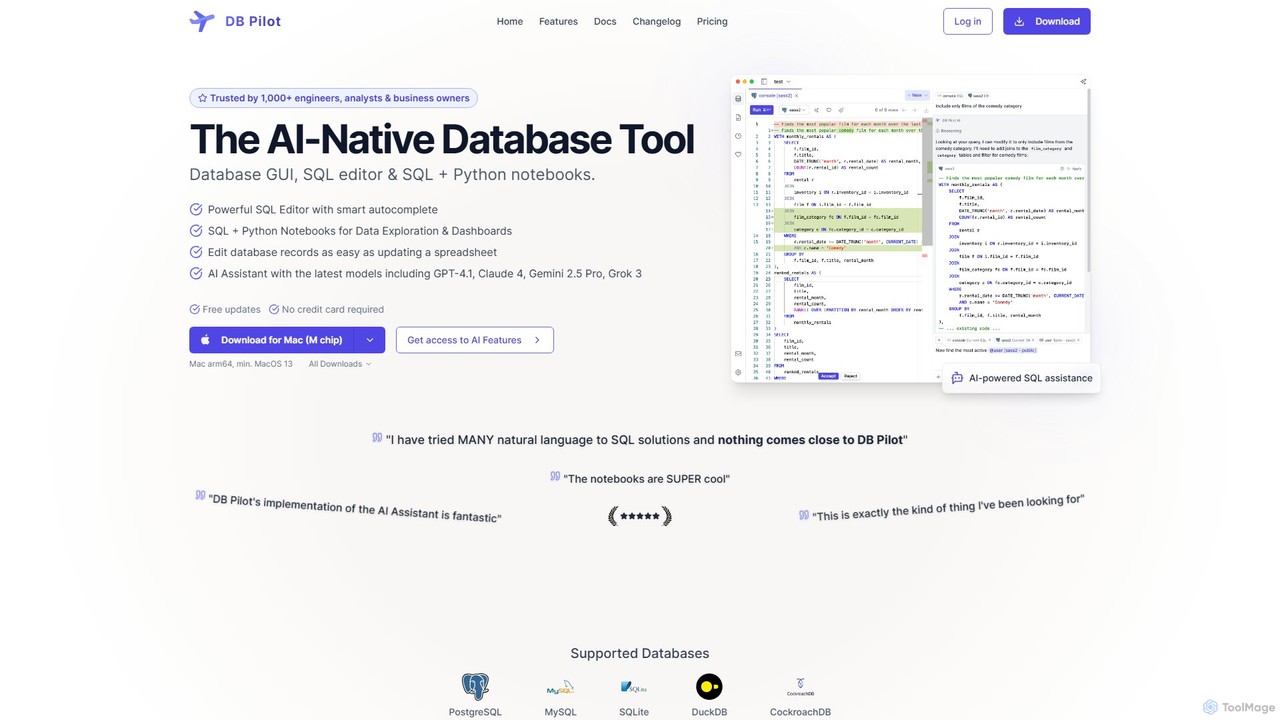
dbpilot
dbpilot is an AI-native database tool for engineers and analysts, featuring a powerful GUI, an intelligent SQL editor, and integrated SQL + Python notebooks. It leverages top AI models like GPT-4 and Claude to generate, debug, and explain queries, streamlining data exploration and dashboard creation in a secure, local-first environment.
Sql
sqltroughai
sqltroughai is an AI-powered assistant that translates natural language into SQL queries, optimizes existing code, and explains complex queries in plain English. It empowers developers, analysts, and business users to interact with databases effortlessly and efficiently.
Code Assistant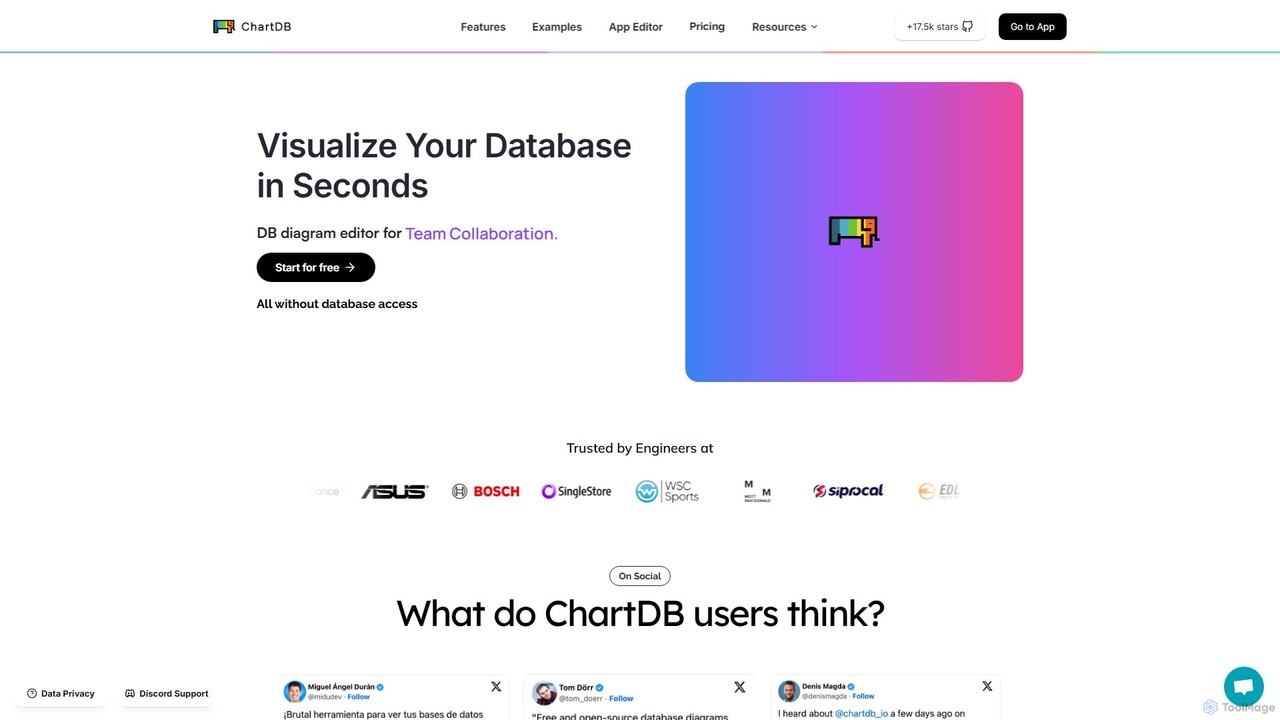
ChartDB
ChartDB is an AI-powered database schema visualizer that instantly generates interactive ER diagrams from a single query. It's designed for developers and teams to design, document, and collaborate on database structures. It features real-time collaboration, database synchronization, and an AI assistant to optimize schema design. Both cloud and self-hosted open-source versions are available.
VisualizationQueryLab Categories
QueryLab Embed Widget
Copy this embed code to place the badge on your blog, article, or product site and send readers directly to this ToolMage detail page.

Related AI tools
NeoBase
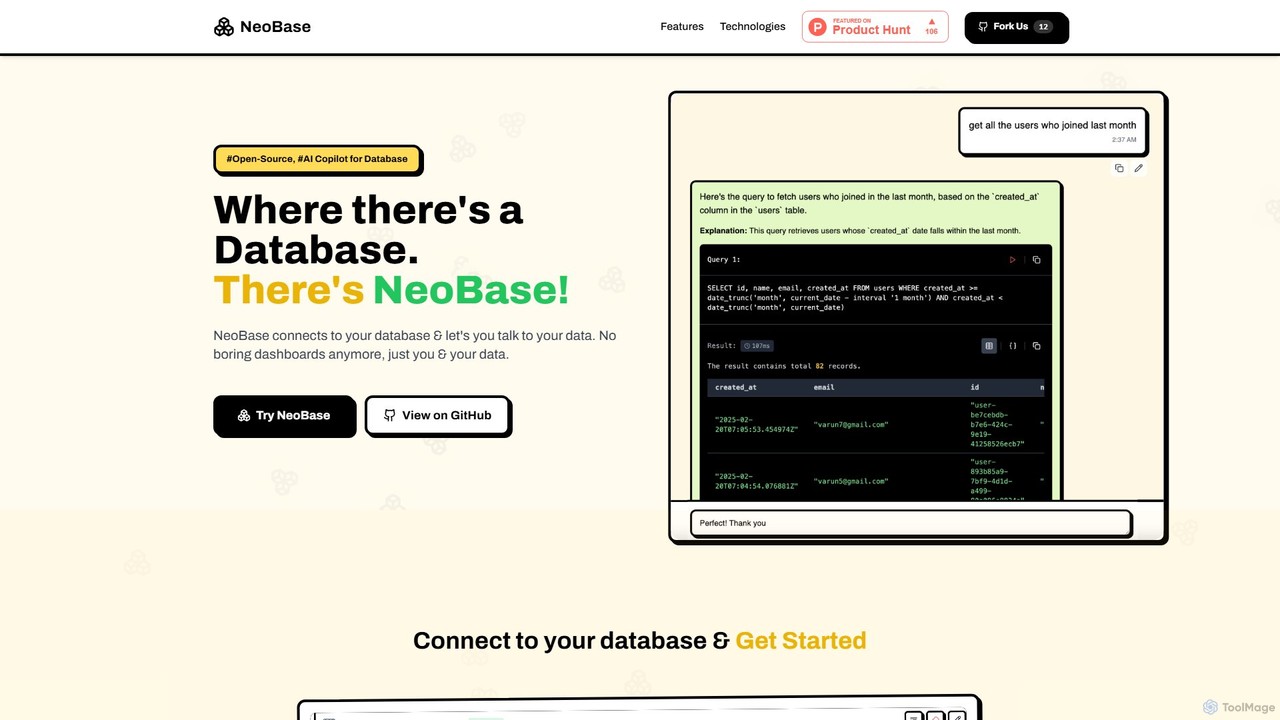
NeoBase is an open-source AI copilot for databases, enabling users to interact with their data using natural language. It connects to various SQL and NoSQL databases, translates plain English queries into optimized code, and visualizes the results. Designed for both technical and non-technical users, it streamlines data analysis, debugging, and reporting, eliminating the need for complex query writing and providing full data control through self-hosting.
Data AnalysisVanna.AI
Vanna.AI is an open-source, personalized AI SQL agent that transforms natural language questions into accurate SQL queries. It uses a Retrieval-Augmented Generation (RAG) model trained on your specific database schema, documentation, and past queries to achieve high accuracy on complex datasets. It's designed for security, flexibility, and easy integration into any application, empowering both technical and non-technical users to gain insights from their data effortlessly.
Business Intelligence
Raw Query
Raw Query is an AI-powered data assistant that allows you to interact with your database using natural language. Query, add, and update data through a simple chat interface, eliminating the need for complex SQL or custom internal tools. Ideal for developers and business teams to get instant data insights.
Business Intelligence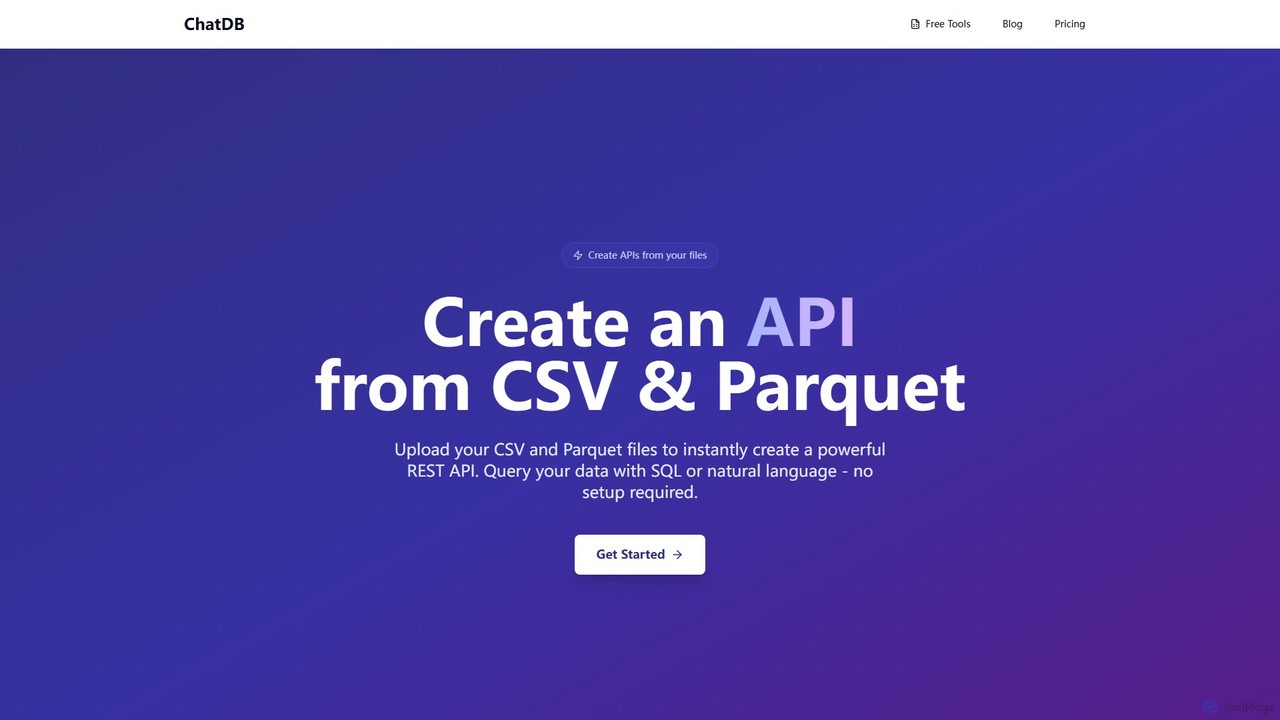
ChatDB
ChatDB is a powerful platform that instantly converts CSV and Parquet files into a fully functional REST API. Users can query their data using both standard SQL and AI-powered natural language, with no setup or infrastructure management required. It offers lightning-fast response times and a suite of free in-browser tools for data conversion, editing, and analysis, making it ideal for developers, data scientists, and rapid prototyping.
Api & BackendSequel
Sequel is an AI-powered Business Intelligence platform that allows you to interact with your databases using natural language. Connect your data, ask questions in plain English, and instantly receive reports, visualizations, and insights without writing a single line of SQL.
Business Intelligencedbpilot
dbpilot is an AI-native database tool for engineers and analysts, featuring a powerful GUI, an intelligent SQL editor, and integrated SQL + Python notebooks. It leverages top AI models like GPT-4 and Claude to generate, debug, and explain queries, streamlining data exploration and dashboard creation in a secure, local-first environment.
Sqlsqltroughai
sqltroughai is an AI-powered assistant that translates natural language into SQL queries, optimizes existing code, and explains complex queries in plain English. It empowers developers, analysts, and business users to interact with databases effortlessly and efficiently.
Code Assistant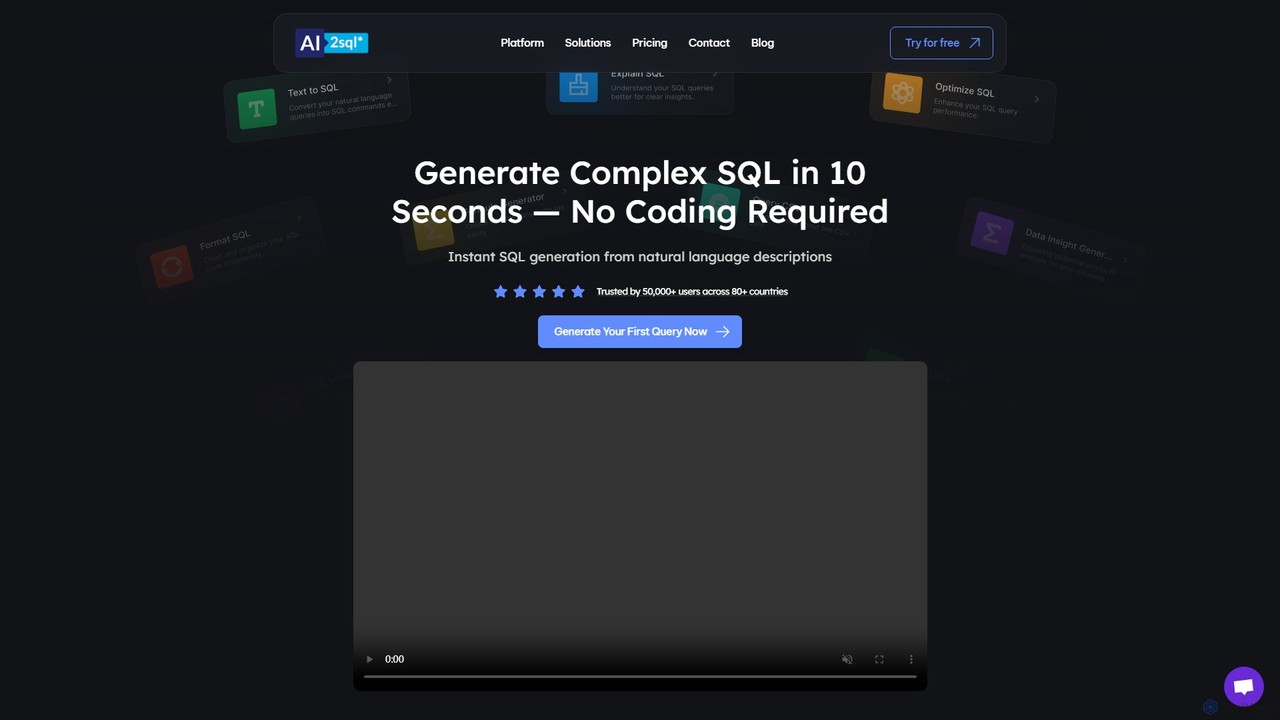
ai2sql
ai2sql is an AI-powered assistant that generates, explains, and optimizes complex SQL and NoSQL queries from natural language. It supports a wide range of databases like MySQL, PostgreSQL, and MongoDB, helping developers, data analysts, and beginners to work with data more efficiently and without extensive coding knowledge.
Analytics
SQLAI.ai
SQLAI.ai is an advanced AI-powered assistant that generates, optimizes, explains, and debugs SQL & NoSQL queries from natural language. Ideal for developers, analysts, and beginners, it supports over 30 databases, handles large schemas, and turns plain English into accurate code in seconds, boosting productivity and simplifying database management.
Database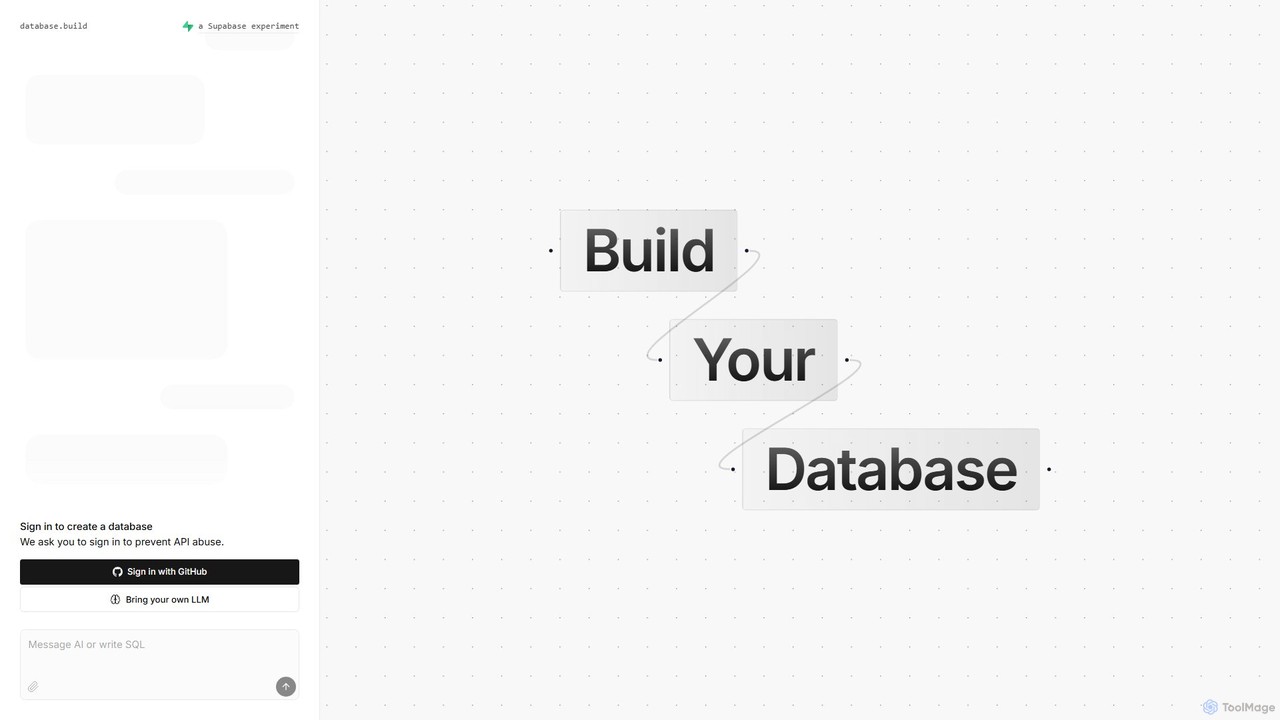
Postgres Sandbox
An intuitive, web-based visual tool for designing, prototyping, and experimenting with PostgreSQL database schemas. Create tables, define relationships, and generate SQL code in a risk-free sandbox environment. Ideal for developers, DBAs, and students.
Database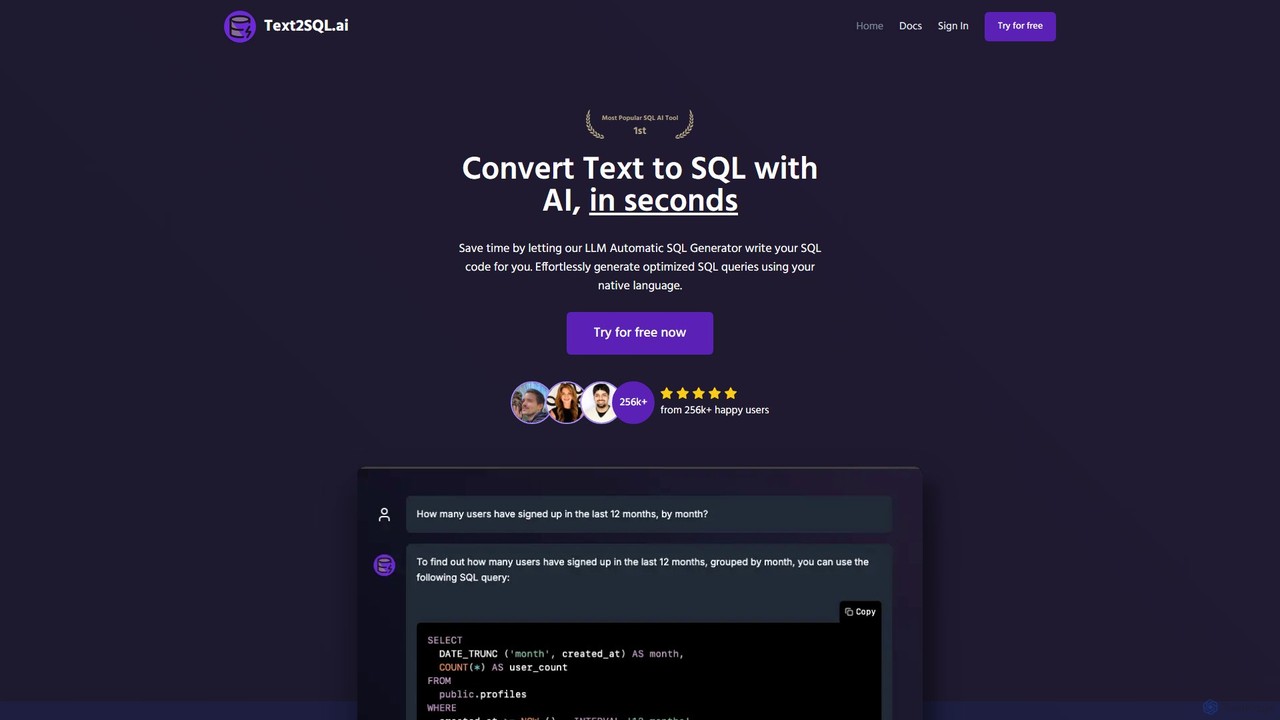
Text2SQL.ai
Text2SQL.ai is an AI-powered tool that instantly converts natural language text into complex SQL queries and Regex patterns. It supports over 12 SQL and NoSQL databases, allows schema integration for higher accuracy, and functions as a comprehensive AI assistant for explaining, fixing, and optimizing code. Designed for developers, data analysts, and beginners, it saves time, reduces errors, and makes database interaction more accessible. It also offers a public API for custom integrations.
Querying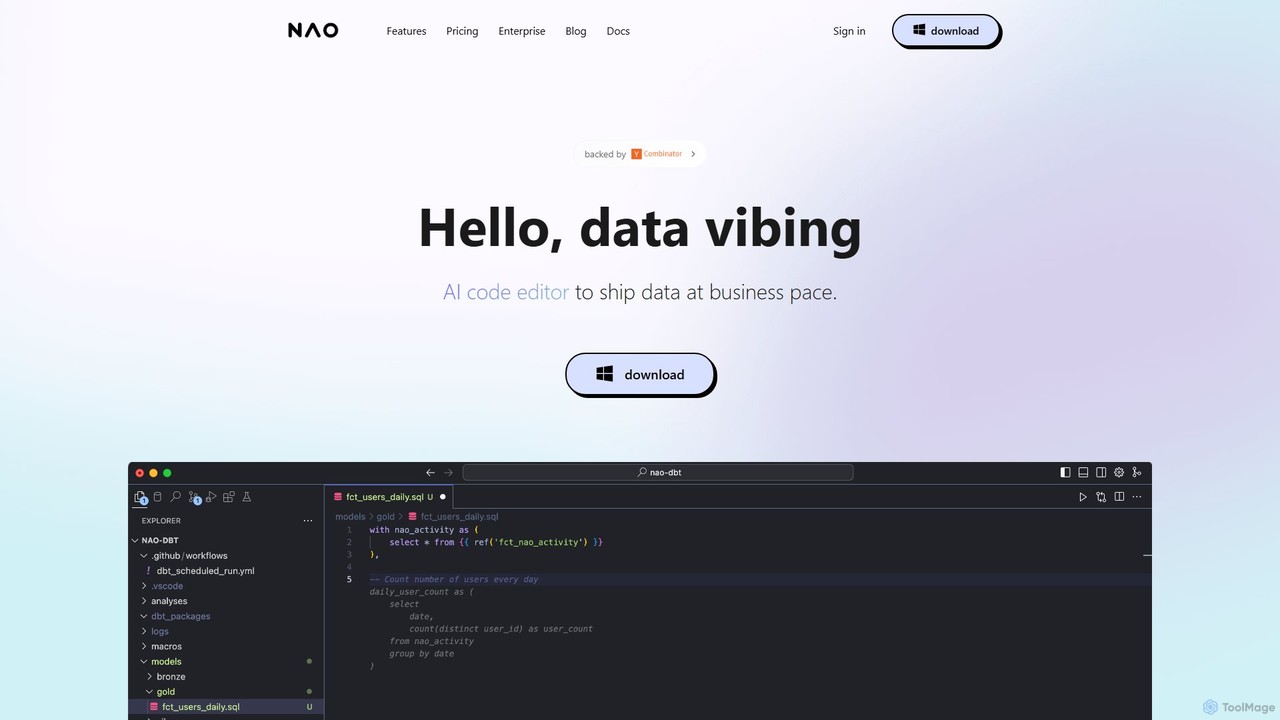
nao
nao is an AI-powered code editor designed for data teams. It streamlines SQL and Python data pipeline creation, dbt workflows, and analytics by natively connecting to your data warehouse. Its intelligent agent provides data-aware code suggestions, quality checks, and instant diff previews to help you ship data faster and more safely.
Analytics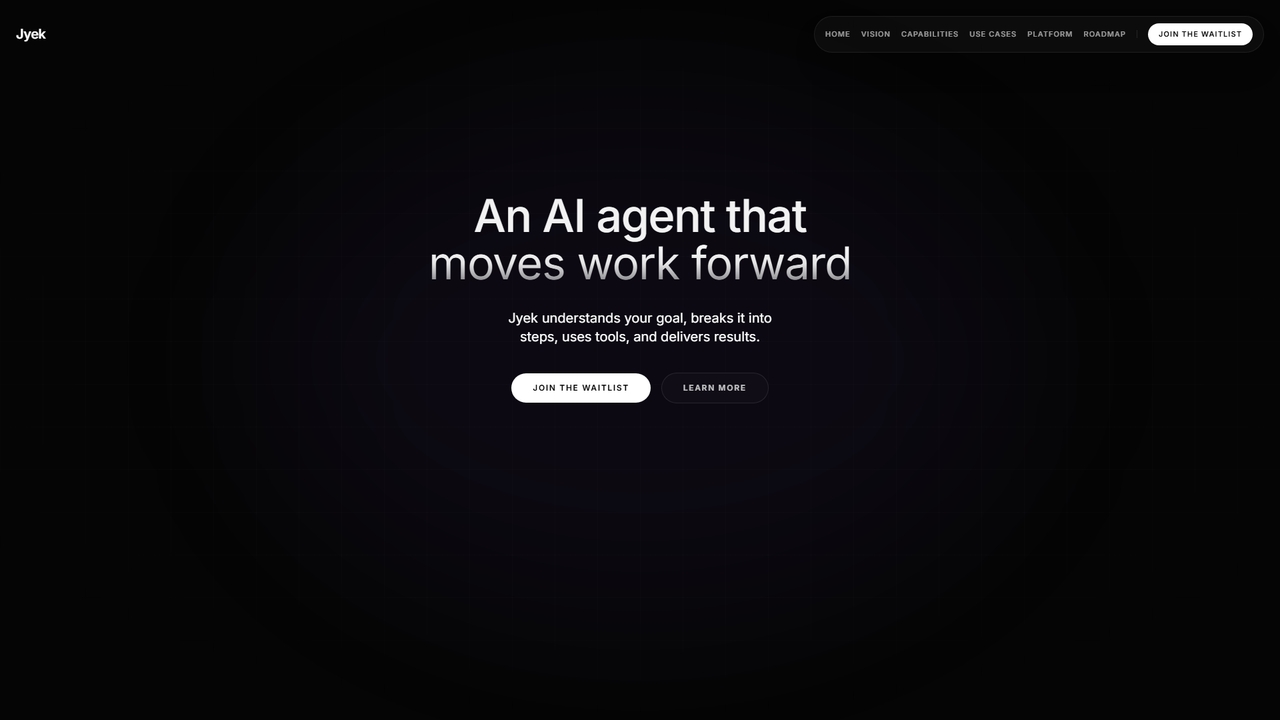
Jyek
Jyek is an AI agent platform that understands objectives, creates execution plans, uses tools, and delivers verifiable results for complex, multi-step tasks.
Automation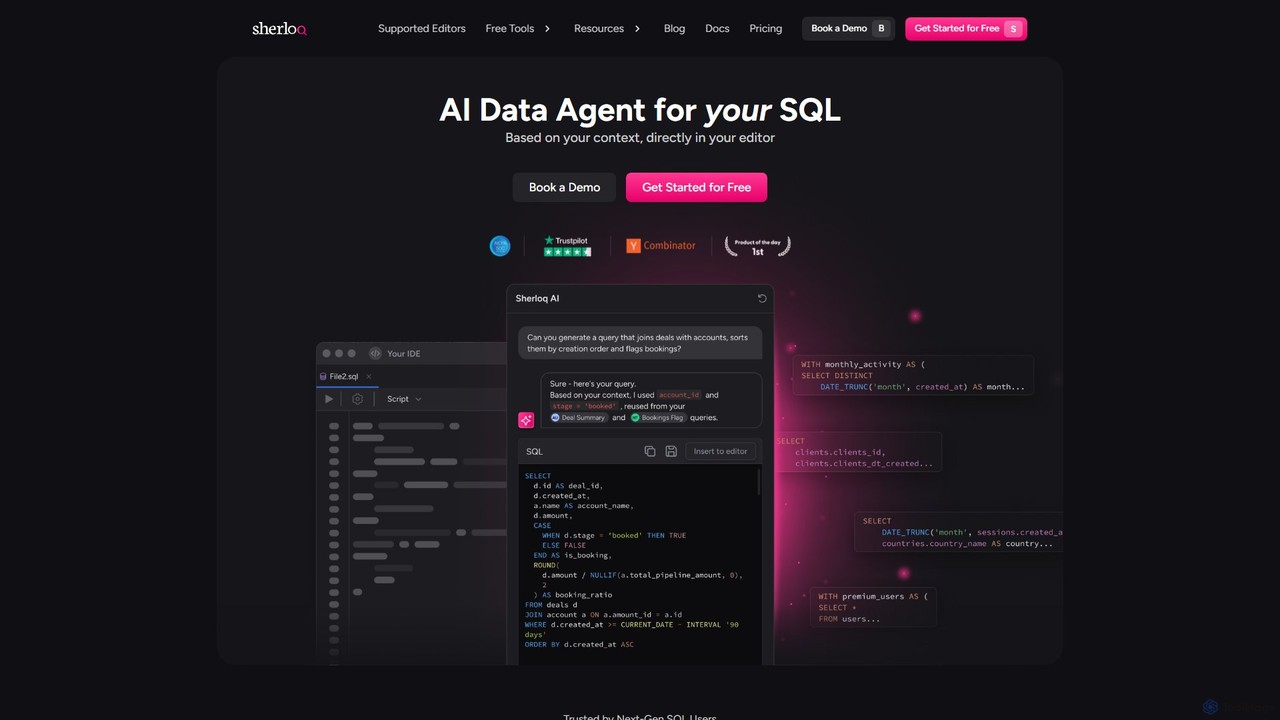
sherloqdata
Sherloqdata is an AI-powered data agent for SQL that works directly in your editor. It helps data professionals write, fix, and manage SQL queries faster by using your existing SQL repository for context. Features include an AI SQL Chat, query management, version control, and team collaboration.
Database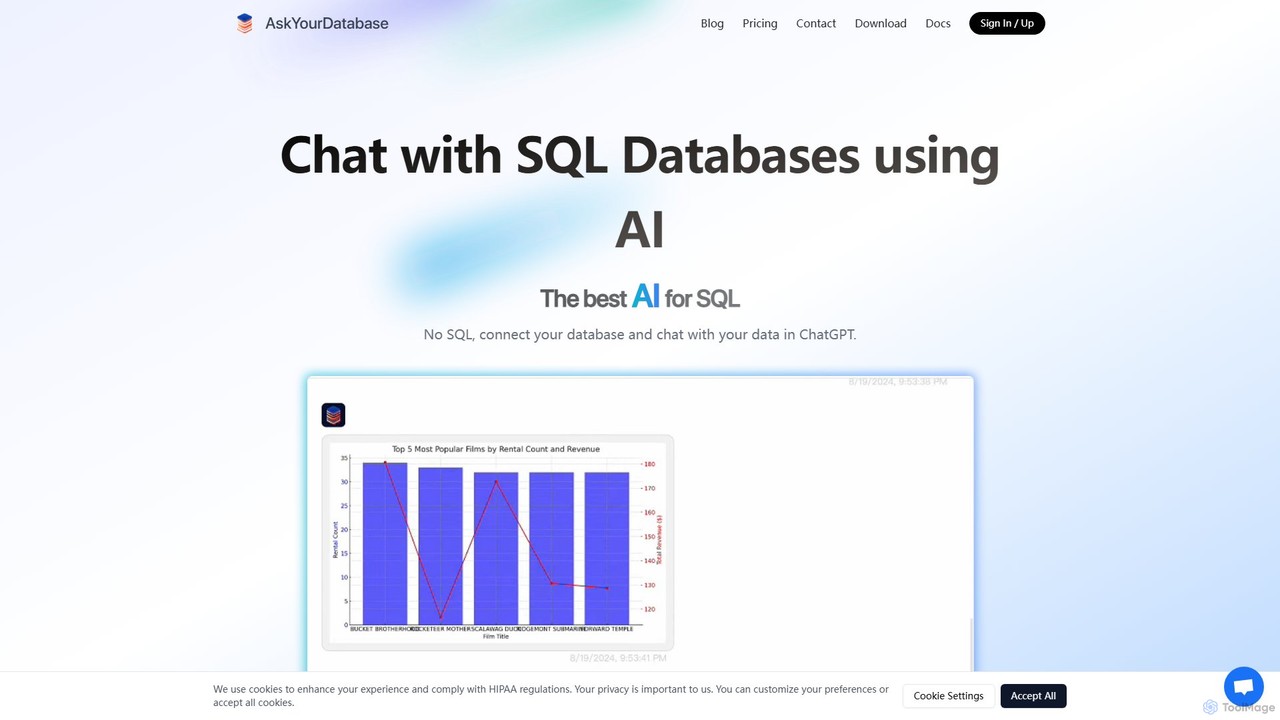
AskYourDatabase
AskYourDatabase is a powerful AI SQL assistant that allows you to interact with your databases using natural language. Query data, create visualizations, and build interactive dashboards without writing a single line of SQL. It supports various databases, offers both desktop and embeddable chatbot versions, and prioritizes data security with on-premise deployment options.
Data Analysis
QueryLab Comments (0)
Sign in to comment.
Sign inNo comments yet.