
Ai Infrastructure Best in category 1 results Personalization AI Tool

Popular AI tools in the Personalization field of Ai Infrastructure include OpenMemory MCP, etc., helping you quickly improve efficiency.

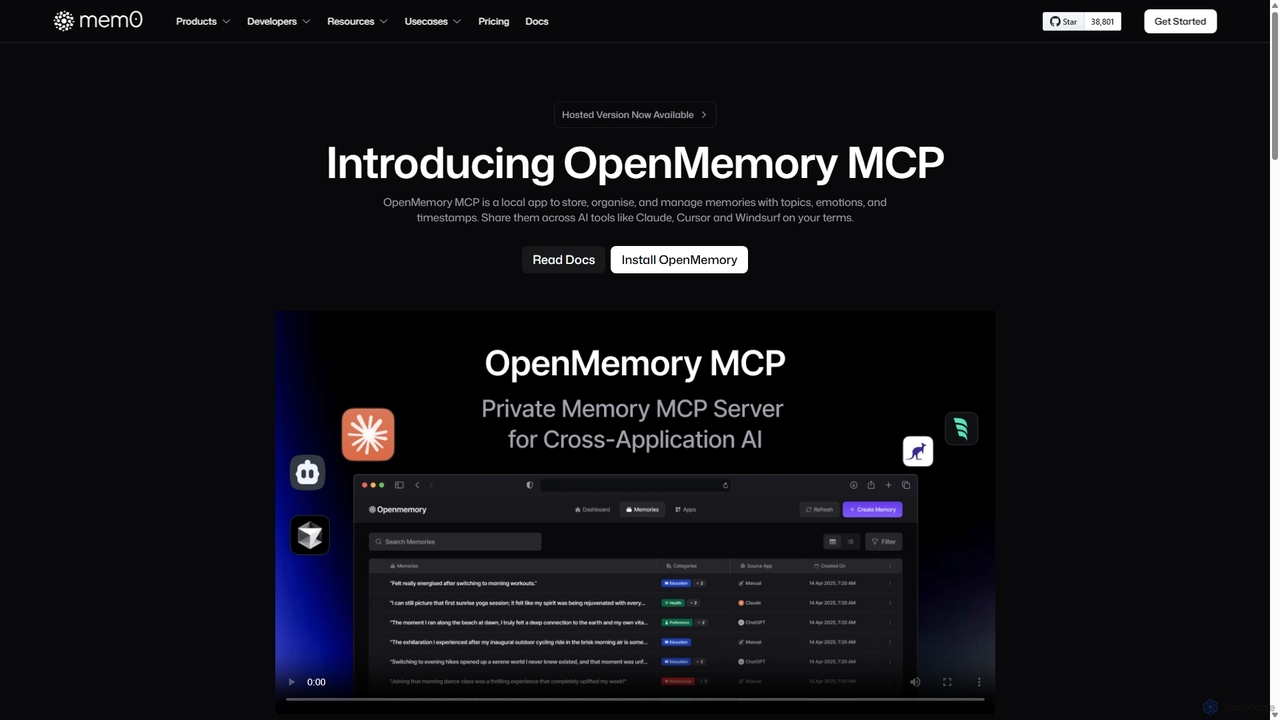
OpenMemory MCP

OpenMemory MCP

OpenMemory MCP is a local-first application designed to give your AI tools a persistent, private memory. It allows …

3.3K

About Personalization

Personalization tools are a component of AI infrastructure that use machine learning to dynamically tailor digital experiences for individual users. These tools analyze user data—such as behavior, preferences, and demographics—to deliver relevant content, product recommendations, and customized interactions in real-time. The primary value lies in creating more engaging, relevant, and effective user journeys, which can significantly increase conversion rates and customer loyalty. They operate by building predictive models that anticipate user needs and automatically adjust the user interface or content accordingly.

Core Features

  • Recommendation Engines: Suggests products, content, or services based on user history and similar user behavior.
  • Dynamic Content Delivery: Automatically alters website or app content, such as headlines and images, to match individual visitor profiles.
  • Behavioral Targeting: Segments and targets users based on their real-time actions, like clicks, page views, and purchase history.
  • Predictive Analytics: Forecasts future user behavior and preferences to proactively personalize the experience.
  • Automated A/B/n Testing: Continuously tests and optimizes different versions of personalized experiences to find the most effective variations.

Applicable Scenarios

These tools are essential for data-driven industries. In e-commerce, they power 'recommended for you' sections and personalized promotions. Media and streaming platforms use them to curate content feeds and suggest movies or articles. In marketing automation, they enable the delivery of highly targeted email campaigns and landing pages that adapt to each lead's profile.

Selection Criteria

When choosing a personalization tool, evaluate its data integration capabilities—how easily it connects to your existing data sources (CRM, analytics). Assess the sophistication of its machine learning models and whether they can be customized. Consider its scalability to handle your traffic volume and the level of real-time processing required. Finally, review its compliance with data privacy regulations like GDPR and CCPA.

PersonalizationUse Cases

1

Dynamic Product Recommendations for E-commerce

An e-commerce manager for an online fashion retailer aims to increase average order value and conversion rates. They use an AI personalization tool to implement a recommendation engine. The tool analyzes a visitor's browsing history, past purchases, and items in their cart, as well as the behavior of similar shoppers. As a result, product pages and the checkout process display highly relevant items, such as 'Frequently Bought Together' and 'Customers Also Viewed', leading to a measurable uplift in cross-sells and overall revenue.

2

Curating Personalized Content Feeds for Media Platforms

A content strategist at a digital news outlet wants to increase reader engagement and time spent on site. By integrating a personalization engine, the platform's homepage and article pages are dynamically populated for each user. The AI analyzes reading habits, topics of interest, and time of day to curate a unique feed of articles, videos, and opinion pieces. This prevents content fatigue and ensures users consistently discover relevant information, leading to higher session durations and increased ad revenue.

3

Adapting Website Content for Different Visitor Segments

A marketing team at a B2B SaaS company wants to improve lead quality from their website. They use a personalization tool that identifies visitor attributes, such as industry, company size (via reverse IP lookup), and referral source. The tool then dynamically changes the website's headlines, case studies, and calls-to-action (CTAs) to match the visitor's segment. For example, a visitor from the healthcare industry sees a headline about 'HIPAA-compliant solutions', while one from finance sees 'Fintech-ready security'. This tailored messaging significantly increases the relevance of the site and boosts demo request conversions.

4

Personalizing Email Marketing Campaigns at Scale

An email marketer for a travel agency needs to send promotional offers to a large database of subscribers with diverse interests. Instead of generic blasts, they use a personalization platform integrated with their CRM. The platform analyzes each subscriber's past travel destinations, stated preferences, and on-site search behavior. It then automatically populates email templates with personalized destination suggestions, relevant travel deals, and dynamic content blocks. This results in higher open rates, click-through rates, and booking conversions compared to non-personalized campaigns.

5

Creating Adaptive Learning Paths in EdTech

An instructional designer for an online learning platform wants to improve student outcomes and course completion rates. They employ a personalization engine to create adaptive learning paths. The system tracks a student's performance on quizzes, engagement with video content, and time spent on modules. Based on this data, the AI adjusts the difficulty of subsequent lessons, suggests supplementary materials for struggling students, or offers advanced topics for those excelling. This tailored educational journey keeps students motivated and ensures they learn at their own optimal pace.

6

Personalizing In-App User Onboarding and Feature Discovery

A product manager for a mobile productivity app aims to improve user retention and feature adoption. They implement a personalization tool to customize the onboarding experience. For new users, the AI analyzes their initial actions to infer their primary goal (e.g., project management vs. note-taking). It then surfaces relevant tutorials and tooltips. For existing users, it highlights undiscovered features that align with their usage patterns. This proactive, personalized guidance helps users quickly find value in the app, reducing churn and increasing long-term engagement.

PersonalizationFrequently Asked Questions