ToolMage
Sign in

Best 3,703 Business AI tools

Popular Business AI tools include DefinedCrowd, Shopify, Google Workspace, Dropbox, Slack, DeepL, Salesforce, Zoom, Box, and Trello, helping you work more efficiently.

PatentPal
Freemium

PatentPal

PatentPal is a generative AI platform designed for intellectual property professionals. It automates the mechanical writing tasks in patent applications, allowing users to generate specifications, figures, summaries, and abstracts from a set of claims with a single click, significantly speeding up the drafting process.

Intellectual Property
Visits 6.2KFavorites 130Likes 132
Shown.io
Freemium

Shown.io

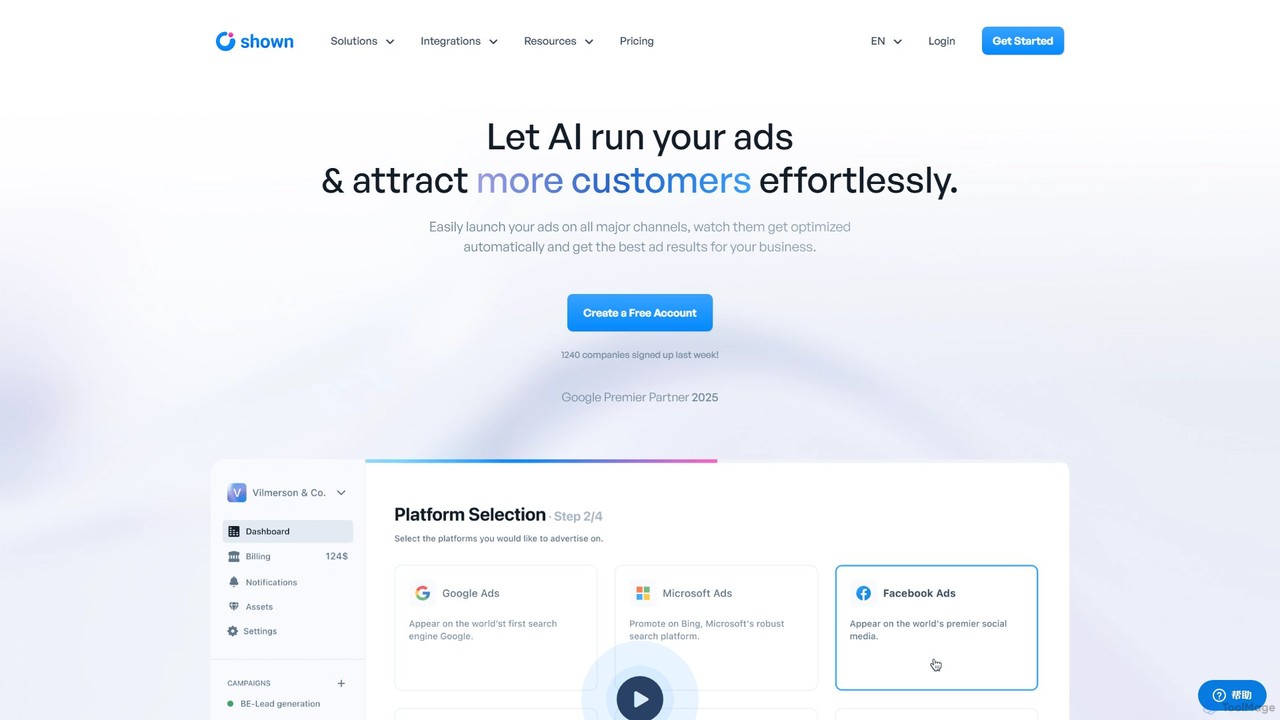
Shown.io is an AI-powered advertising platform designed to help small and medium-sized businesses (SMBs) succeed online. It automates and optimizes ad campaigns across multiple channels like Google and social media. Through a unified dashboard, users can manage, analyze, and improve their advertising performance, making high-impact online marketing accessible and efficient for everyone.

Analytics
Visits 59.4KFavorites 149Likes 145
Seismic
Paid

Seismic

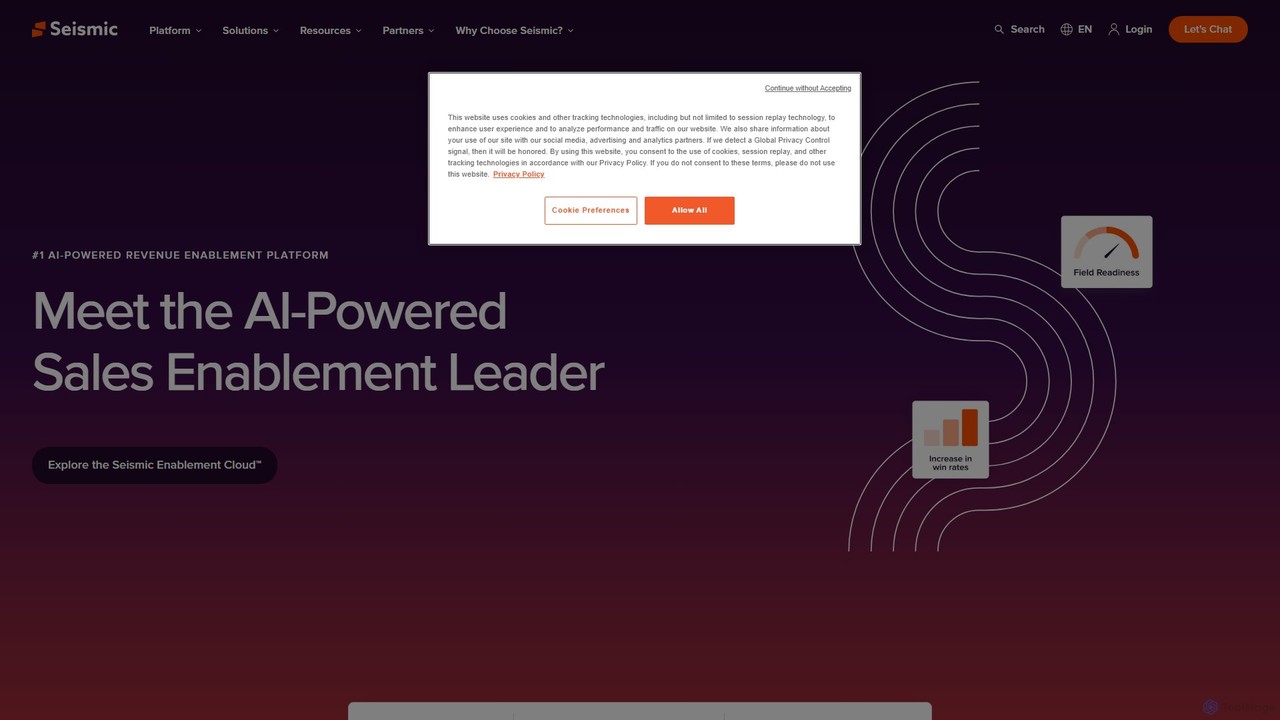
Seismic is the #1 AI-powered revenue enablement platform, unifying sales and marketing teams. It equips customer-facing teams with the right skills, content, tools, and insights to boost productivity, personalize buyer experiences, and drive revenue growth. Trusted by over 2,200 companies, Seismic helps shorten sales cycles and increase deal sizes through intelligent content automation, sales coaching, and actionable analytics.

Analytics
Visits 1.2MFavorites 146Likes 133
Athenic
Paid

Athenic

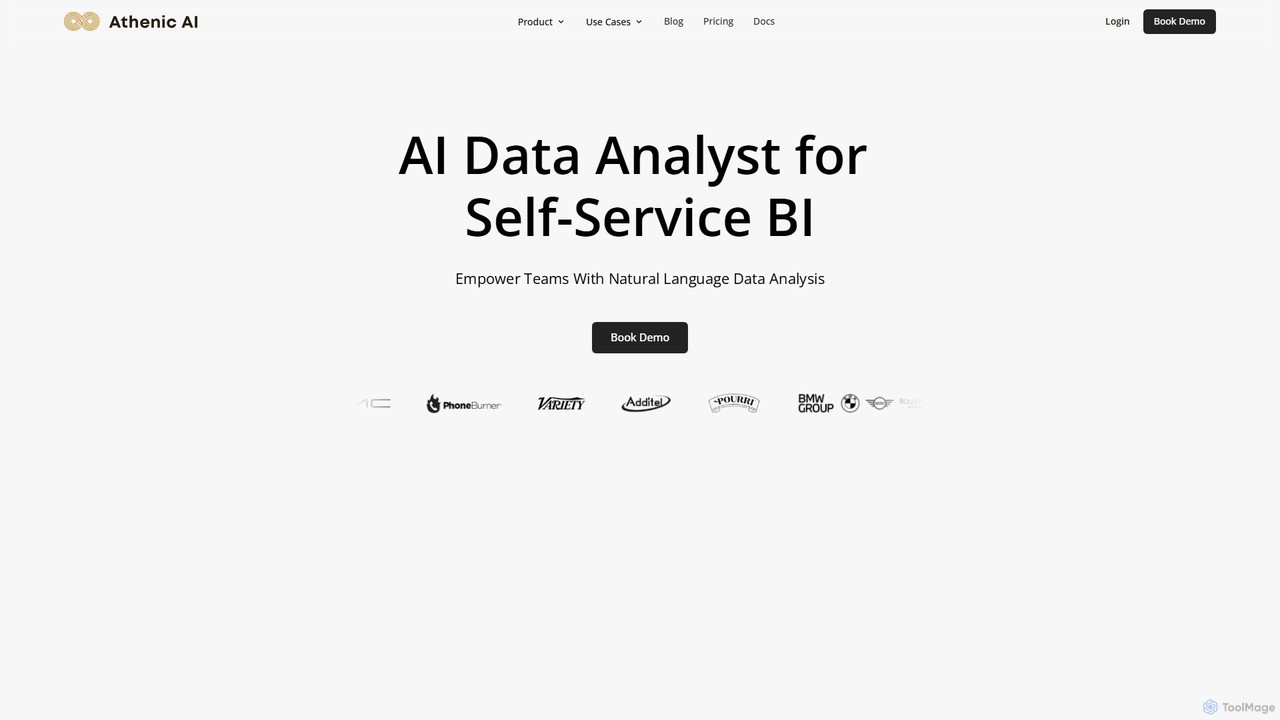
Athenic is an AI-powered data analyst and self-service Business Intelligence (BI) platform. It enables teams to get instant insights from their data by asking questions in natural language, eliminating the need for complex SQL queries. It's designed for SaaS, CPG, and manufacturing industries to accelerate analysis and empower non-technical users.

Business Intelligence
Visits 13.5KFavorites 113Likes 98
dreamdata
Freemium

dreamdata

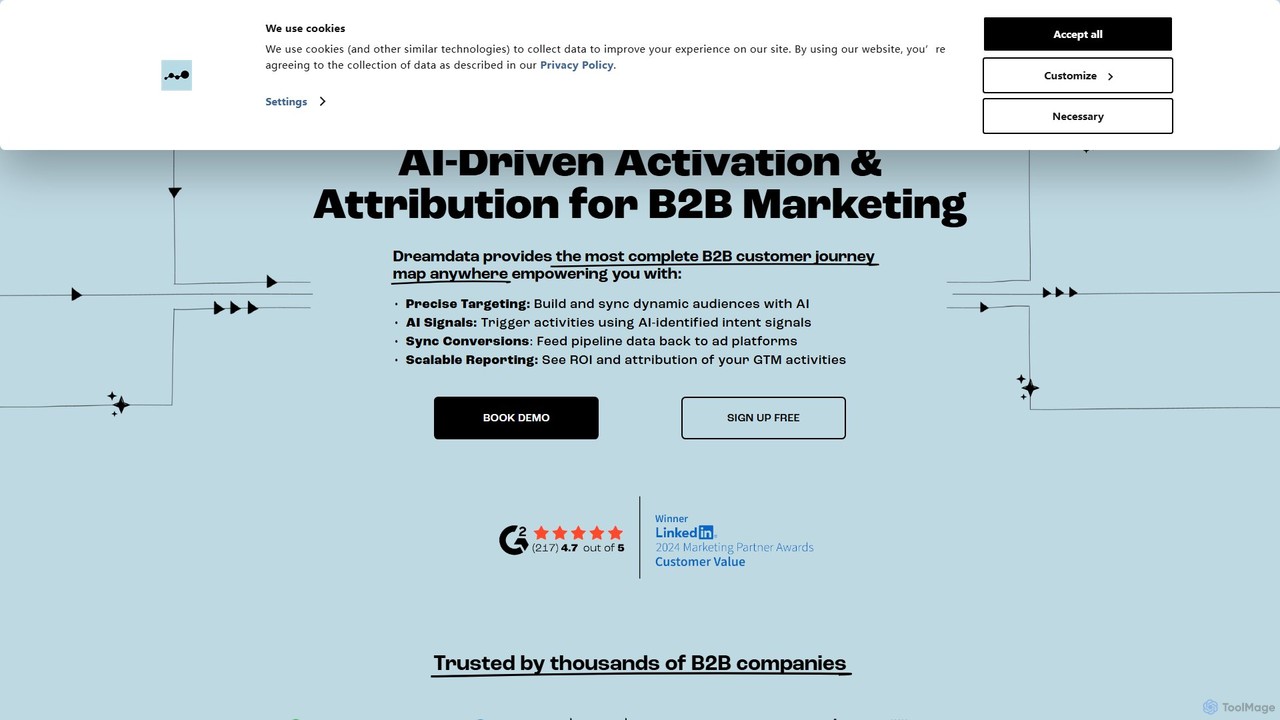
Dreamdata is a B2B revenue attribution and analytics platform that connects marketing and sales data to provide a unified view of the customer journey. It helps businesses understand which activities drive revenue, enabling them to optimize marketing spend, improve ROI, and align their go-to-market teams. By tracking every touchpoint, Dreamdata moves beyond last-click attribution to reveal the true impact of every campaign and channel.

Data Analysis
Visits 90KFavorites 173Likes 161
namewizard
Paid

namewizard

namewizard is an AI-powered domain name generator that helps users find the perfect, available domain for their business or project. Simply describe your idea, and the AI will generate a list of creative and brandable names, instantly checking their availability. It's designed for startups, marketers, and creators.

Startup Tools
Visits 5.9KFavorites 131Likes 142
Hypertype
Paid

Hypertype

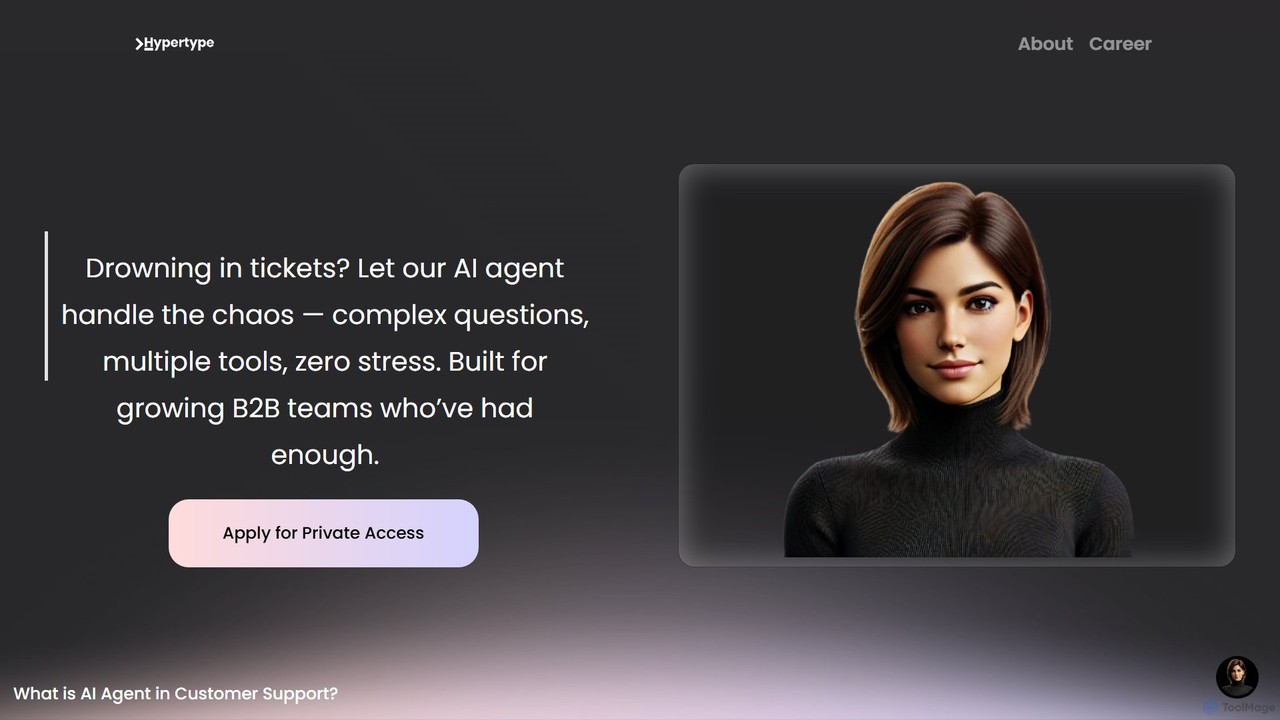
Hypertype introduces HyperAgent, a fully autonomous AI agent designed to revolutionize B2B customer support. It goes beyond traditional chatbots by handling complex inquiries, automating multi-tool workflows, and learning from past interactions. Built for growing teams, it aims to replace outdated support models, offering instant, 24/7 resolutions without human intervention, thereby reducing costs and boosting efficiency.

Customer Relationship Management
Visits 9.7KFavorites 132Likes 144
ShipOneDay
Paid

ShipOneDay

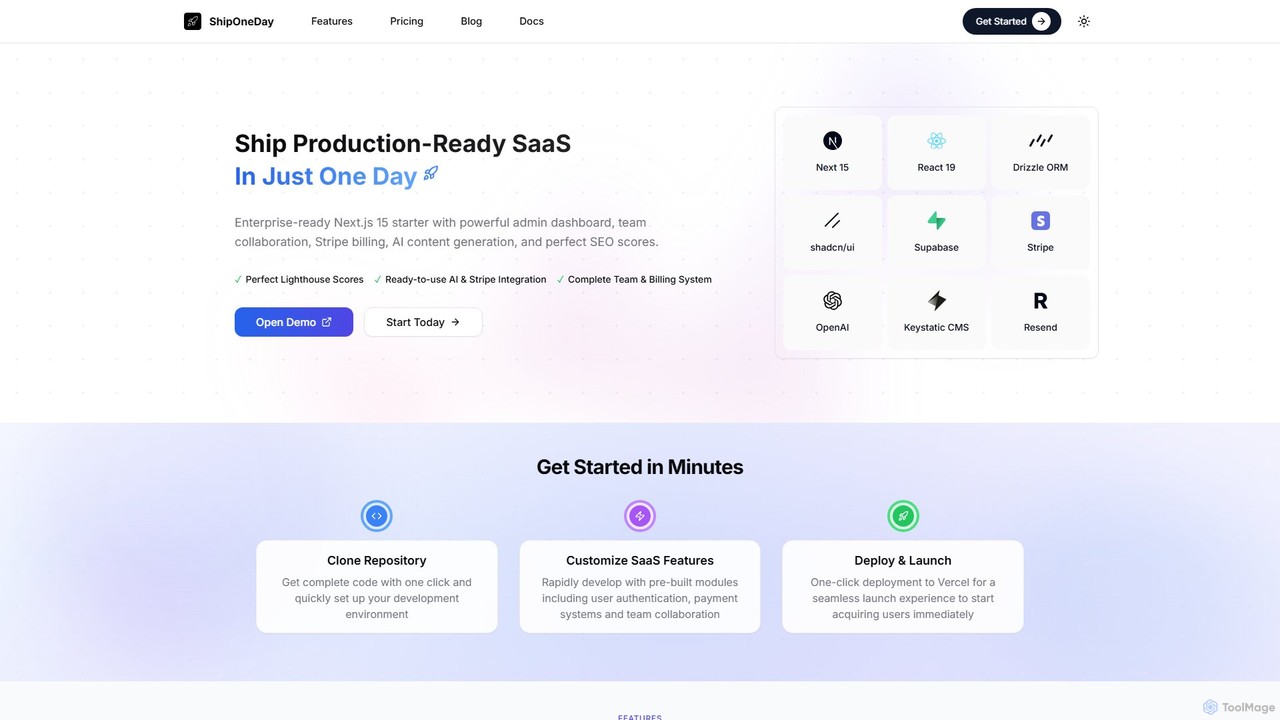
ShipOneDay is an enterprise-ready Next.js 15 SaaS starter kit designed for developers. It enables the launch of production-ready applications in just one day by providing pre-built modules for team collaboration, Stripe billing, AI content generation, a powerful admin dashboard, and a complete CMS, all optimized for perfect SEO scores.

Saas
Visits 6.9KFavorites 119Likes 114
AIQuizGen
Freemium

AIQuizGen

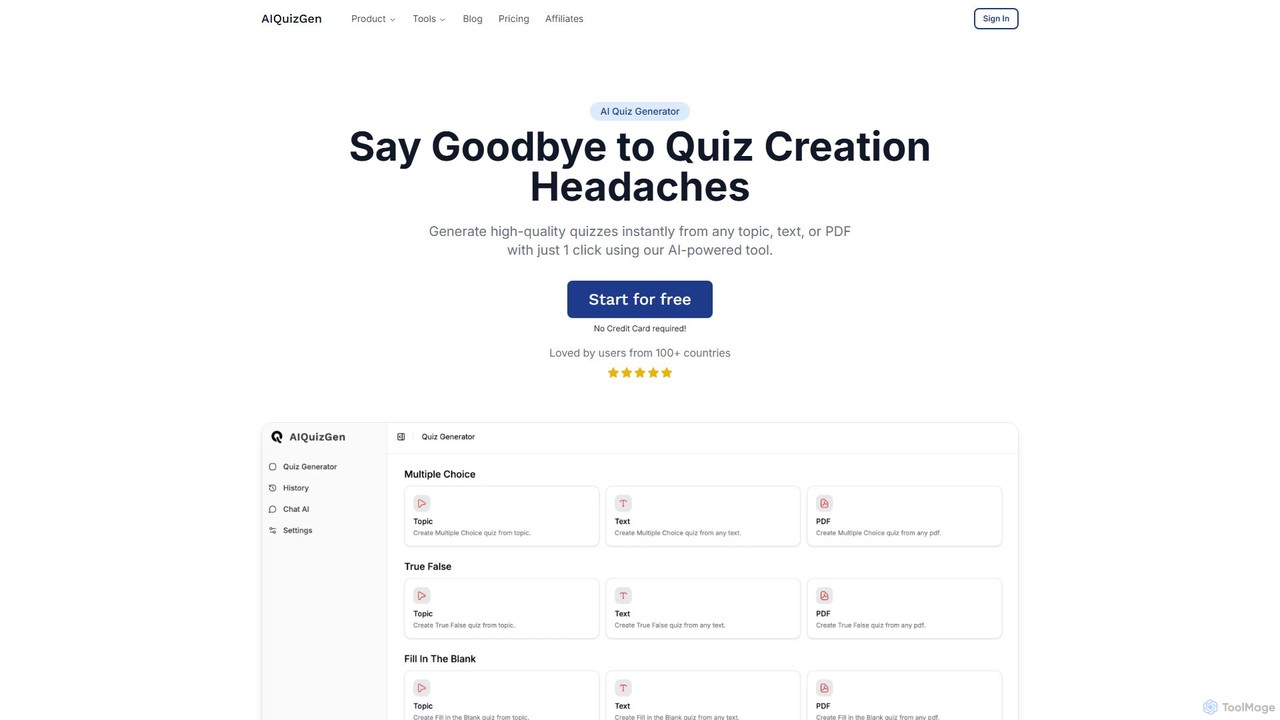
A powerful AI quiz generator that instantly creates high-quality quizzes from any topic, text, or PDF. It supports various question types like multiple-choice, true/false, and fill-in-the-blank. Ideal for teachers, students, and businesses to save time, enhance learning, and create engaging assessments.

Training
Visits 7.1KFavorites 128Likes 131
TimeChamp
Freemium

TimeChamp

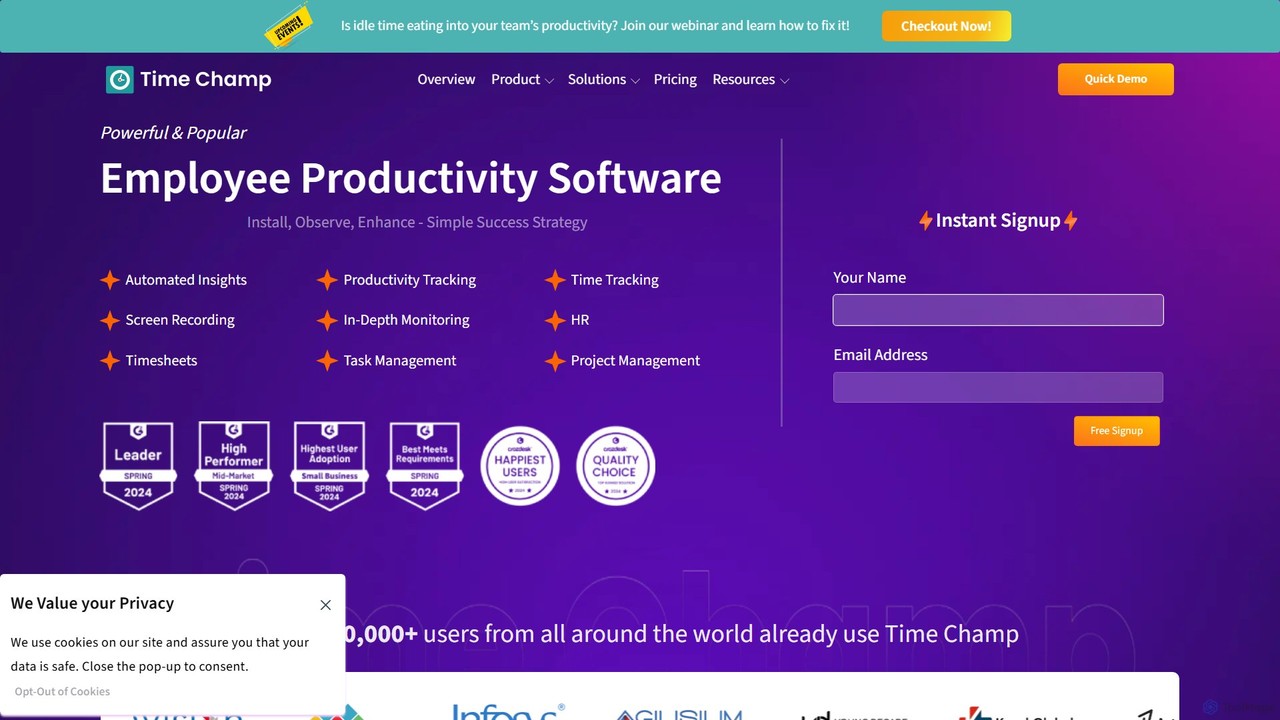
TimeChamp is an AI-powered employee productivity tracking and workforce analytics platform. It helps businesses monitor computer activities, track time, manage tasks, and gain data-driven insights to enhance team performance, efficiency, and accountability for in-office, remote, and hybrid work models.

Human Resources
Visits 165.5KFavorites 131Likes 137
Feedbase
Freemium

Feedbase

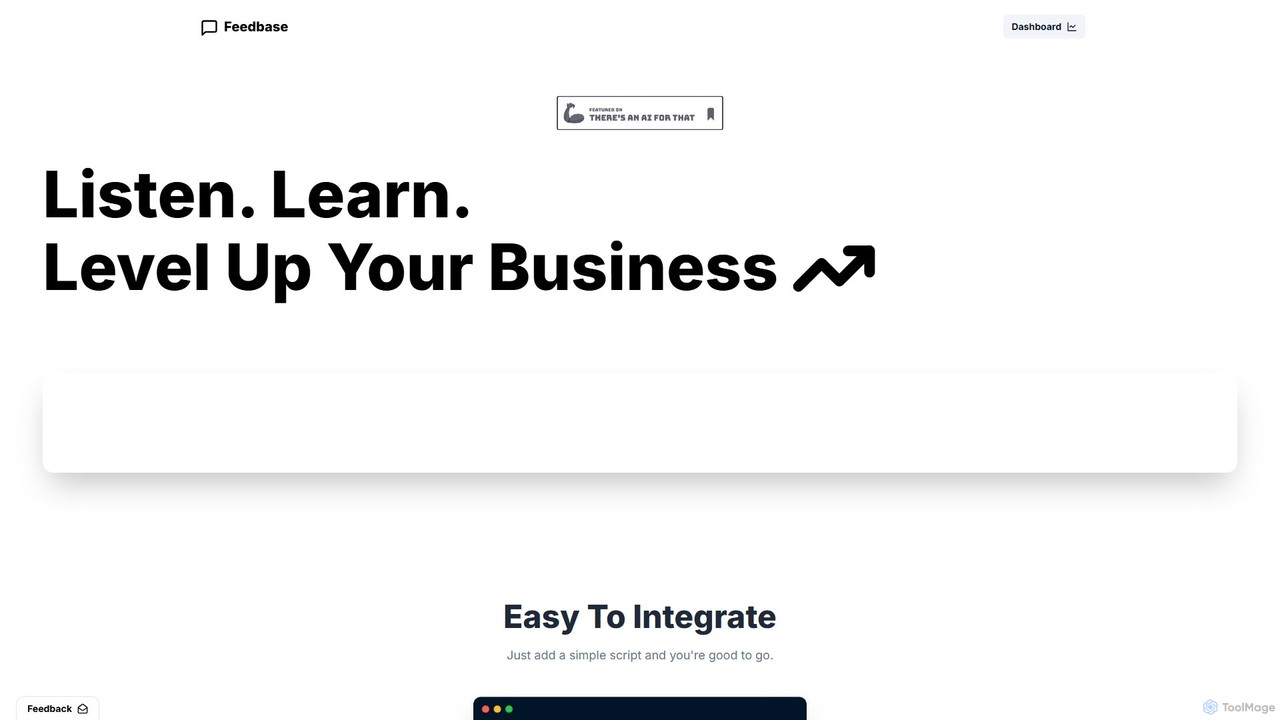
Feedbase is an AI-powered customer feedback platform that helps businesses listen, learn, and grow. By integrating a simple, minimalistic widget onto your website, you can effortlessly collect user feedback and use an AI-powered dashboard to gain actionable insights and analytics.

Analytics
Visits 5.9KFavorites 127Likes 137
Analytics Model
Paid

Analytics Model

Analytics Model is a GenAI-powered conversational analytics platform that transforms your business data into expert insights instantly. Connect to over 500 data sources, ask questions in natural language, and create powerful, customizable visualizations to empower strategic decision-making and streamline your data processes.

Business Intelligence
Visits 7.7KFavorites 154Likes 144
Pietra Studio
Freemium

Pietra Studio

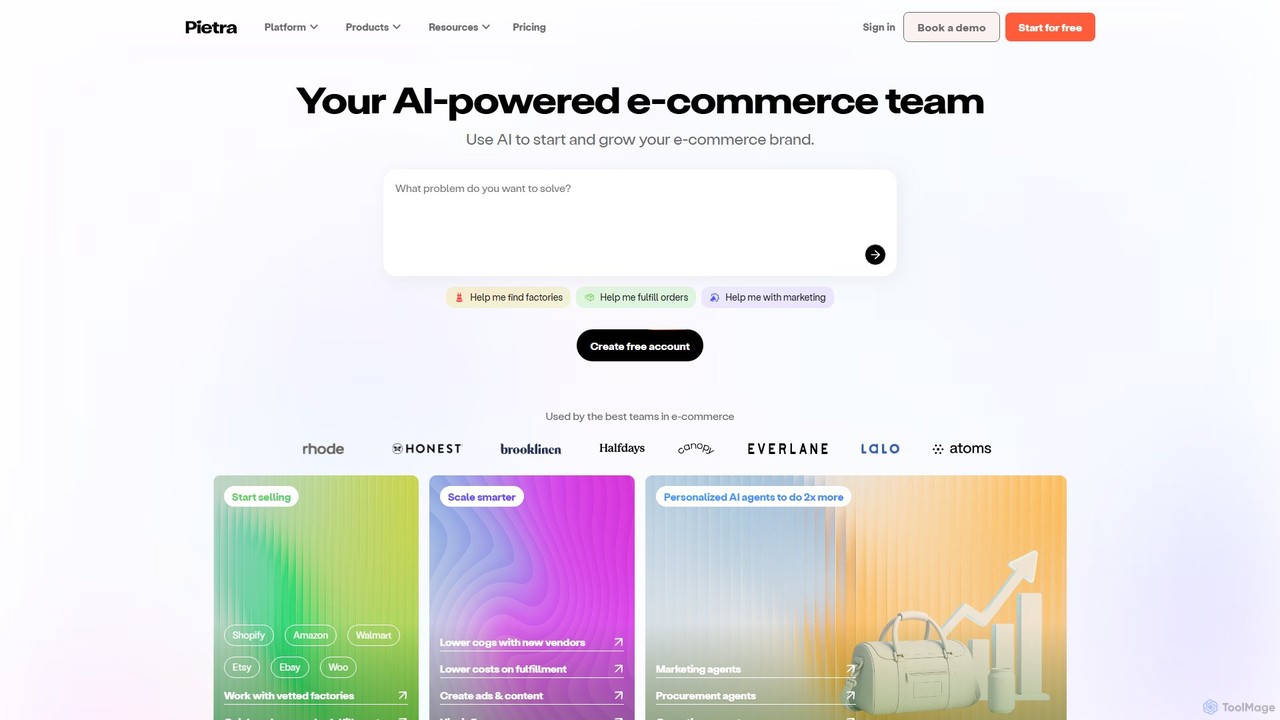
Pietra Studio is an AI-powered, all-in-one e-commerce platform designed to help entrepreneurs and brands start and scale their businesses. It integrates sourcing from vetted factories, end-to-end logistics and fulfillment, and a suite of marketing tools, all managed through a single dashboard. Personalized AI agents automate key business operations, from procurement to marketing.

Supply Chain Management
Visits 101.4KFavorites 151Likes 150
Source
Paid

Source

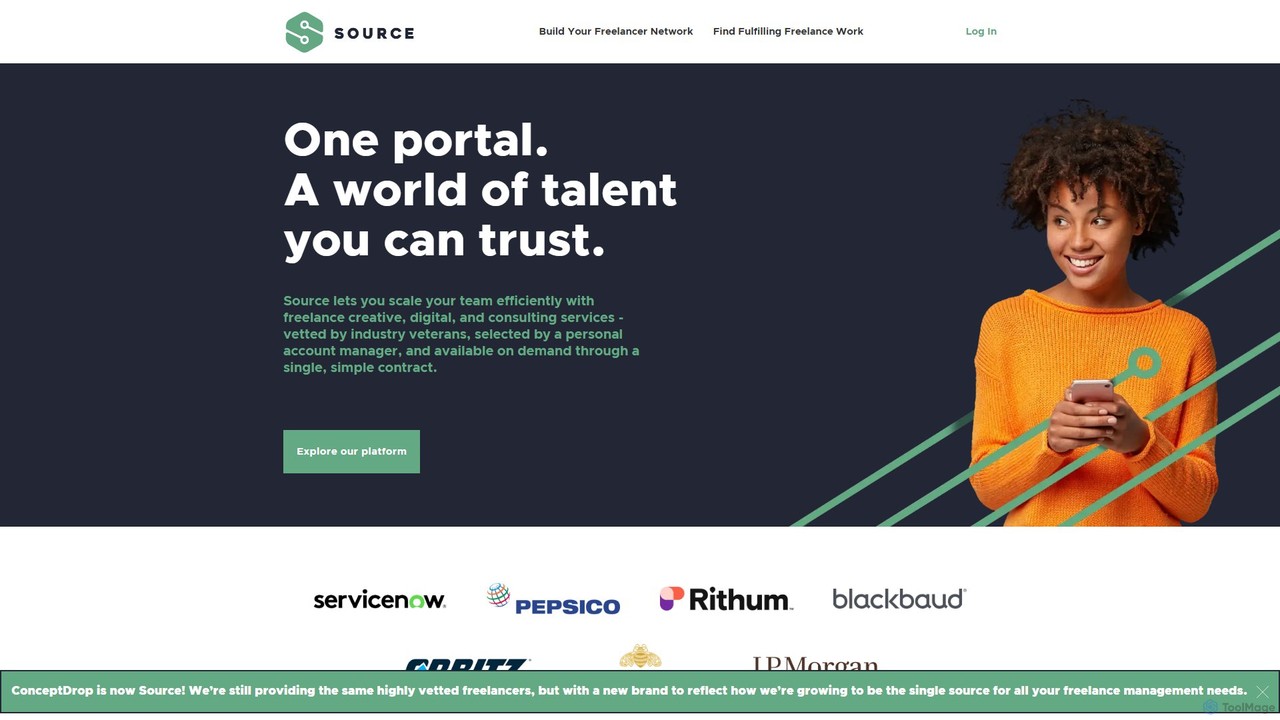
Source (formerly ConceptDrop) is a premier freelance platform that connects businesses with a vetted network of top-tier creative, digital, and consulting talent. It offers a concierge-style service with dedicated account managers who handle freelancer matching, project management, and procurement, all streamlined through a single contract and platform.

Outsourcing
Visits 7.6KFavorites 163Likes 145
Sierra
Paid

Sierra

Sierra is an enterprise-grade conversational AI platform for building advanced AI agents. These agents enhance customer experience by providing empathetic, 24/7 support across any channel and language. They can answer questions, solve complex problems, and take direct action by integrating with your existing business systems, all while ensuring top-tier security and brand alignment.

Crm
Visits 331.5KFavorites 133Likes 135
Harbr
Paid

Harbr

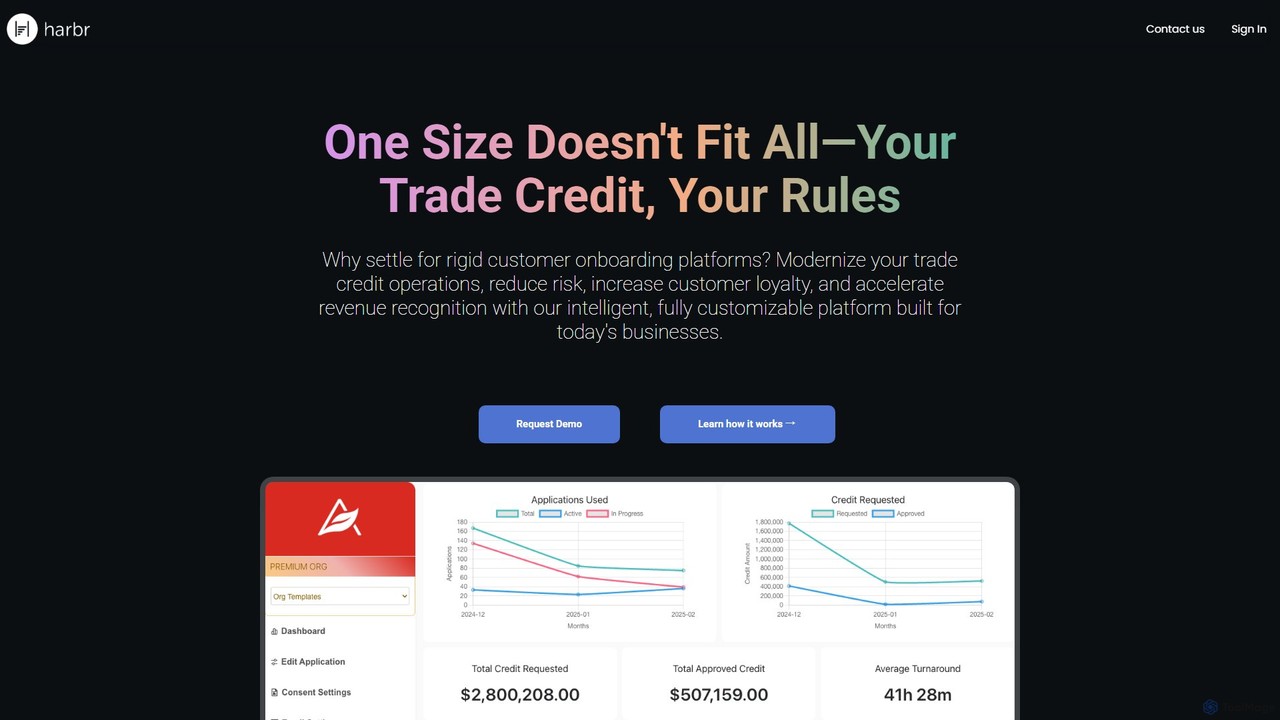
Harbr is an intelligent, fully customizable trade credit management platform. It leverages AI and automation to help businesses modernize credit operations, reduce risk, accelerate revenue recognition, and enhance customer onboarding. It's designed for both global enterprises and growing mid-market companies.

Risk Management
Visits 10.3KFavorites 147Likes 150
InvoiceOCR
Freemium

InvoiceOCR

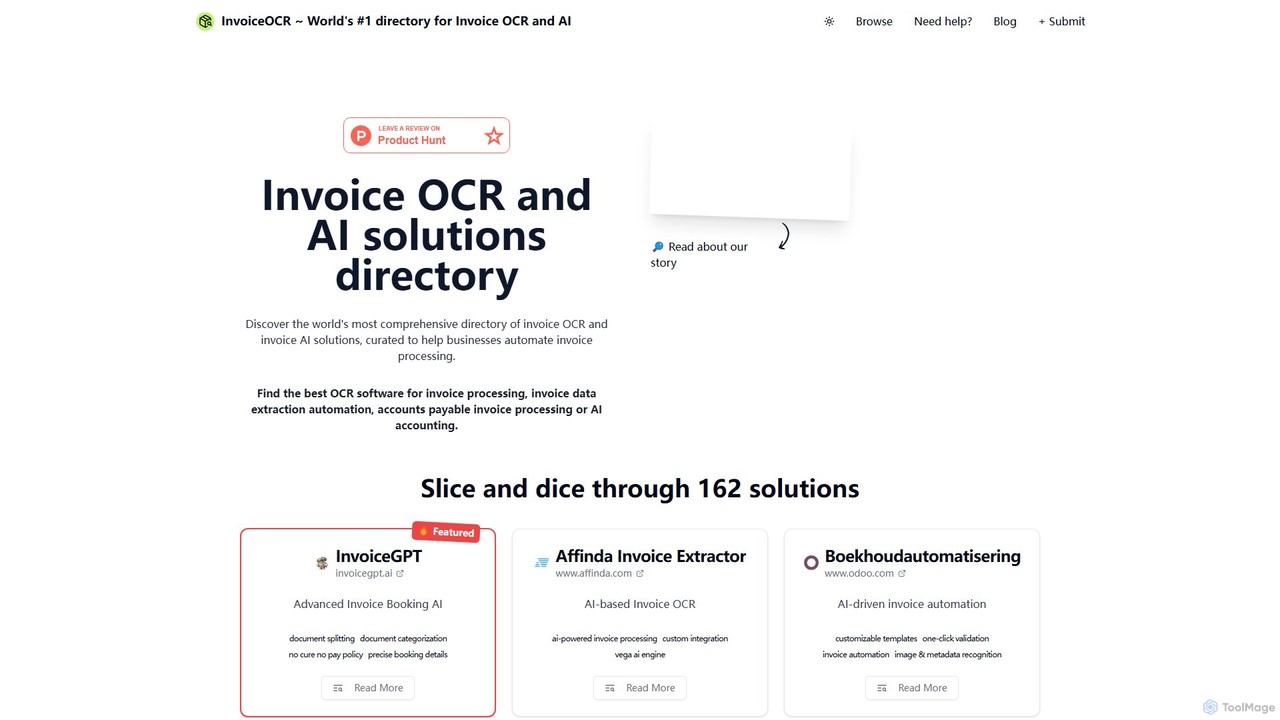
InvoiceOCR is the world's #1 directory for AI-powered invoice processing and accounts payable automation solutions. It's a comprehensive resource hub designed to help businesses discover, compare, and select the best OCR and AI accounting tools. The platform offers detailed reviews, curated lists, and a unique expert consultation service for personalized guidance in achieving end-to-end financial automation.

Automation
Visits 6KFavorites 165Likes 169
Needle
Freemium

Needle

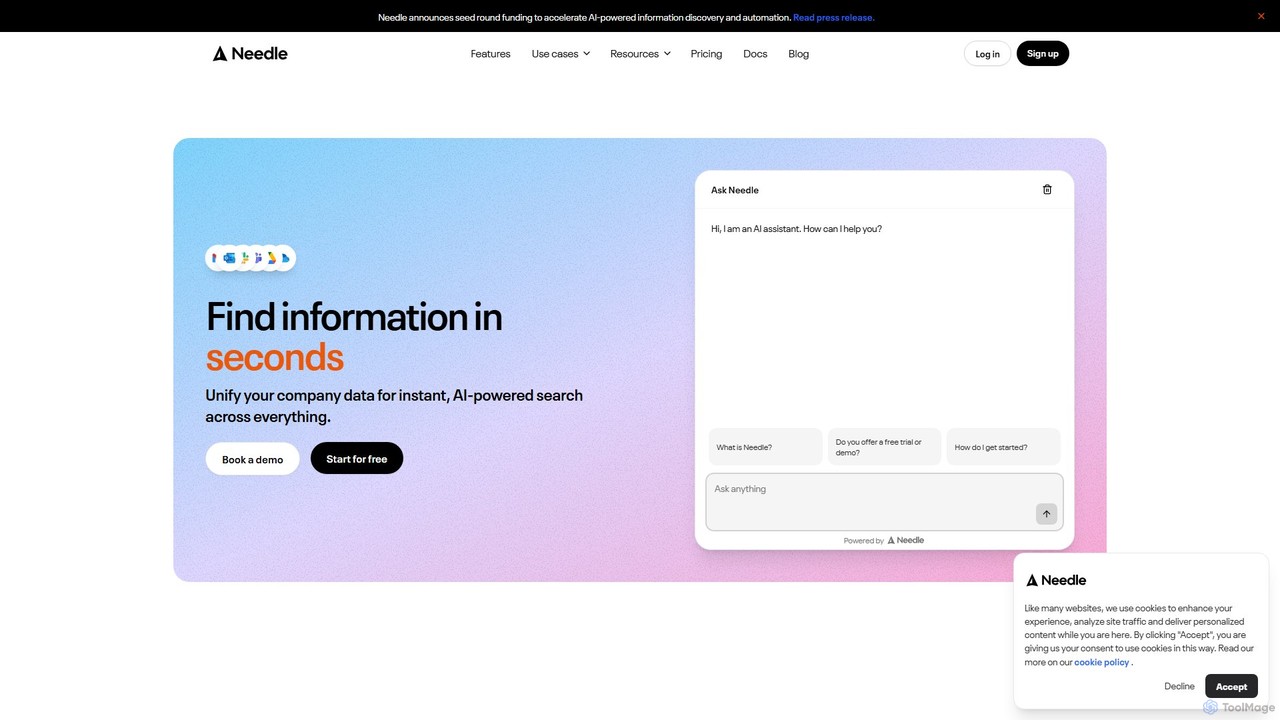
Needle is an enterprise AI platform that unifies all your company's data into a single, searchable knowledge base. Using advanced RAG technology, it allows teams to ask questions in natural language and get instant, referenced answers from sources like Slack, Google Drive, Notion, and more. It automates workflows, enhances customer support, and provides enterprise-grade security to break down information silos and boost productivity.

Enterprise Search
Visits 67.4KFavorites 98Likes 91
Sourcebae
Paid

Sourcebae

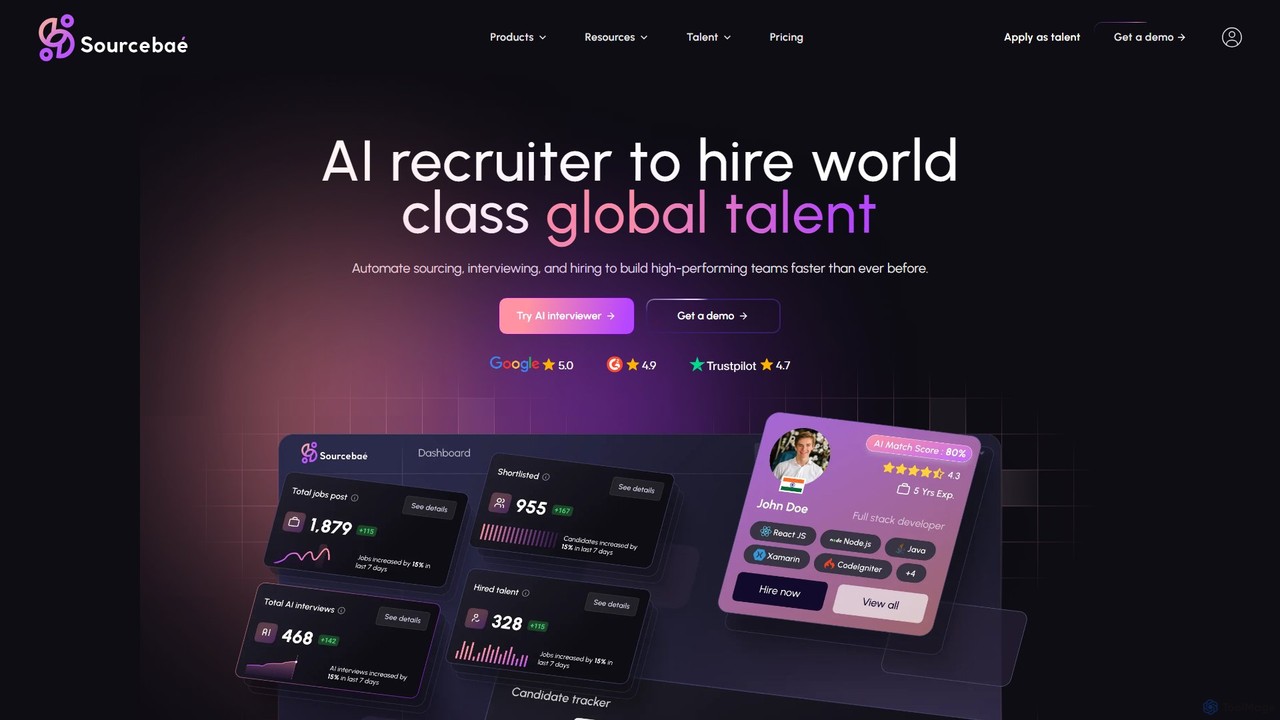
Sourcebae is an AI-powered recruitment platform designed to accelerate the hiring of global talent. It automates sourcing, interviewing, and vetting processes, connecting companies with a pre-vetted network of over 200,000 professionals to build high-performing teams faster and more cost-effectively.

Talent Management
Visits 35.9KFavorites 129Likes 121
Soraban
Paid

Soraban

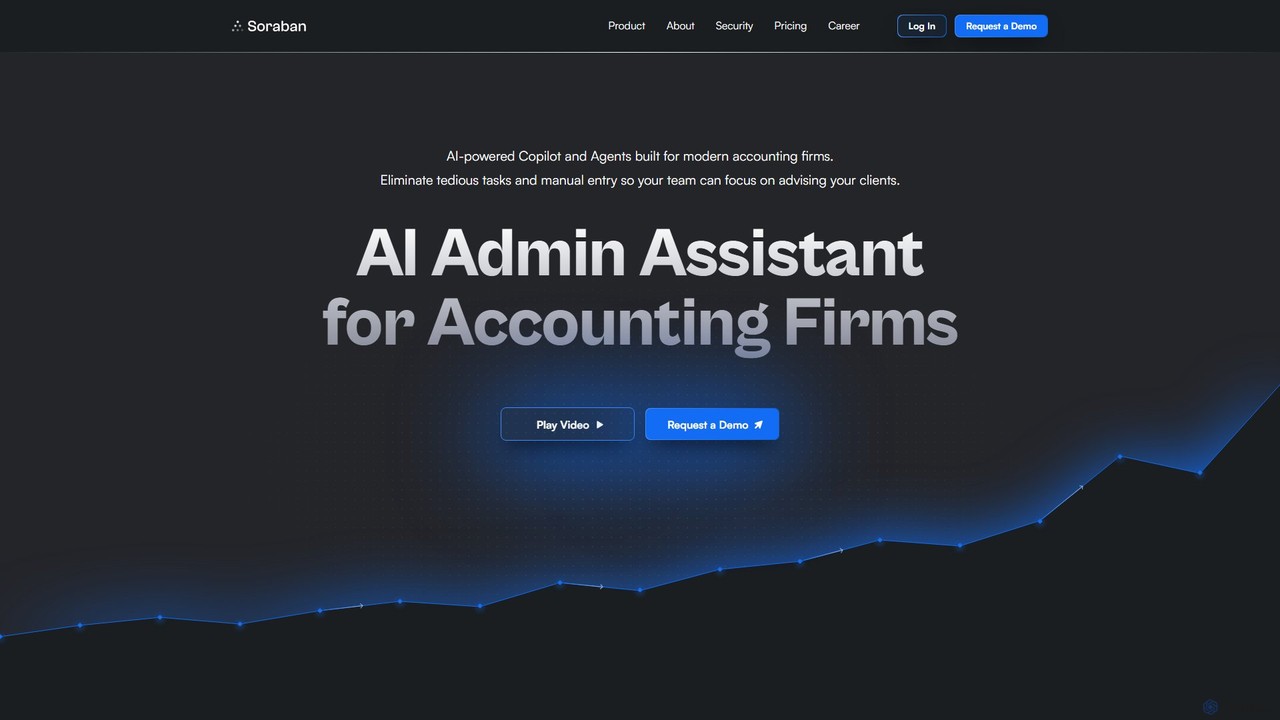
Soraban is an AI-powered platform for accounting firms, designed to automate administrative tasks like document collection and client communication. It features an AI copilot, dynamic questionnaires, and a white-labeled client portal to streamline workflows, enhance efficiency, and improve the client experience, allowing professionals to focus on high-value advisory services.

Client Management
Visits 23.9KFavorites 121Likes 140
Lightdash
Freemium

Lightdash

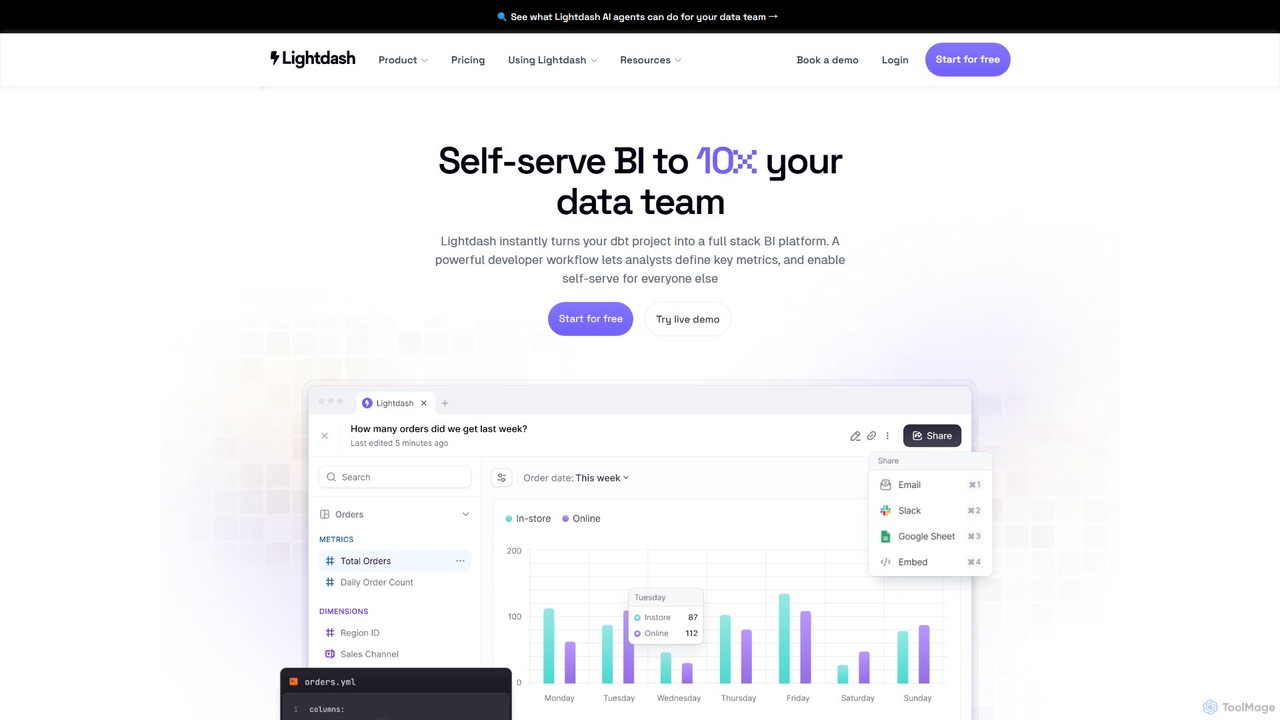
Lightdash is an open-source, AI-powered business intelligence (BI) platform built specifically for dbt. It empowers entire teams with self-serve analytics, allowing users to ask data questions in plain English. With developer-friendly workflows and no per-user pricing, it's designed to make data accessible to everyone, from data engineers to business stakeholders.

Data Science
Visits 51.9KFavorites 156Likes 156
Pickaxe
Freemium

Pickaxe

Pickaxe is a simple, no-code platform designed for creators and entrepreneurs to build, deploy, and monetize custom AI agents. Train AI on your own data, expertise, and documents to create personalized tools, chatbots, and automated workflows that you can embed anywhere or sell as a service.

Chatbot Builder
Visits 186.8KFavorites 109Likes 109
sqor.ai
Freemium

sqor.ai

sqor.ai is a no-code, AI-powered business intelligence platform that automates KPI tracking and prediction. It integrates with your SaaS tools to centralize data, provide real-time dashboards, and generate actionable insights, enabling smarter, data-driven decisions without a dedicated data team.

Business Intelligence
Visits 8.4KFavorites 148Likes 155
Ramp
Freemium

Ramp

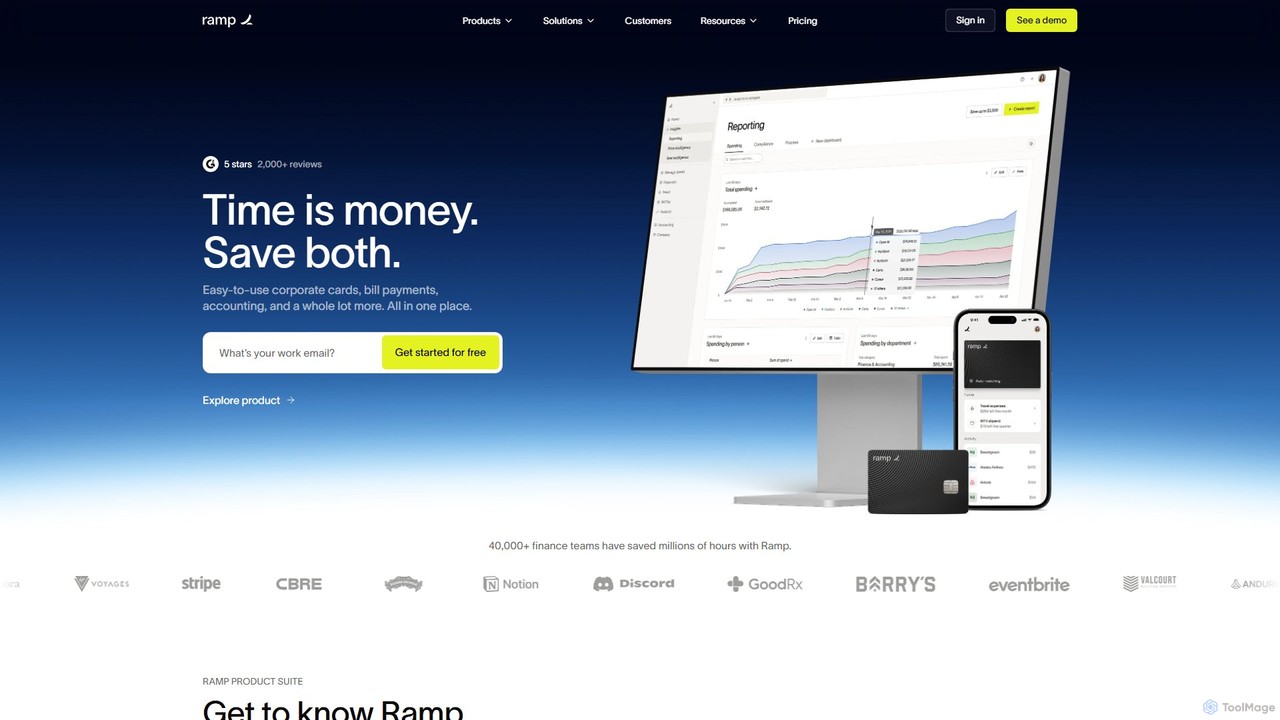
Ramp is an all-in-one finance automation platform that combines corporate cards, expense management, bill payments, and accounting automation. It leverages AI to help businesses save time and money by streamlining financial operations, enforcing spending policies, and providing real-time insights.

Accounting
Visits 5.2MFavorites 145Likes 145

About Business

Business AI tools are a class of software that leverages artificial intelligence to automate processes, analyze data, and enhance decision-making across various business functions. They utilize technologies like machine learning, natural language processing (NLP), and predictive analytics to handle tasks from customer support to financial forecasting. These tools help organizations improve efficiency, gain deeper market insights, personalize customer experiences, and optimize operational workflows. By integrating AI, businesses can shift from reactive problem-solving to proactive strategy development, creating a significant competitive advantage.

Core Features

  • Process Automation: Automates repetitive tasks such as data entry, scheduling, customer follow-ups, and report generation.
  • Data Analysis & Insights: Processes large datasets to identify trends, predict outcomes, and generate actionable business intelligence reports.
  • Enhanced Customer Relationship Management (CRM): Improves customer interactions through AI-powered chatbots, personalized marketing, and sentiment analysis.
  • Financial Management: Assists with fraud detection, automated invoicing, expense tracking, and financial forecasting.
  • Human Resources Optimization: Streamlines recruitment by screening resumes, analyzing candidate suitability, and automating initial communications.

Use Cases

Business AI tools are applicable across nearly all sectors, including e-commerce, finance, healthcare, and manufacturing. They are used by marketing managers to optimize campaigns, financial analysts to assess risk, HR specialists to accelerate hiring, and operations directors to refine supply chains. For example, a retail company might use AI to predict inventory needs, while a financial firm uses it to detect fraudulent transactions in real-time.

How to Choose

When selecting a business AI tool, first assess its functional specificity—does it solve a niche problem or offer a broad platform? Evaluate its integration capabilities with your existing systems like CRM or ERP. Consider the tool's scalability and pricing model to ensure it aligns with your growth plans and budget. Finally, examine the user interface's ease of use and the quality of customer support provided, as these factors heavily influence adoption and long-term value.

Featured tool rankings

Business use cases

1

Automate 24/7 Customer Support with AI Chatbots

A customer service manager for an e-commerce brand implements an AI chatbot on their website and social media channels. The chatbot is trained on the company's product information, FAQs, and return policies. It instantly handles over 70% of incoming customer queries, such as order status checks, product questions, and shipping information, around the clock. This frees up human agents to focus on complex, high-value interactions like handling disputes or providing detailed product recommendations. The result is a 40% reduction in response time and a significant increase in customer satisfaction scores.

2

Enhance Sales Forecasting with Predictive Analytics

A sales director at a B2B software company uses an AI-powered forecasting tool to improve accuracy. The tool analyzes historical sales data, CRM activity, market trends, and even macroeconomic indicators. It generates dynamic, data-driven sales forecasts that are significantly more reliable than manual spreadsheets. The sales team uses these insights to prioritize high-potential leads, allocate resources more effectively, and set realistic sales targets. This leads to a 15% increase in forecast accuracy, better inventory management, and more strategic planning for upcoming quarters.

3

Streamline Recruitment with AI-Powered Resume Screening

An HR department at a fast-growing tech company is overwhelmed with thousands of applications for each open position. They adopt an AI tool that automatically screens and ranks resumes based on predefined criteria like skills, experience, and qualifications. The system can process hundreds of resumes in minutes, identifying the top 10% of candidates who are the best fit. This reduces the time-to-hire by 50% and allows recruiters to spend more time interviewing qualified candidates rather than manually sifting through applications. It also helps reduce unconscious bias in the initial screening phase.

4

Optimize Marketing Campaigns with AI-Driven Insights

A marketing team for a consumer goods company uses an AI platform to analyze customer data from various sources, including social media, purchase history, and website behavior. The AI identifies distinct customer segments and predicts which marketing messages and channels will be most effective for each group. The team uses these insights to launch highly targeted advertising campaigns, resulting in a 30% increase in click-through rates and a 20% higher conversion rate compared to previous, broader campaigns. The tool also provides real-time performance feedback, allowing for on-the-fly campaign adjustments.

5

Automate Financial Reconciliation and Reporting

The finance team in a mid-sized corporation uses an AI-powered accounting tool to automate its month-end closing process. The tool automatically ingests data from bank statements, invoices, and expense reports, matching transactions and identifying discrepancies in real-time. It flags potential errors for human review, drastically reducing manual data entry and reconciliation time. The system then generates comprehensive financial reports, including profit and loss statements and balance sheets, in a fraction of the time it previously took. This allows the finance team to focus on strategic analysis rather than tedious data processing.

6

Optimize Supply Chain with AI-Powered Demand Forecasting

An operations manager for a large retail chain uses an AI platform to optimize inventory and logistics. The tool analyzes historical sales data, seasonality, promotional events, and external factors like weather patterns to generate highly accurate demand forecasts for thousands of products across hundreds of stores. Based on these forecasts, the system recommends optimal inventory levels and automates purchase orders to prevent stockouts and reduce overstocking. This leads to a 25% reduction in carrying costs and a significant improvement in product availability, directly boosting sales and customer satisfaction.

Business FAQ

What are AI Business tools?

AI Business tools are software applications that use artificial intelligence technologies like machine learning and natural language processing to automate tasks, analyze data, and support decision-making. They are designed to improve efficiency and provide insights across various business functions, including marketing, sales, finance, and human resources. Unlike general AI models, these tools are often purpose-built for specific business processes, such as managing customer relationships (CRM), automating accounting, or optimizing supply chains.

How to choose the right AI tool for my business?

To choose the right AI tool, follow these steps:

  • Identify a Specific Problem: Clearly define the business challenge you want to solve, such as inefficient customer support or inaccurate sales forecasting.
  • Evaluate Functionality: Ensure the tool's features directly address your problem. Check for essential capabilities like automation, analytics, and reporting.
  • Check Integration Capabilities: Verify that the tool can seamlessly connect with your existing software stack (e.g., CRM, ERP, email marketing platform).
  • Consider Scalability and Cost: Choose a tool with a pricing model that fits your budget and can scale as your business grows.
  • Assess Ease of Use: Select a tool with an intuitive interface that your team can adopt without extensive technical training.
What is the difference between general AI and business AI tools?

The main difference lies in their application and design. General AI tools, like large language models, are versatile and can perform a wide range of tasks but often require significant customization and prompt engineering to be effective for business use. Business AI tools, on the other hand, are purpose-built to solve specific commercial problems. They come with pre-built workflows, integrations for common business software (like Salesforce or QuickBooks), and user interfaces designed for non-technical users in roles like marketing, finance, or HR.

What key business functions can be improved with AI?

AI can significantly enhance nearly every business function. Key areas include:

  • Marketing: Personalizing campaigns, automating social media management, and analyzing customer sentiment.
  • Sales: Forecasting sales, qualifying leads, and automating CRM data entry.
  • Customer Service: Providing 24/7 support with chatbots and analyzing customer feedback to improve service.
  • Finance: Automating invoicing, detecting fraud, and managing expenses.
  • Human Resources: Screening resumes, automating onboarding processes, and analyzing employee performance data.
  • Operations: Optimizing supply chains, managing inventory, and predicting maintenance needs.
Is it difficult to implement AI tools in a small business?

It is becoming increasingly easier. Many modern AI business tools are delivered as Software-as-a-Service (SaaS), which means they are cloud-based, require no complex installation, and are managed by the provider. They often feature user-friendly interfaces that don't require coding or data science expertise. Furthermore, many providers offer scalable pricing models, such as monthly subscriptions based on usage or number of users, making powerful AI capabilities accessible and affordable even for small businesses and startups.