ToolMage
Sign in

Best 197 Analytics AI tools for Data

Popular Analytics AI tools in Data include Ahrefs, gobranded, Veo, Adobe for Business, Benchling, Domo, Splunk, Glide, Flexport, and Langfuse, helping you work more efficiently.

Linguamatics
Paid

Linguamatics

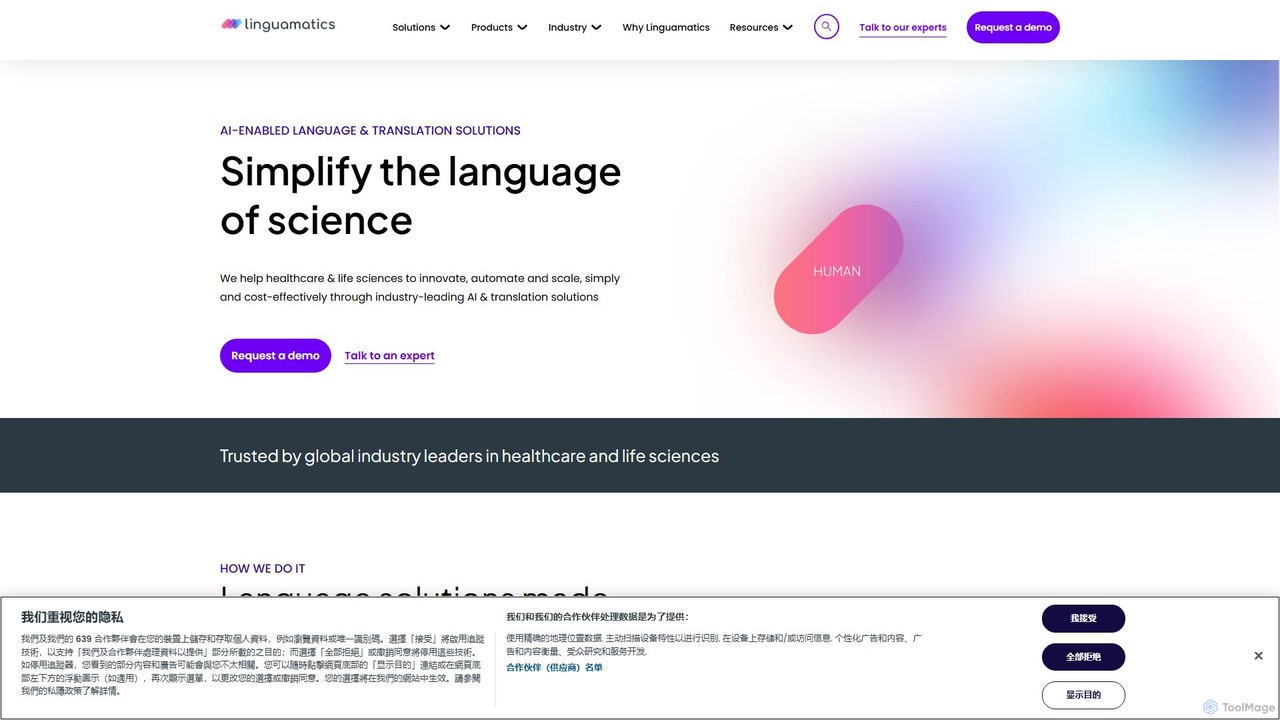
Linguamatics is an advanced AI-powered text mining and Natural Language Processing (NLP) platform, specializing in extracting actionable insights from unstructured text for the life sciences and healthcare industries. It helps organizations accelerate research, improve decision-making, and reduce costs by automating the analysis of scientific literature, patents, clinical trial data, and more.

Analytics
Visits 26.9KFavorites 119Likes 119

Truffle AI
Freemium

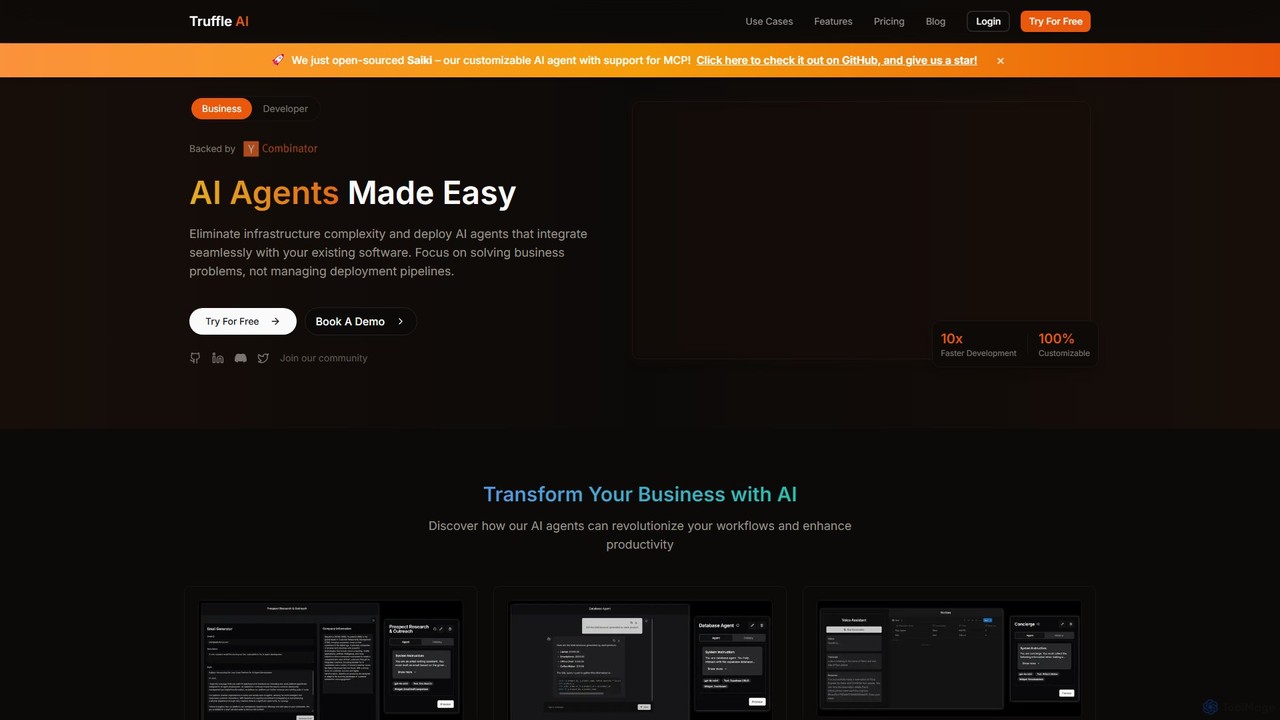
Truffle AI

Truffle AI is a developer-focused platform for building, deploying, and scaling serverless AI agents. It provides a user-friendly SDK, built-in RAG capabilities, and serverless deployment to help developers create powerful, customized AI solutions for automation, data interaction, customer service, and more, without managing complex infrastructure.

Chatbots
Visits 8.8KFavorites 127Likes 123
Surfsite
Paid

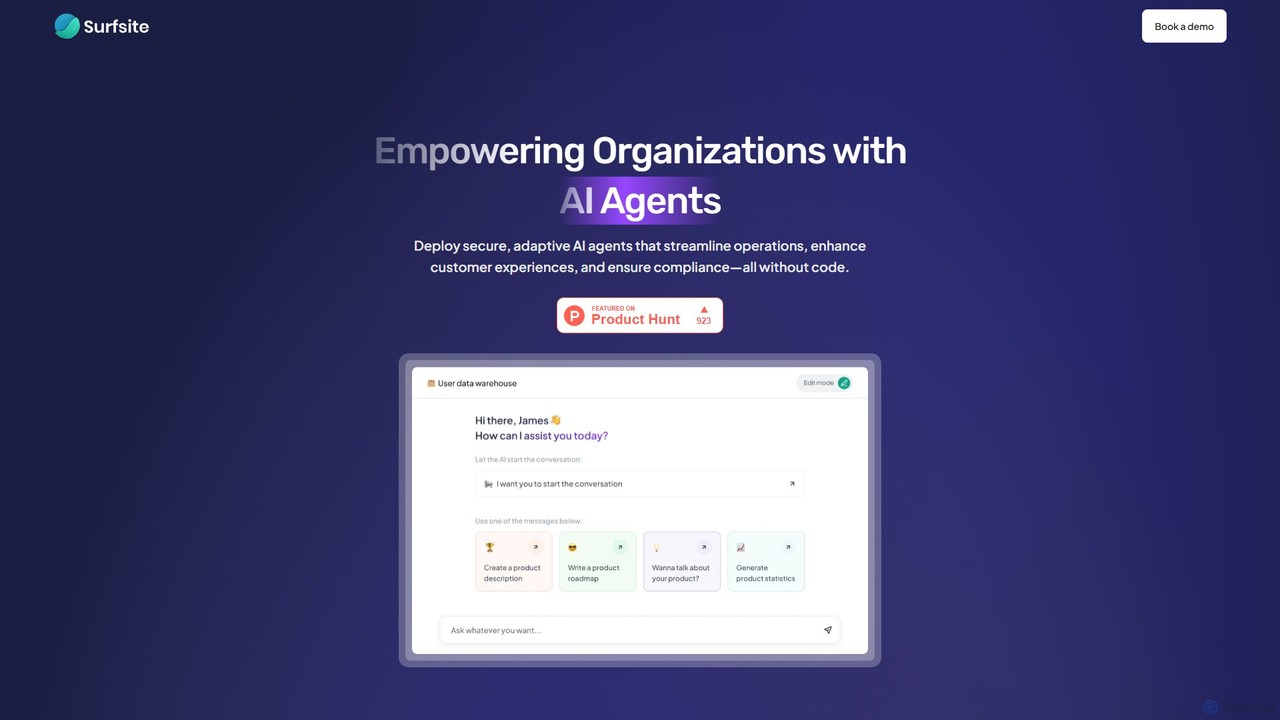
Surfsite

Surfsite is a no-code platform that empowers organizations to build and deploy secure, adaptive AI agents. These agents integrate with your existing tools and data, streamlining operations, enhancing customer experiences, and providing real-time analytics. It's designed for product managers, marketers, and founders to automate workflows and make data-driven decisions without writing any code.

Customer Support
Visits 5.4KFavorites 161Likes 169
Formula Dog
Freemium

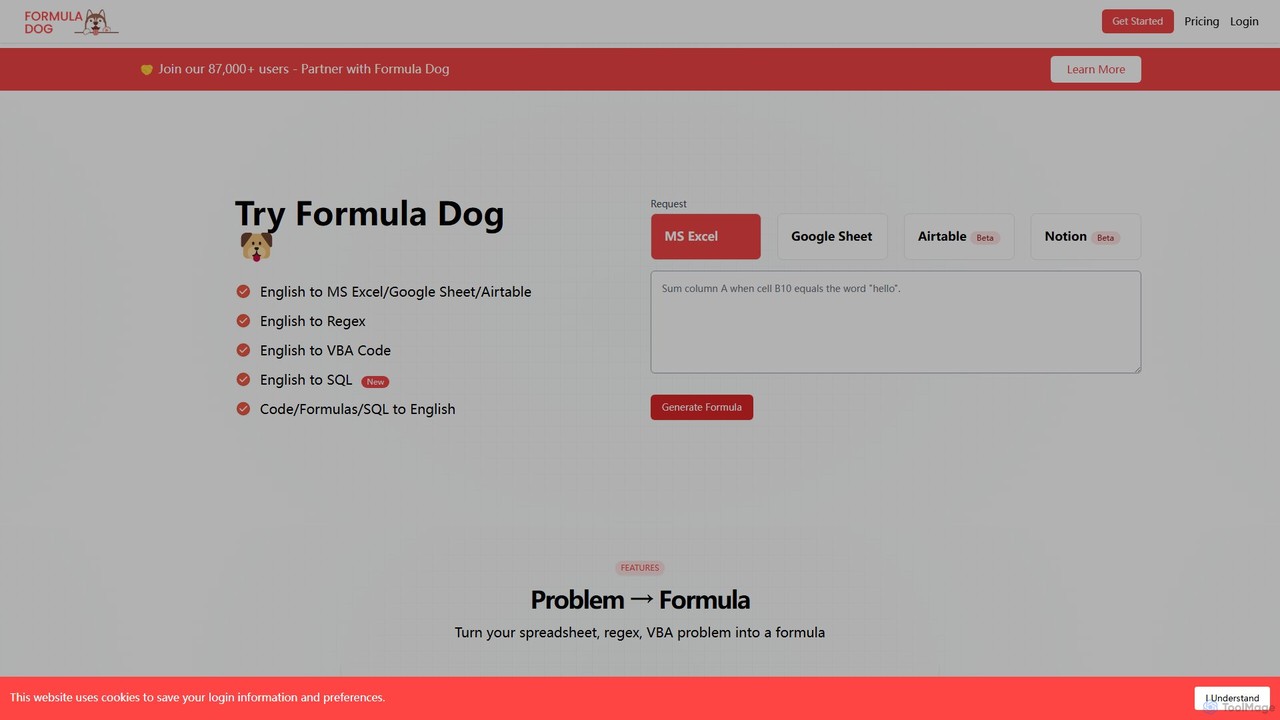
Formula Dog

Formula Dog is an AI-powered tool that generates Excel formulas, Google Sheets functions, Regex, VBA code, and SQL queries from plain English descriptions. It can also explain complex formulas and code in simple terms, boosting productivity for data professionals and spreadsheet users.

Analytics
Visits 6.7KFavorites 136Likes 143
Mezmo
Freemium

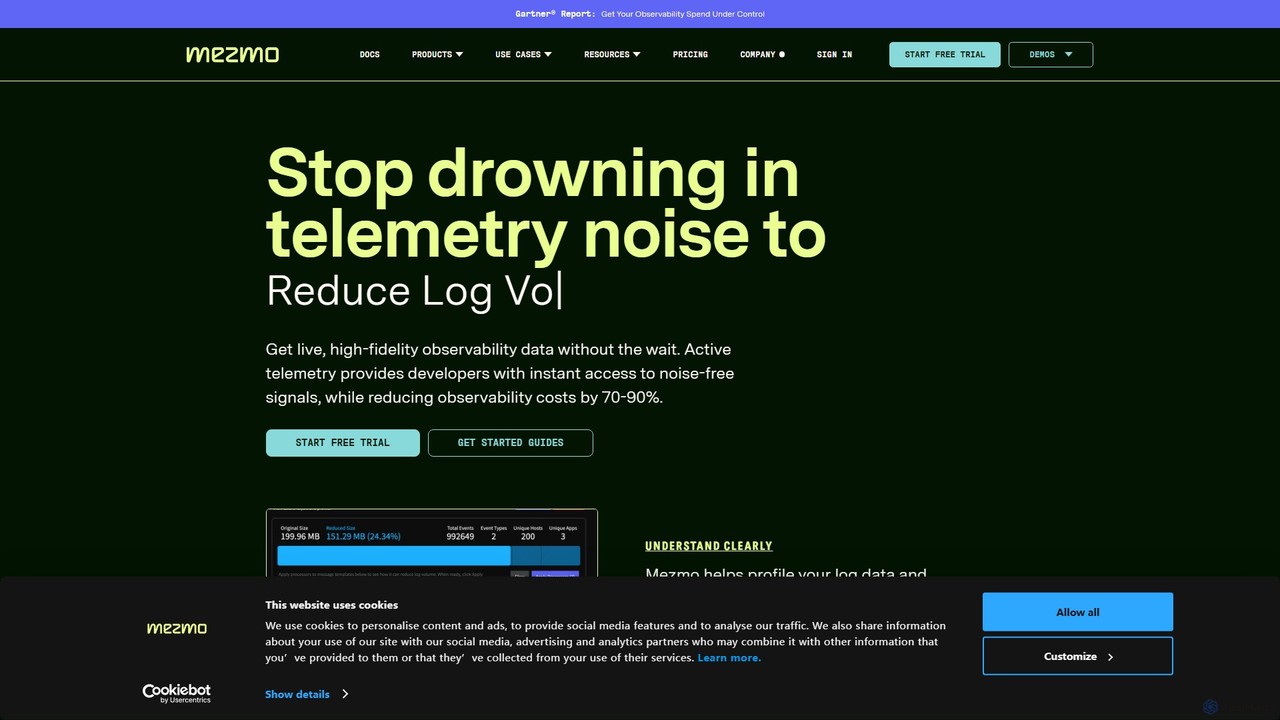
Mezmo

Mezmo is a comprehensive telemetry data pipeline platform designed for developers, DevOps, and SRE teams. It enables users to ingest, process, and analyze logs, metrics, and traces from any source. With a focus on control and cost-efficiency, Mezmo allows you to filter, transform, and route your observability data to any destination, optimizing performance and reducing expenses.

Analytics
Visits 75.7KFavorites 108Likes 120

About Analytics

AI-powered Analytics tools are designed to process, interpret, and visualize complex datasets to extract actionable insights. These tools leverage machine learning algorithms to identify patterns, predict trends, and provide comprehensive reports, enabling data-driven decision-making across various business functions. They transform raw data into meaningful intelligence, offering a deeper understanding of performance and opportunities for growth.

Core Features

  • Predictive Modeling: Utilizes AI to forecast future trends, customer behavior, and market shifts with high accuracy.
  • Automated Insight Generation: Automatically identifies key patterns, correlations, and anomalies in data, reducing manual analysis time.
  • Natural Language Query (NLQ): Allows users to ask data-related questions in plain language and receive immediate, data-driven answers.
  • Interactive Dashboards & Visualization: Creates dynamic, customizable dashboards and visual reports for easy data exploration and understanding.
  • Anomaly Detection: Automatically flags unusual data points or patterns that may indicate fraud, errors, or emerging opportunities.

Use Cases

Businesses across sectors use AI Analytics for market research, customer segmentation, operational efficiency improvements, and financial forecasting. They provide critical insights into customer journeys, supply chain performance, and the effectiveness of marketing campaigns, empowering strategic and tactical adjustments.

How to Choose

When selecting an AI Analytics tool, consider its data source compatibility, the depth and accuracy of its predictive capabilities, ease of use for both technical and non-technical users, and the flexibility of its reporting and visualization features. Integration with existing business intelligence platforms, scalability, and the vendor's support for specific industry needs are also crucial factors.

Featured tool rankings

Analytics use cases

1

Optimizing Marketing Campaign Performance

Marketing teams use AI Analytics to track campaign metrics, identify high-performing channels and content, and predict future engagement. This allows for real-time budget reallocation and content optimization, ensuring maximum return on investment (ROI) by focusing resources where they are most effective and adapting strategies based on predictive insights.

2

Predicting Customer Churn

Customer success teams deploy AI Analytics tools to analyze user behavior, support interactions, and product usage patterns. By identifying at-risk customers early through predictive models, companies can implement proactive retention strategies, such as personalized offers or targeted support, before customers decide to unsubscribe or switch to a competitor.

3

Enhancing Supply Chain Efficiency

Logistics managers leverage AI Analytics to monitor inventory levels, forecast demand fluctuations, and optimize routing and warehousing. This leads to reduced operational costs, minimized waste, and prevention of stockouts or overstock situations, ensuring a more resilient and responsive supply chain that adapts to real-time market changes.

4

Personalizing E-commerce Experiences

Online retailers utilize AI Analytics to understand individual customer preferences, browsing history, and purchase patterns. This enables highly personalized product recommendations, dynamic pricing strategies, and tailored content delivery, significantly boosting conversion rates and enhancing the overall customer shopping experience by making it more relevant and engaging.

5

Detecting Financial Fraud

Financial institutions employ AI Analytics to analyze transaction data in real-time, identifying suspicious activities and anomalies that deviate from normal patterns. This proactive approach helps prevent fraudulent transactions, minimize financial losses, and enhance security measures, protecting both the institution and its customers from illicit activities.

6

Improving Healthcare Patient Outcomes

Healthcare providers use AI Analytics to process vast amounts of patient data, including medical records, genetic information, and treatment responses. This enables the identification of risk factors for diseases, prediction of treatment effectiveness, and optimization of resource allocation, leading to more personalized care plans, earlier disease detection, and ultimately, better health outcomes for patients.

Analytics FAQ

What are AI Analytics tools?

AI Analytics tools are software applications that use artificial intelligence and machine learning to process, analyze, and interpret large datasets, uncovering hidden patterns, predicting future outcomes, and generating actionable insights. They go beyond traditional business intelligence by automating complex data analysis and offering advanced predictive capabilities, transforming raw data into strategic intelligence.

How do AI Analytics differ from traditional Business Intelligence (BI)?

While both AI Analytics and traditional BI aim to provide data insights, AI Analytics tools leverage advanced machine learning for predictive modeling, automated insight generation, and anomaly detection, often automating the discovery process. Traditional BI primarily focuses on descriptive analysis, reporting past and present data through dashboards and reports, requiring more manual interpretation and less emphasis on future predictions.

What are the key benefits of using AI Analytics?

The main benefits of using AI Analytics include faster and more accurate data processing, enhanced predictive capabilities for future trends, automated insight generation, and improved decision-making based on comprehensive data analysis. These tools can uncover complex patterns that human analysts might miss, leading to increased operational efficiency, competitive advantage, and better strategic planning across an organization.

Who typically uses AI Analytics tools?

AI Analytics tools are used by a wide range of professionals, including data scientists, business analysts, marketing managers, financial analysts, operations managers, and executive leadership. They empower both technical and non-technical users to derive insights from data, supporting strategic planning, operational improvements, and customer engagement initiatives across various departments and industries.

What should I consider when choosing an AI Analytics platform?

When selecting an AI Analytics platform, evaluate its data integration capabilities with your existing systems, the accuracy and breadth of its predictive models, and its ease of use for your team. Also, consider the flexibility of its reporting and visualization features, scalability to handle growing data volumes, security features, compliance with industry regulations, and the vendor's support for specific industry needs. A clear understanding of your specific analytical goals is paramount.