Data Best in category 4 results Etl AI Tool

Popular AI tools in the Etl field of Data include Fivetran、Weld、Superglue、Ask On Data, etc., helping you quickly improve efficiency.

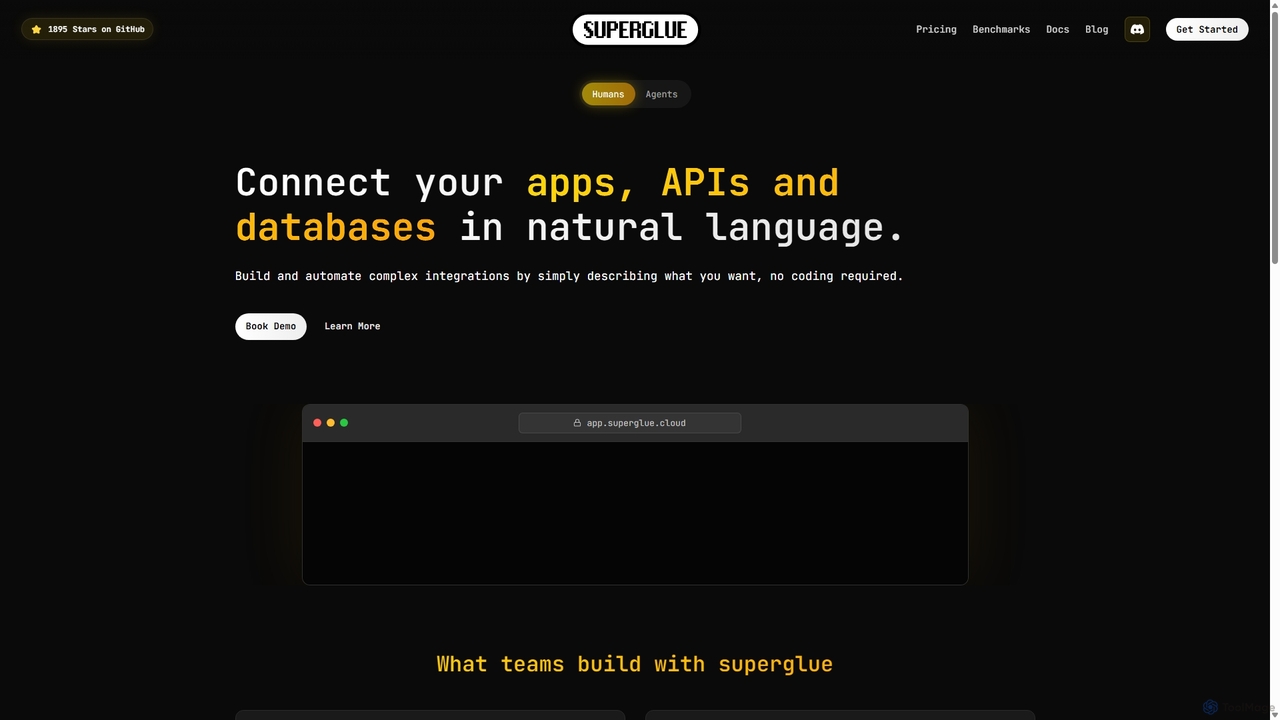
Superglue

Superglue

Superglue is an AI-powered platform that translates natural language intent into reliable API execution. It enables developers and …

3.9K
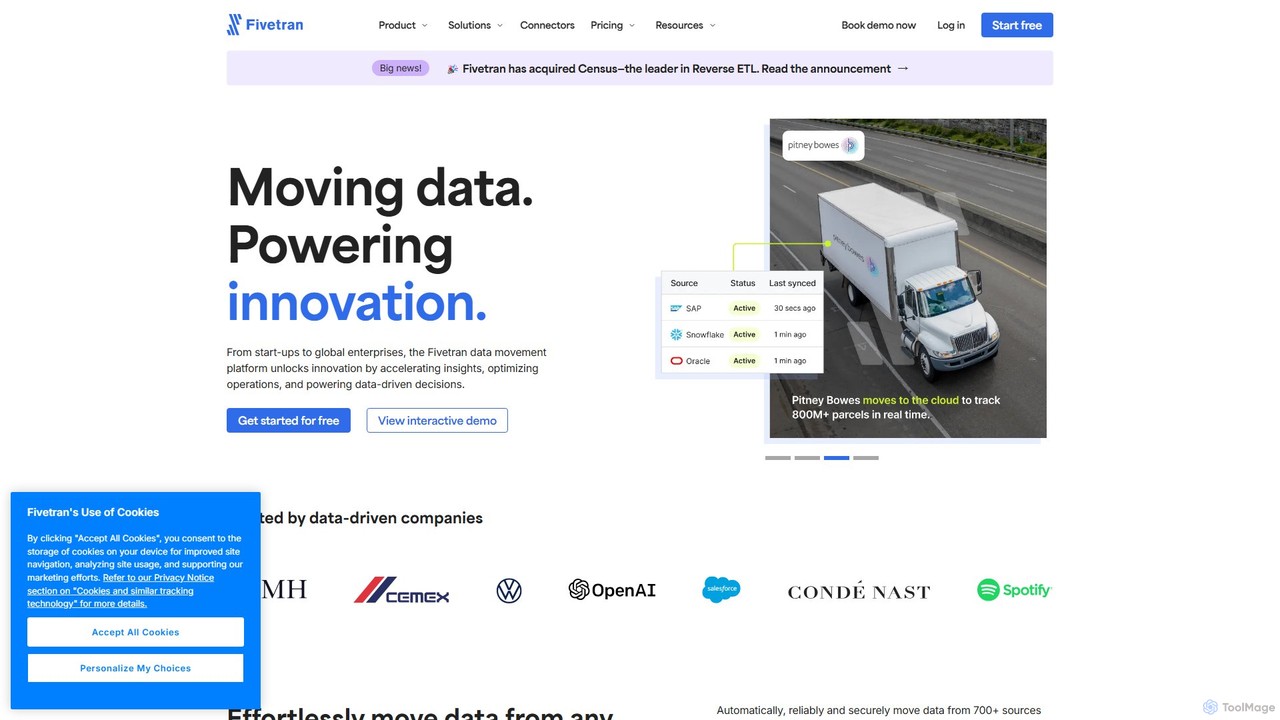
Fivetran

Fivetran

Fivetran is an automated data movement platform that centralizes data from hundreds of sources into cloud data warehouses, …

422.9K
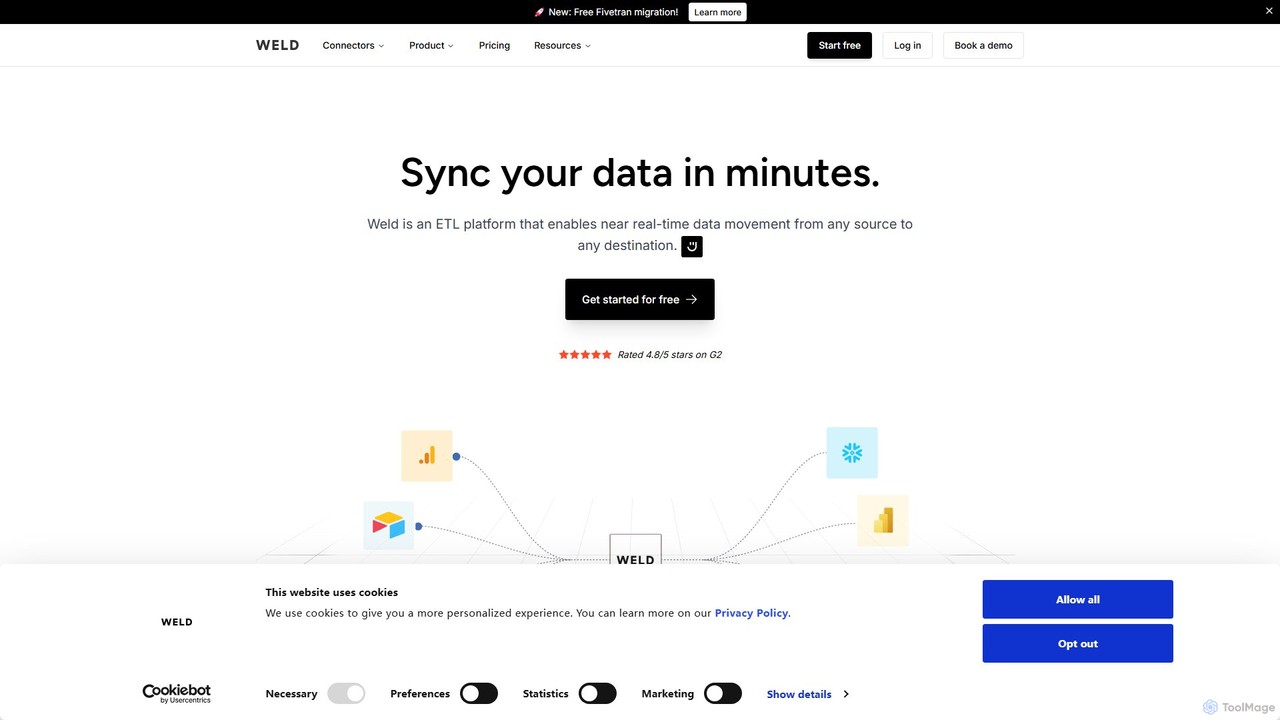
Weld

Weld

Weld is an AI-powered data platform that automates data integration and transformation. It centralizes data from all your …

31.2K
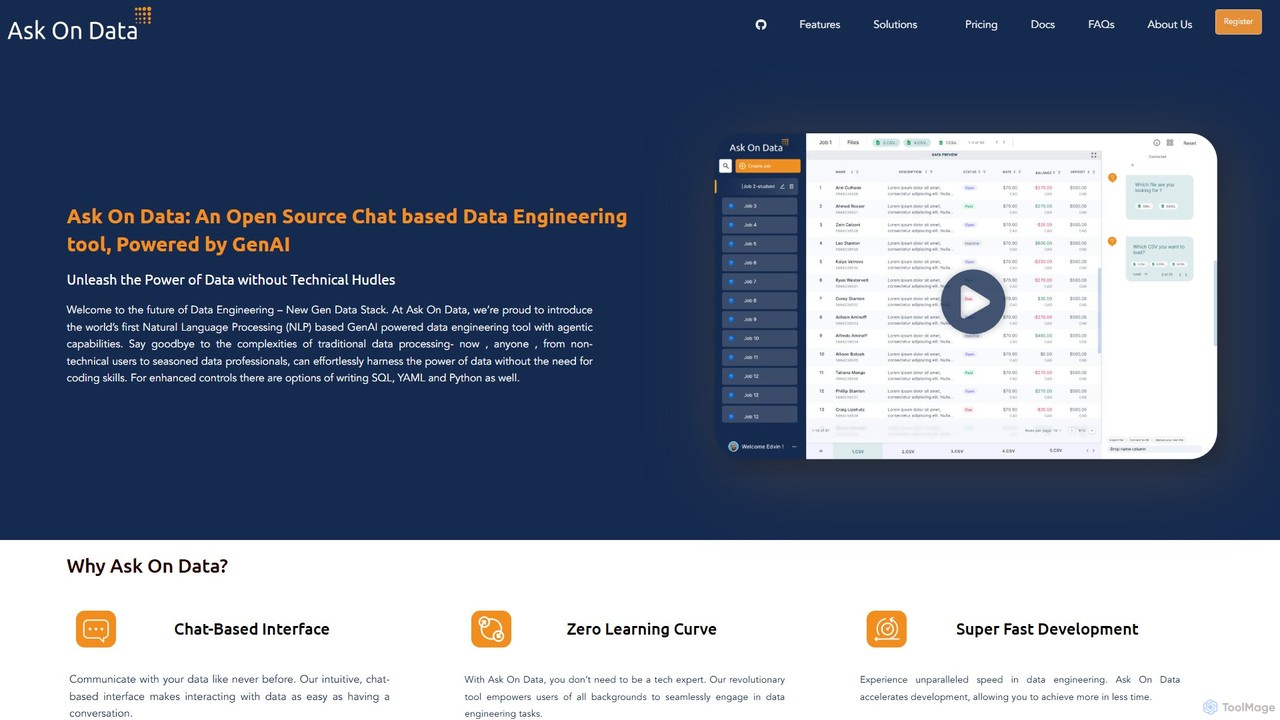
Ask On Data

Ask On Data

Ask On Data is an open-source, GenAI-powered data engineering tool that lets you build and manage data pipelines …

3.5K

About Etl

ETL tools are a class of data integration software that automates the process of Extract, Transform, and Load. These tools connect to various data sources, extract the necessary information, transform it into a structured and consistent format, and then load it into a target system, typically a data warehouse or data lake. Their primary value lies in preparing raw data for business intelligence, analytics, and machine learning. Modern AI-powered ETL tools can further enhance this process by automating schema mapping and data quality checks.

Core Features

  • Data Extraction: Connects to a wide range of sources like databases, APIs, cloud applications, and files to pull data.
  • Data Transformation: Provides capabilities for cleaning, validating, enriching, aggregating, and restructuring data using visual interfaces or code.
  • Data Loading: Efficiently loads the processed data into target destinations such as data warehouses, databases, or BI tools.
  • Workflow Orchestration: Allows for scheduling, monitoring, and managing complex data pipelines from end to end.
  • Error Handling & Logging: Automatically detects and manages errors during the process, providing detailed logs for troubleshooting.

Use Cases

ETL tools are fundamental in any data-driven organization. They are commonly used by data engineers and BI developers to build and maintain data warehouses for corporate reporting. Data analysts use them to consolidate marketing, sales, and operational data for comprehensive performance analysis. They also play a crucial role in data migration projects when companies move from legacy systems to modern cloud platforms.

How to Choose

When selecting an ETL tool, first evaluate its connector library to ensure it supports your specific data sources and destinations. Assess the complexity of its transformation capabilities—whether you need a simple visual builder or advanced coding options. Consider its scalability to handle your current and future data volumes. Finally, compare deployment models (cloud vs. on-premise) and pricing structures (volume-based, connector-based, or subscription) to find the best fit for your technical needs and budget.

EtlUse Cases

1

Building a Centralized Sales Data Warehouse

A retail company uses an ETL tool to consolidate sales data from disparate sources. The process extracts daily transaction records from physical Point-of-Sale (POS) systems, order details from their e-commerce platform like Shopify, and customer information from a CRM like Salesforce. During the transformation stage, the tool standardizes date formats, cleanses customer addresses, and joins sales data with customer profiles. Finally, the unified data is loaded into a cloud data warehouse such as Google BigQuery, enabling analysts to create comprehensive dashboards in a BI tool for tracking sales performance across all channels.

2

Migrating Legacy Systems to the Cloud

A financial institution is modernizing its infrastructure by moving from an on-premise mainframe to a cloud-based platform. An ETL tool is critical for this migration. It extracts decades of customer and transaction data from the legacy database. The transformation phase is crucial for restructuring the data to fit the new cloud database schema, validating data integrity, and masking sensitive information to comply with regulations. The final step involves loading the clean, structured data into the new cloud system, ensuring a smooth transition with minimal downtime and no data loss.

3

Preparing Data for Machine Learning Models

A data science team needs to prepare a dataset for training a customer churn prediction model. They use an ETL tool to extract user activity data from web analytics, subscription details from a billing system, and support ticket history from a helpdesk platform. The transformation stage involves feature engineering, such as calculating 'days since last login' or 'number of support tickets'. It also handles missing values and normalizes numerical data. The final, clean dataset is then loaded into a feature store or a data lake, ready for model training and evaluation, significantly speeding up the MLOps lifecycle.

4

Aggregating Marketing Campaign Performance

A marketing agency manages campaigns across multiple platforms like Google Ads, Facebook Ads, and an email marketing service. To provide clients with a unified performance report, they use an ETL tool. The tool automatically extracts key metrics (impressions, clicks, cost, conversions) from each platform's API. During transformation, it standardizes campaign naming conventions and aligns attribution models. The aggregated data is then loaded into a BI tool like Tableau, where interactive dashboards visualize the overall return on investment (ROI) and help optimize future marketing spend.

5

Real-time Inventory Synchronization

An e-commerce business with multiple warehouses needs to maintain accurate stock levels on its online store to prevent overselling. They implement a near real-time ETL process. The process continuously extracts inventory data from each warehouse's management system. The transformation step aggregates the stock counts for each product across all locations. This updated inventory data is then loaded into the e-commerce platform's database every few minutes. This ensures that customers see the most up-to-date stock availability, improving customer satisfaction and operational efficiency.

6

Integrating Healthcare Data for Patient Analytics

A hospital network uses multiple Electronic Health Record (EHR) systems across its facilities. To get a unified view of patient outcomes, they use an ETL tool to integrate this data. The tool extracts patient records, lab results, and billing information from each EHR system. The transformation process is critical for de-identifying patient data to comply with privacy regulations like HIPAA, standardizing medical codes (e.g., ICD-10), and structuring the data for analysis. The integrated, anonymized data is then loaded into a secure data warehouse for clinical research and operational efficiency analysis.

EtlFrequently Asked Questions