ToolMage
Sign in

Best 411 Code Assistant for Developer Tools

Popular Code Assistant in Developer Tools include Google Gemini, GitHub, DeepSeek, doubao, Google Labs, Qwen, Claude, Anthropic, Z.ai, and GigaChat, helping you work more efficiently.

Formula Dog
Freemium

Formula Dog

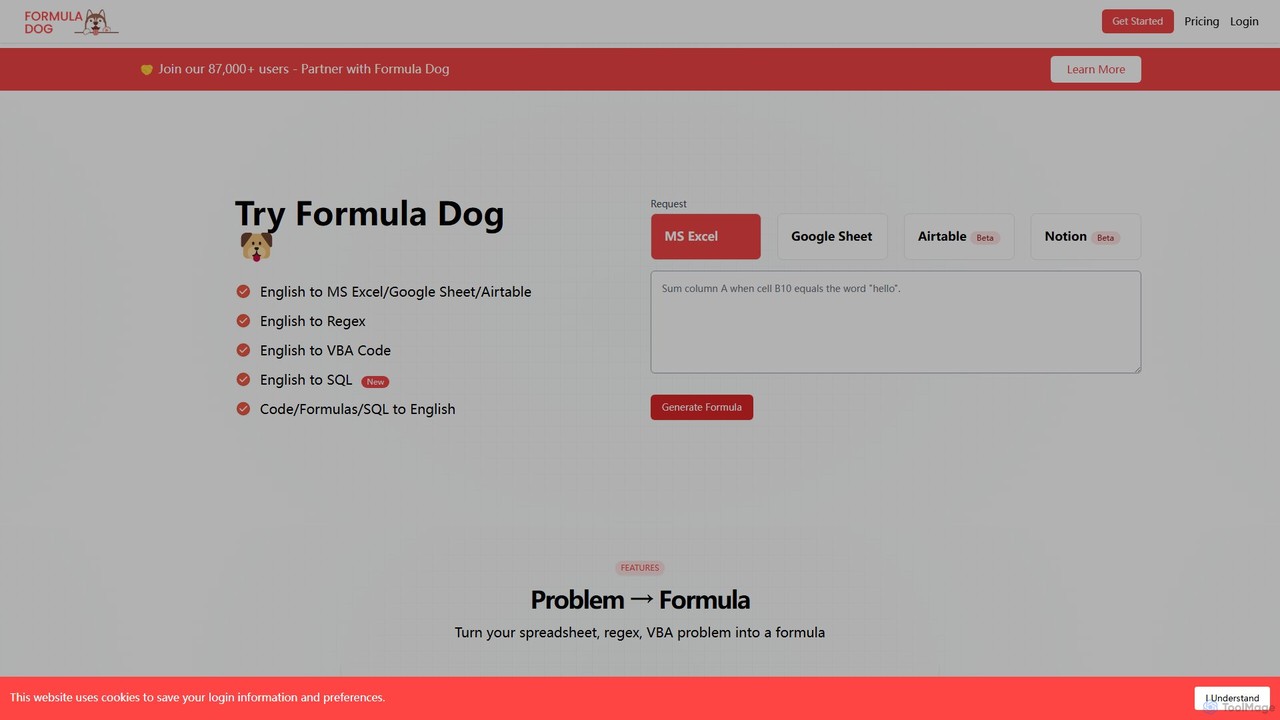
Formula Dog is an AI-powered tool that generates Excel formulas, Google Sheets functions, Regex, VBA code, and SQL queries from plain English descriptions. It can also explain complex formulas and code in simple terms, boosting productivity for data professionals and spreadsheet users.

Analytics
Visits 7.7KFavorites 143Likes 153

Folderer
Freemium

Folderer

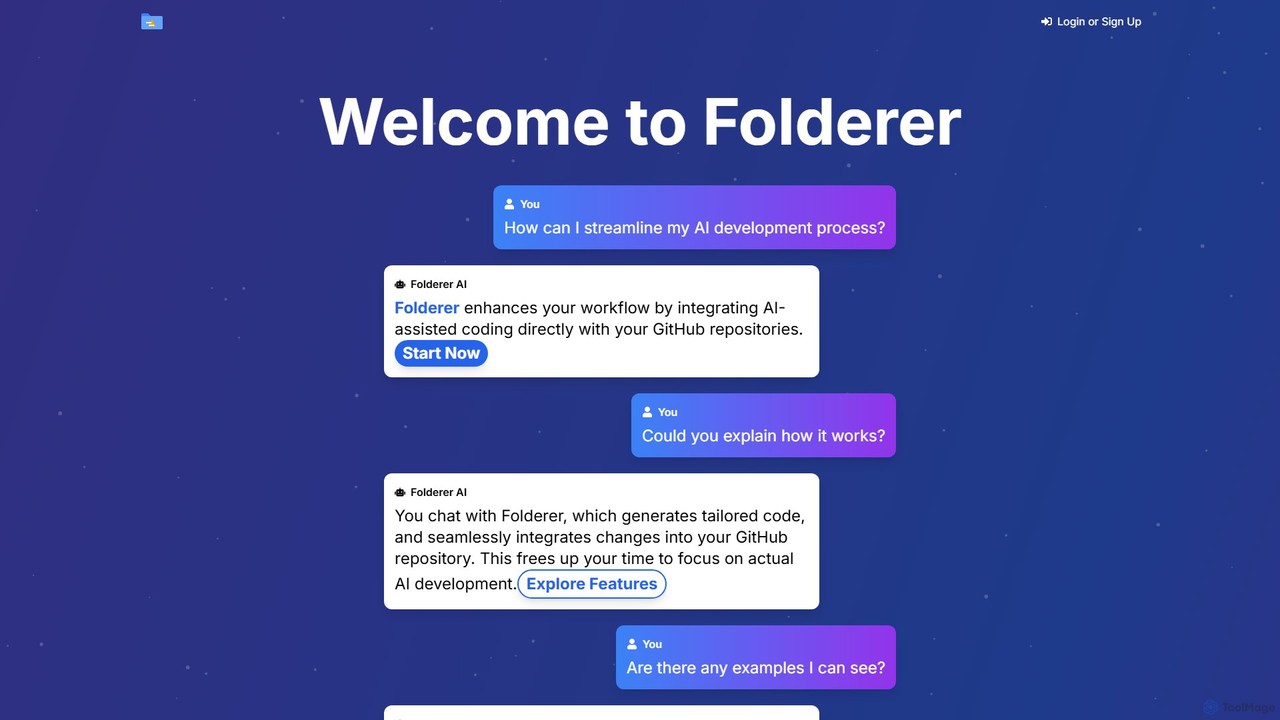
Folderer is an AI-powered coding assistant that integrates directly with your GitHub repositories. It uses a conversational chat interface to generate, refine, and commit high-quality code, streamlining the entire development workflow from idea to deployment.

Code Generation
Visits 6.2KFavorites 125Likes 112
AI Coder Buddy
Paid

AI Coder Buddy

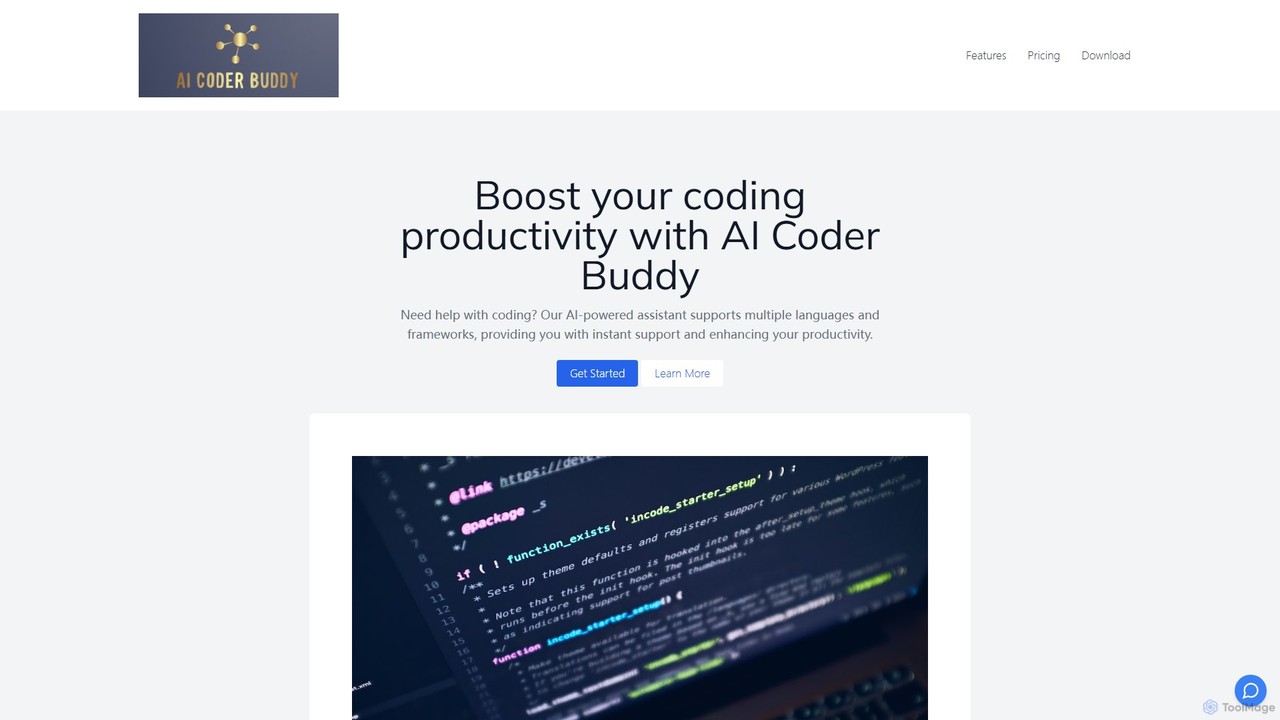
AI Coder Buddy is an offline, AI-powered code assistant for developers. It provides instant access to over 145,000 code examples and Q&As across 90 programming languages and frameworks. Its key features are speed, 100% privacy, and offline functionality, making it a secure alternative to online search engines.

Code Assistant
Visits 6.9KFavorites 130Likes 106

About Code Assistant

Code Assistant tools are AI-powered software designed to enhance the productivity and quality of software development by assisting programmers with various coding tasks. Leveraging advanced large language models and machine learning, these tools provide intelligent suggestions, automate repetitive processes, and help identify potential issues. They integrate directly into development environments, streamlining workflows from initial code generation to debugging and optimization, making the coding process faster and more efficient for developers across all skill levels.

Core Features

  • Intelligent Code Completion: Provides context-aware suggestions for code snippets, functions, and variables, significantly speeding up typing and reducing errors.
  • Automated Code Generation: Generates entire functions, classes, or even small programs based on natural language descriptions or existing code patterns.
  • Code Explanation & Documentation: Analyzes complex code segments and provides clear, concise explanations or generates documentation, aiding understanding and onboarding.
  • Debugging & Error Detection: Helps identify potential bugs, syntax errors, and logical flaws in real-time, often suggesting fixes or alternative approaches.
  • Code Refactoring & Optimization: Suggests improvements for code structure, readability, and performance, helping developers write cleaner and more efficient code.

Applicable Scenarios

Code Assistants are invaluable for software engineers, data scientists, and web developers looking to accelerate their development cycles. They are particularly useful in rapid prototyping, where developers need to quickly scaffold new projects, or when working with unfamiliar libraries and frameworks. Additionally, these tools assist in maintaining large legacy codebases by providing explanations and suggesting refactoring opportunities, and help junior developers learn best practices and new programming concepts more effectively.

How to Choose

When selecting a Code Assistant, consider its integration capabilities with your preferred IDE (e.g., VS Code, IntelliJ), the range of programming languages it supports, and the accuracy and relevance of its suggestions. Evaluate its specific features like code generation, debugging, or refactoring based on your primary needs. Also, assess its pricing model, community support, and data privacy policies, especially if working with sensitive code, to ensure it aligns with your team's workflow and security requirements.

Featured tool rankings

Code Assistant use cases

1

Accelerate Rapid Prototyping with AI

A startup developer needs to quickly build a minimum viable product (MVP). Using a Code Assistant, they can input high-level descriptions of desired features, and the AI generates boilerplate code for common components like API endpoints, database models, or UI elements. This significantly reduces the initial setup time, allowing the developer to focus on core logic and unique features, bringing the product to market faster.

2

Master New Languages and Frameworks Faster

A seasoned developer is transitioning to a new programming language or framework. The Code Assistant acts as an intelligent tutor, providing context-aware code examples, explaining unfamiliar syntax, and suggesting idiomatic patterns. This accelerates the learning curve by offering immediate feedback and practical demonstrations, enabling the developer to become proficient more quickly without constant manual documentation lookups.

3

Automate Repetitive Coding for Efficiency

A backend engineer frequently writes similar CRUD (Create, Read, Update, Delete) operations or unit tests for new data models. Instead of manually typing out each method, the Code Assistant can generate these repetitive code blocks based on the data model definition or a simple prompt. This automation frees up valuable time, allowing the engineer to concentrate on more complex architectural challenges and innovative solutions.

4

Enhance Code Quality and Detect Vulnerabilities

A development team aims to maintain high code quality and security standards. Integrated Code Assistants can analyze code in real-time, identifying potential bugs, performance bottlenecks, and security vulnerabilities (e.g., SQL injection risks, insecure API calls). The tool suggests best practices and provides refactoring options, helping developers write robust, secure, and maintainable code, reducing technical debt and future security incidents.

5

Simplify Legacy Code Maintenance and Understanding

A new developer joins a project with a large, undocumented legacy codebase. The Code Assistant can explain complex functions, decipher cryptic variable names, and even generate summaries of entire modules based on their functionality. This drastically reduces the time and effort required for the new team member to understand the existing system, facilitating smoother onboarding and more efficient maintenance of older applications.

6

Generate Comprehensive Test Cases and Mock Data

A quality assurance (QA) engineer or developer needs to create extensive unit and integration tests for new features. A Code Assistant can analyze the function signatures and expected behaviors, then automatically generate a variety of test cases, including edge cases and mock data. This ensures broader test coverage, reduces manual test writing effort, and helps catch bugs earlier in the development cycle, leading to more reliable software.

Code Assistant FAQ

What are AI Code Assistants?

AI Code Assistants are intelligent tools that leverage artificial intelligence, primarily large language models, to help developers write, understand, and maintain code more efficiently. They integrate into IDEs to offer features like code auto-completion, generation, explanation, and debugging assistance, acting as a co-pilot for programmers. Their core purpose is to augment human coding capabilities, not replace them.

How do AI Code Assistants differ from traditional IDE features?

Traditional IDE features like basic auto-completion or syntax highlighting rely on predefined rules and static analysis. AI Code Assistants, however, use machine learning to understand context, predict intent, and generate novel code snippets based on vast datasets of existing code. This allows them to offer more intelligent, context-aware suggestions, generate entire functions, and even explain complex code, going beyond simple pattern matching to provide truly generative and analytical capabilities.

What programming languages do AI Code Assistants support?

Most leading AI Code Assistants offer broad language support, covering popular languages like Python, JavaScript, TypeScript, Java, C, Go, Ruby, and PHP. Many also support less common languages or frameworks, as their underlying models are trained on diverse codebases. However, the quality and depth of assistance can vary by language, with more widely used languages generally receiving more refined and accurate suggestions.

Can AI Code Assistants write entire applications independently?

While AI Code Assistants are highly capable of generating significant portions of code, they cannot yet write entire complex applications independently from scratch without human guidance. They excel at automating repetitive tasks, generating boilerplate, and assisting with specific functions or modules. Human developers remain crucial for architectural design, complex problem-solving, integrating different components, and ensuring the overall logic and business requirements are met. They are powerful tools for augmentation, not full automation.

Are there any privacy or security concerns when using AI Code Assistants?

Yes, privacy and security are valid concerns. When using cloud-based Code Assistants, your code might be sent to external servers for processing, raising questions about data handling and intellectual property. Some tools offer on-premise or self-hosted solutions to mitigate this. Additionally, generated code might occasionally contain vulnerabilities or license infringements if not carefully reviewed. It's crucial to choose reputable providers, understand their data policies, and always review AI-generated code for security, quality, and compliance before deployment.