Developer Tools Best in category 8 results Utilities AI Tool

Popular AI tools in the Utilities field of Developer Tools include Prepostseo、ChatGPT Auto Refresh、AI Parabellum、Smart Tools AI、Mighil、Split Prompt、ReMind、GPT Splitter, etc., helping you quickly improve efficiency.

Free
ReMind

ReMind

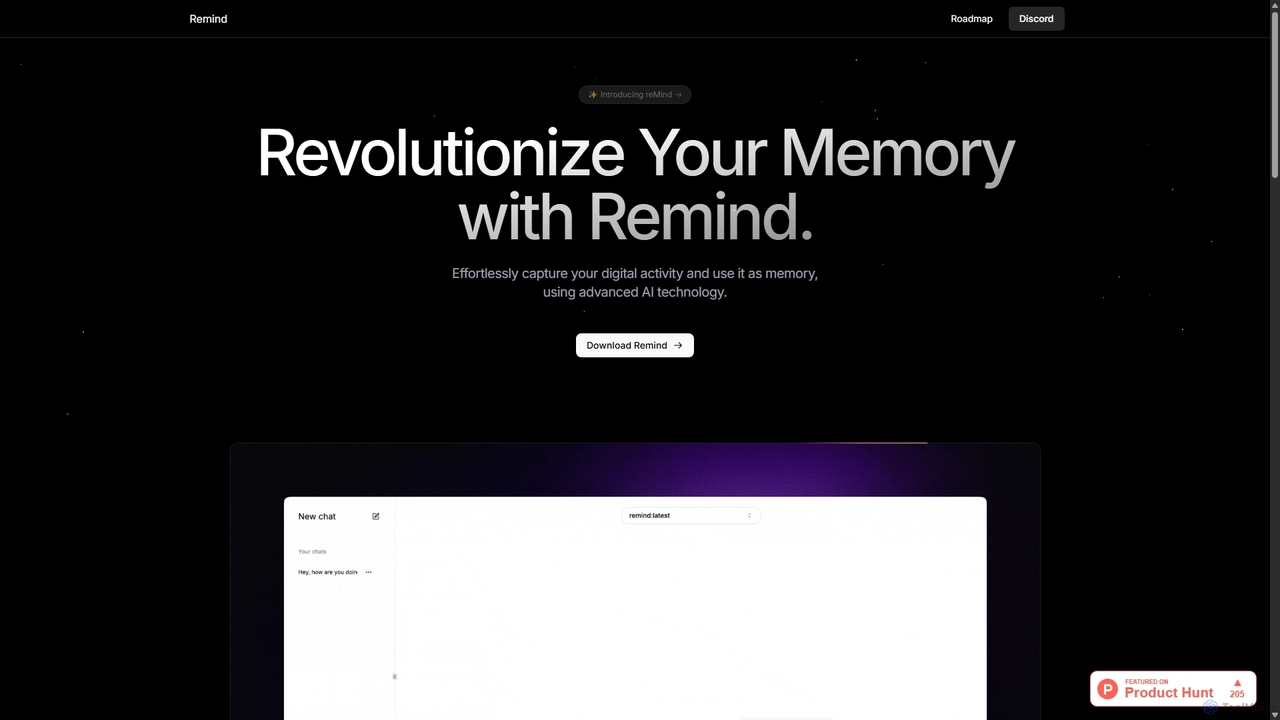
reMind is an open-source, privacy-first AI tool that acts as your personal memory. It captures your digital activity …

2.8K
Free
Split Prompt

Split Prompt

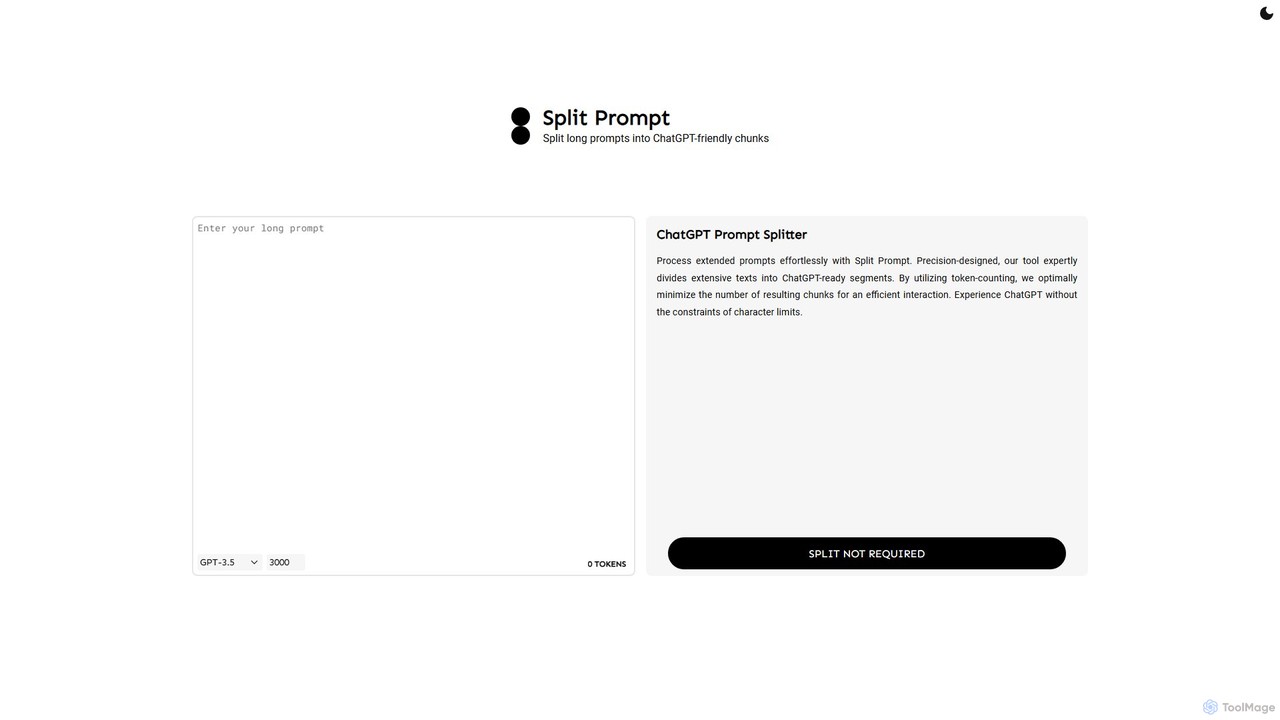
A free web tool that intelligently splits long text or prompts into smaller, manageable chunks optimized for ChatGPT …

2.9K
Free
ChatGPT Auto Refresh

ChatGPT Auto Refresh

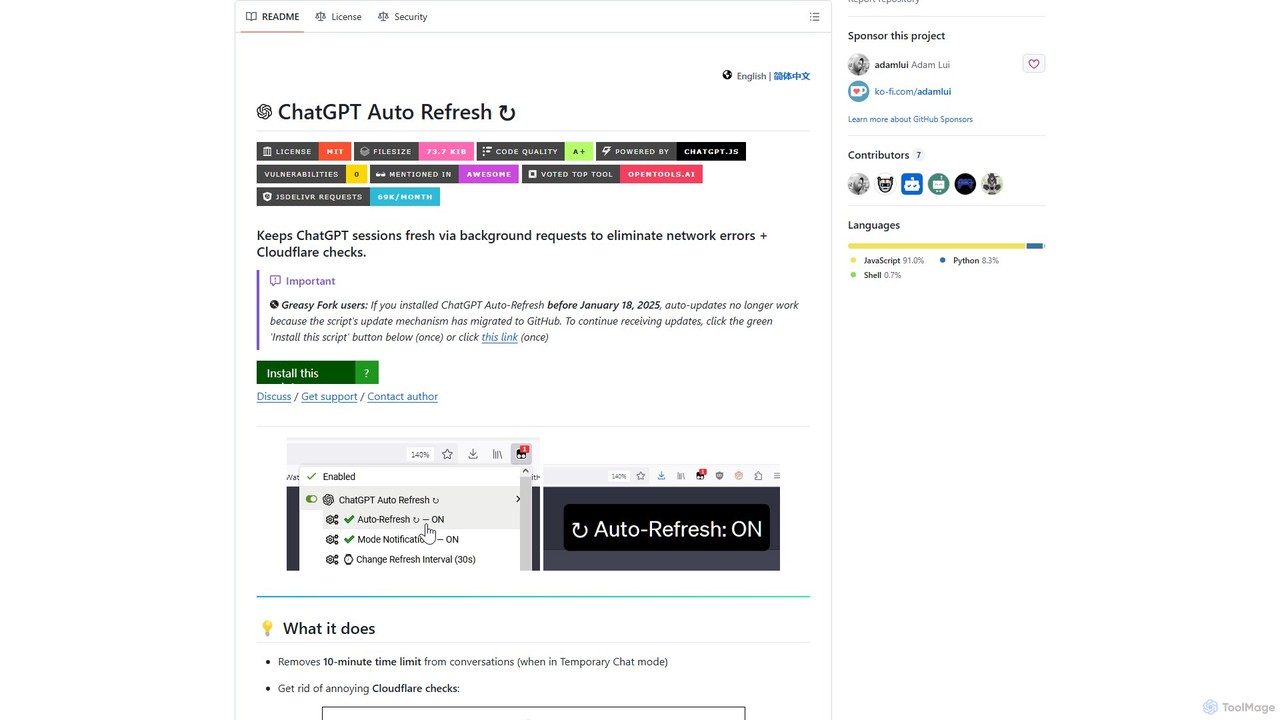
ChatGPT Auto Refresh is a free userscript that keeps your ChatGPT sessions active. It prevents timeouts, network errors, …

51.3K
Prepostseo

Prepostseo

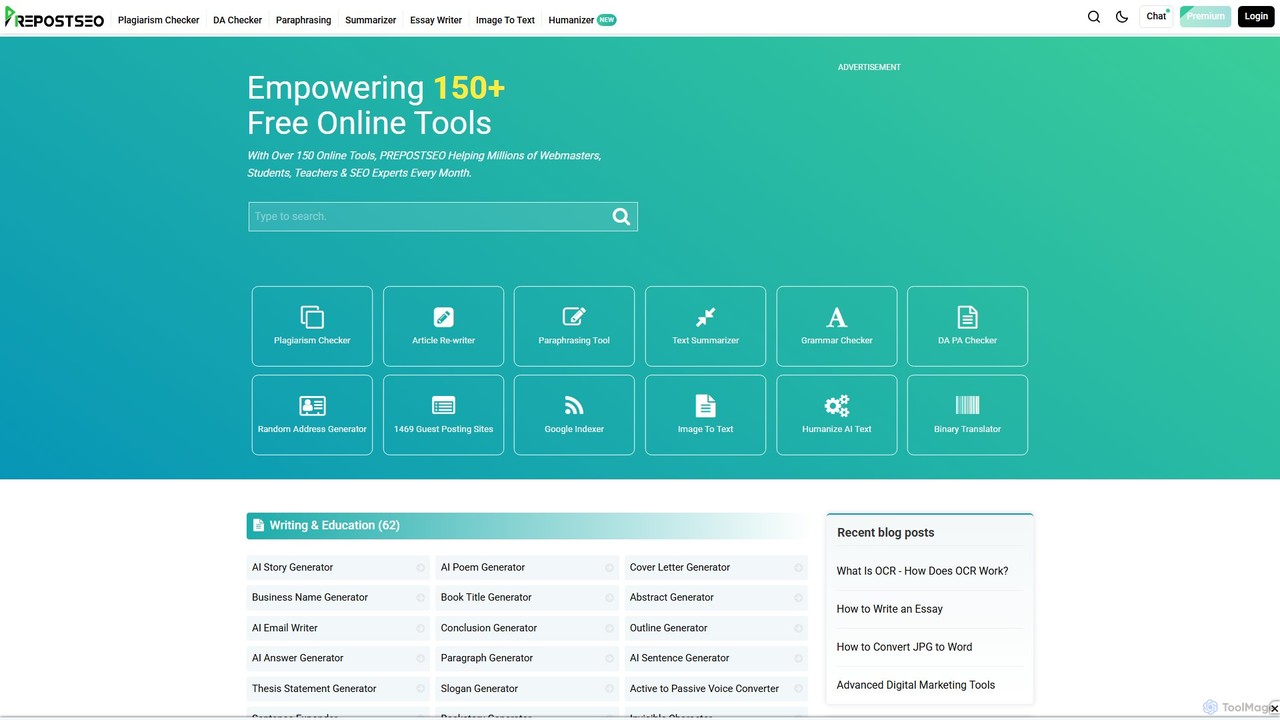
Prepostseo is a comprehensive suite of over 150 free online tools for students, webmasters, and SEO experts. It …

1.2M
Mighil

Mighil

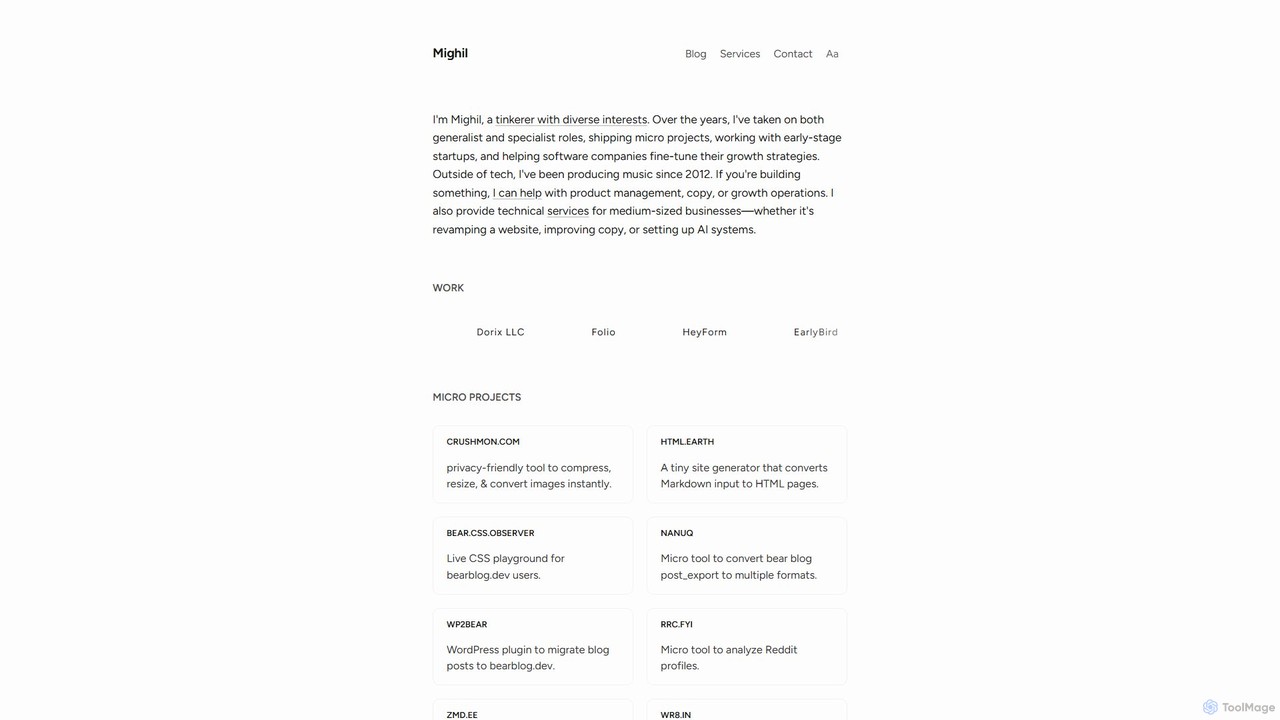
Mighil is a portfolio of AI-powered micro-tools and technical services created by developer Mighil. It features a diverse …

4.4K
Free
AI Parabellum

AI Parabellum

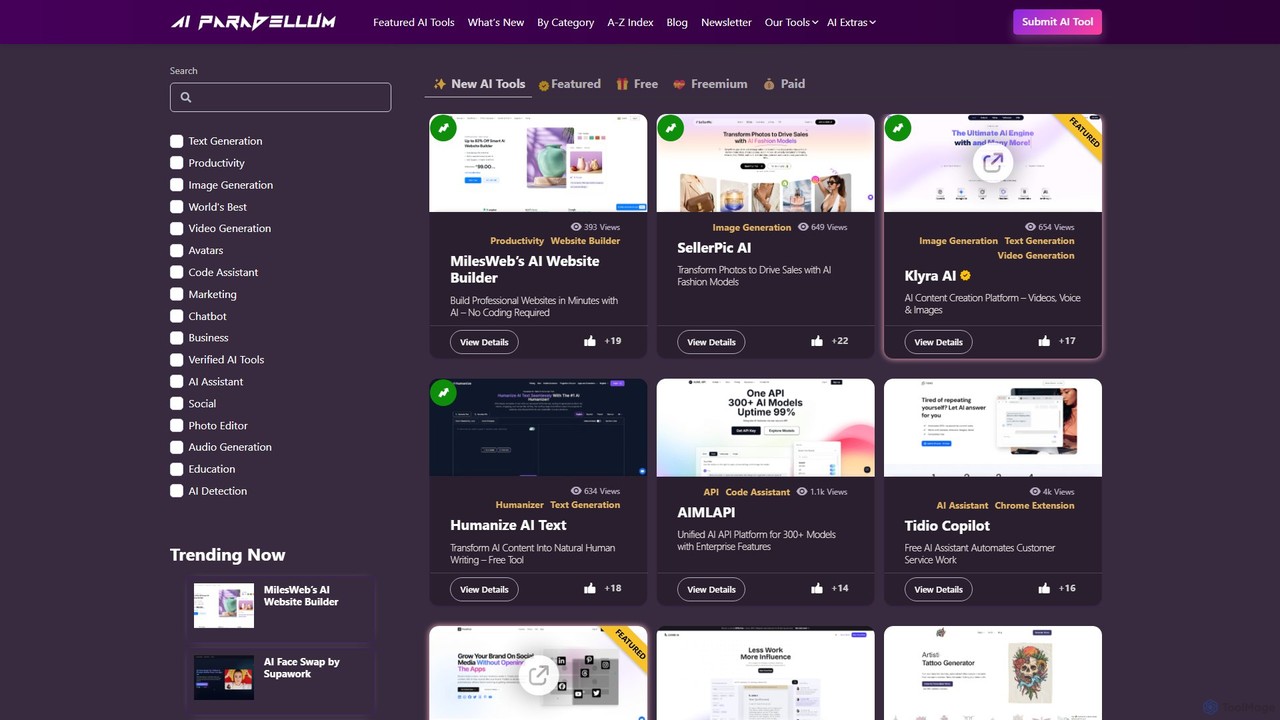
AI Parabellum is a comprehensive and expertly curated directory of AI tools designed to enhance productivity, creativity, and …

27.1K
Smart Tools AI

Smart Tools AI

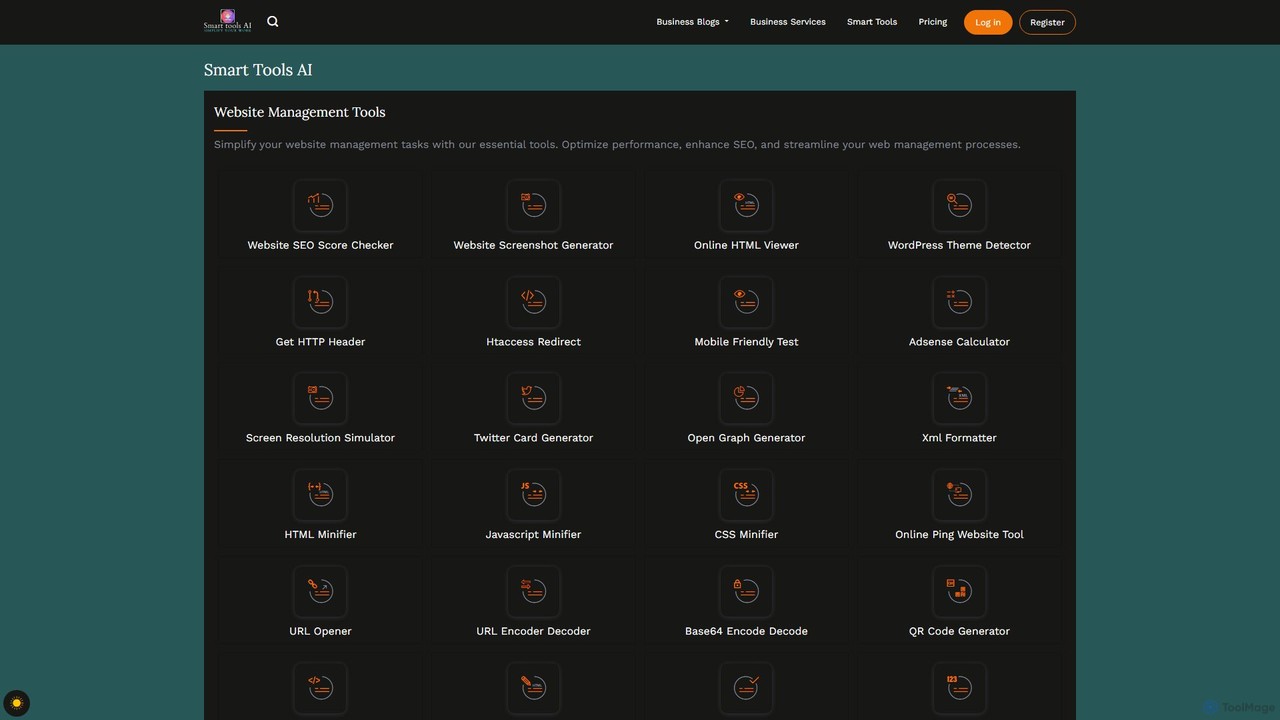
Smart Tools AI is a comprehensive online suite offering over 150 free and freemium tools. It's designed to …

9.7K
Free
GPT Splitter

GPT Splitter

A free web-based tool that automatically splits long text or prompts into smaller, manageable chunks to overcome the …

2.3K

About Utilities

AI Utilities are specialized AI-powered tools designed to automate, optimize, and assist in common development, system administration, and data management tasks. These utilities leverage machine learning algorithms to analyze code, logs, data, and system metrics, providing intelligent insights and automating repetitive processes. They significantly enhance developer productivity, improve code quality, and streamline operational workflows within the broader context of developer tools.

Core Features

  • Code Assistance: Provides intelligent code completion, refactoring suggestions, and bug detection to accelerate development.
  • Automated Testing: Generates comprehensive test cases and identifies potential issues, improving software reliability.
  • Log & Anomaly Analysis: Monitors system logs for unusual patterns, enabling proactive identification of operational problems.
  • Data Transformation: Automates cleaning, formatting, and migration of data, ensuring data quality for various applications.
  • Resource Optimization: Analyzes infrastructure usage to suggest cost-effective scaling and allocation strategies.

Applicable Scenarios

Developers use AI Utilities for faster coding and debugging. DevOps engineers leverage them for proactive system monitoring and automated incident response. Data engineers apply these tools for efficient data preparation and pipeline management. System administrators benefit from optimized resource management and predictive maintenance, making complex tasks more manageable and efficient.

How to Choose

When selecting an AI Utility, evaluate its compatibility with your existing tech stack and development environment. Consider the specific problem it aims to solve, its performance, scalability, and the accuracy of its AI models. Assess the level of customization, security features, and the clarity of its documentation and community support to ensure seamless integration and long-term value.

UtilitiesUse Cases

1

Automated Code Refactoring Suggestions

Software developers utilize AI utilities to analyze existing codebases, automatically identifying areas for optimization, suggesting more efficient algorithms, or recommending refactoring patterns. This helps improve code readability, maintainability, and performance, allowing developers to focus on new feature development rather than manual code cleanup.

2

Intelligent Log Anomaly Detection

DevOps teams deploy AI utilities to continuously monitor application and infrastructure logs in real-time. The AI learns normal system behavior and flags unusual patterns, such as sudden spikes in error rates or unexpected resource consumption, enabling rapid detection of potential outages or security breaches before they impact users.

3

Generating Comprehensive Unit Tests

QA engineers and developers employ AI utilities to automatically generate a wide range of unit test cases for new functions or modules. By analyzing the code's logic and potential edge cases, the AI creates robust tests, significantly reducing the manual effort required for test writing and increasing overall test coverage and software reliability.

4

Optimizing Cloud Infrastructure Costs

Cloud architects and system administrators use AI utilities to analyze historical cloud resource usage, identify idle or underutilized instances, and predict future demand. The utility then recommends optimal scaling adjustments, instance types, or shutdown schedules, leading to substantial cost savings on cloud computing expenses without compromising performance.

5

Automated Data Cleaning and Preprocessing

Data scientists and engineers leverage AI utilities to automate the tedious process of cleaning and preprocessing raw datasets. The AI can detect and correct missing values, standardize formats, remove duplicates, and identify outliers, transforming messy data into a clean, usable format much faster than manual methods, accelerating data analysis and model training.

6

Smart API Endpoint Testing and Validation

Backend developers integrate AI utilities into their CI/CD pipelines to automatically test and validate API endpoints. The AI can generate diverse request payloads, simulate various user scenarios, and verify responses against expected schemas, ensuring API stability, performance, and adherence to specifications across different versions and deployments.

UtilitiesFrequently Asked Questions