ToolMage
Sign in

Best 62 Academic AI tools for Education

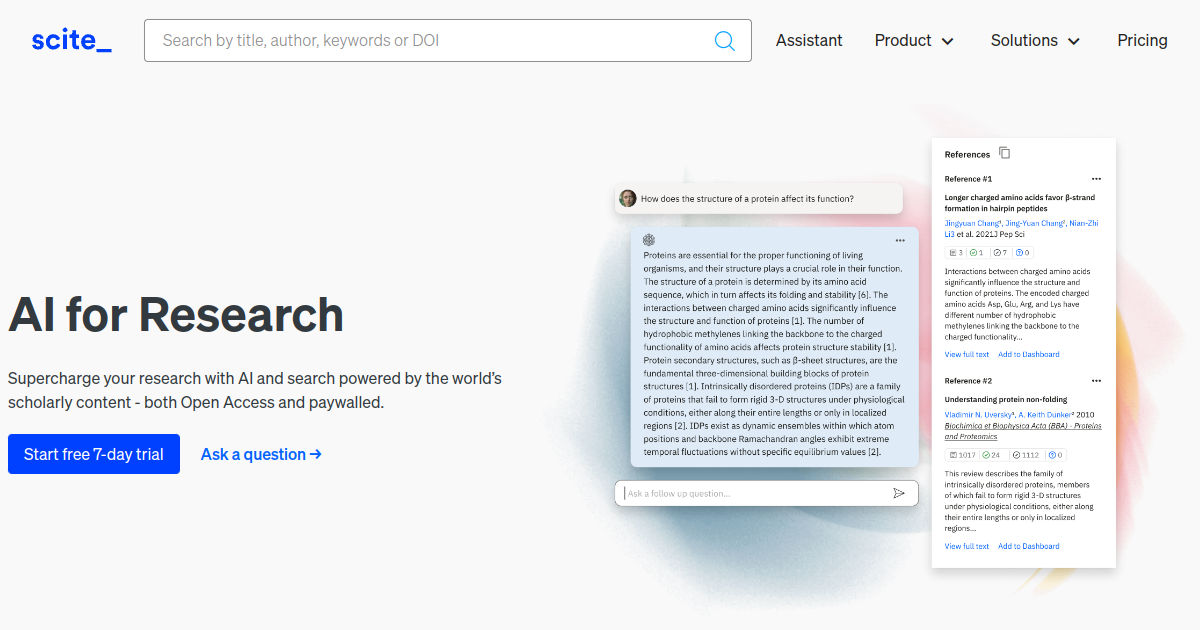
Popular Academic AI tools in Education include QuillBot, Anara, Rayyan, scite, Connected Papers, Researcher.Life, Smodin, PlagiarismCheck.org, AnswerThis, and Undermind, helping you work more efficiently.

Paperguide
Freemium

Paperguide

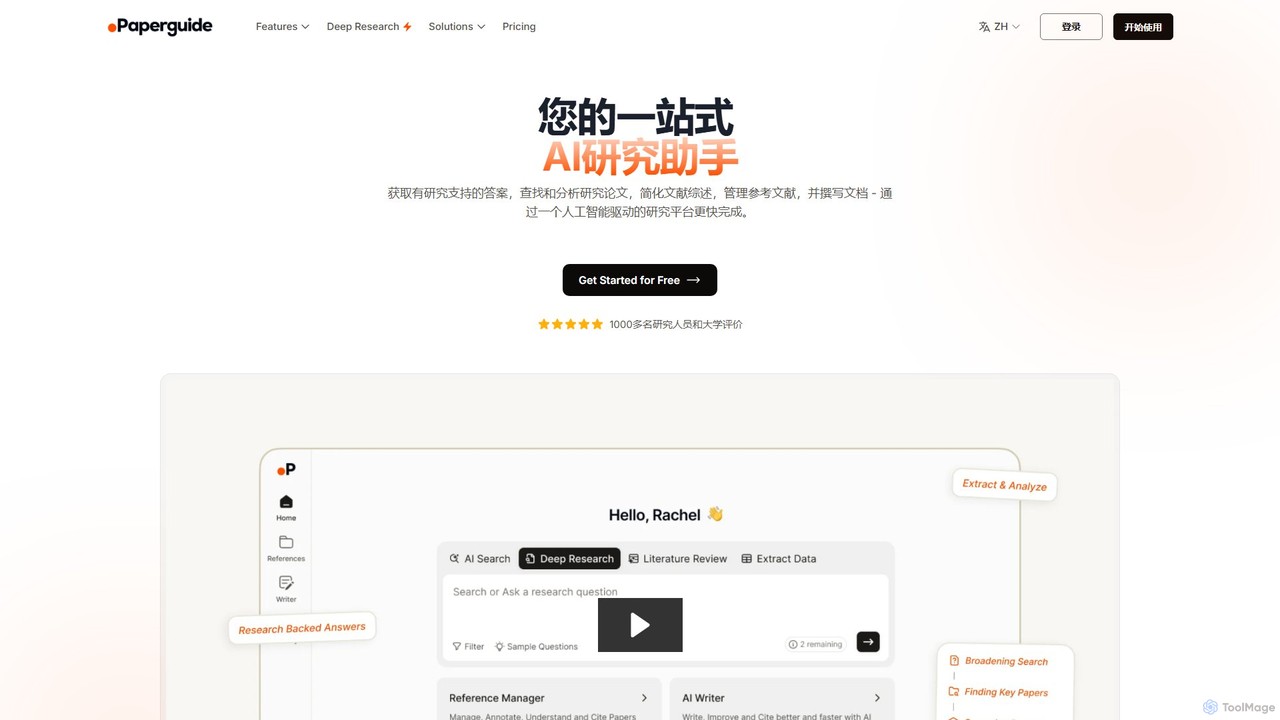
Paperguide is an all-in-one AI research assistant designed to accelerate academic and professional research. It helps users find papers, get research-backed answers, conduct literature reviews, manage references, and write documents with AI assistance. By leveraging a vast database of over 200 million papers, it streamlines the entire research workflow from discovery to final draft.

Academic
Visits 293KFavorites 122Likes 134
summarizepaper
Free

summarizepaper

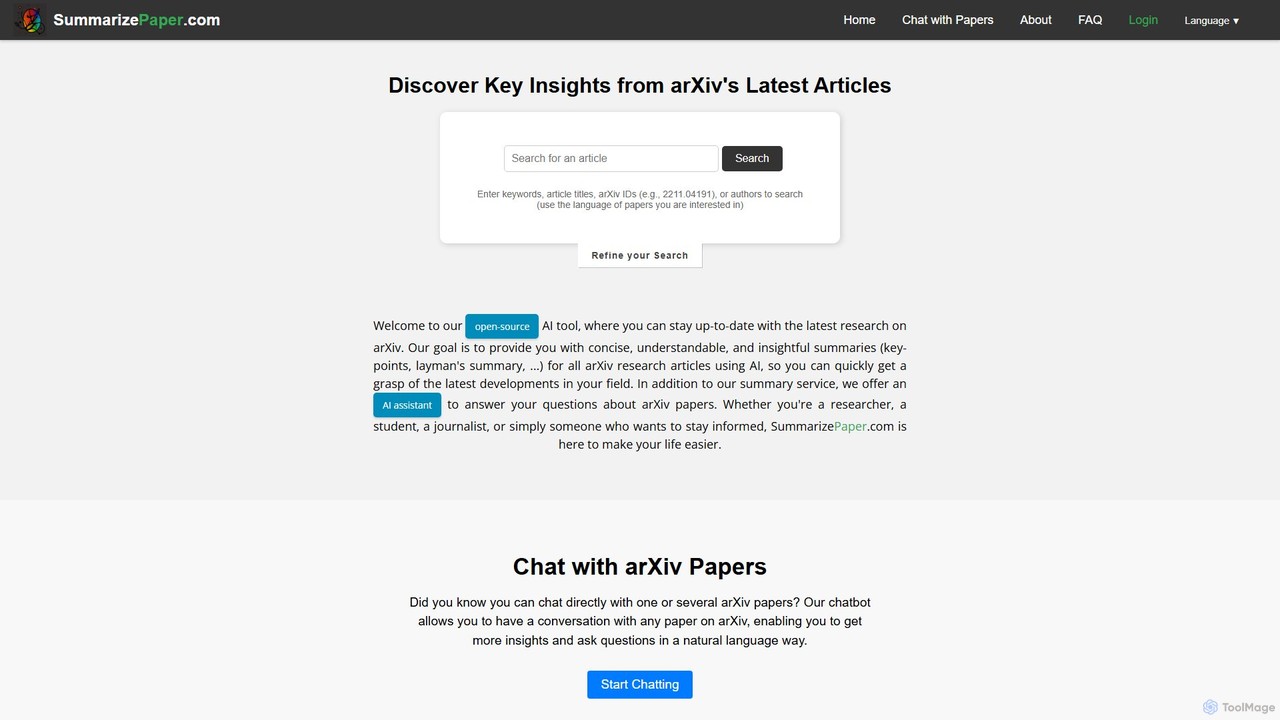
An AI-powered tool for summarizing arXiv research papers. It provides concise summaries, key points, and layman's explanations. Users can also chat with papers via an AI assistant to ask specific questions, making complex scientific research accessible to everyone.

Academic
Visits 8.5KFavorites 142Likes 147
Jotlify
Freemium

Jotlify

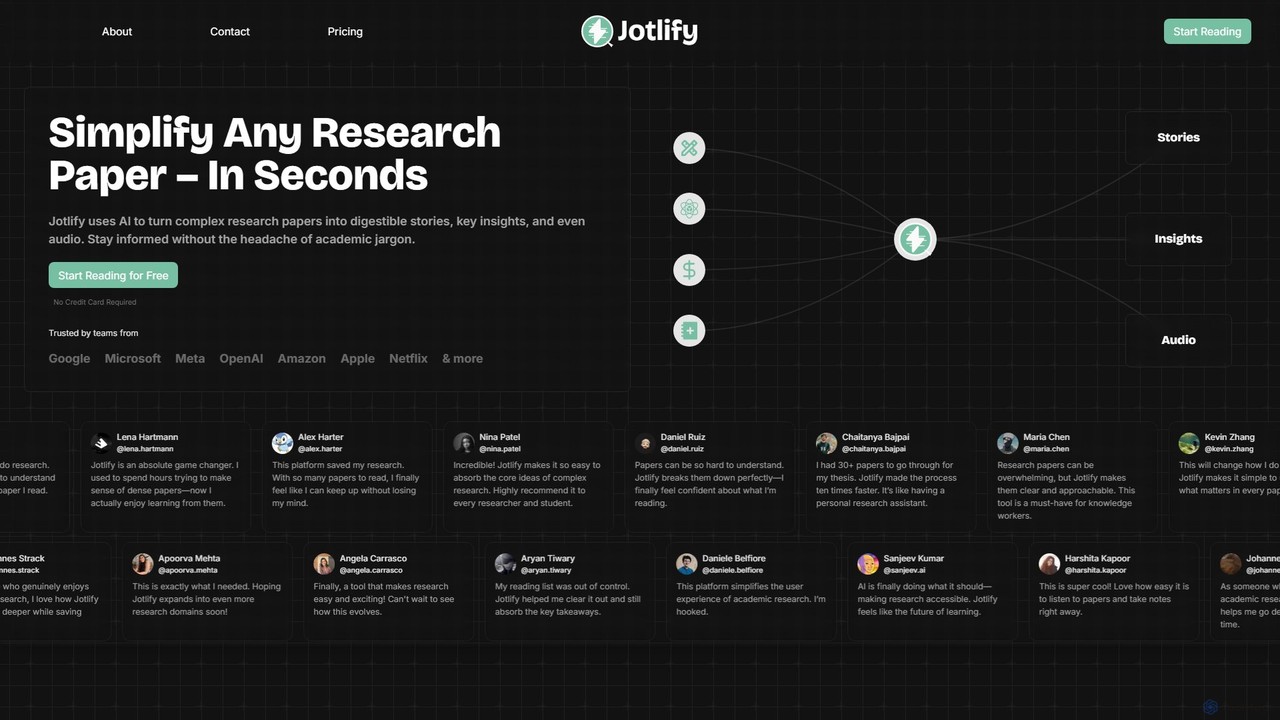
Jotlify is an AI-powered platform that transforms dense academic research papers into easy-to-understand summaries, key insights, and audio narrations. It helps students, researchers, and professionals save time, overcome jargon, and stay updated with the latest breakthroughs in their fields.

Text To Speech
Visits 7.1KFavorites 158Likes 135
TexSandbox
Freemium

TexSandbox

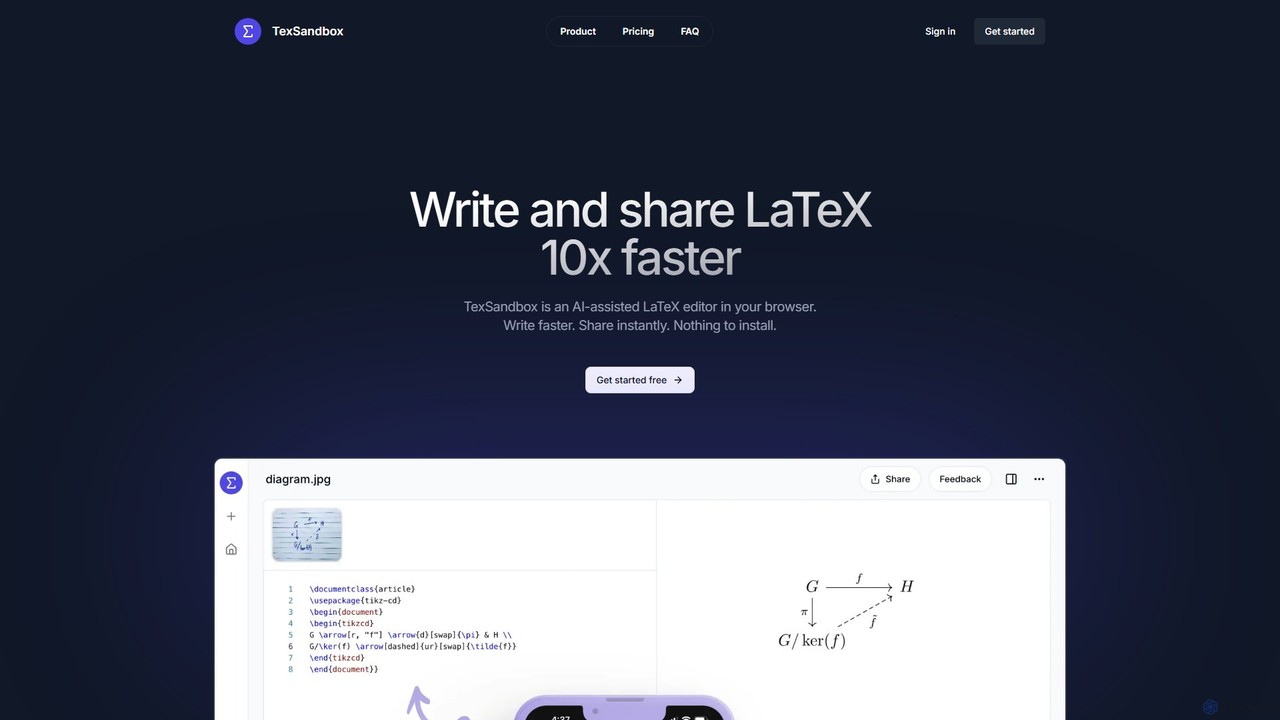
TexSandbox is an AI-assisted, browser-based LaTeX editor designed to accelerate scientific and academic writing. It allows users to generate complex LaTeX code from natural language prompts and images, eliminating the need for installation and manual package management. Instantly write, compile, and share documents.

Code Assistant
Visits 6.5KFavorites 164Likes 154
lunchbreak.ai
Freemium

lunchbreak.ai

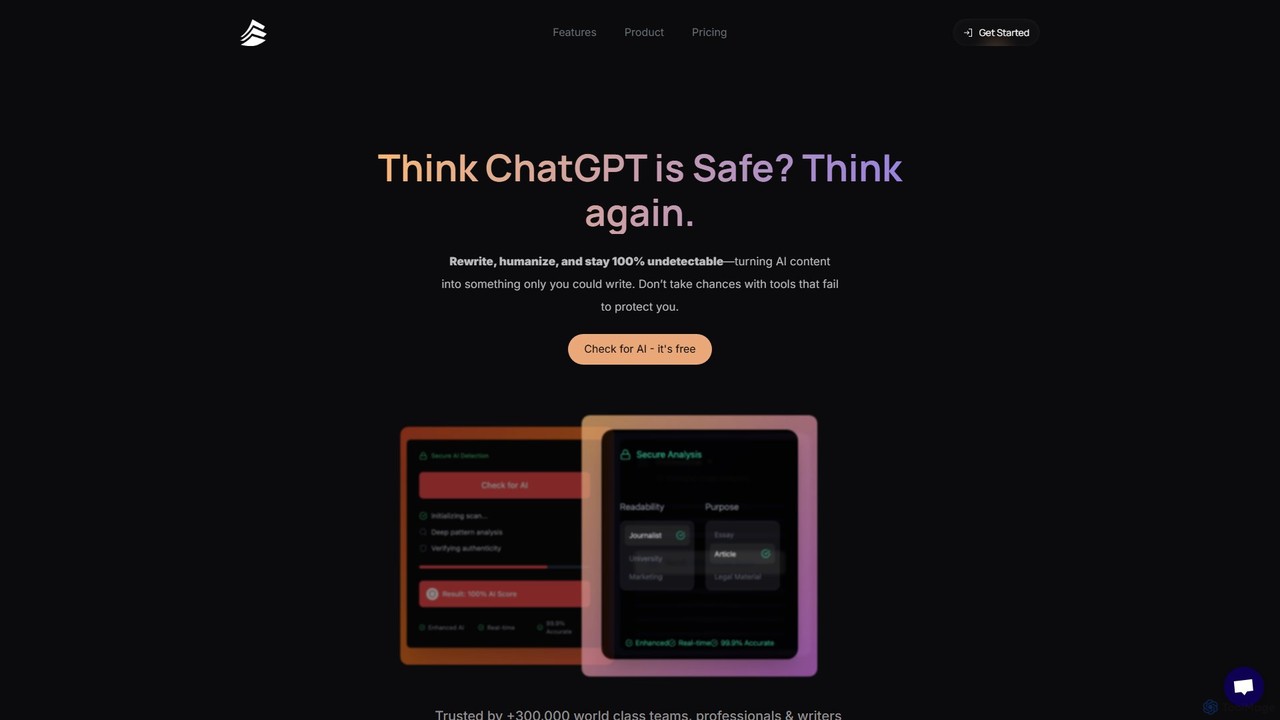
lunchbreak.ai is an advanced AI humanizer that rewrites AI-generated text to be 100% undetectable by major AI detectors like Turnitin and GPTZero. It helps students, writers, and professionals protect their work's integrity by transforming robotic content into natural, plagiarism-free text that maintains an authentic human voice.

Academic
Visits 25KFavorites 121Likes 114
Sharly
Freemium

Sharly

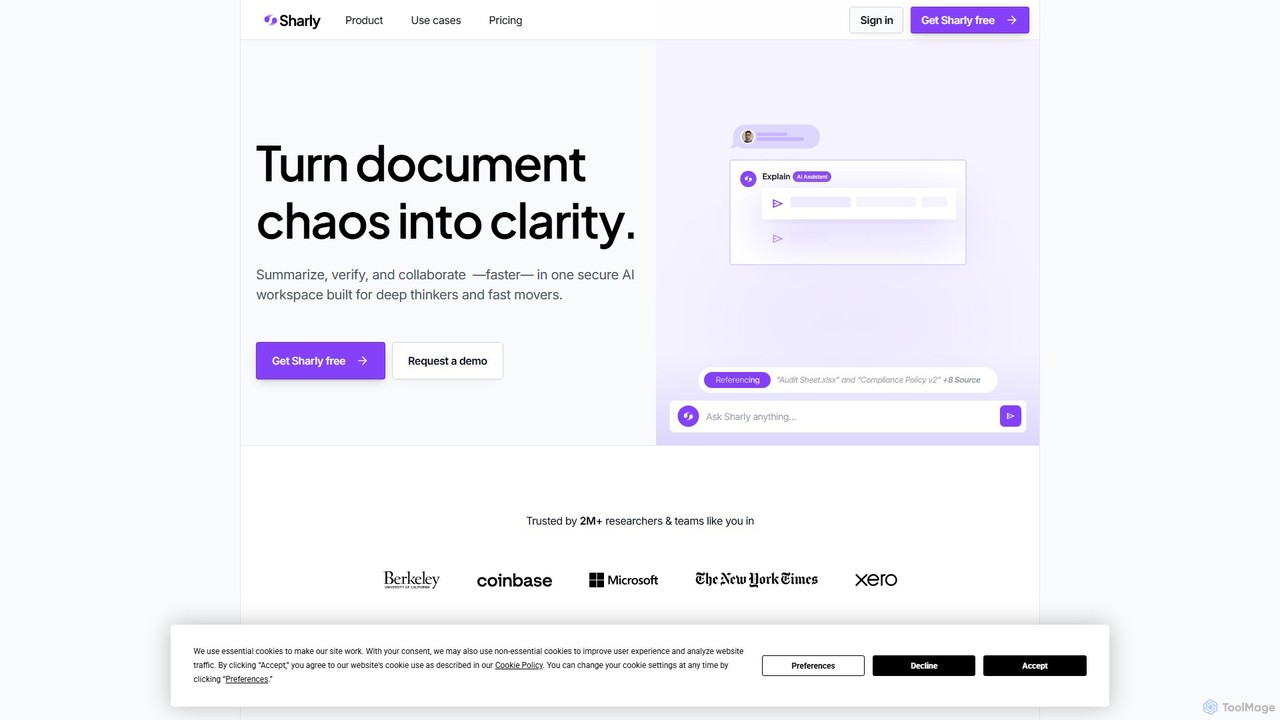
Sharly is an AI-powered research assistant designed to transform document chaos into clarity. It enables users to summarize, compare, cite, and collaborate on various documents within a single, secure workspace, accelerating research and decision-making for individuals, teams, and enterprises.

Compliance
Visits 96.4KFavorites 101Likes 106
PaperRed
Freemium

PaperRed

PaperRed is an all-in-one AI-powered academic assistance platform designed for students and researchers. It integrates plagiarism detection, AIGC content checking, AI-driven paraphrasing to reduce similarity scores, and an AI writing assistant for creating theses, literature reviews, and presentations.

Academic
Visits 114.5KFavorites 147Likes 152
Researcher.Life
Paid

Researcher.Life

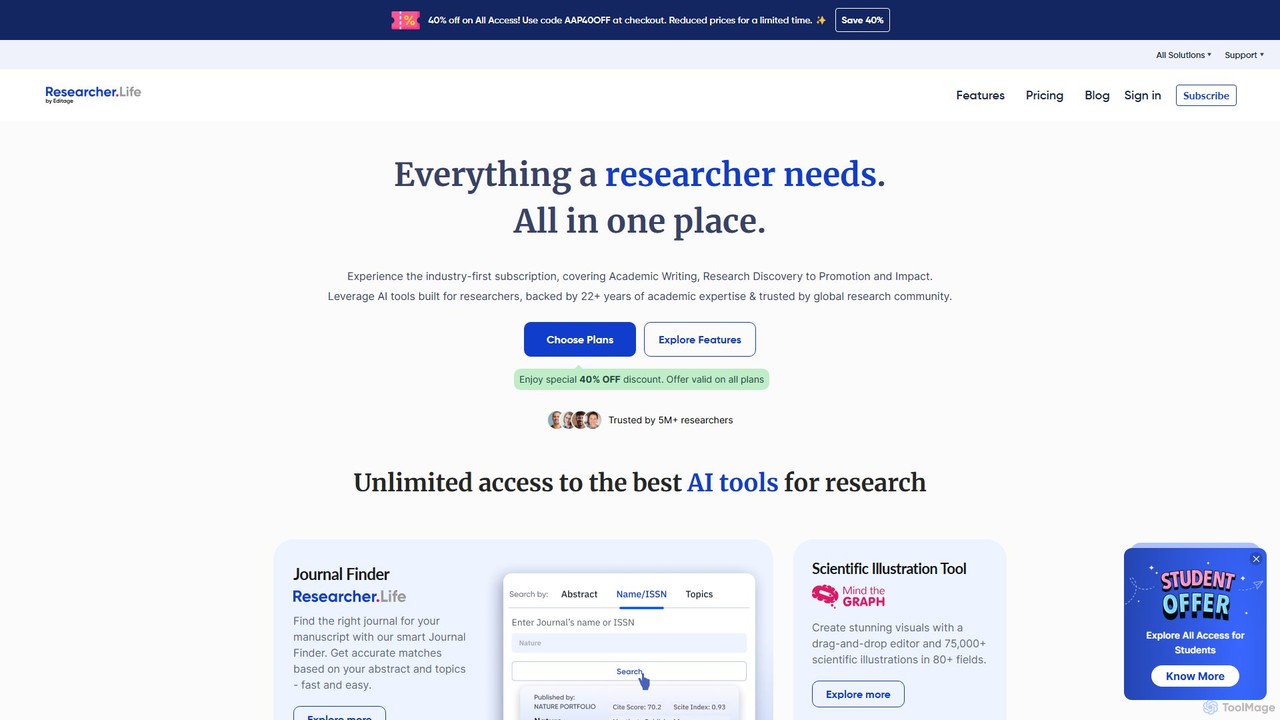
An all-in-one AI-powered platform for researchers, offering a comprehensive suite of tools for academic writing, literature discovery, journal selection, and scientific illustration. It streamlines the entire research workflow from discovery to publication.

Academic
Visits 728.7KFavorites 145Likes 145
EssayWriter
Freemium

EssayWriter

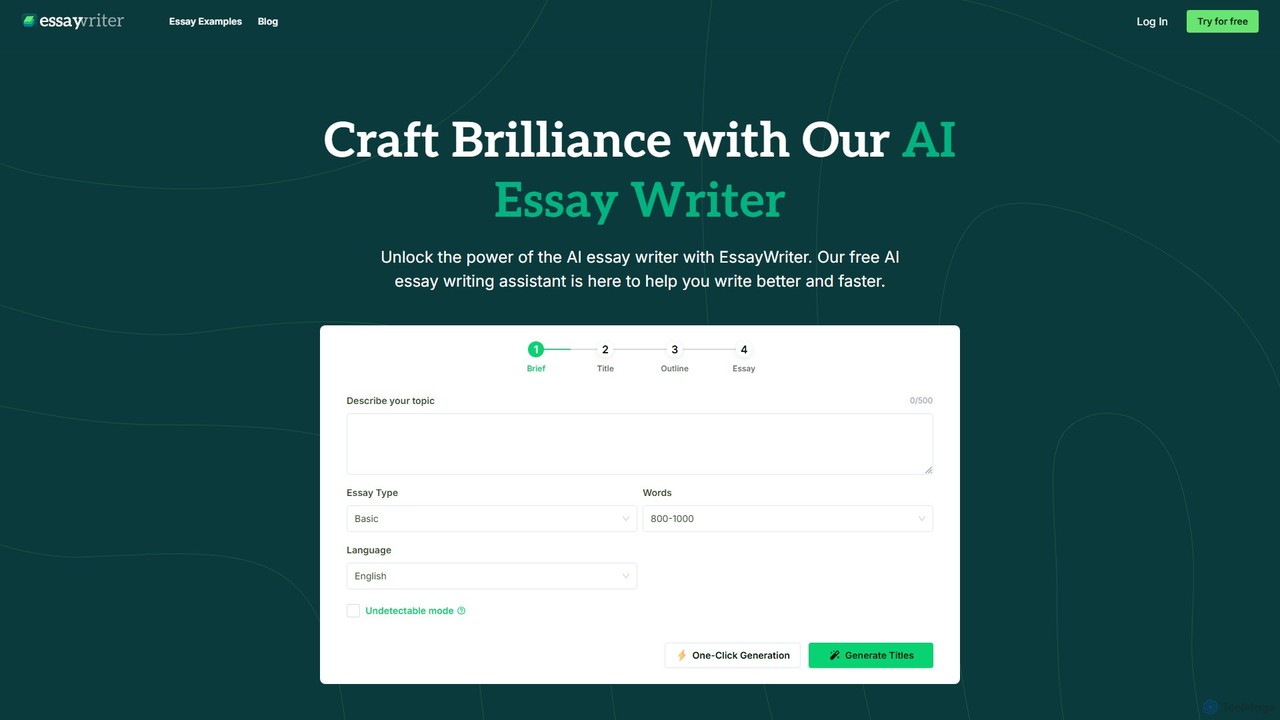
EssayWriter is an AI-powered academic writing assistant designed to help students, teachers, and researchers craft high-quality essays and papers. It offers a comprehensive suite of tools, including an AI drafter, an integrated research database, a citation generator (APA, MLA, Chicago), and a plagiarism checker. Powered by advanced models like GPT-4, it streamlines the entire writing process from ideation to final polish.

Academic
Visits 8.2KFavorites 132Likes 135
ibiling
Freemium

ibiling

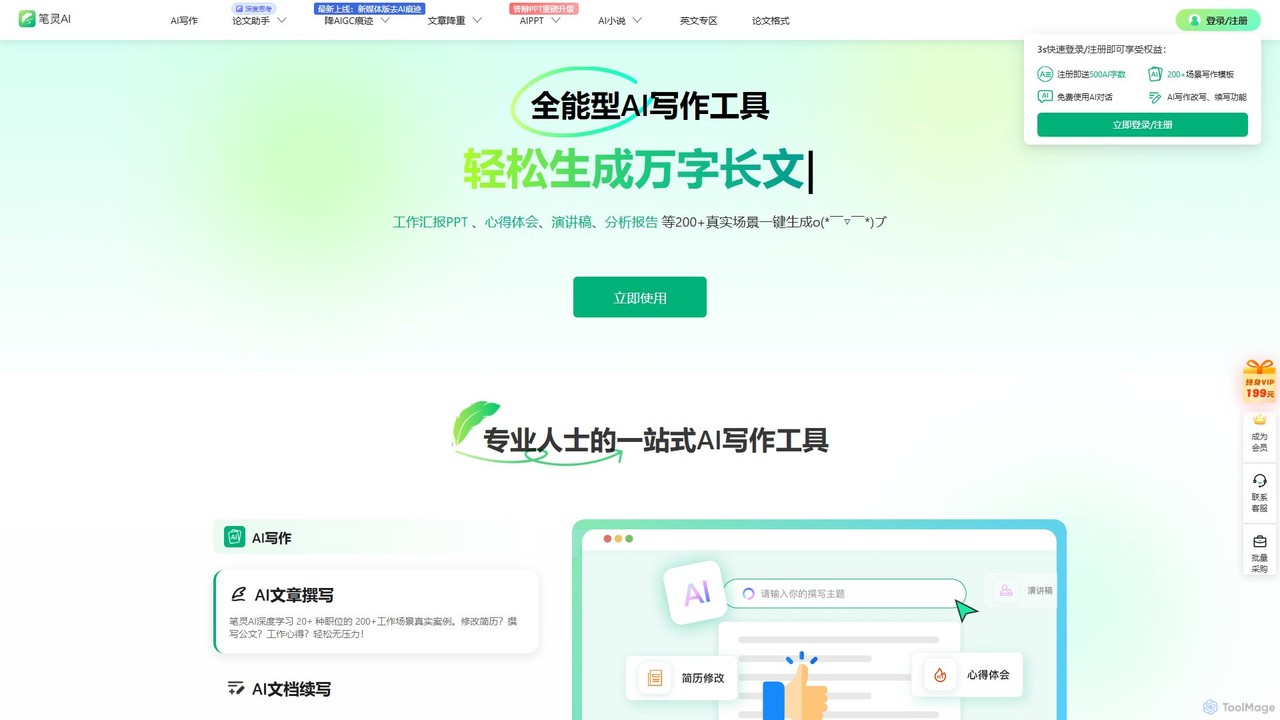
ibiling is a comprehensive AI writing assistant designed for professionals, students, and content creators. It offers over 200 templates for various scenarios, including academic papers, business reports, presentations, and social media content, featuring unique tools like an AI content humanizer and plagiarism reducer.

Presentations
Visits 145.7KFavorites 157Likes 164
Gaoyiai
Freemium

Gaoyiai

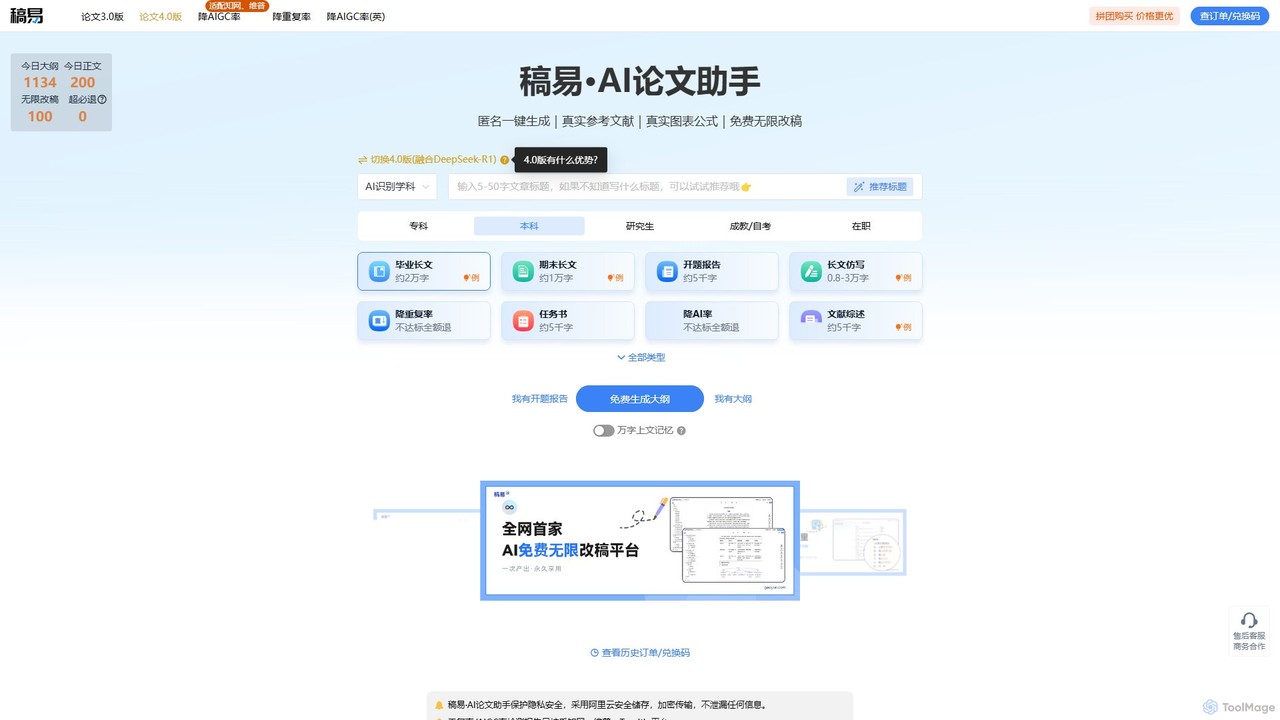
Gaoyiai is a specialized AI academic writing assistant designed for students. It offers a comprehensive suite of tools, including an AI thesis generator, professional plagiarism and AI content reduction, and free outline creation. It supports various academic document types, from graduation theses to literature reviews, streamlining the entire writing process.

Academic
Visits 5.9KFavorites 184Likes 156
audemic
Freemium

audemic

Audemic is an AI-powered platform for researchers and PhD students that converts academic papers into high-quality audio. It uses neural text-to-speech voices to make research accessible anywhere. Features include multi-language translation, immersive reading with text highlighting, note-taking, and integration with reference managers like Zotero. It aims to save time, enhance comprehension, and support users with dyslexia, ADHD, or visual impairments.

Text To Speech
Visits 11.1KFavorites 142Likes 146
thepaperlens
Paid

thepaperlens

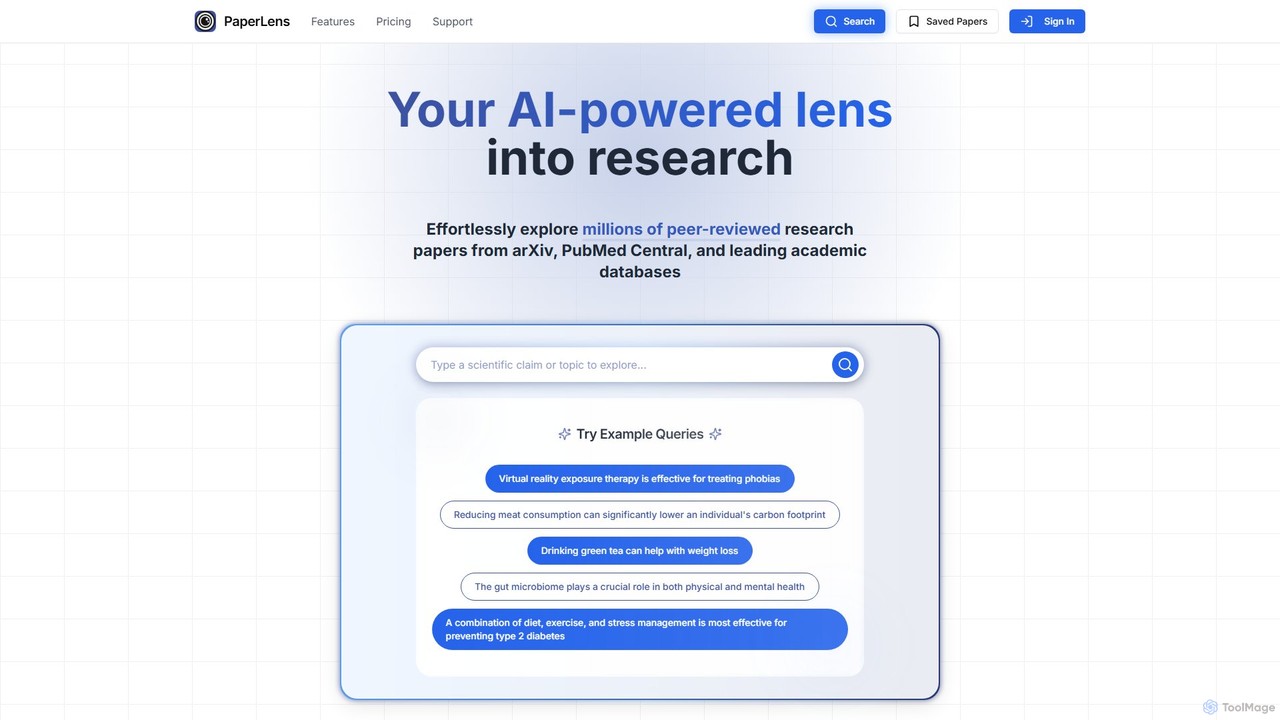
ThePaperLens is an AI-powered research platform that simplifies literature reviews. Using advanced RAG technology, it provides precise semantic search across millions of papers from databases like arXiv and PubMed Central. Features include an interactive AI research assistant chatbot for summaries and insights, smart filtering, and paper-saving capabilities. It's designed for students, academics, and professionals to accelerate their research process and uncover key information efficiently.

Academic
Visits 6.3KFavorites 146Likes 143
TextGo
Freemium

TextGo

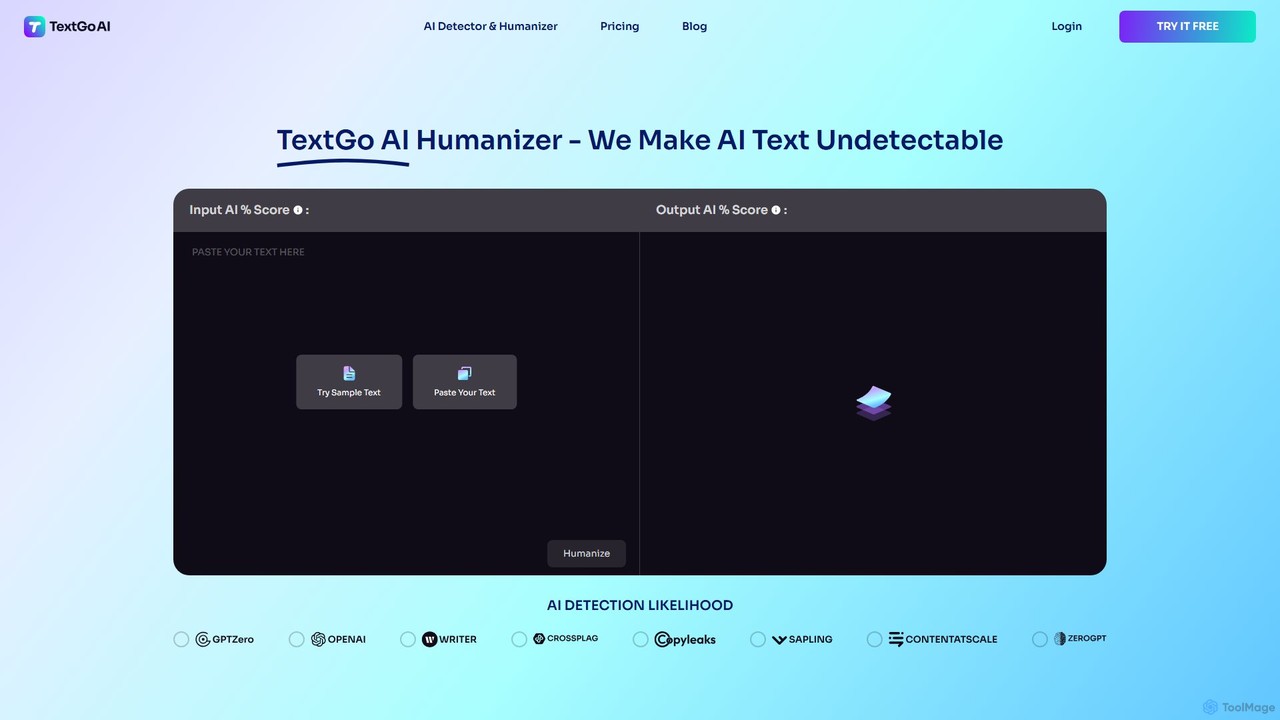
TextGo is an advanced AI humanizer designed to convert AI-generated text into undetectable, human-like content. It helps users bypass AI detectors, ensuring their content is authentic, plagiarism-free, and engaging. Ideal for students, marketers, bloggers, and writers, TextGo refines text to be SEO-friendly while preserving its original meaning and enhancing readability, making it a powerful tool for scaling content creation efficiently.

Academic
Visits 7.7KFavorites 105Likes 118

About Academic

Academic AI tools are a specialized category of software designed to support researchers, students, and educators throughout the scholarly lifecycle. These tools leverage artificial intelligence, particularly natural language processing and machine learning, to streamline complex tasks such as literature discovery, data analysis, and academic writing. Their primary value lies in accelerating the research process, enhancing the quality of scholarly work, and simplifying the management of vast amounts of information. By automating repetitive tasks, these academic tools free up valuable time for critical thinking and innovation.

Core Features

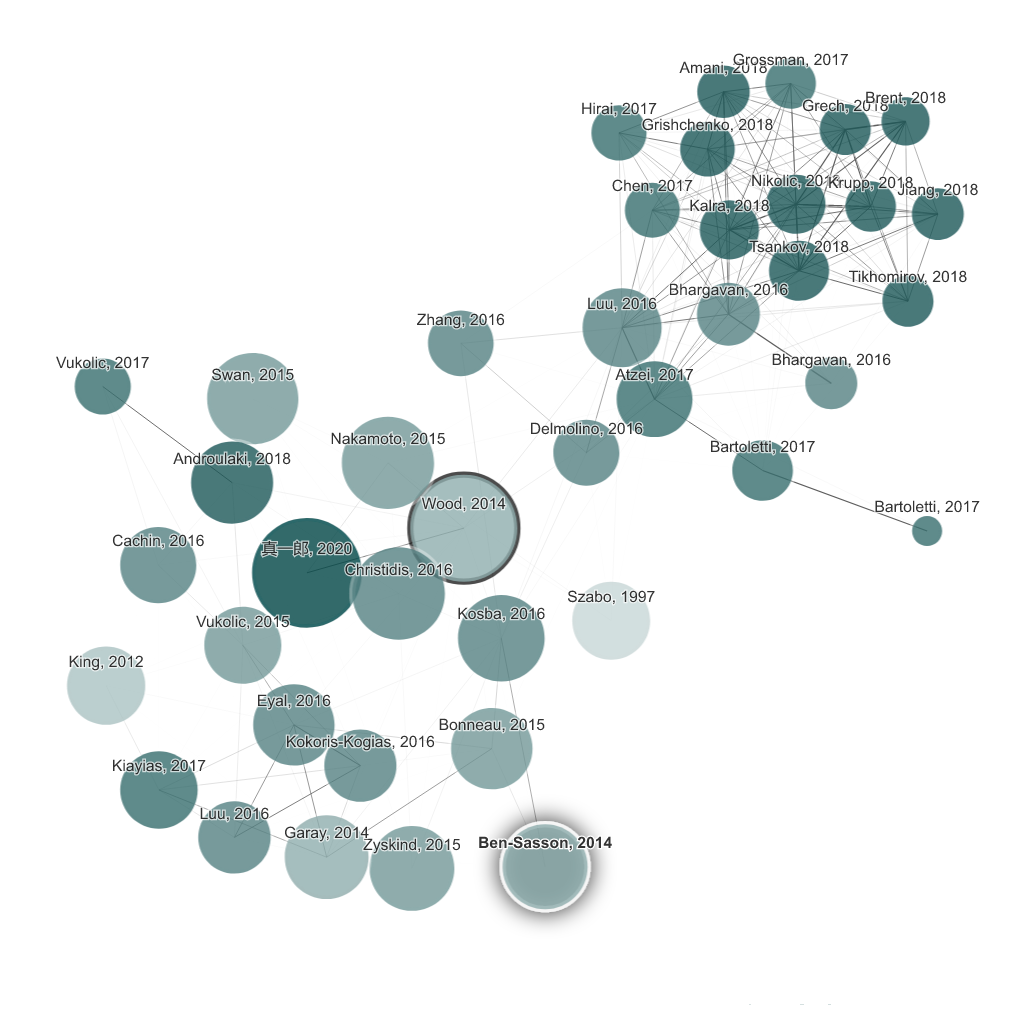
  • Intelligent Literature Search: Utilizes AI to discover relevant papers and concepts beyond simple keyword matching, often visualizing connections between studies.
  • Automated Summarization & Synthesis: Condenses lengthy research articles, extracts key findings, and helps synthesize information from multiple sources.
  • Advanced Writing Assistance: Provides grammar, style, and tone suggestions specifically for academic writing, including support for technical terminology.
  • Citation & Bibliography Management: Automatically generates citations in various styles (APA, MLA, Chicago) and organizes reference libraries.
  • Research Data Analysis: Assists in processing and interpreting complex datasets, identifying patterns, and generating statistical insights.

Use Cases

Academic AI tools are indispensable in higher education and research institutions. Researchers use them to conduct comprehensive systematic reviews in a fraction of the time. Graduate students rely on them for managing references and structuring their theses or dissertations. Educators can also use these tools to create reading lists and check student submissions for originality.

How to Choose

When selecting an academic AI tool, consider its specialization for your specific discipline (e.g., life sciences, humanities). Evaluate its integration capabilities with academic databases like PubMed, Scopus, or JSTOR. Assess the range of supported citation styles and the tool's data privacy and security policies, which are crucial when handling unpublished research.

Featured tool rankings

Academic use cases

1

Accelerating Systematic Literature Reviews

A PhD candidate in public health needs to conduct a systematic review, a process that traditionally takes months of manually screening thousands of articles. By using an academic AI tool, they can automate the initial screening process. The tool analyzes abstracts against predefined inclusion/exclusion criteria, categorizes papers by theme, and identifies duplicates. This reduces the initial pool of 10,000 articles to a manageable 500 for in-depth review, saving over 80% of the time typically spent on screening and allowing the researcher to focus on analysis and synthesis.

2

Drafting and Polishing Research Papers

A postdoctoral researcher is preparing a manuscript for a high-impact journal. They use an AI academic writing assistant to enhance their draft. The tool suggests rephrasing convoluted sentences for clarity, ensures a consistent academic tone, and checks for discipline-specific jargon. It also integrates with their reference manager to automatically format in-text citations and the bibliography according to the journal's specific style guide. This process helps elevate the manuscript's quality and increases its chances of passing peer review.

3

Analyzing Qualitative Research Data

A sociologist has conducted 50 in-depth interviews for a study on community engagement. Manually coding these transcripts is time-consuming and prone to bias. They use an AI data analysis tool to perform thematic analysis. The AI processes the transcripts, identifies recurring keywords and phrases, and suggests potential themes and sub-themes. This provides a structured starting point for the researcher, who can then refine, merge, or reject the AI-generated themes, ensuring a rigorous yet efficient analysis of the qualitative data.

4

Creating Structured Study Notes from Readings

An undergraduate student is preparing for final exams and has a long list of required readings from various academic journals and textbooks. Instead of manually reading and summarizing each document, the student uses an AI summarization tool. They upload the PDFs, and the tool generates concise summaries, extracts key definitions, and creates flashcards for important concepts. This allows the student to quickly grasp the core arguments of each text and focus their study time on understanding complex theories rather than on manual note-taking.

5

Validating Experimental Hypotheses with Data

A biologist has collected a large dataset from a series of lab experiments but lacks advanced statistical expertise. They use an academic AI tool designed for data analysis. The researcher uploads their data, and the AI suggests appropriate statistical tests to run, checks for assumptions like normality, and generates visualizations like heatmaps and scatter plots. The tool's natural language interface allows the biologist to ask questions like "Is there a significant correlation between gene X expression and cell growth?" and receive statistically sound answers, accelerating the discovery process.

6

Ensuring Academic Integrity with Plagiarism Checks

A university professor needs to grade over 100 student essays for a history course. To uphold academic integrity, they use an AI-powered plagiarism checker integrated into their learning management system. The tool scans each submission and compares it against a vast database of academic papers, websites, and previous student work. It generates an originality report highlighting any matching text and its source, allowing the professor to quickly identify potential plagiarism and address it appropriately, ensuring fair and consistent evaluation for all students.

Academic FAQ

What are Academic AI tools?

Academic AI tools are specialized software applications that use artificial intelligence to assist with tasks specific to research and education. Unlike general productivity tools, they are designed to handle the complexities of scholarly work. Key functions include advanced literature search, automated summarization of research papers, citation management, academic writing assistance, and data analysis. They are used by students, researchers, and faculty to improve efficiency and enhance the quality of their academic output.

How to choose the right Academic AI tool?

Choosing the right academic AI tool depends on your specific needs. Consider the following factors:

  • Discipline Focus: Some tools are optimized for specific fields like medicine, law, or humanities. Choose one that aligns with your subject area.
  • Core Functionality: Identify your primary need. Is it literature discovery, writing assistance, or data analysis? Select a tool that excels in that area.
  • Integrations: Check if the tool integrates with your existing workflow, such as reference managers (Zotero, Mendeley) or word processors (Word, Google Docs).
  • Data Privacy: For sensitive or unpublished research, ensure the tool has a strong privacy policy and does not use your data for training its models without permission.
What's the difference between academic AI tools and general writing assistants?

The primary difference is specialization. General writing assistants like Grammarly focus on grammar, spelling, and style for a broad audience. Academic AI tools offer these features but add specialized capabilities crucial for scholarly work. These include:

  • Citation Management: Integration with reference databases and automatic formatting for academic styles (e.g., APA, MLA).
  • Discipline-Specific Language: Understanding and suggesting technical jargon and maintaining a formal, objective tone.
  • Plagiarism Detection: Checking against academic databases, not just the general web.
  • Research Discovery: Some tools can analyze your writing and suggest relevant papers to cite or read.
Can AI tools write my entire research paper?

No, academic AI tools are designed to be assistants, not authors. They can significantly help with brainstorming, literature searching, organizing ideas, checking grammar, and formatting citations. However, the core tasks of critical thinking, forming a hypothesis, interpreting data, and constructing a novel argument must be done by the researcher. Using AI to generate entire papers is considered academic misconduct. The ethical use of these tools is to augment human intellect, not replace it.

Who can benefit from using Academic AI tools?

A wide range of individuals in the academic ecosystem can benefit:

  • Undergraduate & Graduate Students: For managing coursework, preparing for exams, and writing theses or dissertations.
  • PhD Candidates & Postdoctoral Researchers: For conducting large-scale literature reviews, analyzing research data, and preparing manuscripts for publication.
  • Faculty & Professors: For staying current with research in their field, preparing course materials, and grading student work.
  • Academic Librarians: For assisting students and faculty with advanced research and information discovery.