Finance Best in category 19 results Risk Management AI Tool

Popular AI tools in the Risk Management field of Finance include Pipefy、C3 AI、Webb Fontaine、Hawk、Speridian、Taktile、DataVisor、Trendtracker、Squirro、Oversight, etc., helping you quickly improve efficiency.

Webb Fontaine

Webb Fontaine

Webb Fontaine provides AI-powered technology solutions for governments to facilitate trade, streamline customs operations, and enhance revenue. Their …

98.8K
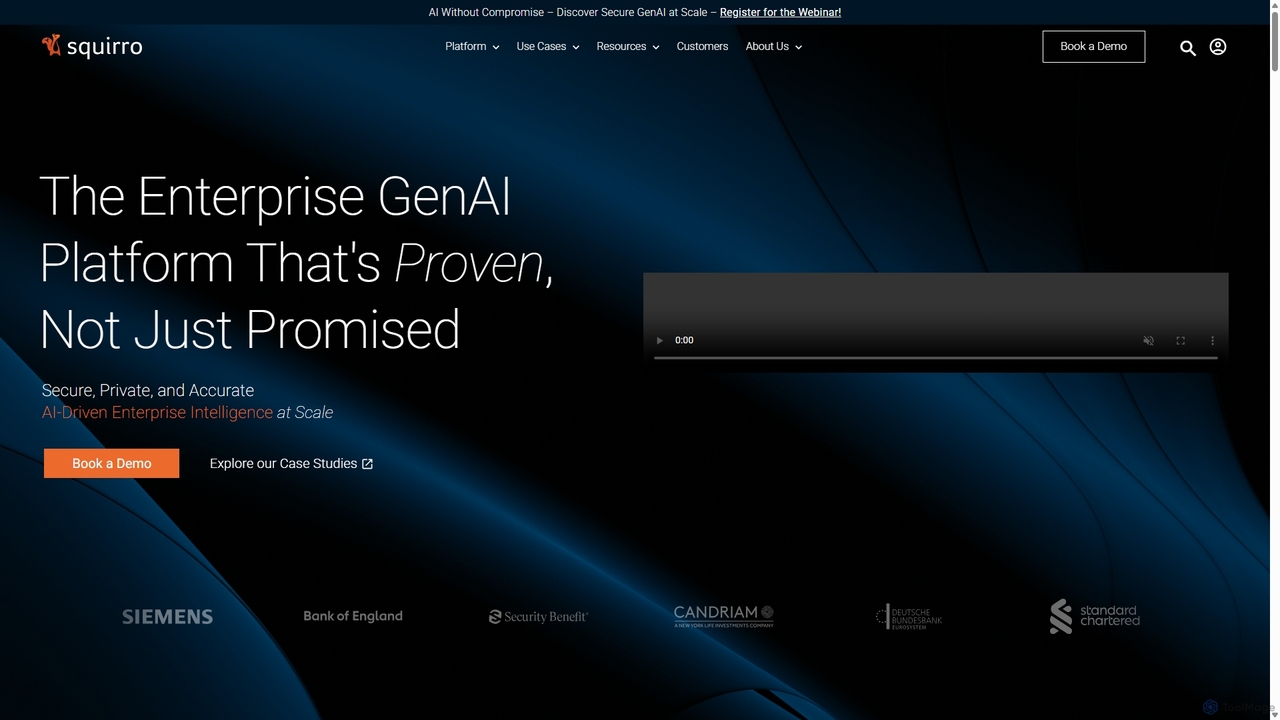
Squirro

Squirro

Squirro is a proven Enterprise Generative AI platform specializing in semantic search, insights, and automation. It transforms vast …

18.9K
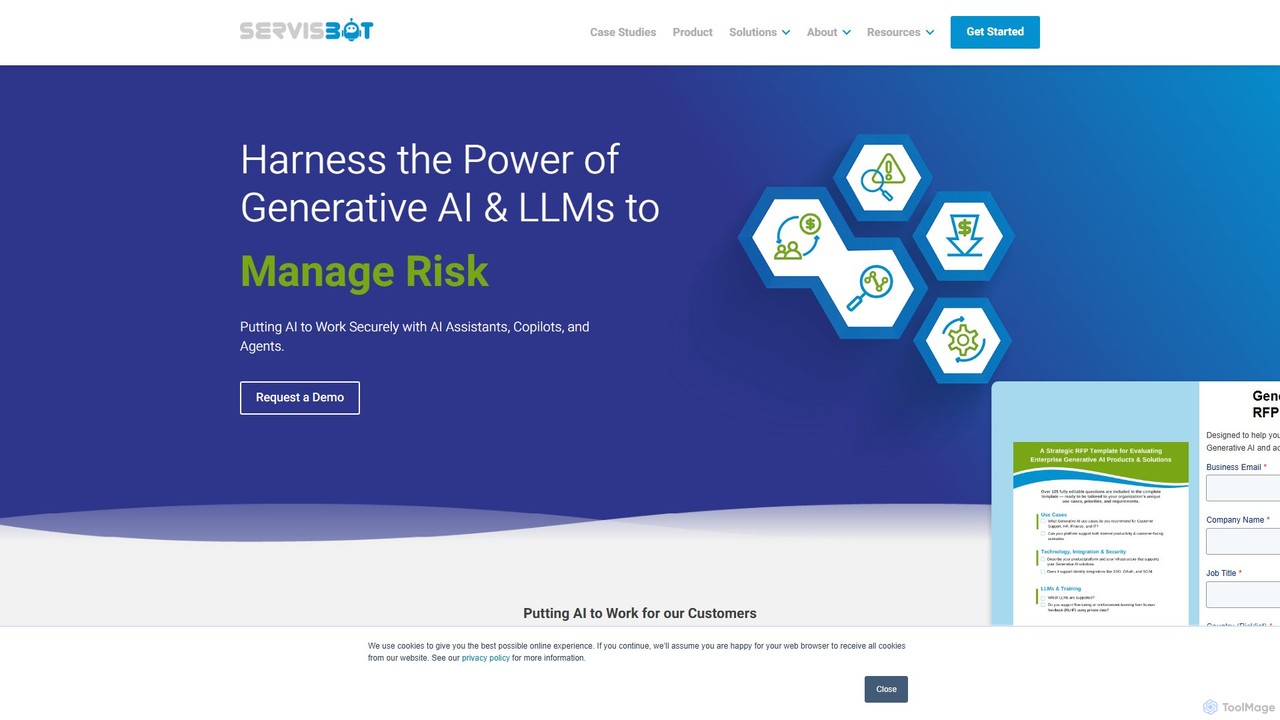
ServisBOT

ServisBOT

ServisBOT provides enterprise-grade AI solutions, including AI Assistants, Copilots, and Agents, powered by Generative AI and LLMs. It …

5.3K
growmysmallbusiness_ai

growmysmallbusiness_ai

An AI-powered platform designed for small businesses to validate expansion ideas. It provides in-depth market analysis, competitive insights, …

2.8K
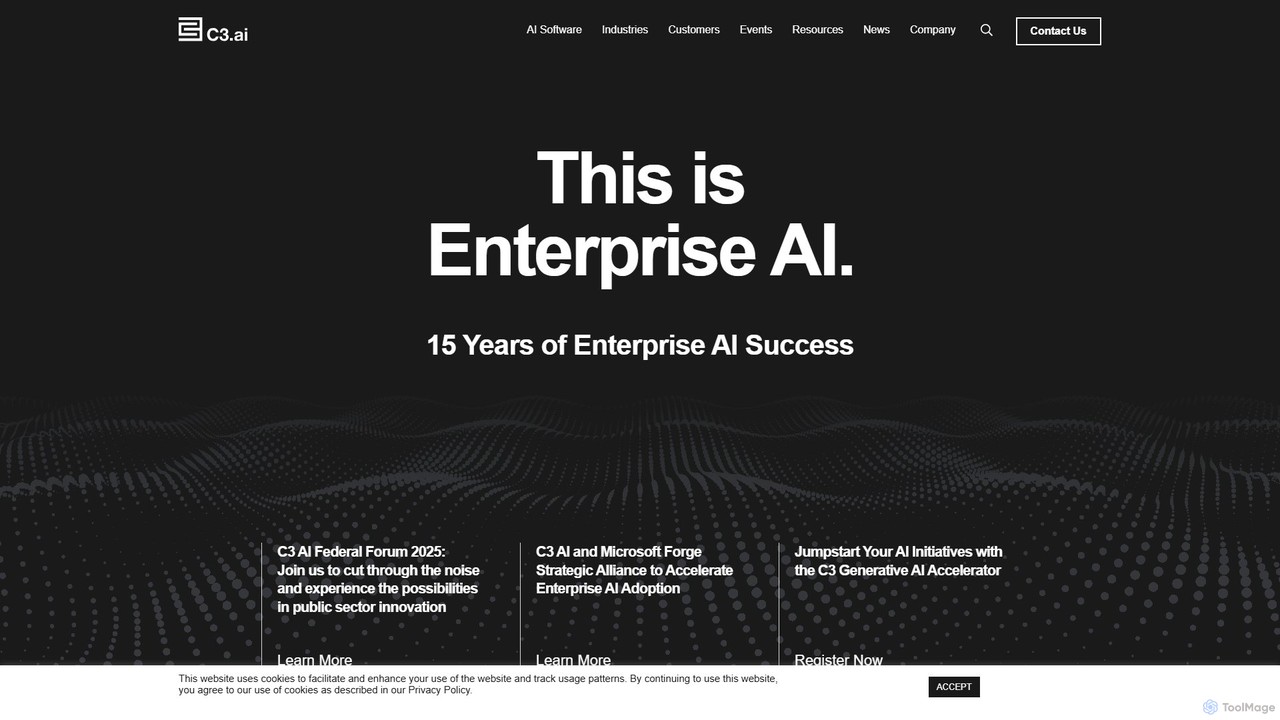
C3 AI

C3 AI

C3 AI is a leading enterprise AI application development platform and ecosystem. It provides a comprehensive suite of …

231.5K
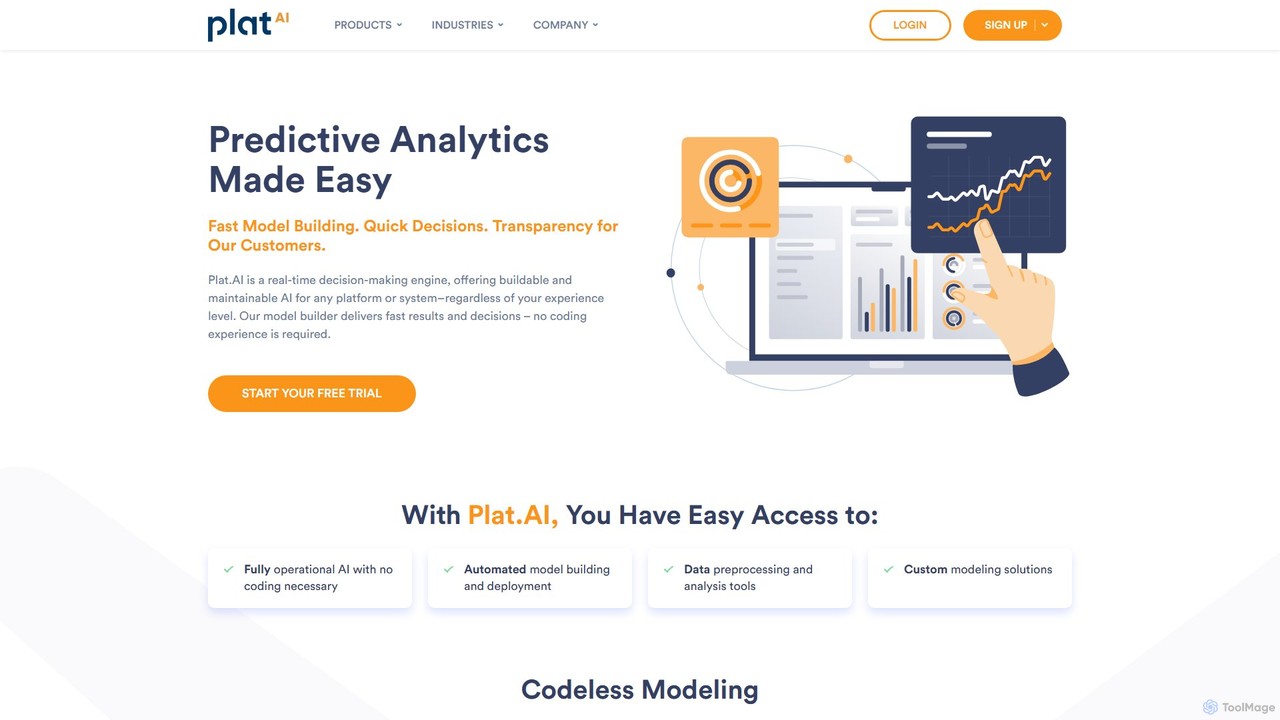
Plat.AI

Plat.AI

Plat.AI is an automated predictive analytics platform for businesses. It transforms existing company data into real-time, actionable insights …

7.6K
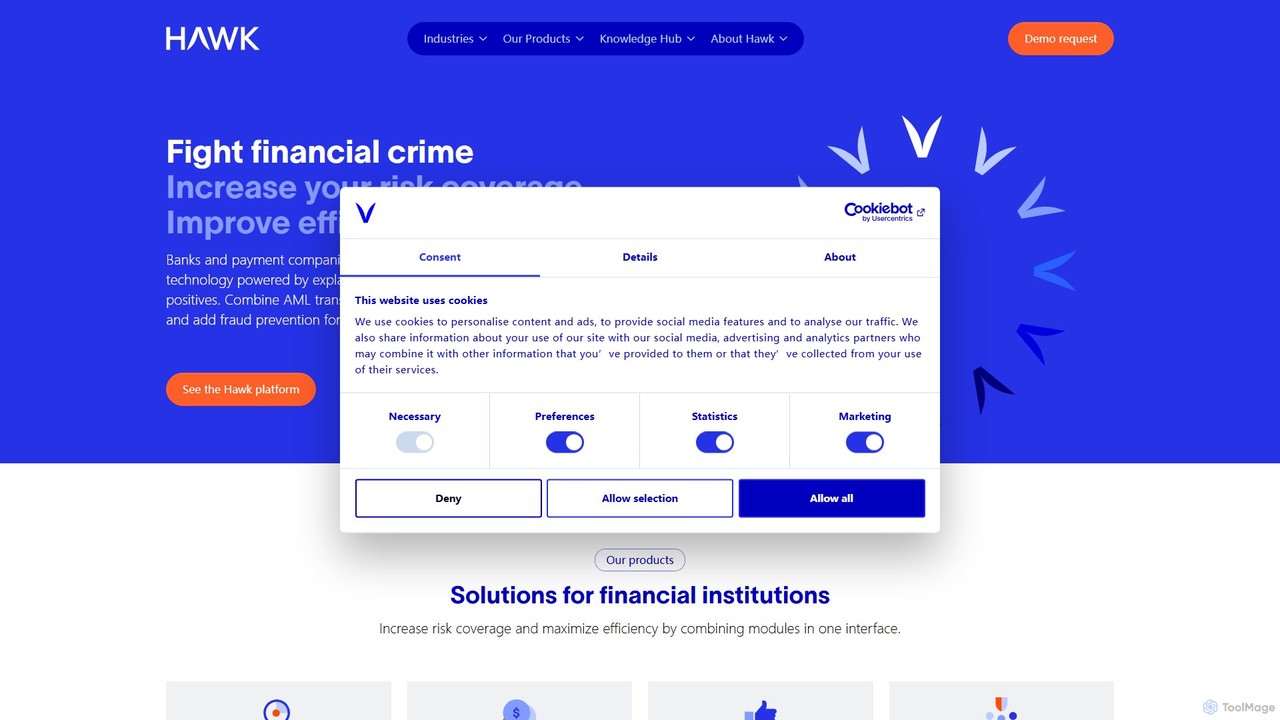
Hawk

Hawk

Hawk is an AI-powered platform for banks, fintechs, and payment companies to combat financial crime. It enhances Anti-Money …

54.9K
ContractPower

ContractPower

ContractPower is an AI-powered document intelligence platform designed specifically for the renewable energy sector. It helps professionals in …

3.8K
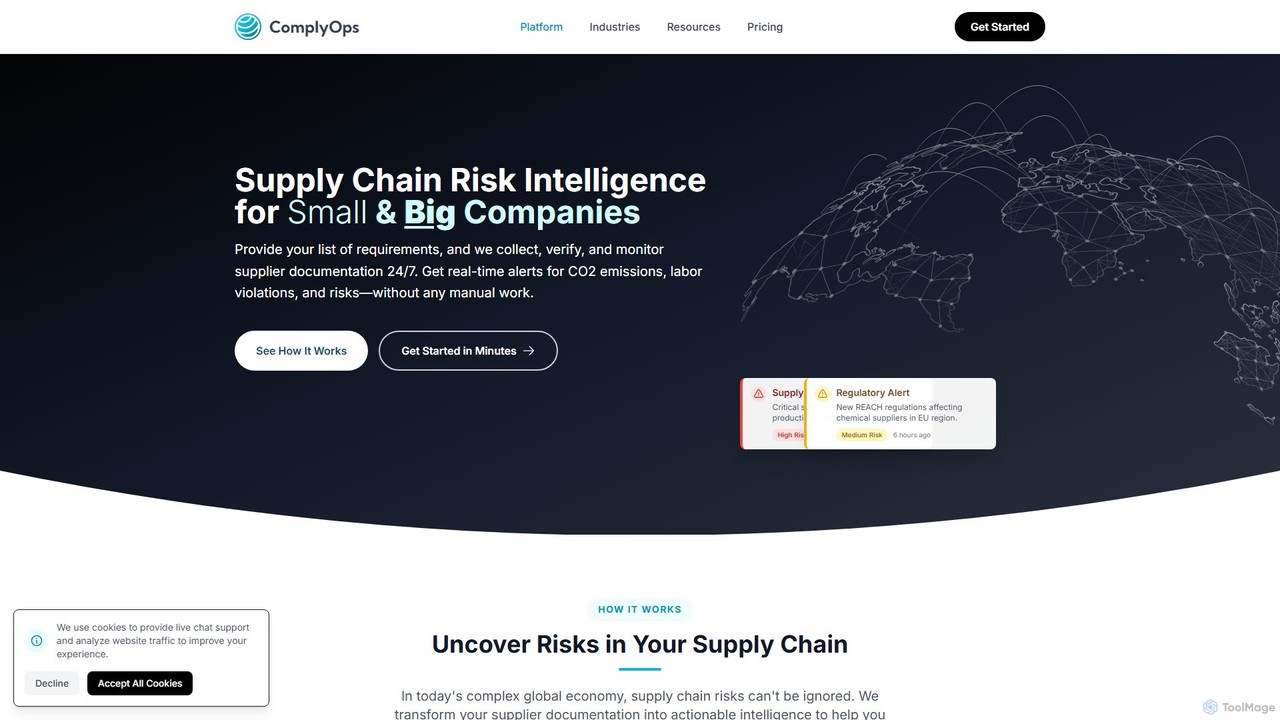
ComplyOps

ComplyOps

ComplyOps is an AI-powered platform for automated supplier compliance and risk intelligence. It transforms supply chain management by …

6.1K
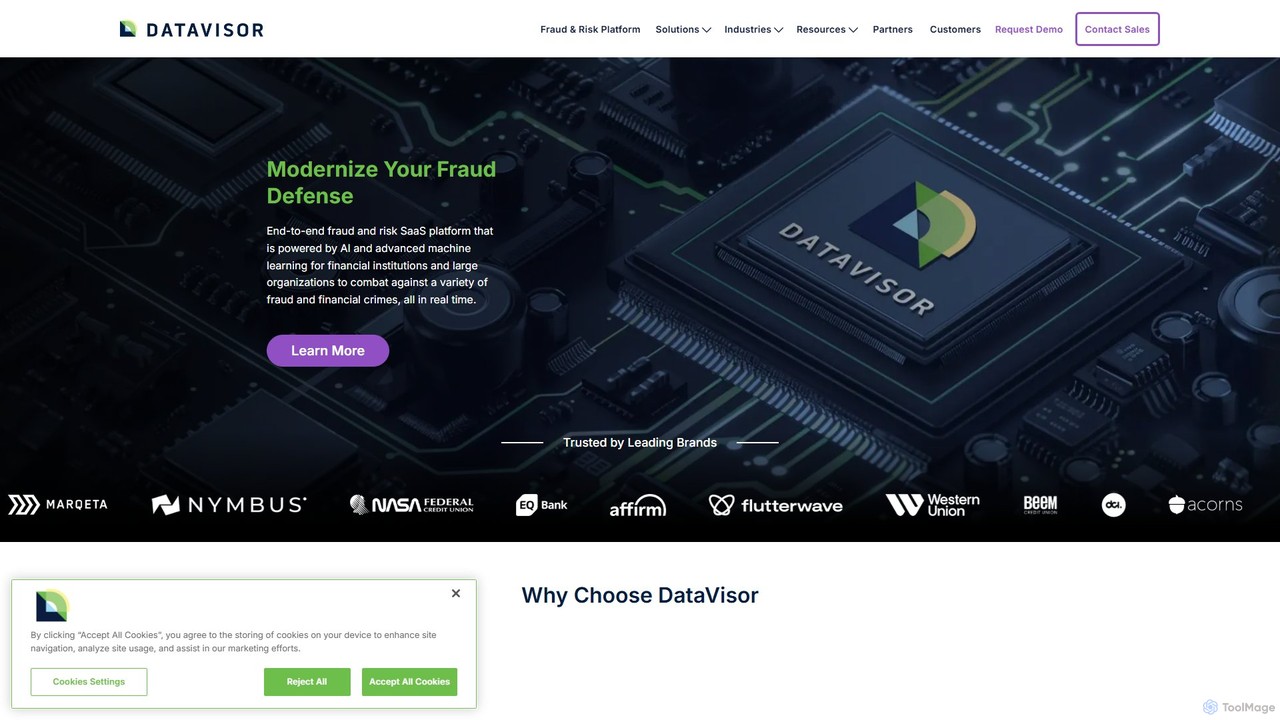
DataVisor

DataVisor

DataVisor is an enterprise-grade AI-powered fraud and risk platform. It utilizes patented machine learning and generative AI to …

23.2K
Speridian

Speridian

Speridian is a global IT solutions and business consulting company that leverages AI, RPA, and cloud technologies to …

40.3K
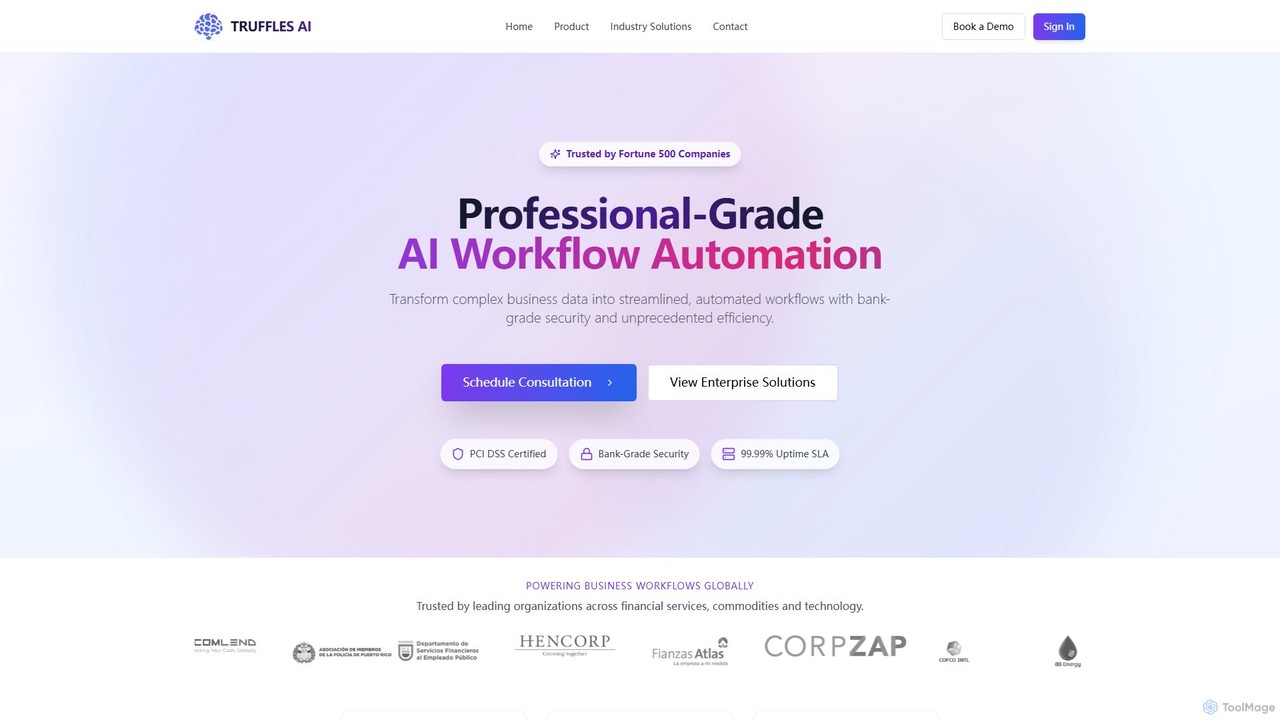
Truffles AI

Truffles AI

Truffles AI is an enterprise-grade AI platform designed to automate complex business workflows. It transforms unstructured data from …

2.8K
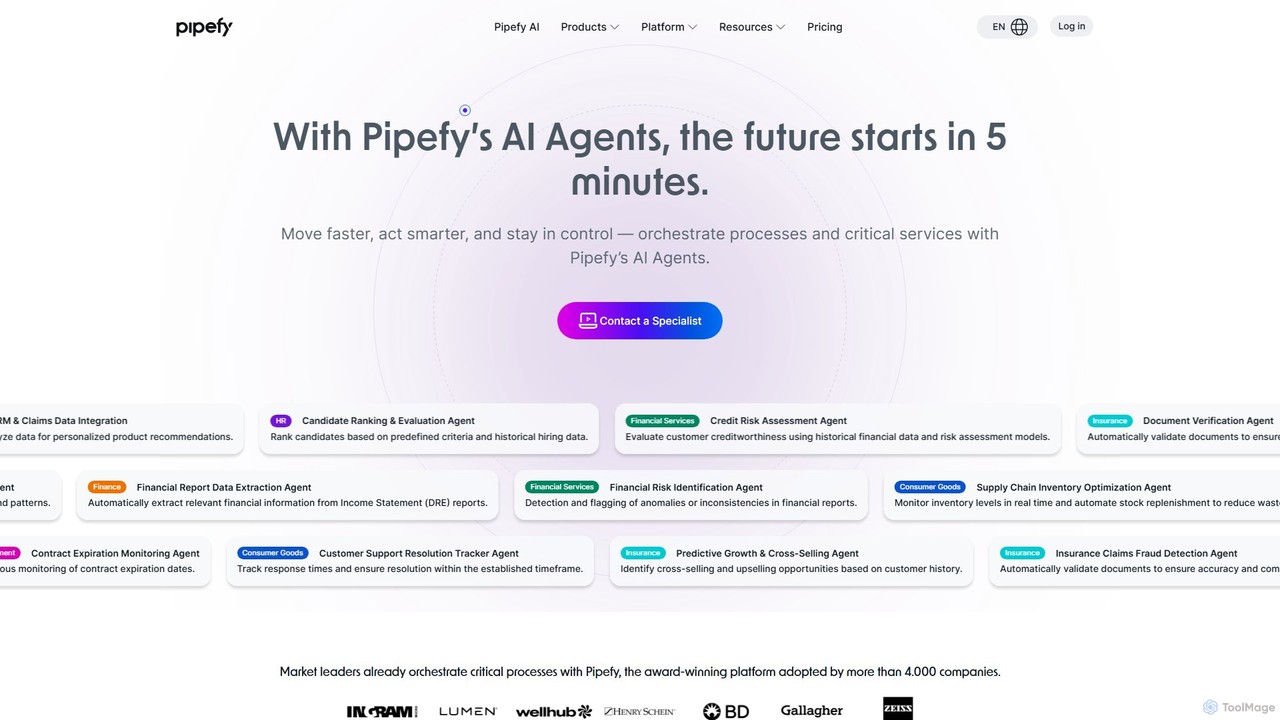
Pipefy

Pipefy

Pipefy is an AI-driven, low-code process automation platform that empowers teams to build, manage, and scale workflows without …

2.5M
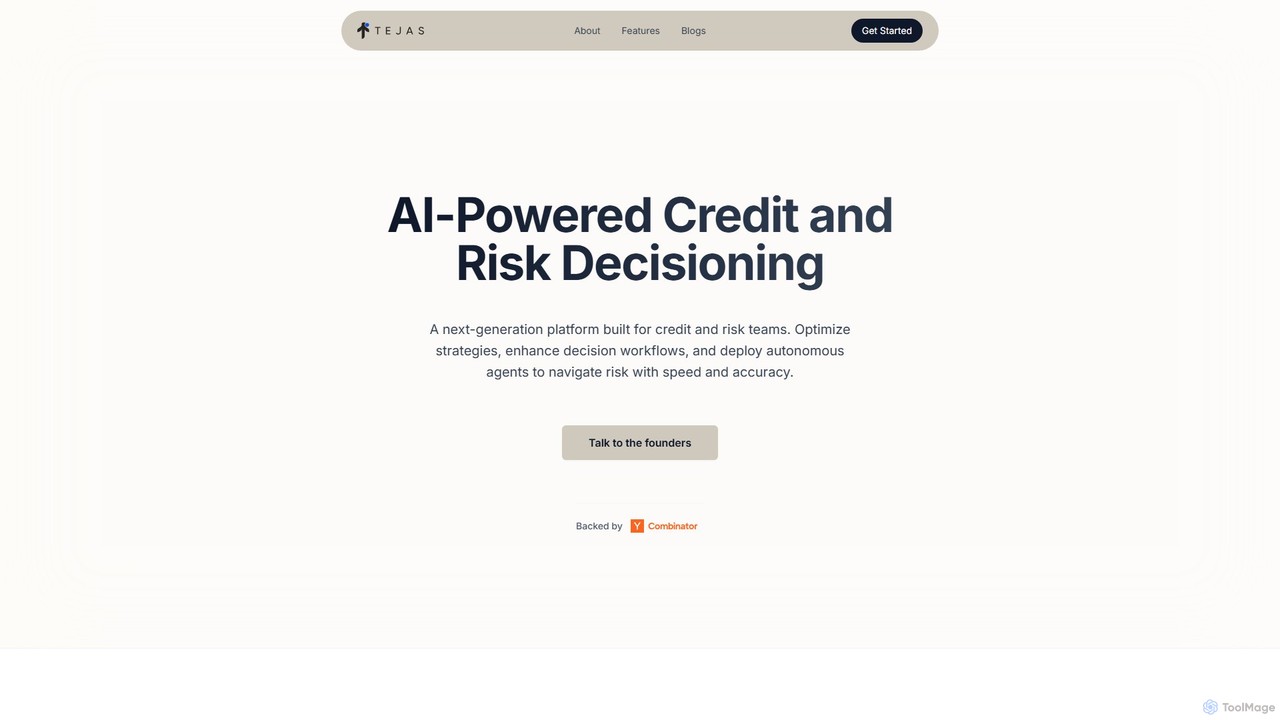
Tejas AI

Tejas AI

Tejas AI is a next-generation, AI-powered platform designed for credit and risk teams in the financial industry. It …

4.9K
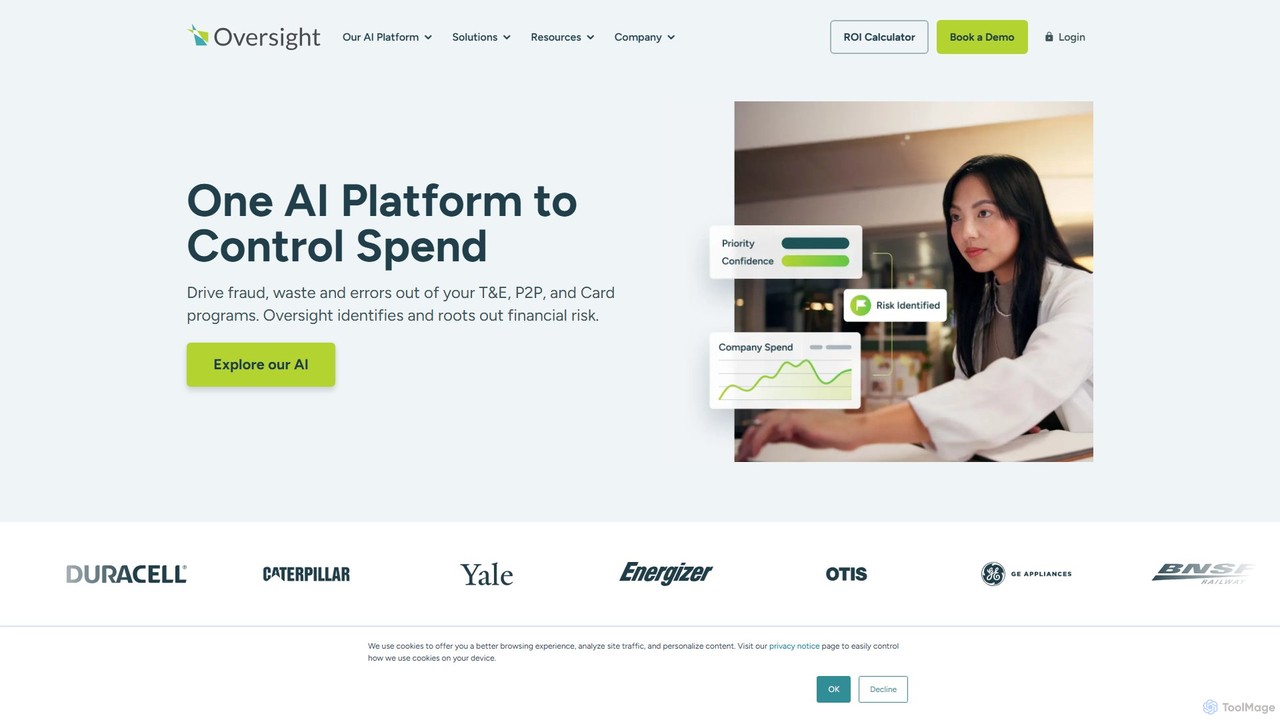
Oversight

Oversight

An AI-powered platform for financial risk and spend control, helping enterprises automate audits, detect fraud, and eliminate waste …

14.1K
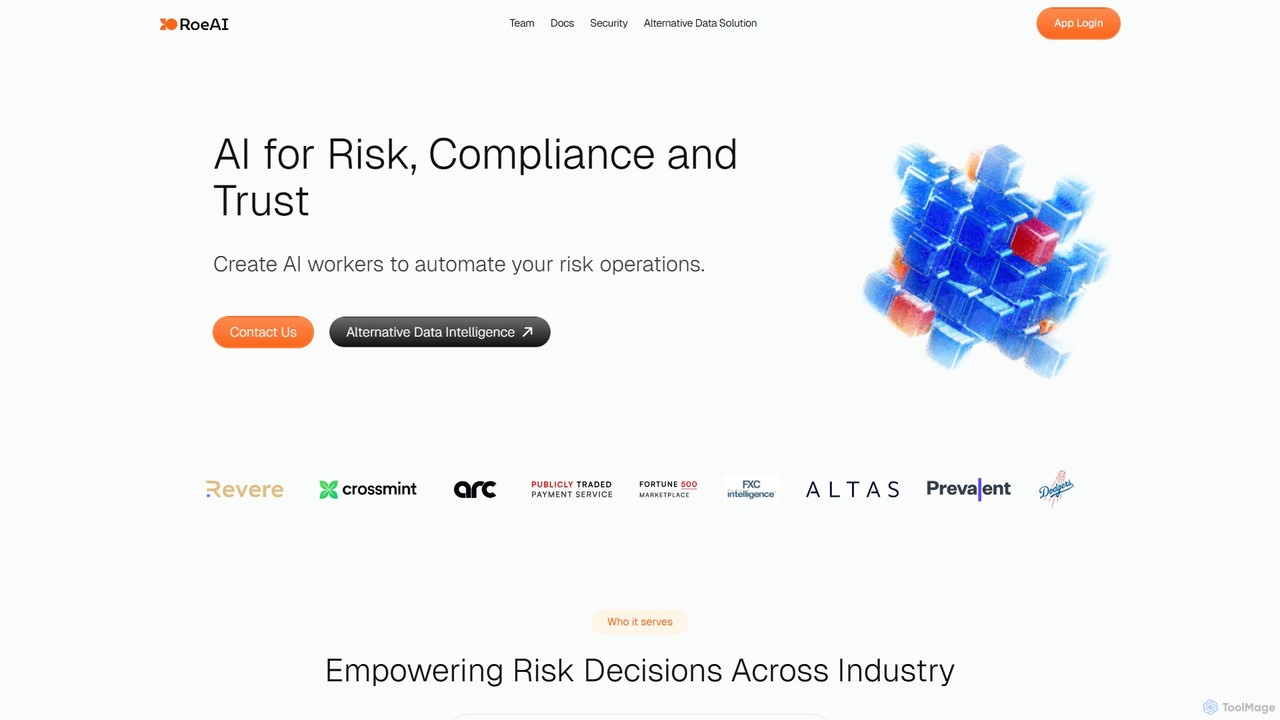
Roe AI

Roe AI

Roe AI is a platform that deploys AI agents to automate risk, compliance, and trust operations, specializing in …

2.9K
Taktile

Taktile

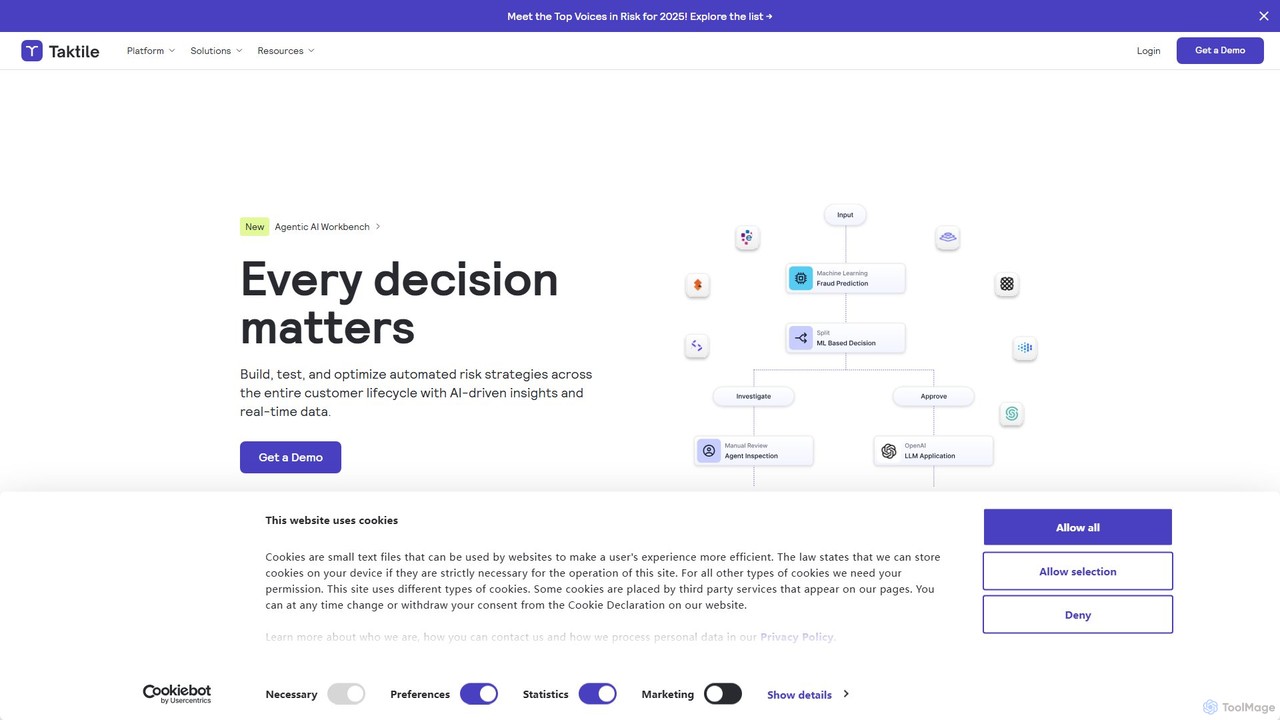
Taktile is a next-generation, no-code decision platform that empowers businesses, particularly in finance and insurance, to build, test, …

35.5K
Quantifind

Quantifind

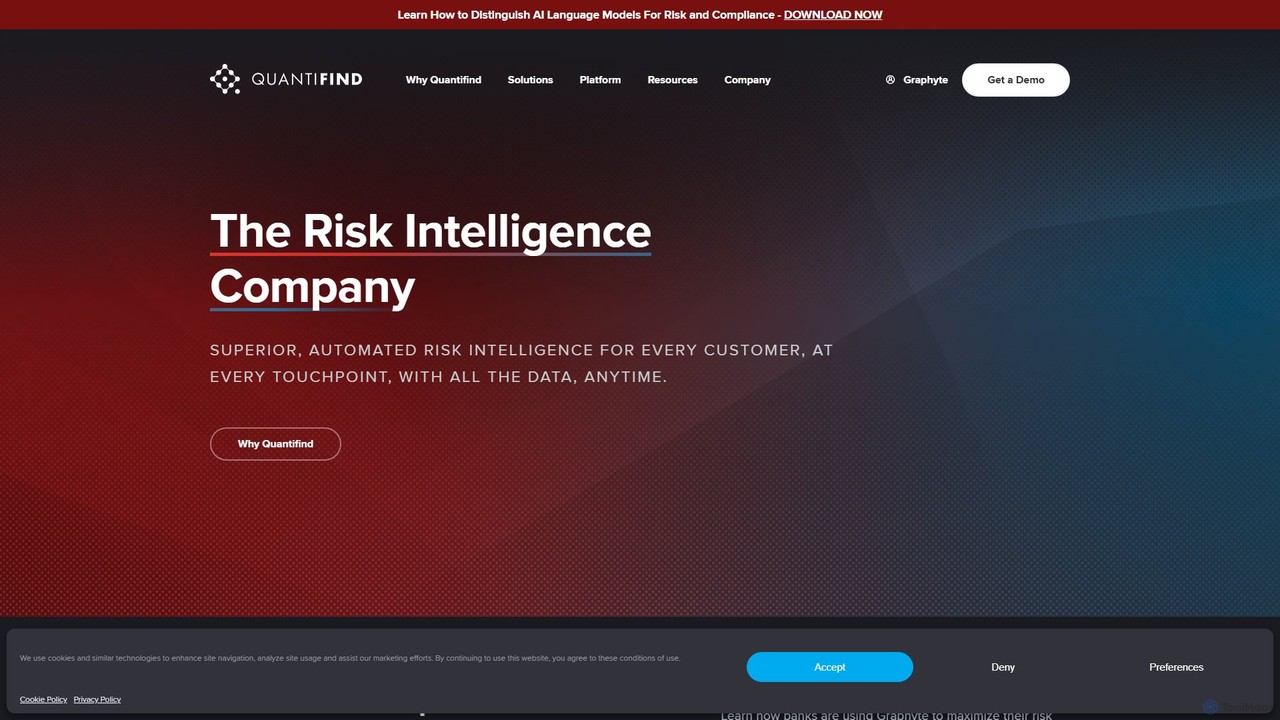
Quantifind is an AI-powered risk intelligence platform designed for financial crime automation. Its Graphyte™ solution helps banks, financial …

12.6K
Trendtracker

Trendtracker

Trendtracker is an AI-powered strategic intelligence platform designed for businesses to discover, analyze, and forecast market trends automatically. …

21.0K

About Risk Management

AI Risk Management tools are a specialized category of software that leverages machine learning and predictive analytics to identify, assess, and mitigate potential financial and operational risks. These tools analyze vast datasets in real-time, uncovering complex patterns and anomalies that traditional methods often miss. By providing data-driven forecasts and automated alerts, they empower organizations to make proactive decisions, enhance regulatory compliance, and protect assets. Their key advantage lies in their ability to adapt dynamically to new threats and evolving market conditions.

Core Features

  • Predictive Risk Modeling: Uses historical and real-time data to forecast potential risks like credit defaults or market volatility.
  • Real-time Anomaly Detection: Continuously monitors transactions and operations to instantly flag suspicious or fraudulent activities.
  • Automated Compliance Monitoring: Tracks regulatory changes and ensures business processes adhere to legal and industry standards (RegTech).
  • Scenario Analysis & Stress Testing: Simulates the impact of various economic or market events on a portfolio or business.
  • Advanced Credit Scoring: Employs complex algorithms to evaluate the creditworthiness of individuals or businesses more accurately.

Use Cases

These tools are primarily used in the financial services, insurance, and banking sectors. Financial analysts use them for market and credit risk assessment, while compliance officers leverage them for automated regulatory reporting. They are also crucial in e-commerce and fintech for real-time fraud detection during transactions.

How to Choose

When selecting a tool, consider the specific types of risk you need to manage (e.g., credit, market, operational). Evaluate its data integration capabilities with your existing systems like CRM or ERP. Assess the model's transparency and explainability (XAI), which is crucial for regulatory audits. Finally, compare the scalability and pricing models to ensure they align with your business growth.

Risk ManagementUse Cases

1

Automated Credit Risk Assessment for Lenders

For loan officers at banks and fintech companies, AI risk management tools streamline the credit approval process. Instead of lengthy manual reviews, the AI analyzes an applicant's complete financial history, alternative data sources, and behavioral patterns to generate a precise credit score and default probability in seconds. This not only accelerates loan decisions, enabling faster service for customers, but also reduces human bias and improves the accuracy of risk assessment, ultimately leading to lower default rates and a healthier loan portfolio.

2

Real-time Fraud Detection in E-commerce

Fraud analysts at online retail platforms use AI to combat fraudulent transactions. The system monitors thousands of data points per transaction in real-time, including user behavior, device information, IP location, and purchase history. It instantly flags and blocks potentially fraudulent orders, such as those using stolen credit cards or indicating account takeover. This proactive approach significantly reduces chargebacks and financial losses without disrupting the shopping experience for legitimate customers, protecting both the business and its clients.

3

Predicting Market Volatility for Investment Firms

Portfolio managers and quantitative analysts leverage AI to anticipate market risks. These tools process vast amounts of unstructured data, including financial news, social media sentiment, and macroeconomic indicators, to identify patterns that precede market volatility. By providing early warnings of potential downturns or spikes, the system allows managers to adjust their investment strategies, hedge positions, or rebalance portfolios proactively. This capability helps protect capital and can uncover opportunities in fluctuating market conditions.

4

Strengthening Anti-Money Laundering (AML) Compliance

Compliance officers in financial institutions use AI to enhance their AML efforts. Unlike rule-based systems that generate many false positives, AI analyzes complex transaction networks and customer behaviors to identify sophisticated, previously unseen money laundering patterns. It prioritizes the highest-risk alerts for human investigation, significantly improving the efficiency of compliance teams. This allows institutions to more effectively detect illicit activities, reduce regulatory risk, and generate automated reports for authorities, ensuring adherence to strict AML regulations.

5

Managing Operational Risk with Predictive Maintenance

In manufacturing and logistics, operations managers use AI to mitigate operational risks like equipment failure. By analyzing real-time sensor data from machinery, the AI tool predicts when a component is likely to fail. This allows for scheduled, proactive maintenance instead of reactive repairs. The result is minimized unplanned downtime, reduced repair costs, and enhanced workplace safety. This application of risk management extends beyond finance, demonstrating how AI can protect physical assets and ensure business continuity.

6

Identifying Insurance Claim Fraud

Insurance claims adjusters employ AI to detect fraudulent claims more effectively. The system scans incoming claims and cross-references them against historical data, public records, and known fraud patterns. It can flag inconsistencies, such as multiple claims for the same incident or connections to known fraudsters. By assigning a risk score to each claim, the tool helps adjusters prioritize which cases require deeper investigation, saving significant time and preventing the company from paying out on illegitimate claims, which helps keep premiums lower for all customers.

Risk ManagementFrequently Asked Questions