ToolMage
Sign in

Best 7 Mental Health AI tools for Healthcare

Popular Mental Health AI tools in Healthcare include Upheal, Mentalyc, mdhub, Finni Health, AIDA by DAWN AI STUDY, Therapartners, and Notle, helping you work more efficiently.

Upheal
Freemium

Upheal

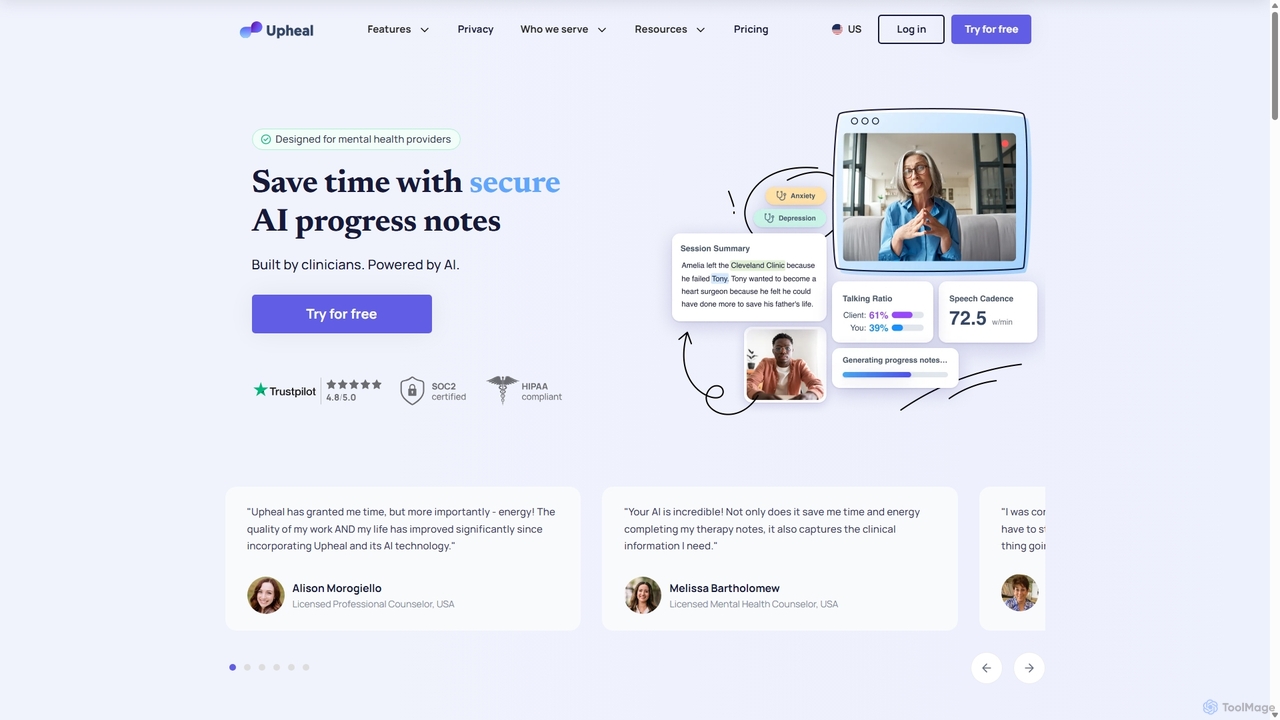
Upheal is an AI-powered platform designed for mental health professionals. It automates the creation of clinical progress notes, saving therapists up to 90% of their documentation time. The platform is HIPAA compliant, supports various note formats, generates treatment plans, and integrates with any EHR to help clinicians stay present and focused on their clients.

Transcription
Visits 341.1KFavorites 143Likes 146
Therapartners
Freemium

Therapartners

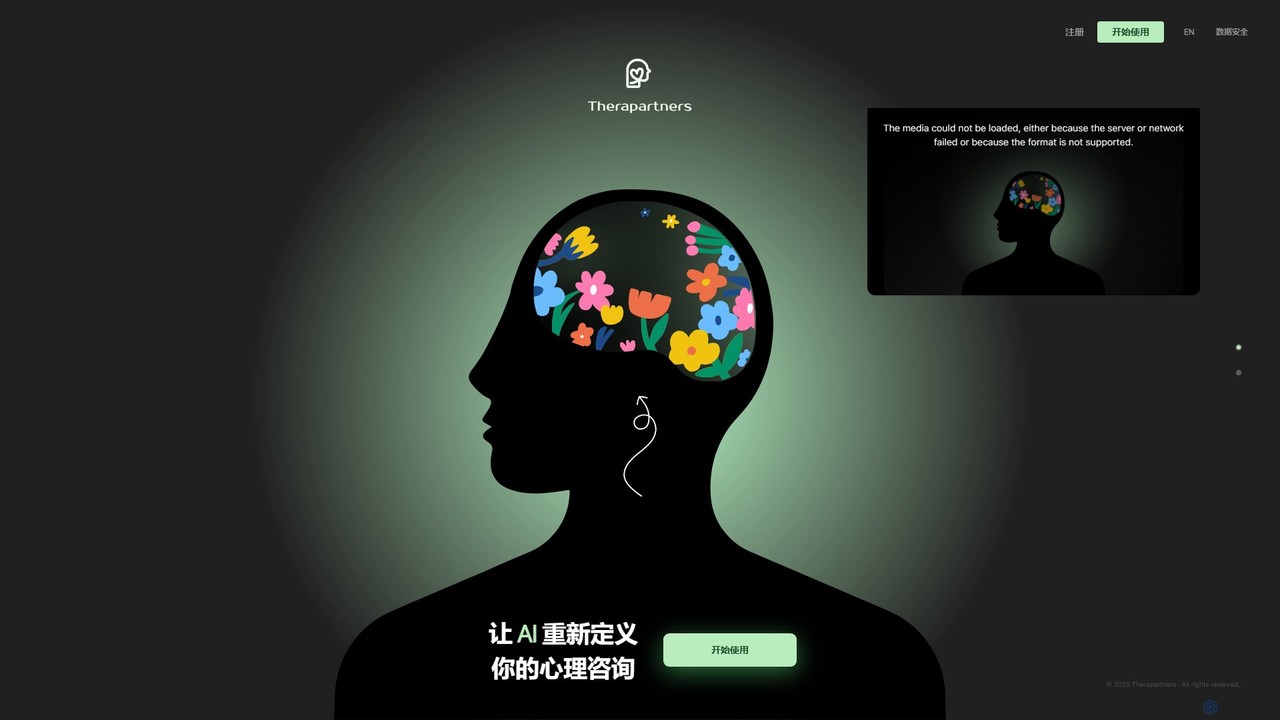
Therapartners is an AI-powered co-pilot for psychotherapists and counselors. It offers automated session transcription, intelligent case summarization, in-depth transcript analysis, and a virtual AI partner for supervision. The platform is designed to enhance efficiency, provide deep clinical insights, and support professional development, all while adhering to strict data security standards like HIPAA and ISO 27018.

Professional Development
Visits 6.1KFavorites 147Likes 140
Notle
Freemium

Notle

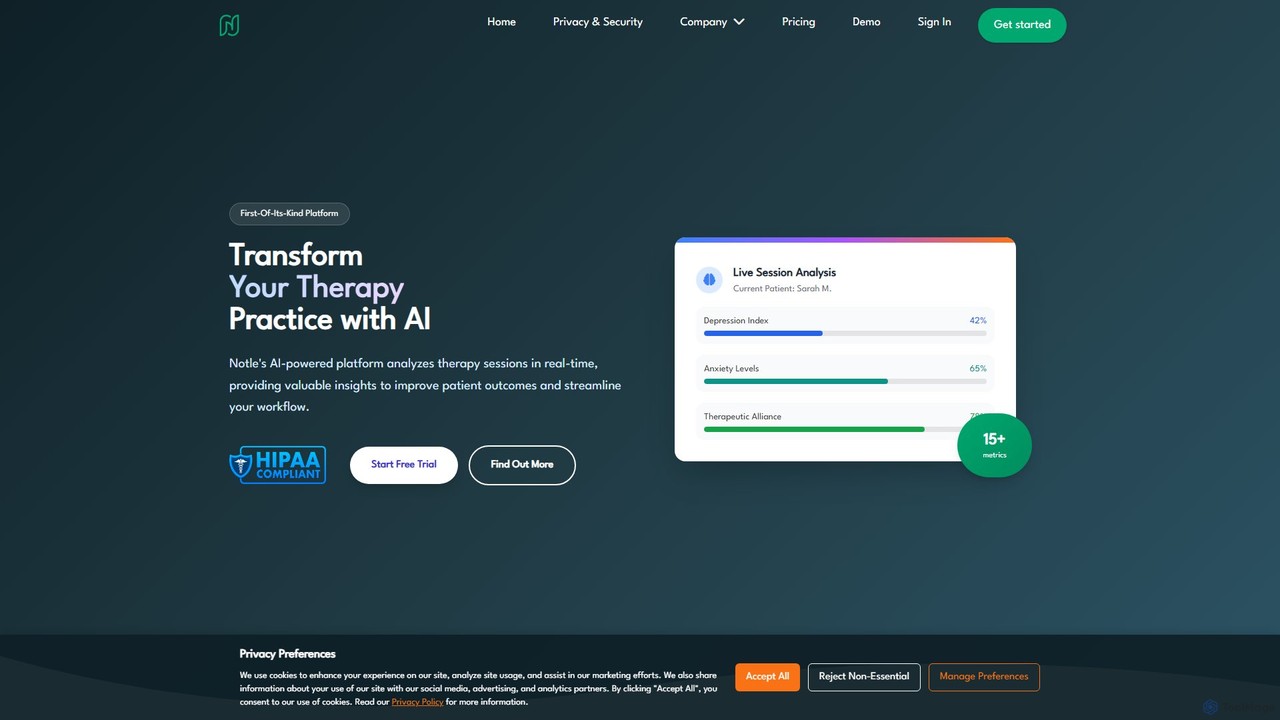
Notle is an AI-powered emotional intelligence platform for mental health therapists. It provides real-time analysis of therapy sessions, automatically generating session notes, tracking over 15 psychometric measures, and offering predictive insights into patient well-being. By streamlining documentation and providing data-driven recommendations, Notle helps clinicians improve patient outcomes, reduce administrative workload, and prevent burnout.

Predictive Analytics
Visits 6KFavorites 109Likes 95
Mentalyc
Freemium

Mentalyc

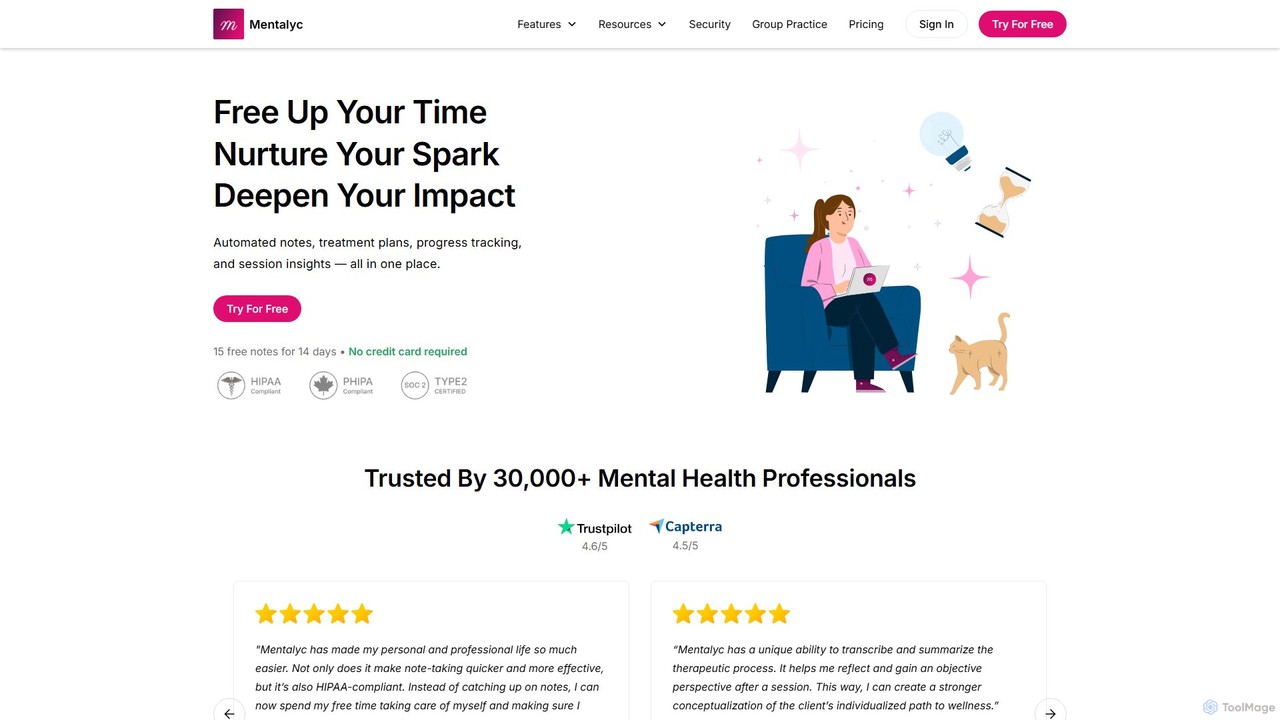
Mentalyc is a HIPAA-compliant AI clinical intelligence platform for mental health professionals. It automates therapy note-taking (SOAP, DAP, etc.), generates smart treatment plans, and provides supervisor-like feedback to reduce administrative burnout. Trusted by over 30,000 clinicians, it helps save time, enhance client presence, and gain deeper therapeutic insights.

Clinical Administration
Visits 210.3KFavorites 115Likes 126
mdhub
Freemium

mdhub

mdhub is a clinical AI assistant designed for behavioral health clinicians. It automates documentation, saving over 2 hours daily. Key features include an AI Scribe for instant clinical notes, an AI Intake Coordinator for streamlining patient onboarding, and tools for creating treatment plans, session handouts, and managing billing codes. It's a HIPAA-compliant solution that integrates with EHRs to reduce administrative burnout and enhance patient care.

Medical Scribe
Visits 38.5KFavorites 152Likes 169
Finni Health
Paid

Finni Health

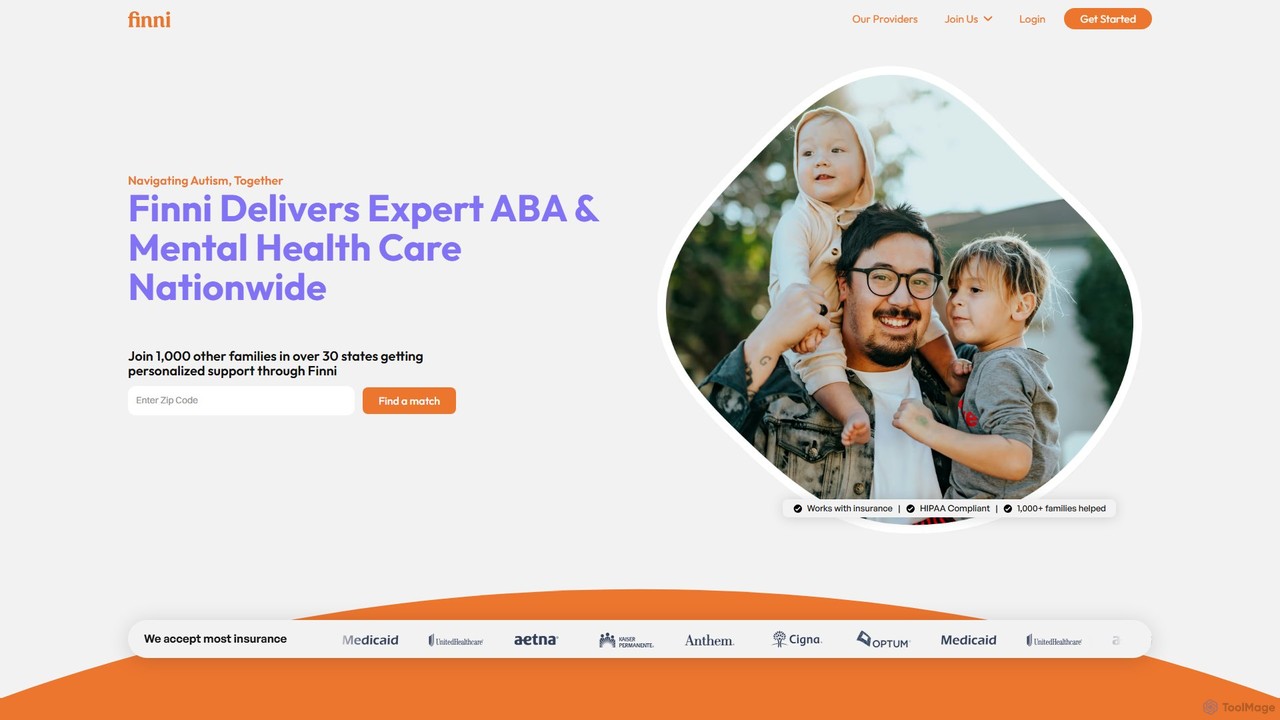
Finni Health is a comprehensive platform for autism care, connecting families with expert ABA therapists and providing practitioners with an all-in-one solution to launch and manage their own practice. It combines personalized, insurance-covered therapy for children with a robust backend system for clinicians, including EHR, billing, and scheduling tools.

Special Needs
Visits 15.7KFavorites 119Likes 123
AIDA by DAWN AI STUDY
Freemium

AIDA by DAWN AI STUDY

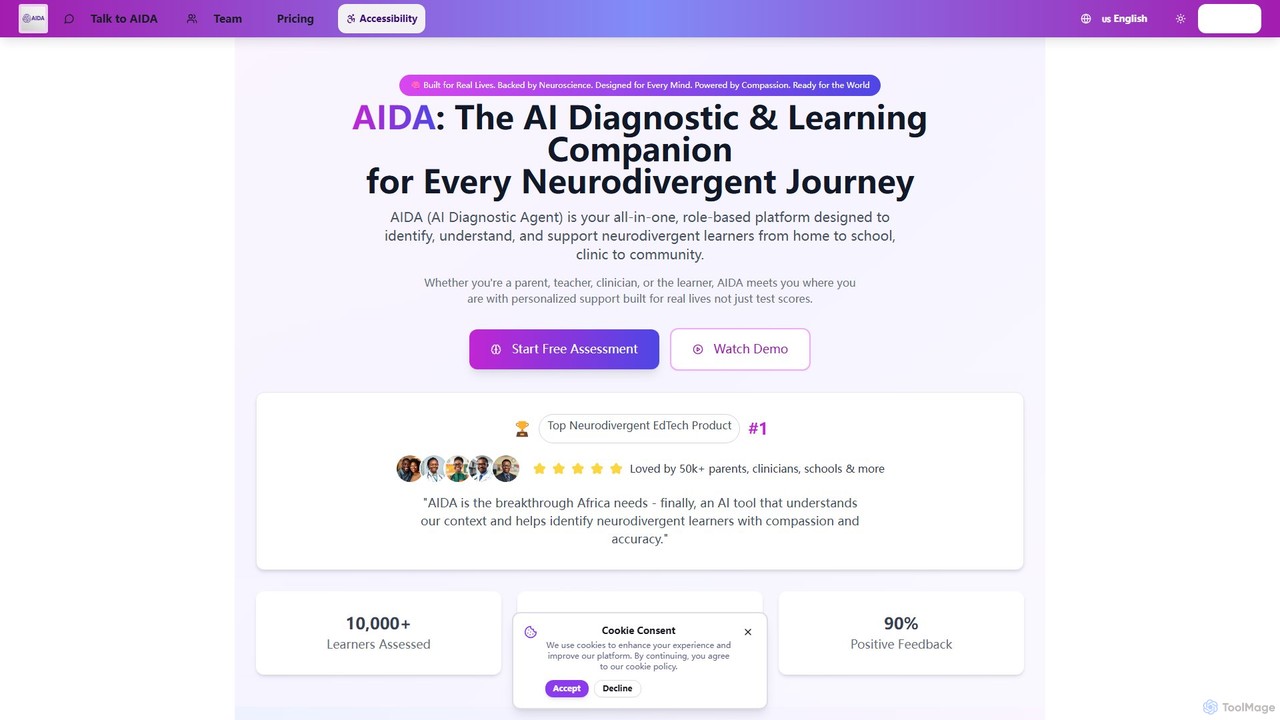
AIDA is Africa's first AI-powered diagnostic and learning companion for neurodivergent learners. It provides parents, teachers, and clinicians with tools to identify, understand, and support conditions like ADHD, Autism, and Dyslexia. Through AI-driven assessments and personalized "Mind Maps," AIDA offers a compassionate, culturally-aware approach to inclusive education, helping every child thrive.

Special Education
Visits 8KFavorites 111Likes 112

About Mental Health

AI Mental Health tools are applications designed to provide accessible, personalized support for emotional well-being. These tools leverage technologies like Natural Language Processing (NLP) for conversational agents and machine learning to analyze mood patterns from user input. They offer immediate, confidential assistance for managing stress, anxiety, and mild depression, often serving as a valuable supplement to traditional therapy. Unlike broader AI healthcare tools that focus on diagnostics, these applications specialize in delivering personalized coping strategies, mindfulness exercises, and continuous emotional monitoring.

Core Features

  • Conversational Support: AI-powered chatbots provide empathetic listening and guided conversations based on therapeutic frameworks like Cognitive Behavioral Therapy (CBT).
  • Mood & Behavior Tracking: Allows users to log emotions and activities, with AI analyzing the data to reveal patterns and potential triggers.
  • Personalized Exercises: Delivers tailored mindfulness, meditation, and breathing exercises based on the user's reported emotional state.
  • Journaling Analysis: Analyzes text from journal entries to identify emotional tones, recurring themes, and cognitive distortions.

Use Cases

These tools are widely used by individuals seeking confidential, on-demand mental wellness support. They are also integrated into corporate wellness programs to provide scalable mental health resources for employees. Additionally, therapists may recommend these apps to patients to practice skills and track progress between sessions.

How to Choose

When selecting an AI Mental Health tool, prioritize those based on evidence-backed therapeutic methods (e.g., CBT, DBT). Scrutinize the privacy policy to ensure your sensitive data is secure. Assess the level of personalization and how well the AI adapts to your needs. Finally, verify that the tool has a clear protocol for crisis situations, such as directing users to emergency resources.

Mental Health use cases

1

Daily Stress and Anxiety Management

A busy professional feeling overwhelmed by daily work pressures can use an AI mental health tool for immediate relief. For instance, they can engage in a 10-minute guided breathing exercise led by an AI chatbot during a work break. If a specific event caused stress, they can describe it to the chatbot, which uses CBT principles to help reframe negative thoughts into more constructive ones. This provides not only in-the-moment stress reduction but also helps build long-term coping skills for managing workplace anxiety effectively.

2

Tracking Mood Patterns for Self-Awareness

An individual looking to understand their emotional triggers can use an AI app to track their mood. By consistently logging emotions, sleep quality, and daily activities (like exercise or social interactions), the AI can analyze this data over time. The app might generate a weekly report highlighting correlations, such as, 'Your mood tends to be lower on days following less than 6 hours of sleep.' This provides actionable, data-driven insights, empowering the user to make positive lifestyle changes and improve their overall emotional well-being through increased self-awareness.

3

Supplementing Professional Therapy Sessions

A patient undergoing cognitive behavioral therapy can use an AI tool as a 'digital companion' between sessions. Their therapist might recommend an app to practice skills learned in therapy. For example, the patient can use the app to complete digital CBT worksheets for identifying and challenging negative thoughts. They can also use its journaling feature to document situations that triggered anxiety. This provides the therapist with valuable, structured data for the next session, making therapy more efficient and reinforcing the patient's learning outside the clinic.

4

Building Positive Habits with Guided Journaling

An individual focused on personal growth can use an AI journaling tool to cultivate positive habits like gratitude. Instead of facing a blank page, the AI provides daily prompts such as, 'What is one thing you're looking forward to today?' or 'Describe a small success you had.' The AI can analyze sentiment over time, creating charts that visualize the user's emotional progress. This structured approach makes journaling less intimidating, helps establish a consistent practice, and provides tangible feedback on their journey toward a more positive mindset.

5

Providing Accessible Mental Wellness for Employees

An HR manager implements a corporate wellness program using an AI mental health platform. This provides all employees with 24/7, confidential access to mental health resources, reducing the stigma associated with seeking help. An employee feeling stressed can interact with an AI chatbot anonymously from their phone, rather than needing to schedule an appointment. The platform can also offer company-wide resources like guided meditations for focus or stress reduction. This scalable solution improves overall employee well-being and demonstrates the company's commitment to mental health.

6

Navigating Mild Depressive Symptoms

For someone experiencing persistent sadness or lack of motivation but not yet ready for traditional therapy, an AI companion can offer initial support. They can engage in empathetic conversations with an AI chatbot that listens without judgment. The tool can also suggest small, achievable goals based on behavioral activation principles, like 'Take a 15-minute walk today.' By providing a consistent source of support and gentle encouragement, the tool can help reduce feelings of isolation and serve as a crucial first step or bridge toward seeking professional care when the user is ready.

Mental Health FAQ

What are AI Mental Health tools?

AI Mental Health tools are software applications that use artificial intelligence to provide support for emotional well-being. They are not a replacement for human therapists but act as accessible, on-demand resources. Key features often include:

  • AI Chatbots: Engage users in conversations based on therapeutic techniques like CBT.
  • Mood Trackers: Help users log and understand their emotional patterns.
  • Guided Exercises: Offer personalized meditation, mindfulness, and breathing activities.

These tools are designed to help manage everyday stress, anxiety, and mild depressive symptoms in a private and convenient way.

How do I choose a reliable AI Mental Health app?

Choosing a reliable app is crucial due to the sensitive nature of mental health. Consider these key factors:

  • Evidence-Based Methods: Check if the app's approach is based on clinically recognized techniques like Cognitive Behavioral Therapy (CBT) or Mindfulness-Based Stress Reduction (MBSR).
  • Data Privacy: Read the privacy policy carefully. Ensure the app uses strong encryption and clearly states how your data is stored and used.
  • Crisis Support: A responsible app should have a clear protocol for emergencies, such as providing immediate access to crisis hotlines or emergency services.
  • User Reviews: Look for reviews from other users, paying attention to comments on effectiveness, ease of use, and customer support.

What's the difference between an AI therapy chatbot and a general AI chatbot?

The primary difference lies in their purpose, training, and safety features. An AI therapy chatbot is specifically designed for mental wellness support. It is trained on clinical data and therapeutic conversation models (like CBT) to provide empathetic, structured, and safe interactions. They also include safety protocols for crisis situations. In contrast, a general AI chatbot (like those for customer service or general knowledge) is trained on vast, diverse internet data. It is not designed for therapeutic conversations and may provide unhelpful, inaccurate, or even unsafe responses to sensitive mental health topics.

Are AI Mental Health tools effective?

Research suggests that AI mental health tools can be effective for managing mild to moderate symptoms of stress, anxiety, and depression. They are particularly useful for increasing self-awareness, practicing coping skills (like those from CBT), and providing immediate support. However, their effectiveness depends on the individual and the specific tool. They are best viewed as a supplement to, not a replacement for, professional care from a licensed therapist, especially for severe or complex mental health conditions. They provide a valuable layer of support but cannot replicate the nuanced understanding and relationship of human-led therapy.

Who should use AI Mental Health tools?

AI Mental Health tools are suitable for a wide range of individuals, including:

  • People with mild symptoms: Those experiencing everyday stress, anxiety, or low mood who want accessible, initial support.
  • Individuals seeking self-improvement: Anyone wanting to build self-awareness, track moods, or develop positive habits like mindfulness and journaling.
  • Those supplementing therapy: Patients who want to practice skills and track progress between sessions with a human therapist.
  • Employees in corporate wellness programs: Individuals looking for confidential, company-provided mental health resources.

However, they are not recommended as the sole source of support for individuals with severe mental health conditions, suicidal thoughts, or complex psychiatric disorders, who should seek professional medical help immediately.