ToolMage
Sign in

Best 222 Healthcare AI tools

Popular Healthcare AI tools include Heidi Health, Benchling, Weave, Freed, Carepatron, Stepful, Neural4D, Upheal, Athelas, and Abridge, helping you work more efficiently.

Apollo Health AI
Freemium

Apollo Health AI

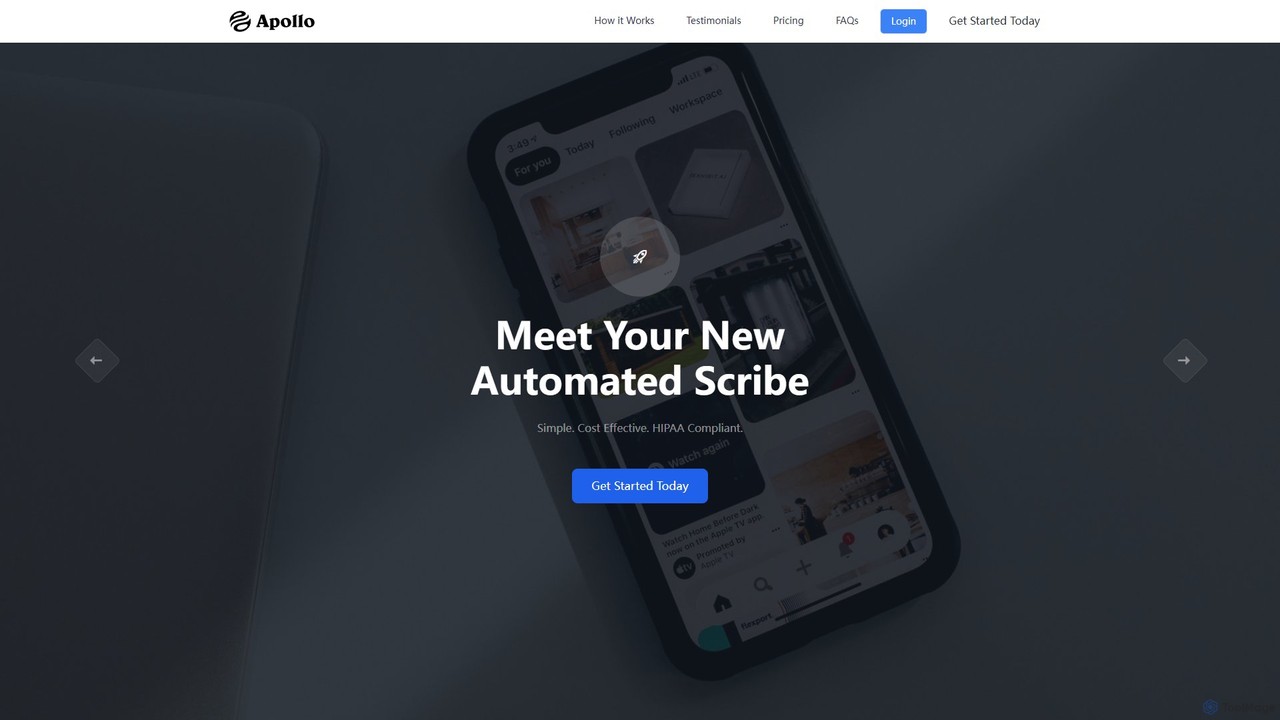
Apollo Health AI is a HIPAA-compliant, AI-powered medical scribe designed for healthcare professionals. It automates the creation of clinical notes, such as SOAP notes, by transcribing and structuring patient encounters. This allows clinicians to reduce administrative burdens, combat burnout, and focus more on direct patient care, improving both efficiency and the quality of medical documentation.

Clinical Documentation
Visits 6.9KFavorites 134Likes 136

Clearstep
Paid

Clearstep

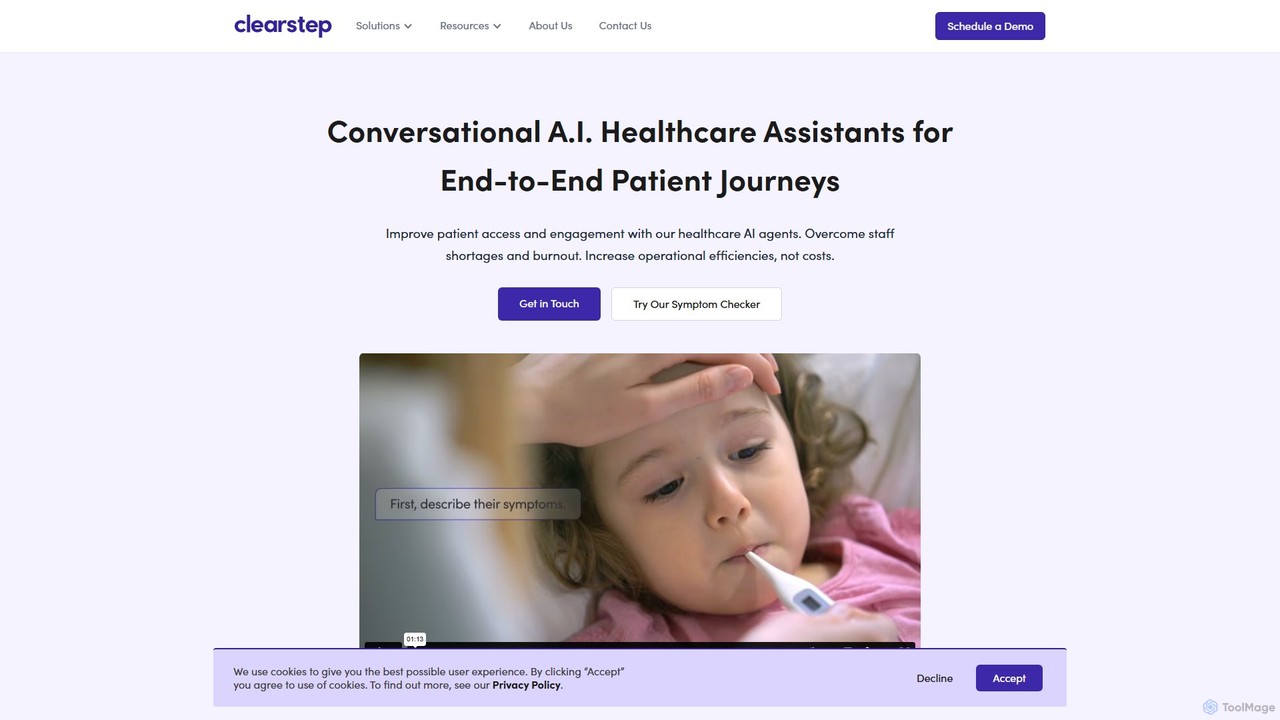
Clearstep is an AI-powered healthcare platform providing conversational AI assistants for the entire patient journey. It offers virtual triage, care navigation, and capacity optimization to help healthcare organizations improve patient access, enhance operational efficiency, and reduce staff burnout. Trusted by leading health systems, Clearstep guides patients to the right care at the right time.

Customer Support
Visits 29.6KFavorites 121Likes 117
Linguamatics
Paid

Linguamatics

Linguamatics is an advanced AI-powered text mining and Natural Language Processing (NLP) platform, specializing in extracting actionable insights from unstructured text for the life sciences and healthcare industries. It helps organizations accelerate research, improve decision-making, and reduce costs by automating the analysis of scientific literature, patents, clinical trial data, and more.

Analytics
Visits 27.4KFavorites 123Likes 125
Lyrebird Health
Freemium

Lyrebird Health

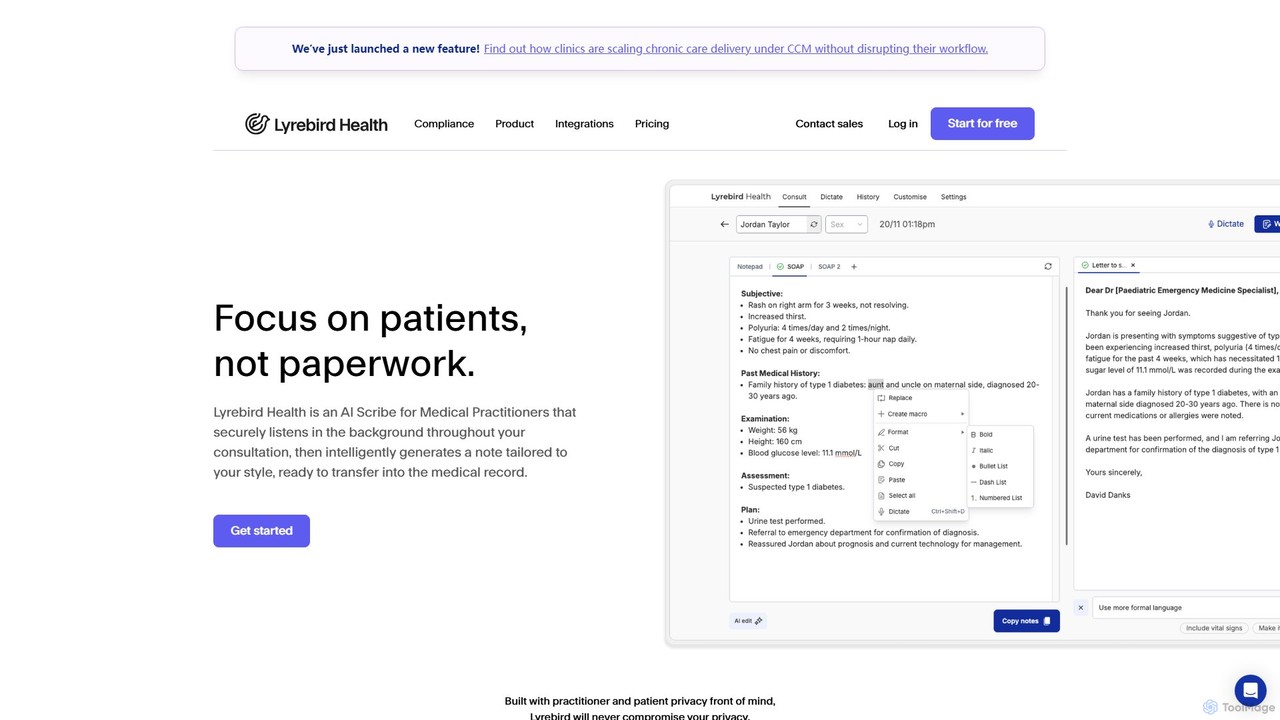
Lyrebird Health is an AI-powered medical scribe that automates clinical documentation for healthcare providers. It listens to patient consultations, generates accurate clinical notes, letters, and reports in seconds, and integrates with EMR systems. This allows clinicians to save hours on paperwork, reduce burnout, and focus more on patient care.

Medical Scribe
Visits 242.6KFavorites 116Likes 130
PatientIntake
Paid

PatientIntake

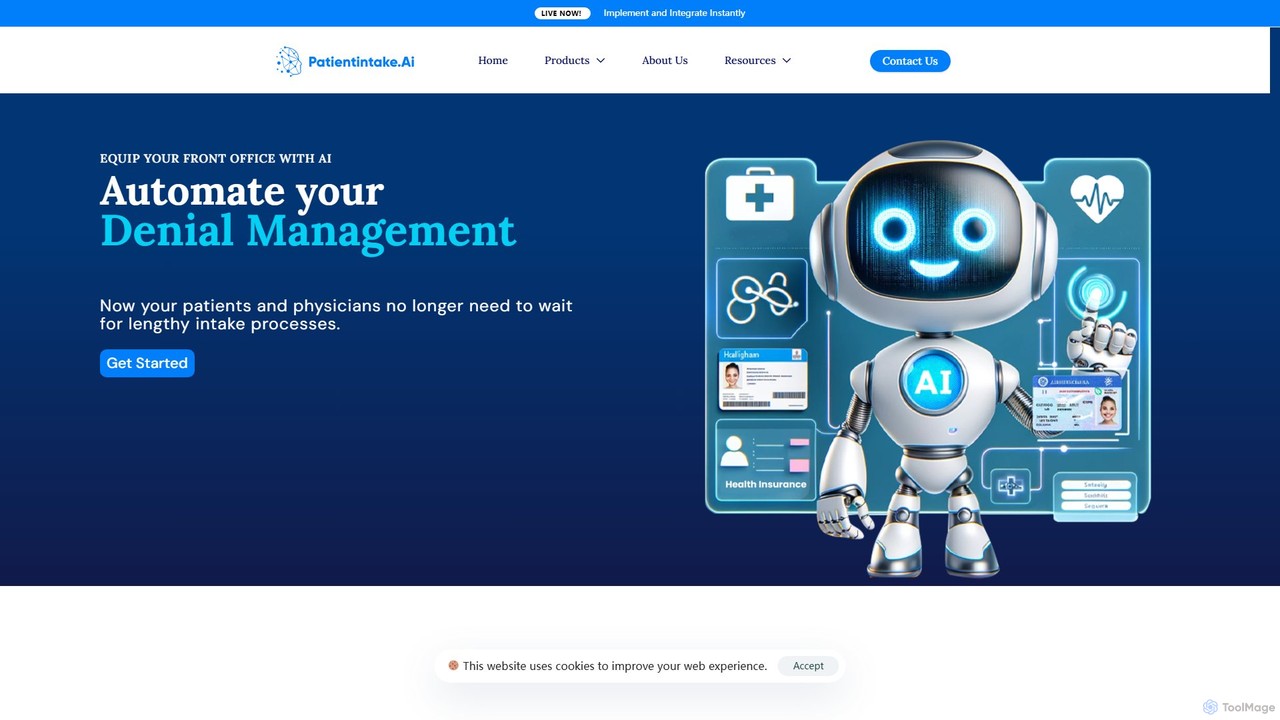
PatientIntake is an AI-powered suite designed for healthcare organizations to automate and streamline front office operations. It automates patient scheduling, insurance card capture, real-time insurance verification, and denial management. This enhances efficiency, reduces administrative errors, improves patient experience, and accelerates the revenue cycle.

Operations Management
Visits 5.9KFavorites 117Likes 109
ivy.ai
Paid

ivy.ai

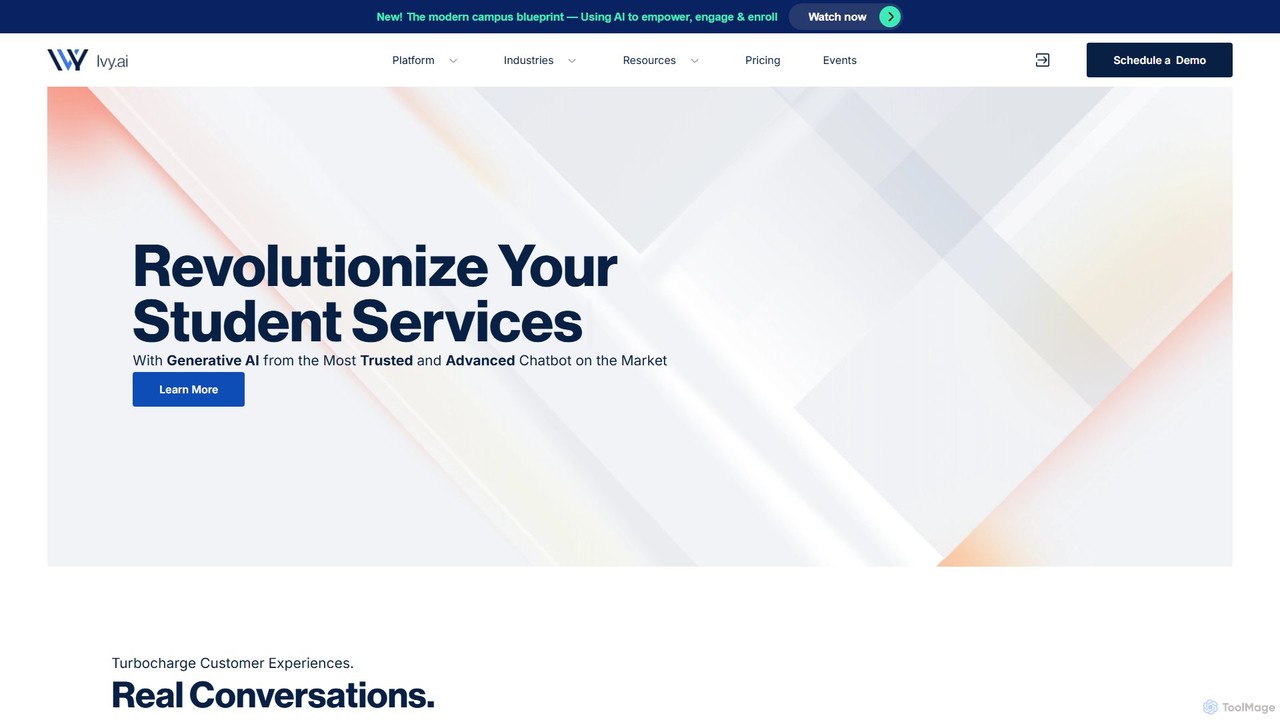
ivy.ai provides a generative AI chatbot platform, IvyQuantum™, specifically designed for higher education, healthcare, and government sectors. It leverages an organization's own content to deliver accurate, real-time, and personalized conversations across multiple channels. The platform aims to enhance user engagement, automate support, and significantly reduce operational costs by freeing up staff from repetitive tasks.

Chatbot
Visits 37.9KFavorites 130Likes 115

About Healthcare

AI Healthcare tools are a class of software that leverages artificial intelligence, particularly machine learning and natural language processing, to analyze complex medical data. These tools process vast datasets, including medical imaging, electronic health records (EHRs), and genomic sequences, to identify patterns and predict outcomes. They are designed to support clinical decision-making, streamline hospital operations, and accelerate biomedical research. By automating analysis and providing data-driven insights, these tools help improve diagnostic accuracy and personalize patient care.

Core Features

  • Medical Image Analysis: Automatically detects and highlights anomalies in X-rays, CT scans, and MRIs to assist radiologists and pathologists.
  • Predictive Analytics: Forecasts disease outbreaks, patient risk stratification, and potential adverse drug events using historical data.
  • Clinical Workflow Automation: Automates administrative tasks such as medical coding, patient data entry, and appointment scheduling.
  • Drug Discovery Acceleration: Analyzes biological data to identify potential drug candidates and predict their efficacy, shortening research cycles.
  • Personalized Treatment Planning: Recommends tailored treatment protocols based on an individual's genetic profile, lifestyle, and clinical history.

Use Cases

AI Healthcare tools are utilized across various medical settings. Hospitals and clinics use them for diagnostic support and operational efficiency. Pharmaceutical companies and research institutions apply them to accelerate drug discovery and clinical trials. Public health organizations also use predictive analytics for epidemiology and resource allocation.

How to Choose

When selecting an AI Healthcare tool, prioritize solutions with proven clinical validation and regulatory compliance (e.g., HIPAA, GDPR). Assess its integration capabilities with your existing Electronic Health Record (EHR) systems. Evaluate the model's accuracy, transparency, and the quality of the data it was trained on. Finally, ensure the provider offers robust data security measures and technical support.

Featured tool rankings

Healthcare use cases

1

Automated Medical Image Screening

A radiologist in a busy hospital uses an AI-powered diagnostic tool to analyze hundreds of chest X-rays daily. The tool automatically flags images with potential signs of pneumonia or lung nodules, prioritizing them for expert review. This system acts as a second reader, helping to reduce the risk of missed diagnoses due to fatigue and high workload. As a result, the radiology department can improve its diagnostic accuracy and significantly decrease the turnaround time for critical findings, leading to earlier patient treatment.

2

Predicting Patient Readmission Risk

A hospital care management team uses a predictive analytics platform to identify patients at high risk of readmission within 30 days of discharge. The AI model analyzes factors from the patient's electronic health record, such as diagnosis, length of stay, comorbidities, and past admissions. Based on the risk score, the team can allocate resources more effectively, providing high-risk patients with proactive follow-up calls, home health visits, or specialized care coordination to prevent complications and ensure a smoother recovery.

3

AI-Powered Clinical Documentation

A primary care physician uses an ambient clinical intelligence tool during patient consultations. The tool listens to the doctor-patient conversation, automatically transcribes it, and populates the relevant fields in the electronic health record (EHR) in real-time. It can distinguish between speakers, identify medical terms, and structure the notes correctly. This automation frees the physician from extensive note-taking, reducing administrative burden and burnout, and allowing them to focus more on direct patient interaction and care.

4

Accelerating Drug Discovery Research

A team of researchers at a pharmaceutical company uses an AI platform to analyze vast genomic and proteomic datasets. The goal is to identify novel biological targets for a new cancer therapy. The AI model sifts through millions of data points to find correlations that would be impossible for humans to detect, predicting which proteins are most likely to be effective drug targets. This significantly narrows down the number of candidates for laboratory testing, saving months or even years of research time and millions in R&D costs.

5

Personalized Cancer Treatment Planning

An oncologist uses an AI decision support system to create a personalized treatment plan for a patient with a rare form of cancer. The system analyzes the patient's genomic data, pathology reports, and medical history, comparing it against a vast database of clinical trials, research papers, and treatment outcomes from similar cases worldwide. It then suggests a ranked list of potential therapies, including targeted drugs and immunotherapies, that are most likely to be effective for this specific patient, empowering the oncologist to make a more informed decision.

6

Intelligent Triage for Virtual Health Assistants

A large healthcare provider implements an AI-powered chatbot on its patient portal. When a patient reports symptoms, the chatbot engages in a conversational triage process, asking targeted questions to assess the severity and nature of the issue. Based on the responses, it can recommend self-care measures for minor issues, schedule a telehealth appointment with a nurse or doctor for non-urgent cases, or advise immediate emergency care for critical symptoms. This automates the initial patient intake, ensuring patients are directed to the appropriate level of care efficiently.

Healthcare FAQ

What are AI Healthcare tools?

AI Healthcare tools are software applications that use artificial intelligence technologies like machine learning, natural language processing, and computer vision to analyze medical data. Their primary purpose is to assist healthcare professionals in diagnosing diseases, planning treatments, and managing clinical operations. Common examples include AI systems for reading medical scans, predicting patient outcomes, and automating administrative tasks in hospitals.

How do you choose a reliable AI Healthcare tool?

Choosing a reliable AI healthcare tool requires careful consideration of several factors. Look for the following:

  • Regulatory Compliance: Ensure the tool complies with data privacy and security regulations like HIPAA in the US or GDPR in Europe.
  • Clinical Validation: Check for evidence of effectiveness, such as peer-reviewed studies, clinical trial results, or clearance from regulatory bodies like the FDA.
  • Integration Capability: The tool should seamlessly integrate with your existing systems, especially Electronic Health Records (EHR).
  • Data Security: Verify that the provider has robust security protocols to protect sensitive patient information.
Will AI tools replace doctors and nurses?

No, AI tools are not intended to replace healthcare professionals like doctors and nurses. Instead, they are designed to be powerful assistants or augmentation tools. They excel at processing large amounts of data, identifying patterns, and automating repetitive tasks. This frees up clinicians to focus on what humans do best: complex decision-making, patient communication, empathy, and providing hands-on care. The goal is a human-AI collaboration that enhances the quality and efficiency of care.

What are the main benefits of using AI in healthcare?

The primary benefits of using AI in healthcare include:

  • Improved Accuracy: AI can detect subtle patterns in medical images and data that may be missed by the human eye, leading to earlier and more accurate diagnoses.
  • Enhanced Efficiency: Automating administrative and clinical tasks reduces workload, minimizes errors, and allows healthcare providers to see more patients.
  • Personalized Medicine: AI enables the analysis of a patient's unique genetic and clinical data to tailor treatments for better outcomes.
  • Accelerated Research: AI significantly speeds up the process of drug discovery and the analysis of clinical trial data, bringing new treatments to market faster.
What types of data do AI Healthcare tools use?

AI healthcare tools are trained on and analyze a wide variety of data types. These include structured data like lab results and vital signs, as well as unstructured data. Key examples are:

  • Medical Imaging: X-rays, CT scans, MRIs, and pathology slides.
  • Electronic Health Records (EHRs): Patient histories, physician notes, diagnoses, and medications.
  • Genomic Data: DNA and RNA sequences used for personalized medicine.
  • Clinical Trial Data: Information from research studies to find new treatments.
  • Real-world Data: Data from sources like wearable devices and patient registries.