ToolMage
Sign in

Best 3 Recruitment AI tools for Hr

Popular Recruitment AI tools in Hr include AutoProctor, Emerge Career, and Apps365, helping you work more efficiently.

AutoProctor
Freemium

AutoProctor

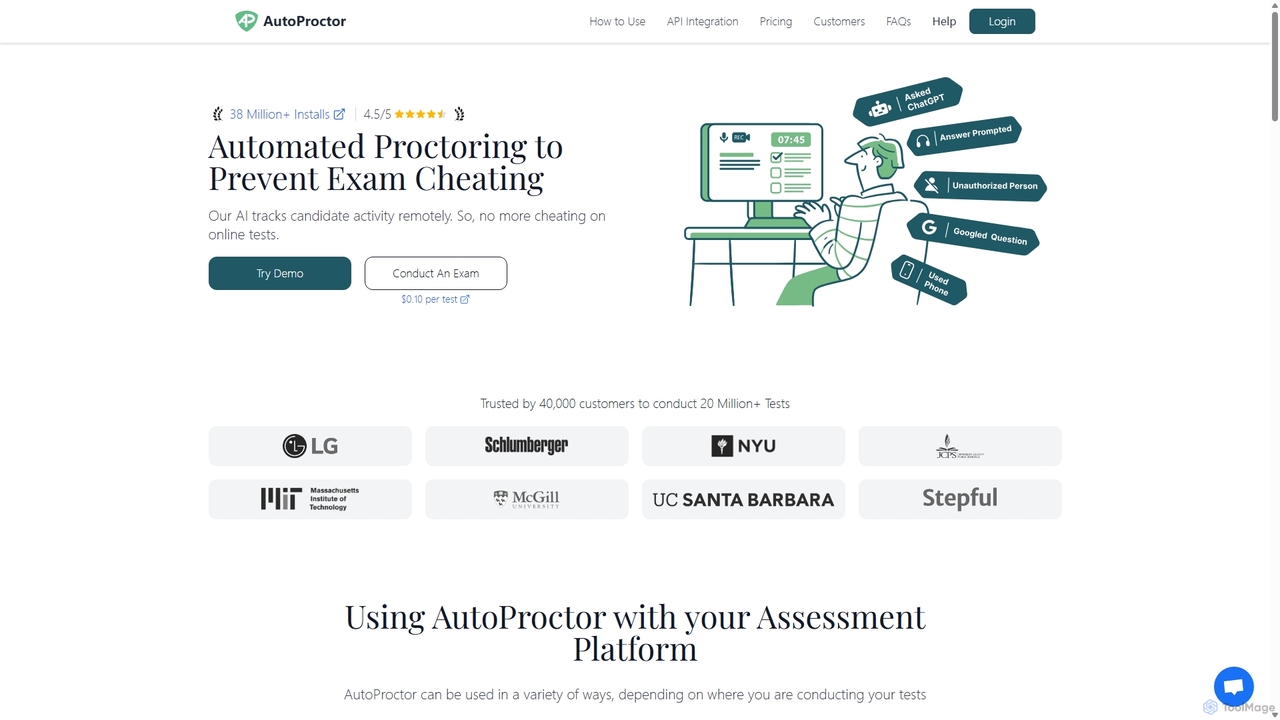
AutoProctor is an AI-powered automated online test proctoring tool designed to prevent cheating during remote exams. It integrates seamlessly with platforms like Google Forms, Microsoft Forms, and custom websites. The AI monitors candidates' camera, microphone, and screen activity to ensure test integrity, providing a 'Trust Score' for easy evaluation.

Assessment
Visits 206.3KFavorites 148Likes 137
Apps365
Paid

Apps365

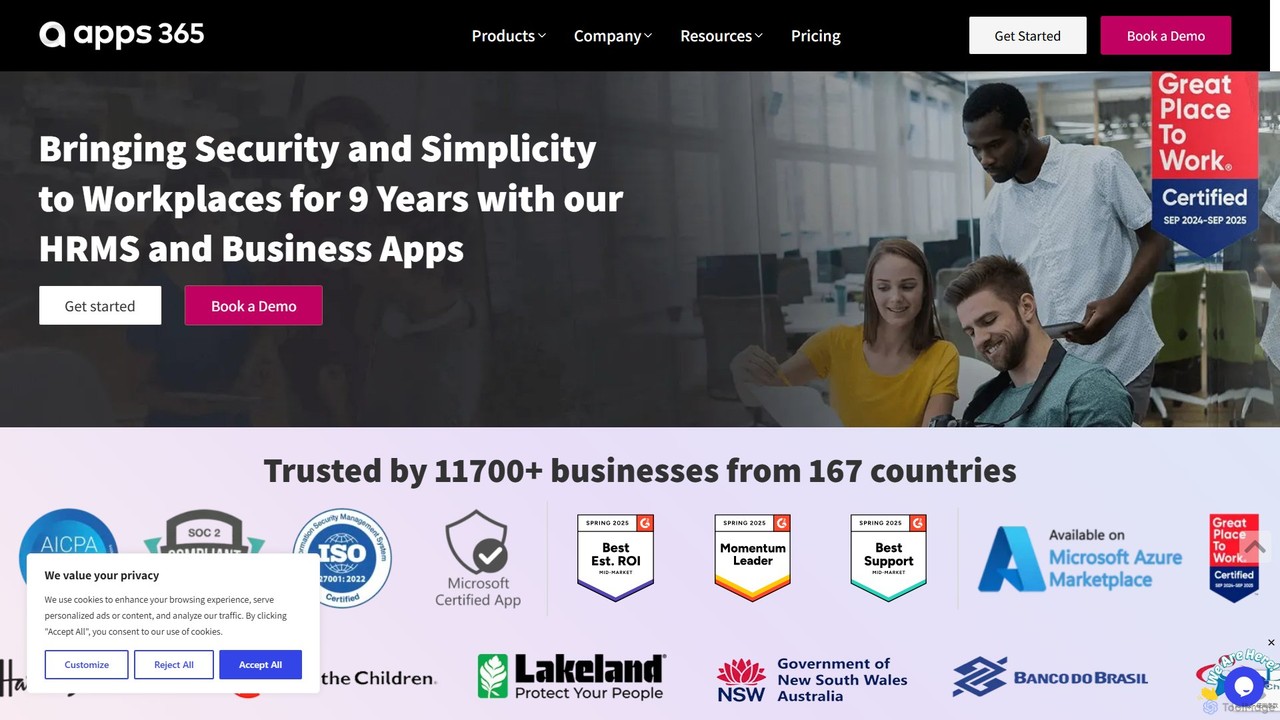
Apps365 offers a suite of AI-powered business and HR applications designed for the Microsoft 365 ecosystem. It provides secure, customizable solutions for SharePoint and MS Teams to streamline workflows in IT support, HR management, project tracking, and contract management, trusted by over 11,700 businesses globally.

Contract Management
Visits 33.8KFavorites 153Likes 139
Emerge Career
Paid

Emerge Career

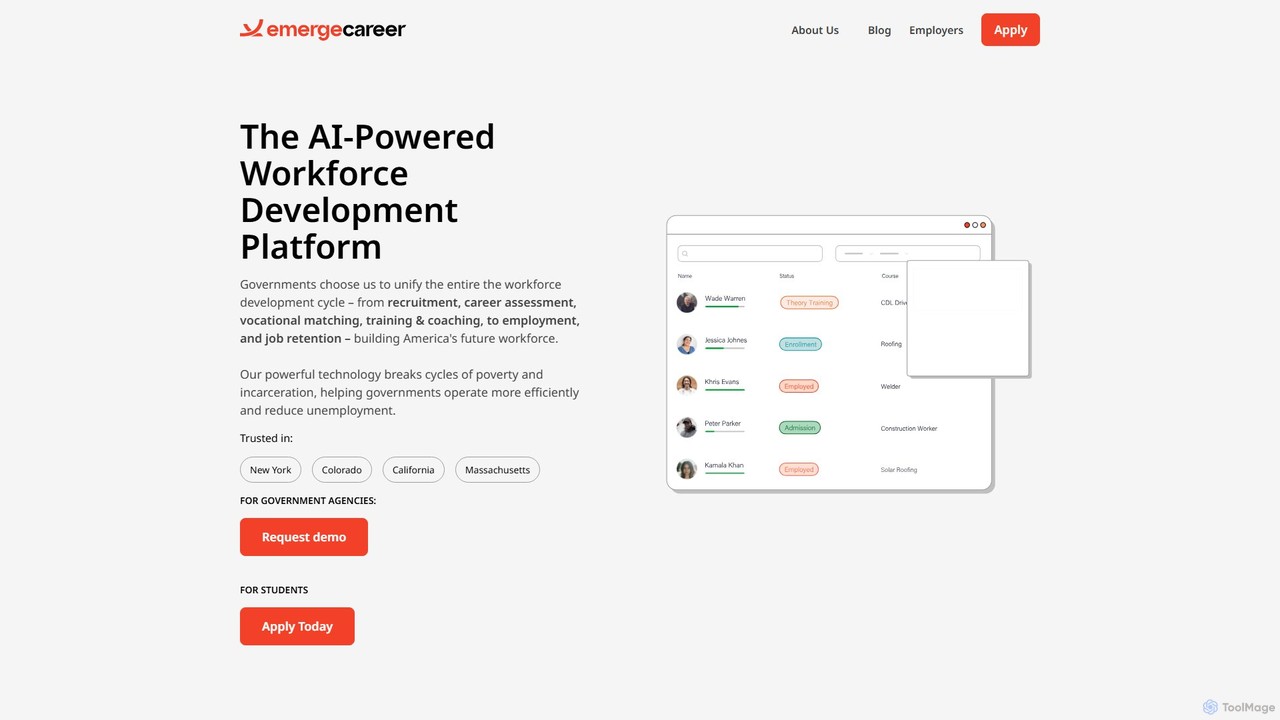
Emerge Career is an AI-powered workforce development platform designed for government agencies. It unifies the entire employment cycle, from recruitment and training to job placement and retention, focusing on upskilling low-income and justice-impacted individuals for high-demand careers in skilled trades.

Workforce Development
Visits 46.8KFavorites 123Likes 135

About Recruitment

Recruitment AI tools are specialized artificial intelligence applications designed to automate and enhance various stages of the hiring process. Leveraging machine learning, natural language processing, and predictive analytics, these tools streamline tasks from candidate sourcing and screening to interview scheduling and engagement. Their primary value lies in improving efficiency, reducing unconscious bias, and enabling data-driven talent acquisition strategies within the broader human resources domain.

Core Features

  • Automated Candidate Sourcing: Identifies and engages potential candidates across diverse online platforms, expanding talent pools.
  • AI-powered Resume Screening: Analyzes resumes and applications against job requirements, ranking candidates based on skills and experience.
  • Intelligent Interview Scheduling: Automates the coordination of interview times, sending reminders, and managing calendar conflicts for multiple stakeholders.
  • Candidate Engagement Chatbots: Provides 24/7 support, answers FAQs, and guides applicants through the hiring process, enhancing candidate experience.
  • Predictive Hiring Analytics: Uses historical data to forecast candidate success, identify retention risks, and optimize future recruitment campaigns.

Use Cases

Recruitment AI tools are invaluable for organizations facing high application volumes, seeking to reduce time-to-hire, or aiming to improve hiring quality and diversity. They are widely adopted by large enterprises for scaling talent acquisition, by startups for rapid team expansion, and by specialized agencies for identifying niche skills efficiently.

How to Choose

When selecting Recruitment AI tools, consider their integration capabilities with existing Applicant Tracking Systems (ATS) and HRIS, ensuring seamless data flow. Evaluate features for bias mitigation, such as anonymized screening or objective skill assessments. Assess scalability to match your organization's growth and application volume. Finally, prioritize solutions with robust data privacy and security measures to comply with regulations.

Recruitment use cases

1

Automated Candidate Sourcing and Outreach

Talent acquisition teams utilize AI to proactively scan professional networks and databases, identifying passive candidates who match specific job criteria. The AI then initiates personalized outreach messages, significantly reducing manual search time and expanding the candidate pipeline.

2

Efficient Resume Screening and Shortlisting

Hiring managers deploy AI tools to analyze hundreds of incoming applications against predefined job requirements. The AI quickly identifies keywords, skills, and experience, ranking candidates and generating a shortlist of the most qualified individuals, drastically cutting down initial review time.

3

Streamlined Interview Scheduling and Coordination

Recruiters leverage AI-powered schedulers to automatically find mutually available times for candidates and interviewers across different time zones and calendars. This eliminates the tedious back-and-forth emails, sending automated invitations and reminders, ensuring a smooth interview process.

4

24/7 AI Chatbot for Candidate Support

Companies integrate AI chatbots into their career pages or application portals to provide instant answers to common applicant questions about job roles, company culture, or application status. This improves candidate experience by offering immediate support and frees up recruiters for more strategic tasks.

5

Bias-Reduced Initial Candidate Assessment

Organizations use AI to anonymize resumes, remove identifying information, or conduct standardized, objective skill assessments. This helps mitigate unconscious bias in the early stages of the hiring process, promoting a more diverse and equitable talent pool.

6

Predictive Analytics for Optimized Hiring Strategies

HR analysts employ AI to analyze historical hiring data, identifying patterns that correlate with long-term employee success and retention. This insight allows them to refine job descriptions, target specific candidate profiles, and optimize recruitment channels for better hiring outcomes.

Recruitment FAQ

What are AI Recruitment tools?

AI Recruitment tools are software applications that use artificial intelligence, such as machine learning and natural language processing, to automate and enhance various aspects of the hiring process. They aim to improve efficiency, reduce bias, and make data-driven decisions in talent acquisition, from sourcing to onboarding.

How do AI Recruitment tools reduce bias in hiring?

AI Recruitment tools can reduce bias by anonymizing candidate information on resumes, focusing on objective skills and qualifications rather than demographic data. They can also standardize interview questions and evaluate responses consistently, ensuring all candidates are assessed against the same criteria, thereby minimizing human unconscious bias.

What are the main benefits of using AI in recruitment?

The main benefits include significant time and cost savings by automating repetitive tasks like resume screening and scheduling. AI also improves candidate quality through more precise matching, enhances the candidate experience with 24/7 support, and provides data-driven insights for optimizing recruitment strategies and reducing turnover.

How do AI Recruitment tools integrate with existing HR systems?

Most AI Recruitment tools are designed to integrate seamlessly with existing Applicant Tracking Systems (ATS) and Human Resources Information Systems (HRIS) through APIs or direct connectors. This allows for synchronized data flow, ensuring candidate information, job postings, and hiring progress are consistent across all platforms without manual data entry.

What's the difference between AI Recruitment and traditional recruitment software?

Traditional recruitment software primarily manages workflows, stores candidate data, and facilitates communication. AI Recruitment tools go further by actively applying intelligence to these processes. They use machine learning for predictive analytics, NLP for deeper resume analysis, and automation for proactive candidate engagement, offering insights and capabilities beyond basic workflow management.