ToolMage
Sign in

Best 776 Human Resources AI tools

Popular Human Resources AI tools include Typeform, Ashby, Lever, Mercor, micro1, Wellfound, Checkr, Deel, Jobright, and Fountain, helping you work more efficiently.

Testportal
Freemium

Testportal

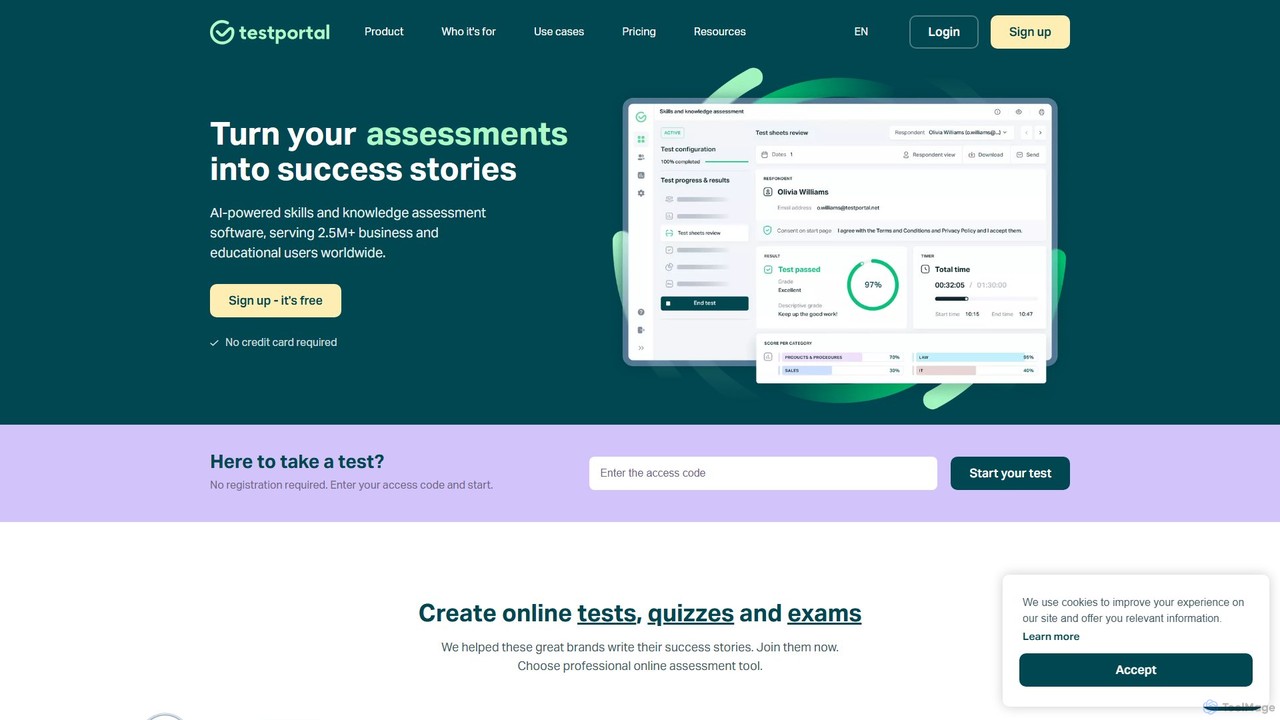
Testportal is an AI-powered online assessment platform for businesses and educational institutions. It simplifies creating, conducting, and analyzing tests, quizzes, and exams. Key features include an AI question generator, automatic grading, detailed analytics, and robust security, serving over 2.5 million users worldwide.

Assessment
Visits 9KFavorites 134Likes 121

lempod
Paid

lempod

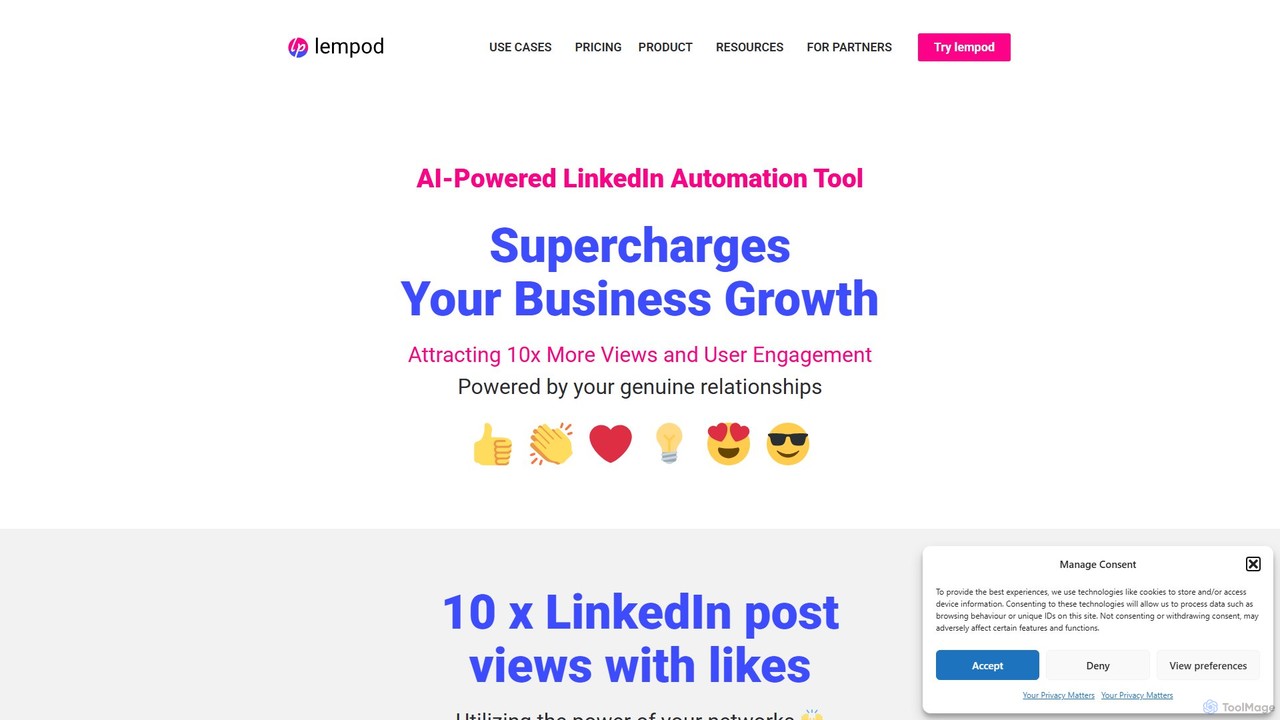
lempod is an AI-powered LinkedIn automation tool designed to dramatically increase your post reach and engagement. By joining or creating "engagement pods," users can automatically receive likes and AI-generated comments from other members, boosting post visibility by up to 10x. It's ideal for marketers, recruiters, and individuals focused on building their personal brand on LinkedIn.

Recruiting
Visits 33KFavorites 134Likes 119
usevampai
Paid

usevampai

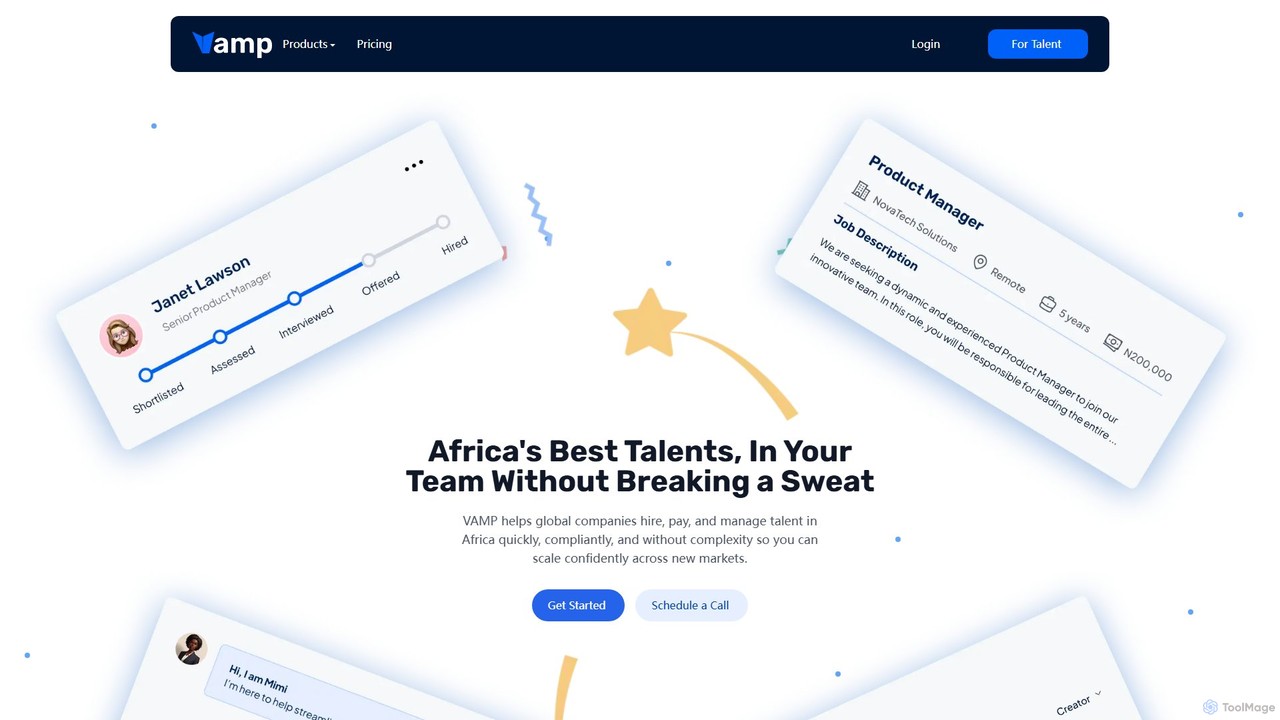
An AI-powered platform for global companies to hire, pay, and manage top talent in Africa. It simplifies cross-border recruitment by acting as an Employer of Record (EOR), handling compliance, payroll, and contractor management, enabling businesses to scale confidently in new markets.

Global Workforce Management
Visits 9.9KFavorites 115Likes 127
Recruit CRM
Freemium

Recruit CRM

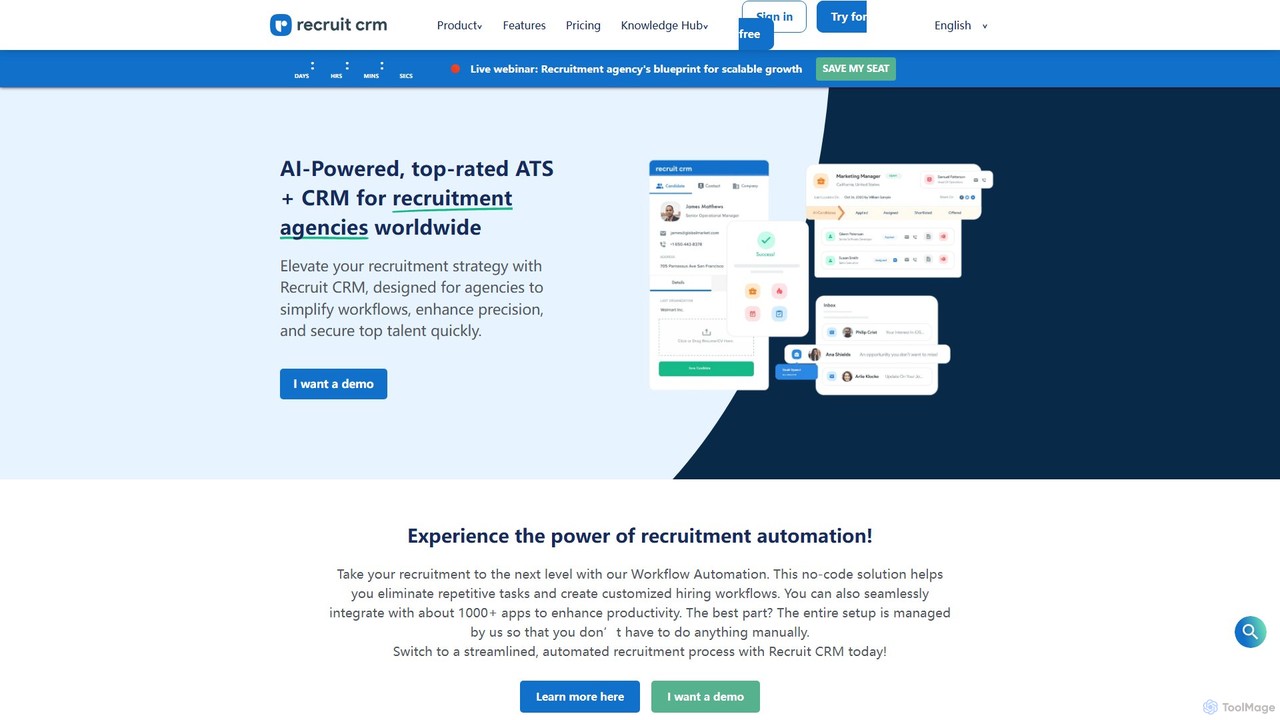
Recruit CRM is an AI-powered, all-in-one Applicant Tracking System (ATS) and CRM designed for recruitment and executive search firms. It automates repetitive tasks, streamlines workflows, and uses AI for precise resume parsing and candidate matching. With features like a Chrome sourcing extension, workflow automation, and GPT integration, it helps agencies source, engage, and place top talent faster and more efficiently.

Sales
Visits 1MFavorites 151Likes 140
Exec
Paid

Exec

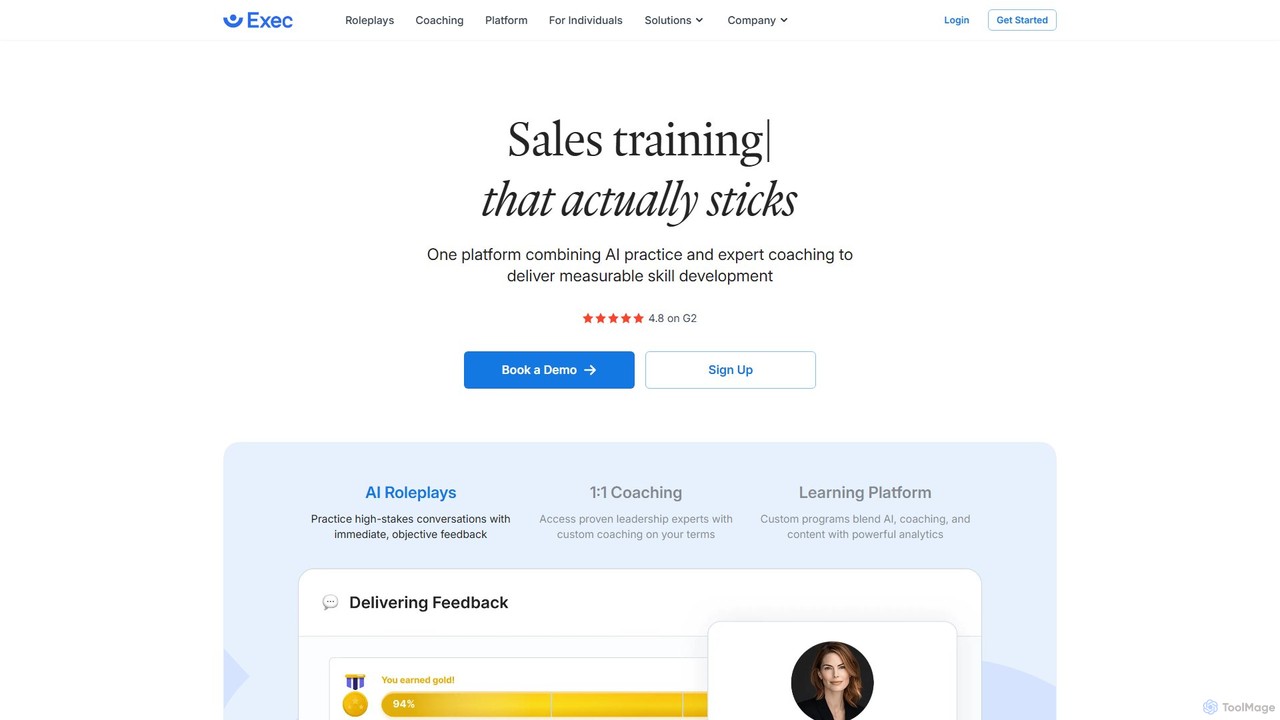
Exec is an AI-powered training platform designed for high-performance teams. It combines AI role-playing for practicing high-stakes conversations, 1:1 coaching with vetted experts, and a comprehensive learning platform to deliver measurable skill development in areas like sales, leadership, and customer service.

Corporate Learning
Visits 20.5KFavorites 108Likes 116
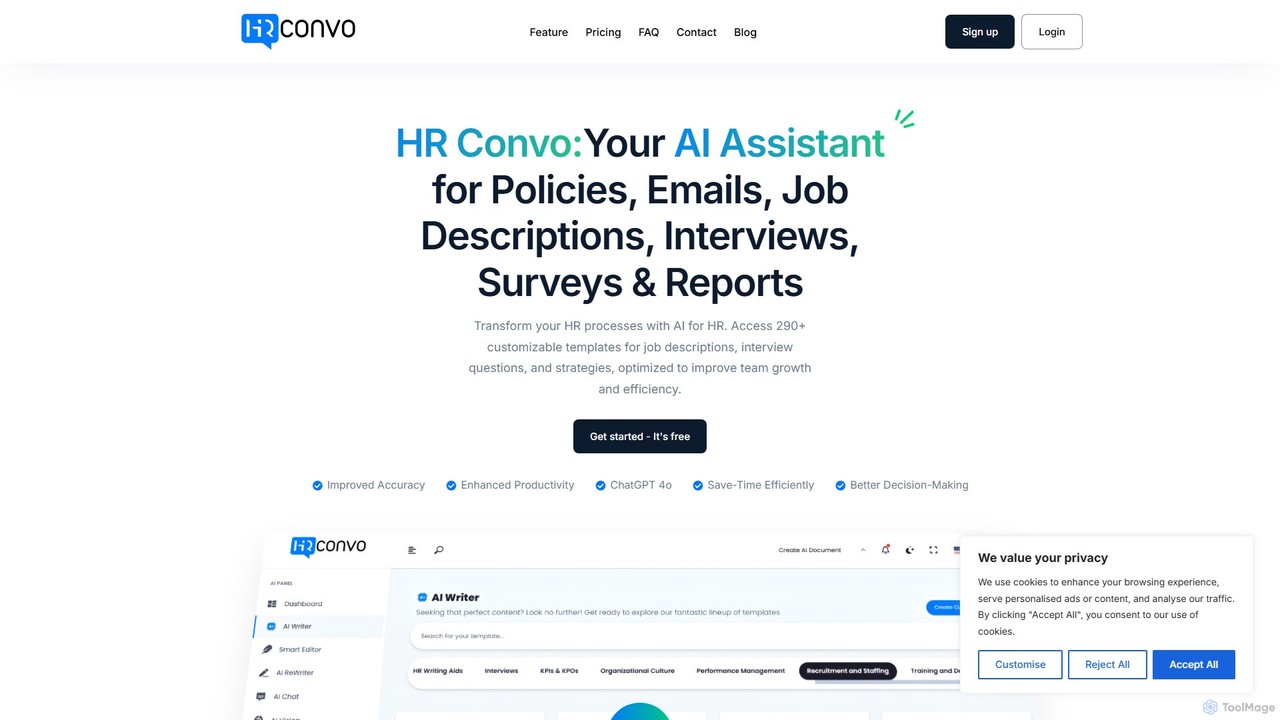
hrconvo

hrconvo

HR Convo is an AI-powered writing assistant designed specifically for HR professionals. It streamlines the creation of essential HR documents, from job descriptions and interview questions to performance reviews and policy drafts. Save time, ensure consistency, and communicate more effectively across the entire employee lifecycle.

Communication
Visits 5.9KFavorites 158Likes 150
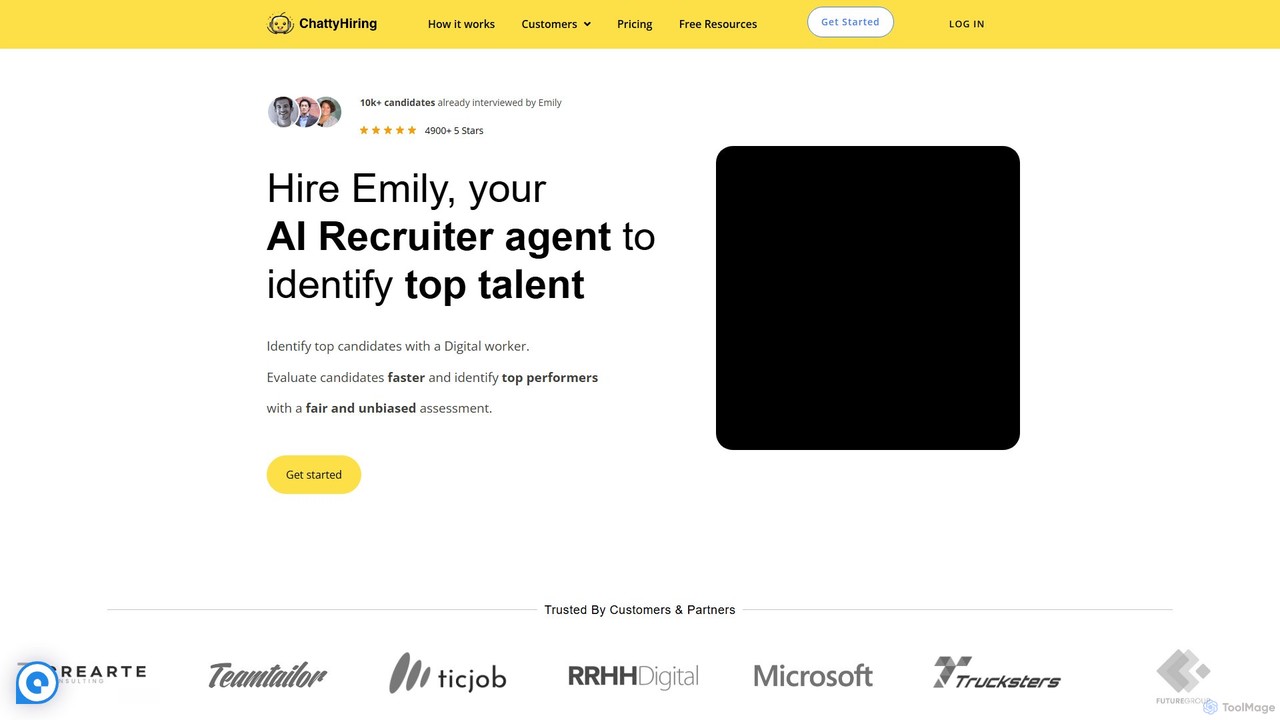
ChattyHiring
Paid

ChattyHiring

ChattyHiring provides an AI recruiting agent, Emily, to automate the hiring process. It identifies top talent through automated voice interviews, competency-based assessments, and role-playing scenarios, delivering a ranked shortlist of qualified candidates to save time and reduce costs.

Sales
Visits 7.3KFavorites 138Likes 148
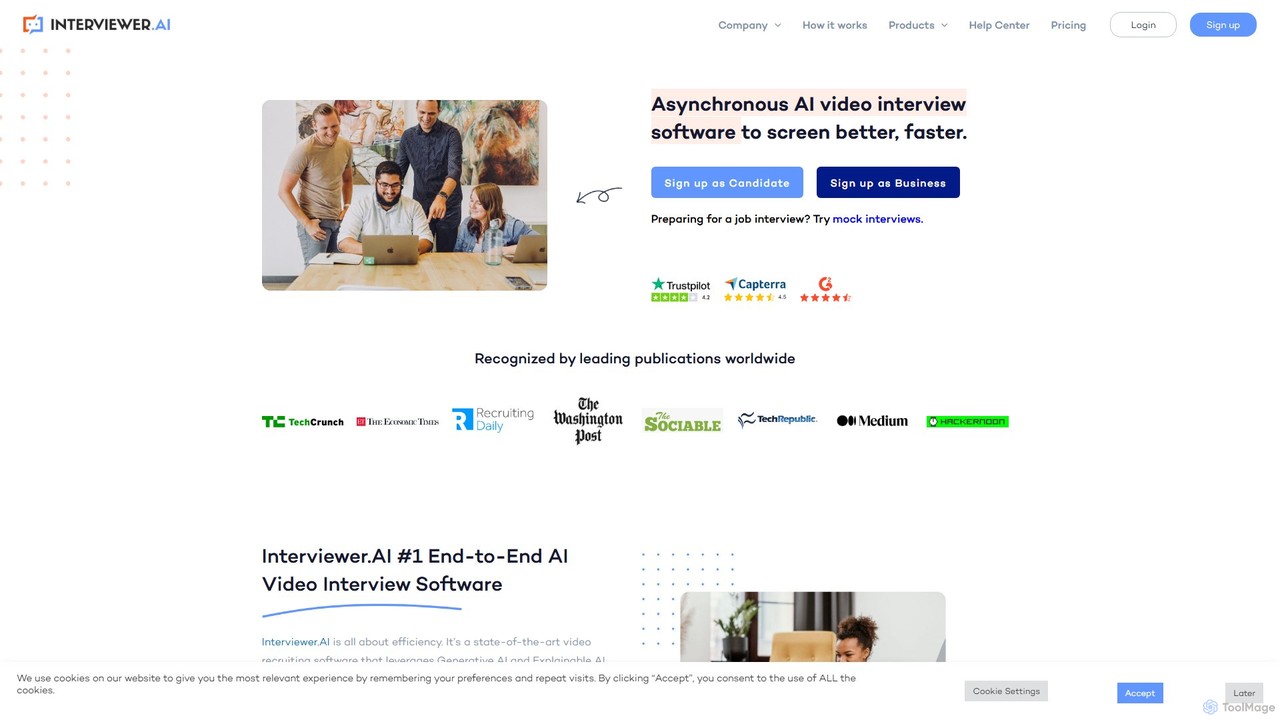
Interviewer.AI
Freemium

Interviewer.AI

An AI-powered video interview platform that automates candidate screening. It uses generative and explainable AI to analyze video responses, resumes, and skills, providing bias-free insights to help recruiters hire better talent faster and more efficiently.

Recruiting
Visits 62.3KFavorites 112Likes 122

About Human Resources

Human Resources AI tools are a class of applications that use artificial intelligence to automate, streamline, and enhance HR functions. These tools leverage machine learning and natural language processing to manage tasks across the entire employee lifecycle, from recruitment to retention. They empower HR professionals to make data-driven decisions, reduce administrative overhead, and improve the overall employee experience. Key applications include intelligent candidate sourcing, automated interview scheduling, and predictive analytics for employee turnover.

Core Features

  • Automated Recruiting: Uses AI to source, screen, and rank candidates from various channels based on job requirements.
  • Intelligent Onboarding: Creates personalized onboarding paths and provides AI-powered chatbots for new hire questions.
  • Performance Management: Analyzes performance data to identify trends, suggest goals, and reduce bias in reviews.
  • Employee Engagement Analysis: Processes survey feedback and communication data to measure sentiment and predict attrition risks.
  • HR Process Automation: Automates routine tasks like scheduling interviews, answering policy questions, and processing leave requests.

Use Cases

These tools are widely used by HR departments in companies of all sizes. Recruiters use them to accelerate the hiring process and find better-matched candidates. HR managers apply them to monitor employee morale and design effective retention strategies. For large enterprises, these tools are crucial for managing complex HR operations and ensuring compliance across different regions.

How to Choose

When selecting a Human Resources AI tool, consider its integration capabilities with your existing HRIS (Human Resource Information System). Evaluate the specific modules you need, such as recruitment, performance management, or employee engagement. Assess the tool's data security protocols and compliance with regulations like GDPR. Finally, consider the user-friendliness for both HR staff and employees, as well as the scalability of the solution.

Featured tool rankings

Human Resources use cases

1

Automate High-Volume Candidate Screening

A corporate recruiter for a large tech company needs to fill 50 software engineer roles. Instead of manually reviewing thousands of resumes, they use an AI HR tool. The tool automatically parses resumes, screens for required skills like 'Python' and 'AWS', and ranks the top 100 candidates based on experience and qualifications. This reduces the initial screening time from weeks to a few hours, allowing the recruiter to focus on interviewing the most promising applicants.

2

Provide 24/7 HR Support with a Chatbot

An HR department is constantly fielding repetitive questions from employees about leave policies, benefits enrollment, and payroll dates. They implement an AI HR chatbot on the company's intranet. Now, employees can get instant, accurate answers anytime. For example, an employee can ask, 'How many vacation days do I have left?' and the chatbot, integrated with the HRIS, provides a personalized answer immediately. This frees up the HR team to handle more complex, strategic issues.

3

Analyze Employee Sentiment to Reduce Attrition

An HR manager notices an increase in employee turnover in the engineering department. They use an AI tool to analyze anonymous feedback from engagement surveys and exit interviews. The AI identifies recurring themes, such as concerns about work-life balance and lack of career growth opportunities. Armed with this data, the manager works with department leads to implement flexible work schedules and create clear career progression paths, proactively addressing the root causes of attrition.

4

Create Personalized Onboarding Journeys

To improve new hire retention, an HR team uses an AI platform to design personalized onboarding plans. For a new sales representative, the AI automatically schedules product training, meetings with key team members, and assigns a mentor. It also delivers bite-sized learning content via email over the first 90 days and uses a chatbot to check in and answer questions. This tailored approach helps new employees feel supported and become productive faster, increasing their likelihood of long-term success.

5

Reduce Bias in Performance Reviews

A manager preparing for annual reviews uses an AI performance management tool. The tool aggregates objective data, such as project completion rates and sales figures, alongside qualitative feedback from peers. It then generates a summary highlighting key achievements and areas for development, while flagging potentially biased language (e.g., subjective or emotionally charged words) in written feedback. This helps the manager conduct fairer, more data-driven, and constructive performance conversations.

6

Optimize Interview Scheduling Across Time Zones

An HR coordinator needs to schedule a panel interview involving a candidate in London, a hiring manager in New York, and two interviewers in San Francisco. Instead of a long email chain to find a suitable time, they use an AI scheduling tool. The coordinator inputs the attendees and interview duration. The AI automatically scans everyone's calendars, accounts for the different time zones, and presents several optimal time slots. The candidate selects their preferred time, and the tool sends out calendar invites to everyone, saving significant administrative effort.

Human Resources FAQ

What are Human Resources AI tools?

Human Resources (HR) AI tools are software applications that use artificial intelligence technologies like machine learning and natural language processing to automate and improve HR functions. They assist with tasks across the employee lifecycle, including recruiting, onboarding, performance management, and employee engagement. The primary goal of these tools is to increase efficiency, reduce human bias, and provide data-driven insights for better strategic decision-making in HR.

How to choose the right AI HR tool?

Choosing the right AI HR tool involves several key steps. First, clearly define your specific needs: are you focused on recruitment, employee engagement, or performance management? Second, check for integration capabilities with your existing systems, such as your HRIS or ATS. Third, evaluate data security and compliance with regulations like GDPR or CCPA. Finally, request demos to assess the user interface's ease of use for both HR staff and employees, and consider the vendor's customer support and scalability.

What are the main benefits of using AI in Human Resources?

The main benefits of using AI in HR include:

  • Increased Efficiency: Automating repetitive tasks like resume screening and interview scheduling frees up HR professionals for more strategic work.
  • Reduced Bias: AI can help minimize unconscious bias in hiring and promotion decisions by focusing on objective data and skills.
  • Improved Employee Experience: AI-powered chatbots and personalized onboarding processes provide employees with instant support and a better start at the company.
  • Data-Driven Insights: AI tools can analyze large datasets to predict employee turnover, identify skill gaps, and measure employee sentiment, enabling proactive HR strategies.
Are AI HR tools difficult to implement?

The difficulty of implementing AI HR tools varies. Some standalone tools, like interview schedulers or chatbot builders, can be set up relatively quickly. More comprehensive platforms that integrate deeply with your core HRIS (Human Resource Information System) require more planning. Key implementation steps often include data migration, system configuration, integration with other software, and employee training. It's important to work with a vendor that provides strong implementation support and clear documentation.

How do AI HR tools differ from traditional HR software (HRIS)?

Traditional HR software, or HRIS (Human Resource Information System), primarily functions as a system of record. It stores and manages employee data like payroll, benefits, and personal information. AI HR tools, on the other hand, are systems of intelligence. They use the data from an HRIS (and other sources) to automate complex processes, predict outcomes (like employee turnover), and provide intelligent recommendations. While an HRIS tells you what happened, an AI HR tool helps you understand why it happened and what might happen next.