ToolMage
Sign in

Best 28 Generative Art AI tools for Image

Popular Generative Art AI tools in Image include Fotor, NovelAI, BeFunky, BeautyPlus, FaceSwapper, pxz.ai, Phot.AI, Luw.ai, Flux Ai, and pixalto, helping you work more efficiently.

PanoPulse
Freemium

PanoPulse

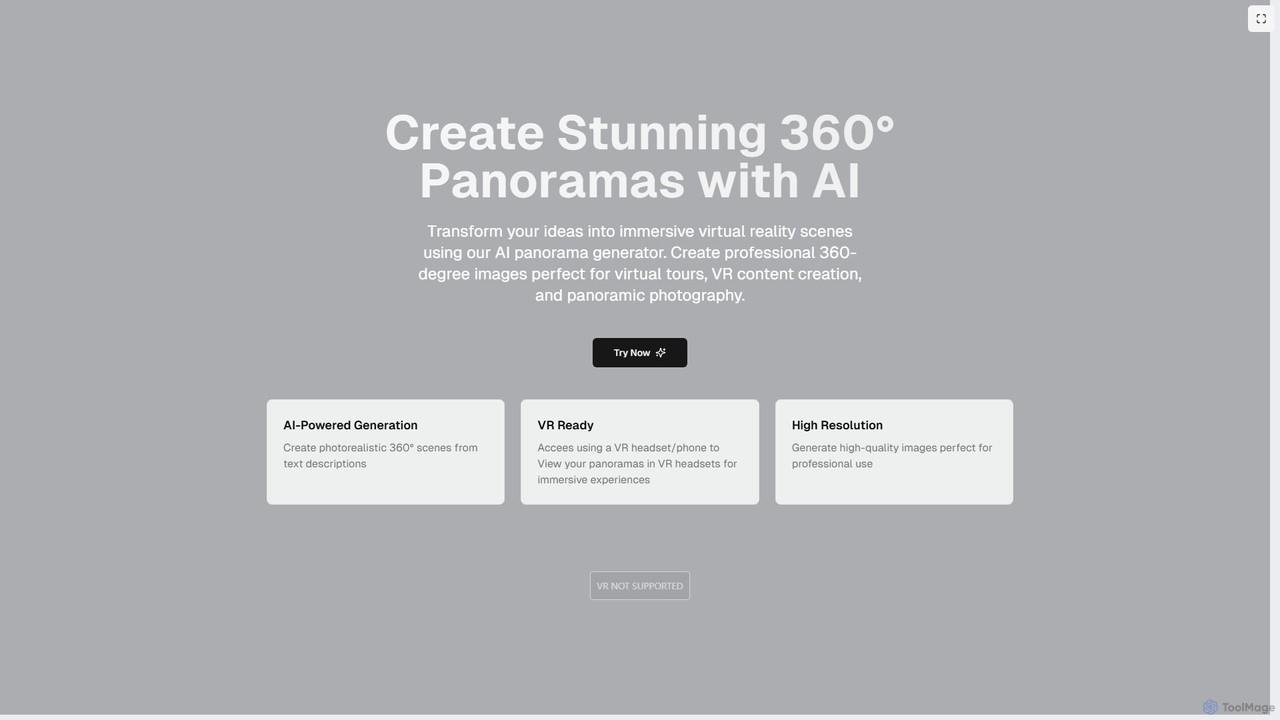
PanoPulse is an AI-powered generator that transforms text descriptions into stunning, high-resolution 360° panoramic images. Ideal for creating immersive VR content, virtual tours, and game environments, it allows users to generate photorealistic scenes in minutes. The platform is VR-ready, enabling instant viewing in VR headsets.

3D
Visits 7.9KFavorites 181Likes 177

pxz.ai
Freemium

pxz.ai

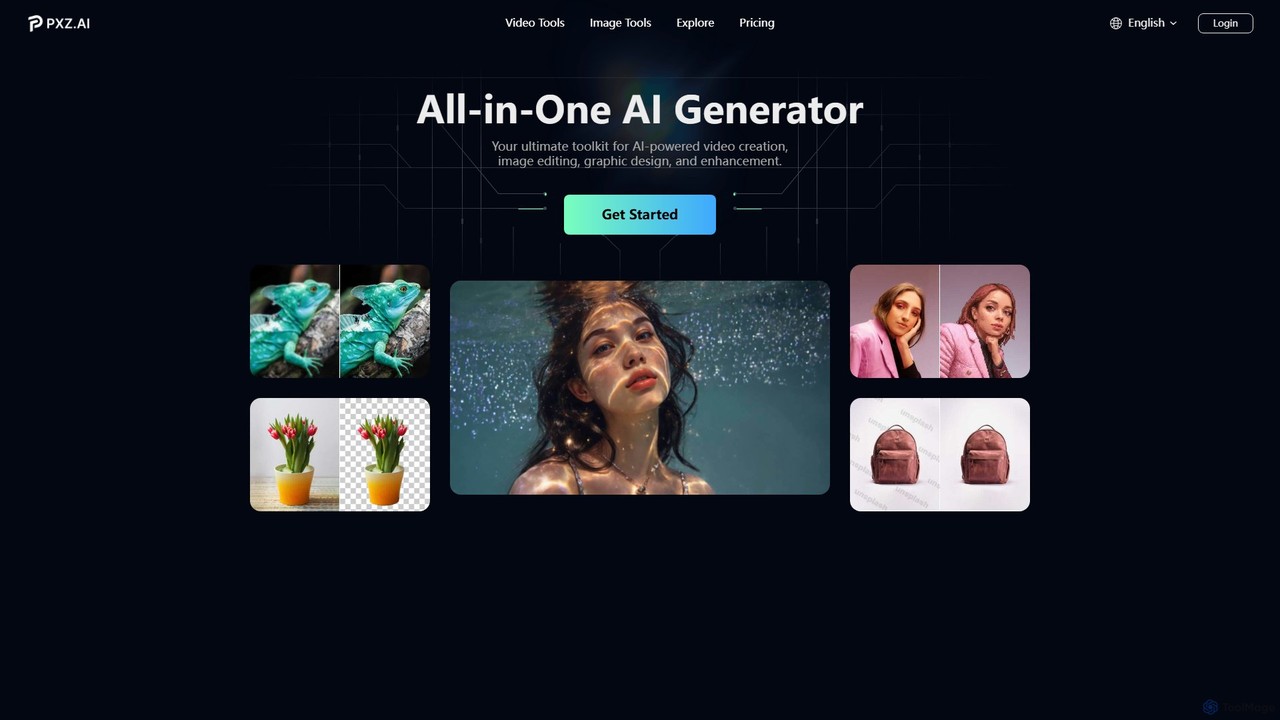
pxz.ai is an all-in-one AI creative suite that integrates leading AI models for video generation, image creation, graphic design, and enhancement. It provides access to over 20+ tools, including text-to-video, image-to-video, face swap, and background removal, allowing users to effortlessly realize their creative ideas on a single platform.

Generative Art
Visits 233.2KFavorites 115Likes 107
NovelAI
Freemium

NovelAI

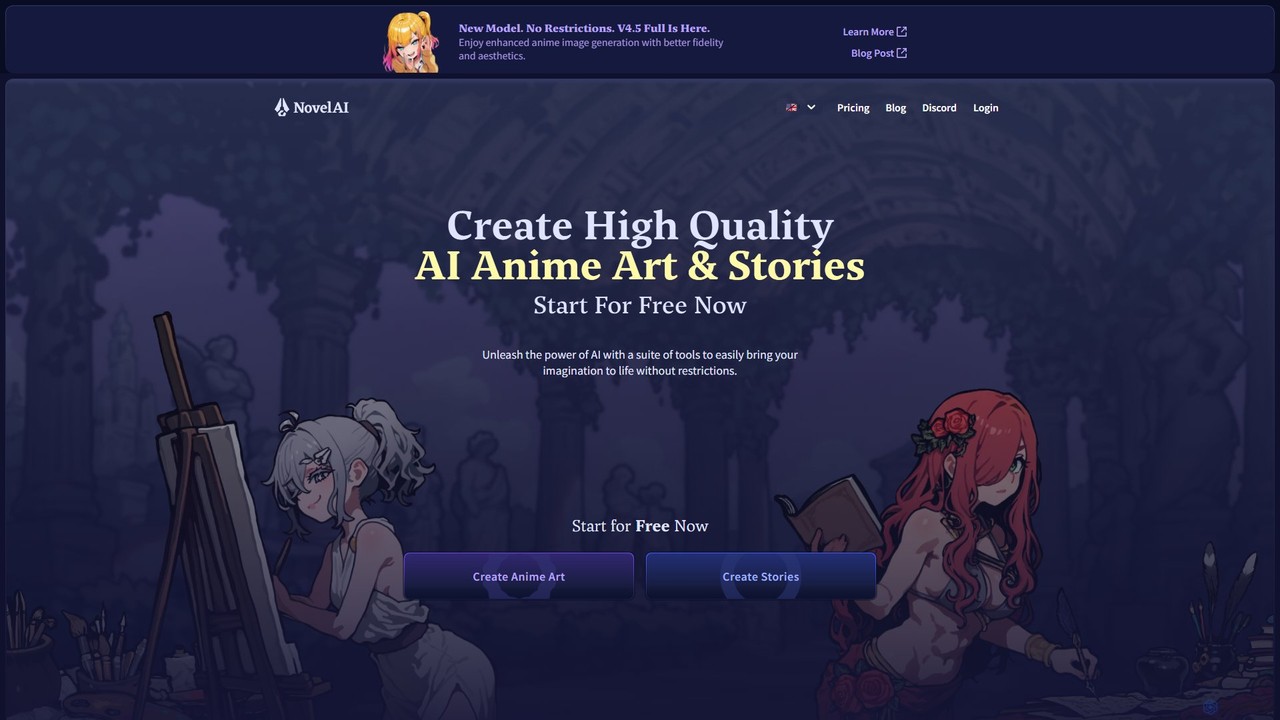
NovelAI is a premier AI-powered creative suite for generating high-quality anime-style images and assisting with storytelling. It offers unrestricted creative freedom with advanced tools like Vibe Transfer, multi-character prompting, and a sophisticated AI writing assistant, catering to artists, writers, and hobbyists.

Character Creator
Visits 4MFavorites 155Likes 156
Deep Agency

Deep Agency

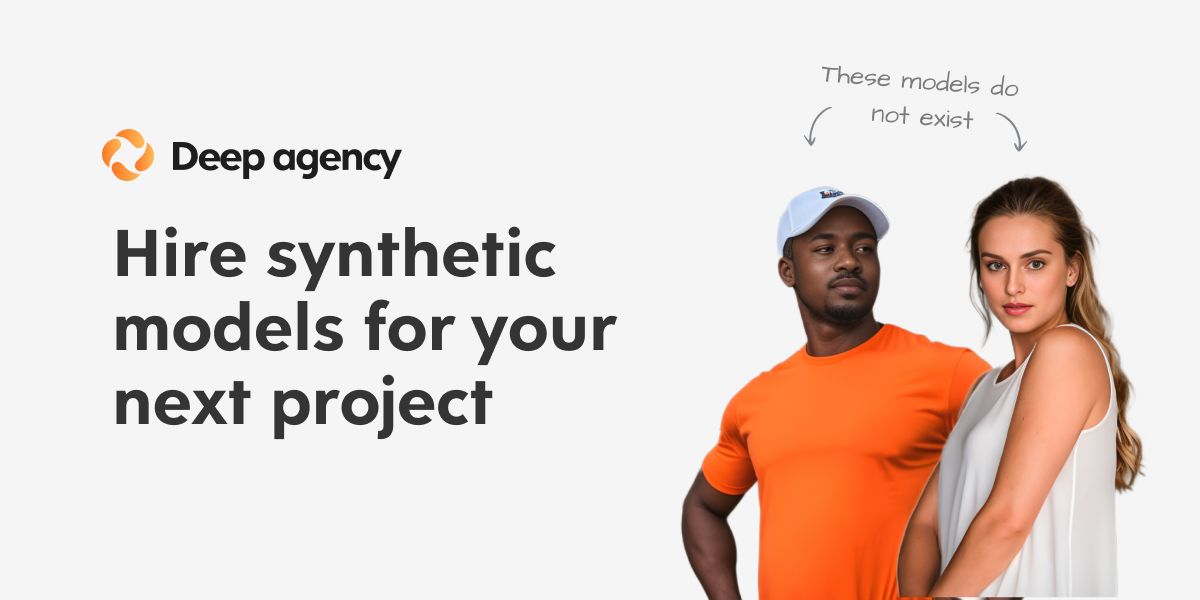
Deep Agency is an AI-powered virtual modeling agency and photo studio. It enables users to generate custom, high-quality synthetic models and professional photos for marketing, e-commerce, and advertising, eliminating the need for traditional photoshoots.

Product Photography
Visits 6.4KFavorites 148Likes 146

About Generative Art

Generative Art tools are a specialized category of AI-powered applications that create unique visual artworks from textual prompts, existing images, or algorithmic rules. These tools leverage advanced deep learning models, such as Generative Adversarial Networks (GANs) and Diffusion Models, to interpret complex inputs and synthesize novel artistic outputs. They empower artists, designers, and enthusiasts to explore new creative frontiers, rapidly prototype visual concepts, and produce diverse art styles with unprecedented efficiency, transforming the landscape of digital art within the broader field of AI image creation.

Core Features

  • Text-to-Image Generation: Transform descriptive text prompts into detailed visual artworks.
  • Image-to-Image Transformation: Apply new styles or variations to existing images while preserving content.
  • Style Transfer: Replicate the artistic style of one image onto the content of another.
  • Inpainting & Outpainting: Intelligently fill in missing parts of an image or extend its boundaries with generated content.
  • Parameter Control: Fine-tune aspects like style, composition, color palette, and artistic medium.

Use Cases

Generative Art tools are invaluable for digital artists seeking to push creative boundaries, game developers needing rapid concept art iteration, and marketers looking for unique visual content. They enable the creation of abstract art, realistic landscapes, character designs, and stylized illustrations, offering a powerful avenue for visual storytelling and artistic expression across various industries.

How to Choose

When selecting a Generative Art tool, consider the quality and diversity of its output models, the level of control and customization offered through parameters and prompt engineering, and the resolution capabilities for professional use. Evaluate the community support, integration options with other creative software, and the pricing structure, including credit systems or subscription models, to match your artistic and professional needs.

Featured tool rankings

Generative Art use cases

1

Concept Art for Game Development

Game artists use Generative Art tools to quickly visualize character designs, environmental assets, and architectural concepts from text descriptions, accelerating the initial ideation phase and providing diverse options for iteration. This allows for rapid exploration of multiple visual directions, saving significant time in pre-production and ensuring a rich variety of creative choices for game worlds.

2

Unique NFT and Digital Collectible Creation

Digital artists leverage these tools to generate one-of-a-kind artworks or variations of a base design, creating distinct visual assets for non-fungible tokens (NFTs) and digital collectible series, often with specific rarity traits. This enables artists to produce large collections with unique attributes efficiently, catering to the demand for diverse and scarce digital assets in the blockchain space.

3

Personalized Marketing and Advertising Visuals

Marketing professionals utilize Generative Art to produce highly customized and eye-catching images for campaigns, social media, and advertisements, tailoring visuals to specific target audiences or product themes without extensive manual design. This capability allows for rapid A/B testing of visual concepts and the creation of diverse content that resonates more deeply with segmented audiences, enhancing engagement and conversion rates.

4

Album Cover and Book Illustration Design

Musicians and authors employ Generative Art to create original and evocative cover art for albums, singles, and books, exploring various artistic styles and themes to find the perfect visual representation for their creative work. This allows for rapid iteration on design concepts, enabling artists to achieve a unique aesthetic that perfectly complements their content, often at a fraction of the time and cost of traditional illustration.

5

Fashion Design Pattern Generation

Fashion designers use Generative Art to experiment with novel patterns, textures, and fabric designs. By inputting themes or stylistic elements, they can generate unique textile prints and garment concepts for collections, rapidly exploring countless variations. This accelerates the design process, fosters innovation in textile creation, and allows for highly customized and trend-setting fashion lines.

6

Architectural Visualization and Interior Design Mood Boards

Architects and interior designers can generate diverse visual mood boards and conceptual renderings of spaces, exploring different material palettes, lighting conditions, and design aesthetics based on descriptive prompts, aiding in client presentations and design exploration. This allows for rapid iteration on design ideas, helping clients visualize potential outcomes and streamlining the feedback process, leading to more efficient project development.

Generative Art FAQ

What are Generative Art tools?

Generative Art tools are AI-powered applications that create original visual artworks from various inputs like text prompts, sketches, or existing images. They use advanced machine learning models to synthesize unique images, patterns, and designs, offering a new paradigm for artistic creation and exploration. These tools allow users to explore endless creative possibilities, often producing results that would be challenging or impossible to achieve through traditional methods.

How do Generative Art tools differ from traditional AI image editors?

Generative Art tools primarily focus on *creating* new images from scratch or transforming existing ones into entirely new artistic interpretations based on prompts. In contrast, traditional AI image editors are designed to *modify* or *enhance* existing images, performing tasks like background removal, upscaling, color correction, or object manipulation without generating novel content. The key distinction lies in generation versus manipulation.

Who can benefit from using Generative Art tools?

A wide range of individuals and professionals can benefit, including digital artists, graphic designers, illustrators, game developers, marketers, content creators, and even hobbyists. These tools are particularly useful for rapid prototyping, exploring diverse creative ideas, overcoming creative blocks, and producing unique visual assets efficiently. They democratize art creation, allowing anyone with an idea to bring it to visual life.

What are the key features to look for in a Generative Art tool?

Look for robust text-to-image capabilities, versatile image-to-image transformations, and precise control over generation parameters (e.g., style, composition, negative prompts). High-resolution output options, a wide range of artistic models, and the ability to iterate and refine generated images are also crucial for professional use. Additionally, consider user-friendliness, community support, and integration with other creative software.

Can Generative Art tools be used for commercial purposes?

Yes, many Generative Art tools allow for commercial use, but it's essential to check the specific licensing terms of each platform. Usage rights often depend on your subscription level or the tool's policy regarding generated content. Always review the terms of service to ensure compliance for commercial projects like marketing campaigns, product design, or NFT creation, as policies can vary significantly between providers.