Image Best in category 12 results Image Recognition AI Tool

Popular AI tools in the Image Recognition field of Image include describepicture、Image Describer、SceneXplain、gpt4v.net、Image to Prompt AI、GreenEyes.AI、Visionati、Geoguessr AI、wtfitbot、DollarAI, etc., helping you quickly improve efficiency.

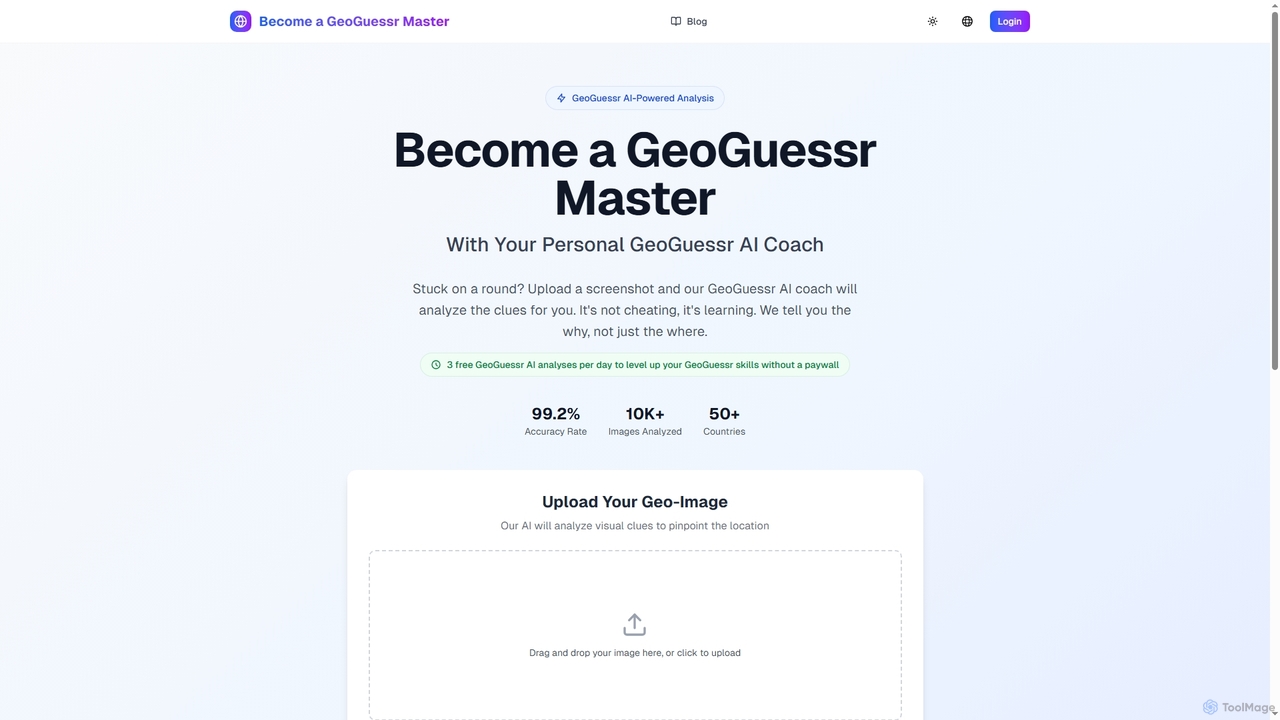
Geoguessr AI

Geoguessr AI

An AI-powered coach designed to help GeoGuessr players improve their skills. Upload screenshots of game rounds, and the …

2.4K
Visionati

Visionati

Visionati is a comprehensive AI-powered visual analysis platform that transforms images and videos into actionable insights. It offers …

2.5K
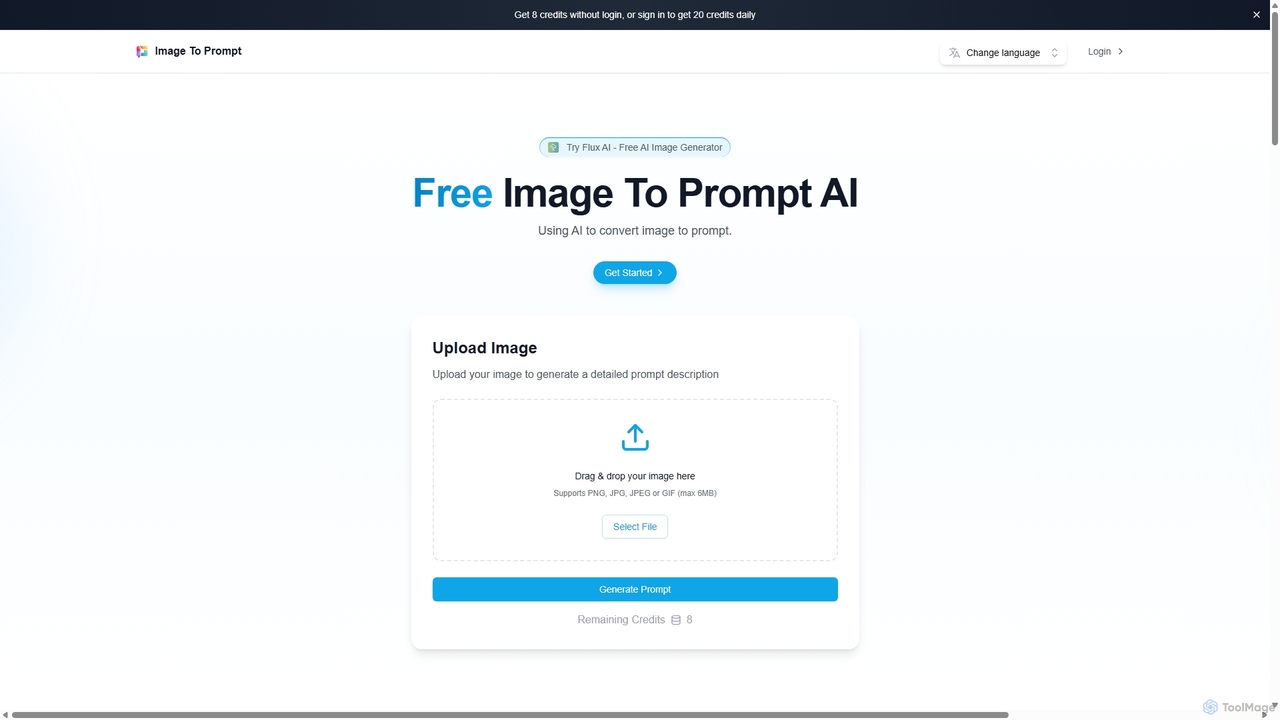
Image to Prompt AI

Image to Prompt AI

Image to Prompt AI is an advanced tool that uses AI to analyze images and generate detailed, accurate …

3.6K
Free
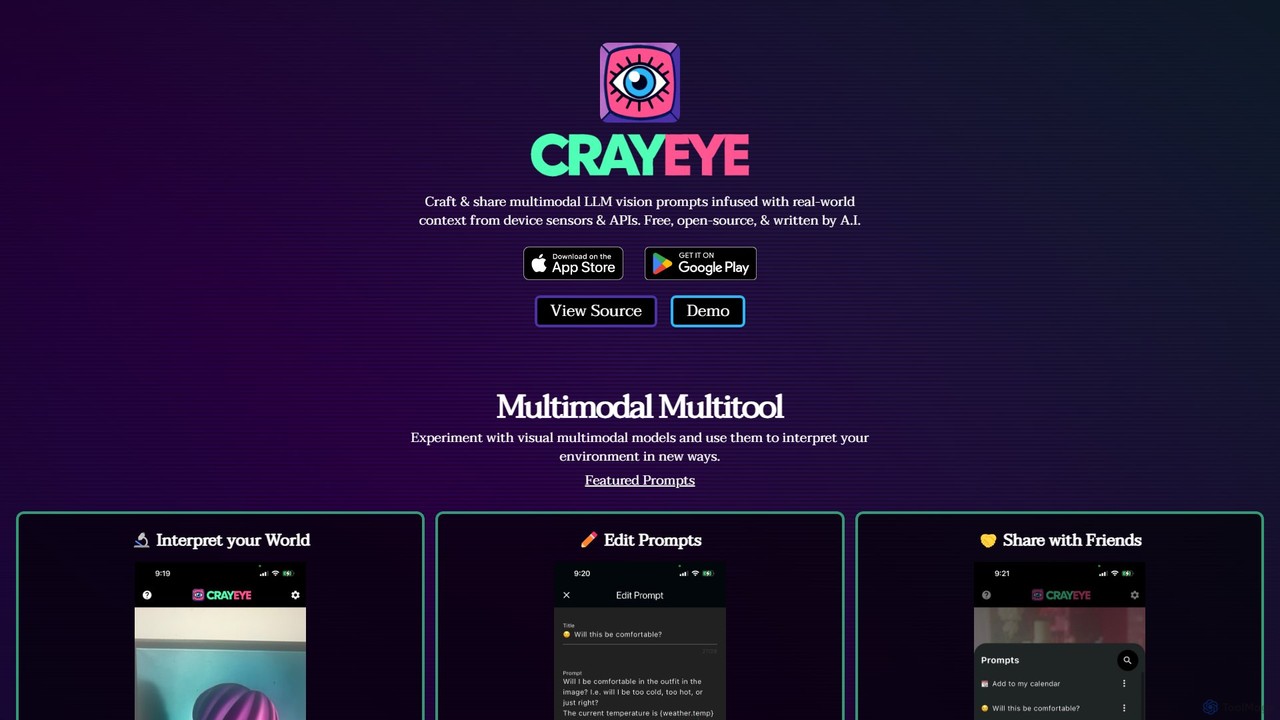
CrayEye

CrayEye

CrayEye is a free, open-source multimodal AI tool that lets you create and share vision prompts enriched with …

1.8K
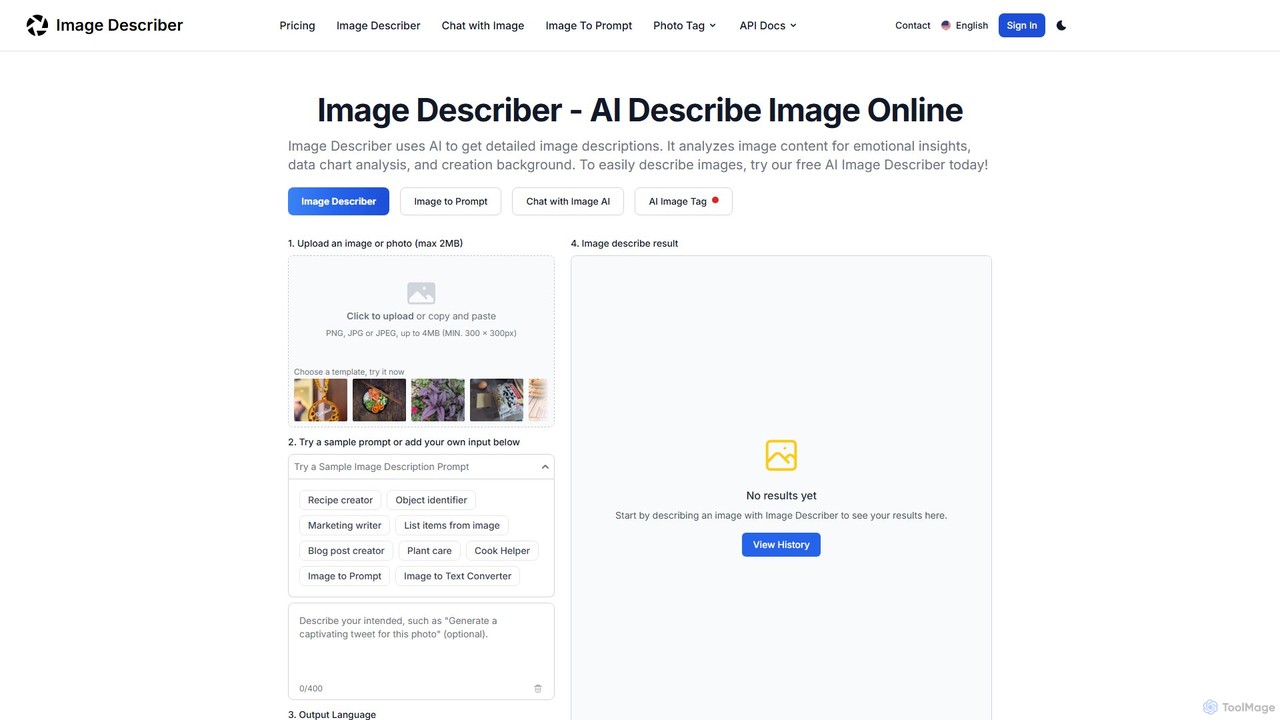
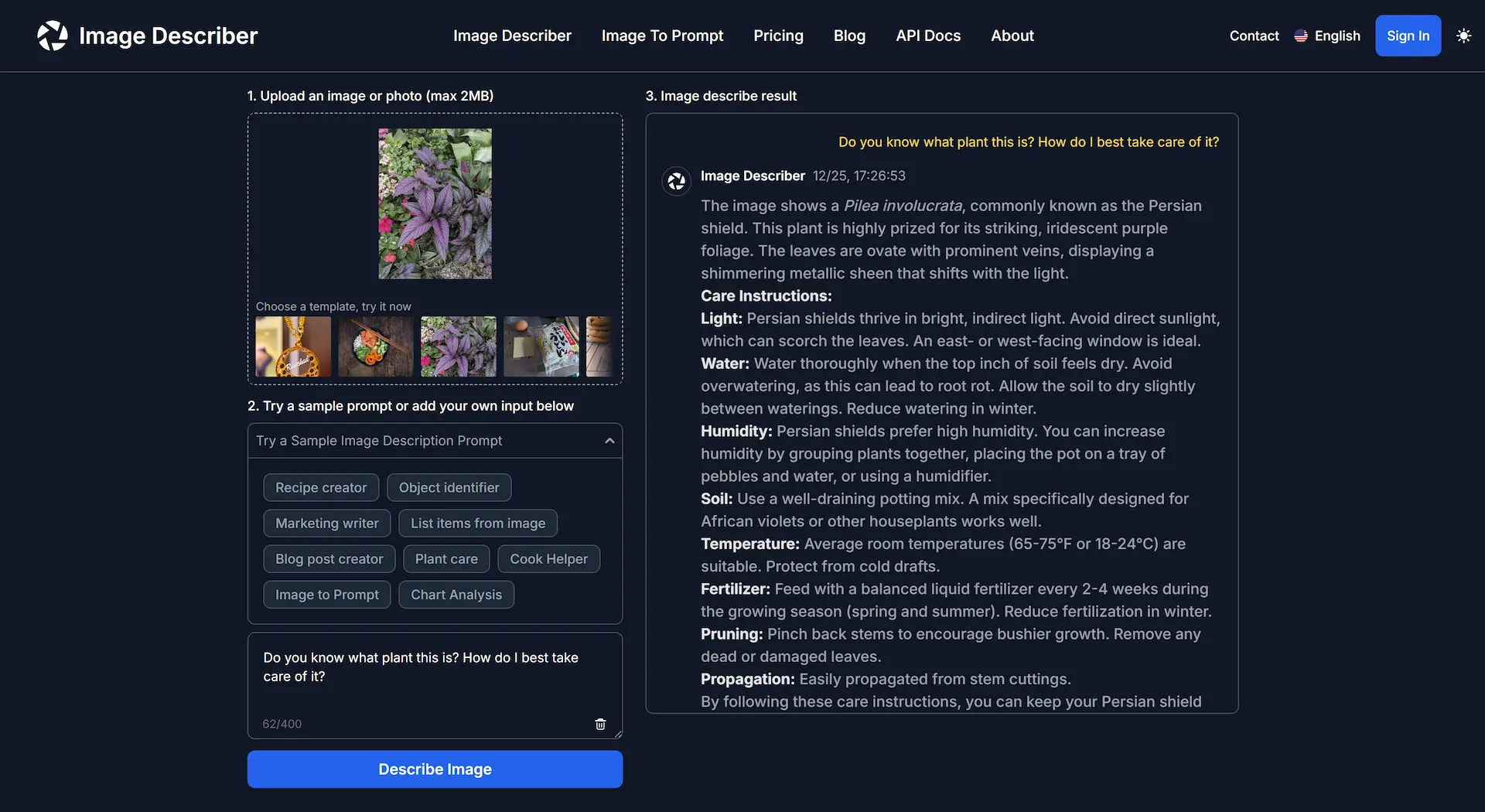
Image Describer

Image Describer

Image Describer is a versatile AI tool that generates detailed descriptions, alt text, and creative content from any …

24.7K
GreenEyes.AI

GreenEyes.AI

GreenEyes.AI offers a suite of developer-focused computer vision tools via a plug-and-play REST API. It specializes in AI …

3.1K
SceneXplain

SceneXplain

SceneXplain by Jina AI is an advanced multimodal AI tool that generates rich, detailed descriptions for images and …

8.6K
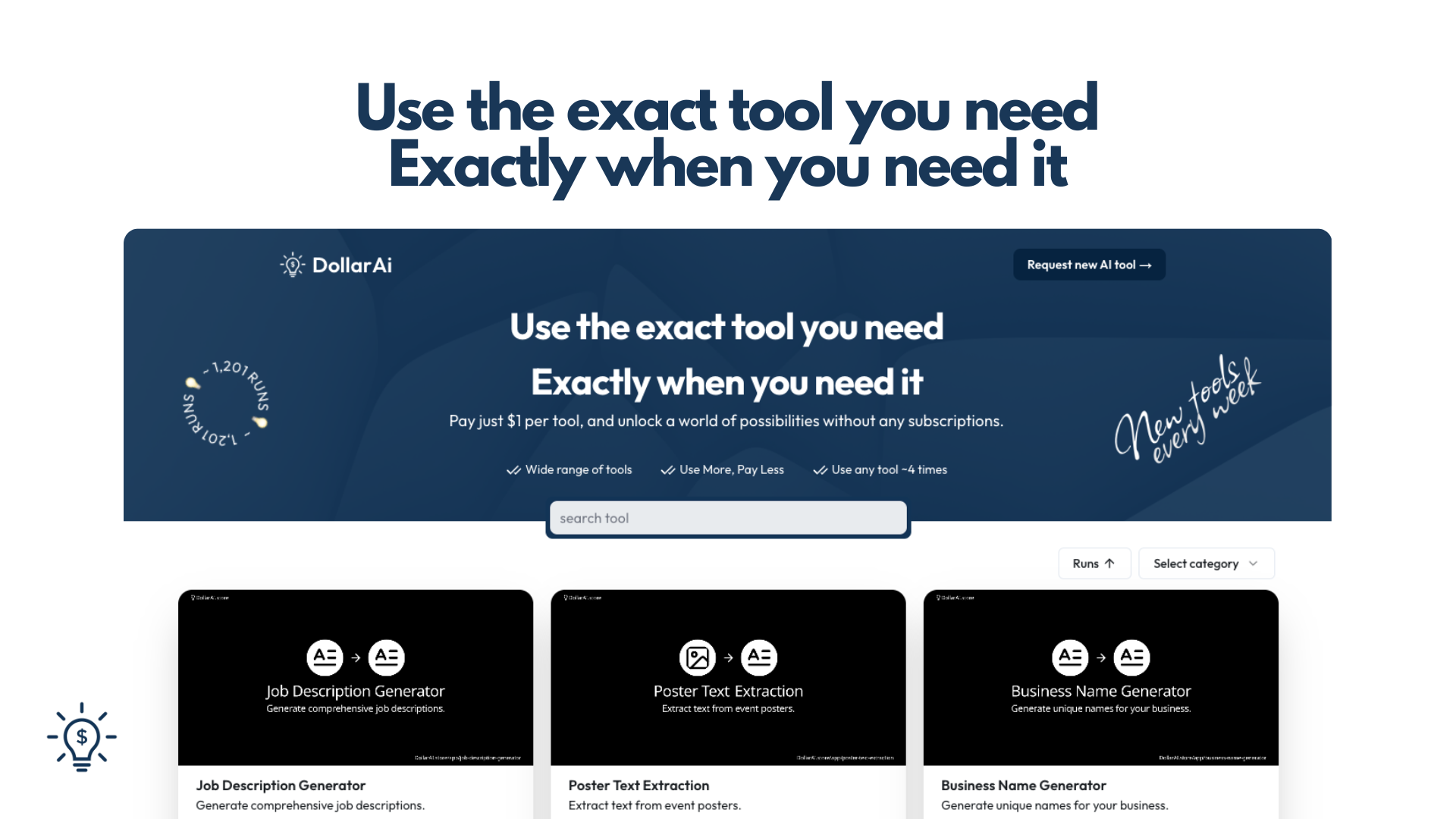
DollarAI

DollarAI

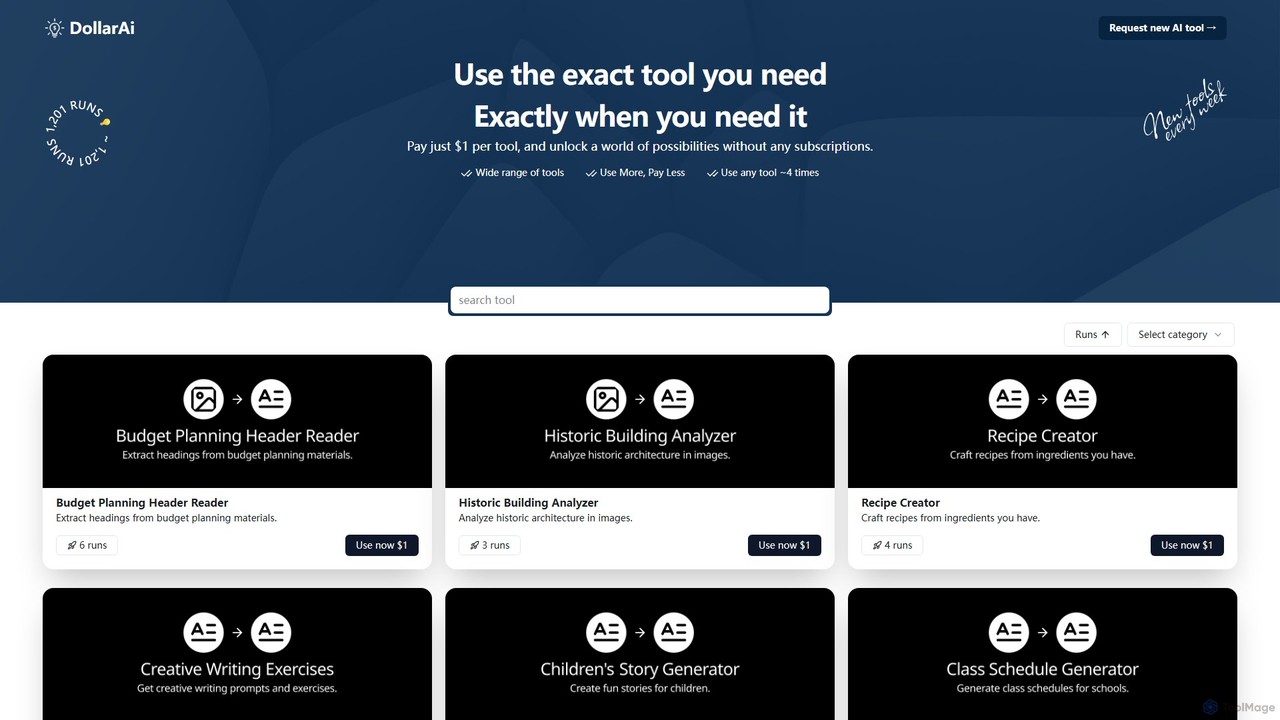
An innovative platform offering hundreds of specialized AI tools on a pay-per-use basis. For just $1 per tool, …

1.8K
Free
wtfitbot

wtfitbot

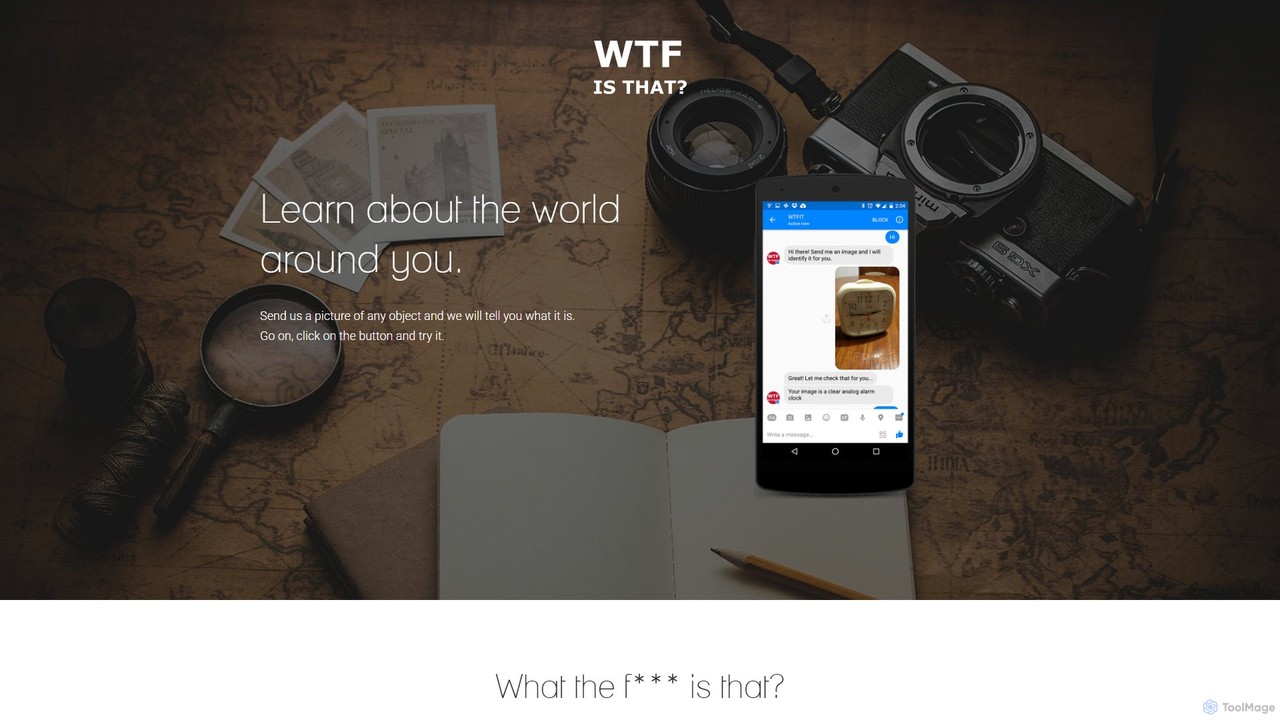
wtfitbot is a free, intelligent tool that identifies objects, plants, animals, and landmarks from your pictures. It uniquely …

1.9K
gpt4v.net

gpt4v.net

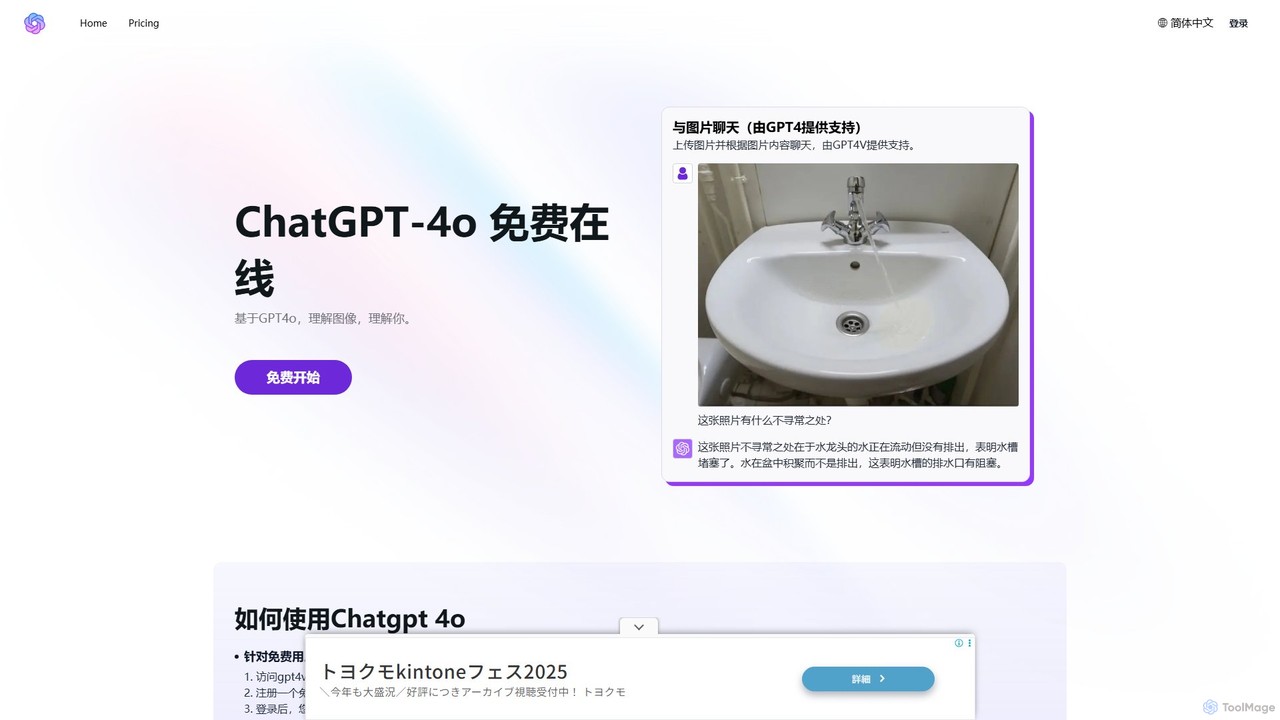
An accessible platform providing free and premium access to advanced AI models like GPT-4o, Claude 3.7, and DeepSeek. …

6.2K
describepicture

describepicture

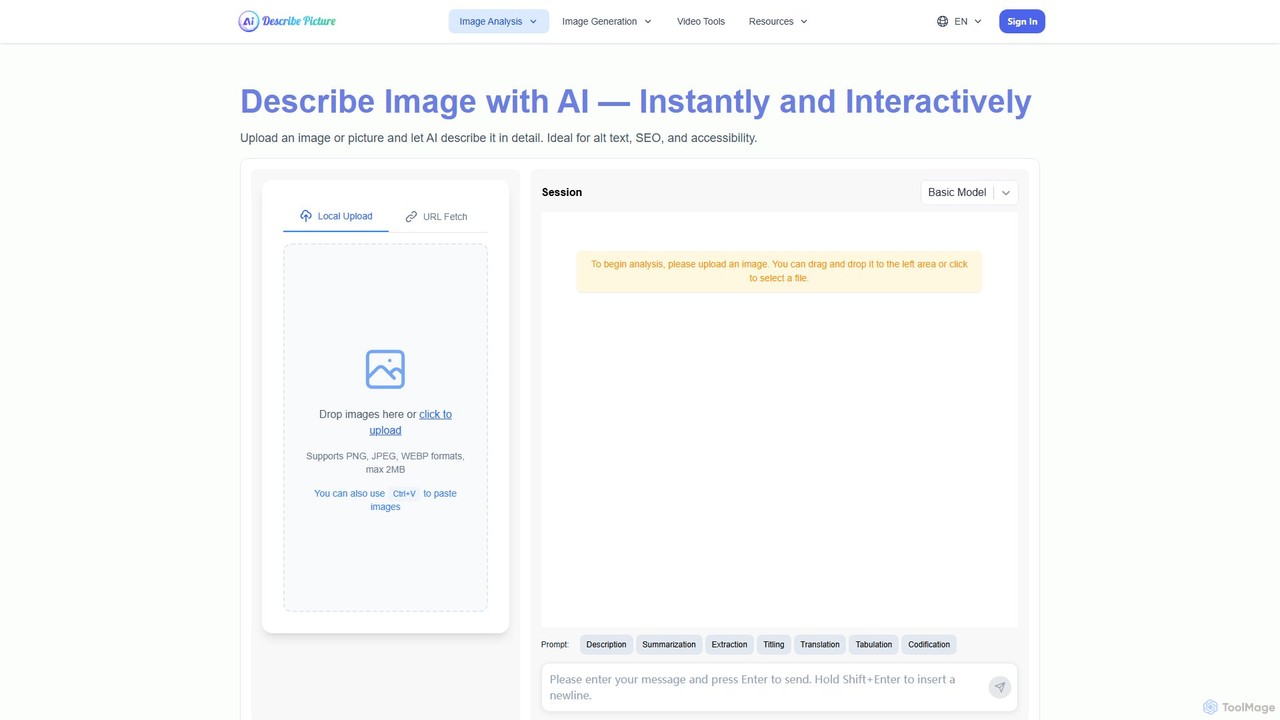
describepicture is a versatile AI platform that instantly generates detailed descriptions for images and videos. It excels at …

34.4K
Free
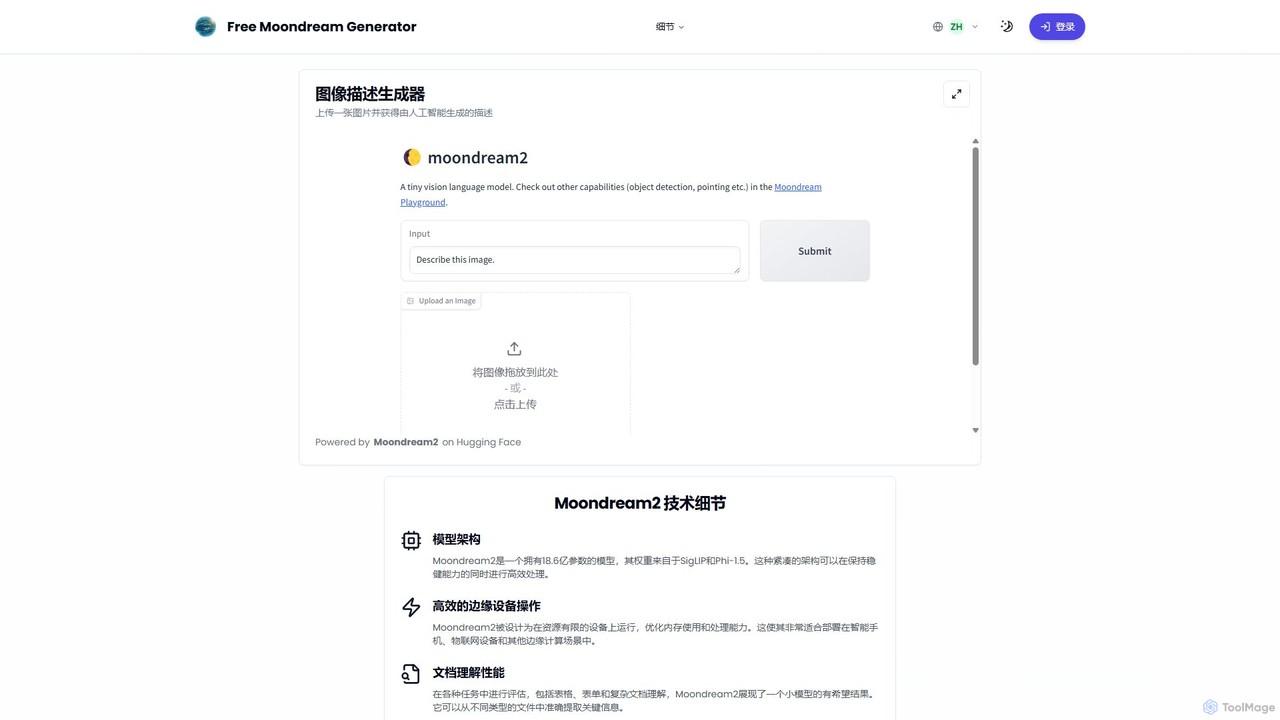
moondream2

moondream2

moondream2 is a lightweight, open-source visual language model (VLM) designed for high efficiency on edge devices. It excels …

1.7K

About Image Recognition

Image Recognition tools are a class of AI applications designed to identify and interpret objects, people, text, and actions within digital images. These tools leverage deep learning models, particularly convolutional neural networks (CNNs), to analyze pixel data and extract meaningful information. Their primary value lies in automating the process of visual data analysis, enabling systems to 'see' and understand the world in a way similar to humans. As a key component of the broader Image tools category, they focus on analysis and understanding, distinct from tools for image creation or editing.

Core Features

  • Object Detection: Identifies and locates specific items within an image, often drawing bounding boxes around them.
  • Facial Recognition: Detects and verifies human faces, matching them against databases for identification or authentication.
  • Optical Character Recognition (OCR): Extracts and converts printed or handwritten text from images into machine-readable text data.
  • Scene Understanding: Provides a contextual description of an entire image, including activities, settings, and object relationships.
  • Brand & Logo Detection: Scans images and videos to find and identify corporate logos for brand monitoring purposes.

Applicable Scenarios

Image Recognition is widely used across various industries. In retail, it powers automated checkout systems and inventory management by tracking products on shelves. Healthcare professionals use it to analyze medical scans like X-rays and MRIs to assist in diagnostics. In the automotive sector, it is fundamental for self-driving cars to perceive pedestrians, traffic signs, and other vehicles. Security systems also rely on it for surveillance and access control.

Selection Criteria

When choosing an Image Recognition tool, consider several key factors. Evaluate the model's accuracy and precision for your specific use case (e.g., medical vs. retail objects). Assess the API's speed, scalability, and reliability, especially for real-time applications. Check the scope of pre-trained models and the ease of training custom models with your own data. Finally, compare pricing models, which may be based on API calls, subscription tiers, or processing time.

Image RecognitionUse Cases

1

Automated Product Tagging for E-commerce

An e-commerce manager responsible for a catalog with thousands of items uses an image recognition tool to streamline product onboarding. When new product photos are uploaded, the AI automatically analyzes each image to identify attributes like 'long-sleeve shirt', 'blue', 'cotton', and 'floral pattern'. These attributes are then converted into searchable tags. This process eliminates hours of manual data entry, reduces human error, and improves product discoverability for customers, leading to better search results and potentially higher conversion rates.

2

Social Media Content Moderation

A trust and safety team at a social media company implements an image recognition API to automatically scan user-uploaded content. The system is trained to detect and flag images containing prohibited content, such as violence, hate symbols, or explicit material, in real-time. When a potential violation is detected, the image is sent to a human moderator for final review. This automated first-pass moderation significantly reduces moderator workload and exposure to harmful content, while speeding up the removal of policy-violating posts to maintain a safer online environment.

3

Digitizing Documents with OCR

A law firm needs to process a large archive of paper contracts and case files. Instead of manual transcription, they use an OCR tool. An administrative assistant scans the documents, and the software's image recognition engine analyzes the scanned images, identifies text, and converts it into editable and searchable digital formats like Word or PDF. This allows lawyers to quickly search for specific clauses, names, or dates across thousands of documents, saving immense amounts of time and improving the efficiency of legal research and case preparation.

4

Assisting Medical Diagnosis in Radiology

A radiologist uses an AI-powered image recognition tool to analyze medical scans like MRIs or CT scans. The AI, trained on millions of annotated medical images, can detect and highlight subtle anomalies, tumors, or fractures that might be missed by the human eye, especially during high-volume work. The tool does not replace the radiologist but acts as a second pair of eyes, providing quantitative data and highlighting areas of concern. This enhances diagnostic accuracy, speeds up the review process, and allows for earlier detection of diseases.

5

Retail Shelf Monitoring and Analysis

A large retail chain installs cameras in its aisles, connected to an image recognition system. The system continuously analyzes the video feed to monitor shelf inventory. It can identify when a specific product is out of stock, detect misplaced items, and verify that promotional displays are set up correctly. When an issue is detected, such as an empty shelf, an alert is automatically sent to a store employee's mobile device for immediate restocking. This ensures product availability, improves the customer shopping experience, and provides valuable data on product movement.

6

Brand Monitoring on Social Media

A marketing analyst for a global beverage company uses an image recognition tool to track their brand's presence online. The tool scans millions of public images posted on social media platforms daily, searching for the company's logo. This allows the analyst to identify user-generated content featuring their products, monitor how the brand is being portrayed, and discover potential influencer marketing opportunities. Unlike text-based searches, this method captures visual mentions where the brand name isn't explicitly written, providing a more comprehensive view of brand visibility and engagement.

Image RecognitionFrequently Asked Questions