Image Best in category 6 results Photo Restoration AI Tool

Popular AI tools in the Photo Restoration field of Image include Photoeraser、Nightmare AI、Neuralfulai、restorephoto.app、idjpg、FixBlur, etc., helping you quickly improve efficiency.

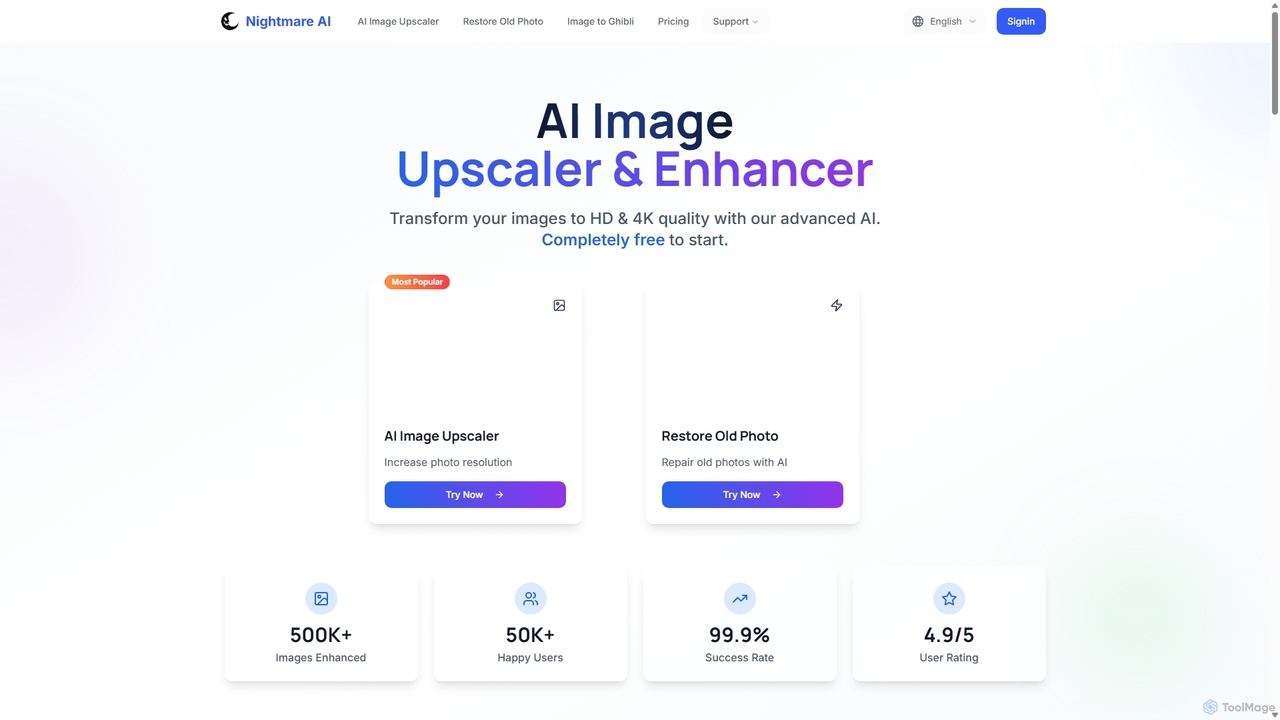
Nightmare AI

Nightmare AI

Nightmare AI is a powerful online tool that uses advanced AI algorithms like Real-ESRGAN to upscale images to …

9.7K
restorephoto.app

restorephoto.app

An AI-powered online tool designed to restore old, blurry, and damaged photographs. It automatically removes scratches, sharpens details, …

3.2K
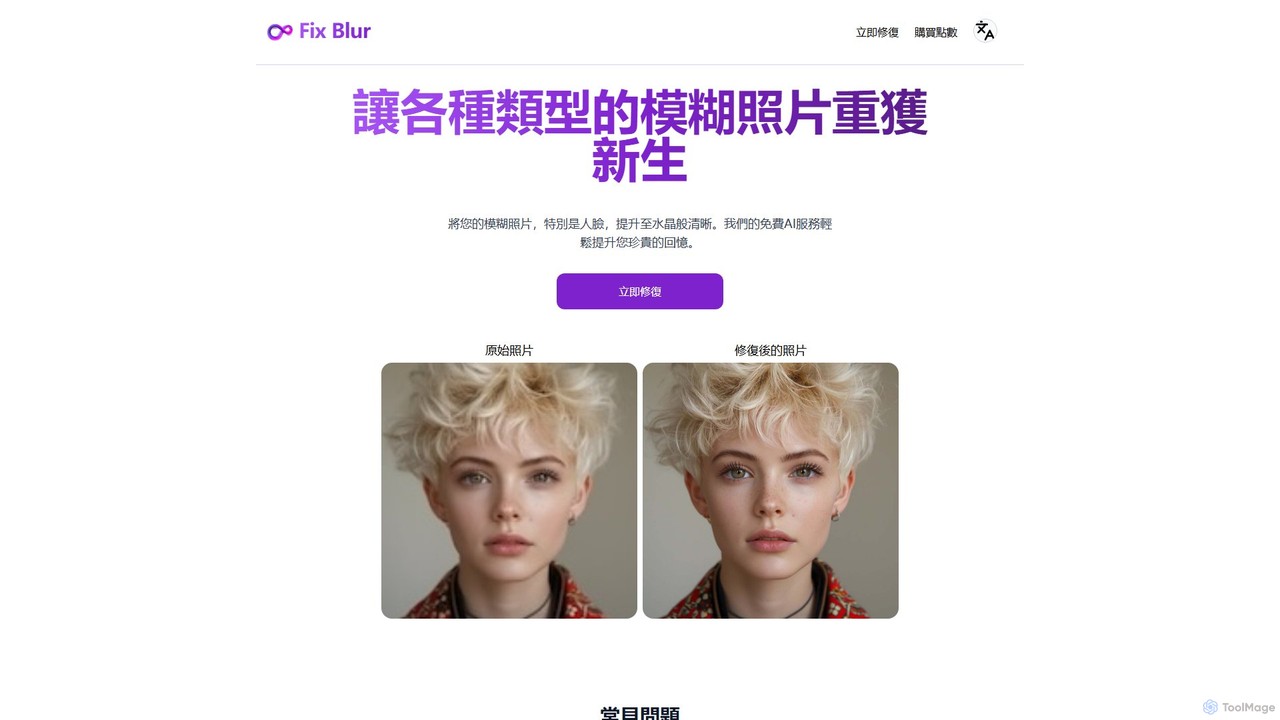
FixBlur

FixBlur

FixBlur is an AI-powered tool that sharpens blurry photos, especially faces, in seconds. It uses advanced algorithms to …

1.5K
Photoeraser

Photoeraser

Photoeraser is an all-in-one AI-powered photo editing suite. It allows users to effortlessly remove unwanted objects, people, or …

47.3K
Neuralfulai

Neuralfulai

Neuralfulai offers a comprehensive suite of AI-powered tools for image editing and productivity. Enhance, upscale, restore, and generate …

3.5K
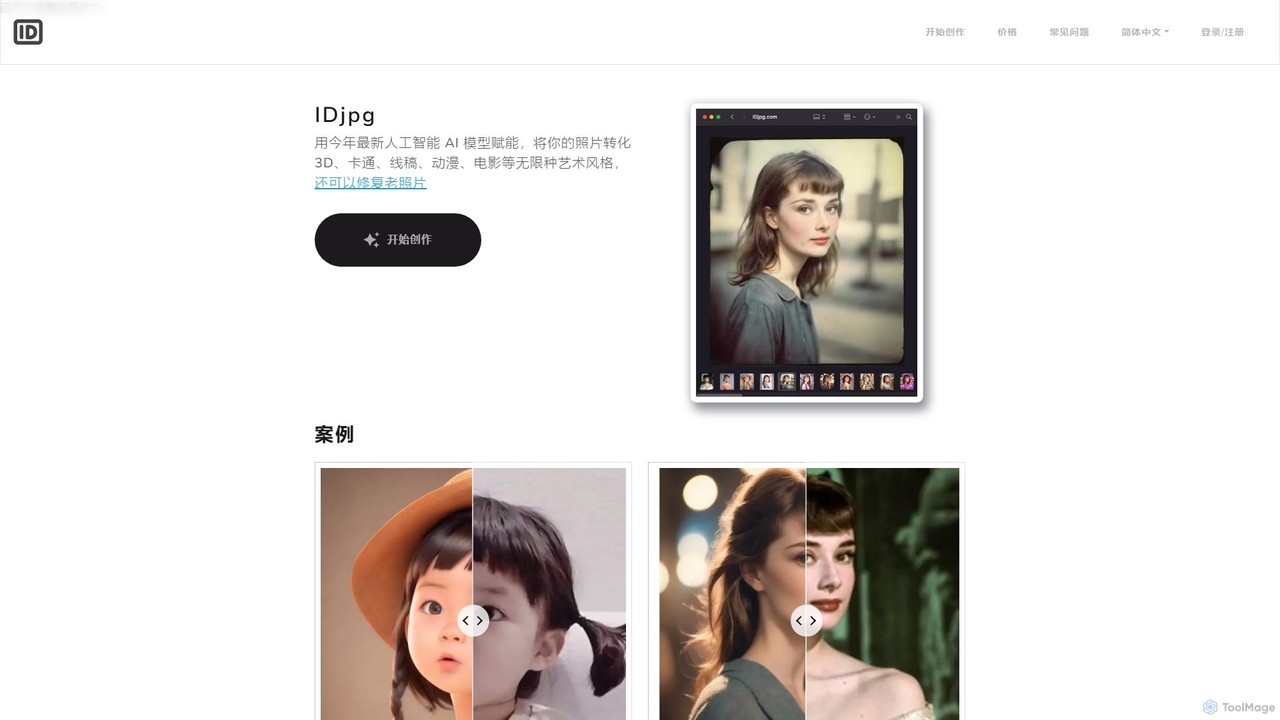
idjpg

idjpg

IDjpg is an AI-powered tool that transforms your photos into various artistic styles like 3D, cartoon, and anime, …

3.0K

About Photo Restoration

AI Photo Restoration tools are specialized applications that use artificial intelligence to repair, enhance, and colorize old or damaged photographs. Leveraging deep learning models, these tools automatically detect and remove scratches, creases, and dust, while also improving clarity and adding realistic color to monochrome pictures. They are invaluable for preserving personal memories, digitizing historical archives, and bringing faded images back to life with remarkable detail. This technology significantly simplifies a process that once required extensive manual work by professional restorers.

Core Features

  • Scratch & Blemish Removal: Automatically identifies and reconstructs areas damaged by scratches, tears, dust, and stains.
  • AI Colorization: Intelligently adds natural and context-aware colors to black-and-white or faded photos.
  • Face Enhancement: Specifically focuses on improving the clarity, detail, and resolution of faces within old photographs.
  • Noise Reduction: Cleans up film grain and digital noise to produce a smoother, clearer image.
  • Resolution Upscaling: Increases the dimensions and sharpness of low-resolution scans without introducing significant artifacts.

Use Cases

These tools are widely used by individuals for restoring family albums, genealogists for clarifying historical records, and professional photographers offering restoration services. Museums and archives also utilize them to digitize and preserve their collections, making historical imagery more accessible and engaging for the public.

How to Choose

When selecting a tool, evaluate the quality of its restoration results, especially for face enhancement and color accuracy. Consider the range of features offered, such as batch processing for large collections. Also, assess the user interface for ease of use and review the pricing model—whether it's a subscription, pay-per-image, or a one-time purchase—to find what best suits your needs and budget.

Photo RestorationUse Cases

1

Digitizing and Restoring Family Photo Albums

For individuals and families, AI photo restoration tools offer a powerful way to preserve precious memories. A user can scan old, faded, or damaged photographs from family albums—pictures of grandparents' weddings, childhood moments, or ancestral portraits. Using the tool, they can upload these scans and, with a few clicks, automatically remove decades of wear, such as creases, spots, and fading. The AI colorization feature can breathe new life into black-and-white images, providing a vibrant, new perspective on the past. The result is a high-quality digital archive that can be easily shared with relatives and preserved for future generations.

2

Enhancing Historical Photos for Research and Archives

Genealogists, historians, and archivists frequently work with historical photographs that are low in quality or have deteriorated over time. AI photo restoration tools are essential for this work. They can enhance the faces in old group photos, making individuals easier to identify for genealogical research. By removing noise and sharpening details, these tools can reveal previously unseen information in historical images, such as text on signs or details on clothing. This allows for more accurate analysis and documentation. Museums and libraries use this technology to restore their digital collections, making history more vivid and accessible to researchers and the public.

3

Professional Photo Restoration Services

For photography studios and freelance editors, AI tools dramatically accelerate the workflow for offering photo restoration as a paid service. Instead of spending hours manually retouching a single damaged photo in traditional software, a professional can use an AI tool to get a high-quality result in minutes. This allows them to handle a higher volume of client requests and offer more competitive pricing. The AI provides an excellent baseline restoration, which can then be fine-tuned with professional software for a perfect finish. This hybrid approach combines the speed of AI with the precision of a skilled artist, maximizing both efficiency and quality for their business.

4

Restoring Old Real Estate and Architectural Photos

Real estate agents, architects, and historical preservation societies can use AI photo restoration to bring old property photos back to life. For marketing a historic home, an agent can restore old black-and-white photos of the property to their former glory, even colorizing them to help potential buyers visualize its history. Architects can restore old blueprints or construction photos to study a building's original design and structure. Historical societies can create compelling 'before-and-after' galleries for community engagement and fundraising, showcasing the transformation of local landmarks over time. This application provides both commercial and cultural value by preserving architectural heritage.

5

Enhancing Archival Footage for Documentaries

Content creators and documentary filmmakers often rely on archival photos to tell a story. However, these images are frequently of poor quality. An AI restoration tool can be used in pre-production to enhance these assets. By improving the clarity, removing damage, and colorizing key images, filmmakers can make historical content more immersive and engaging for a modern audience. For example, a blurry portrait of a historical figure can be sharpened to reveal their expression, adding emotional depth to the narrative. This process saves significant time and budget compared to hiring a specialist restoration artist for every single image needed in the film.

6

Preparing Old Photos for Print and Social Media

Whether for a personal project like a printed photobook or for a brand's 'Throwback Thursday' social media post, old photos often need restoration before they can be used. An individual creating a wedding anniversary gift can restore and upscale old photos to ensure they look sharp when printed. A social media manager for a heritage brand can quickly colorize black-and-white product photos from their archives to create engaging content that connects with their audience. The AI tools make this process fast and accessible, ensuring that even low-resolution or damaged source images can be transformed into high-quality assets suitable for modern digital and print formats.

Photo RestorationFrequently Asked Questions